Do Maine Coons Need Another Cat? Loneliness and Second-Cat Signs
If you have been typing “do maine coons need another cat” into Google at midnight, chances are your giant is on your chest at that exact moment, purring, while you worry whether he is truly happy when you leave for work in the morning. I know the guilt. Maine Coons love in such a people-shaped way that leaving them alone for nine hours feels like abandoning a friend.
The short answer is that no, a Maine Coon does not need another cat the way he needs food and water. But this breed handles solitude worse than almost any other cat I know, and in the right household a second cat is the thing that makes daily life work. Here is my honest decision framework: when a companion helps, the signs your cat is lonely, and what to know before you bring home cat number two.
Do Maine Coons Need Another Cat? The Short Answer
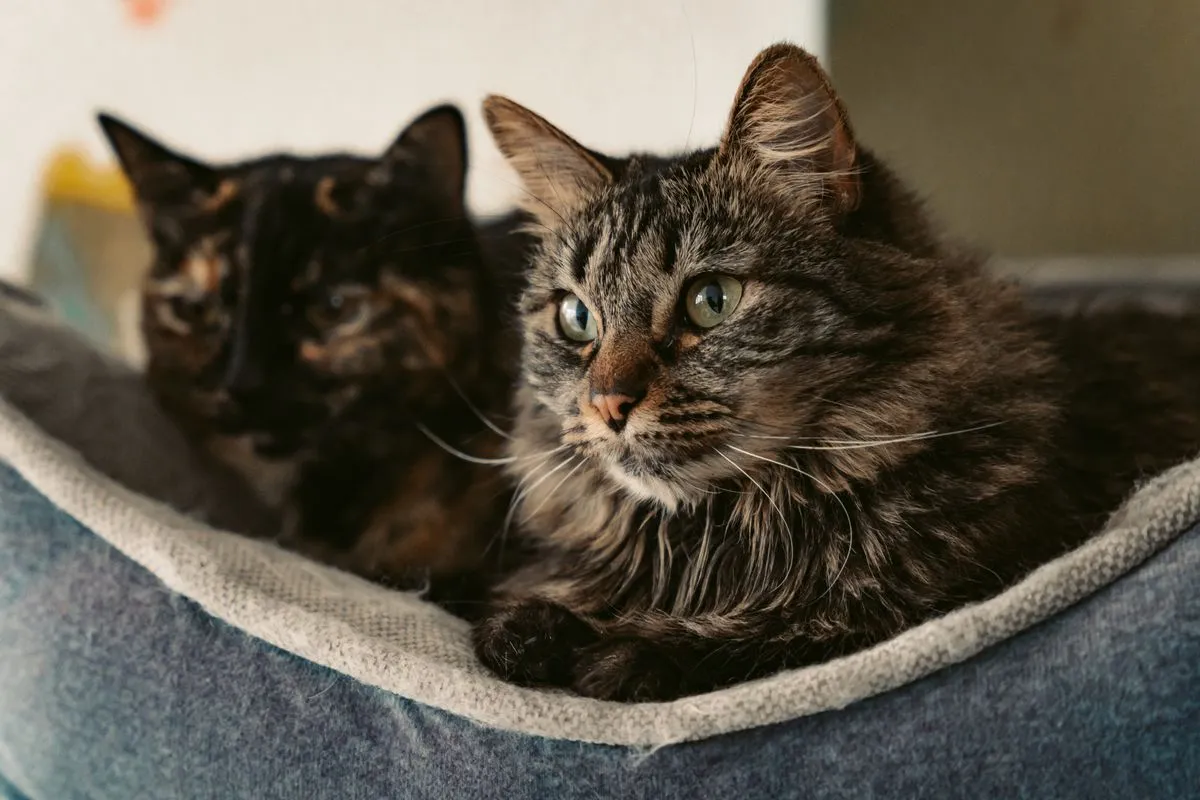
Maine Coons are wired for company. The International Cat Association’s breed introduction describes them as social by nature, excellent companions for active families that also enjoy having dogs and other animals, including other cats. When the house goes quiet for most of the day, they feel the gap more than a truly independent breed would.
That does not mean every Maine Coon must have a feline roommate. Plenty of only-coons thrive where someone is around most of the day and routines stay steady. The breed is famously good at hanging out alongside you rather than demanding constant entertainment, which is why their dog-like sociability lands them on every personality list (11 Unique Maine Coon Personality Traits).
The pattern owners report again and again in the Maine Coon Facebook groups I read is this: the single cat is fine until the humans’ schedules change. A new job with long hours, kids growing up and out of the house, the other household pet passing away – and suddenly the gentle giant is talking to the walls.
Signs Your Maine Coon Is Lonely
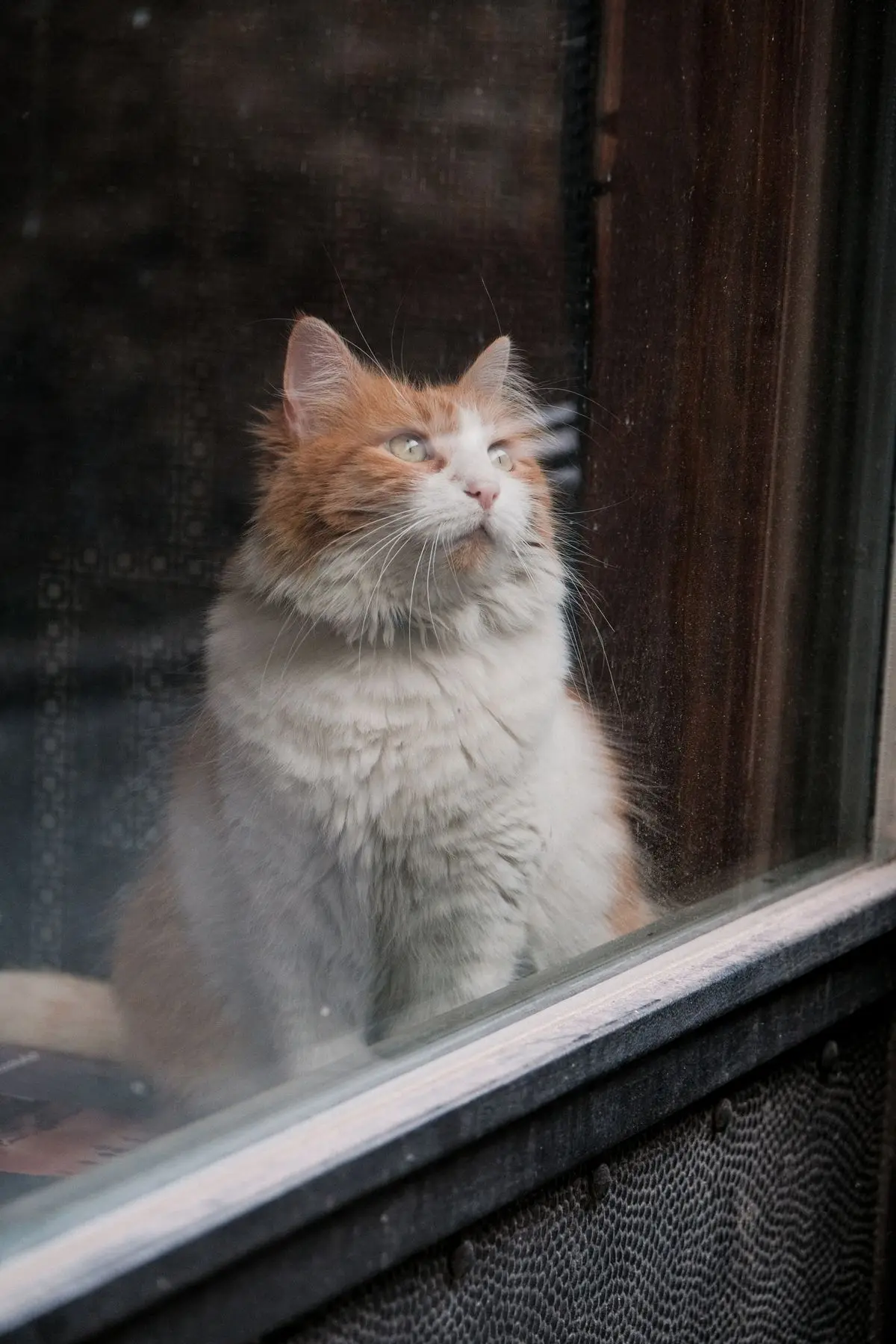
Loneliness in cats does not look like a sad cartoon. It looks like small changes that creep in over weeks. Rule out medical causes first – any vet will tell you that – but if your cat checks several of these boxes and the pattern started when company disappeared from the house, loneliness is a fair suspect.
The talking increases. Maine Coons already trill and chirp, but a lonely one starts vocalizing more around arrivals and departures – greeting you at the door with a full speech, then talking to nobody in particular while the house is empty.
The shadowing turns up a notch. Every Maine Coon follows its person, but a lonely one cannot settle alone at all – not content in another room even for an hour. If your cat is practically velcroed to you, I wrote about why Maine Coons follow you everywhere and the attachment behind it; this article picks up where that one leaves off – whether feline company is the answer.
Sleep and appetite shift. Some lonely cats sleep more, simply to pass the time. Others eat less enthusiastically or lose the rhythm of their routines. One widely shared story: a family’s big boy lost interest in everything he used to love, his vet cleared him medically, and a new kitten brought his spark back.
Boredom turns destructive. Counter-surfing, toilet-paper unraveling, 3 a.m. cat-tree launches – when a Maine Coon has no outlet for his social energy, play becomes chaos. One owner posted a before-and-after video her followers dubbed “the second cat effect”: her lethargic tabby went from lounging flat-out to wrestling, chasing, and grooming a new kitten, and commenters piled in with their own versions of the same story.
Clingy or withdrawn. Lonely cats swing either way – some glue themselves to you the second you return, others detach and stay flat even after you are home. If you recognize two or three of these signs and they line up with a quieter house than your cat used to have, keep reading. If they came on suddenly out of nowhere, call your vet first.
The Honest Decision Framework: Should You Get a Second Cat?
Most articles just say “yes, get two.” The honest answer depends on your house, not just your cat.
Get the second cat when:
- Your cat is alone for long stretches most days – full-time work outside the home, frequent travel – and you cannot change that.
- Your cat already liked other animals: siblings he grew up with, calm behavior around visitors’ pets, or a companion who has passed.
- You are the only social contact your cat gets. The single owner working long hours in a small flat is the classic case in the owner groups.
Hold off when:
- Someone is home most of the day and your cat is genuinely content. Some Maine Coons are perfectly happy as the reigning monarch with a devoted human.- Your cat is senior and settled, especially if he dislikes other cats. A rambunctious kitten is not a gift to an eleven-year-old who has ruled the house for a decade.
- Your cat reacts badly to other cats in general. A second cat will not fix a cat who does not want feline company.
- The budget is already tight. Two cats means twice the food, twice the litter, and a second set of vet bills – do not skip the math.
A middle path many owners miss: the second companion does not have to be a cat. Maine Coons are famously dog-friendly, and several owners in the groups say a calm dog did the whole job for their lonely Coon. If your household suits a dog better than a second litter box, that is a legitimate answer – see my rundown of cat breeds that are good with dogs.
Choosing the Right Second Cat
If you decide yes, the which matters as much as the whether. The group discussions I have read over the years converge on the same few points, because they come from people who learned them the hard way.
A kitten is usually the easiest fit. Resident cats accept a kitten far more readily than an adult intruder, and a kitten is less of a territorial threat. Match energy to energy, though – pairing a frail senior with a kitten-shaped tornado is unfair to the senior. One owner described her young, wrestling-happy male Coon harassing her ten-year-old calm female. The consensus from dozens of multi-cat households: add a young, similarly playful cat so the wrestler has a proper playmate, and match by temperament, not by sex. (Opposite-sex pairings do tend to settle faster, but it is a tendency, not a law.)
Consider a second Maine Coon – but it is not required. Two Maine Coons share a size, a play style, and a tolerance for each other’s noise, which is why so many owners end up with a pair. But a confident, social domestic cat can be a wonderful companion too, and for many owners the right cat at the rescue is simply the cat who clicked.
Health and logistics come first. The newcomer should be vet-checked, vaccinated, spayed or neutered, and tested for contagious disease before any face-to-face meeting – no exceptions. If the new arrival is a kitten, my first vet visit checklist covers what that first appointment should include. Keep them separated until the all-clear anyway.
Introducing Them: The Maine Coon Way
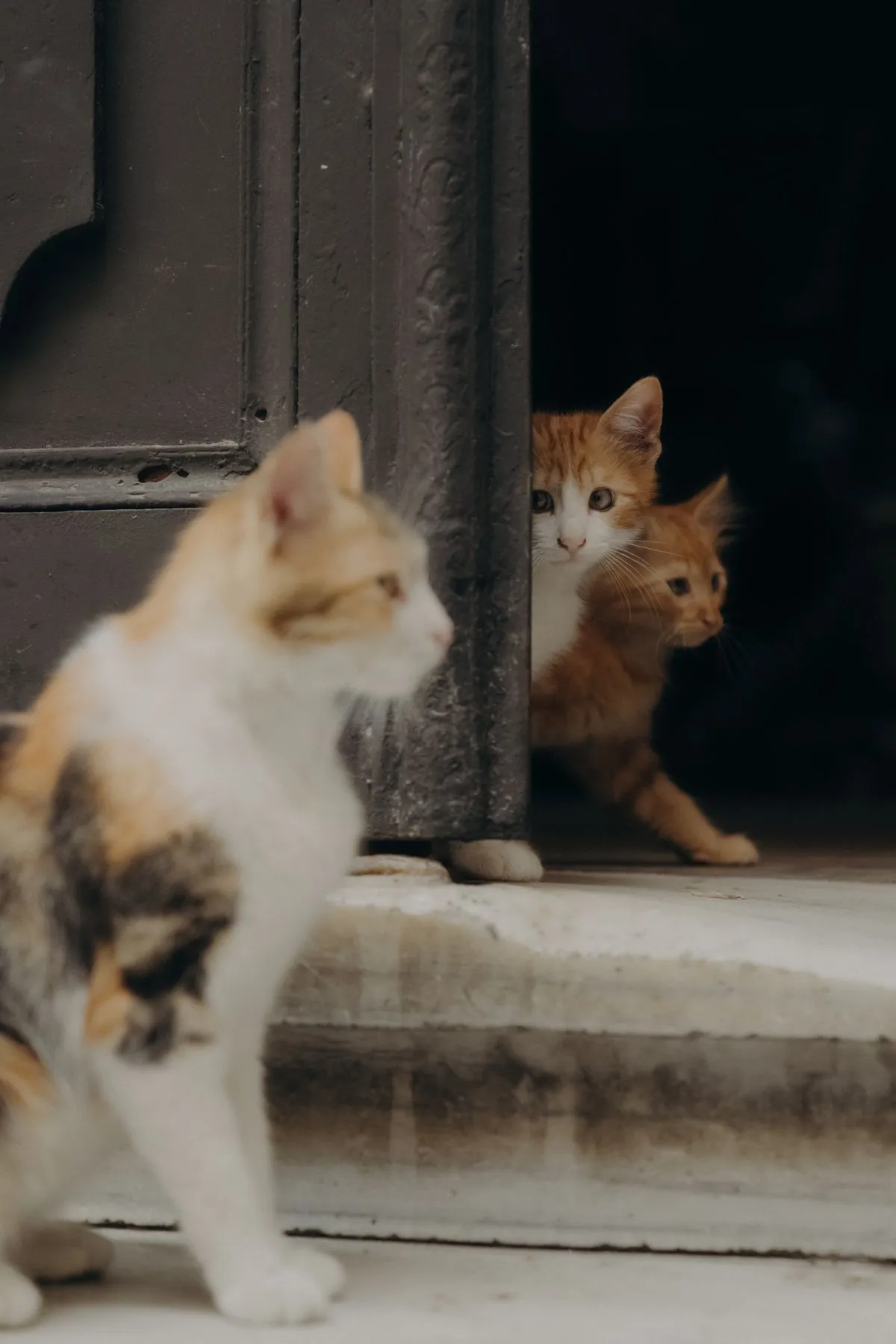
Here is the good news: Maine Coons are among the more socially flexible cats, and with a proper slow introduction most pairings work out. The bad news is that “proper” means slow, and the number one reason introductions fail is humans rushing them. Week-by-week diaries from owners agree: expect weeks, not days, and treat hissing in week one as normal conversation, not a verdict.
Step 1: separate worlds. The new cat gets one room the resident cat does not sleep in, with his own litter box, food, water, scratching post, and a hiding spot. The resident cat keeps the rest of the house and his full routine. No face-to-face contact, not even a quick peek. VCA Hospitals’ guide to preparing for a new kitten says it plainly: planning the introduction before arrival day is what makes it work; improvising at the door is what makes it fail.
Step 2: scent before sight. Swap bedding between the rooms, rub a cloth on each cat’s cheeks and leave it near the other’s food bowl, and let them play paws-under-the-door. Feed them on opposite sides of the closed door so the other cat’s smell starts predicting dinner. If either cat will not eat near the door, the bowls are too close – back up a foot and retry tomorrow. PetMD’s step-by-step introduction guide flags this as the most-rushed step: even visual contact too early can set the whole relationship off on the wrong foot.
Step 3: sight through a barrier. When both cats are calm about the smell – eating normally, playing near the door – graduate to a baby gate or a cracked door. Short sessions, high-value treats, and end on a win. Give them time to learn each other’s language.
Step 4: supervised meetings, then freedom. Drop the barrier for short, supervised visits with toys and treats. Ears forward and loose posture mean curiosity; flattened ears, rigid staring, and puffed tails mean you went too far too fast. Never grab a cat mid-scuffle – toss a pillow or blanket to break the stare. Keep the one-litter-box-per-cat-plus-one rule when you finally open all the doors.
How long does it take? One week to three months. Kittens with easygoing residents can be cuddling in a fortnight; two adults with strong opinions can take two months of barrier work. The owners who struggled most tried to compress it into a long weekend.
FAQ: Second Cat Questions Owners Actually Ask
Do two Maine Coons cost double?
Close enough to plan for. Food and litter genuinely double, vet costs double per visit, and multi-pet insurance discounts only soften it. The setup is cheaper the second time – unless you still need the giant litter box that big-cat litter box guides recommend.
Is it better to get two kittens at once?
Breeders will tell you yes. Two kittens from the same litter arrive pre-bonded and entertain each other through the destructive phase. If you already have one kitten under a year old, adding the second sooner beats waiting until he is a settled adult.
Will a second cat make my Maine Coon love me less?
In my experience, the opposite. Owners who worried about being replaced almost always report that their original Coon stayed exactly as devoted – he just stopped needing them to be his entire world.
Can a single Maine Coon be happy alone?
Yes – if the humans are present and the routine is consistent. Remote workers, retirees, and multi-person households with someone usually around have single Maine Coons living their best lives. The breed wants company; it does not strictly care whether that company purrs.
What if the introduction fails?
Real failures are rarer than feared. Most “failed” introductions are just rushed ones – going back to scent-only work for another week resolves the majority. If months of proper work still produce genuine fear or aggression, ask your vet about professional behavioral help.
The Bottom Line
So – do Maine Coons need another cat? Not all of them, but more of them than their owners expect. This is a breed that chooses company whenever it is offered, and a second cat is the most reliable fix for the quiet-house blues: the extra talking, the boredom destruction, the flat affect that is neither depression nor misbehavior.
My advice to anyone on the fence: do not ask whether your cat needs a friend in general. Ask whether your household can give him the company he already wants. If the answer is no and your budget and space say yes, start talking to breeders or rescues – and give the introduction the full slow treatment. The weeks of patience buy you years of two giant cats piled on the couch, and that sight never gets old.