
Maine Coon Cats: Care Guides, Colors, Size and Personality
Real-world care guides, honest breed advice, and free interactive tools — from a lifelong Maine Coon owner.
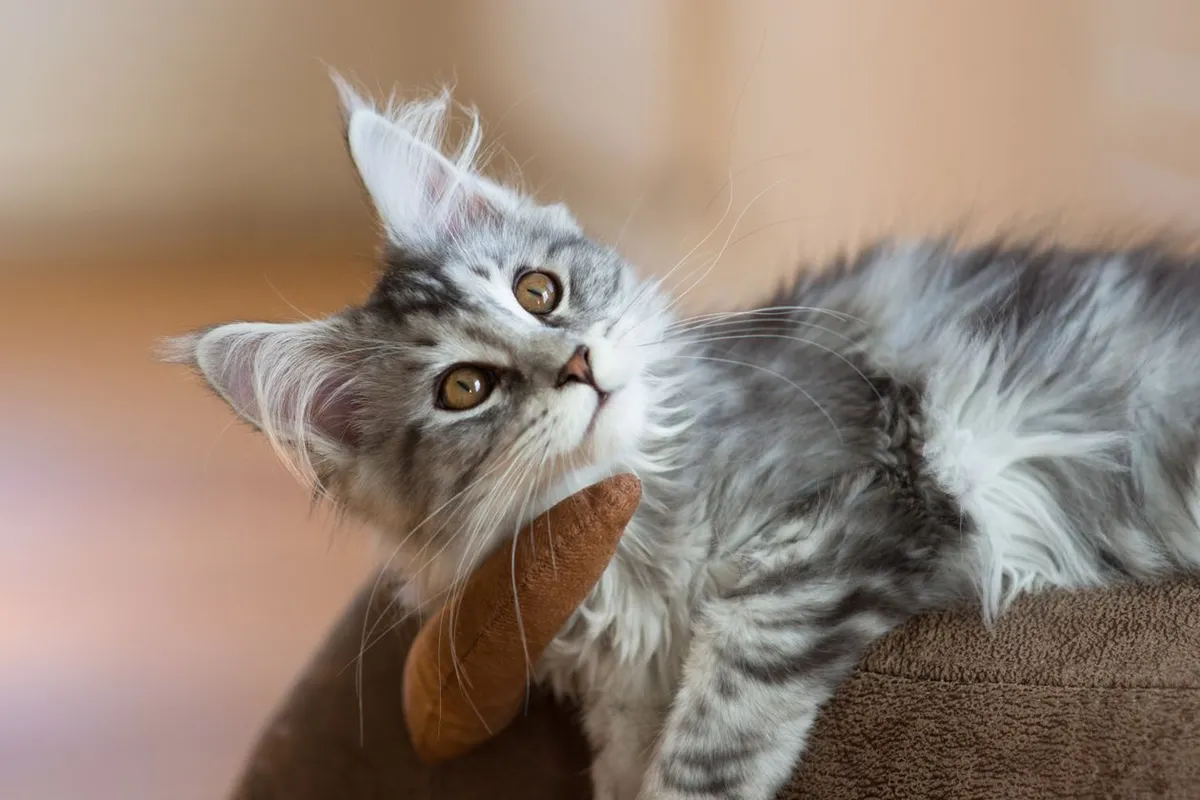
Meet the Gentle Giants of the Cat World
The Maine Coon is the largest of all domestic cat breeds, and in my opinion, the most rewarding to share your home with. These fluffy, friendly, and deeply social cats trace their roots to 19th-century New England, where they earned their keep as hardy farm and ship mousers. That working heritage is still visible today in their sturdy build, tufted ears, and magnificent bushy tails.
A full-grown male can weigh 13 to 18 pounds, yet mine are some of the most patient, affectionate animals I have ever known. They follow me from room to room, greet me at the door like dogs, and chirp and trill their way through the day instead of meowing. If you want a cat that truly participates in family life, this is the breed.
A Maine Coon’s large, tufted paws work like natural snowshoes, spreading their weight so they can walk across snow without sinking — a leftover superpower from their New England winters. Many Maine Coons are also polydactyl, meaning they are born with extra toes. Old sailors considered these big-footed cats good luck on ships, and honestly, after years of living with them, I am inclined to agree.
Interactive Maine Coon Tools
Not just articles — practical tools built for Maine Coon owners. Calculate the real cost, track your kitten’s growth, vet a breeder, or find out if this breed fits your life.
Cost Calculator
What does a Maine Coon really cost? First-year and lifetime expenses.
Calculate costs →
Growth Chart
Track your kitten’s weight against healthy Maine Coon growth curves.
Track growth →
Breeder Checklist
12 essential questions to ask before choosing a breeder.
Vet a breeder →
Breed Quiz
Is a Maine Coon right for you? Take the 8-question quiz.
Take the quiz →
Latest Maine Coon Guides
Everything I have learned from years of living with Maine Coons — practical grooming and care guides, feeding advice, and honest answers to the questions every owner asks.
Diabetes in Maine Coons: Signs, Diet and Care
The first thing I noticed was the water bowl. I was filling it twice a day instead of once, and the litter tray needed scooping far more often than usual. My big boy was still eating like a horse, but his spine felt sharper under my hand. Nothing dramatic. That slow, quiet creep is exactly…
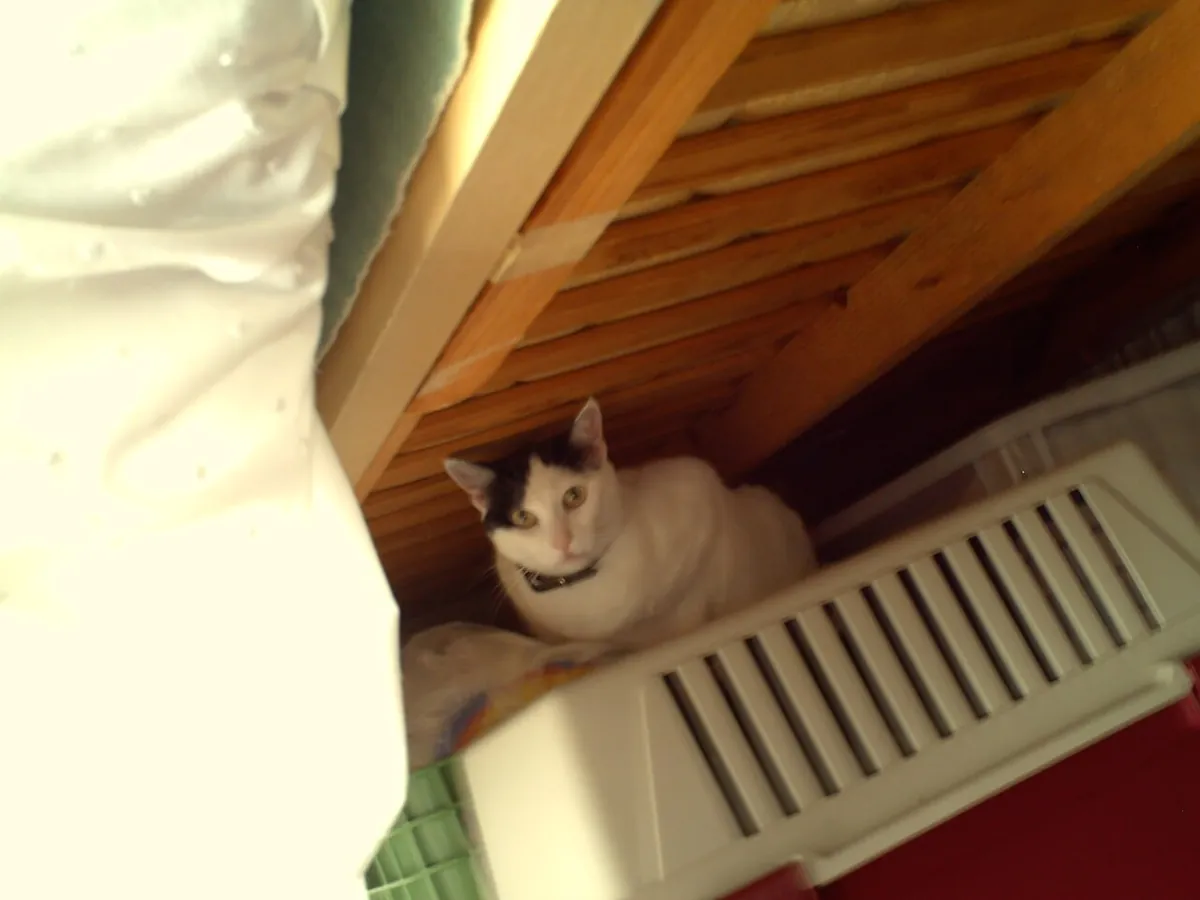
Why Is My Maine Coon Hiding? Causes, When to Worry and How to Help
If you have ever come home, called your Maine Coon by name, and been answered by silence — only to spot two eyes blinking at you from under the bed — you know the worry that follows. The first question is always the same: why is my Maine Coon hiding? Maine Coons are supposed to…
Kidney Disease in Maine Coons: Early Signs, Diet and Care
When my Maine Coon started emptying his water bowl faster than usual, I told myself it was just a warm week. Then the litter tray got heavier, his spine felt sharper, and the cat who once galloped to the food bowl started sniffing his dinner and walking away. None of it looked like an emergency…
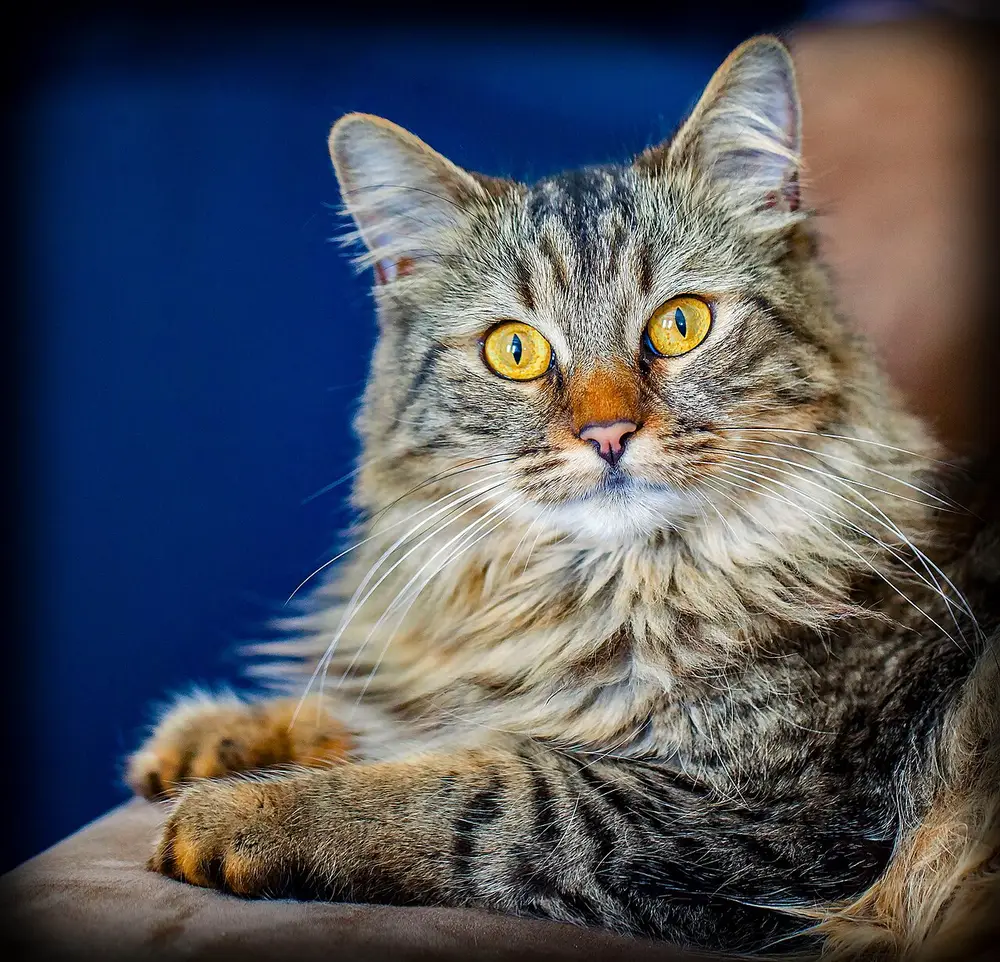
Why Does My Maine Coon Have Diarrhea? Causes, Home Care and When to Worry
Nothing ruins a quiet morning quite like opening the litter box and finding a mess that is definitely not normal. I have been there more than once with my own Maine Coons: one loose stool and suddenly you are Googling at 6 a.m., wondering if this is a passing upset or the start of something…
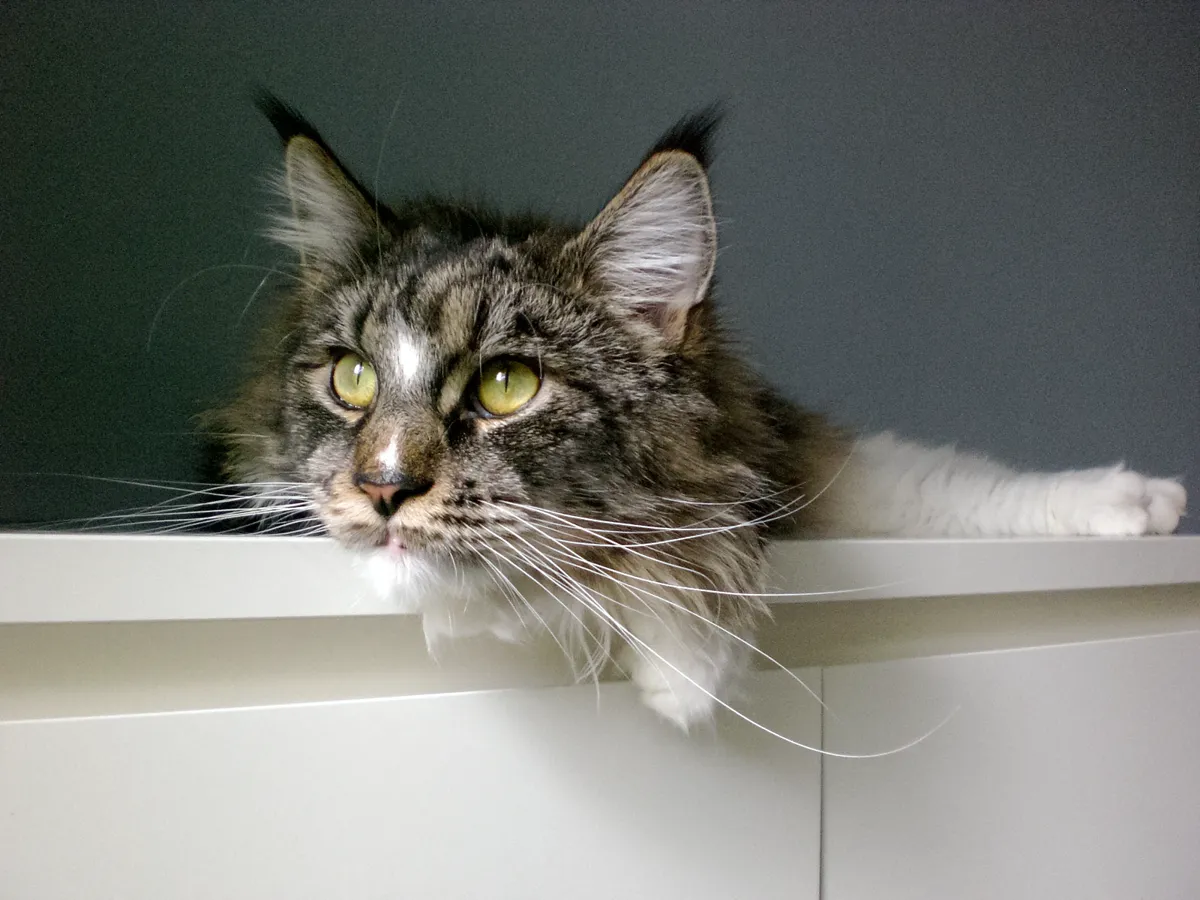
Why Is My Maine Coon Coughing? Causes and When to Worry
The first time I heard my Maine Coon cough, I froze. He crouched low on the rug, stretched his neck out, and hacked — a dry, rattling sound that lasted a few seconds, then stopped. Nothing came up. My first thought was a hairball — and I had no idea whether that was right. If…
Maine Coon Constipation: Signs, Causes and What Helps
What Maine Coon Constipation Looks Like in Real Life A calico kitten in an open litter tray. Photo: MiNe via Wikimedia Commons (CC BY 2.0). The first time one of my Maine Coons went quiet in the litter box, I almost missed it. He went in, dug around, strained for a while, and came out…
Popular Maine Coon Topics
Jump straight to the answers Maine Coon owners search for most.
Maine Coon FAQs
The questions every future owner asks, answered from real life with the breed.
Are Maine Coon cats good pets for families?
In my experience, they are one of the best breeds for families. They are patient with children, usually fine with other pets, and affectionate without being demanding. They do need daily play and regular grooming, so they suit homes that can give them time and attention.
How big do Maine Coons get?
Males typically reach 13 to 18 pounds and females 8 to 12 pounds, and they keep growing until age 3 or 4. My Maine Coon size guide has the full breakdown.
Do Maine Coons need a lot of grooming?
More than a shorthair, less than you might fear. Brushing two to three times a week prevents mats in most cats. See my complete bathing and grooming guide for the routine I use.
Are Maine Coons aggressive?
No — they are famously gentle. If a Maine Coon acts aggressively, there is usually an underlying cause like fear, pain, or stress. I explain the causes and fixes in this article.
Start Your Maine Coon Journey
From choosing a breeder to the first 30 days at home — everything is here, free, and written from real experience.