Cream Maine Coon: The Dilute Beauty Guide
The first time I saw a cream Maine Coon in person, at a breeder’s open day a few years back, I honestly thought someone had brought in a white cat. Then she turned her head, the light shifted, and there it was: not white at all, but a soft buttery wash of color. That is the thing about a cream Maine Coon. It does not shout. It glows.
Cream has a way of quietly stopping people in their tracks. Photos of cream Maine Coons pull thousands of likes online for a simple reason: the color is rare enough to be striking and soft enough to feel almost unreal. But behind that dreamy coat there is some genuinely interesting genetics, a handful of lookalike colors to sort out, and a few practical quirks owners of pale-coated cats learn the hard way. I have gathered all of it here, owner to owner.
What Is a Cream Maine Coon?
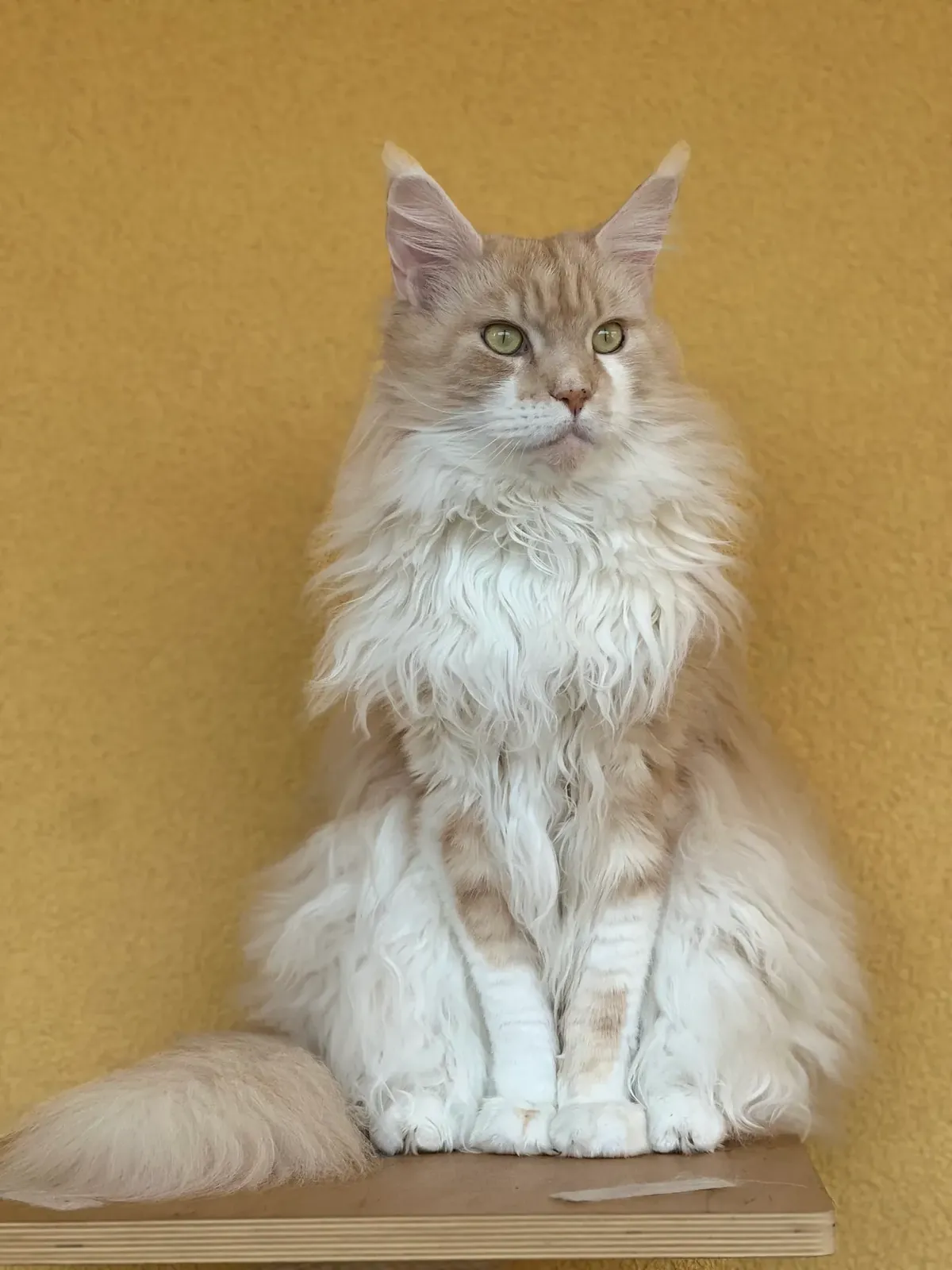
A cream Maine Coon is a Maine Coon whose coat carries the cream coloration: a pale, warm, buff-toned shade that looks like diluted orange. Think vanilla ice cream with a whisper of peach. It is not white, it is not orange, and it is not beige in the way a silver coat is. The Cat Fanciers’ Association breed standard describes cream as a single, even shade of buff cream with pink nose leather and pink paw pads, and that little detail matters more than you might think, because the nose and pads are how you tell a cream from an impostor.
Cream is an officially recognized color for the breed, and it shows up in several patterns: solid cream, cream tabby (classic, mackerel or ticked), cream smoke, shaded cream, cream-and-white bicolor, and even blue-cream tortoiseshell, where dilute orange patches sit beside dilute black ones.
The Genetics: Cream Is Simply Diluted Red
Here is the one genetic fact worth locking in, because it clears up half the confusion about this color. Cream is the dilute form of red (the color most of us call orange or ginger). Every domestic cat carries a pair of alleles at what geneticists call the dense/dilute locus, D. A cat with DD or Dd expresses its color at full density: red stays red, black stays black. A cat with two copies of the recessive allele, dd, has its pigment deposited more thinly and spread out along the hair shaft, and red washes down to cream. TICA’s own color genetics seminar puts it plainly: combine the orange gene with d/d and you get cream.
The orange gene itself lives on the X chromosome, which is why red and cream cats skew male. A female needs the orange gene on both X chromosomes to be red or cream, so cream females exist but they are less common than cream males. That same X-linking is also behind blue-cream tortoiseshells, which are almost always female.
One fun side effect of the orange gene: it does not fully suppress the tabby pattern. That is why so many cats that look like solid cream actually show faint striping on the legs, tail and face, and a little M on the forehead, if you catch them in the right light. Owners on Reddit talk about this a lot with cream kittens: the baby looks nearly white, then ghost tabby markings start showing through as the adult coat grows in. A cream Maine Coon in winter can look like a slightly different cat than the same cat in August.
Cream vs. White vs. Red: Telling the Lookalikes Apart
This is where most of the mix-ups happen, so here is the practical test that breeders on YouTube walk through with their litters:
Nose and paw pads. A cream Maine Coon has pink nose leather and pink paw pads. A white cat also has pink nose and pads, so that alone is not enough, but a true red (orange) cat has brick-red nose leather, and a silver or blue cat has blue-toned nose leather. If the coat looks pale but the nose is pink, you are in cream-or-white territory.
Warmth of tone. White is cool and flat, like paper. Cream has warmth, a buff, butterscotch undertone that is easiest to see in natural daylight and around the ears and tail, where the color tends to read deepest.
The kitten stage. Cream kittens are often born looking almost white, which is why people mislabel them in photos all the time. Give it a few months. The ruff, the tail plume and the ear tufts are usually where the cream declares itself first. Breeders on Instagram joke about it with captions like a little cream in my coffee, because the kittens start out looking like milk and the cream pours in over time.
If you are choosing between a cream and one of the breed’s other dilute beauties, my guides to the blue Maine Coon and the silver Maine Coon are good companion reading: blue is the dilute of black, the same way cream is the dilute of red.
The Many Faces of Cream
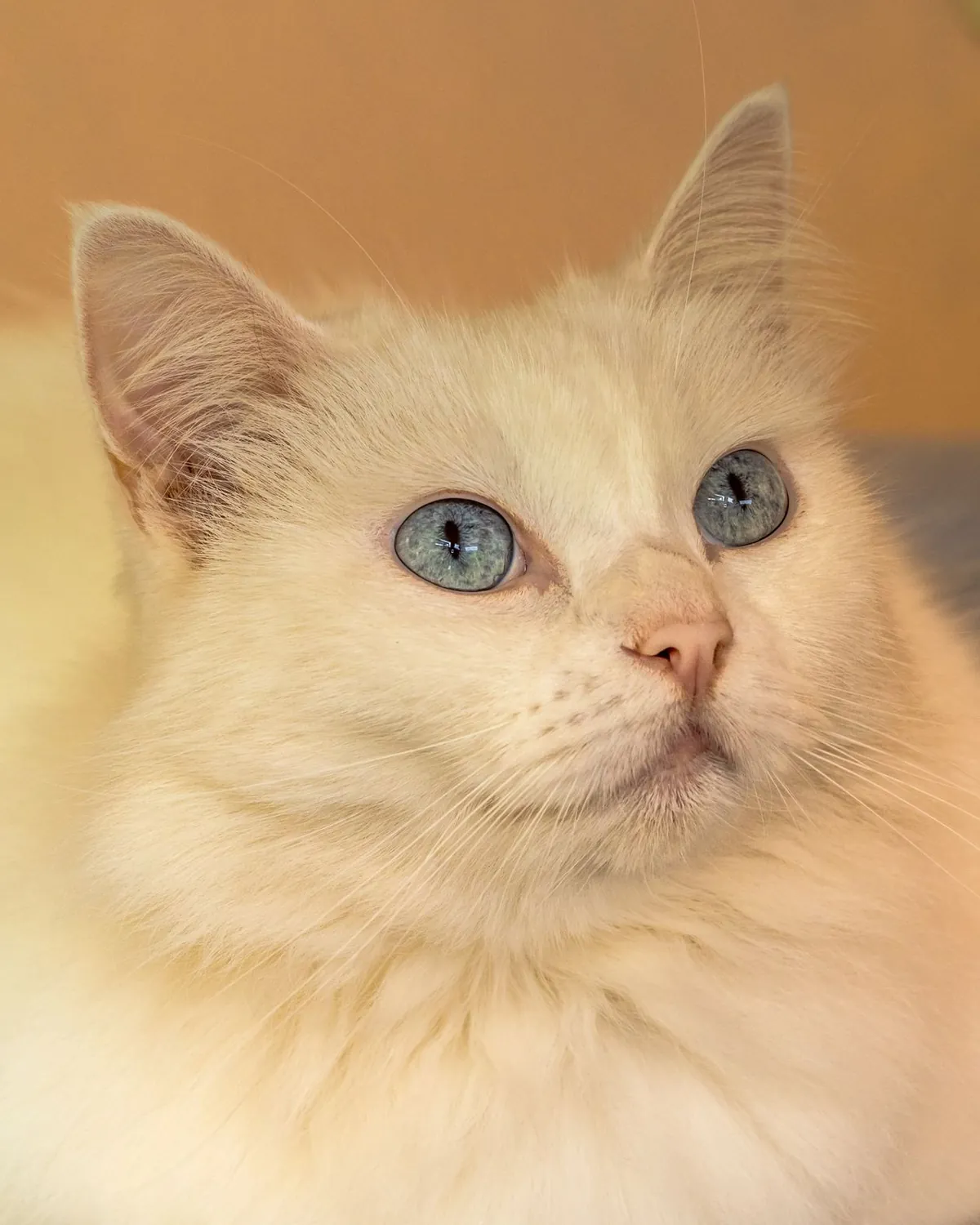
Cream tabby. The most common presentation, since the orange gene barely hides tabby markings. Pale cream ground color with slightly darker markings, enough for a soft ghost contrast. Many of the gorgeous cream Maine Coons on social media are cream tabbies.
Solid cream. Rarer, and harder for breeders to produce cleanly, because any lingering tabby shadowing disqualifies the look. A good solid cream is an even wash of buff from root to tip.
Cream smoke. The roots are near-white and the tips carry the cream, so the coat glows from within when the cat moves. Stunning, but the pale roots show every bit of skin oil, so these cats need the most grooming attention.
Blue-cream tortoiseshell. Patches of blue (dilute black) marbled with cream. Almost always female, almost always a showstopper.
Cream and white. Cream with white bibs, paws, or blazes. The white trim around the lips and chin that you see on many cream tabbies belongs to this family too.
Personality: Does the Color Matter?
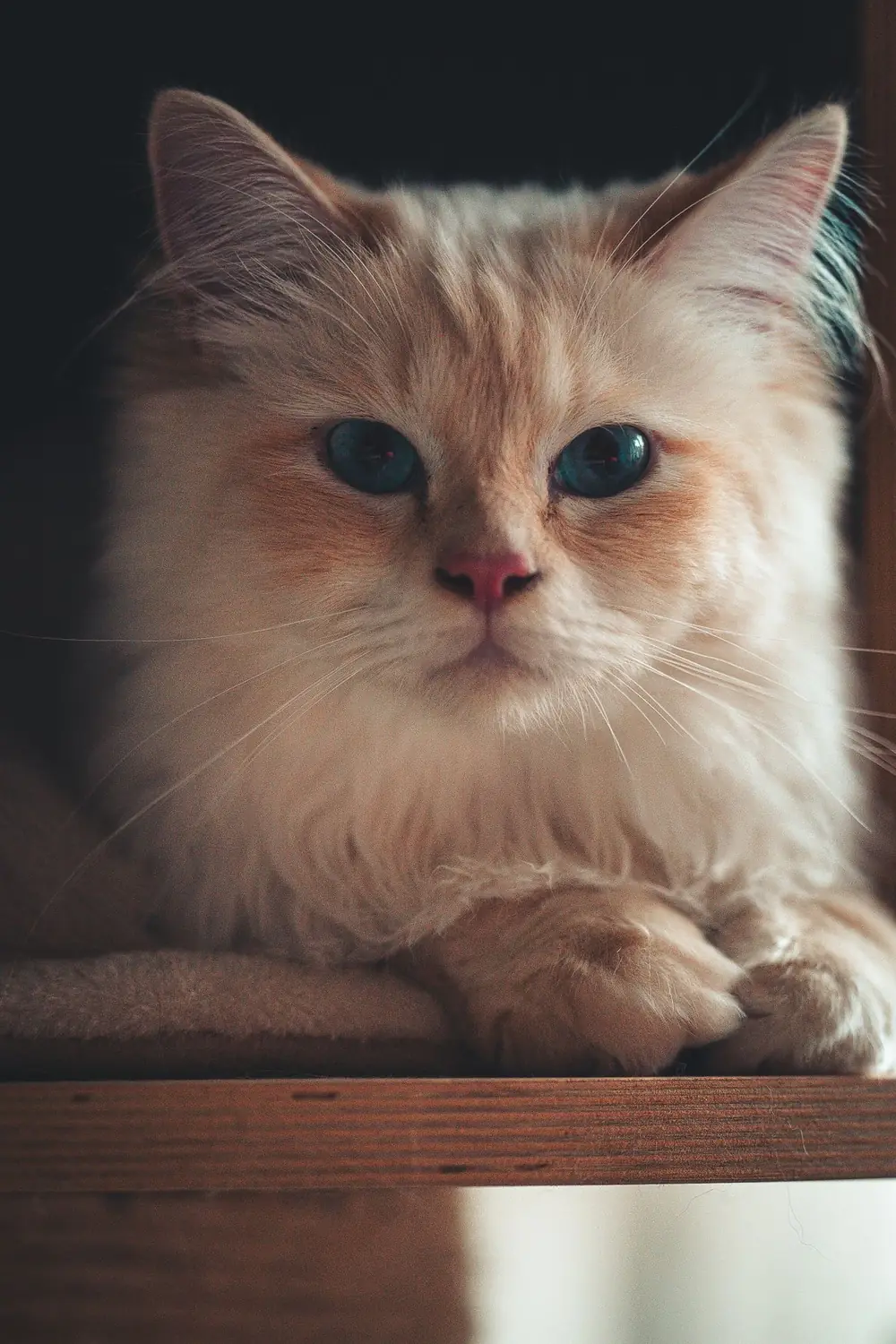
I get asked this more than you would think, and the honest answer is no, not really. There is no scientific evidence linking coat color to personality in cats. A cream Maine Coon is a Maine Coon first: dog-like, chatty, water-curious, and prone to following you from room to room like an extremely fluffy supervisor.
That said, owners of light-colored cats joke on forums that cream cats photograph like angels and act like comedians. If you want the full picture of day-to-day life with one, my rundown of Maine Coon personality traits covers the chirping, the fetching, and the bathtub supervision.
Grooming a Pale Coat: What Owners Wish They Had Known
Here is the practical part. A cream coat is gorgeous, and it is also a white shirt at a spaghetti dinner. Everything shows: food around the mouth, a smudge from the litter box, tear staining under the eyes, dust from under the furniture. Owners on Reddit are blunt about this: the pale fur is a dashboard that tells you exactly where the cat has been.
What actually helps:
Brush two to three times a week. Use a stainless steel comb, daily during spring and fall shedding. Mats are sneakier on cream coats because you cannot see the skin underneath the pale fur as easily, and a mat behind the ear can get serious before you notice. My guide to bathing a Maine Coon walks through the full routine, and it applies double for creams.
Wipe the face. A damp cloth or a vet-approved eye wipe around the eyes every couple of days keeps tear staining from setting into the pale fur. Breeders on YouTube recommend making it part of the evening wind-down so the kitten grows up thinking it is normal.
Bathe every few months, not constantly. Over-bathing strips the oils that give the cream its sheen. When you do bathe, rinse thoroughly; residue dulls pale coats faster than dark ones.
Check the ears and paws. Cream cats’ pink paw pads and light ear interiors show dirt plainly, which is actually a feature: you will spot ear gunk early. A quick weekly check takes thirty seconds.
Diet shows in the coat. This is true of every Maine Coon, but it is visible fastest on cream. A good-quality diet with enough animal protein and omega fatty acids keeps the pale coat bright instead of dull and cottony. If the coat goes lackluster, the first stop is the food bowl, the second is the vet.
Health Notes
Nothing about the cream color itself carries a health penalty. Cream is not linked to deafness the way the white coat with blue eyes can be. The dd dilution in cats is not the same as color dilution alopecia seen in some dog breeds; in cats, dilute colors are a normal, healthy variation.
So the health checklist is the standard Maine Coon one: screen for hypertrophic cardiomyopathy, hip dysplasia and spinal muscular atrophy through a responsible breeder’s testing program, keep up with vaccinations and parasite prevention, and watch the weight, because a big fluffy cream cat can hide a few extra pounds under all that pale camouflage.
FAQ
Are cream Maine Coons rare?
Uncommon rather than truly rare. Cream requires the dilute gene from both parents, so it shows up less often than red or brown tabby in litters, and clean solid creams are the hardest to produce. Breeders do not generally charge a premium for the color itself; price tracks pedigree, health testing and region, not shade.
Is a cream Maine Coon the same as a white Maine Coon?
No. White is the absence of pigment; cream is diluted orange pigment, warm and buff-toned with pink nose leather and paw pads. In dim indoor light they can look similar, which is why so many cream kittens get mislabeled in photos, but side by side in daylight the difference is obvious.
Do cream Maine Coon kittens change color as they grow?
Often, yes. Many are born looking nearly white, with ghost tabby markings and a deeper cream tone developing over the first year as the adult coat comes in. Owners on Reddit report the coat lightening in summer and deepening in winter too. The final adult shade is usually set by about two years old.
Do cream Maine Coons need more grooming than other colors?
The coat itself is the same texture and length, so the brushing schedule does not change. What changes is visibility: stains, tear marks and grease show more on pale fur, so owners end up wiping faces and spot-cleaning more often. Think of it as higher-maintenance laundry, not higher-maintenance fur.
Can two non-cream parents have a cream kitten?
Yes. Because the dilute allele is recessive, two dense-colored parents can each silently carry it and produce dd kittens. The reverse is not true: two cream (dd) parents cannot produce a dense-colored kitten, since they have no D allele to pass on.
Is a Cream Maine Coon Right for You?
A cream Maine Coon is the right cat for someone who wants the full Maine Coon experience, the size, the chatter, the comedy, in the softest-looking package the breed offers. Go in with open eyes about the pale coat: it is a magnet for smudges, it photographs like a dream, and it will teach you to notice dust you never knew existed.
If you are still deciding, look at adult creams, not just kittens. The kittens sell the dream. The three-year-old cream sprawled across a sofa, tail plume like a feather duster, snoring loud enough to hear from the next room, that is the reality. And honestly? It is better than the dream.