European vs American Maine Coon: Real Differences, Honest Advice
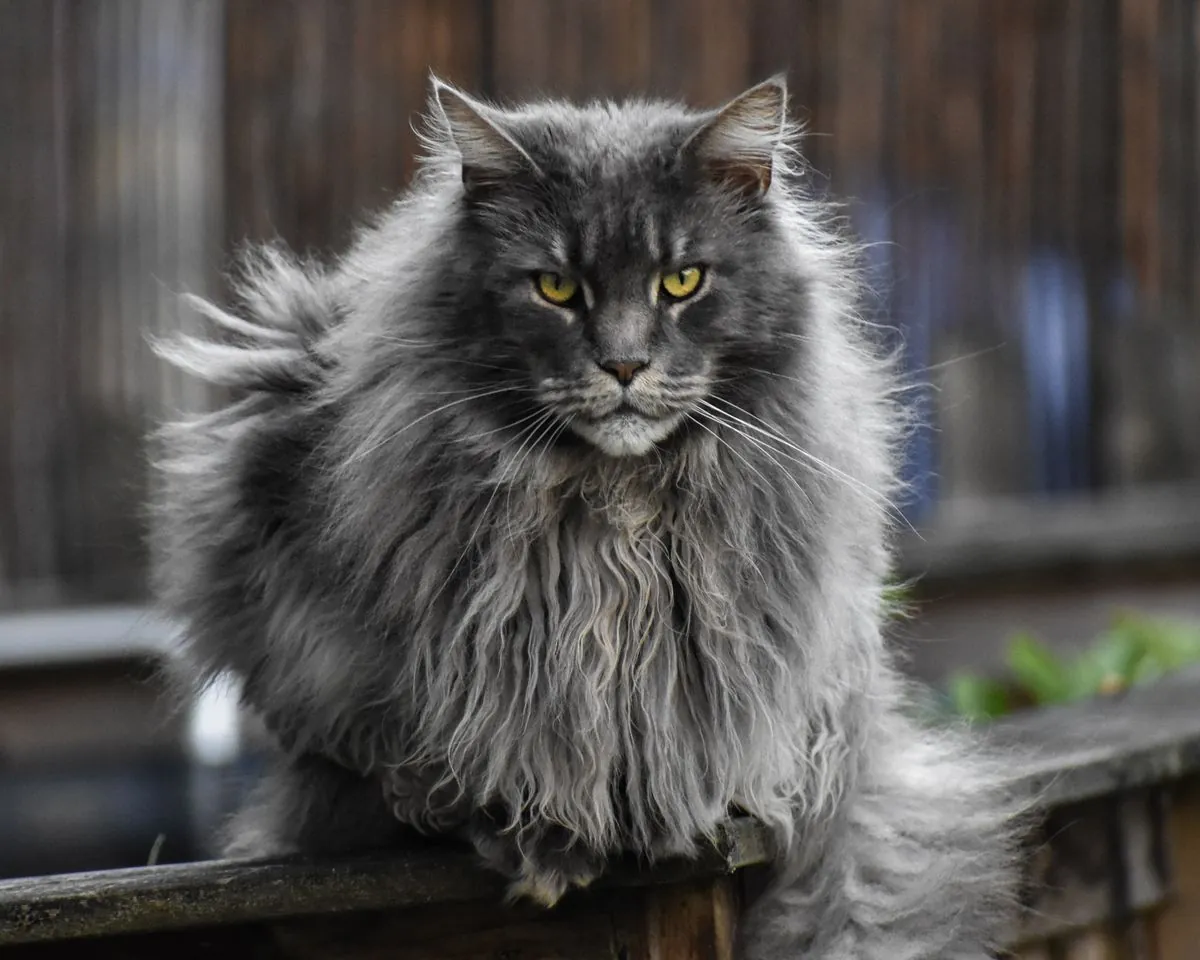
When I first heard someone talk about a european vs american maine coon, I thought they meant two different breeds. They do not. Both types share the same breed, the same slow-growing body, and the same chatty, people-loving nature. What differs is the look breeders in each region have tended to favour, and even that varies a lot from one cattery to the next. The word “European” is not a guarantee of size, temperament, or quality. It describes a breeding style, and some breeders follow it well while others use the label to charge more for an ordinary kitten.
First, the part everyone should know: it is one breed
The Maine Coon started in the United States, and its working-cat roots still show in the long body, shaggy coat, and big tufted paws. I have covered that history in my post on the Maine Coon breed’s origin. European breeders did not invent a new cat. They took American foundation cats overseas, then selected for the features they liked best, while American breeders did the same at home with different tastes.
Both styles are judged against written breed standards. The Cat Fanciers’ Association and The International Cat Association both describe the same essential Maine Coon: large and rectangular, with a square muzzle, large ears, a long bushy tail, and a shaggy coat. See the registries’ own breed material through CFA and TICA. Neither has a separate “European Maine Coon” breed. Maine Coons also mature slowly, often taking three to five years to fill out, so a kitten is not a finished cat.
The head and face: where the difference shows first
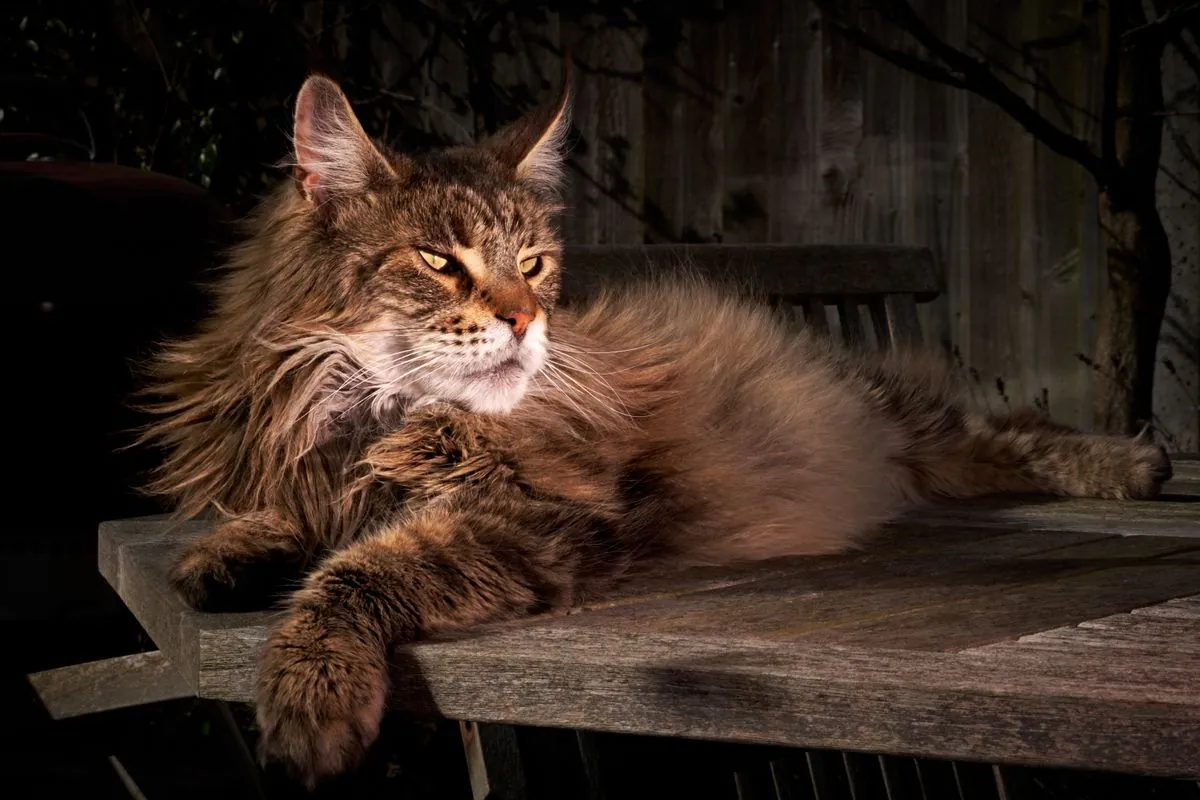
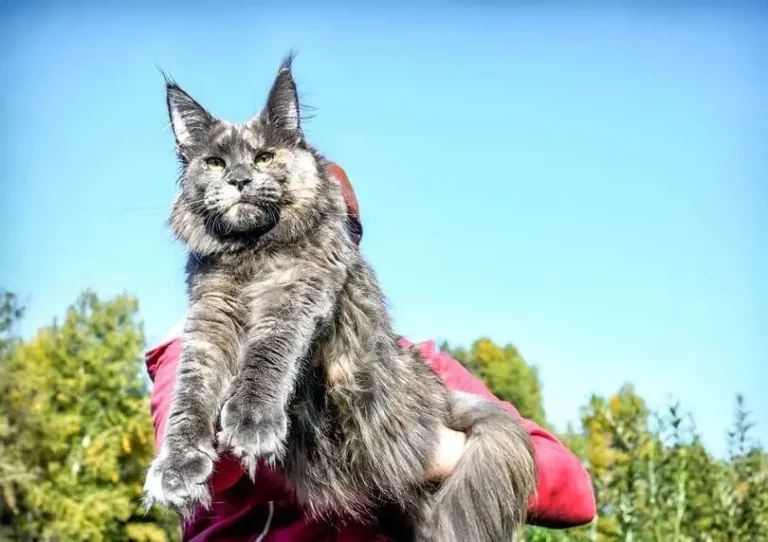
European-line cats tend to have a longer head with stronger angles: a squarer, more pronounced muzzle, fuller whisker pads, and a stronger chin. In profile the face can look almost sculpted, which is where that “wild” impression comes from. Owners on social media often describe it the same way, as a face drawn with sharper lines.
American-line cats tend to have a softer, rounder expression. The muzzle is still square, because the standard asks for that, but it blends more gently into the cheeks, so the face reads as sweet and open rather than intense. Breeders on YouTube who work with older American lines often call this the classic, balanced look. Neither face is more correct on its own. Both can sit well within the standard, and both can be pushed too far: a muzzle so extreme that the bite suffers is never a sign of quality.
Ears and eyes: the lynx look, explained plainly
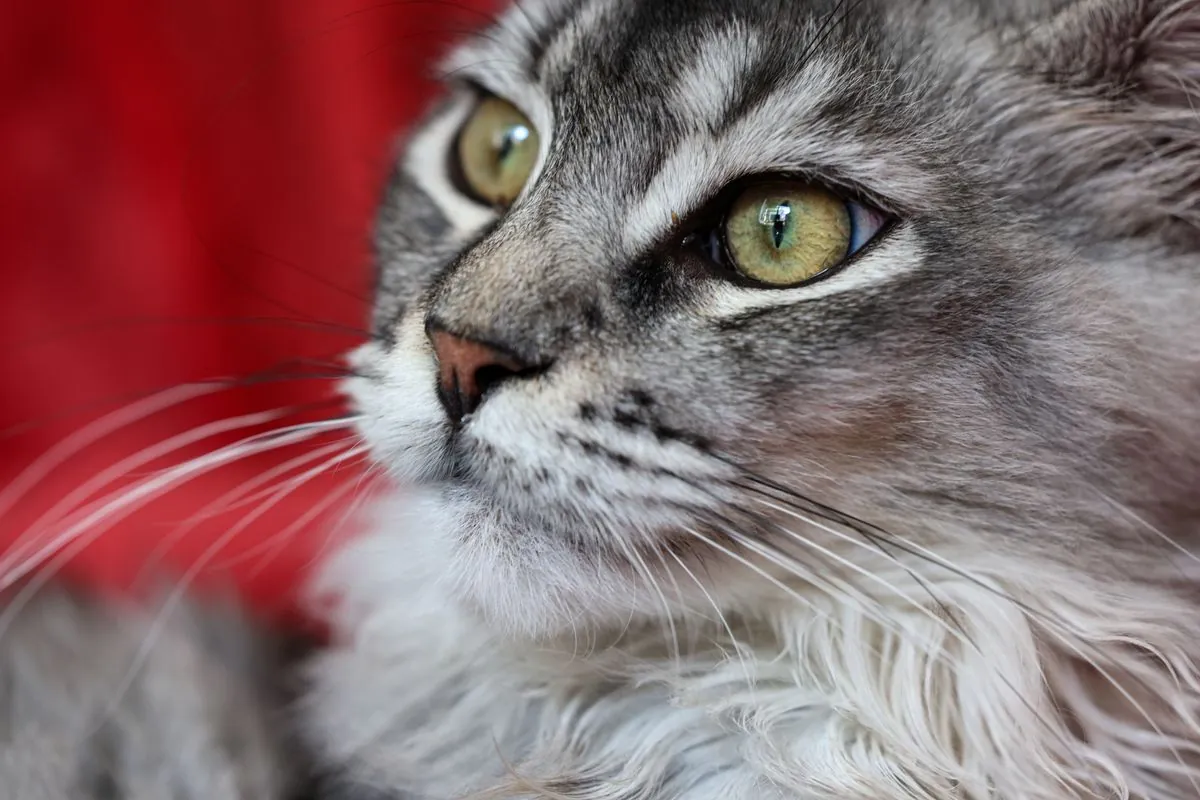
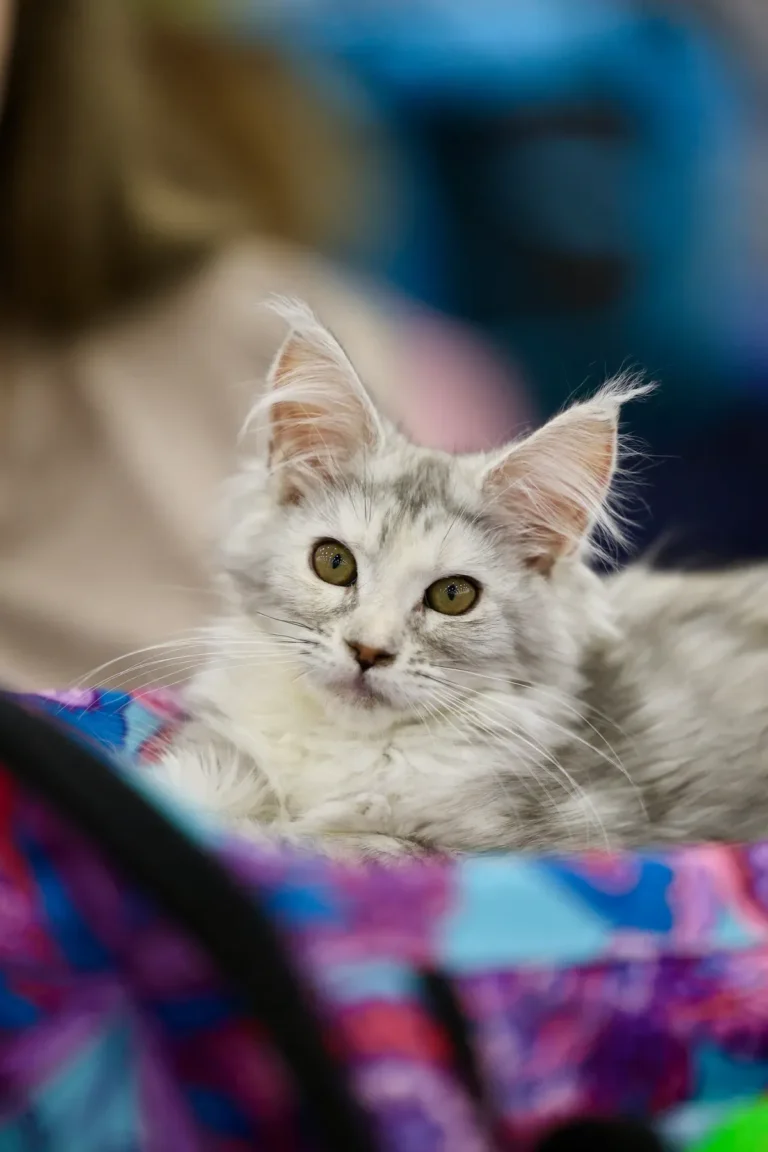
European-line cats often have very tall, wide-set ears with long, dramatic lynx tips, which help create that wild, lynx-like silhouette people share online. American-line cats usually have medium to large ears with more moderate tufts. They still look every inch a Maine Coon, but the ears do not dominate the face in the same way.
Eyes follow the same pattern. European lines often have slightly almond-shaped, deeper-set eyes, giving an intense, watchful expression. American lines often have larger, rounder, more open eyes, which softens the whole face. This is a tendency, not a rule. One owner on Instagram who keeps both types showed why single photos mislead: her American girl was the stouter, boxier cat, while her young European boy was still lean and growing, with the more dramatic ears and face.
Coat and build: shaggy versus silky
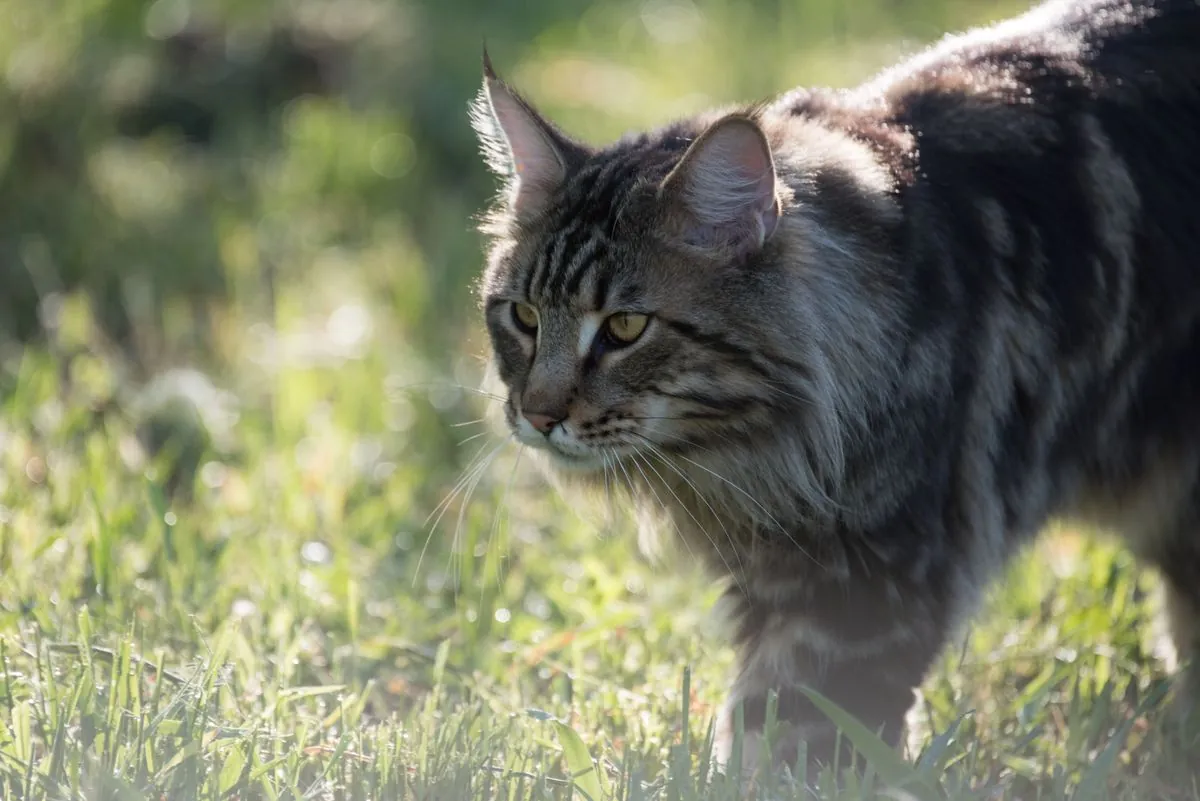
European-line coats often look denser, shaggier, and a little rougher, with a full ruff that can look almost lion-like on a mature male. American-line coats often look silkier and smoother, with a flowing rather than rugged fall. In a normal home, once the cat is brushed, the difference is subtle. Coats also thicken in winter and lighten in summer, so season matters as much as style. For vet-reviewed care basics, PetMD is a solid starting point.
Build follows the same story. European lines are often described as heavier-boned, with a broader chest and a long, substantial frame. American lines are often described as balanced and athletic, broad but not barrel-chested. Both should be long and rectangular and move easily. A cat that looks heavy because it is overweight is not the same as a heavy-boned cat. Grooming is the same for both: a good comb-through a few times a week, more in shedding season, or both will mat behind the ears and in the britches.
Size: the honest overlap nobody puts in an advert
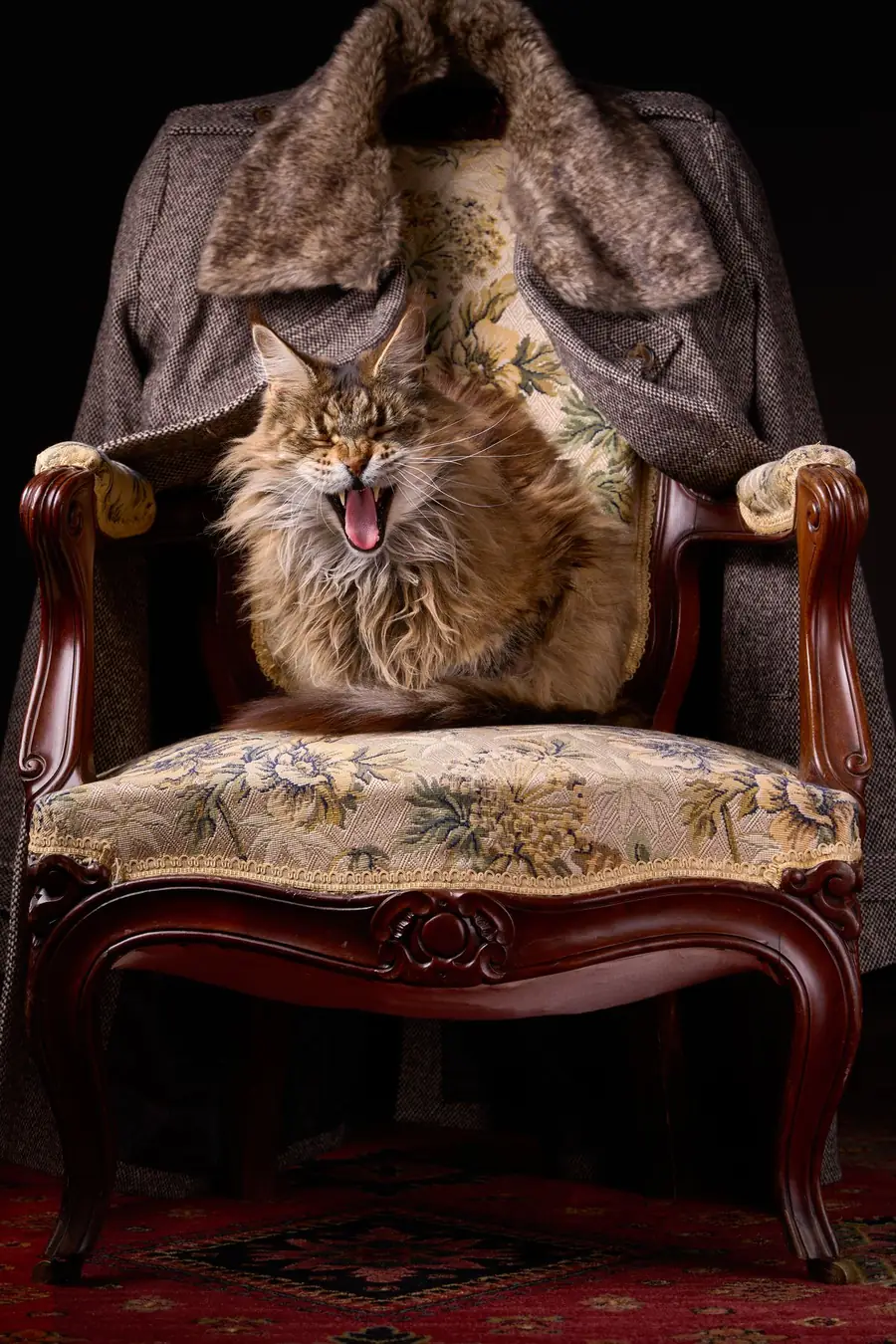
Size is the biggest reason people chase the “European” label, and the place where claims get most inflated. The registries give a useful anchor. TICA describes mature males averaging roughly 13 to 18 pounds and females roughly 9 to 13 pounds. CFA describes mature males commonly around 12 to 15 pounds, with some reaching 20 pounds or more. Females are typically smaller in both. Those are population averages, not promises for your kitten.
European lines do tend to produce heavier-boned cats, and many owners report their European-line males at the upper end of the usual range. But the overlap is huge. A well-bred American-line male can easily outweigh a European-line male, and littermates vary too: owners say again and again that one sibling became a gentle giant while the other stayed a modest, sturdy cat. Expect a large cat, not a record-breaker, and do not buy a kitten because someone promised 25 pounds or more. For growth and fair measuring, read my Maine Coon size comparison before you set your heart on a number.
The wild look versus the soft look
Put simply, the European style aims for drama: square muzzle, tall ears, intense eyes, heavy bone, full ruff. The first thought is often “that looks wild.” The American style aims for balance: softer face, moderate ears, open eyes, athletic body. The first thought is often “what a beautiful cat.” I like both. The wild look photographs brilliantly; the soft look has a warmth that grows on you quietly in ordinary light. Do not choose purely from photos, which favour extremes. If you can, meet adult cats from the breeder’s lines in person or on a live video call, and watch how they move and react to people.
Temperament: what breeders say, and what I actually trust

Breeders and owners often describe European-line cats as a little more independent, watchful, and observant: calm and curious, but not always demanding attention. American-line cats are often described as more easygoing and family-oriented, the classic dog-like follower who greets visitors and settles nearby.
But temperament is shaped far more by the individual cat, its parents, how it was raised, and how it lives with you than by a regional label. Owners on Reddit and in Facebook groups say the same thing in different words: their cats surprised them. The aloof-looking cat became a lap thief; the supposedly easygoing cat chose one person and ignored the rest. Treat temperament claims as anecdotes from a breeder’s own lines, not breed rules. Ask instead whether the parents are confident and friendly, whether kittens were raised in the home and handled daily, and whether the breeder matches kittens to homes. Both styles, at their best, give you the same beloved character: sociable, playful, chatty in chirps and trills, and happy to be near you without being clingy.
Which one suits which owner?
You may lean European-line if you love the dramatic look, are happy with a heavier-boned, possibly larger cat, and have the space and budget for a big cat’s food, litter, and carrier. You may lean American-line if you prefer the softer, classic expression and a balanced family cat from lines long selected for an easygoing nature. Either way, ask the same questions: can I groom this coat properly, can I afford a large cat for its whole life, and am I choosing this cat or a photo? For a pet home, the individual kitten and the breeder behind it matter far more than the label on the advert.
How scammers abuse the “European” label
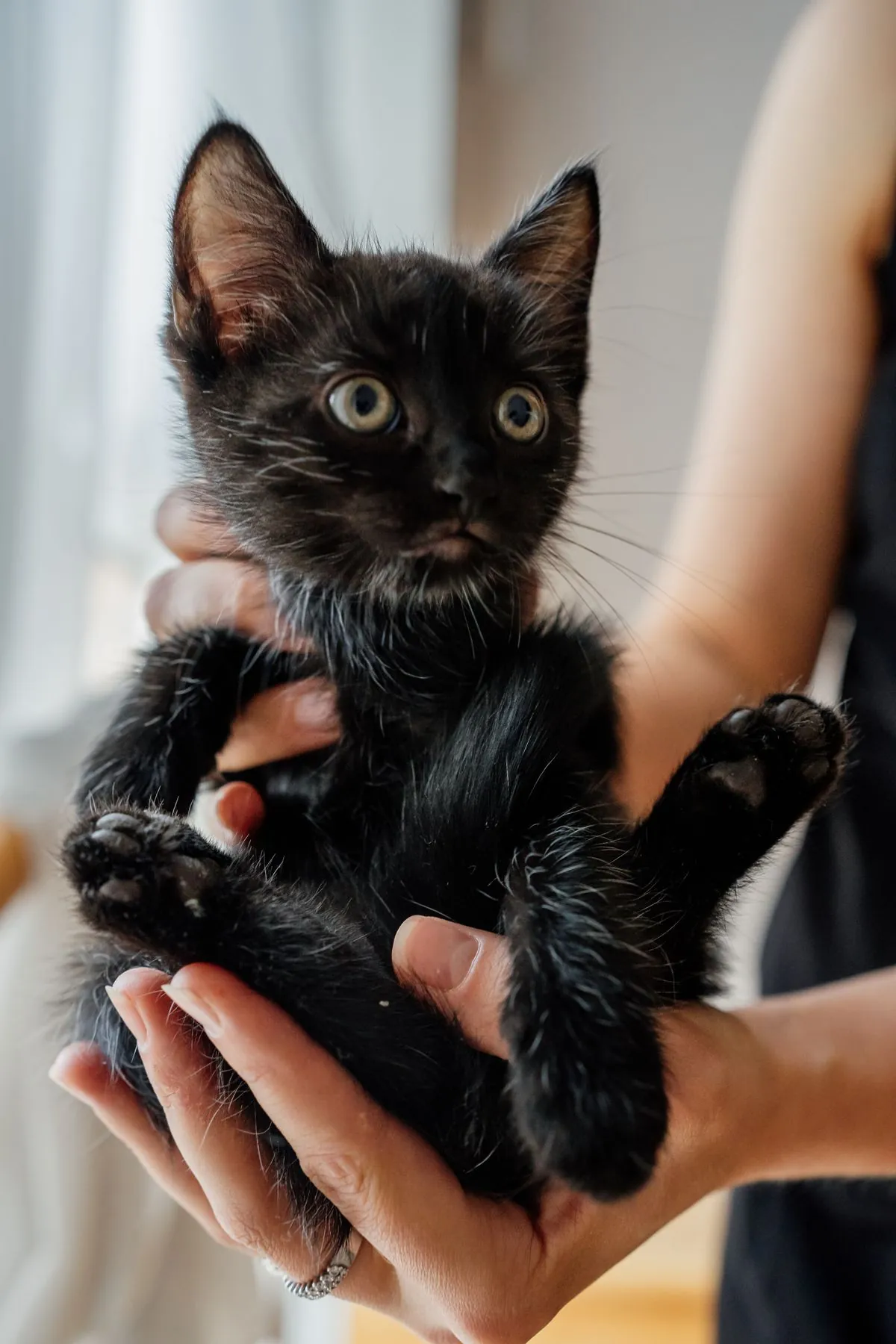
“European” sounds rare, imported, and expensive, and scammers know it. A typical listing shows a stunning cat, often a photo stolen from a real breeder, and claims the kitten is imported from Europe or from exclusive European lines. There is no verifiable breeder name, no registry paperwork you can check, and no health records. The seller pressures you to pay quickly, often by wire transfer or gift card, and then new fees appear for shipping, a crate, or customs. Sometimes the kitten never existed; sometimes a different, unregistered kitten arrives.
Real imports do happen. The difference is paperwork and patience: a real breeder can name the overseas cattery, show registration and health testing, explain the timeline honestly, and welcome a video call or visit. Walk away from no live video of the actual kitten with its mother, no parent health testing, stock photos that appear on other sites, a price far below normal for registered, health-tested kittens, or claims of a “teacup” Maine Coon, which is not a real thing. Before you send any money, read my Maine Coon breeder red flags. If a seller fails even one or two of those checks, do not talk yourself into it because the kitten is beautiful. Beautiful photos are the easiest thing to fake.
What to ask before you choose
Keep your questions simple and listen to how willingly the breeder answers. Ask to see the parents, or recent video of them, and how they behave with visitors. Ask what health testing was done on the parents, and ask to see the results. Ask whether kittens are registered, what the contract covers, and at what age kittens go home. Ask what “European” or “American” means for this breeder’s own lines, and how big their adults honestly are, not at their largest. A good breeder will enjoy these questions; a bad one will rush past them. A waiting list is often a good sign, not a problem.
Frequently asked questions about european vs american maine coon
Are European and American Maine Coons different breeds?
No. They are the same breed, judged against the same essential standard by registries such as CFA and TICA. “European” and “American” describe regional breeding styles, not separate breeds, and a cat can come from mixed lines too.
Are European Maine Coons bigger than American Maine Coons?
Often they are heavier-boned, with many owners reporting European-line males at the upper end of the usual range. But the overlap is large, registry averages put mature males roughly around 13 to 18 pounds, and no breeder can promise a specific adult weight.
Do European Maine Coons look wilder?
Generally, yes: a squarer, more pronounced muzzle, taller ears with longer lynx tips, and a more intense eye shape. American lines tend to look softer and rounder. Both looks can be correct, and extremes that harm the bite are never quality.
Are European Maine Coons more independent or less friendly?
Some breeders describe their European lines as more watchful and independent, but these are line-by-line anecdotes, not breed rules. Individual temperament, parent temperament, and early socialisation matter far more than the label.
How can I tell if a “European” Maine Coon advert is a scam?
Look for verifiable proof: a named, registered breeder, registration paperwork, parent health testing, live video of the real kitten, and a written contract. Walk away from payment pressure, untraceable payment methods, stock photos, and vague import stories.
Fall in love with the cat and the breeder, not the label. Neither style guarantees size, temperament, or health. The breeder who tests their cats, raises kittens in the home, answers honestly, and matches the right kitten to your home is the one worth waiting for, whether the pedigree leans European, American, or a thoughtful mix of both.