Socializing a Maine Coon Kitten: The Gentle Way I Do It
Socializing a Maine Coon kitten is not a training programme and it is not a race. It is the slow work of showing a small cat, one calm experience at a time, that people, sounds, handling, and everyday life are safe. I learned that the hard way with my first Maine Coon, when I tried to introduce her to everything in a single weekend and ended up with a kitten hiding behind the washing machine.
That is what socializing a Maine Coon kitten looks like in real life: small steps, repeated often, with the kitten setting the pace. Maine Coons have a reputation for being easy, social cats, and in my home that has mostly been true. But that friendly adult cat grows out of the experiences a kitten has while she is still young.
The Early Window for Socializing a Maine Coon Kitten
Veterinary guidance usually describes the most sensitive period for kitten socialization as roughly two to seven weeks of age, with some openness continuing after that. VCA Animal Hospitals explains that socializing kittens can reduce the risk of fearful behaviour as they mature, and that a kitten can still be socialized with care after the earliest weeks. That matters, because most of us do not bring a kitten home at two weeks old. Much of that earliest window happens with the breeder, and the rest lands with us.
That is why I always ask a breeder what a kitten has already met. Has she been handled daily? Has she heard a vacuum, a television, a doorbell? Breeders on YouTube often describe the same routine I look for: short, gentle handling every day, touching faces and feet, and normal household noise while kittens are still small. A kitten who has had that start is ready for the next stage, which is life in your home.
If your kitten arrives a little shy, do not panic. Owners on Reddit say the same thing again and again about Maine Coons: a kitten who watches strangers from a safe distance is not necessarily poorly socialized. Some kittens run straight to a visitor. Others investigate first and interact second.
Start Slow and Let the Kitten Set the Pace
Every part of this method rests on one rule: the kitten decides how fast you go. A new experience should end while she is still relaxed, not after she has already had enough. Short sessions, repeated often, teach far more than one long session that ends in hiding.
In the first days, that means keeping things small and predictable. I keep a new kitten in one comfortable room at first, with food, water, a litter box, hiding spots, and toys, and I sit on the floor and let her come to me. If you want the full settling-in detail, I wrote it separately in my guide to your Maine Coon kitten’s first night home. Socialization builds on that settled base. It should not start with a house full of visitors on day one.
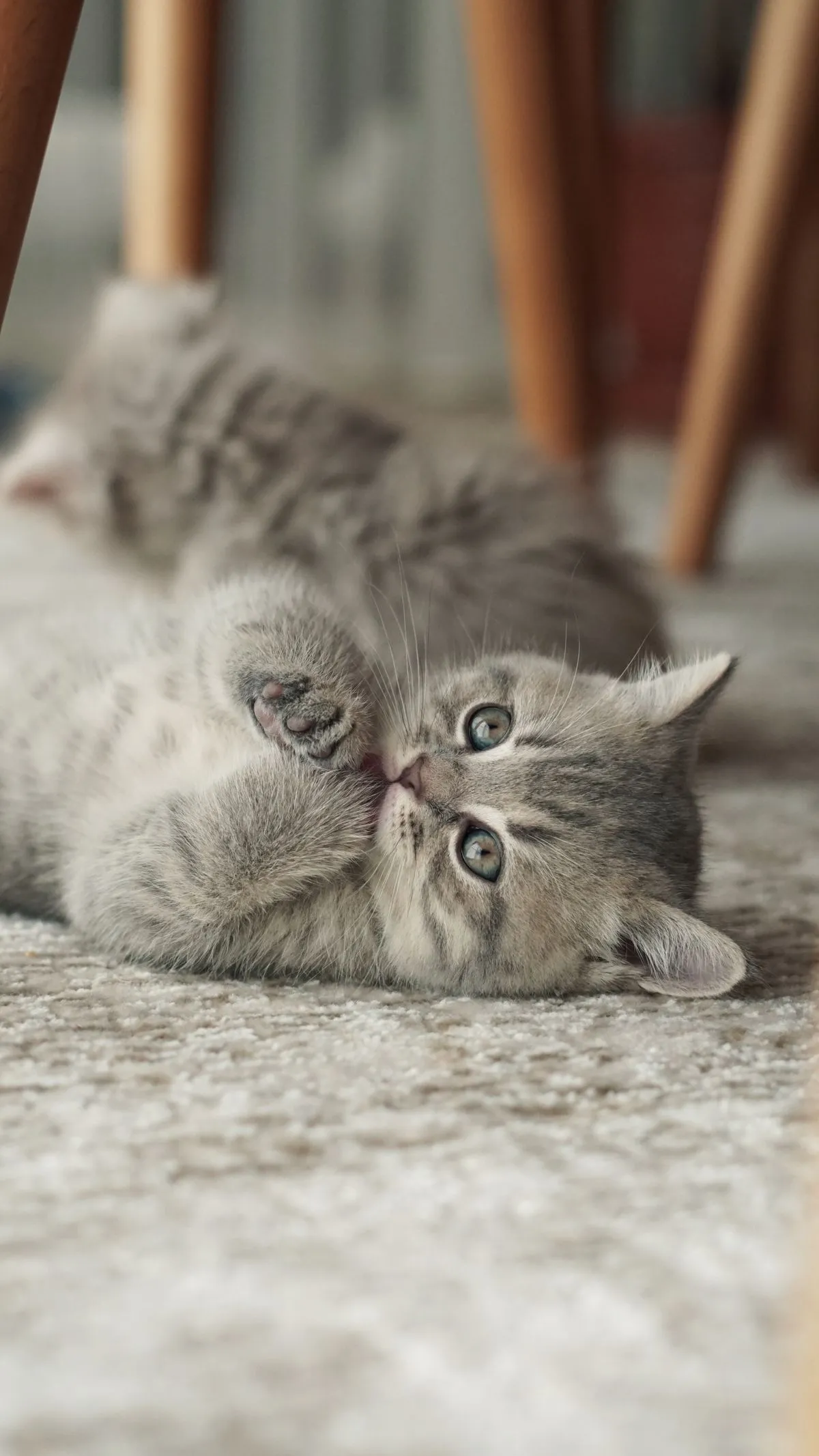
Watch her body language. A relaxed kitten plays, eats, explores, and takes treats. A kitten who is overwhelmed hides, freezes, refuses food, or tries hard to escape. When I see those signs, I stop and try again another day at a lower intensity. VCA gives the same advice: if a kitten hides, will not play, or will not take treats, she is overwhelmed, and the session should end.
Gentle Handling, a Little at a Time
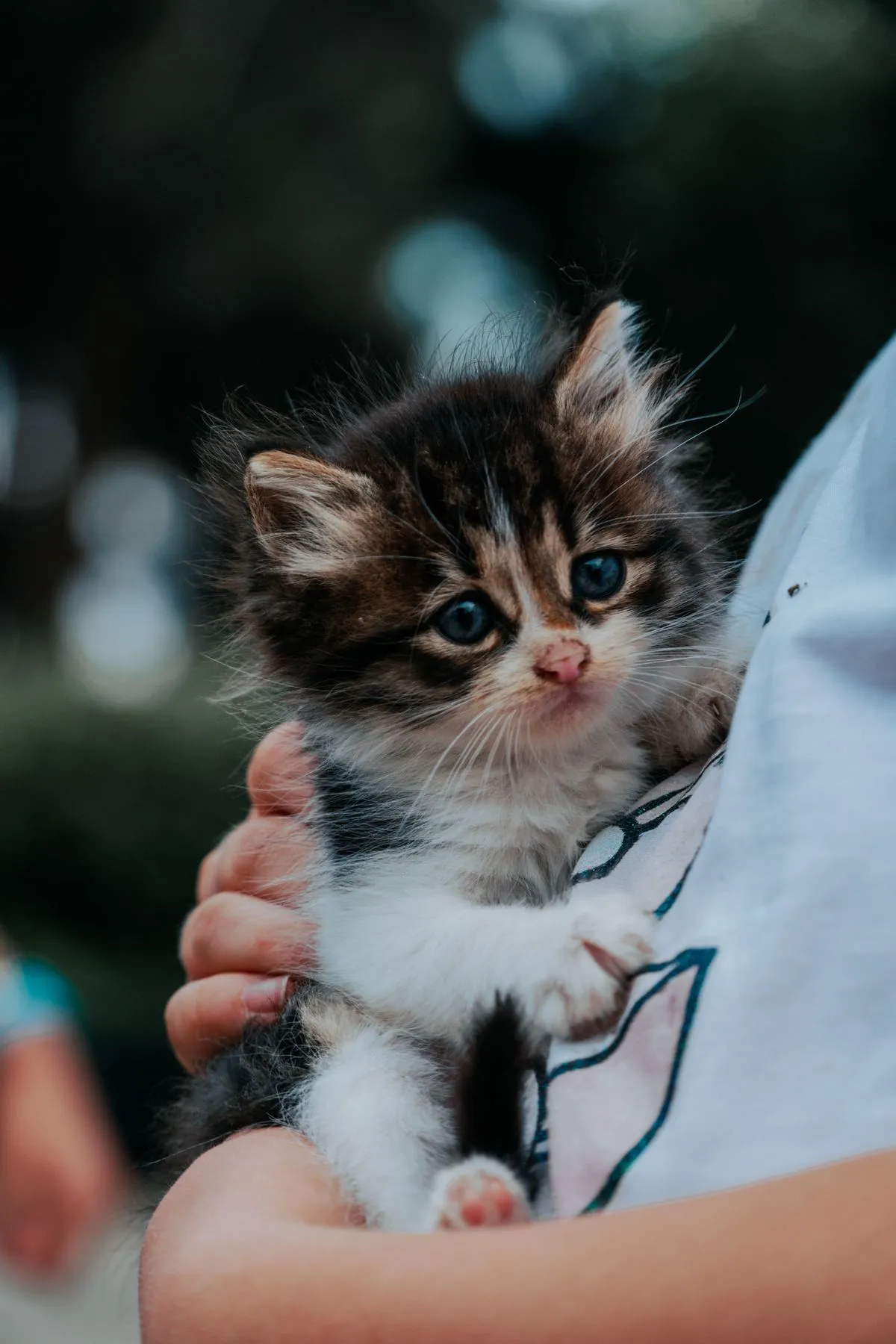
Handling is the part of socialization I do every single day, and it is the part that pays off most later, at the vet, at grooming time, and during nail trims. I keep each touch brief and I pair it with something good: a treat, a quiet word, or a short play session.
I start with ordinary stroking, then I add small touches, one at a time: her paws for a second or two, an ear flap, her tail, her belly, and around her mouth. I hold her for a few seconds in a supported position, then I put her down before she wriggles to get away. The point is for her to learn that hands predict gentle treatment and good things.
Owners on Facebook and in breeder videos often describe handling a kitten in many different ways so she learns she will not be dropped and that being held is safe. I vary who holds her too, once she is settled. Two cautions from my own house: keep sessions short when she is sleepy, and never use your hands as toys.
Meeting New People Without Pressure
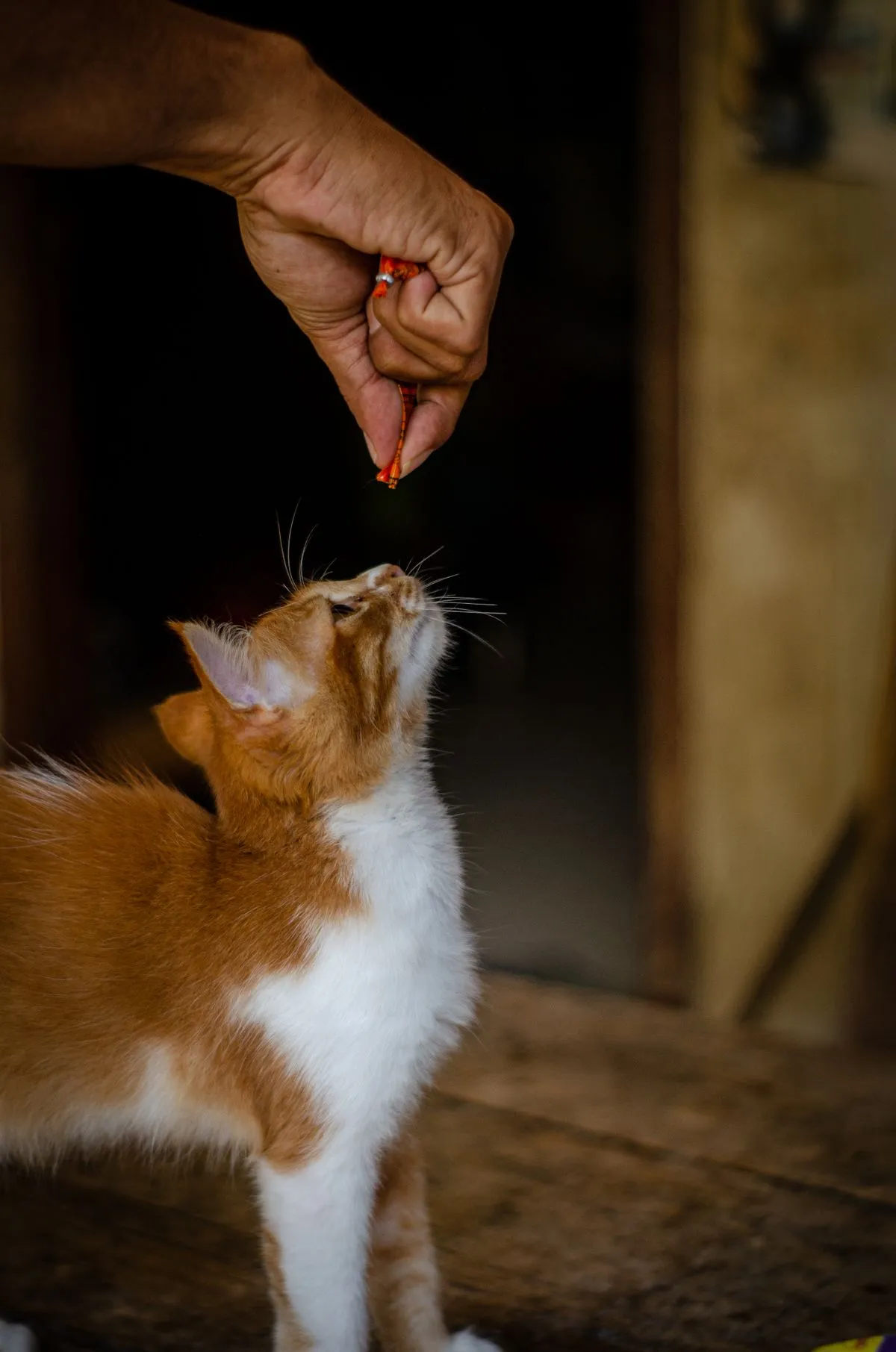
Once your kitten is comfortable with you, the next step is other people, introduced one at a time. I invite one calm visitor, not a crowd, and I ask them to sit down, stay quiet, and let the kitten approach. The visitor can offer a treat or dangle a wand toy, but should not reach for the kitten, chase her, or pick her up before she is ready. If she watches from across the room, that still counts.
Over time, I widen the circle. Different ages, different voices, different heights. Someone wearing a hat, someone wearing glasses, someone who laughs loudly. I do not stage a parade of strangers in one afternoon. I add one new kind of person at a time, across days and weeks, and I keep every visit short and pleasant. Owners on Reddit describe the same trick that works in my house: let the guest be the source of treats and play, from a distance at first.
Children need their own care here, and I have written about that in more depth in my guide to Maine Coons and children. For socialization purposes, the rule is simple: children sit, stay calm, and let the kitten come to them, with an adult right beside them. A child who can offer a treat with a flat hand and play with a wand toy, without chasing or squeezing, is a wonderful socialization teacher.
If your kitten stays shy with visitors, keep going gently rather than forcing it. A well-socialized cat does not have to love every stranger.
Sounds, Surfaces, and Everyday Life
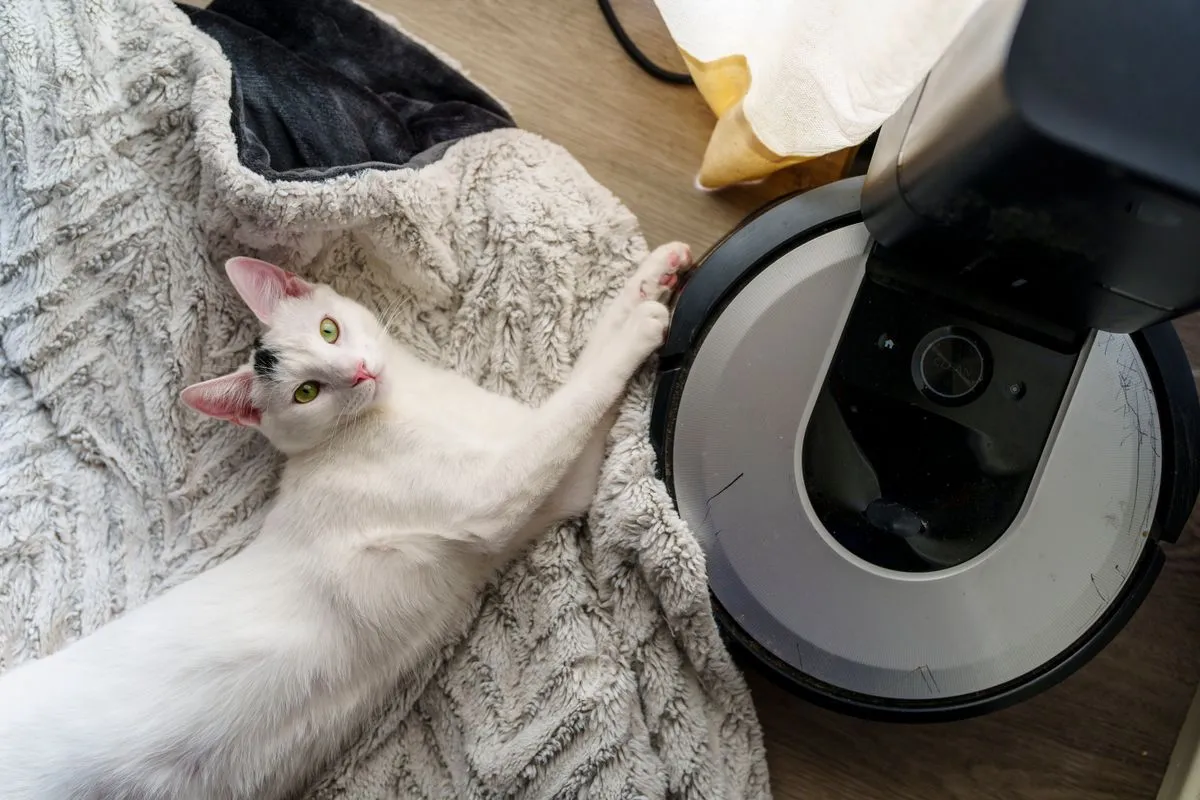
A home is noisy, and a kitten who only ever hears silence will find ordinary life startling. I introduce household sounds gradually, starting quiet and at a distance. The vacuum runs in another room first. The washing machine hums while she plays nearby. The doorbell rings, and a treat follows. Television and music play at normal volume during the day, because a house kept silent for a kitten stays strange to her for much longer.
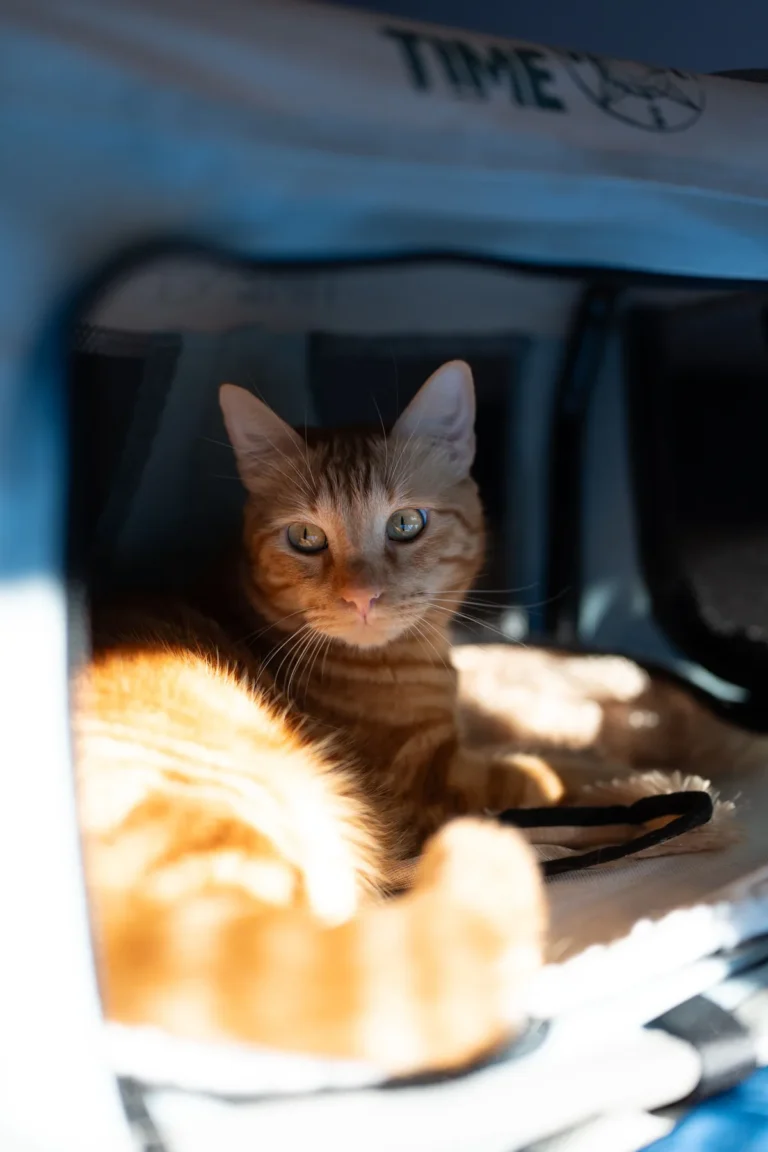
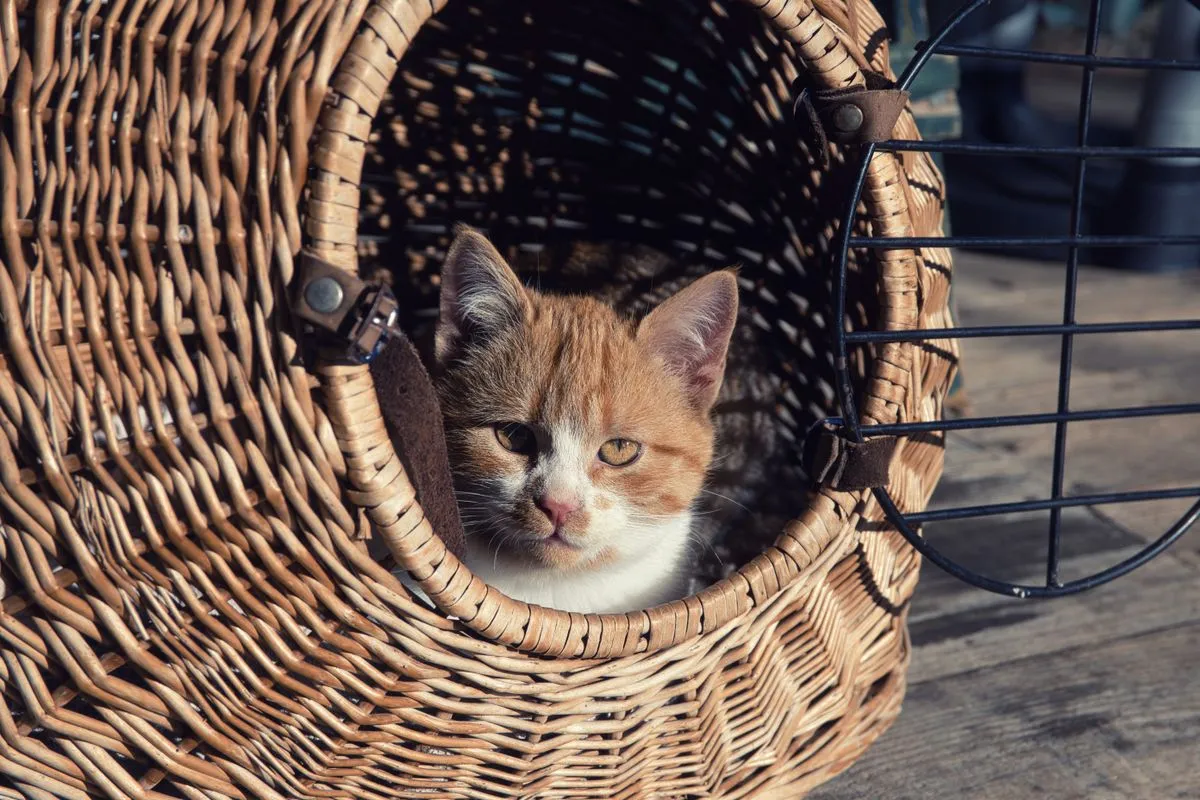
I do the same with surfaces and objects. She walks on carpet, hard floor, and tile, and investigates cardboard boxes, blankets, and a carrier left open with a soft blanket inside. Leave new objects around, let her sniff them in her own time, and reward curiosity with a treat.
The carrier deserves special attention, because most cats only meet it on stressful days. I leave ours out all the time, not hidden in a cupboard, and I feed treats inside it. Short car rides build on that gradually: first sitting in the carrier in a still car, then a brief drive around the block, always ending back home with a treat.
The vet clinic itself can be part of socialization too. VCA describes social visits where a kitten visits the clinic for treats and gentle handling, without an exam or injection every time.
Other Pets: Scent First, Meetings Second
Other pets are part of socialization, but they are also the part where rushing causes the most trouble. I never introduce a kitten to a resident pet by simply opening a door. I start with scent, swapping blankets between the kitten and the other pet. Then I allow brief, supervised sightings through a baby gate, with treats for calm behaviour on both sides. Only when both animals are relaxed do I allow a short, supervised meeting, with an escape route for the kitten.
VCA’s guide to new kitten introductions follows the same sequence: scent first, supervised visual contact, then short meetings that grow longer as everyone stays relaxed. I keep those meetings short and end them before excitement turns into chasing or hissing. If either animal is tense, we go back a step. That patience is the method, not a delay in it. For the fuller picture on dogs specifically, see my guide to Maine Coons and dogs, and if you are wondering whether a second cat would help, my post on whether Maine Coons need another cat covers that question on its own.
A Pace You Can Actually Keep
Socialization works best as a small daily habit, not a weekend project. In the first week, I focus on settling, gentle handling, and household sounds at low intensity. In the following weeks, I add one new person at a time, new surfaces, carrier time, and short trips. Later, I keep adding new experiences in small doses. The goal is steady variety, not a checklist finished by a deadline.
If fear does not improve after several weeks of steady, gentle effort, talk to your vet. VCA’s guidance on socialization and fear prevention says the same: stop pushing a programme that is not working and get professional advice. A shy kitten is normal. A kitten who is getting more fearful despite careful work deserves a second pair of expert eyes.
What Socialization Really Gives You
Done gently, socialization gives you an adult Maine Coon who recovers faster from surprises, tolerates handling without panic, and takes visitors and travel in her stride. It does not give you a cat with no preferences. One of my girls greets every visitor at the door. The other watches from the stairs, then comes down when she has decided the visitor is acceptable. Both are socialized.
Start early where you can, keep sessions short, and let the kitten lead. That is the whole method, and it is enough.
Frequently Asked Questions
When should I start socializing a Maine Coon kitten?
As early as you can, and as gently as you can. The most sensitive period is in the first weeks of life, much of which happens with the breeder, but socialization does not end there. Keep introducing new experiences in small, positive doses throughout kittenhood.
How long should each socialization session last?
Short. A few minutes is plenty, several times a day. End while your kitten is still relaxed. If she hides, freezes, or refuses treats, try again another day at an easier level.
Is it normal for a Maine Coon kitten to be shy with visitors?
Yes. Many Maine Coon kittens are cautious with strangers at first, even when they are affectionate with their own family. Let visitors sit quietly, offer treats from a distance, and allow the kitten to approach in her own time.
Can I still socialize an older kitten who missed the early window?
Yes, with more patience. Older kittens can still learn that new experiences are safe, but progress is usually slower and you may need smaller steps. Ask your vet for guidance if fear is persistent or getting worse.
Should I socialize my kitten with other pets right away?
Not right away. Start with scent swapping, then brief supervised sightings through a barrier, then short supervised meetings. Keep the kitten’s escape route open and reward calm behaviour on both sides.