Do Maine Coons Like Catnip? What Owners Actually See
If you have ever sprinkled catnip in front of your Maine Coon and waited, you will know the feeling. You expect fireworks. Sometimes you get them. Sometimes your enormous cat sniffs once and walks off to sit in a sunbeam instead. So do Maine Coons like catnip? Most do, but not all, and the ones who do rarely react the same way.
I have watched this at home many times. One of my cats turns into a rolling, chirping puddle of joy within seconds. Another gets grumpy and dramatic before flopping down for a nap. Both are normal. It comes down to genetics, age, and mood.
Do Maine Coons Like Catnip? The Short Answer
Yes, most Maine Coons like catnip, in the same way most cats do. There is nothing about being a Maine Coon that makes the breed either obsessed with catnip or immune to it. What makes Maine Coons entertaining is that they react bigger: a large cat rolling on his back, bunny-kicking a toy, and trilling at the ceiling is harder to miss than a small cat doing the same thing.
PetMD puts the figure at about 60 percent of cats showing a noticeable reaction to catnip, with the rest largely unbothered. That matches what I see in owner groups and at home. If your Maine Coon loves it, you are in the majority. If yours could not care less, your cat is not broken or badly bred. He or she simply did not inherit the sensitivity to nepetalactone, the compound in catnip leaves that triggers the reaction. That is why two cats from the same litter can respond completely differently, as owners on Reddit describe.
What a Catnip Reaction Looks Like in a Maine Coon
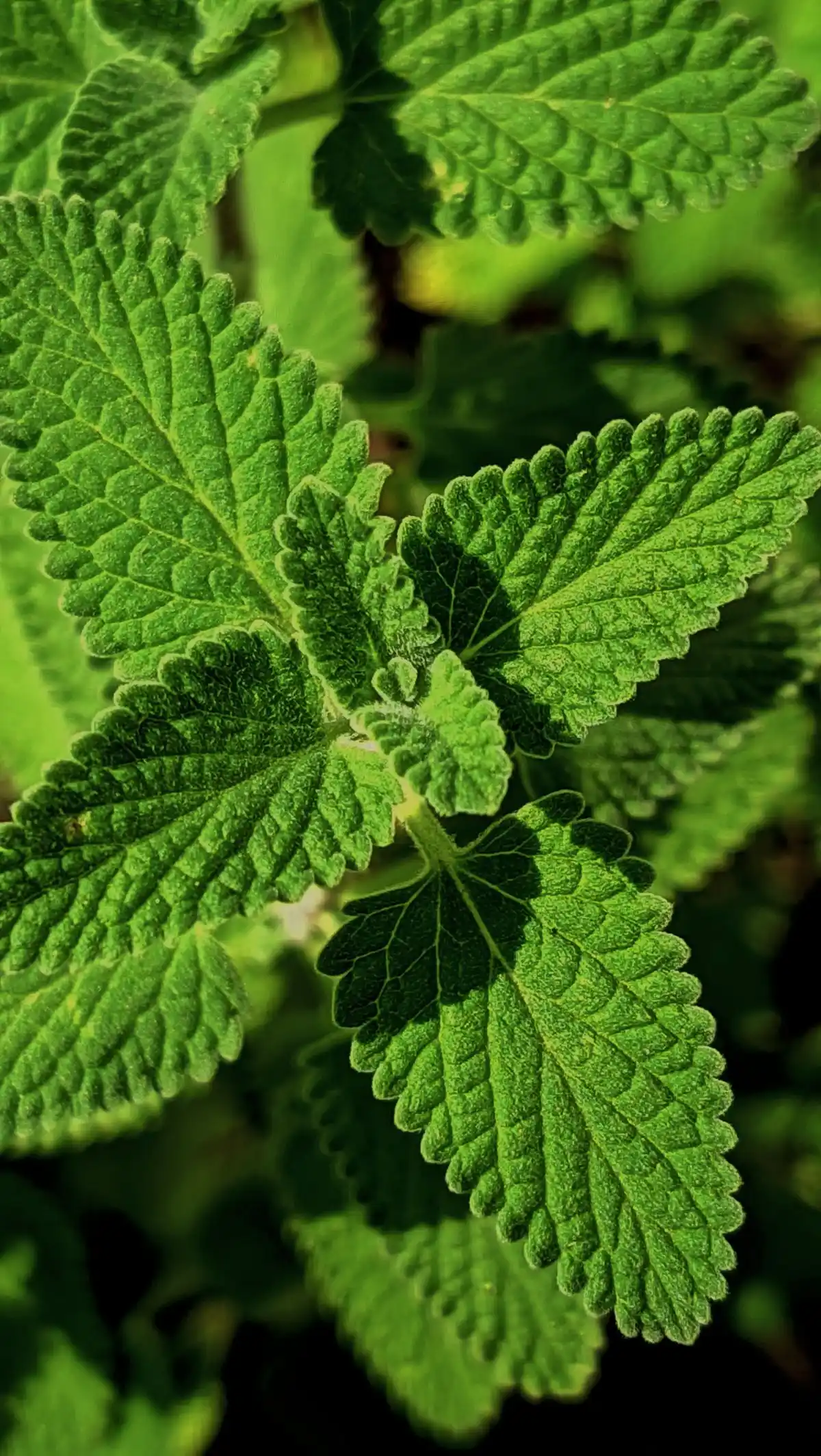
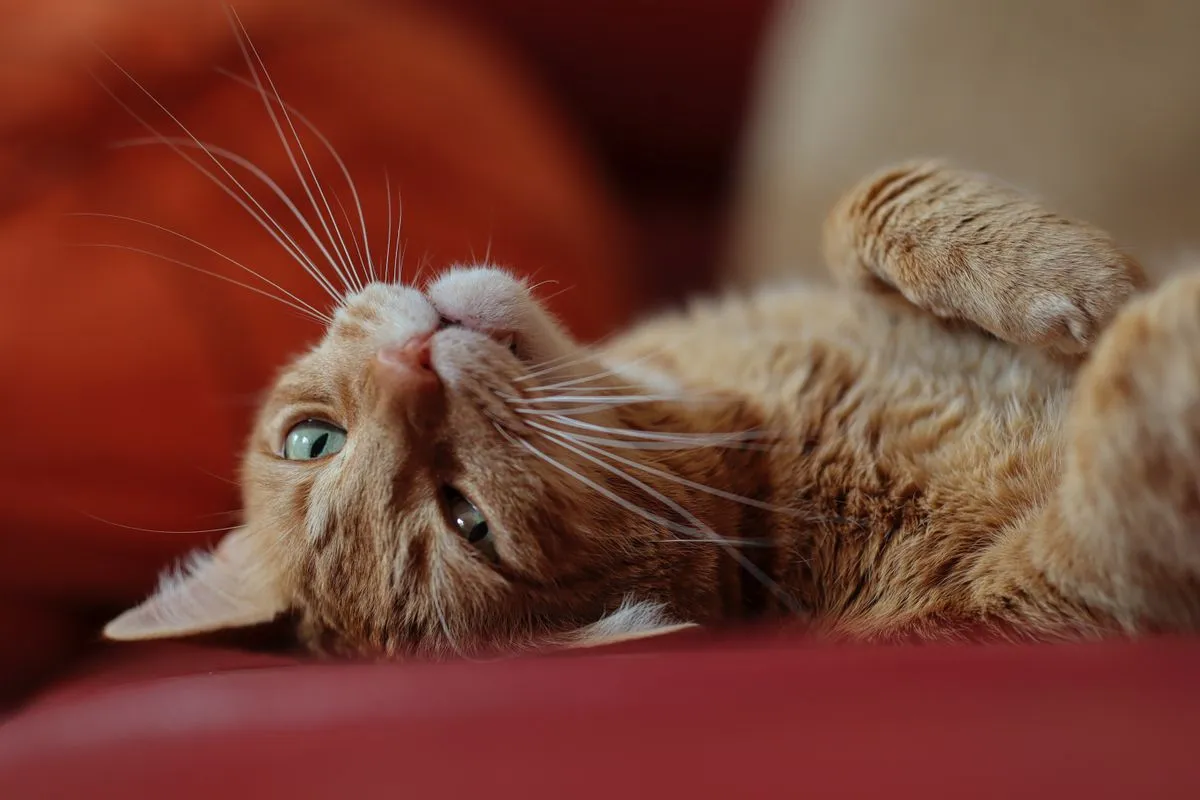
The classic reaction is easy to recognise. Your cat sniffs the catnip, rubs his cheeks against it, rolls onto his back, and starts kicking and batting at whatever is nearest. Some drool a little. Some get the zoomies and tear around the room. Others melt into a sleepy heap, purring loudly with half-closed eyes.
Maine Coons add their own flavour. Because the breed is famously chatty, a catnip session often comes with a soundtrack: owners on YouTube and Instagram share clips of their Maine Coons trilling and chirping far more than usual, and I have heard the same at home. Others share clips of big Maine Coons lying on their backs with wide eyes and open mouths, growling in a way that looks almost angry. Owners in the comments say their own cats get spicy for the first five minutes too. It looks alarming in a still photo, but it is usually just an overexcited cat being theatrical.
How long does it last? Not long. PetMD notes that the effects usually last around ten minutes, and after that your cat will often ignore catnip for half an hour or longer.
Why Some Maine Coons Ignore Catnip Completely
If your Maine Coon sniffs catnip once and walks away, the most likely reason is genetics. The response is an inherited trait, so some cats simply do not have the receptors that make nepetalactone interesting. It is not a matter of taste or training, and you cannot teach a cat to like catnip. A calm reaction can also be mistaken for no reaction: some adult Maine Coons simply sniff, rub their cheek once, and settle down nearby, which fits the breed’s easy-going Maine Coon personality.
Freshness plays a smaller part, and it is worth ruling out first. Dried catnip loses potency over time, especially sitting open in a warm room. Try a fresh bag, stored in an airtight container, and see if the reaction changes. A cat who has had catnip every day for weeks may also respond less, because constant exposure dulls the effect. Put it away for a week or two and try again.
Kittens vs Adults: When the Reaction Shows Up
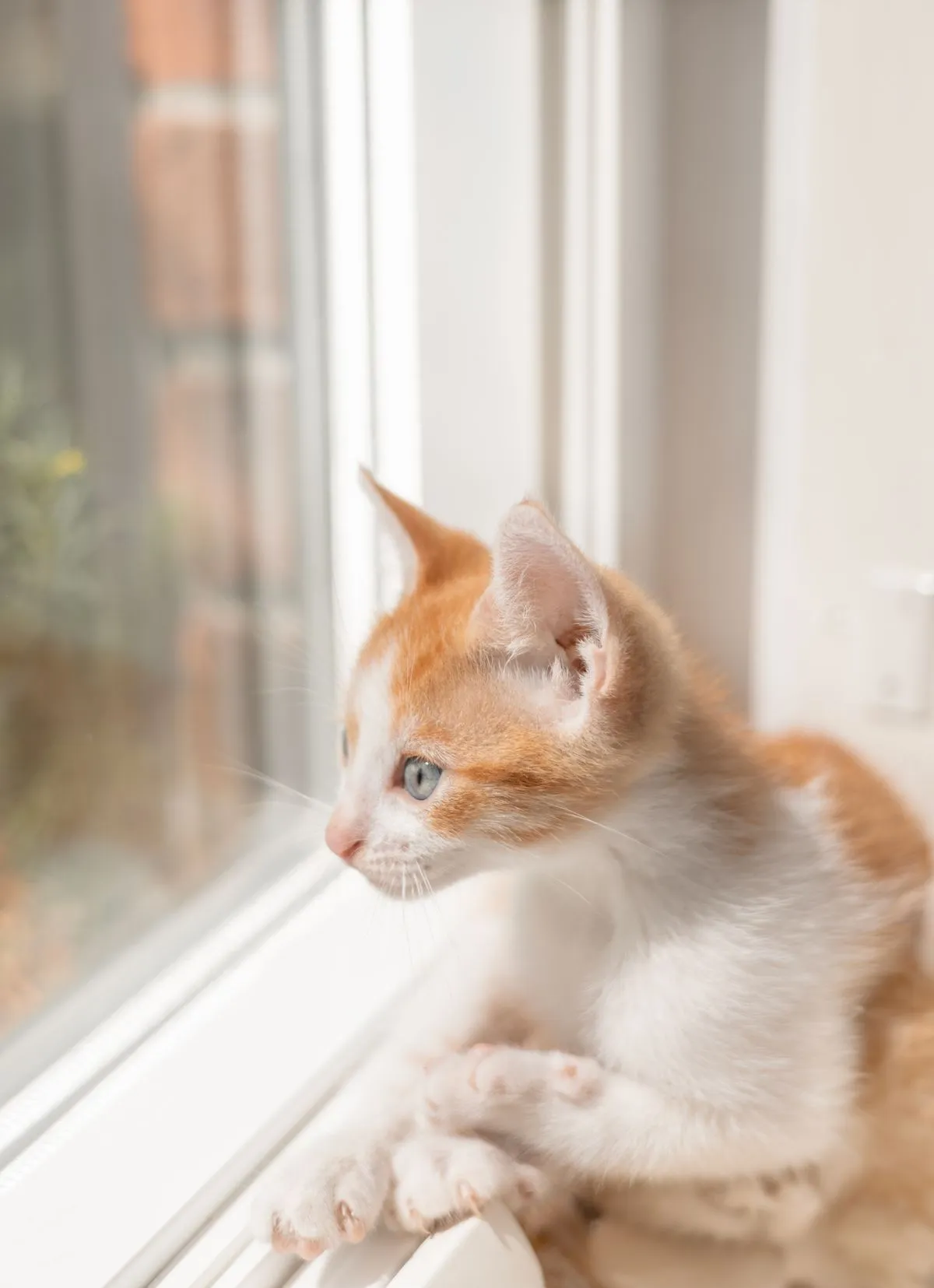
Maine Coon kittens often do not react to catnip at all, and that is completely normal. PetMD notes that most cats will not react until they are six months to a year old. Either way, a kitten who ignores catnip is not a kitten who will always ignore it.
The reason is development. The receptors that respond to nepetalactone are still maturing in a young kitten, so the compound simply does not register yet. I would not offer catnip to a kitten under about six months old, and I would not draw any conclusions from the lack of a reaction. Owner videos of kittens meeting catnip show them tumbling over each other, but keep sessions short and supervised, as kittens get overstimulated faster than adults.
By the time your cat is a year or two old, you will know his type: the roller, the chatterbox, the sleepy sniffer, or the polite ignorer. Senior cats can become less responsive again with age, and that slow fade is normal too.
Safe Ways to Offer Catnip to Your Maine Coon
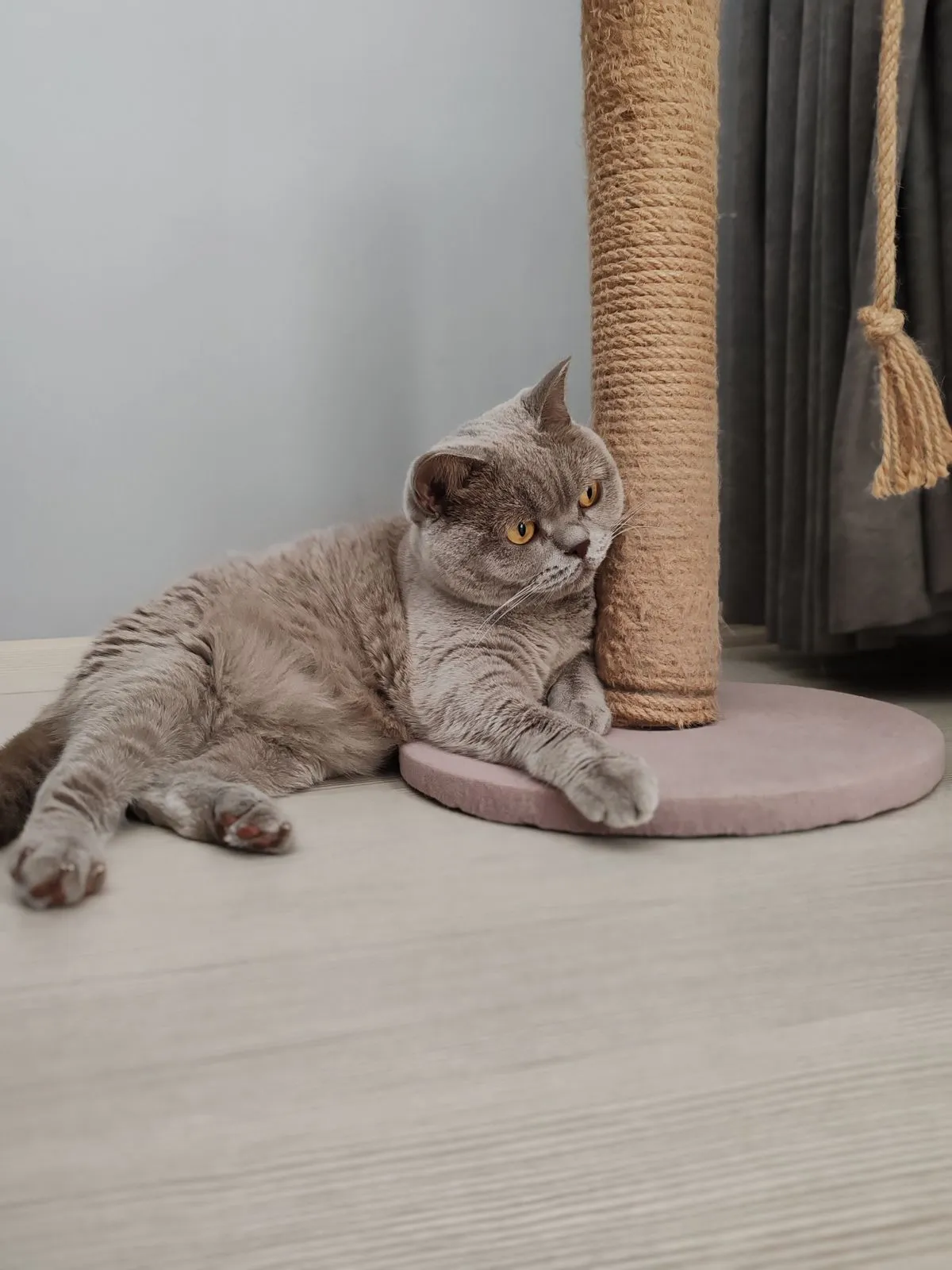
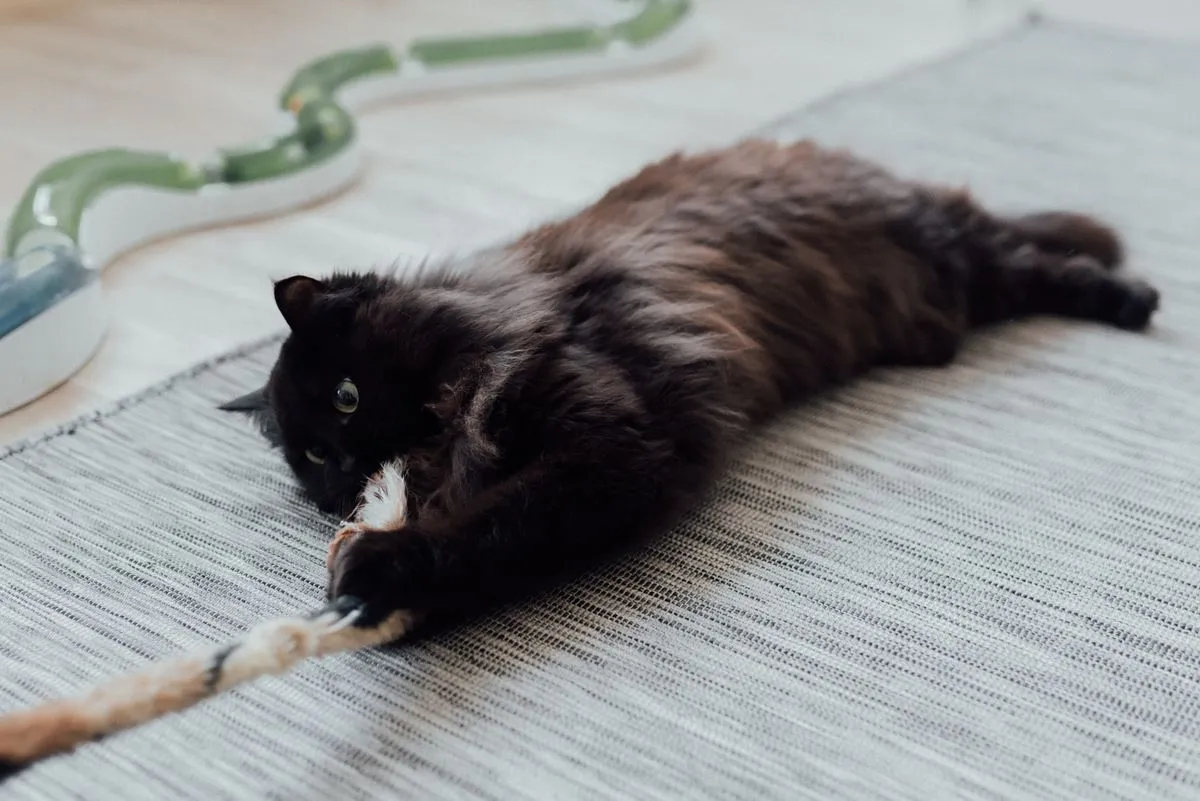
Catnip is generally considered safe and non-addictive, and the simplest way to offer it is also the best: a small amount, offered as a treat, and then put away. PetMD suggests about a tablespoon at a time is plenty, and I use far less. A pinch of dried catnip, rubbed between your fingers to release the scent, is enough.
Catnip toys are the easiest starting point. A sturdy, well-stitched toy filled with dried catnip gives your cat something to grab, kick, and carry, and keeps the loose herb off your floor. Look for toys made for large cats, as a Maine Coon can shred a flimsy toy in one session. Our guide to the best toys for Maine Coons covers the sizes and styles that survive this breed.
A scratcher is the second-best place for catnip, and the one I use most. Rubbing a little dried catnip, or a light spray, onto a scratching post encourages your cat to use the post instead of the sofa. Cornell University College of Veterinary Medicine makes the same suggestion in its guidance on choosing and caring for a new cat. Supervise the first few sessions, as a cat who eats a lot of dried catnip in one go can end up with a mild upset stomach.
How Often Is Too Often?
Catnip works best as an occasional treat, not a daily habit. A couple of times a week is plenty. Daily exposure does not harm your cat, but it dulls the response. Offer catnip, enjoy the ten minutes of silliness, then put the toys away.
Overdoing it in a single session can cause a mild upset stomach. PetMD notes that a cat cannot fatally overdose on catnip, but eating too much can cause vomiting, diarrhoea, or dizziness. A pinch or a single toy is enough. A whole pile of loose catnip is just messier, and more likely to end with your cat feeling queasy.
If your cat seems agitated rather than playful after catnip, or gets rough with you or another pet, take that seriously. Some cats become more excitable or a little grumpy on catnip, and in a multi-cat home that can tip into a scuffle. Offer it to one cat at a time and put it away if the mood turns. If the behaviour repeats, our guide on Maine Coon behaviour problems covers the warning signs and what to do next.
Alternatives for Non-Responders: Silver Vine, Valerian, and More
If your Maine Coon does not respond to catnip, do not give up on plant enrichment. A cat who ignores catnip may react happily to something else, because different plants work through different compounds.
Silver vine is the best-known alternative. Research published in BMC Veterinary Research found that around 80 percent of cats respond to silver vine, including many who ignore catnip completely. Silver vine, also called matatabi, comes as a powder, in sticks, or in toys, and a light dusting is enough to start with. Supervise your cat with silver vine sticks so he does not bite off a large piece.
Valerian root is the second alternative worth trying, though it is less predictable. About half of cats respond to it, and its smell is strong enough that humans usually notice it before the cat does. Some cats find it stimulating, others find it calming, so introduce a small amount first. Tatarian honeysuckle is a third option that works through different compounds. Rotating between them keeps enrichment working over time.
And if none of them work? That is fine too. Some Maine Coons simply prefer other kinds of play. A cat who ignores catnip but goes wild for a feather wand or a good kneading session is not missing out. Kneading after play is usually a sign of contentment, as our piece on why Maine Coons knead explains.
When to Skip Catnip
Catnip is safe for most cats, but there are times to leave it in the cupboard. Skip it if your cat is recovering from surgery or illness, if she is pregnant or nursing, or if she is already stressed or frightened. Catnip adds stimulation to a cat who needs calm.
Skip it too if your cat has a seizure disorder, or if your vet has advised against stimulants, or if your cat has ever become aggressive after catnip, even once. A cat who guards the toy or picks a fight is telling you this treat is not worth the trouble. Finally, keep loose catnip away from very young kittens and from cats with breathing difficulties. A catnip toy or a spray on a scratcher is a gentler way to offer it.
If your cat vomits, has diarrhoea, or seems lethargic after catnip, stop offering it and talk to your vet, especially if symptoms last more than a day. A mild upset usually passes on its own, but a vet visit is always the right call if you are worried.
Frequently Asked Questions
Do Maine Coons like catnip?
Most do, but not all. About 60 percent of cats show a noticeable reaction, according to PetMD, and Maine Coons fall in the same range. The response is inherited, so a cat who ignores catnip is simply a non-responder.
How long does catnip last for a Maine Coon?
Usually around ten minutes, rarely more than fifteen. After that your cat will often ignore catnip for half an hour to a couple of hours. Keep sessions short and occasional, a couple of times a week.
Can Maine Coon kittens have catnip?
Catnip is not harmful for kittens, but most will not react until they are six months to a year old. Wait until your kitten is older, then offer a small amount in a sturdy toy.
Is catnip safe for Maine Coons?
Yes, in normal amounts. Catnip is non-toxic and non-addictive, and cats cannot fatally overdose on it. Eating a large amount can cause a mild upset stomach that usually passes on its own. Use a small amount, supervise the first sessions, and talk to your vet if you have concerns. VCA Animal Hospitals has a helpful overview of what catnip does to cats.
What can I give my Maine Coon instead of catnip?
Try silver vine first. Research suggests around 80 percent of cats respond to it, including many catnip non-responders. Valerian root and Tatarian honeysuckle are also worth trying, one at a time and in small amounts. If none work, your cat may simply prefer other kinds of play.
The Bottom Line
Do Maine Coons like catnip? Most do, some adore it, a few get theatrically grumpy about it, and a good number could not care less. Catnip is not about the breed. It is about the individual cat, his genes, his age, and his mood on the day. Try it once, with a small amount and an open mind, and let your cat tell you the answer.