Raw Food for Maine Coons: Is It Safe? What Owners Should Know
The first time someone told me they fed their Maine Coon raw meat, I pictured a lion tearing into a kill. My boy was asleep on the sofa with his head hanging off the cushion, and the idea of him as a wild hunter was, frankly, funny. But the question stuck with me, because I kept hearing it: is raw food for Maine Coons actually better, or is it just a good story we tell ourselves about going back to nature? Here is the honest picture.
What raw feeding actually means
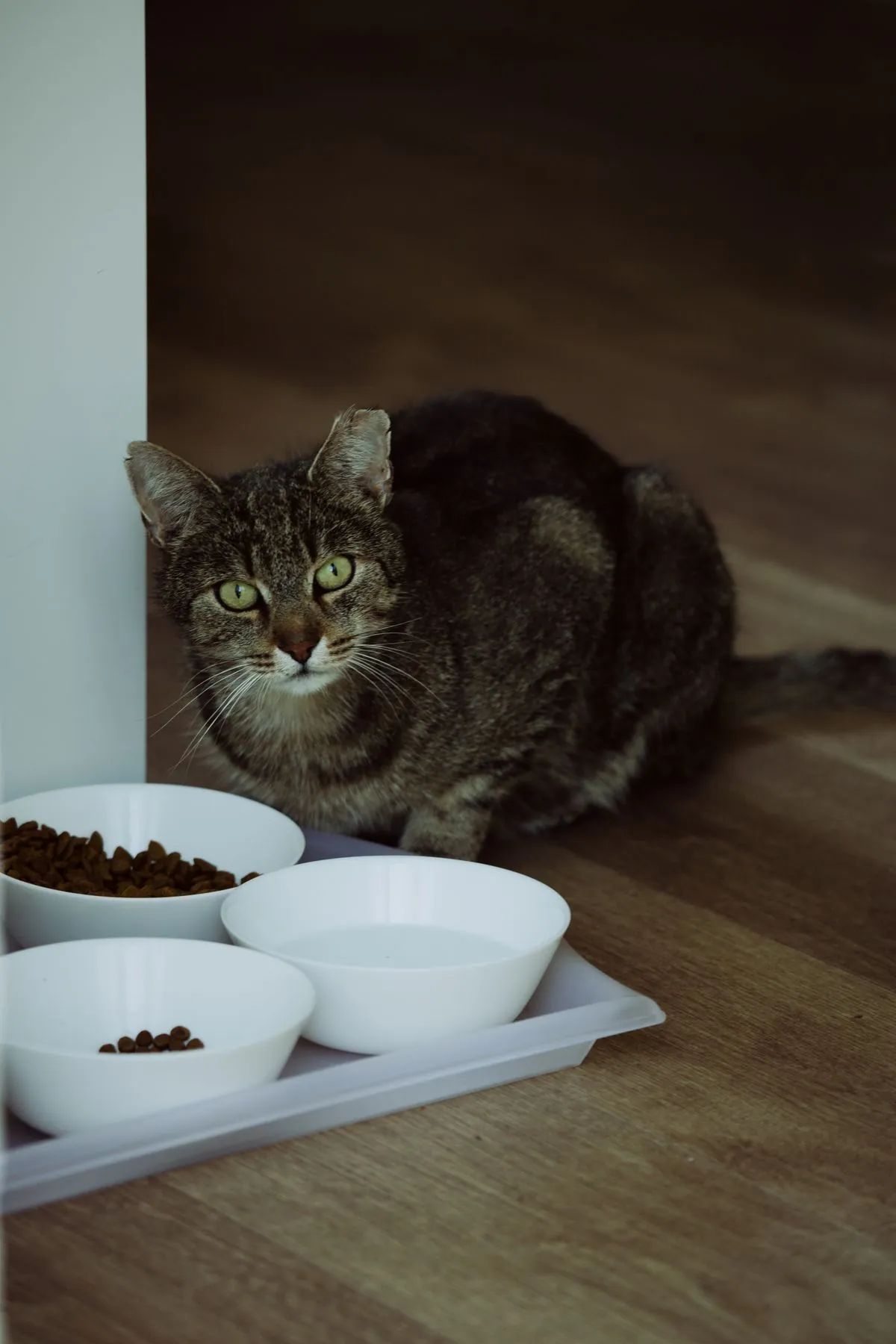
A raw diet means feeding uncooked animal tissue: muscle meat, organs, and often ground bone, sometimes with a vitamin and mineral mix stirred in. It comes in three rough forms. Some owners buy a commercial frozen or freeze-dried raw food. Some buy a premix of supplements and add their own raw meat. And some build the whole thing from scratch at home.
What it is not, and this matters, is simply giving your cat some raw meat. A cat’s diet has to be complete and balanced, which means the right amounts of protein, fat, calcium, phosphorus, taurine, and a long list of vitamins. Meat alone does not do that. A bowl of raw chicken breast is not a diet, and a Maine Coon fed on meat alone will run short on things he cannot make himself. Taurine is the one everyone names, because a shortage can damage the heart and the eyes. Calcium is the other quiet one: too little bone, and the balance tips the wrong way.
Cooked commercial food, for all its faults, has one big advantage: somebody has already done this maths. With raw, the maths is yours. PetMD’s guide to raw cat food diets makes the same point plainly: meat alone is not enough, and getting the balance right at home is harder than it looks.
What owners in the community actually say
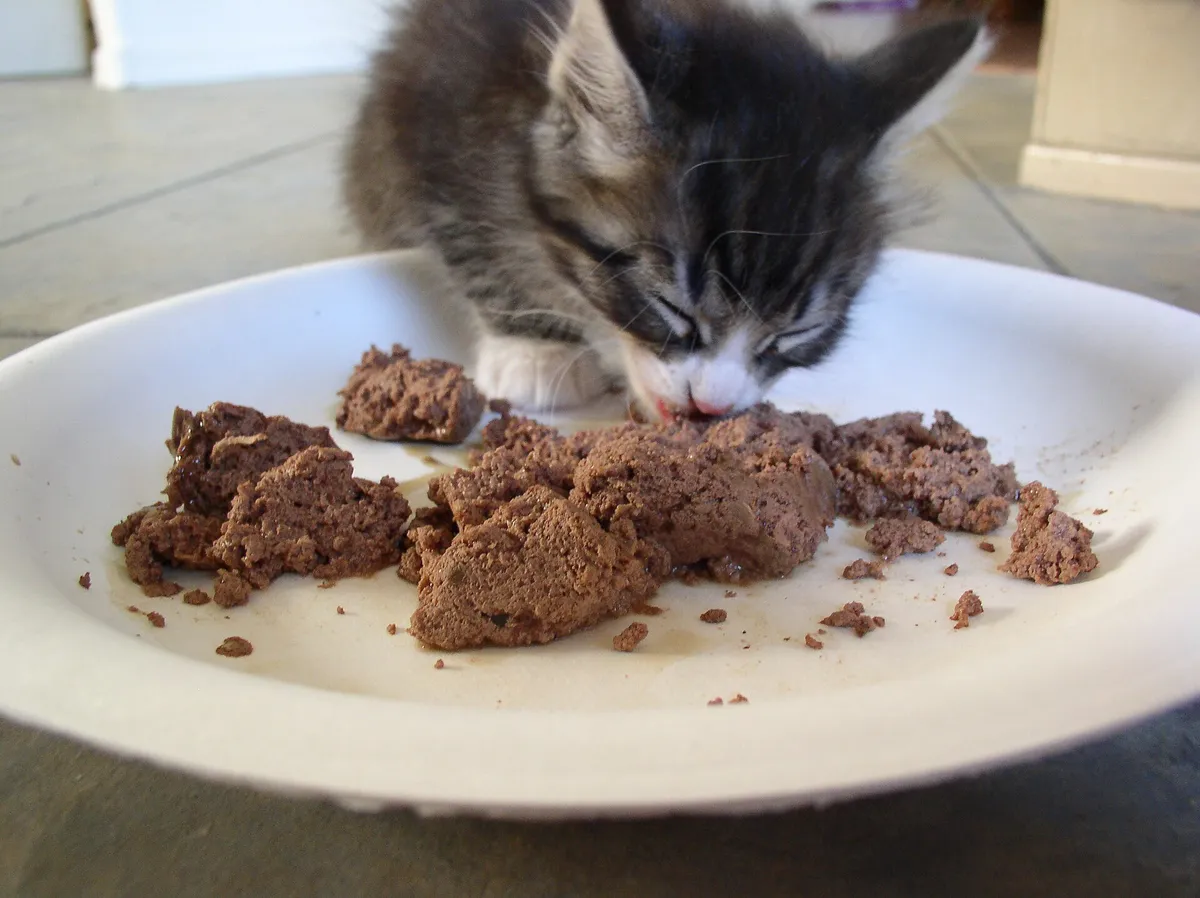
Before I wrote this, I spent time reading what real owners report on Reddit, in Facebook groups, on YouTube, and on Instagram, because the vet guidance only tells half the story. The other half is what happens in real kitchens.
The success stories are real and they are specific. Owners on Reddit describe Maine Coon kittens whose constant diarrhoea stopped within days of switching to a balanced raw diet, with smaller, less smelly stools and steady weight gain. Owners on Facebook groups tell a similar story: a kitten who arrived thin and sickly, failed on several veterinary diets, and finally settled on raw.
Some long-time Maine Coon breeders have fed partly raw for years and say their cats hold gorgeous, shiny coats on it, and breeders on YouTube show their routines openly: lamb mince in a bowl, a spoonful of taurine powder, a little pumpkin, portioned and frozen for the week.
But the other side of the community is just as loud. Owners on Instagram ask the question I would ask: are you not worried about bacteria and parasites, especially with kittens? Commenters on raw feeding videos argue about the cost, too. One owner on Instagram worked out the meat alone at roughly twenty dollars a day for two big silver Maine Coons. And plenty of owners report the opposite: cats who refused raw entirely, or ate it for months before a bout of vomiting or diarrhoea sent them back to the vet.
The pattern I see, reading all of this, is that raw feeding works beautifully for some households and badly for others, and nobody in the comments can tell you which one you are before you try it.
The risks of raw food for Maine Coons
This is the part of the conversation where I stop being chatty, because the risks are not theoretical. They are measured, counted, and published.
Bacteria. Raw meat carries bacteria that cooking kills. In a study by the FDA’s Center for Veterinary Medicine, researchers tested 196 samples of raw pet food and found Salmonella in 15 of them and Listeria in 32. The same study found far fewer problems in dry and semi-moist foods. More recently, a Cornell University study published in September 2025 tested commercial raw cat foods, including freeze-dried products many owners assume are safe, and found Salmonella, Cronobacter, and E. coli. Five of the Salmonella strains matched strains linked to human illness cases. Freezing and freeze-drying slow bacteria down; they do not kill them.
Bird flu. Since late 2024, raw pet food has also been linked to H5N1 bird flu in cats. A raw turkey product was recalled in December 2024 after a house cat who ate it died, and another raw chicken product was recalled in March 2025 after cat illnesses and deaths in Washington and Oregon. Cats are especially vulnerable to this virus, and the outcome for them is often fatal.
Parasites. Raw meat can carry parasites, including Toxoplasma and tapeworms, and a cat can shed bacteria in its litter tray without looking sick at all, which puts everyone in the house at risk. My post on Maine Coon worms covers the signs, deworming, and prevention.
Unbalanced nutrition. This is the slow, quiet risk. Studies of homemade raw recipes have repeatedly found most of them short on at least one essential nutrient, usually taurine or calcium. A diet that looks generous and meaty can still be deficient, and the damage from a taurine shortage shows up months later, in the heart.
Bones. Whole bones, or bone fragments that were not ground finely enough, can cause blockages or injure the gut.
What vets actually say
I will be plain about this, because the position is not a close call. The American Veterinary Medical Association, the FDA, and the CDC all advise against feeding raw animal protein to cats and dogs. Cornell’s Feline Health Center advises against it too, and its director has said there is no demonstrated benefit in feeding raw foods compared with cooked foods. Cornell’s own researchers are still studying the risks of raw cat foods, because the contamination problem keeps showing up in their lab results.
Not every vet agrees, and owners on Reddit will tell you their vet recommended it. But the weight of the profession, and of the published evidence, sits on the other side. A widely cited 2013 review in the Journal of the American Veterinary Medical Association concluded that the risks of raw meat-based diets outweigh any minimal benefits.
Plenty of cats eat raw for years and never have a problem. But the risk is real, it is documented, and the promised benefits are not.
If you still choose raw, do it as safely as you can
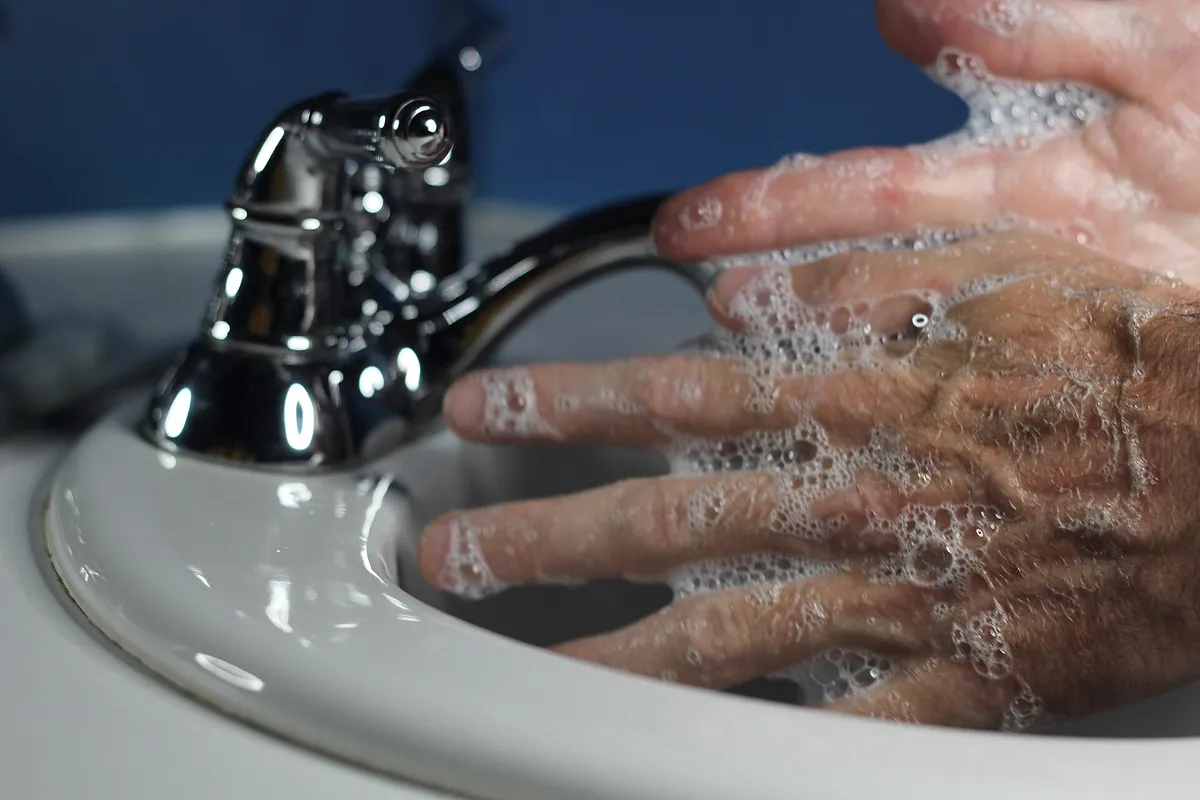
Some owners read all of this and still choose raw. If that is you, there are ways to lower the risk.
Buy a commercial raw food labelled complete and balanced for your cat’s life stage, with a nutritional adequacy statement on the label. That is far safer than a recipe from the internet, because most homemade recipes are not complete. If you build your own, work with a board-certified veterinary nutritionist and follow the recipe exactly. VCA’s guide to raw food diets walks through the same checks: complete and balanced labelling, careful sourcing, and a conversation with your vet first.
Handle raw cat food the way you handle raw meat for your own family. Keep it frozen until you need it, thaw it in the fridge and never on the counter, use separate boards and bowls, wash your hands, and clean every surface it touches. Serve it and take it away; do not leave raw food sitting out in the bowl.
One more thing, and it matters more than people think: know which foods are never safe, raw or cooked. My post on toxic foods for Maine Coons lists them, and it is worth reading before any new ingredient goes near the bowl.
Who should never be fed raw
This is the part I feel most strongly about. Some cats should not eat raw food at all, and the line is not a grey area.
Kittens should not be fed raw. Their immune systems are still developing, and they are the most likely to be harmed by bacteria and parasites, as well as the most likely to be harmed by an unbalanced diet during the fastest growth of their lives. If you are working out portions for a growing cat, my feeding chart by age is the safer place to start.
The same goes for senior cats, and for any cat with a weakened immune system or a chronic illness. It also applies to any household with a small child, a pregnant person, or someone with a weakened immune system, because a cat can shed Salmonella in its litter tray without showing a single symptom.
If any of that describes your home, raw is not worth the argument. A good cooked food will do everything your cat needs, without putting anyone else in the house at risk.
What I feed instead, and my honest take
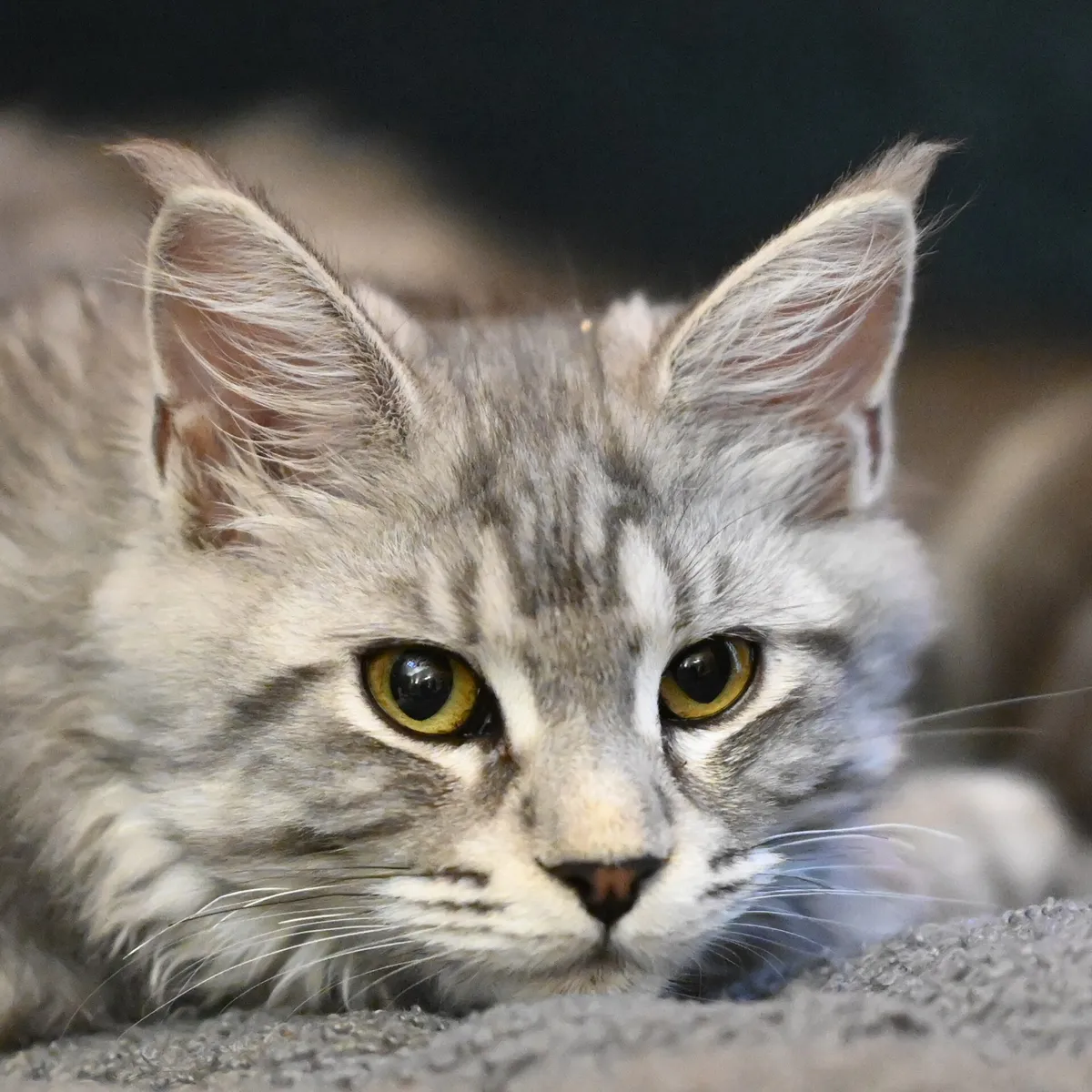
My cats eat a high-quality commercial food, wet and dry, chosen for their age and their size, and they are thriving on it. The things raw feeding promises are not exclusive to raw feeding: a good cooked diet, plenty of fresh water, and the right portions will get you the same glossy coat and the same firm stools, and you can compare the options in my guide to the best food for Maine Coon cats.
Raw feeding is not a scam and it is not a miracle. It is a real diet with real risks, chosen by real owners who want the best for their cats. If you have a healthy adult cat, a household with no vulnerable people, a commercial complete-and-balanced product, and a vet who knows what you are doing, you can do it as safely as it can be done. But the evidence does not show it is better than a good cooked food, and it does show it carries risks a cooked food does not. For my cats, that trade is not worth it. For yours, the decision is yours.
Frequently asked questions
Is raw food safe for Maine Coon kittens?
No, kittens should not be fed raw. Their immune systems are still developing, they are more vulnerable to bacteria and parasites, and an unbalanced raw diet during their long growth period can cause lasting harm.
Can raw food make my Maine Coon sick?
Yes. Raw pet food has been found to carry Salmonella, Listeria, E. coli, and parasites, and raw poultry has been linked to fatal bird flu infections in cats. A cat can also carry and shed bacteria without looking ill.
Does freezing or freeze-drying raw cat food kill the bacteria?
No. Freezing, freeze-drying, and dehydrating reduce bacteria but do not reliably kill them, and they do not kill viruses like bird flu. A freeze-dried raw food carries the same kind of risk as a frozen one.
Is a raw diet better than cooked food for Maine Coons?
There is no good scientific evidence that raw diets are better than a complete and balanced cooked diet. The claimed benefits, like shinier coats and better digestion, are reported by owners but not supported by studies, while the risks of bacteria, parasites, and unbalanced nutrition are well documented.
What should I do if my Maine Coon ate raw meat?
Do not panic over a single stolen bite, but watch for vomiting, diarrhoea, fever, or lethargy over the next few days. If your cat shows any of these signs, or if the meat was raw poultry, contact your vet promptly and mention that the cat ate raw meat.
Feed your gentle giant well, feed him safely, and save the wild hunter fantasy for the toy mouse at the end of the string.