Toxic Foods for Maine Coons – What Never to Feed Your Gentle Giant
I keep this list on my fridge because I live with a Maine Coon who can reach things I thought were out of reach. Toxic foods for Maine Coons are not a far-off danger for other people’s cats. They are the gravy on Sunday dinner, the chocolate left on a low table, and the sauce that tastes harmless to us and is anything but harmless to a cat. This guide covers the foods I never offer, the signs I watch for, and what to do first if your cat gets into something anyway. It is not a replacement for a vet, and it does not guess a safe amount for a dangerous food. When a food is on this list, my rule is simple: none at all.
Why Maine Coons get into trouble more easily
A Maine Coon does not need to be naughty to get into trouble. Mine stands on his back legs, rests his paws on the counter, and waits until I turn my back. Owners on Reddit say much the same about their own big cats: the begging is quiet, and the counter is not nearly as high as we think.
The other trap is kindness. Most risky moments I hear about are not deliberate. They are a plate left unattended, a bin left unlatched, or a guest sharing a bite with the best of intentions. So I tell guests plainly: please do not feed him from your plate.
Plants are a separate danger, and I cover them in my guide to toxic plants for Maine Coons.
Toxic foods for Maine Coons: the never-feed list
If a food is here, it does not go in the bowl, on a plate for the cat, or into a treat I make at home.
Onions, garlic, chives, and leeks
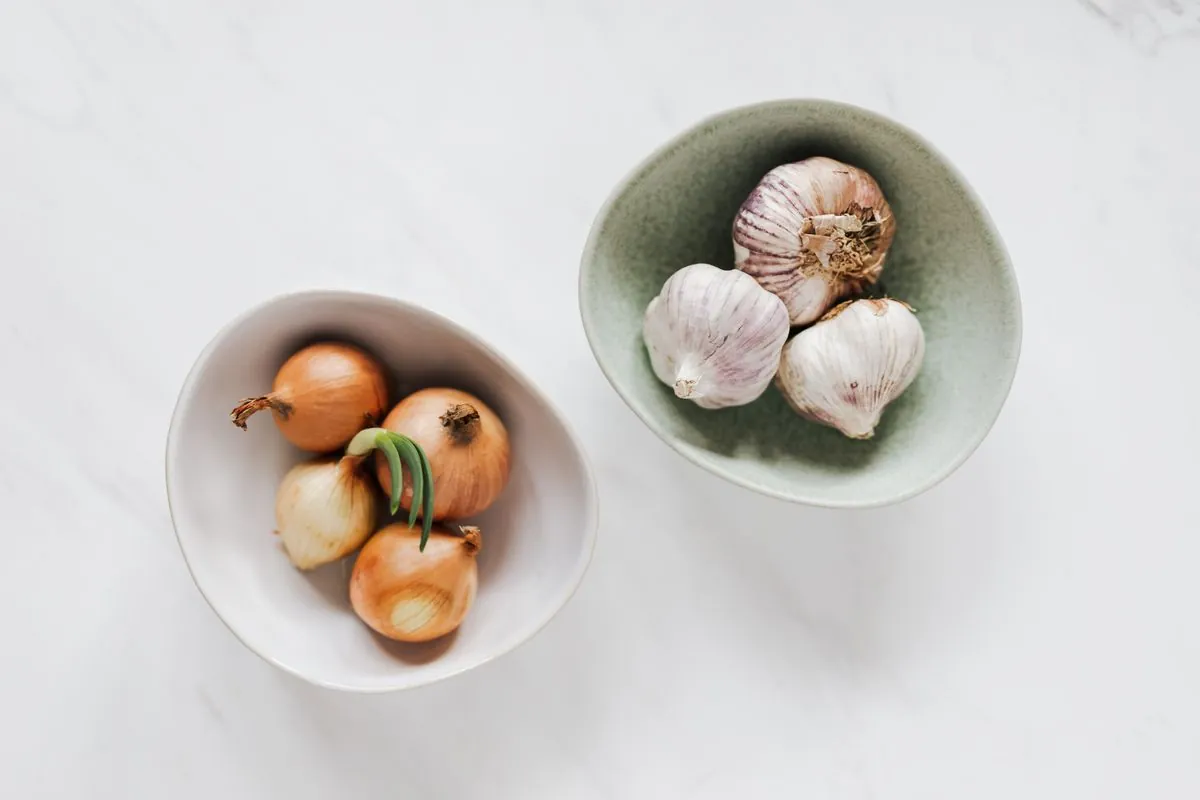
This is the group I worry about most, because it hides in ordinary cooking. Onions, garlic, chives, leeks, and shallots belong to the allium family, and the ASPCA notes that they can irritate the gut and damage red blood cells in cats, with cats more sensitive than dogs. Cooking does not make them safe, and neither does drying them into powder. Onion powder and garlic powder turn up in gravy, stock, stuffing, sauces, and seasoned meat.
Owners on forums describe the same pattern: the cat licked gravy, stole seasoned meat, or got into leftovers. That is why I do not share table scraps.
Timing matters too. A cat can seem fine on the day, then become dull, weak, off its food, or short of breath over the following days. Pale gums are another sign. If you know your cat ate onion or garlic, do not wait. Call your vet with what it was, roughly how much, and when.
Chocolate, coffee, tea, and caffeine
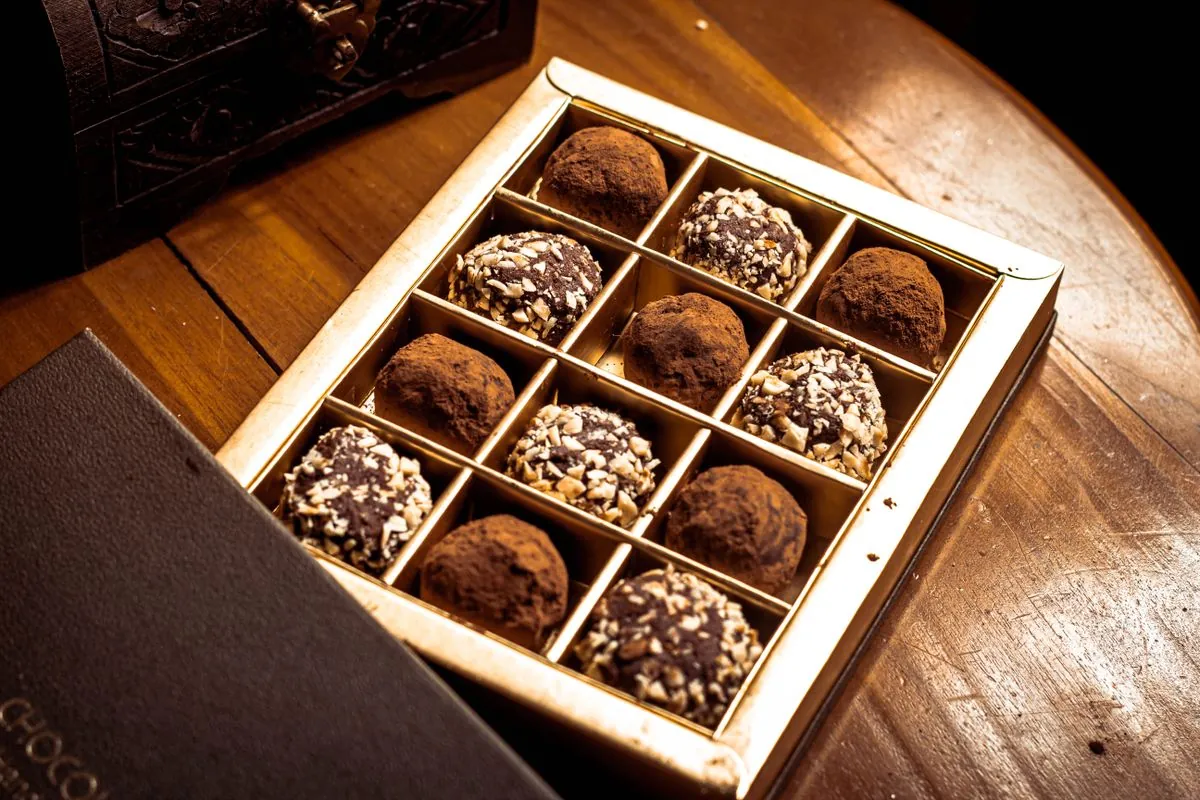
Chocolate contains theobromine and caffeine, and cats handle those compounds far worse than we do. The ASPCA lists vomiting and diarrhoea, panting, extra thirst and urination, restlessness, an abnormal heart rhythm, tremors, seizures, and even death among the possible effects of methylxanthines, the group that includes theobromine and caffeine. Dark and baking chocolate carry more of these compounds than milk chocolate, but I do not treat any of it as a safe treat, and I will not guess a safe bite here.
Coffee, tea, energy drinks, cocoa powder, and coffee grounds belong in the same group. If chocolate or caffeine is involved, keep the wrapper and call for advice.
Grapes, raisins, currants, and sultanas
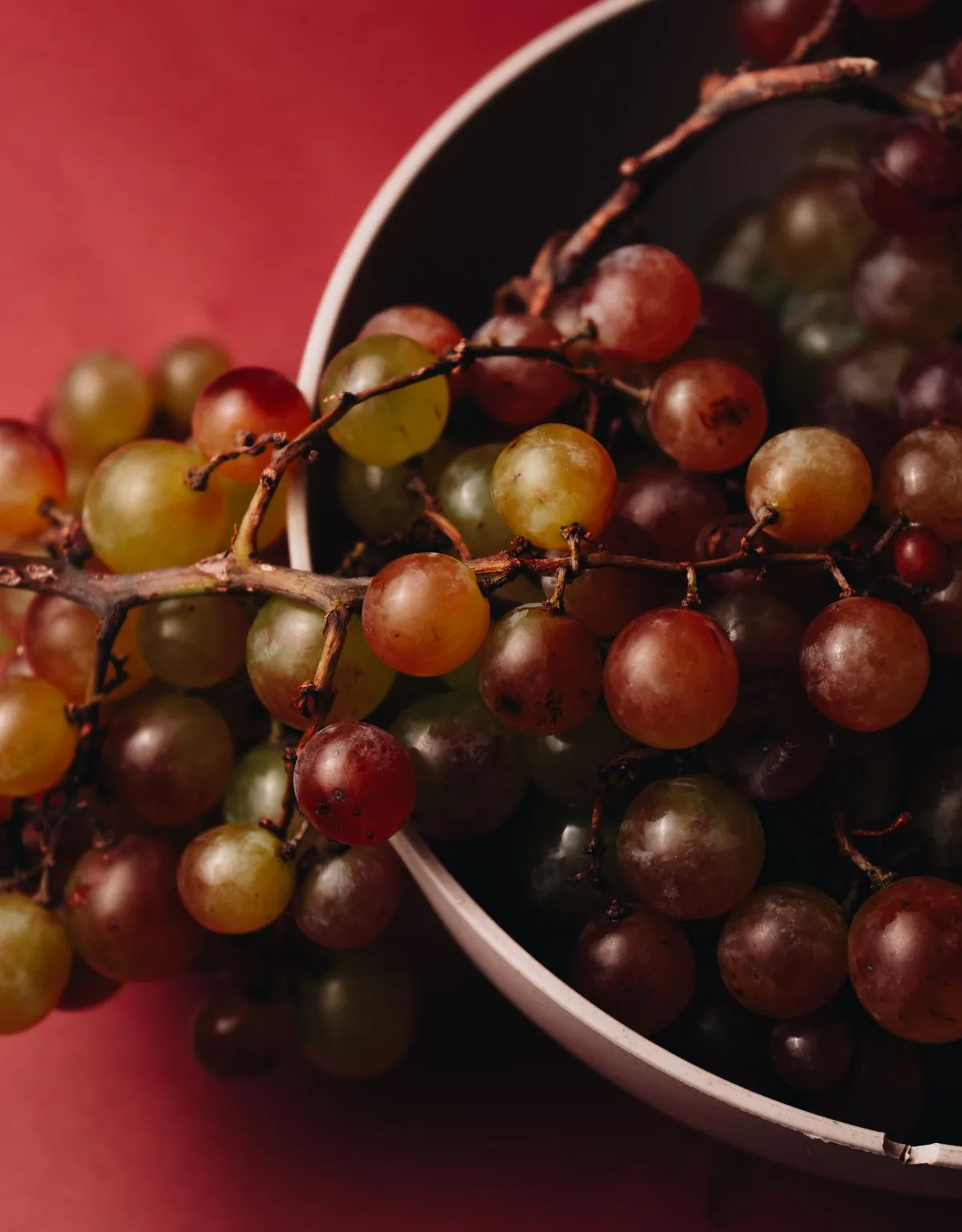
Grapes and raisins are a firm no in my house, even though the picture in cats is less settled than it is in dogs. In dogs, grapes and raisins can cause sudden kidney failure, and no one can reliably predict which animal will react badly. Cornell University College of Veterinary Medicine lists grapes and raisins among the foods that are off-limits for cats, and I follow that line without exception. There is no known safe amount to aim for, so there is nothing to gain by testing it.
Grapes look innocent. They roll off a plate, sit in a fruit bowl, or hide in a baked good. If your cat eats even one grape or raisin, call your vet, do not wait and see.
Alcohol and raw yeast dough
Alcohol is never for cats, in any form, including beer, wine, spirits, and food cooked with alcohol that has not fully cooked off. The ASPCA warns that alcohol can cause vomiting, diarrhoea, poor coordination, breathing difficulty, tremors, and, in severe cases, coma and death. A cat is small, and a small body has far less room for error than ours.
Raw yeast dough is dangerous for a second reason: it can keep rising and producing alcohol inside a warm stomach, and expand and cause bloating and pain. I keep dough covered and up high.
Xylitol and other sugar-free sweeteners
Check the label before you share anything sweetened. Xylitol, also sold as birch sugar, turns up in sugar-free gum, sweets, some peanut butters, baked goods, and toothpaste. In dogs it is well known for causing a dangerous drop in blood sugar and possible liver damage. The evidence in cats is less clear-cut, and different veterinary sources describe the cat risk differently, so I will not pretend this one is simple.
My rule stays strict: no sugar-free gum, sweets, or peanut butter for my cat, and no toothpaste made for people. If your cat gets into a xylitol product, call your vet and read them the exact product name and ingredients.
Raw meat, raw eggs, raw fish, and cooked bones
These are not poisons in the same way as chocolate or onion, but they can still do real harm. Raw meat, raw eggs, and raw fish can carry bacteria and parasites. Cooked bones can splinter, choke a cat, or injure the mouth, throat, or gut.
Some owners feed raw diets with veterinary guidance and careful sourcing. That is not the same as handing over raw chicken trimmings, or a fish bone from your plate. For day-to-day feeding, read my guide to the best cat foods for Maine Coons instead of improvising from the fridge.
Foods that are not toxic but still cause trouble
Milk and cream are the classic example. Most adult cats do not digest lactose well, so a saucer of milk often ends in vomiting or a sore stomach, even though milk is not classed as a poison. Rich, fatty, or very salty food can do the same. Nuts are another one to skip: high in fat, hard to digest, and easy to choke on. Keep fruit pits, seeds, cores, and snack bowls out of paw reach too.
Signs that something may be wrong
Signs depend on what was eaten, how much, and how big and healthy the cat is. Still, these are the changes I act on early:
- Vomiting, diarrhoea, drooling, or pawing at the mouth
- Going quiet, hiding, sleeping far more than usual, or refusing food
- Restlessness, panting, a racing heartbeat, tremors, or wobbliness
- Pale gums, rapid or laboured breathing, or weakness
- Drinking or urinating far more, or far less, than usual
- Blood in vomit, stool, or urine, or a swollen, painful belly
Timing varies. Chocolate and caffeine problems often show within hours; allium problems can take days. That delay is why waiting for symptoms is a poor plan. If you know what happened, call when you find out. I am quicker to call for kittens, older cats, and cats with health problems.
What to do fast if your Maine Coon eats something toxic
Stay calm enough to be useful. Those details are what your vet will ask for first.
- Move the food away and stop your cat eating more of it. Keep the packet, wrapper, or a sample if you can do so safely.
- Note what it was, roughly how much, and what time it happened. If you are unsure, say so.
- Call your vet, an emergency vet clinic, or the ASPCA Animal Poison Control Center at (888) 426-4435 right away. The Pet Poison Helpline at (855) 764-7661 is another option. A consultation fee may apply to poison helplines, but do not let that delay the call.
- Follow exactly what they tell you to do. Do not make your cat vomit at home unless a vet directs you to. Cornell gives the same warning, because inducing vomiting can cause harm in some situations.
- Keep your cat calm, indoors, and where you can watch them. Do not offer milk, food, or home remedies unless your vet asks you to.
- Take your cat in if you are told to, even if they look fine. Bring the packet and your notes.
If you cannot reach your own vet, call an emergency clinic or a poison helpline rather than waiting until morning. Early treatment gives your vet far more to work with.
Making a Maine Coon kitchen safer
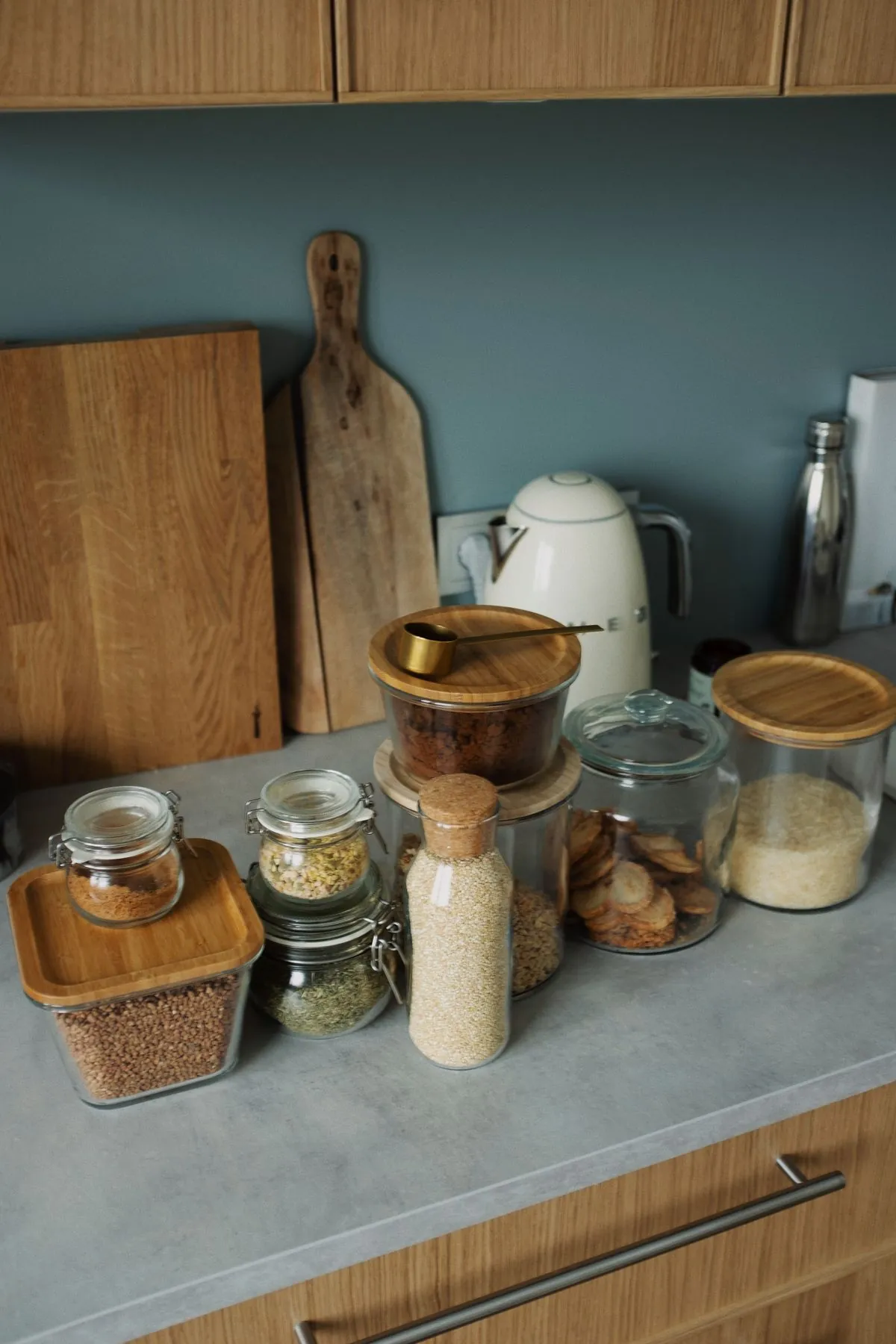
Food goes into closed containers, not open bowls on a counter. Bins need lids that actually latch. Chocolate, gum, grapes, and medication live in a cupboard, not on a worktop. When I cook with onion or garlic, the board, peels, and pan go out of reach before I sit down to eat. Guests get a short warning when they arrive, and I keep my vet number, the nearest emergency clinic, and the ASPCA number on my phone. If you are working out daily portions, my Maine Coon feeding chart by age is a safer place to start than guessing from human food.
Frequently asked questions
Can Maine Coons eat a tiny bit of chocolate?
No. Dark and baking chocolate carry more theobromine and caffeine than milk chocolate, but even a small amount can cause vomiting, restlessness, tremors, or heart problems. Call your vet with the type and amount.
Is cooked onion or garlic safe for cats?
No. Cooking does not remove the compounds that damage red blood cells, and powdered onion and garlic hide in gravy, stock, and sauces. Keep all allium foods, raw or cooked, away from your cat.
Can cats eat grapes if dogs are the ones usually affected?
Do not feed them. Grapes, raisins, currants, and sultanas are listed as off-limits for cats by Cornell, and there is no known safe amount. If your cat eats one, call your vet straight away, even if they seem well at first.
What if my cat only licked gravy with onion in it?
Call your vet and say honestly that you are unsure how much was licked. Your vet may advise monitoring rather than an emergency visit, but that is their decision. Watch for dullness, weakness, pale gums, loss of appetite, or breathing changes over the next few days.
Should I make my cat vomit after eating something toxic?
Only if a vet tells you to. Making a cat vomit at home can cause choking, inhalation, or further injury, and it is not suitable for every substance. The safer first step is always a phone call: what was eaten, how much, and when.
A last word from my kitchen
Living with a Maine Coon means sharing your home with a large, clever, food-motivated companion who will test every rule you set. I expect a clear rule, a tidy kitchen, and a fast phone call when the rule gets broken. Toxic foods for Maine Coons are easier to avoid than to treat: lids on, chocolate away, no table scraps, guests warned, and the vet number saved. If you are unsure about a food, leave it out and ask your vet.
This article is general information from a fellow owner, not veterinary advice. If your cat has eaten something on this list, contact your vet or an emergency clinic promptly. For authoritative toxicity guidance, see the ASPCA guide to people foods pets should never eat and Cornell University College of Veterinary Medicine on common cat hazards.