Why Does My Maine Coon Suckle Blankets? Comfort, Weaning and When to Worry
If you have ever found your enormous Maine Coon with a mouthful of your favourite throw, eyes half closed and purring away, you have probably asked yourself why does my maine coon suckle blankets. It looks so small and kittenish coming from a cat the size of a toddler. I have watched my own cats do it at bedtime and on the sofa, and every time it feels like a tiny kitten hiding inside a very large cat.
The short answer is that it is usually normal: a leftover from kittenhood and a comfort habit, and for most Maine Coons nothing to worry about. But there is a line between harmless suckling and a problem. Here is what I have learned, what other owners see, and when to step in.
What blanket suckling actually looks like
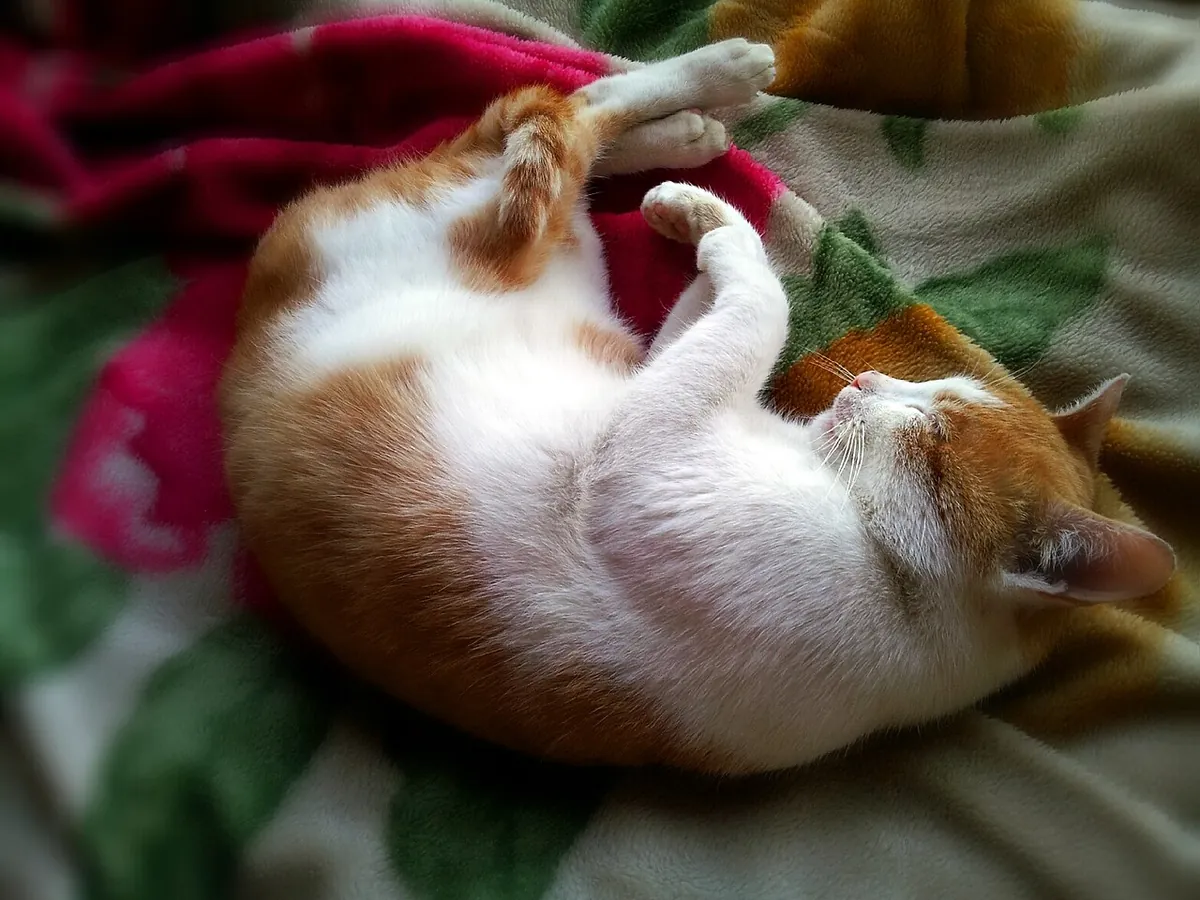
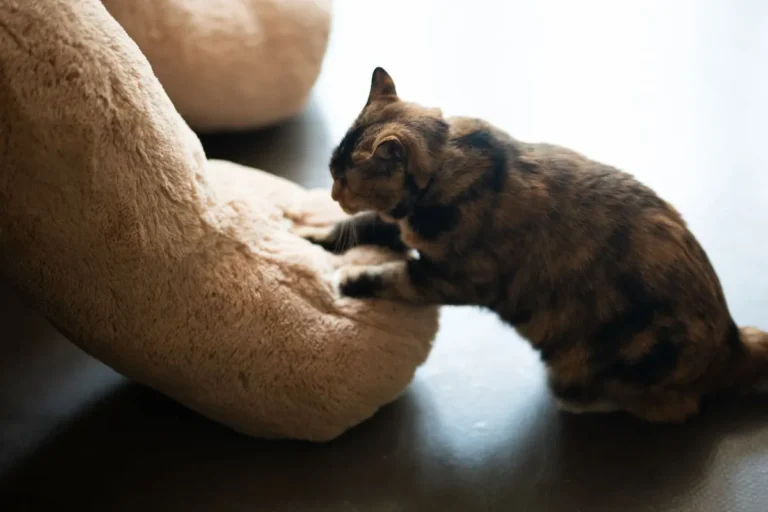
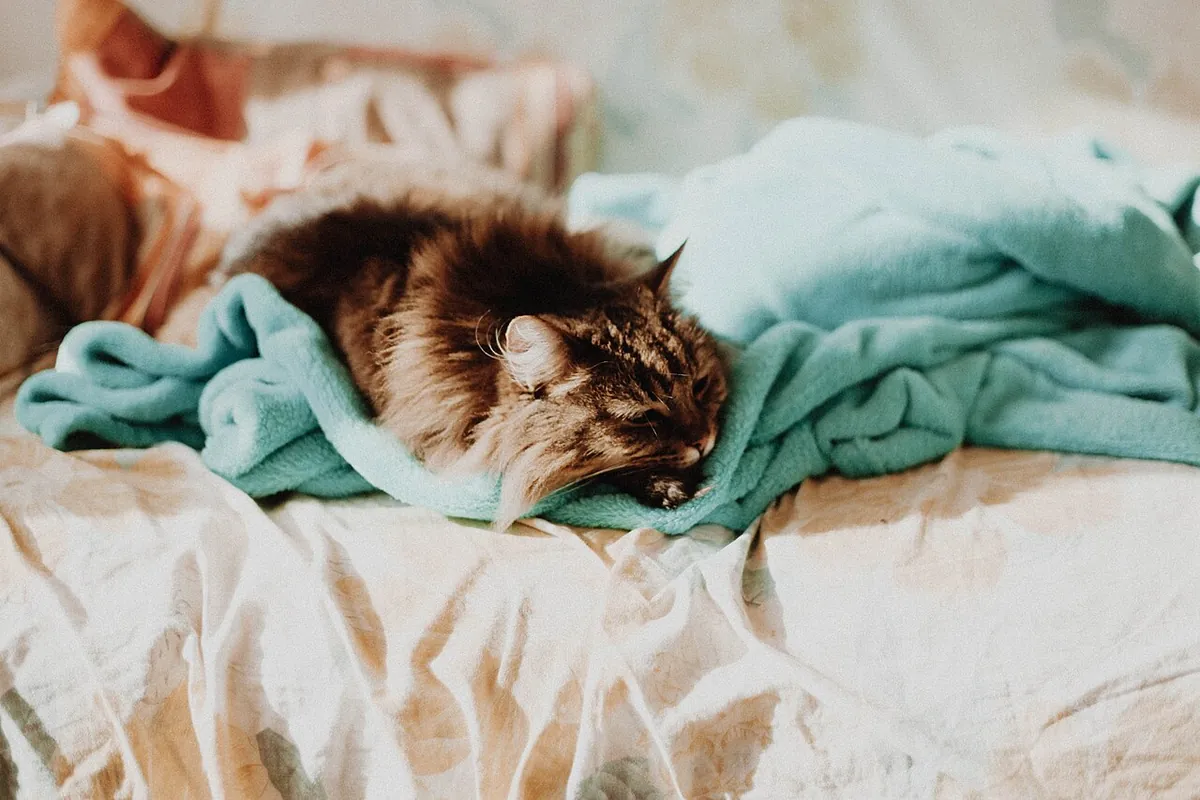
Suckling is not chewing. A suckling cat takes a fold of soft fabric, usually a blanket, fleece throw, jumper, or soft toy, into her mouth and works at it with a slow, rhythmic movement. Her eyes go soft and half closed, she may drool a little, and the blanket ends up damp in one spot. Very often her front paws work at the same time, pressing in and out in the slow rhythm cats have practised since they were tiny.
It usually happens at bedtime, on the warm sofa spot after a meal, or on your lap on a quiet evening. Some cats have one chosen blanket; others take whatever soft thing is nearest, including the sleeve you are wearing. Kittens do it most, but plenty of adults keep the habit for life. Maine Coons mature slowly, over three or four years, so a big adult still carrying a kitten habit is not unusual.
Why does my Maine Coon suckle blankets?
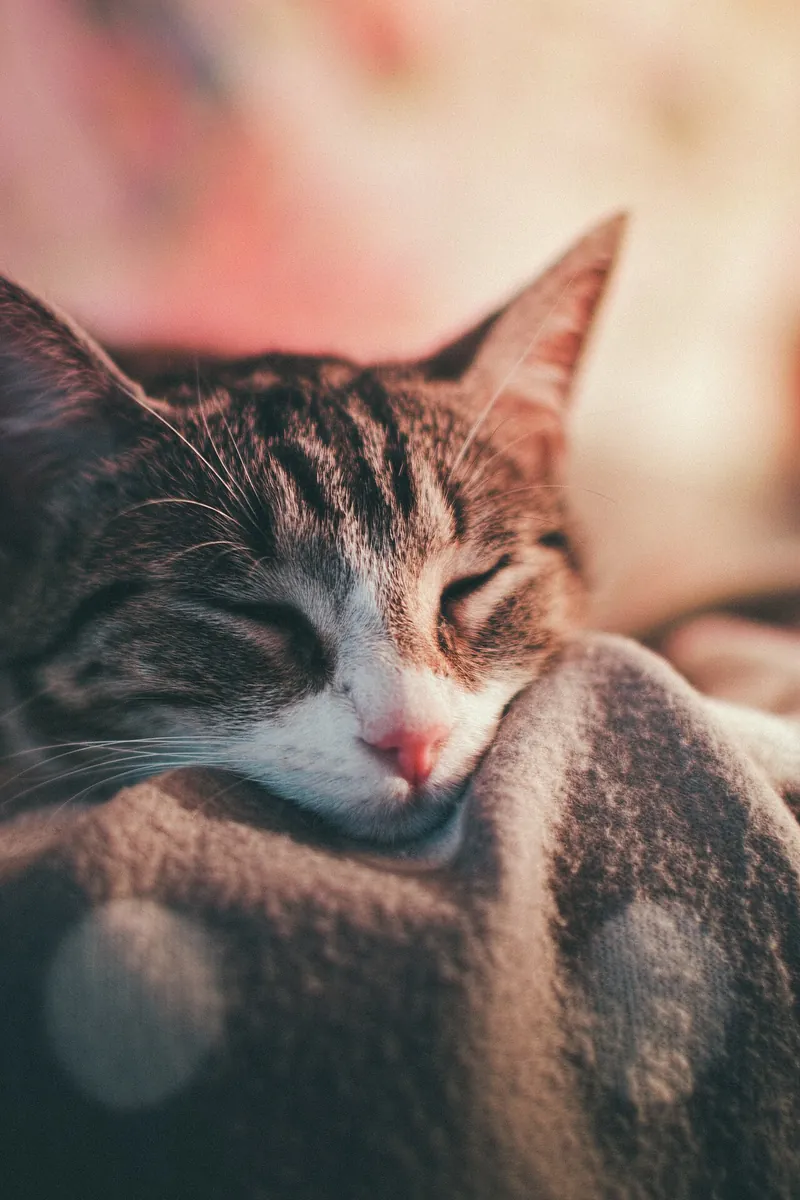
There is rarely one single reason: in most cats it is a mix of instinct, early life, and what is happening in the house right now.
1. It is a leftover from kittenhood
Suckling is one of the first things a kitten learns, and its rhythm, warmth, and closeness become wired in as safety itself. A soft blanket feels a little like that early world, so when an adult finds one with the right texture, something very old in her brain says this is safe, and the mouth does what it did at two weeks old. PetMD compares it to thumb-sucking, noting the instinct can simply carry into adulthood; you can read their explanation of why cats suckle into adulthood for the veterinary view.
2. Early weaning can make it stick
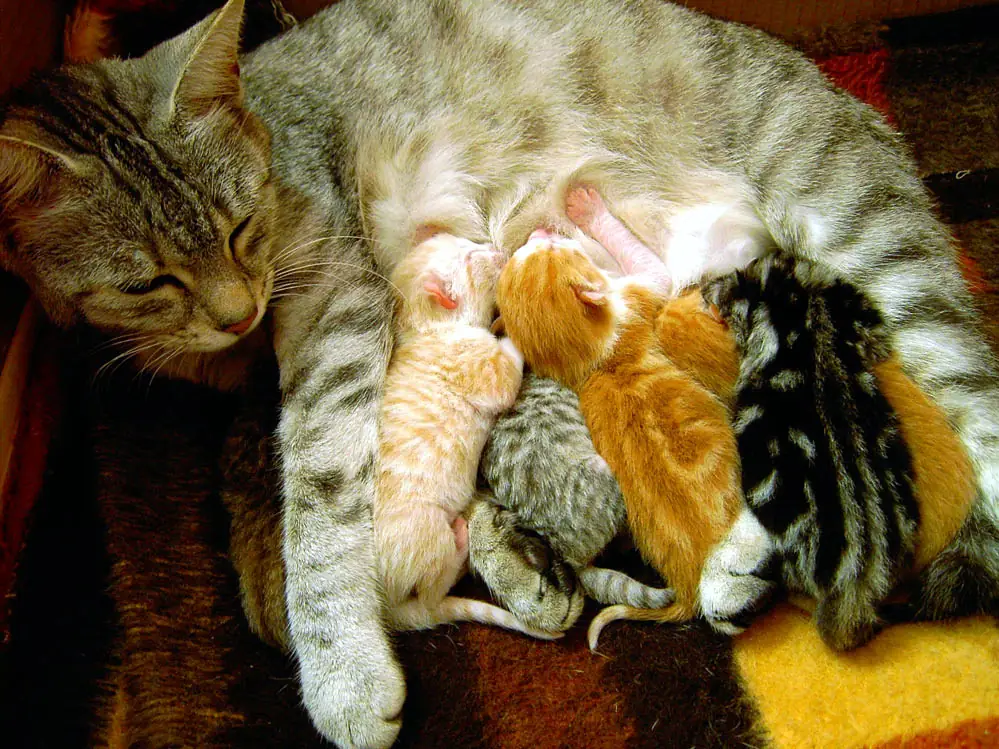
Kittens separated from their mother early, or weaned before they were ready, are more likely to keep suckling as adults. The nursing behaviour never quite finished, so it moves onto the nearest soft thing that feels like mum. That is one reason good breeders keep Maine Coon kittens with their mother and littermates until around twelve to thirteen weeks, rather than sending them home at eight weeks. If your cat came home very young, was orphaned, or was found as a tiny stray, a lifelong habit is a common outcome, and it says nothing bad about how you have raised her. If a kitten is joining your home soon, my guide to the first thirty days with a Maine Coon kitten covers what those early weeks should look like.
3. It is pure comfort
Sometimes there is no deeper reason. The cat is warm, full, safe, and sleepy, and suckling feels good. Owners on Reddit describe it in exactly those terms: only at bedtime, only on the softest blanket, only when the house has gone quiet. It also explains why suckling so often arrives with the paws working: the two behaviours belong to the same early memory. I wrote separately about why Maine Coons knead, but the short version is that the paws and the mouth do the same job: saying all is well.
4. Stress or a big change in the house
The other side of the coin is stress. A cat who has always suckled may do it more after a move, a new baby, a new pet, building work, or a long absence, and a cat who never did it may suddenly start. Suckling is self-soothing, and a worried cat reaches for whatever calms her. If it started suddenly, look at what changed that same week. Maine Coons are famously people-oriented and can struggle more than independent breeds when their routine breaks. If worry or clinginess seems part of the picture, my guide to Maine Coon separation anxiety walks through the signs and what actually helps.
5. Habit, boredom, and attention
Cats are creatures of routine, and once a behaviour joins the daily pattern it tends to stay. A cat who discovered at six months that a certain fleece feels wonderful may still visit it at six years old, simply because it is what she has always done. Boredom plays a part too: a big, clever Maine Coon with too little to do finds her own entertainment, and owners on forums notice the habit worsens on quiet days with little play. Sometimes it is also about you: laugh or stroke her every time she starts, and she learns the blanket brings you over.
6. Is it a Maine Coon thing?
Not especially, and I want to be honest about that. The breeds most often linked with wool sucking are the Oriental breeds, such as Siamese and Burmese, and Cornell notes fabric sucking is most commonly seen in those breeds. Maine Coons are not on that list. But any cat can develop the habit, and Maine Coons are unusually affectionate and slow to mature, so kitten behaviours hang around longer. A big, soft cat who loves your lap and your laundry is exactly the kind who discovers blanket suckling and never stops.
What owners in the community actually see
Once you start asking, this topic turns out to be very familiar. Owners on Reddit and cat forums describe the same scenes: a grown cat, sometimes a very large one, settling onto a blanket at bedtime and suckling until she falls asleep, leaving a damp patch behind. One owner on a cat forum wrote about her adult Maine Coon doing it every night as he fell asleep, purring the whole time. She gave him his own old woollen blanket in a quiet corner, and over a few weeks he moved his habit onto that blanket instead of hers. He still does it years later, just more briefly, and only when settling down for a nap.
On Instagram, Maine Coon accounts share clips of big cats curled against a shaggy blanket, eyes closed, face buried in the fabric, purring loudly enough to hear across the room. The comments are full of other owners saying the same: their older cat still does it, their kitten started at seven weeks and never stopped, and they have accepted that blankets need washing more often. Breeders on YouTube say much the same, with gentle advice: do not make a fuss, give the cat something safe to suckle, and check the habit is not covering up stress or boredom. The picture is consistent: a common, everyday behaviour, usually a sign of a contented cat.
Suckling is not the same as eating the blanket
Here is the distinction that matters most. Suckling means the fabric goes in the mouth and comes back out, damp but whole. Eating means pieces disappear. The second is a different behaviour, called pica, and it can genuinely hurt your cat.
Cornell explains that a cat who chews fabric seriously can swallow bits that cause a life-threatening gut blockage, and may also go after dangerous things like electrical cords. VCA puts it plainly too: the most common problem pica causes is a blockage where something indigestible gets stuck, causing pain, loss of appetite, and vomiting. You can read their guidance on pica in cats and the Cornell page on fabric chewing and sucking for the detail.
So check the blanket. Look for holes, thinning patches, loose threads, or missing fibres, and check the litter tray and any vomit for fabric. If the blanket is intact and your cat is only mouthing it, you are almost certainly seeing harmless comfort suckling. If pieces are going missing, that is a vet conversation, not a training project. Keep string, yarn, ribbon, and knitting out of reach, and choose tight-woven blankets without tassels or loose loops for a suckling cat.
When suckling is normal and when to worry
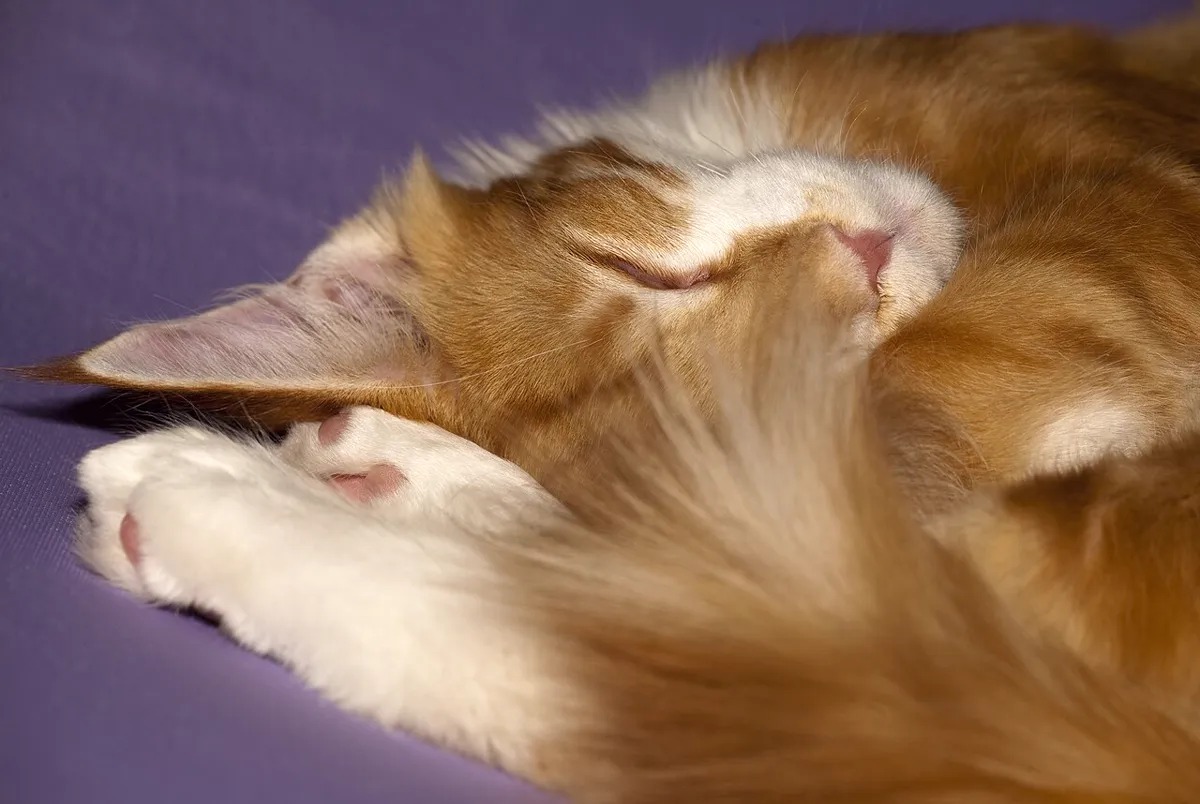
Most of the time, you can relax and let her enjoy it. Suckling is normal when it has been there a long time, happens mainly at rest or bedtime, comes with purring and soft eyes, and your cat eats, plays, and uses the litter tray as usual. A lifelong habit that is not getting worse and not damaging anything is just part of who she is.
Look closer when something changes. Call your vet if the suckling started suddenly in an adult cat, is getting more frequent or harder to interrupt, if your cat swallows fabric or you find holes in blankets, if she has gone off her food, is vomiting, or seems in pain, or if it comes with hiding, over-grooming, or a sudden change in toileting. A sudden new behaviour can be a coping strategy for pain or stress, so rule out a medical cause before assuming it is only a habit. If it is part of a wider pattern disrupting daily life, my guide to Maine Coon behaviour problems and how to stop them covers the step-by-step approach I use for habits that need changing.
What to do about it
If the suckling is harmless, the honest answer is that you do not have to do anything. Most owners end up accepting it, and their cats go on happily suckling the same blanket for years. But if it is wrecking your bedding or keeping you awake, here is what works.
Give her a blanket of her own. Pick a tight-woven fleece or cotton blanket, nothing with loose loops, tassels, or long fibres, and put it in her favourite sleeping spot. When she starts on your jumper or pillow, gently lift her onto her blanket instead. Many owners find the habit moves over within a couple of weeks. Wash it regularly with unscented detergent, because a much-suckled blanket gets damp.
Play with her properly. A Maine Coon who has had two good play sessions a day, something to climb, and a puzzle feeder is a calmer, sleepier cat at bedtime, and suckling that comes from boredom often fades once the day has enough in it. Keep the routine steady too: same feeding times, same bedtime, same quiet evenings.
Redirect, never punish. If she starts on something you do not want her to have, pick her up calmly, put her on her own blanket, and give her a stroke. Shouting or squirting water only adds stress, and stress drives the behaviour. Do not spray bitter deterrent on the blanket she sleeps on, and do not take away every soft thing in the house. A cat who loses her comfort spot usually finds a worse one.
Check the blanket every week for holes and loose threads, and replace it before it falls apart. If she ever moves from suckling to chewing and swallowing, take the blanket away and call your vet. If the behaviour is severe or your vet thinks it has become compulsive, medication is sometimes discussed as a last resort, alongside behaviour work, and only after medical causes are ruled out. For most cats, it never comes to that.
Frequently asked questions
Why does my Maine Coon suckle blankets but my other cat does not?
Every cat is different. Early weaning, personality, and habit all play a part, and two cats in the same house can turn out completely differently. One may have been weaned a little earlier, be a little more anxious, or simply have found a blanket she loves.
Will my Maine Coon grow out of suckling?
Some do, especially kittens weaned only slightly early. Many do not, and a cat still suckling at two or three years old will probably keep doing it, on and off, for life. A lifelong habit that is stable and harmless is not a problem that needs solving.
Is it safe to let my cat suckle my blanket?
Yes, as long as the blanket is tight-woven, with no loose threads, tassels, or holes, and your cat is suckling rather than eating it. Give her a blanket of her own, wash it regularly, and check it for damage. Keep wool with long loose strands, string, and yarn out of reach.
Why does my Maine Coon suckle my clothes and hair?
For the same reason she suckles blankets: they are soft, warm, and smell like you. Clothes you have worn carry your scent, which makes them extra comforting. A dedicated blanket in her sleeping spot usually tempts her away from your wardrobe.
When should I take my Maine Coon to the vet about suckling?
Go if it started suddenly in an adult, is escalating or hard to interrupt, if fabric is being swallowed or you find holes in blankets, or if it comes with vomiting, loss of appetite, hiding, or other changes. Your vet can rule out pain or illness first, then talk about behaviour help if needed.
I used to worry the first time I saw it. A cat that big, acting like a newborn, felt like something must be wrong. Years later I see it differently. When my Maine Coon climbs onto her blanket at bedtime, tucks a corner into her mouth, and starts purring, she is telling me she feels safe. Give her a safe blanket, keep an eye on the fabric, and let her have her comfort. She has earned it.