Maine Coons and Fireworks: Keeping Your Gentle Giant Calm
The first fireworks night I spent with a Maine Coon in the house taught me how to plan every noisy holiday. My cat was the biggest animal in the room, and the first bang sent him under the bed like a kitten. Maine Coons and fireworks do not mix. Some sleep through the whole show; others hide, tremble, or try to bolt. Both reactions are normal, and the cat in front of you is the only one that matters.
Why Maine Coons and Fireworks Don’t Mix
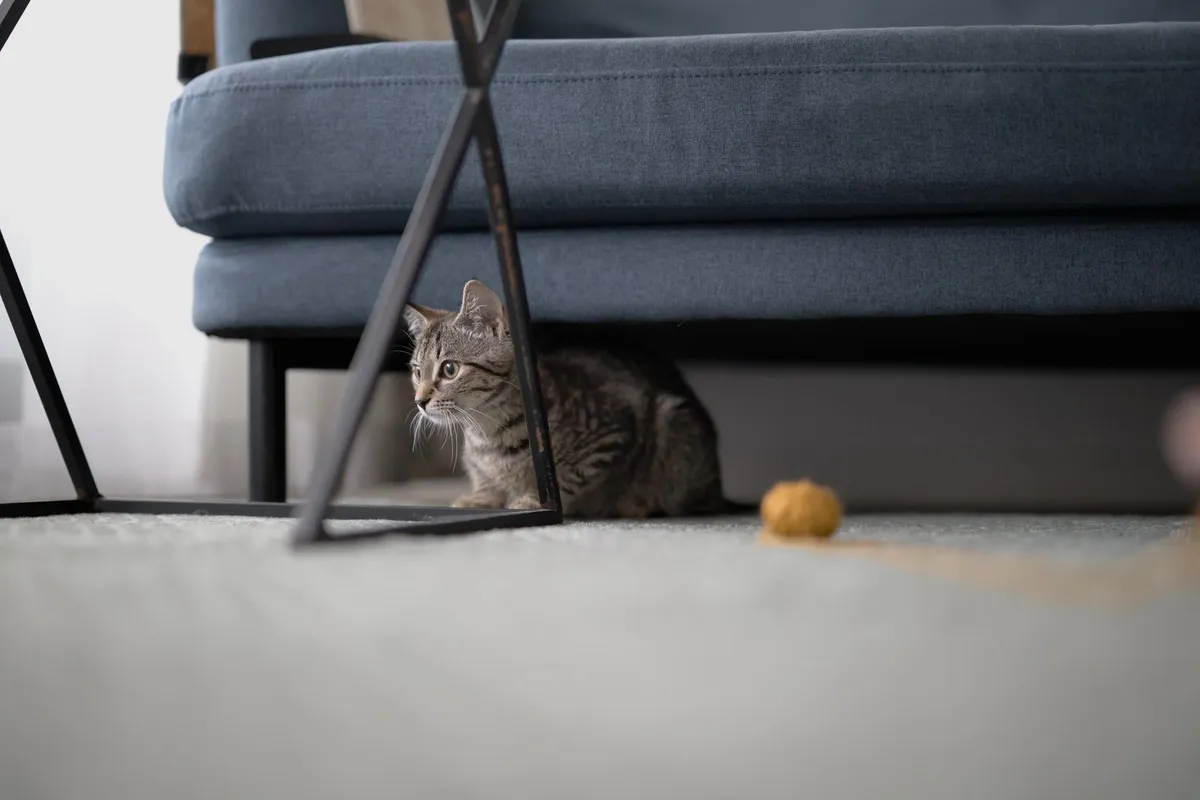
A cat’s hearing is far more sensitive than ours. A firework bang arrives with no build-up and no pattern — exactly the kind of sound a prey animal’s brain treats as danger. Add the flashes, the vibration, and the smell of smoke, and you have a full sensory ambush.
Owners on Reddit and Facebook say the same thing: their cats are not all alike. One owner with three Maine Coons says none of them likes thunder, while another reports hers slept through the neighbours’ display. A breeder I follow posted a Fourth of July reminder that captures the range: her kittens were asleep on a rug in one shot and hiding together in a drawer in the next, with the same advice for both: indoors before dark, windows closed, quiet room.
You cannot predict how your cat will react from the breed alone, or even from last year — a Maine Coon who coped fine as a kitten can become frightened as an adult after one bad experience. Kittens who hear a wide range of household sounds while young cope better with sudden noise later.
Reading the Stress Signs Before the Panic Sets In
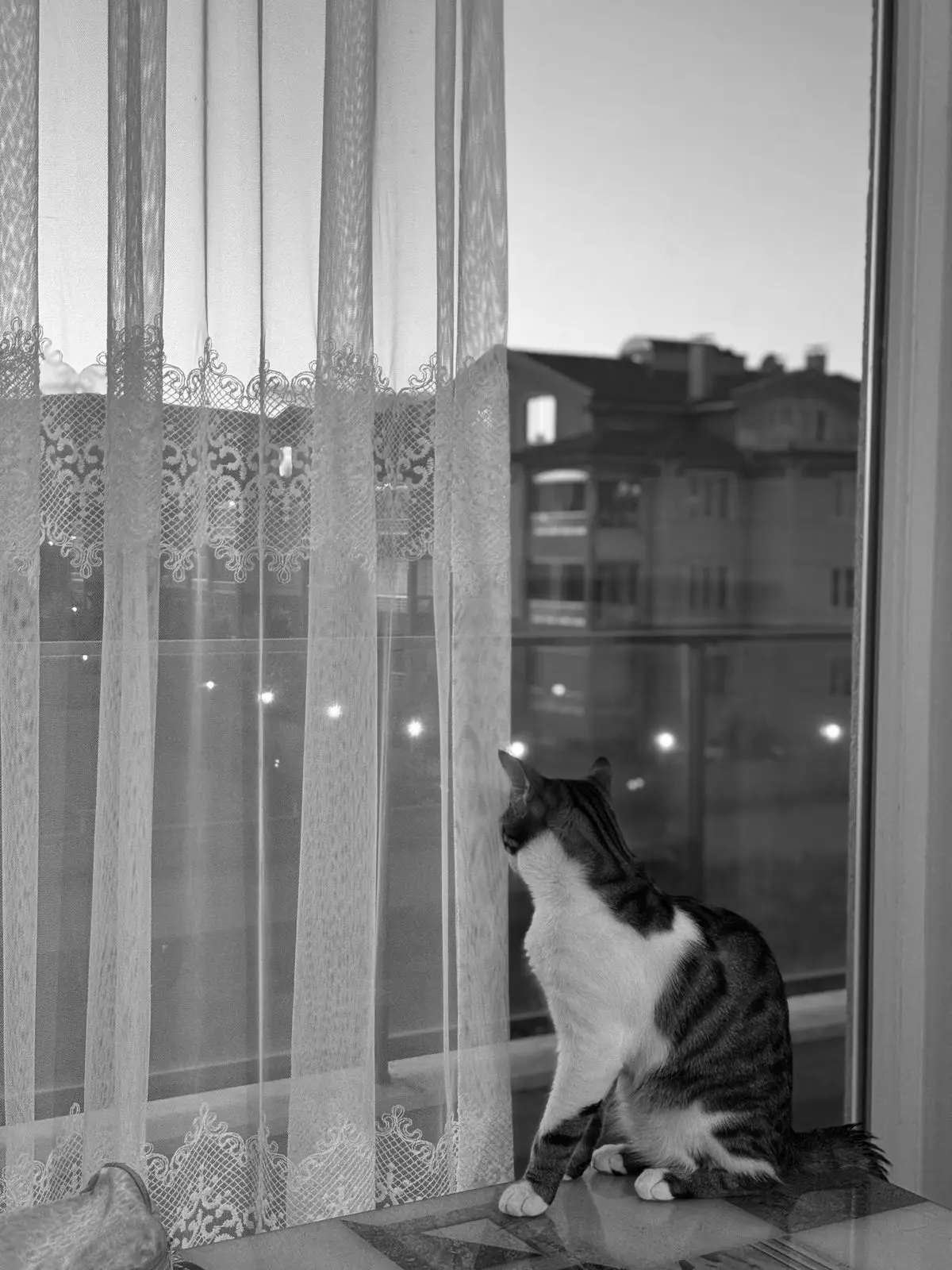
The most useful skill on fireworks night is reading your cat early. PetMD’s guide to keeping cats calm during fireworks lists trembling, hiding in odd but quiet places, pacing, drooling, and seeking out their owner as typical signs of distress from fireworks or thunder: PetMD on keeping cats calm during fireworks.
Watch for flattened ears, wide pupils, a tucked tail, and a low crouch that makes a large cat try to look small. Some cats go quiet and vanish; others pace, yowl, overgroom, or suddenly become clingy. A cat who stops eating, hides for hours, or toilets outside the litter tray is telling you plainly he is overwhelmed. One Maine Coon owner on Facebook put it well: her giant cat looks like she could face down anything, yet sprints to the closet at the first thunderclap. The size is real. So is the fear.
Set Up the Safe Room Before Dark
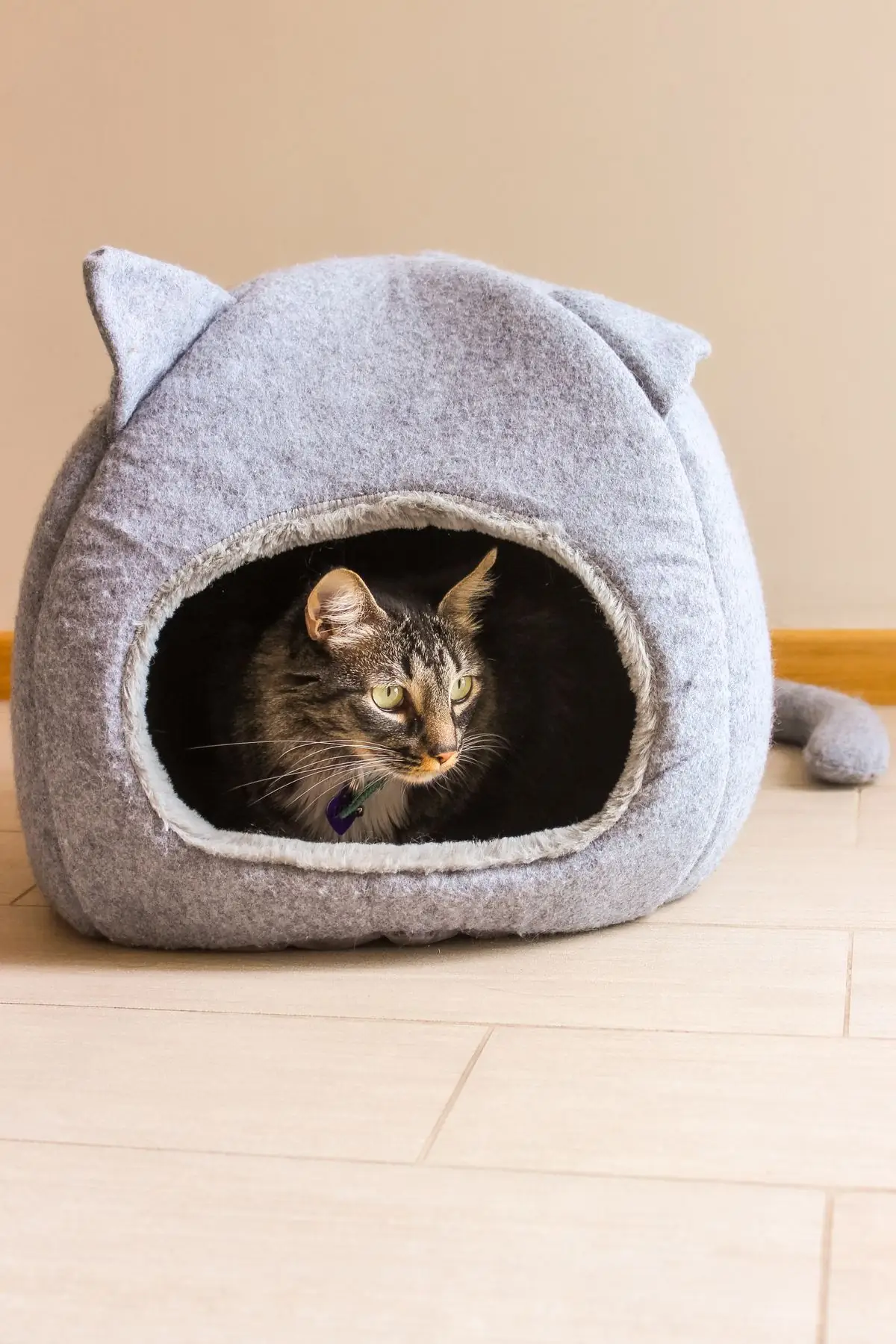
Set up the safe room before dark, before the first firework goes off. Once a cat is panicking, it is very hard to calm him down: prevention beats rescue.
Choose an interior room with as few windows as possible — a spare bedroom or bathroom often works best. Put his bed or a covered box in there, with water, a litter tray, and a blanket he has slept on. Close the curtains throughout the house so the flashes cannot reach him. If he already has a favourite hiding spot, build the safe room around his choice — a cardboard box on its side with a blanket over it is a perfectly good hiding place.
If you are having guests over, the safe room matters even more — a Maine Coon who can cope with fireworks may still be undone by strangers and open doors. A breeder’s guide I read recommends a note on the safe-room door, “Cat Inside, Please Do Not Open”. Children need a clear rule: the cat’s room is closed, and nobody goes in to fetch him. If you have young visitors, my guide to Maine Coons and children is worth a read first. Lock the cat flap for the night.
Sound Masking: Turning the Volume Down on the Night
You cannot silence fireworks, but you can soften them. Sound masking fills the house with steady, predictable noise so each bang does not land out of silence. Turn on the television, a fan, or some calm music in the safe room before the display starts, and keep it running. Owners on social media swear by the same trick in different forms: one Maine Coon breeder turns the TV up and cheers at every boom; another plays classical music. The method matters less than the timing — start early, keep it steady and moderate, and close the windows: an open window on a warm evening undoes all the masking in one stroke.
Staying Home or Going Out: What Works Better
If your cat is frightened of fireworks, staying home with him is the better choice. Your presence is the most reliable comfort, and a scared cat is far less likely to injure himself or bolt if a familiar person is nearby, calm and unhurried. That does not mean hovering — just be in the house, doing ordinary things in an ordinary voice.
If you do have to go out, do not leave him alone in a silent house. Set up the safe room, leave the sound masking on, and ask someone he knows to check on him if you can. This is also where the difference between fireworks fear and Maine Coon separation anxiety matters: a cat who is distressed by being left alone will struggle even on a quiet night, and fireworks on top of an empty house is the worst combination. And never take a cat to a fireworks display — at close range the noise and crowds are overwhelming, and a cat on a lead has nowhere to run.
What Not to Do When Your Cat Is Scared
Never punish a frightened cat — not for hiding, hissing, having an accident, or scratching at a door. Fear is not bad behaviour, and punishment only teaches him the noise brings something worse. VCA’s guidance is clear: do not scold or punish a frightened pet, because punishment can deepen the fear: VCA on fears, phobias and anxiety.
Do not drag him out of hiding. If he has chosen the back of a wardrobe or the space under the bed, let him stay there. Forcing contact with a terrified cat can end with a bite or a scratch, and it destroys the one thing he has — a place where he feels safe. Sit nearby, speak softly, and let him come to you.
Do not try to flood him with noise to “get him used to it” on the night itself — that is overwhelm, not training. Proper desensitisation is slow work done over weeks.
And do not reach for sedatives or calming medication on your own. Never give your cat anything intended for people, and never borrow another pet’s prescription. If your cat’s fear is severe, talk to your vet well before the event — ideally at least a week ahead — and follow their advice only. PetMD’s fireworks guide makes the same point: if your cat is still extremely fearful, your vet can discuss options dosed for your individual cat: PetMD on keeping cats calm during fireworks. Ask your vet. That is the whole rule. Also keep spent firework debris out of reach: the remains can be poisonous if chewed.
The Morning-After Check
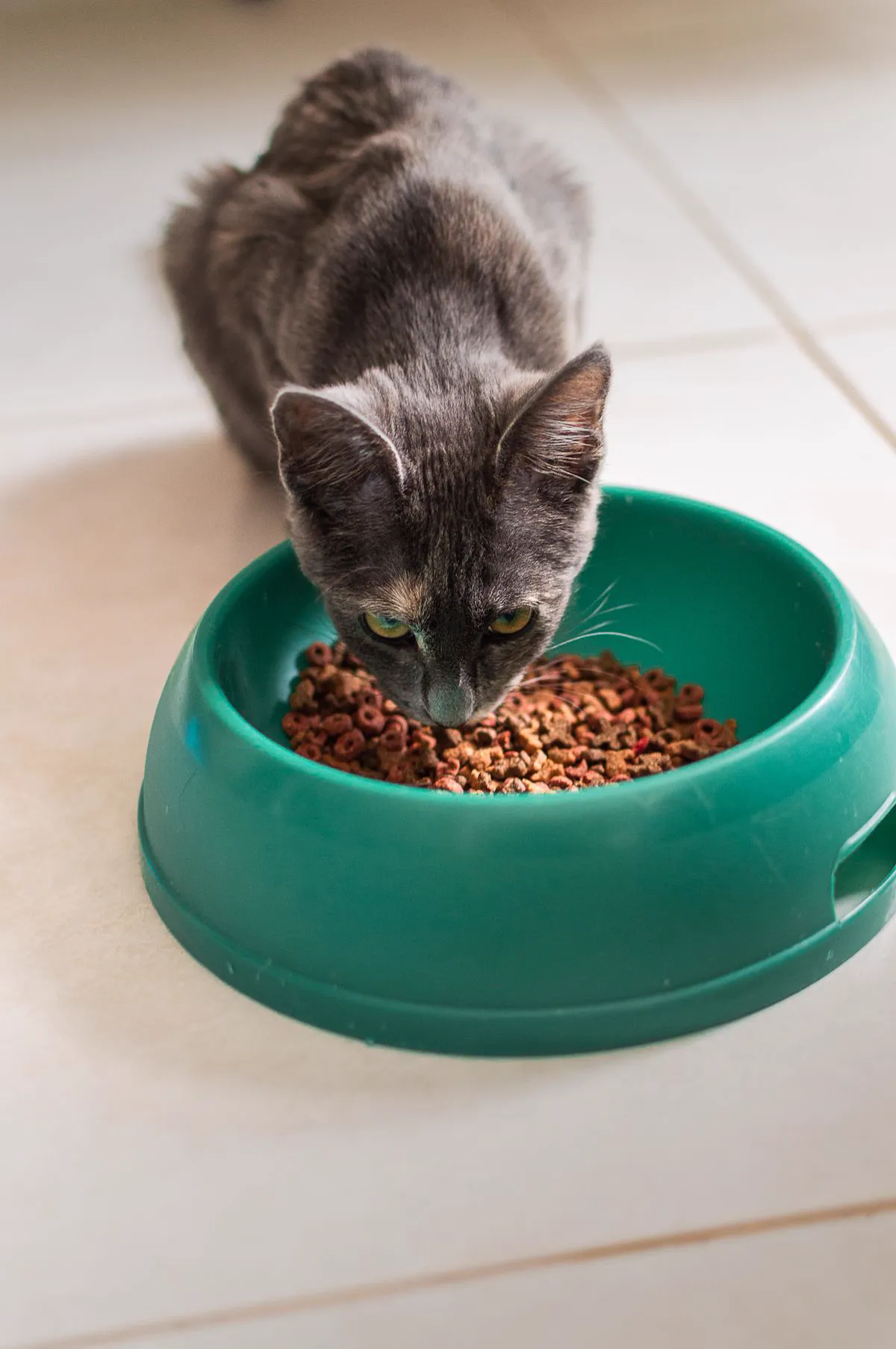
Fireworks night does not end when the last bang fades. Give your cat a quiet morning after. If he is still in his hiding place, do not haul him out — leave water and food nearby and let him emerge in his own time. Some cats bounce back within an hour; others may hide for a few hours longer.
Once he is willing to be near you, do a gentle hands-on check for sore paws, small cuts, or a torn claw. Check that he is eating, drinking, and using the litter tray normally. Watch for anything that does not clear up as the day goes on — refusing food, hiding far longer than usual, overgrooming, or limping. If anything worries you, call your vet. My Maine Coon first aid kit lists what I keep at home for exactly this kind of morning.
Mark the Calendar: New Year, Bonfire Night and Diwali
Maine Coons and fireworks are a recurring problem, not a one-night one, because the calendar is full of noisy dates. In the United States, the Fourth of July is the big one, with displays stretching across several nights. In the UK, Bonfire Night on the 5th of November brings a whole season of bangs, sometimes for a week either side. New Year’s Eve is nearly universal. Diwali usually falls in autumn and brings several nights of fireworks, and its date moves each year, so check when it falls where you live.
Do not prepare for one night. Put a reminder in your calendar for each of these dates, and start a few days early — safe room ready, sound masking tested, vet conversation already had if your cat needs one. If your household also celebrates Christmas with guests and noise, the same preparation overlaps with my Maine Coon Christmas safety guide. And neighbours do not follow your calendar — fireworks go off on random weekends all year, so keep a safe room always available.
Helping a Cat Who Dreads Fireworks Every Year
If your Maine Coon is frightened every single year, the work that helps most happens long before the next display. Desensitisation and counter-conditioning are the standard approach vets recommend: play a recording of fireworks at a volume so low your cat barely notices it, pair it with treats and calm praise, and raise the volume in tiny steps over weeks. Stop the moment he shows discomfort and drop back to a level he can handle. Done patiently, it can genuinely reduce his fear; done in a rush, it can make it worse. If you are unsure, ask your vet or a qualified behaviourist to guide the plan.
For kittens, the same principle applies in the other direction. Gentle, positive exposure to everyday sounds during the socialisation window — the vacuum at a distance, music, visitors, rain and distant thunder — builds a kitten less likely to fall apart at the first bang. Owners in Reddit and Facebook groups report the hopeful news that cats do improve: a cat who hid under the bed for six hours one year may spend the next one dozing in his safe room with the television on. That is the goal: a cat who can get through the night without terror.
Frequently Asked Questions
Are all Maine Coons scared of fireworks?
No. Some sleep straight through a display, while others hide, tremble, or try to escape. You cannot tell from the breed alone, so plan for the worst and hope for the best.
How do I know if my Maine Coon is scared of fireworks?
Look for hiding, flattened ears, wide pupils, a tucked tail, trembling, pacing, yowling, or toileting outside the litter tray. Some cats become suddenly clingy instead.
Should I stay home with my cat during fireworks?
Yes, if you can — your calm presence is the most reliable comfort. If you must go out, set up the safe room and sound masking before you leave, and have someone he knows check on him.
Can I give my cat something to calm him down for fireworks?
Do not give your cat any sedative, calming drug, or human medication on your own, and never borrow another pet’s prescription. If his fear is severe, speak to your vet well before the event.
A safe room set up before dark, a closed window, a steady sound in the background, and a calm person nearby will carry most Maine Coons through the night without drama. Your gentle giant does not need to love the fireworks. He just needs to feel safe while they happen, and that is something you can give him.