Why Is My Maine Coon Hiding? Causes, When to Worry and How to Help
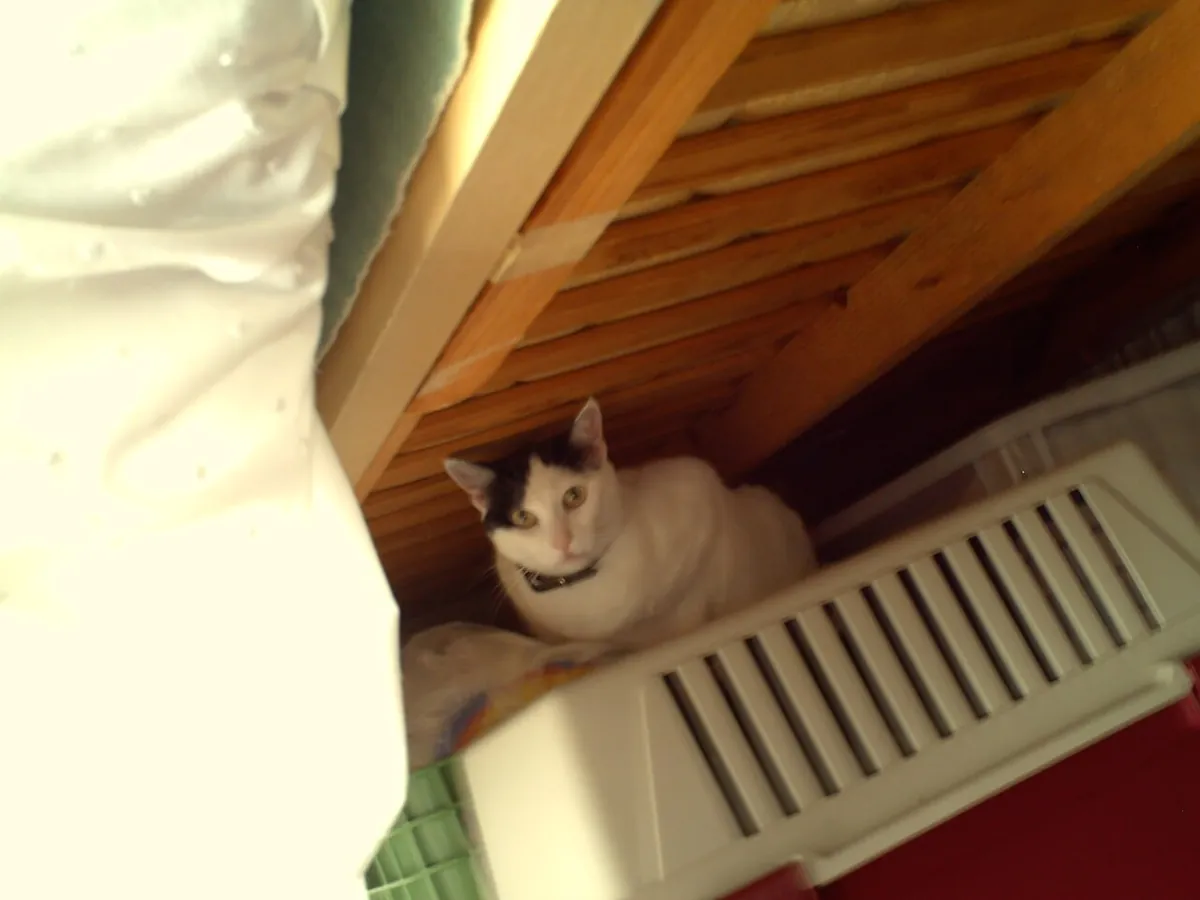
If you have ever come home, called your Maine Coon by name, and been answered by silence — only to spot two eyes blinking at you from under the bed — you know the worry that follows. The first question is always the same: why is my Maine Coon hiding? Maine Coons are supposed to be the friendly giants who follow you from room to room — so when yours vanishes, it feels wrong.
Most of the time, it is not. Hiding is one of the most normal things a cat can do. But sometimes it means something is off — and telling the difference matters.
Why Is My Maine Coon Hiding? The Most Common Reasons
A new home. This is the big one, especially with kittens. A kitten has just left the only home it has ever known — its mother, its littermates, every smell it trusted. Hiding under the bed is how it copes while it works out whether this new place is safe. Breeders on YouTube say to expect a quiet first day or two, and owners on Reddit say their kittens spent the first evening under the bed, creeping out only at night to eat. Curiosity usually wins within a few days. Adults do it after a move too.
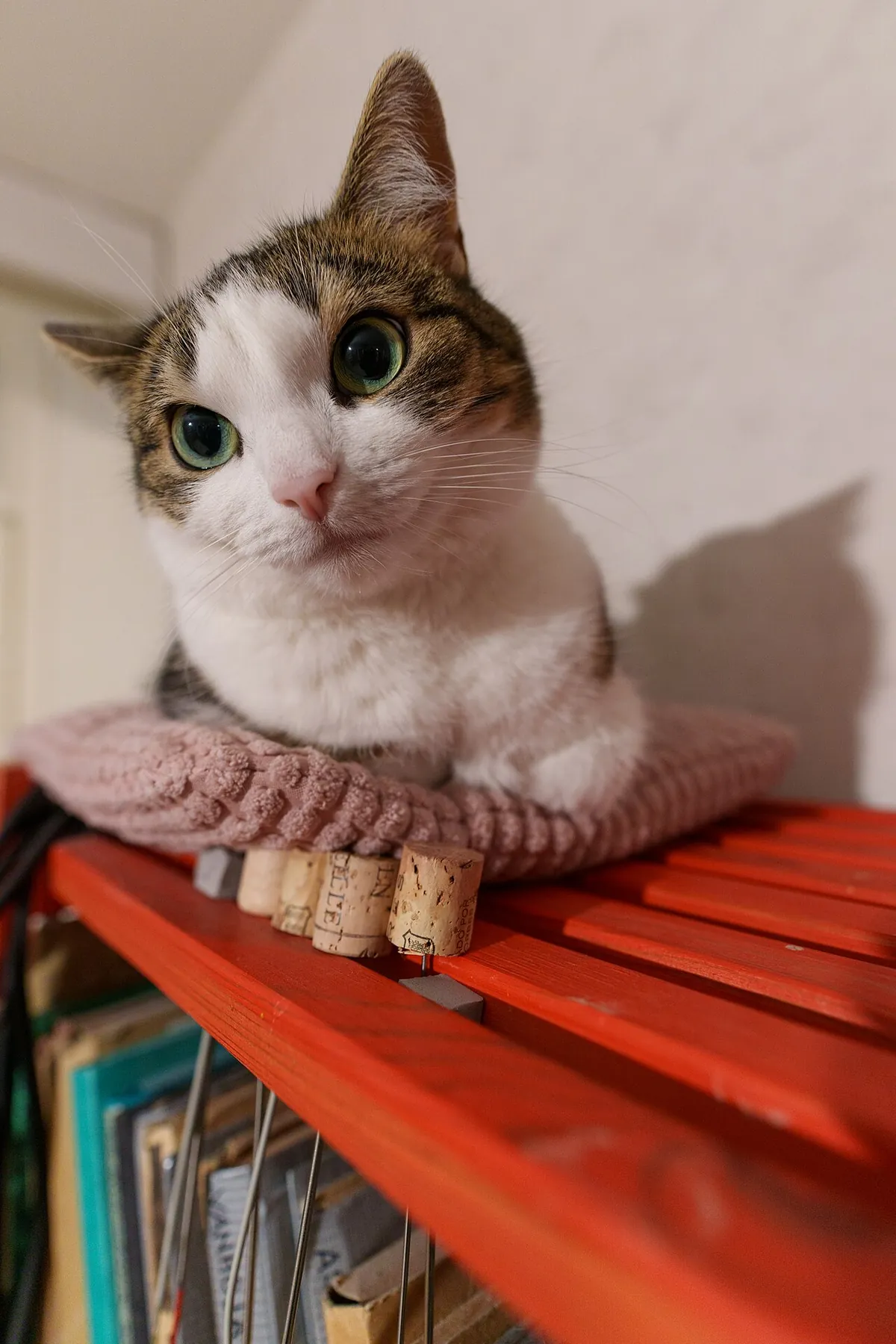
Visitors, noise, and everyday scares. Maine Coons are social cats, but social does not mean fearless. Guests, the vacuum cleaner, fireworks, a thunderstorm, a dropped pan — any of these can send even a big Maine Coon looking for cover. I have seen the pattern in Facebook reels and owner posts over and over: a huge Maine Coon who rules the house all day quietly retreats to a high shelf the moment visitors arrive, then comes back down once they have left. Many Maine Coons are reserved with strangers even when glued to their own family — hiding when the doorbell rings is a coping strategy, not a flaw.
Change in the household. A new baby, a new partner, a new pet, rearranged furniture, a different work schedule — cats notice change. When hiding comes with other behaviour changes, like toileting outside the tray or eating less, read my guide to Maine Coon behavior problems and how to stop them alongside this one — the two often share the same root cause.
A new pet in the house. The resident Maine Coon may not fight or hiss. It may simply disappear, and that quiet withdrawal is easy to miss when the new pet is loud and demanding. Introductions done too fast are usually the problem. If you are wondering whether a second cat would help, I wrote about that separately — do Maine Coons need another cat.
Sometimes, they just want a quiet nap. Cats are most active around dawn and dusk, and they like a dark, enclosed spot to rest during the day. A Maine Coon curled up in a wardrobe or inside a box may simply be having a good sleep. Look at how your cat comes out: a rested cat stretches, wanders off for food, and carries on. A stressed or unwell cat stays flat, tense, and reluctant to move.
Hiding in a New Home: What the First Days Really Look Like
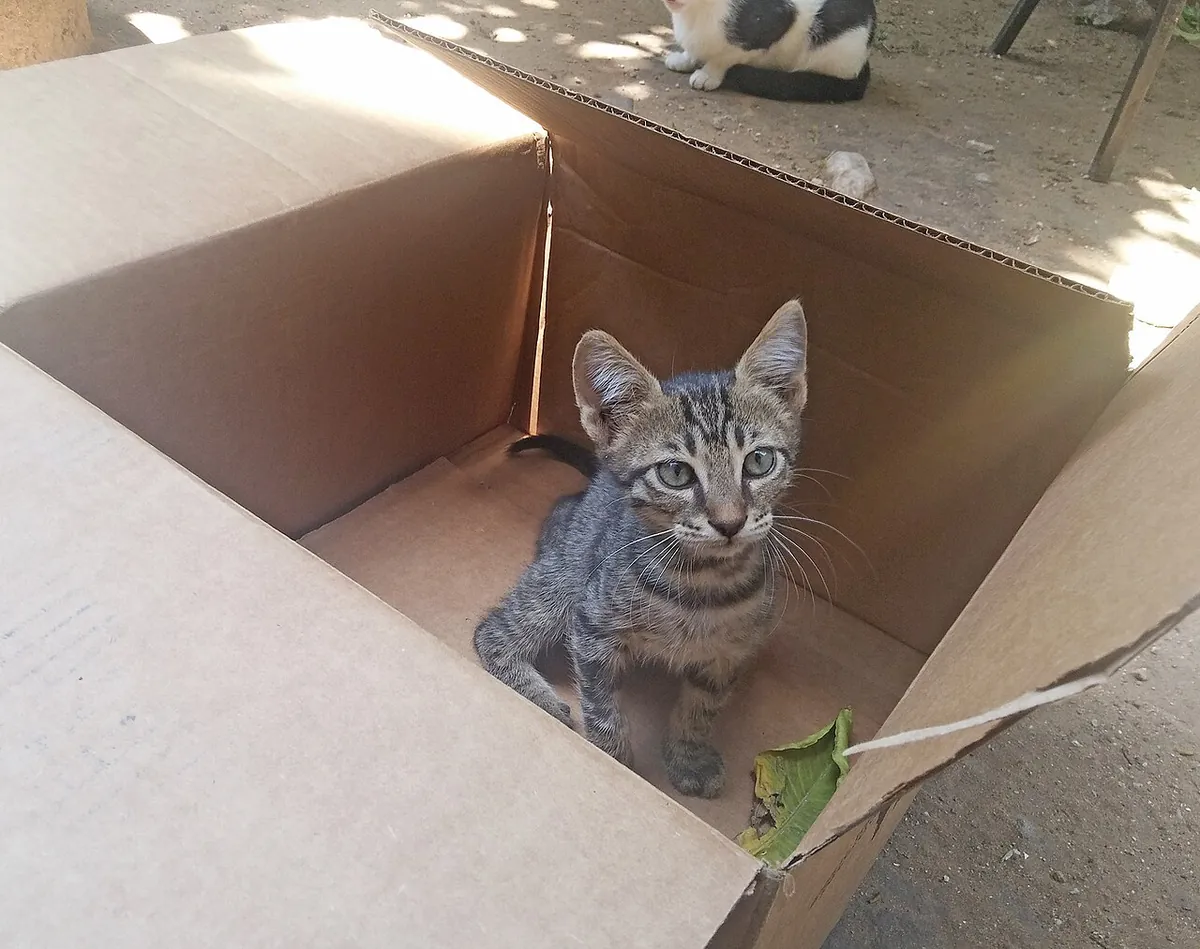
Day one: hiding, sleeping a lot, eating only when nobody is watching. Days two and three: short trips out at night, still quick to retreat. By the end of the first week, most kittens show their real personality. By three weeks, they know the house. By three months, they own it.
Owners call this rough timeline the 3-3-3 rule — three days to decompress, three weeks to settle, three months to feel at home. Treat it as a guide, not a deadline; what matters is the direction of travel.
Keep your cat’s world small at first. One quiet room, with food, water, a litter tray, a bed, and a hiding place, beats the run of the whole house. I cover the first-night setup in your Maine Coon kitten’s first night home — a safe room, some quiet sitting so it learns your voice, and letting it come to you.
When Hiding Means Something Is Wrong
Hiding is normal — until it is not. The difference is usually in the pattern. A cat that has always hidden during thunderstorms and then comes out for dinner is fine. A cat that was social yesterday and is suddenly hiding all day today, in a new spot, and will not come out for food, is telling you something.
Cats are wired to hide weakness. In the wild, a sick animal that looks vulnerable draws the wrong kind of attention. PetMD puts it plainly in its guide to why cats hide: a sudden tendency to hide can be a clue that a cat is not feeling well, and any change in hiding behaviour should be raised with your vet.
Call your vet promptly if hiding comes with not eating or drinking, vomiting, diarrhoea, sneezing or coughing, new lethargy, or not using the litter tray. A cat that stops eating entirely for a day or two needs veterinary advice — cats that go without food can develop a serious liver problem. Straining with little or nothing coming out is an emergency in a male cat, as it can mean a blocked bladder. So are laboured or open-mouth breathing, collapse, pale gums, and sudden weakness in the back legs.
If your cat is hiding but still eating, drinking, using the tray, and moving normally, it is usually reasonable to watch for a day or two. But trust your gut — a vet visit is never a wasted trip. The Cornell Feline Health Center’s health information pages are a good place to read up before your appointment.
Hiding plus distress when you leave, and clinginess when you return, can point to anxiety rather than illness — see my guide on Maine Coon separation anxiety.
How to Help a Hiding Maine Coon
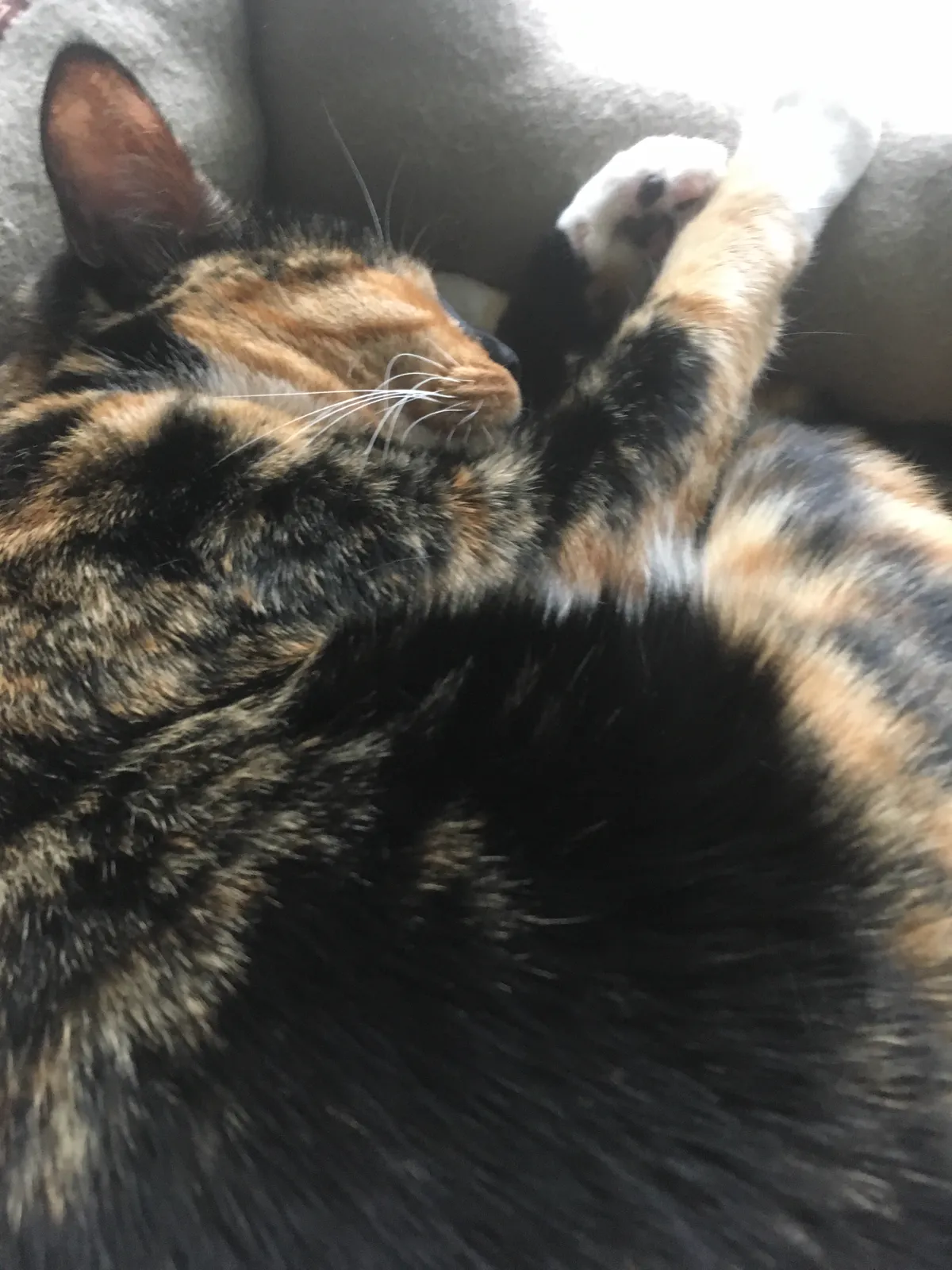
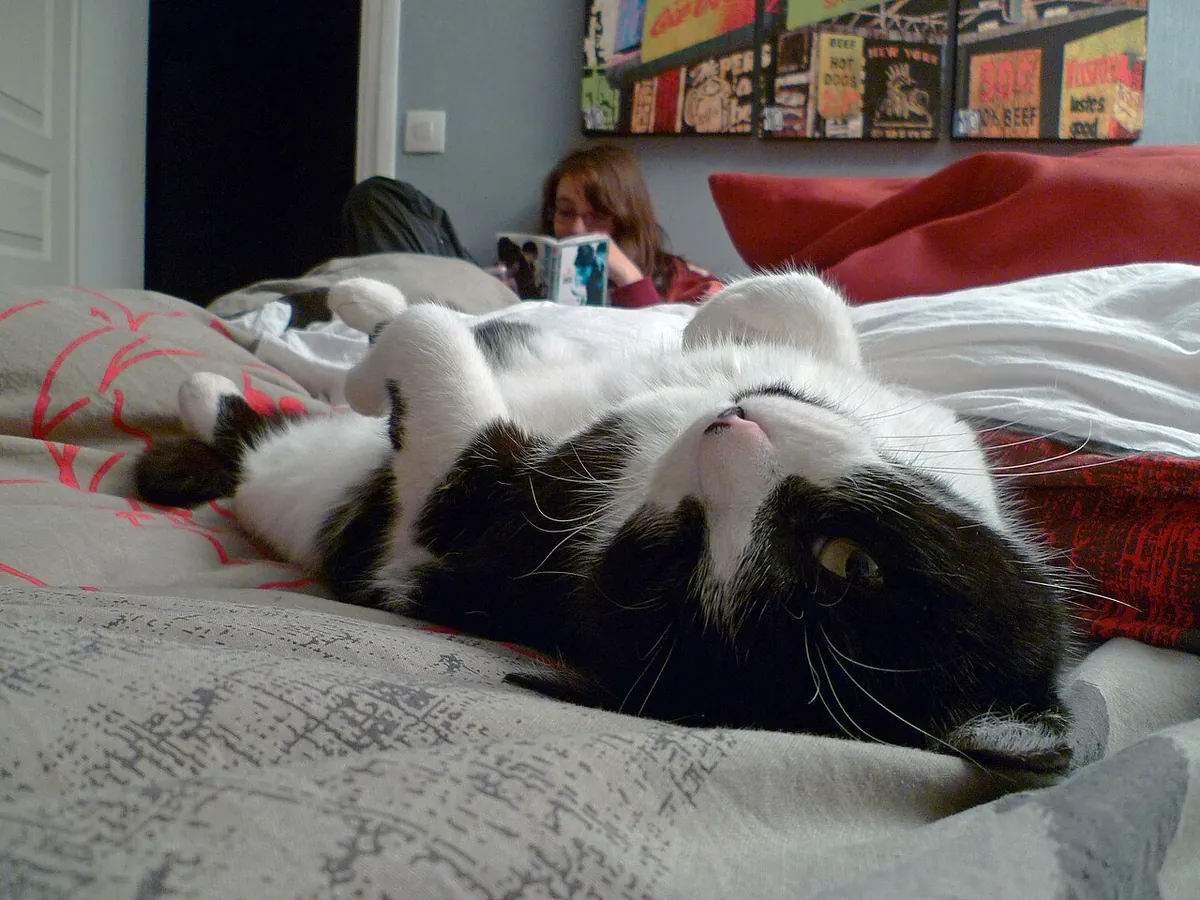
Helping a hiding cat is mostly about making the rest of the house feel as safe as the hiding spot — then waiting.
Start with safe spaces: a covered bed, a cardboard box with a blanket, a quiet corner of a wardrobe, or a high perch where the cat can watch the room from above. Maine Coons are big cats, so make sure the space actually fits them. Offer two or three options and let your cat pick a favourite — and do not block the spot it has already chosen.
Keep the routine steady — same feeding times, same tray in the same place. Cats thrive on predictability.
Use your presence, not your hands. Sit near the hiding spot and read or talk softly. Do not reach in or stare. A wand toy dragged slowly past the entrance, or a treat placed just outside and left alone, works far better than coaxing. Let your Maine Coon decide when to come out.
Play helps, once the cat is ready. A short session with a wand toy, at the cat’s pace, burns off nervous energy. If the cat will not play, do not push it — just being in the room, calm and unthreatening, is enough for now.
VCA’s guide to understanding anxiety in cats recommends the same approach: a safe space away from busy areas, regular mealtimes, and ruling out health problems before assuming the cause is behavioural. A pheromone diffuser near the hiding spot can also help some cats settle.
What NOT to Do When Your Maine Coon Is Hiding
Never drag your cat out of its hiding spot. Not by the scruff, not by lifting the bed and tipping it out. A hiding cat is a frightened cat, and being hauled into the open confirms its worst fear: that the hiding spot is not safe after all. It will hide longer next time, hide somewhere harder to reach, and trust you less. Even for a vet visit, lure with food or wait — do not pull it out.
Do not punish hiding — no scolding, no spray bottle, no loud voice. Punishment teaches a cat to fear you. Hiding is not bad behaviour; it is communication.
Do not block the hiding spot or shut the cat out of its safe room to force it to socialise. A cat with nowhere to retreat does not become brave — it becomes more stressed. Do not crowd the cat, either: sitting right outside the hiding spot and staring in reads as a threat.
Do not assume a cat who hides from visitors is broken. Some Maine Coons are simply private cats — they love their family and tolerate everyone else from a distance.
How Long Is Too Long?
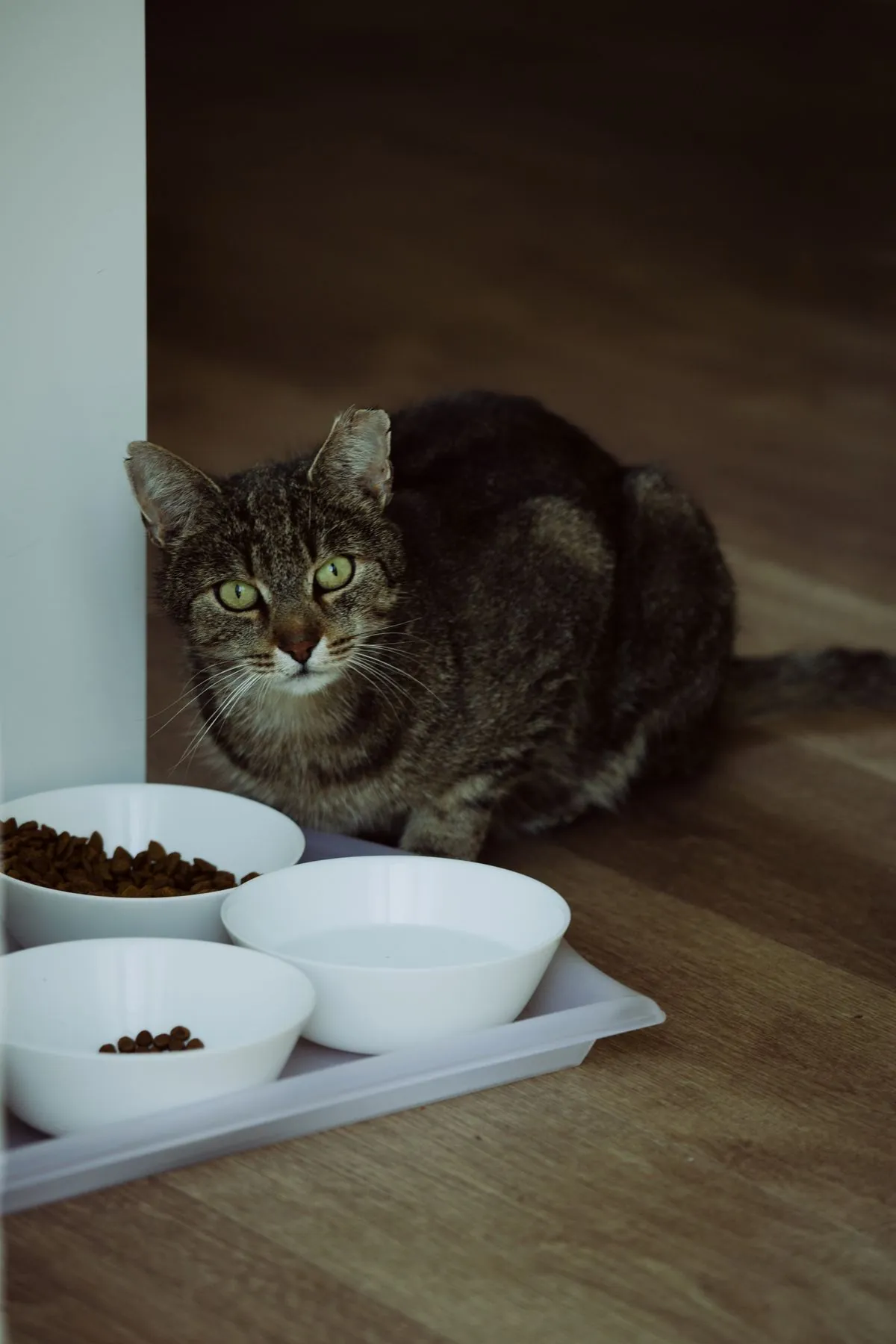
A few hours after a fright is normal. A day or two of hiding after a move, a new pet, or a big change is normal too. Most kittens start venturing out within a few days, and most adults settle within a week or two.
Pay closer attention if hiding lasts more than a couple of days with no improvement, or if your cat stops eating or drinking. Hiding that goes on for more than a week, or keeps getting worse, is worth a vet visit even with no other symptoms.
Keep a simple note of what you see: when the hiding started, what changed around that time, and whether it is getting better or worse.
Frequently Asked Questions
Why is my Maine Coon hiding all of a sudden?
A sudden change usually means something changed — a loud noise, a visitor, a new pet, rearranged furniture, or a change in routine. If nothing has changed and a normally social cat suddenly starts hiding, consider pain or illness first and call your vet, especially if your cat is eating less.
Is it normal for a Maine Coon kitten to hide for hours?
Yes. Kittens often hide for hours during their first days in a new home, coming out at night when the house is quiet. As long as the kitten is eating, drinking, and using the litter tray, it is a coping strategy, not a problem.
How long will my Maine Coon hide in a new home?
Most cats settle within a few days and feel at home within a few weeks, with full confidence taking up to three months. The direction matters more than the calendar — if your cat comes out a little more each day, it is adjusting. If not, or if it has stopped eating, speak to your vet.
Should I pull my Maine Coon out from under the bed?
No. It increases fear, damages trust, and makes the cat hide longer next time. Sit nearby, speak softly, and offer food or a toy just outside the hiding spot. Let your cat come out on its own terms.
Why does my Maine Coon hide when visitors come over?
Many Maine Coons are reserved with strangers, even though they are affectionate with their own family. Give your cat a quiet room to retreat to during visits, and ask guests not to chase or corner it. Most cats come back out once the house is quiet again.
The Short Version
If your Maine Coon is hiding, start by asking what changed — a new home, a visitor, a loud noise, a new pet, a different routine. Most hiding has a reason, and most reasons pass with time and patience. Give your cat safe places, keep life predictable, and let it come to you. Never drag it out, never punish it, never block its safe spot.
If the hiding is sudden, lasts more than a couple of days, or comes with not eating, not drinking, or vomiting, call your vet. Most of the time the message is “give me a minute.” Sometimes it is “I don’t feel well.” Learning to hear the difference is one of the best things you can do for your gentle giant.