Maine Coon Chin Acne: Causes, Care and Prevention
I found my Maine Coon’s chin acne the way most owners do: by accident, during a cuddle. I was scratching under his chin, felt something gritty, and when I parted the fur there it was — a scatter of tiny black specks that looked like dirt, or flea dirt, or something worse. It was none of those. It was maine coon chin acne, and once I knew what I was looking at, it turned out to be one of the most ordinary, most manageable skin problems a Maine Coon can have.
If you have just found the same thing on your own cat, take a breath. Most cases are mild and clear up with a few simple changes at home.
What Maine Coon Chin Acne Looks Like
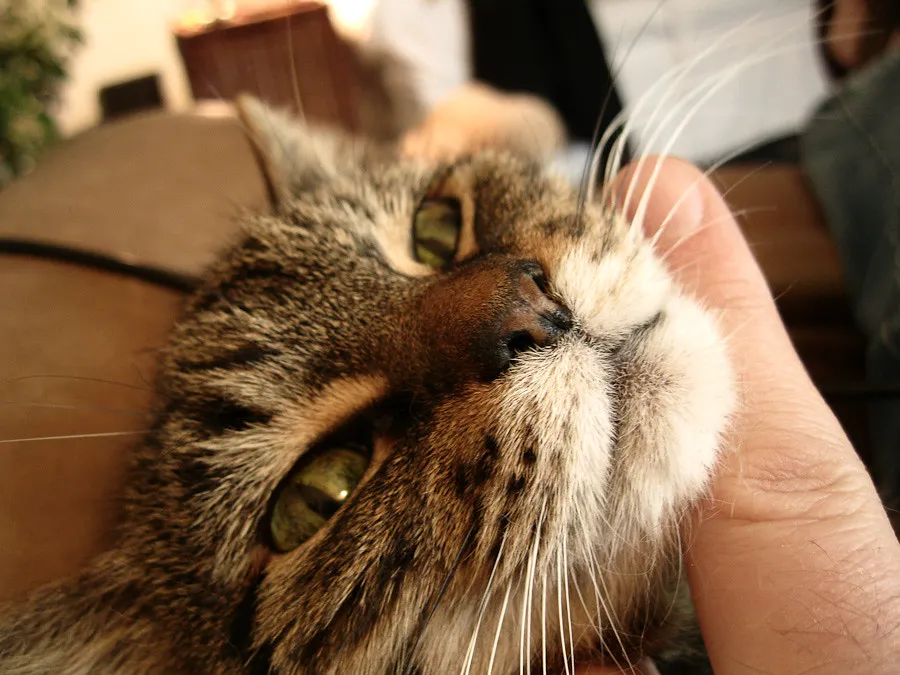
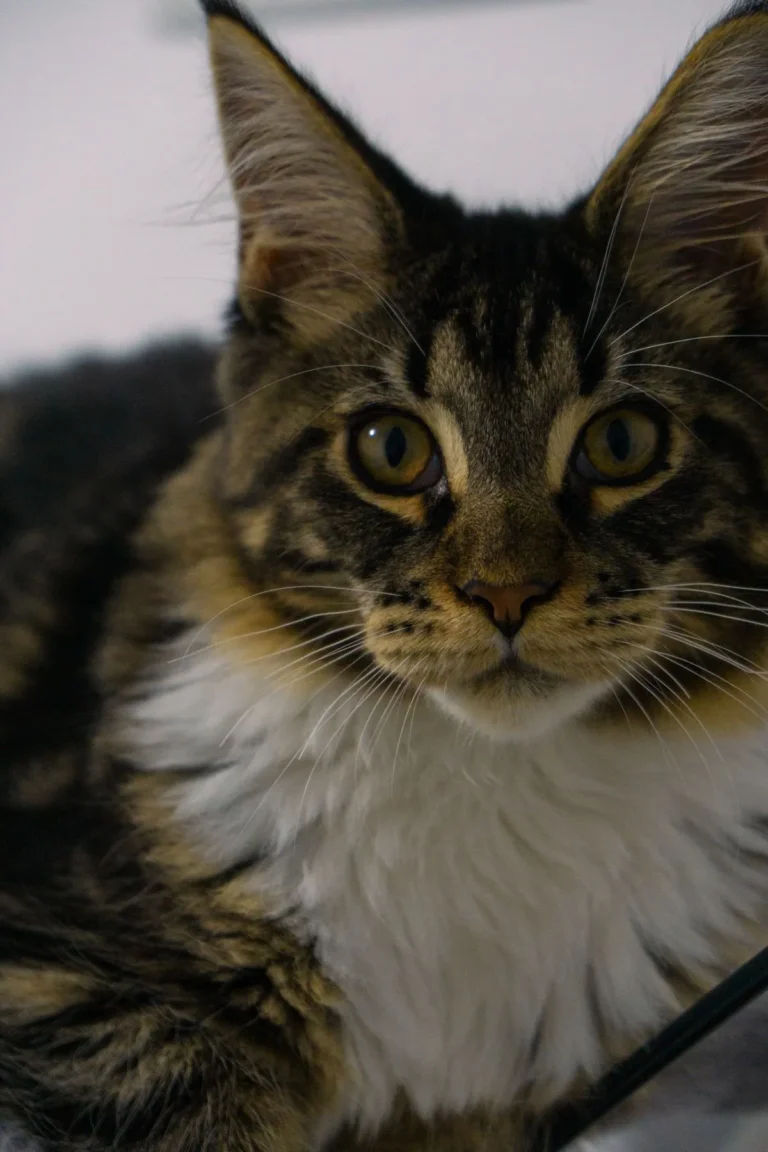
At its mildest, maine coon chin acne looks like a sprinkling of black dots along the underside of the chin and sometimes the lower lip. Vets call these comedones — plain old blackheads. They sit in the fur and do not wipe off the way dirt does, and on a dark-coated cat you may never notice them until you go looking.
The chin is the classic spot because that is where a cat’s oil glands are busiest — the glands under the chin produce the scent-marking oils your cat rubs onto you and your furniture. When those glands overproduce, or hair follicles get plugged with oil and dead skin, blackheads form. If bacteria move into a plugged follicle, the blackheads can turn into red bumps, then pimples, then sore, crusty patches. In a bad flare-up the chin can swell, lose fur, and hurt to touch.
Feline acne is common in cats of every breed, age and sex. Cornell’s veterinary dermatologists, looking back at 74 cats diagnosed with feline acne, found no age, breed or sex pattern at all — and most of those cats stayed at the mild, blackhead-only stage. Maine Coons are not specially cursed. We just notice it later, because that magnificent chin ruff hides everything — and the thick fur traps food and drool against the skin, while a big chin presses into the bowl with every meal. Owners on Reddit also say flare-ups often follow stress, like a move or a new pet. A shorthaired cat shows a dirty chin at a glance. A Maine Coon can carry a full set of blackheads under a curtain of fur for weeks before anyone sees them.
Do the simple check first: dampen a white cloth with warm water and wipe the chin gently. Flea dirt smears reddish-brown; acne blackheads stay put, stuck in the skin. If the specks do not budge and your cat is otherwise eating, playing and grooming normally, acne is the most likely answer. PetMD’s guide to cat acne describes the same progression, from plugged follicles to infected pimples.
The Usual Suspects: What Causes a Flare-Up
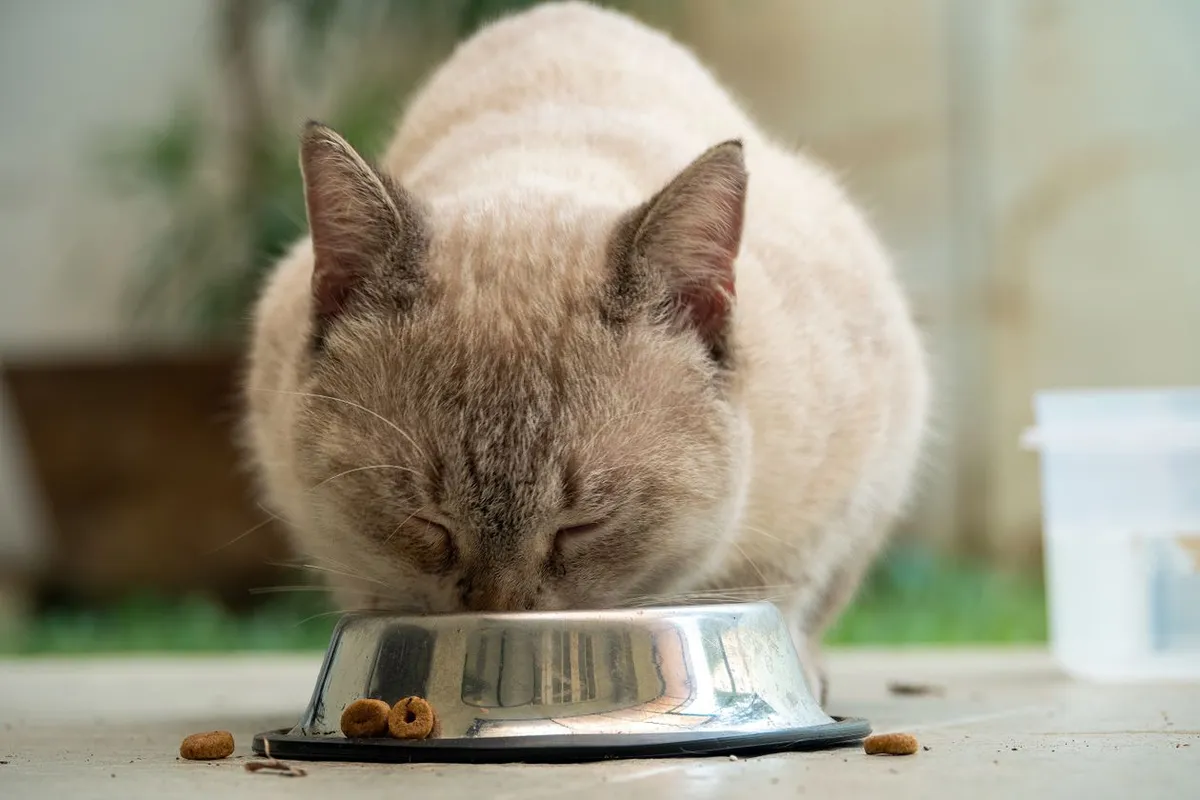
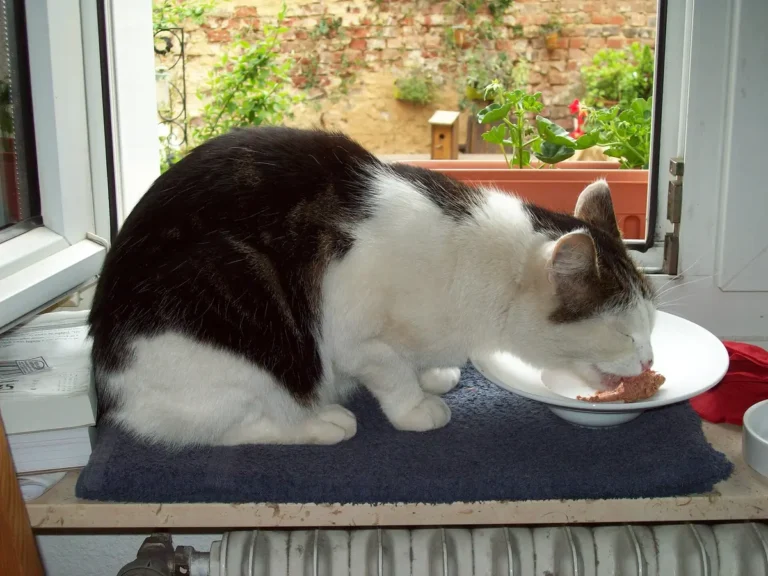
Plastic bowls. Ask a dozen owners what fixed their cat’s chin and most of them will say the same thing: they threw out the plastic bowls. Owners on Reddit and in Facebook cat groups repeat this so often it is practically a chorus. Plastic scratches over time, and those tiny grooves hold bacteria and food oils that no scrubbing fully removes. Every meal presses your cat’s chin against that surface, so switching to stainless steel, ceramic or glass — washed daily — is the single change vets and owners agree on most. Check plastic water fountains too: the spout and reservoir can be plastic even when the basin is not.
Food and drool left on the chin. Maine Coons are enthusiastic, messy eaters. Wet food, gravy and water collect in the chin fur and sit against the skin all day unless wiped away — a quick wipe after wet meals makes a real difference.
Grooming gaps. Kittens, seniors, overweight cats and cats feeling under the weather often groom less, and the chin is one of the first places to suffer. I wrote about the habits that quietly make grooming harder in my piece on maine coon grooming mistakes — the chin is a good example of how a small missed spot becomes a visible problem.
Allergies and skin sensitivity. Food and environmental allergies can sit underneath recurring acne, and some cats react to contact with certain materials — plastic being the famous one. If the acne keeps coming back despite clean bowls, or comes with itching, over-grooming or sore patches elsewhere, ask your vet about allergies. Our maine coon allergies guide covers the signs that point toward an allergy rather than a simple breakout.
Stress and hormones. Cats between roughly two and four years old seem to flare more often, which vets link to hormonal shifts. You cannot bubble-wrap a cat against stress, but steady routines help more than most owners expect.
How I Clean My Maine Coon’s Chin
For mild cases — blackheads, no swelling, no pus — gentle home care is usually all it takes. This is the routine that works for us.
Start with a warm compress. Soak a soft cloth in warm water, wring it out, and hold it gently against the chin for a minute or two — the warmth softens the plugs and loosens crusty bits without any scrubbing.
Wipe, do not scrub. After the compress, wipe the chin with the damp cloth using short, gentle strokes. A fine-toothed flea comb, used very lightly after a compress, can lift loose debris out of the fur — owners on YouTube swear by this for mild blackheads. If your cat flinches or the skin looks pink afterwards, you pressed too hard.
Use only products your vet has approved for your cat. Your vet can recommend a suitable antiseptic wipe or medicated wash for chin cleaning, and for some cats that is all the treatment needed. Do not reach for your own acne products — they are made for human skin, far too strong for a cat, and a cat will lick whatever you put on its chin. If you are unsure about a product, ask your vet first.
Keep the fur short around the spot. If the chin fur is long and matted with debris, ask your vet or groomer whether a careful trim would help — shorter fur dries faster, traps less food, and makes the daily wipe ten times easier. This is spot care, not a full groom. If your cat does need a proper wash, do it the calm way described in how to bathe a Maine Coon, rather than wrestling a sore chin under a tap.
Be consistent, then back off. Clean the chin daily while the flare-up is active, then drop back to a few times a week once it clears. Over-cleaning can irritate the skin and start the whole cycle again.
What Not to Do
Do not squeeze or pick at the spots. Picking pushes bacteria deeper, hurts, and can turn a cosmetic problem into an infected one. Do not scrub the chin raw. Do not use human acne creams, strong antiseptics, alcohol or anything scented on the area. And do not ignore it completely: a chin that is swelling, oozing or bleeding has moved past home care.
When to Call the Vet
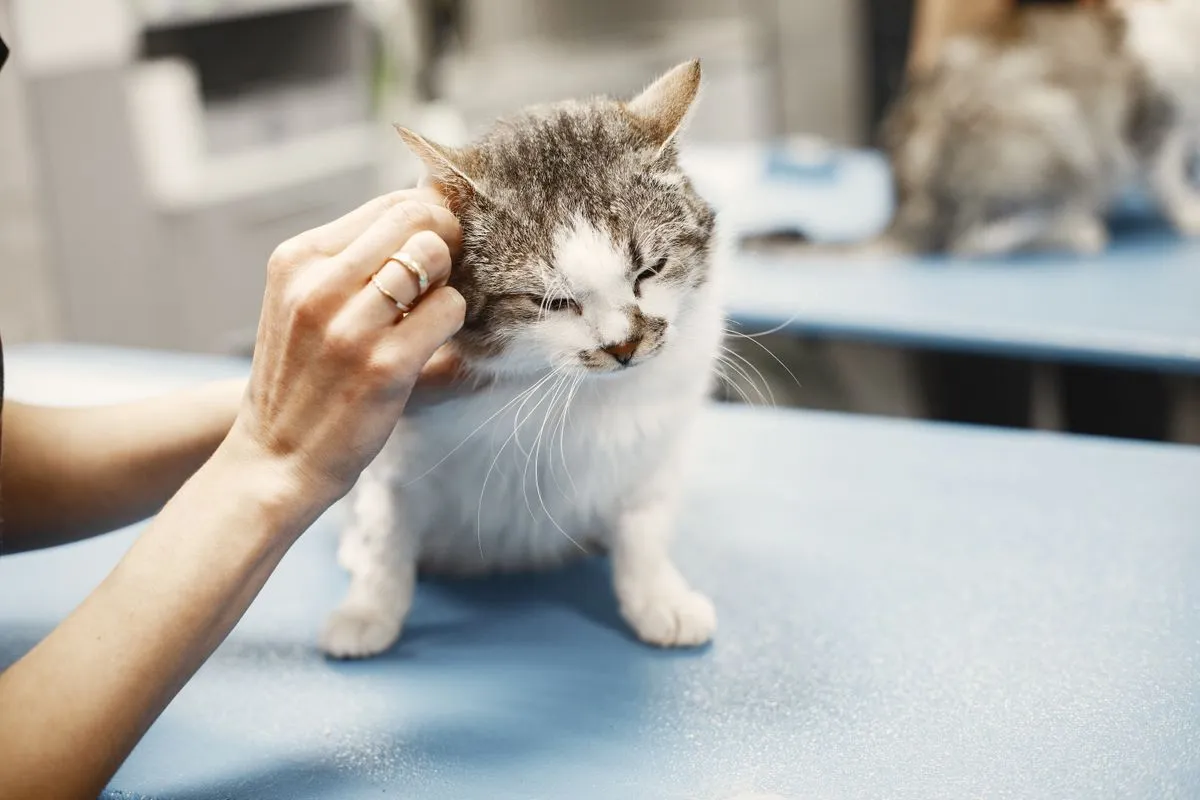
Most chin acne never needs a vet visit — but call yours promptly if you see swelling, redness or heat in the chin, pus, oozing sores, bleeding, or a smell coming from the area; hair loss spreading beyond the chin, or thick, crusty, scarred skin; your cat scratching at the chin constantly, going off food, or seeming unwell; or blackheads that keep returning despite clean bowls and regular wiping.
Your vet will usually diagnose acne from the look of it and your cat’s history, and run tests only if something else needs ruling out — ringworm, mites, or an allergy can all mimic acne. Cornell’s overview of feline skin disease explains how vets work through the possibilities. If infection is present, your vet will decide the treatment — leave the medicine choices to them, and follow the course to the end even if the chin looks better halfway through.
Chin acne is not contagious: it cannot spread to your other cats, to you, or to the dog. If two cats in one house both have it, they share a trigger — usually the bowls — not an infection passed between them.
Preventing the Next Flare-Up
Use stainless steel, ceramic or glass bowls, wide and shallow enough that the chin does not drag along the rim, and wash them daily with hot soapy water. Wipe the chin after wet meals, or at least give it a quick check — thirty seconds, once a day, while your cat is already on your lap. Watch grooming too: a cat that stops cleaning itself is telling you something.
Fold the chin check into the weekly once-over you already do for ears, teeth and coat. While you are there, a look inside the ears costs nothing — our maine coon ear care guide covers what healthy ears should look like and what needs a vet.
Keep notes, too. A flare-up diary — when it appeared, what changed that week — is the fastest way to spot your own cat’s pattern. Owners on Reddit who did this often found the trigger within a few weeks: a new plastic fountain, a different wet food, a house guest. My own cat’s worst flare followed a switch to a deep plastic water bowl I had not thought twice about. The bowl went, the chin cleared, and I have not bought a plastic bowl since.
Maine Coon Chin Acne FAQ
Is maine coon chin acne dangerous?
Usually not. Most cases are a few blackheads and nothing more. It becomes a real problem only when the plugged follicles get infected — swelling, pus, pain or hair loss. That stage needs a vet; the mild stage needs clean bowls and a damp cloth.
How do I tell chin acne from flea dirt?
Wipe the chin with a damp white cloth. Flea dirt smears reddish-brown because it is digested blood. Acne blackheads do not smear or wipe off; they are stuck in the skin. If you are still unsure, your vet can tell at a glance.
Will changing bowls really clear it up?
For many cats, yes. Plastic harbours bacteria in microscopic scratches, so swapping to stainless steel, ceramic or glass and washing daily removes the main daily irritant. It is not a magic cure for every cat — if allergies, stress or hormones are driving the flare-ups, the bowls alone will not fix it — but it is the first change to make, and it costs almost nothing.
Can I use my own acne products on my cat?
No. Human acne products are too strong for cat skin, and your cat will lick its chin. Only use a wash or wipe your vet has recommended for your cat specifically, and ask first if you are unsure. Warm water and a soft cloth are safe for every cat, and for mild cases they are often enough.
Does chin acne go away for good?
Sometimes it is a one-time thing. Often it comes and goes for years, flaring with stress, a dirty bowl, or a change in routine, then settling again. That on-and-off pattern is normal — clean bowls and a quick chin wipe a few times a week keep most cats clear most of the time.
I used to feel guilty when I found those black specks, as if I had let my cat down. I do not anymore. Maine Coon chin acne is common and manageable, and it asks very little of you: a better bowl, a warm cloth, and a regular look under that magnificent chin. Give it that, and call your vet when it stops looking mild. Your cat will forgive you the chin wipes — mine, eventually, started purring through them.