Maine Coon Ear Care: Cleaning Ear Tufts, Wax and Mites Without a Fight
Maine coon ear care was not something I thought about when my first Maine Coon came home. I was too busy admiring those tall ears, the little points on top, and the soft fluff tucked inside. Then, one quiet evening, I lifted an ear flap and found a smear of brown wax I had never noticed. She was not bothered, but it taught me the lesson behind this guide: a Maine Coon’s ears need a regular, gentle look, not a deep clean every time and not panic at the first speck of dirt.
Most of the time, a quick check and a light wipe are all your cat needs. Sometimes, though, what looks like ordinary wax is the first clue to mites or an infection, and then cleaning at home is not enough.
What Makes Maine Coon Ears Different
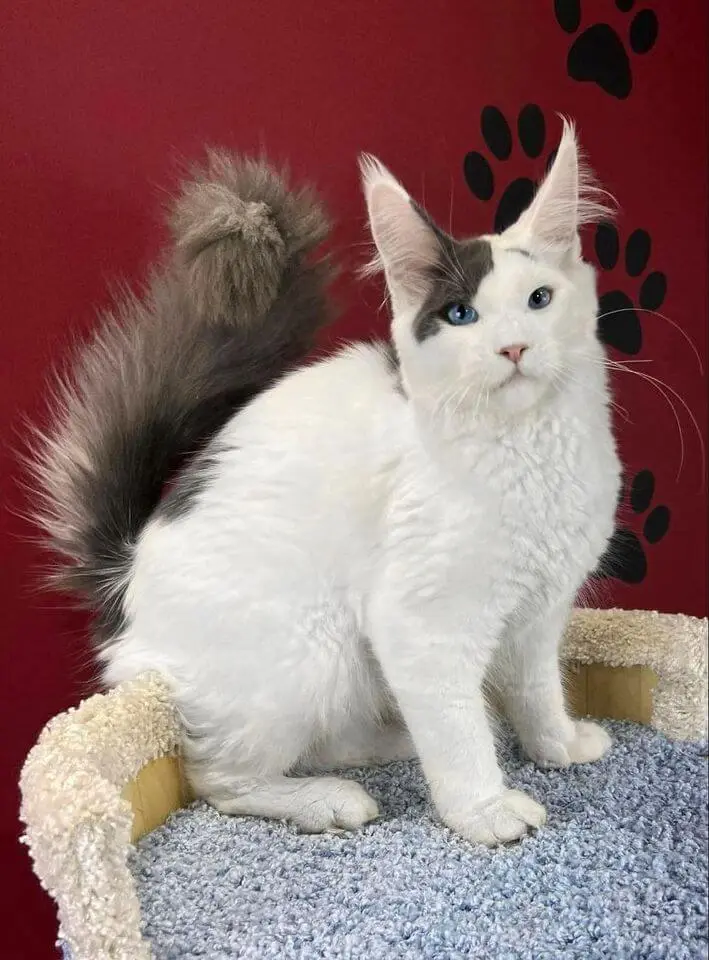
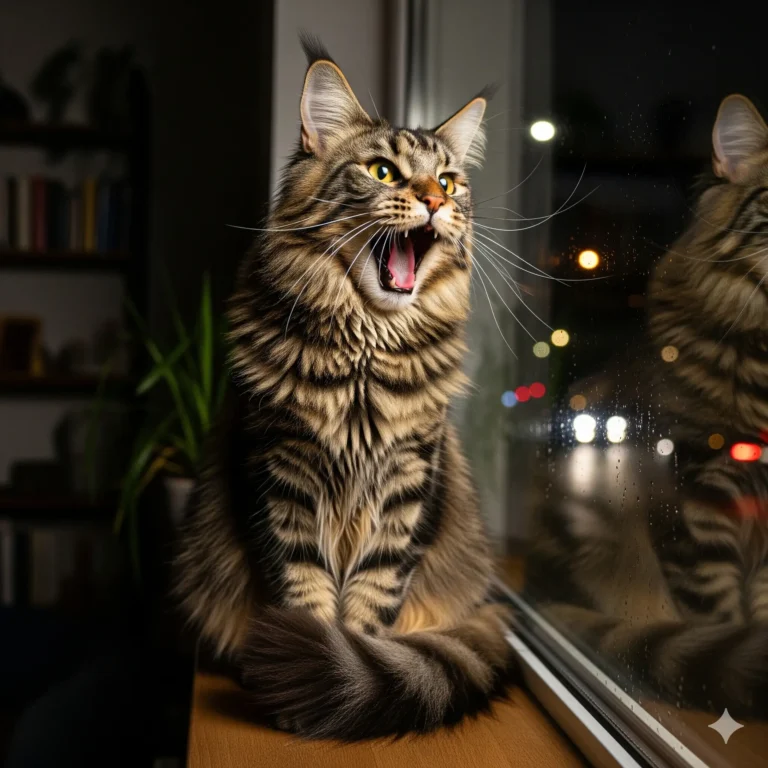
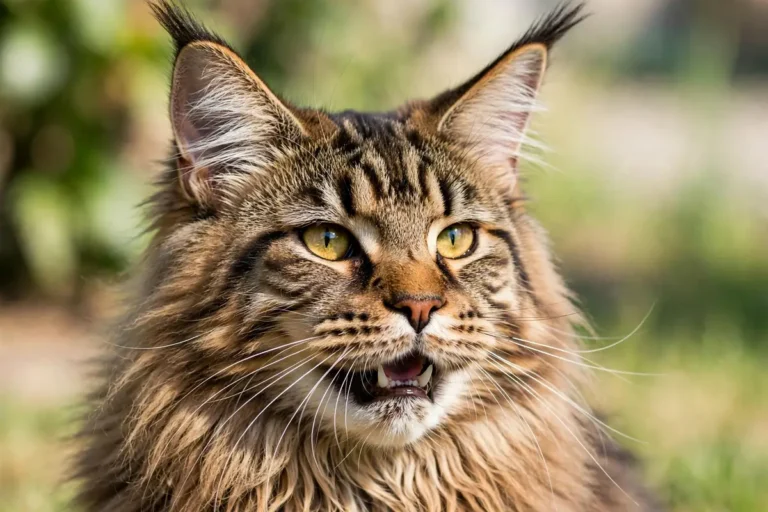
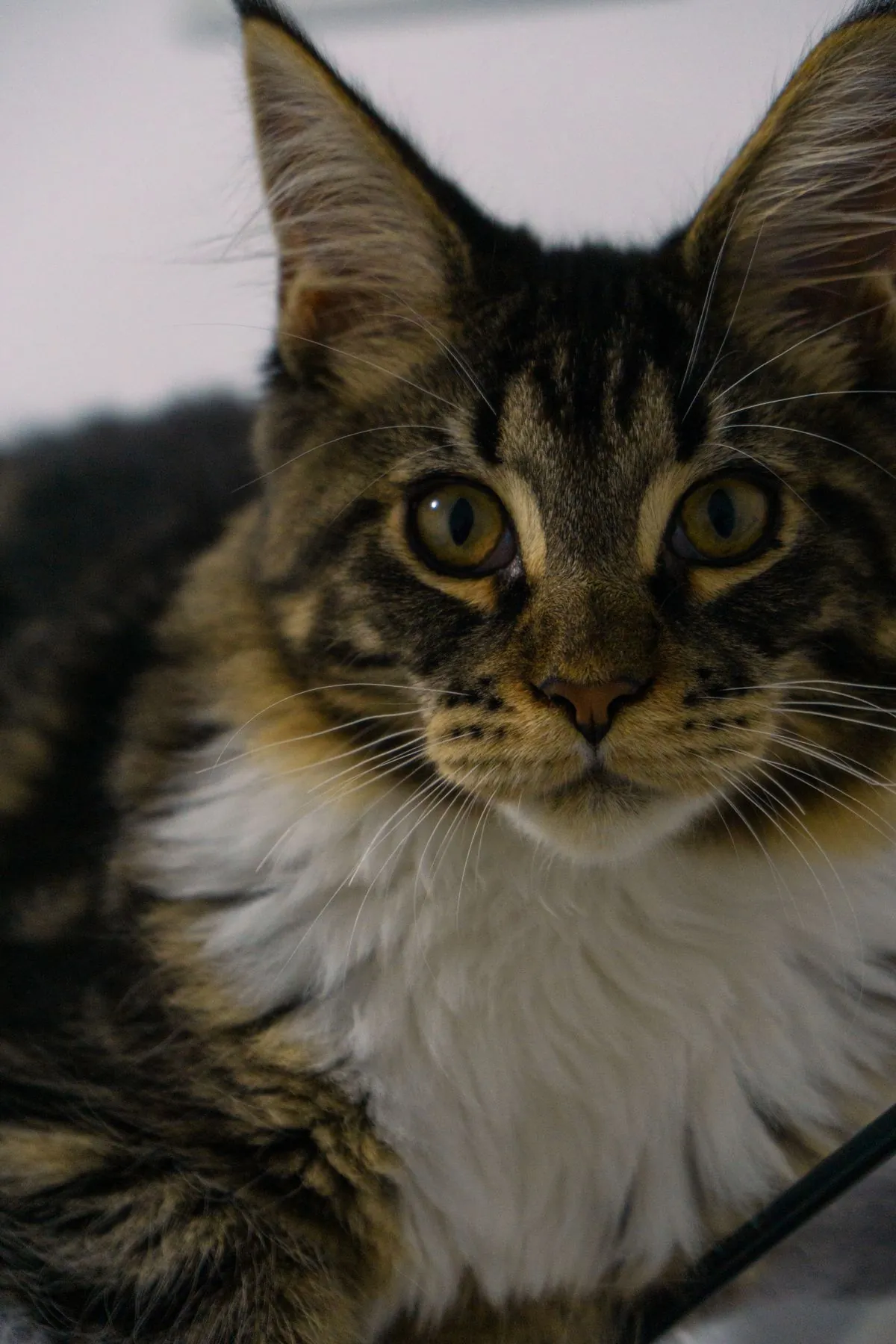
Maine Coons have wide-set, tall ears with two kinds of extra hair that owners often confuse. First, the lynx tips: tufts of longer hair growing from the very tip of each ear and pointing upward. Breeders on YouTube often call them lynx tips because they give the cat a wild, lynx-like silhouette, and owners on social media love showing them off. They are a normal breed feature, not dirt or matting, and not something to cut off for tidiness. I leave them alone.
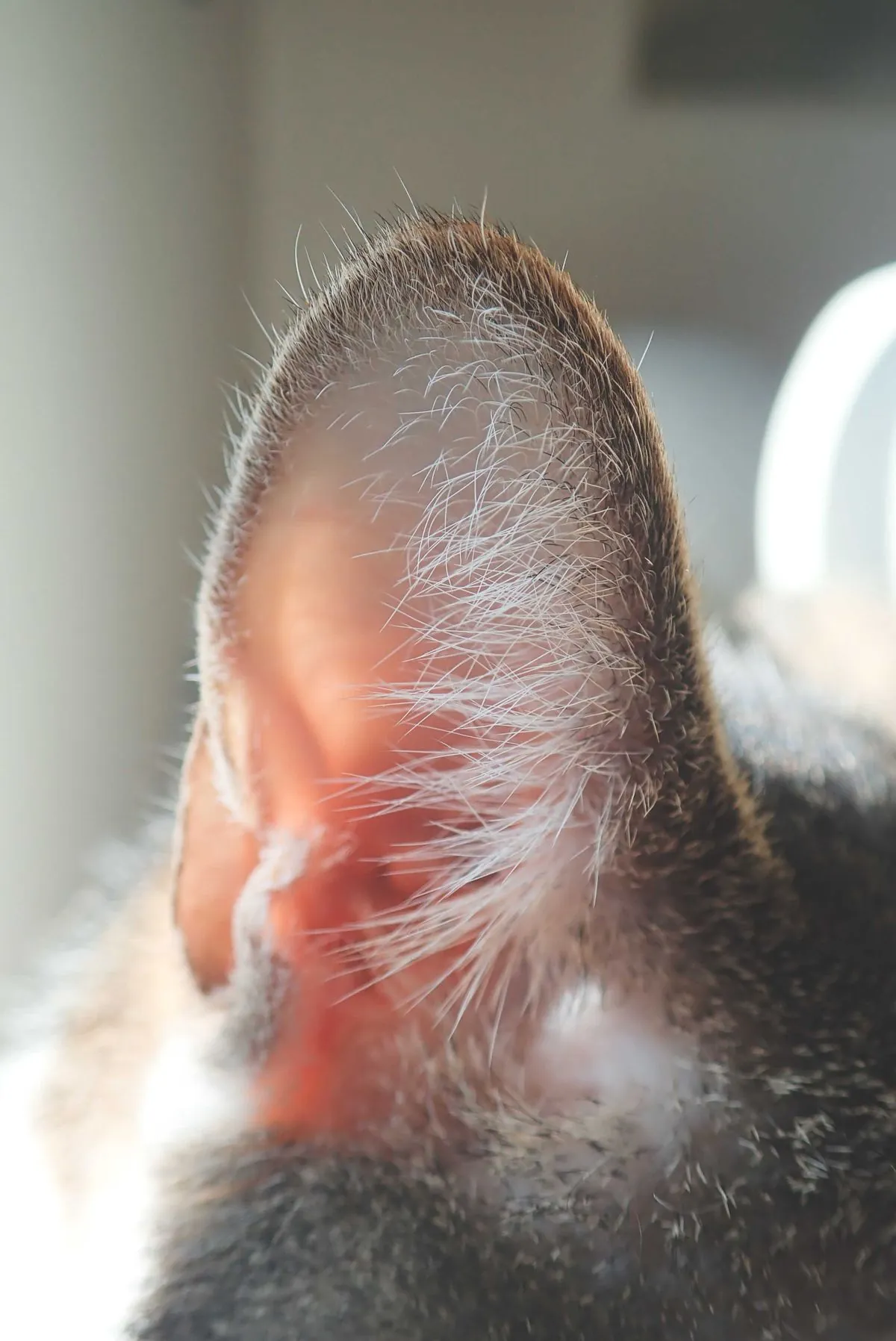
Second, the softer, longer hair along the inner edge of the ear and into the opening, sometimes called furnishings. Owners on Reddit say this surprises new Maine Coon people most, because it can look messy even on a healthy cat. Breeders on YouTube explain that this inner fluff helps protect the ear canal from cold air and debris, but it also traps wax and dust, so the ear needs checking more often. Healthy ears look pale pink inside, smell like nothing much at all, and carry only a small amount of light wax, if any.
The Weekly Ear Check I Actually Do
I check ears when my cat is already relaxed, usually after play or while she is settling on my lap. A sleepy, content cat is far easier to work with than a cat you have just chased down with cotton balls in hand, and owners on Reddit say the same: timing matters more than technique.
Ear by ear, I lift the flap gently and look inside in ordinary room light, checking colour, swelling, redness, scabs, and discharge, without trying to see deep into the canal. I sniff, without making a fuss: a healthy ear has no strong smell, while a sour or foul smell means stop and call the vet rather than clean harder. I feel the base of the ear lightly, and smooth the lynx tips, easing any small tangle apart slowly. If both ears look pink, calm, and nearly clean, I stop there. A change in one ear is often more telling than a little wax in both.
Owners in a Maine Coon group on Facebook recently described a kitten whose ear tufts thinned over a few weeks; commenters noted kittens shed baby fur, but sudden tuft loss with scratching deserves a vet look.
How to Clean a Maine Coon Ear Without a Fight
Only clean an ear that needs it. Over-cleaning irritates the canal, and an irritated ear can end up worse than a slightly waxy one. I clean when I see a light build-up of wax or dust on the outer ear, and I leave a clean ear alone. If you are unsure whether an ear needs cleaning, it probably does not. You need very little: a vet-approved, cat-specific ear cleaner and a few cotton balls or soft gauze pads. Ask your vet which cleaner suits your cat.
Sit your cat somewhere secure, keep your movements slow, and put a small amount of cleaner on a cotton ball, not directly into the ear unless your vet has shown you how. Wipe only the parts you can see: the inner flap and the folds around the opening. Massage the base of the ear gently for a few seconds if your cat allows it, then wipe away what comes to the outer ear. Use a fresh cotton ball for the second ear, and finish with a treat, so ear time stays brief and boring, not a battle.
I never push a cotton swab, a fingertip, or any tool down into the ear canal, where you cannot see and can pack wax deeper or hurt the eardrum. I never use water, hydrogen peroxide, vinegar, alcohol, or a homemade mix in the ear, and I never use a cleaner meant for another animal. If the ear looks sore, swollen, or painful, I do not clean it at all. I call the vet first. Keep sessions short: one ear done calmly beats two ears done in a wrestling match, and you can finish the other ear tomorrow.
Ear Tufts: What to Leave, What to Tidy
Leave the lynx tips alone. Cutting them changes nothing about ear health. The inner hair is different: a small amount inside the ear is normal and protective, and pulling or plucking it is painful and unnecessary. Some owners trim only hair that mats around the outside edge of the ear, with blunt-tipped scissors, a tiny amount at a time, on a calm cat. If you are not confident, skip it. A vet or groomer can show you what, if anything, needs trimming on your particular cat, and for most indoor Maine Coons the answer is very little.
Instead, keep the area around the ear free of mats by running your fingers through the hair behind and below the ear during a normal cuddle, easing any small tangle apart rather than yanking it. If matting keeps forming in the same spot, mention it to your vet or groomer. For a fuller look at how ear care fits into a sensible routine, see my guide to the common Maine Coon grooming mistakes owners make when they try to do too much at once.
Maine Coon Ear Care: Wax, Mites, or Infection
Wax, mites, and infection can all leave dark or brown material in the ear, and from the outside they can look frustratingly similar. You cannot diagnose any of them by looking alone. What you can do is notice patterns and know which pattern means a vet visit.
Normal wax. A small amount of light brown or golden wax on the outer ear, with pink skin underneath, no smell, and a cat who is not scratching or shaking their head, is usually just wax doing its job. Wipe the visible part gently and check again in a week.
Ear mites. Ear mites are tiny parasites that live in the ear canal and feed on wax and skin debris. Cornell University College of Veterinary Medicine explains that ear-mite infestation is frequently diagnosed among the ear problems cats do get, and that the signs are often obvious: the cat scratches almost without letup, shakes its head frequently, and may hold its ears flat. The debris mites leave behind is often described as dark, dry, and crumbly, like coffee grounds. Mites are also highly contagious between cats, so if one cat in a multi-cat home shows these signs, the others need checking too. Cornell advises seeking veterinary care without delay if mites are suspected. Read Cornell’s full account of ear mites in cats for the detail behind that advice.
Bacterial or yeast infection. An infection often looks and smells worse than simple wax. Watch for redness or swelling, discharge that is yellow, green, or unusually thick, a sour or foul smell, tenderness when touched, and a cat who keeps scratching one ear or shaking their head. Cornell notes that otitis externa, infection of the outer ear canal, can cause overproduction of earwax and progressive tissue damage if untreated. A vet will look inside the canal and check a sample under a microscope to find whether mites, bacteria, yeast, or a mix are involved. Cornell’s guide to otitis in cats explains how that examination works.
Treat this comparison as a prompt to act, not a diagnosis: light wax, pink skin, no smell, no scratching means routine cleaning of the visible ear is usually fine; dark, crumbly, coffee-ground debris plus intense itching means suspect mites and call the vet; redness, swelling, smell, discharge, or pain means suspect infection and call the vet promptly. Never buy mite drops or medicated ear treatment on guesswork, since some products can harm the ear if the eardrum is damaged.
When to See the Vet Without Waiting
Call the vet the same day for: constant, frantic, or worsening head shaking or scratching; dark, crumbly debris that returns quickly after cleaning, or debris in both ears; redness, swelling, discharge, or a bad smell from either ear; pain when the ear is touched, or a cat who suddenly will not let you near their head; a head tilt, loss of balance, stumbling, or any change in hearing; a swollen ear flap that looks puffy or balloon-like; any ear problem in a kitten, a new rescue, or a cat recently around other cats with ear trouble; or an ear problem that keeps coming back despite gentle cleaning.
If your cat is a kitten, the first vet visit checklist is a useful companion to this guide. If your cat’s ears get wet, dry the outer ear gently afterwards; my guide to bathing a Maine Coon covers drying in more detail, but the ear rule stays simple: keep the canal as dry as you can, and never pour water into it.
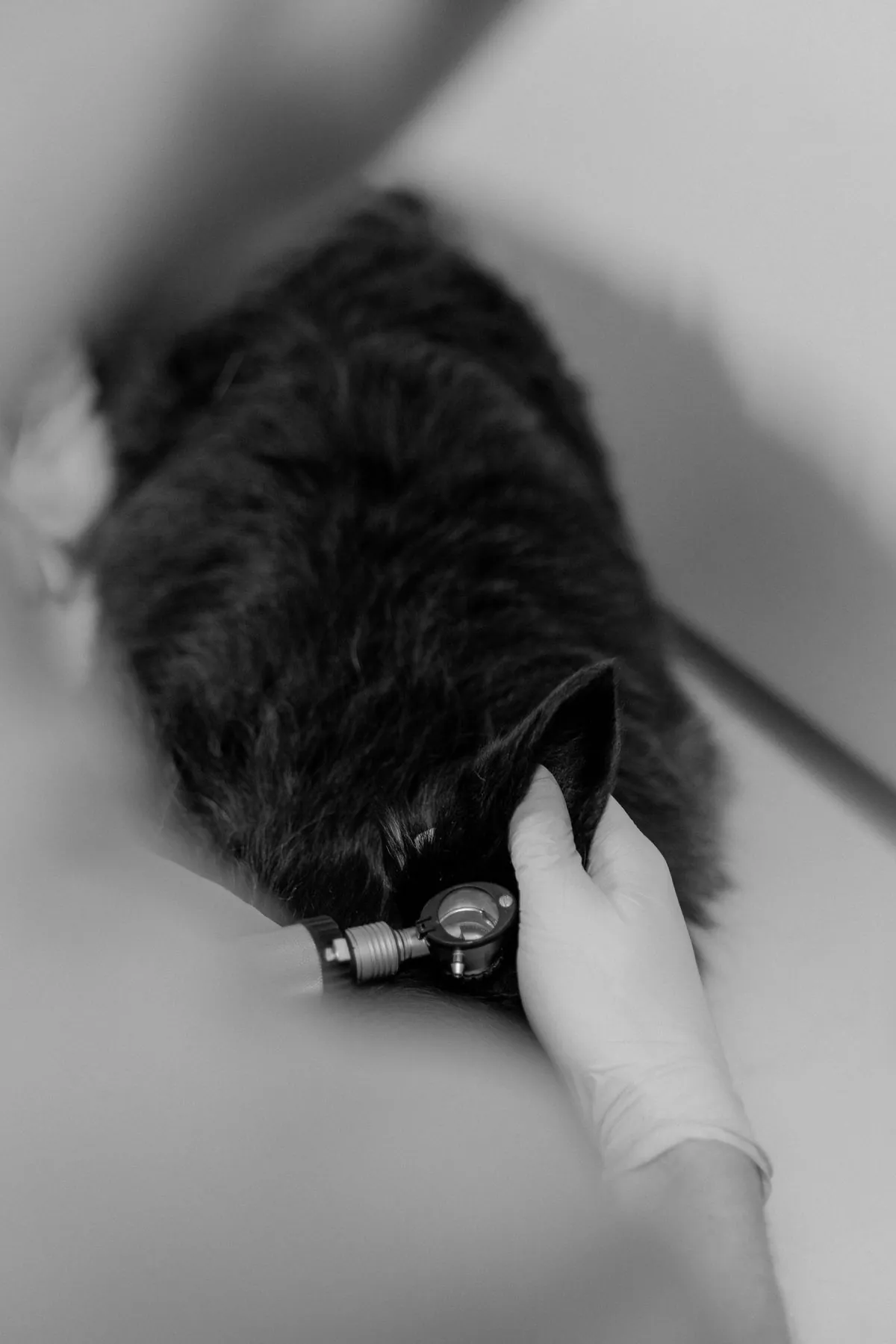
A vet visit for ears is usually straightforward: an examination with a lighted instrument, a swab looked at under a microscope, and a plan. Sometimes the answer is reassuringly simple, just wax. Sometimes it catches mites or an early infection before it becomes a bigger problem.
A Calm Routine That Actually Lasts
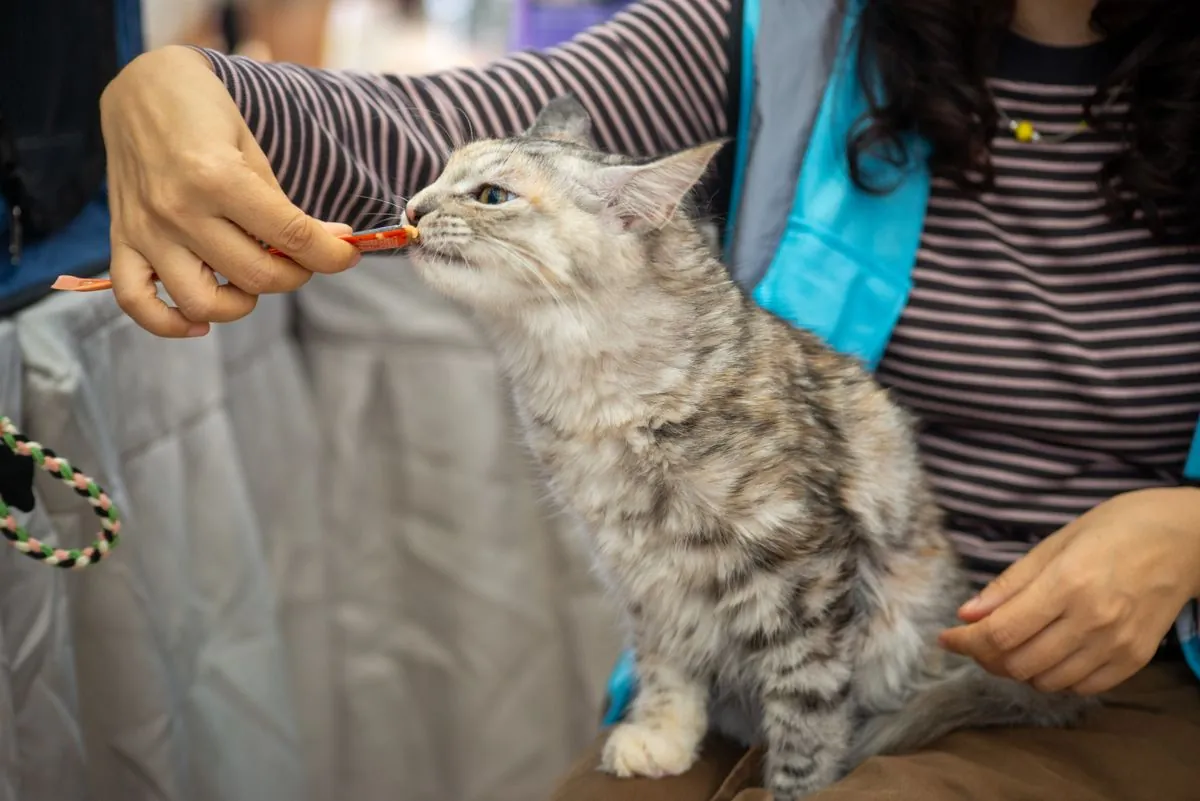
Look weekly, clean lightly and only when needed, and call the vet early when something looks or smells wrong. If ear handling is new to your cat, spend a few days just lifting the flap, giving a treat, and letting go, and add a wipe only once the lift itself is boring. Your job is not to strip the tufts away. It is to peek underneath them regularly, keep the visible ear clean, and notice early when something changes.
Frequently Asked Questions
How often should I clean my Maine Coon’s ears?
Check weekly and clean only when you see light wax or debris on the visible ear. Many Maine Coons need a light wipe every two to four weeks, but some need less.
Should I trim my Maine Coon’s ear tufts?
Leave the lynx tips alone. Trim only matted hair around the outer edge of the ear, a tiny amount at a time on a calm cat, and ask your vet or groomer to show you first if unsure. Never pluck hair from inside the ear canal.
What does normal Maine Coon ear wax look like?
A small amount of light brown or golden wax with pink skin underneath and no smell is usually normal. Dark, crumbly, coffee-ground-like debris with intense scratching or head shaking is a reason to suspect mites and call the vet.
Can I use cotton swabs to clean my cat’s ears?
No. Use cotton balls or soft gauze on the parts of the ear you can see, and never push anything down into the ear canal. A swab can pack wax deeper or injure the eardrum.
When should I take my Maine Coon to the vet for ear problems?
Call the vet promptly for constant scratching or head shaking, redness, swelling, discharge, a bad smell, pain, a head tilt, a swollen ear flap, or any problem that keeps returning. Vets diagnose ear trouble by examining the canal and checking a sample under a microscope, as VCA Animal Hospitals describes in its ear examination services.