
How to bathe a Maine Coon: a complete guide
The first time I bathed a Maine Coon, I spent longer preparing than the bath itself took. Towels stacked like sandbags, the bathroom door shut, my phone in another room in case it got knocked into the tub. Then I turned on the tap, and my cat walked straight toward the running water like she had been waiting for it all day. That is the thing about this breed: Maine Coons are famously tolerant of water, and most of them handle bath time far better than the average cat. If yours is obsessed with running water the way mine is, you may also want my guide to water fountains for Maine Coons.
That said, one rushed, scary bath can put a cat off water for months. In this guide, I will walk you through exactly how I bathe my Maine Coons: what you need, the step-by-step process, how often to do it, and the mistakes I made early on so you do not have to repeat them.
Why bathing matters for Maine Coons
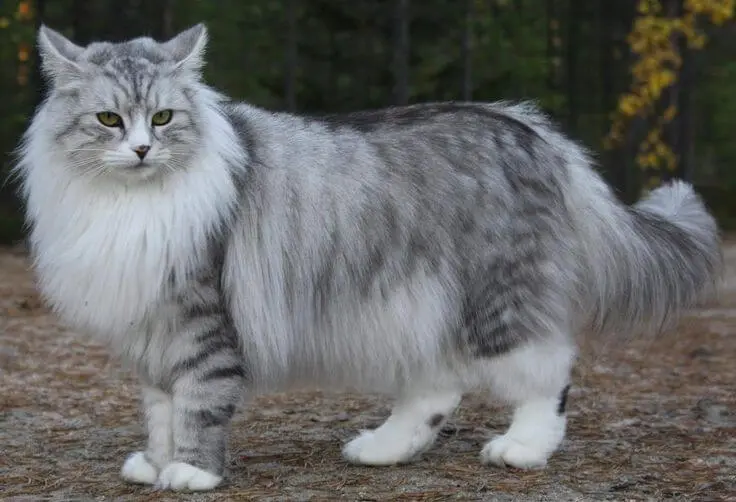
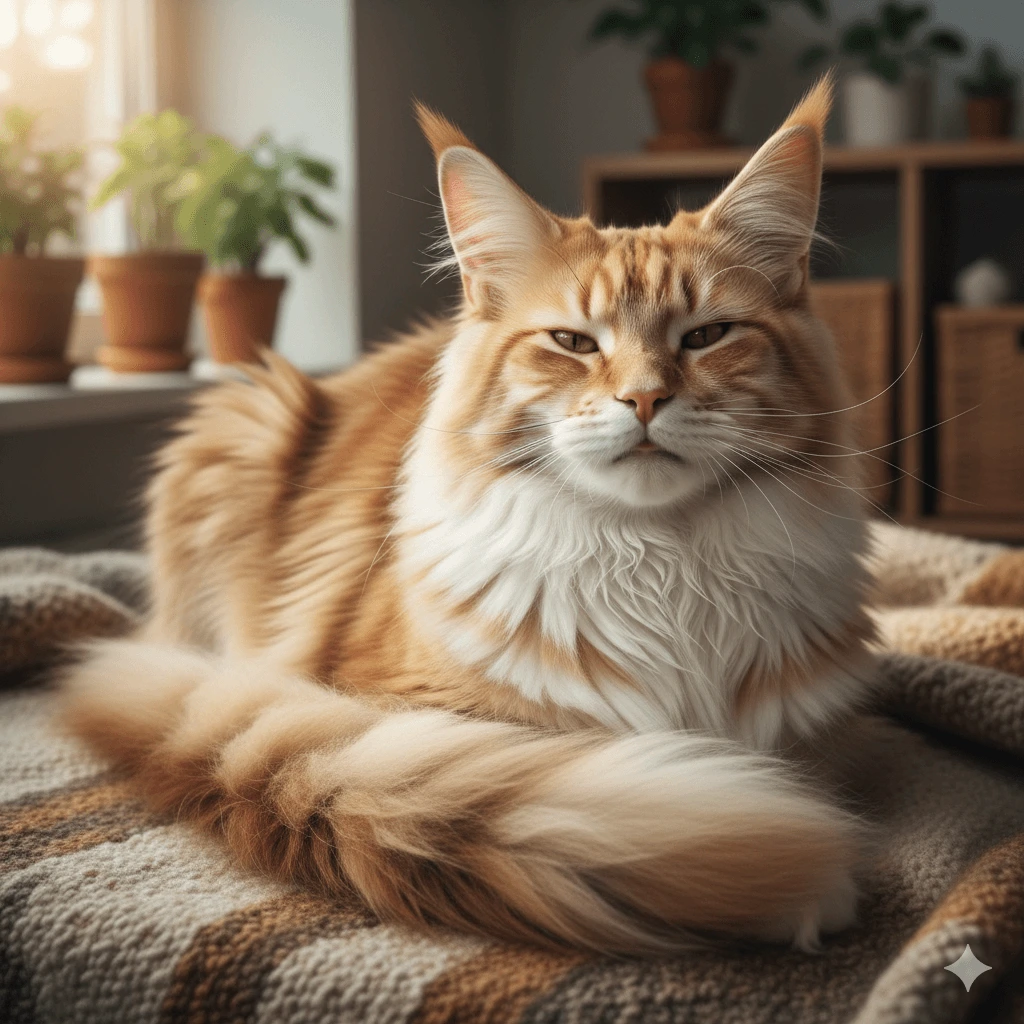
Maine Coons are excellent self-groomers, but that long, dense coat traps oil, dust, and loose hair over time. An occasional bath helps:
- Remove excess oil and built-up dirt from the coat
- Prevent matted fur and tangles, especially around the belly and britches
- Reduce shedding and cut down on hairballs
- Keep the coat soft, shiny, and smelling fresh
Bathing also gives you a hands-on chance to check your cat’s skin for dry patches, lumps, or flea dirt, which is harder to spot under all that fur. Just do not overdo it: bathing too often strips the natural oils and dries out the skin.
What you will need
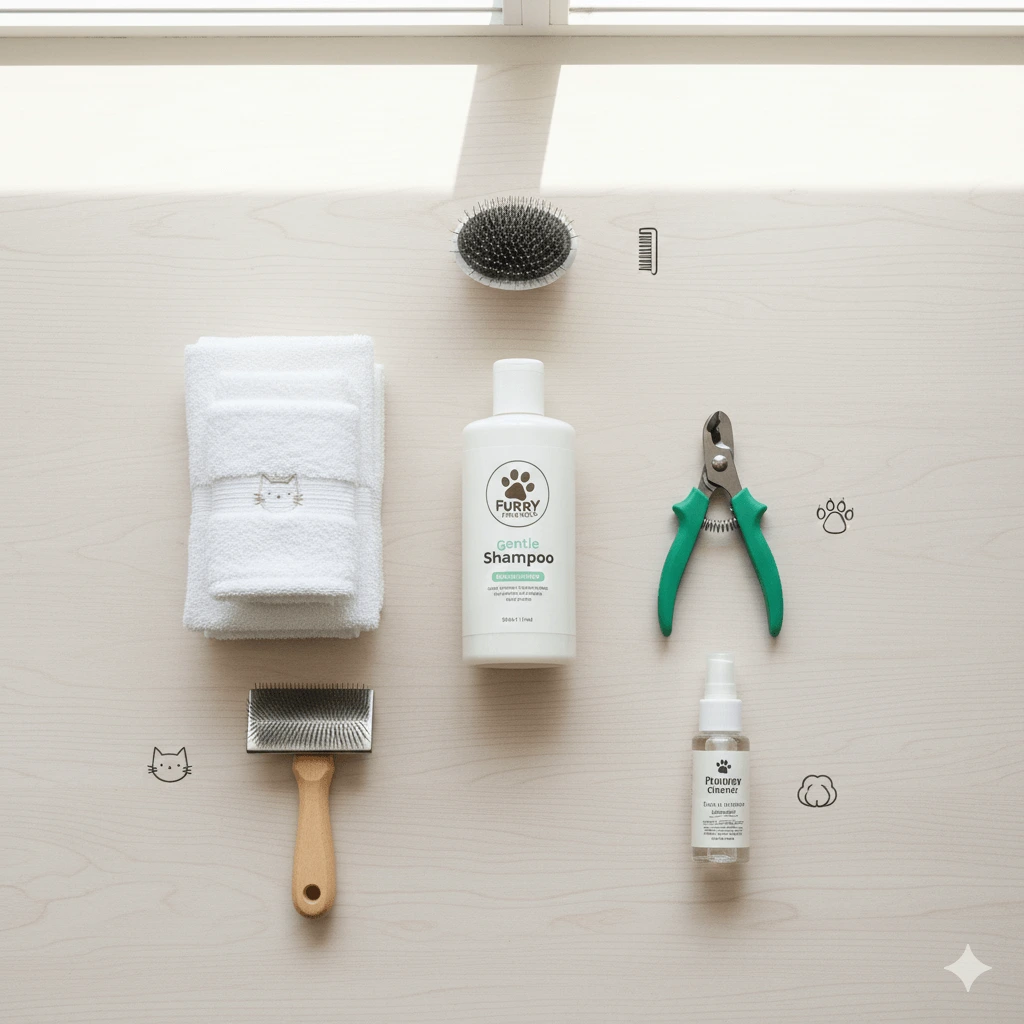
Gather everything before the cat goes near the water. A wet Maine Coon loose in the bathroom while you hunt for shampoo is a recipe for chaos.
- Cat-specific shampoo: Choose a mild, cat-formulated shampoo. Never use human shampoo; the pH is wrong for cat skin and it can cause irritation. There are formulas made for long-haired breeds that rinse out of dense coats more easily.
- Conditioner (optional): A light cat conditioner helps with softness and makes post-bath combing much easier.
- Several large towels: One towel is never enough for a Maine Coon. I keep three within arm’s reach.
- A cup or handheld sprayer: For gentle rinsing without blasting the cat.
- A wide-tooth comb or slicker brush: For brushing before and after the bath.
- A non-slip mat: Placed in the tub or sink so your cat is not sliding around in a panic.
- Treats: For bribes before, during, and after. Non-negotiable in my house.
Before the bath: prep work
Brush first, always. Comb through the full coat before any water touches it. Water tightens existing tangles into mats, so this step is the one that saves you the most trouble later. Pay extra attention to the armpits, belly, and behind the ears.
Check the water temperature. Lukewarm is the target, roughly what feels neutral on the inside of your wrist. Cats are sensitive to temperature, and water that feels pleasantly warm to you can feel hot to them.
Set up the space. A bathtub works best for an adult Maine Coon; a large sink is fine for a kitten. Lay down the non-slip mat, fill a few inches of water before the cat arrives (running taps can spook them), and close the bathroom door.
Stay calm yourself. Maine Coons read your energy. Talk in a low, steady voice, move slowly, and keep a treat handy. If you are tense, they will be too.
How to bathe a Maine Coon: step by step
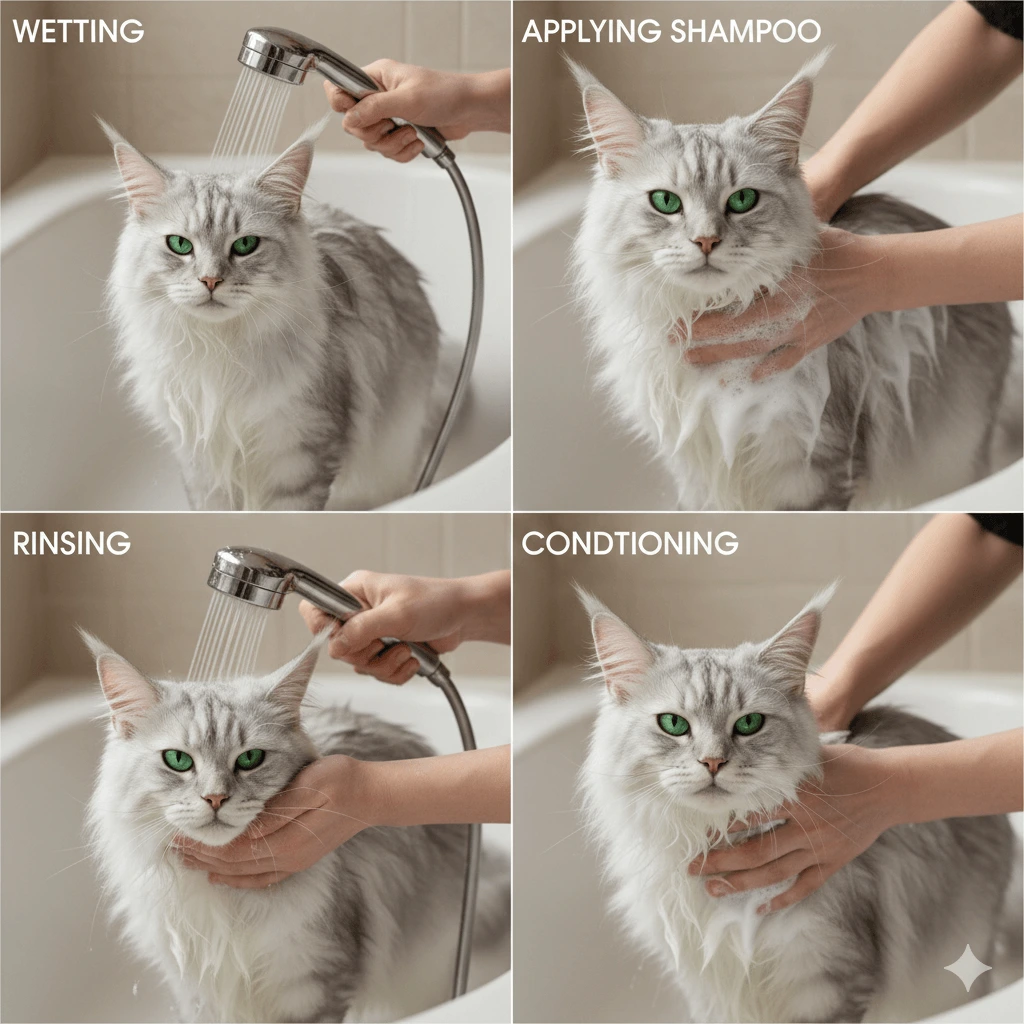
- Wet the coat slowly. Using the cup or sprayer, wet the fur starting at the back and working toward the shoulders. Save the head for last, and avoid getting water directly in the face and ears.
- Apply shampoo. Work a small amount of cat shampoo from the neck down toward the tail, massaging gently. Maine Coons have a thick undercoat, so make sure the lather reaches the skin, especially around the chest, belly, and tail. Do not scrub hard; their skin is delicate.
- Rinse thoroughly. This is the step most people rush. Rinse until the water runs completely clear and you cannot feel any slickness in the fur. Leftover shampoo causes itching and flaking.
- Condition if you like. If you are using conditioner, massage it in, leave it for a minute or two, then rinse just as thoroughly.
- Clean the face and ears separately. Wipe the face with a damp washcloth, no soap near the eyes. For the ears, only wipe the outer part with a vet-approved ear cleaner if they look dirty.
Drying your Maine Coon
Drying takes longer than the bath itself with this breed, so do not rush it.
Towel dry first. Wrap your cat in a large towel and press, do not rub, to soak up water. Rubbing creates tangles. You will probably go through two or three towels before the coat is just damp.
Blow dryer, on their terms. Some Maine Coons tolerate a dryer, some never will. If yours is open to it, use the cool or warm setting, never hot, hold it 6 to 12 inches away, and keep it moving so no spot overheats. If your cat panics at the noise, skip it entirely; towel drying in a warm room works fine.
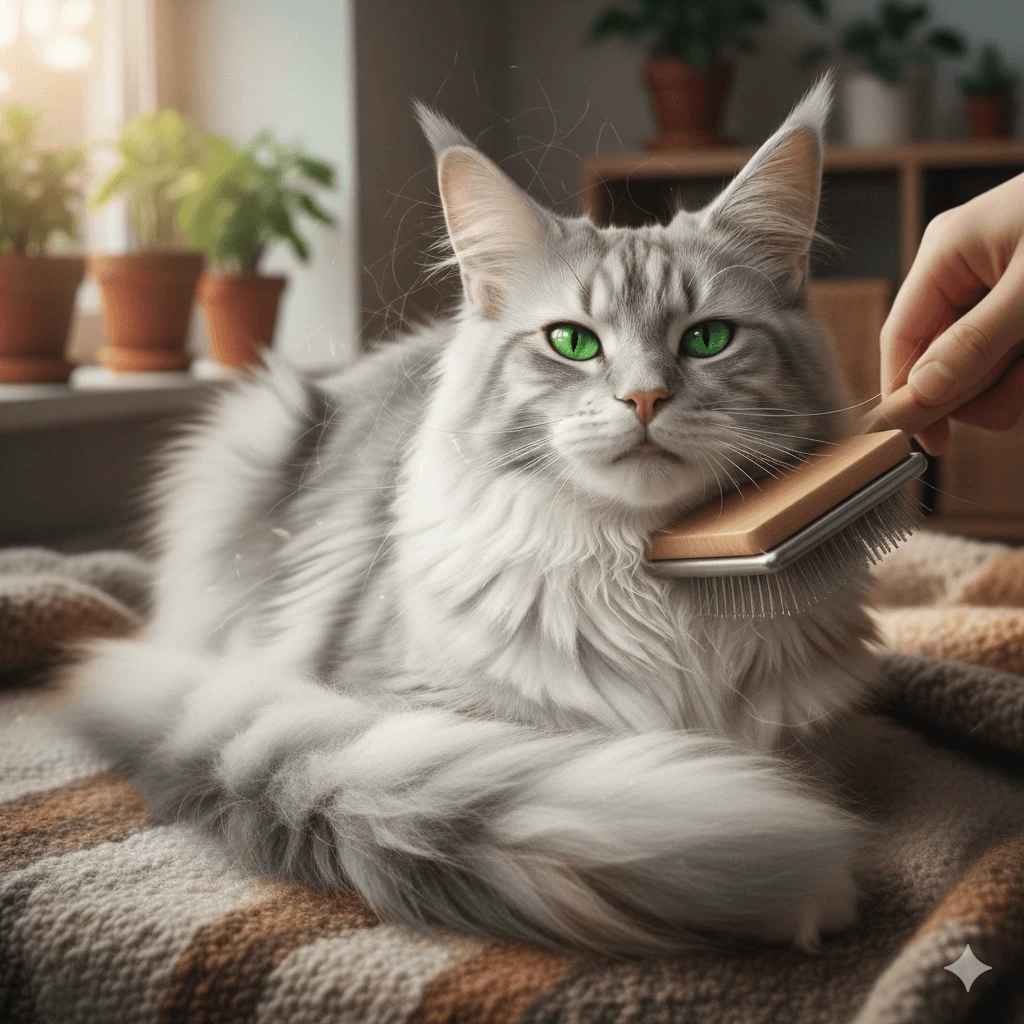
Comb through the damp coat. Once the fur is mostly dry, brush in sections from skin to tip. This is when I find the small tangles the bath loosened, and catching them now prevents mats later. VCA Hospitals’ grooming guidance for cats makes the same point: regular brushing between baths matters as much as the baths themselves.
Keep them indoors until fully dry. A damp Maine Coon should not go outside or sit in a draft. It can take several hours for that undercoat to dry completely.
How often should you bathe a Maine Coon?
For most indoor Maine Coons, once every 4 to 6 weeks is plenty. More often than that risks drying out the skin; much less often and you may notice greasy fur around the tail base or the start of mats.
You might need to bathe more often if your cat spends time outdoors, gets into something sticky, or has a skin condition your vet is treating. Kittens that are still learning to groom themselves may also need the occasional helping bath.
Tips I learned the hard way
Start young if you can. A kitten that gets gentle baths grows into an adult that tolerates them. With an adult rescue, go slower: start with damp-cloth wipe-downs before attempting a full bath.
Older or overweight cats need more help. Cats that cannot comfortably reach their back or belly to groom will mat faster and may need bathing and brushing assistance more often. Be extra gentle with them; arthritis is common in seniors.
Never force it. If your cat is truly panicking, claws out, hyperventilating, stop. A stressed cat can hurt you and itself. There is no shame in booking a professional groomer who handles cats regularly.
End on a good note. Treats, a favorite toy, a warm spot to nap. I want my cats’ last memory of bath day to be the reward, not the rinse.
Frequently Asked Questions
Can I use human shampoo on my Maine Coon?
No. Human shampoo has a different pH and can irritate cat skin and strip the coat. Always use a shampoo formulated for cats, ideally one made for long-haired breeds.
My Maine Coon hates water. What should I do?
Skip the full bath for now. Start with damp-cloth wipe-downs and lots of treats to rebuild a positive association with grooming. Some cats never accept baths, and that is fine — even in a breed famous for loving water, individual water temperament varies; regular brushing plus a professional groomer a few times a year covers their needs.
How do I dry a Maine Coon without a blow dryer?
Towel dry thoroughly with several towels, then keep the cat in a warm, draft-free room and comb through the coat as it dries. Never let a damp cat outside, and expect the undercoat to take a few hours to dry fully.
Should I brush before or after the bath?
Both. Brushing before prevents tangles from tightening into mats in the water, and brushing after the coat is dry catches any new tangles the bath created.
Is it normal for the coat to look flat right after a bath?
Yes. A freshly washed Maine Coon coat often looks sleek and a bit deflated until it is fully dry and brushed out. Once dry, the fluff comes back, usually better than before.
Bathing a Maine Coon does not have to be a battle. With the right prep, lukewarm water, and a calm approach, it becomes just another part of the routine, and honestly, watching a clean, fluffy Maine Coon shake off and strut away makes the soggy sleeves worth it.