Maine Coon Myths Debunked: Raccoons, Size, Water and What Owners Still Get Wrong
Maine coon myths follow this breed everywhere. I have heard them at cat shows, in vet waiting rooms, and from well-meaning friends who are convinced they know my cats better than I do. Some are charming. A few, though, lead new owners to expect the wrong cat or make a decision they later regret.
This is the plain version, as I have lived it. Where a myth has a grain of truth, I will say so. Where it is simply wrong, I will say that too. And where the honest answer is “it depends on the cat,” I will not pretend otherwise.
Myth 1: Maine Coons Are Part Raccoon
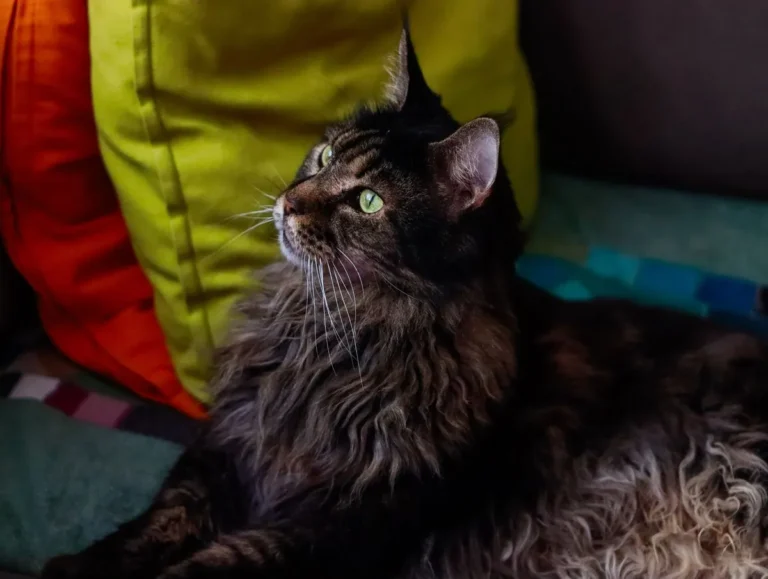
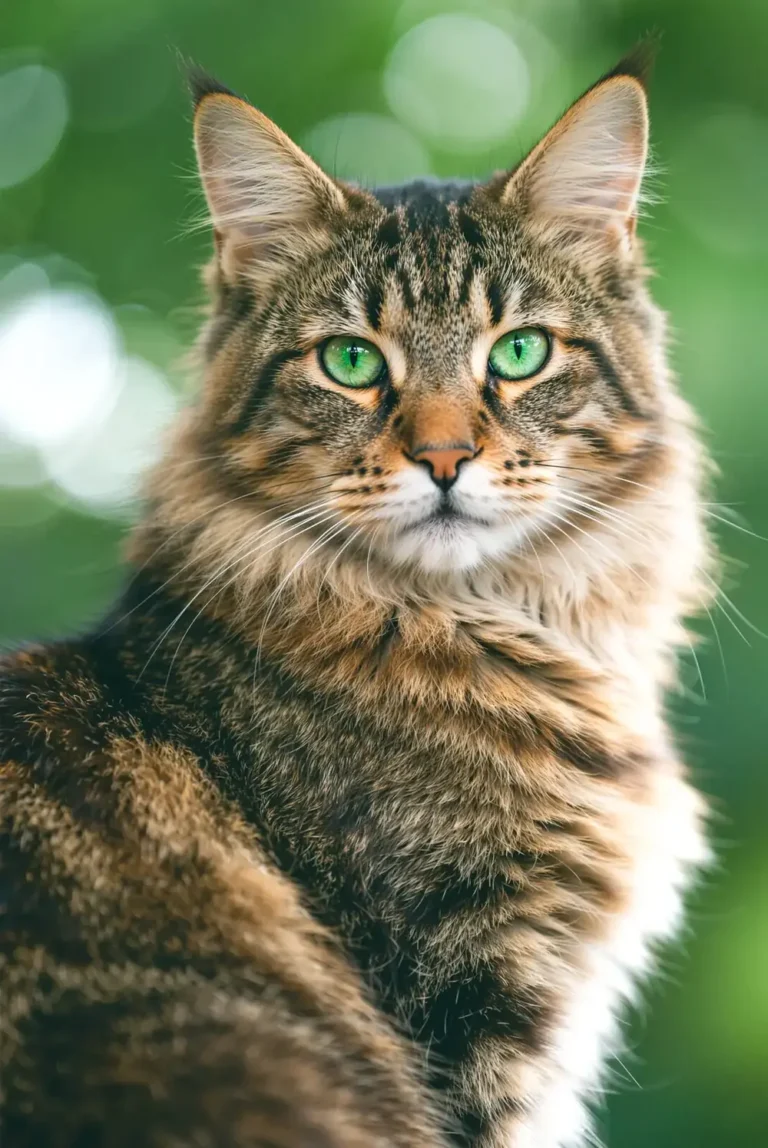
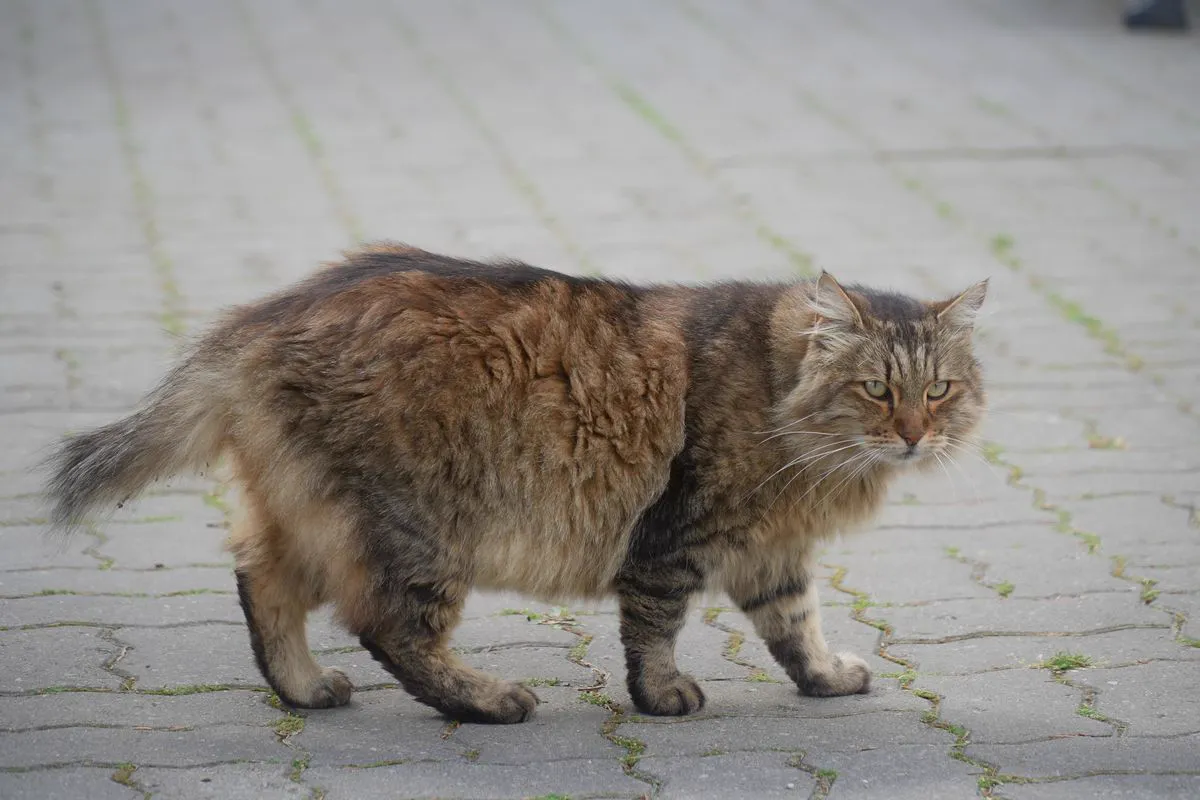
This is the oldest of the Maine coon myths, and the easiest to understand. A brown tabby Maine Coon with a big, ringed, bushy tail can look remarkably like a raccoon from across the garden. Add a chirping voice that does not sound quite like an ordinary meow, and the story almost tells itself.
It is not true. Cats and raccoons are different animals, from different families, and they cannot interbreed. The Cat Fanciers’ Association says plainly that it is genetically impossible for domestic cats to breed with raccoons, and points to the brown tabby coat and bushy ringed tail as the likely source of the confusion.
The name stuck anyway, and I am rather fond of it now. I just do not treat it as history. If you want the fuller story, read my guide to the Maine Coon breed origin. The Cat Fanciers’ Association’s own Maine Coon breed article tells the same story in the registry’s words.
Myth 2: Every Maine Coon Is Huge
Walk into any Maine Coon group online and you will see the photographs: a cat stretched along a sofa, a cat dwarfing a dog bed, a cat held up like a small child. Owners on social media love sharing the biggest examples, and the biggest examples are the ones that get shared again. It is no wonder people arrive expecting a twenty-five-pound cat as standard.
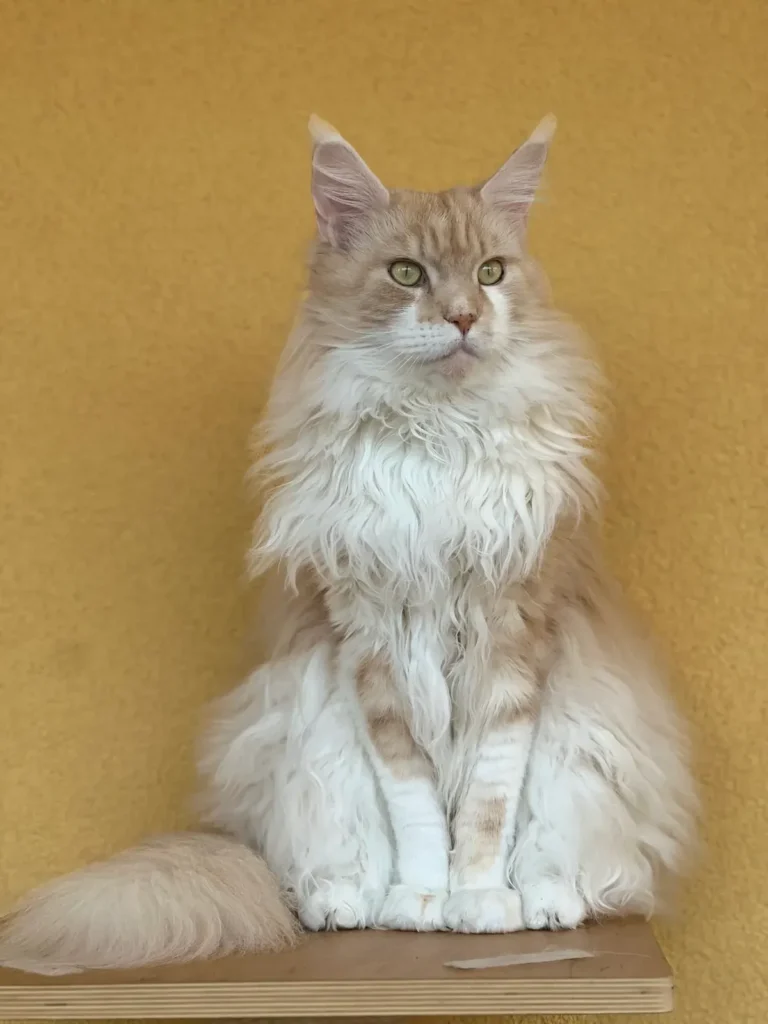
Maine Coons are a large breed, but large does not mean enormous in every case. The International Cat Association’s breed material gives mature males at roughly 13 to 18 pounds and females at roughly 9 to 13 pounds, with some males reaching or passing 20 pounds. PetMD’s Maine Coon breed guide gives a similar picture: a large, gentle breed, with males noticeably bigger than females. That range matters. A healthy adult female at ten pounds is not a disappointment, a runt, or a mix. She is a normal Maine Coon. Males are usually noticeably bigger than females, and that size difference is part of the breed, not a fault in the smaller cat.
They also take their time getting there. Most cats are more or less done growing by their first birthday. Maine Coons commonly keep filling out for three to five years, so a lanky eighteen-month-old is not finished yet. A kitten’s parents give a rough guide to adult size, never a guarantee.
For the full picture, see my Maine Coon size comparison. The useful question is not “how big will it get?” but “is this cat in good condition for its frame?” Your vet can answer that for your individual cat far better than a chart can.
Myth 3: They All Love Water
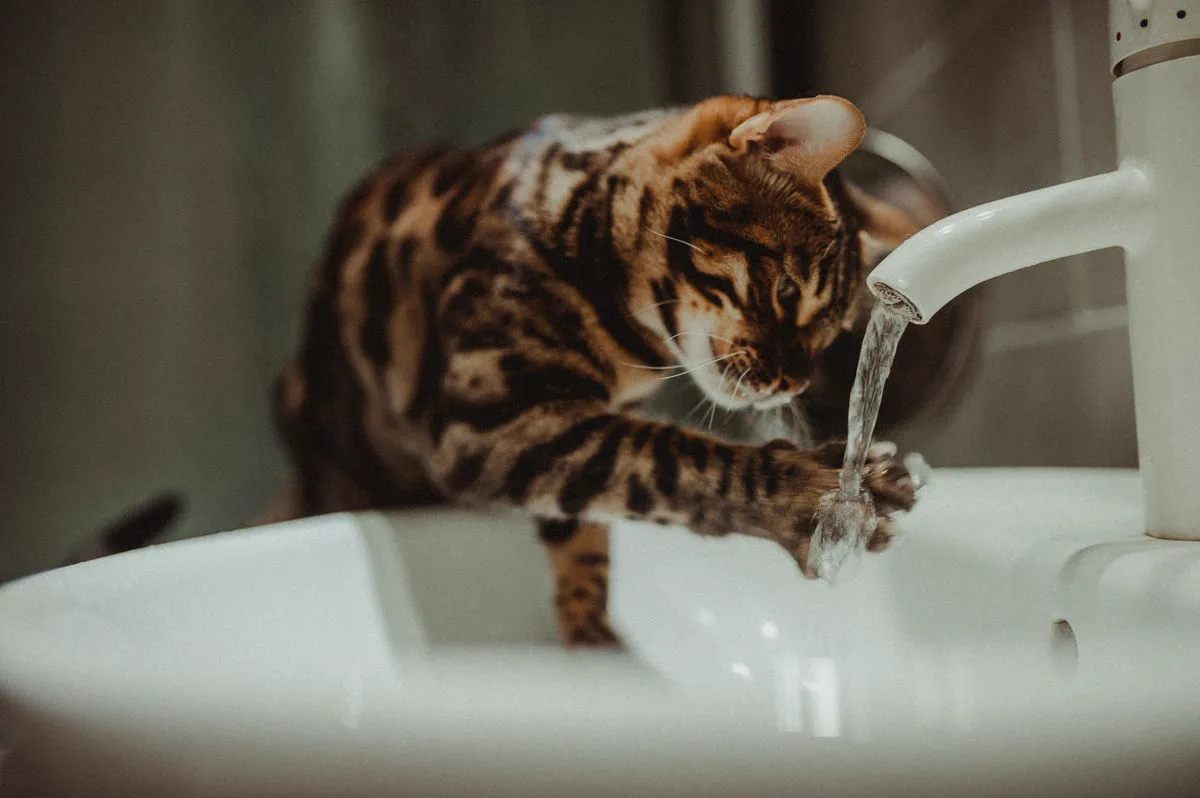
This one has a grain of truth, which is why it survives. Many Maine Coons are fascinated by water. Mine have pawed at running taps, tipped water bowls just to watch the splash, and sat on the edge of the bath supervising me as if the whole business were their responsibility. Breeders on YouTube often show the same behaviour: a cat batting at a dripping tap, or dipping a paw in a bowl before drinking.
That is not the same as loving a bath. Owners on Reddit and in Facebook groups say the same thing again and again: the cat that plays happily with a tap may still hate being put in water. A groomer video that recently made the rounds on social media made the point almost by accident, with cheerful “they love water” captions over cats that were plainly not enjoying their bath, and commenters saying their own cats did exactly the same.
So keep the two ideas separate. Water play is common. Water tolerance in a bath is individual, and it is learned slowly, if at all. Never assume a Maine Coon will enjoy swimming, and never drop one in water to test the theory. My fuller account of tap-playing, bowl-splashing, and bath reality is in do Maine Coons like water.
Myth 4: Maine Coons Are Hypoallergenic
No. This one gets a short entry on purpose, because the full answer already lives elsewhere and does not need retelling here. Maine Coons are not hypoallergenic, and no cat breed truly is. If allergies are part of your decision, read my Maine Coon allergy guide before you commit, and talk to your own doctor or allergist about what your symptoms actually allow. Do not let a breeder’s “hypoallergenic” claim override that conversation.
Myth 5: They Need Shaving in Summer
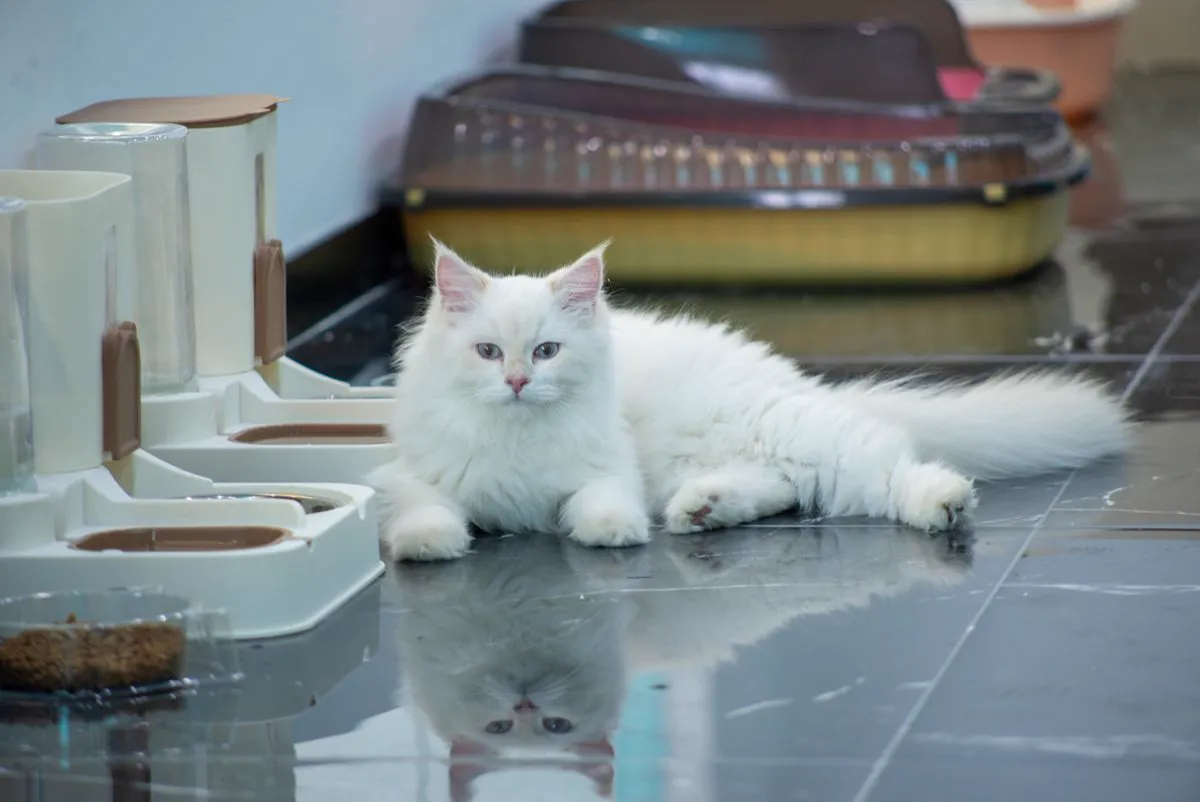
This myth sounds like kindness. The coat looks heavy, summer looks hot, and the clippers look like a favour. I understand the impulse, and I have heard it from owners who genuinely want to help their cat through a heatwave.
In most cases, shaving is not the favour it looks like. That long coat does more than keep a cat warm in winter. It also insulates against heat, protects the skin from sun, and gives the cat a layer of air that helps with temperature control. Shave it off and you remove that protection at the moment you most wanted to help. Regrowth is not guaranteed to come back exactly as it was, either; some cats grow it back thinner or patchy over several months.
There are real exceptions, and they matter. Severe matting that cannot be brushed out, a wound or skin problem that needs access, or a vet procedure are all genuine reasons to clip. Those are decisions to make with a vet or an experienced groomer, not a summer routine. For a healthy cat in hot weather, shade, fresh water, a cool room to retreat to, and regular brushing do more good than a lion cut. I have covered the pros, the cons, and the genuine exceptions in detail in my guide to shaving a Maine Coon.
Myth 6: They Are Wild, Aloof, or Untrainable
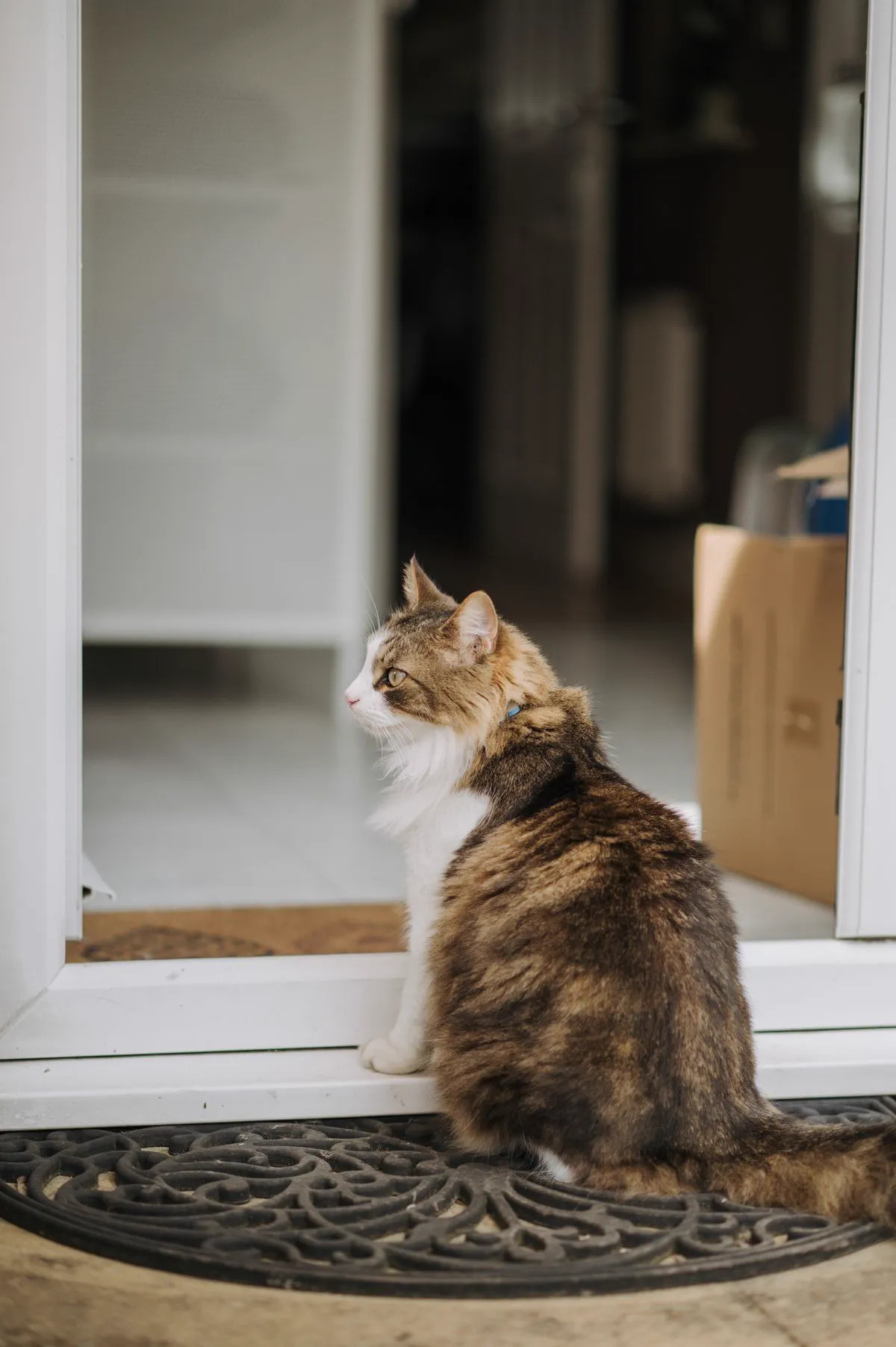
People hear “big,” “tufted ears,” and “lynx tips” and picture something half-wild. Others hear “cat” and picture something aloof that will ignore you for a decade. Maine Coons confound both pictures, but not in the tidy way the internet usually describes.
They are, by breed tendency, sociable and people-oriented. The International Cat Association describes them as clown-like, affectionate, and willing to “help” with whatever you are doing, and that matches my house: a cat following me from room to room, supervising cooking, and waiting outside a closed door as if I might need assistance in there. Many learn fetch, many learn to come when called, and many learn household routines faster than their owners expect. That is trainable in the ordinary cat sense: short sessions, rewards, patience, and a cat that actually wants to play the game.
But “dog-like” is an oversimplification, and owners on social media are right to push back on it. A Maine Coon is still a cat, with its own opinions and its own chosen person. Some are lap cats. Some prefer to sit beside you, not on you. None of that makes a cat wild, badly bred, or broken. It makes it an individual.
For the traits in more detail, see my guide to Maine Coon personality traits. The short version is this: expect a companion, not a servant and not a wild animal. Train with treats and play, keep sessions short, and respect the cat that shows up rather than the label you bought.
Myth 7: They All Have Extra Toes
Polydactyl Maine Coons, with extra toes on their front paws, are real, and photographs of those wide, mitten-like paws travel well online. So the leap happens: all Maine Coons must have extra toes.
Most do not. The standard Maine Coon paw has five toes on each front paw and four on each back paw, and most pet Maine Coons match that exactly. Extra toes were historically common in the early, unregistered population, but selective breeding has made them much less common in today’s pedigreed cats. A Maine Coon without extra toes is not missing anything, and a polydactyl cat is not more “real” than one with the standard count.
Myth 8: That Big Coat Means High Maintenance, or No Maintenance
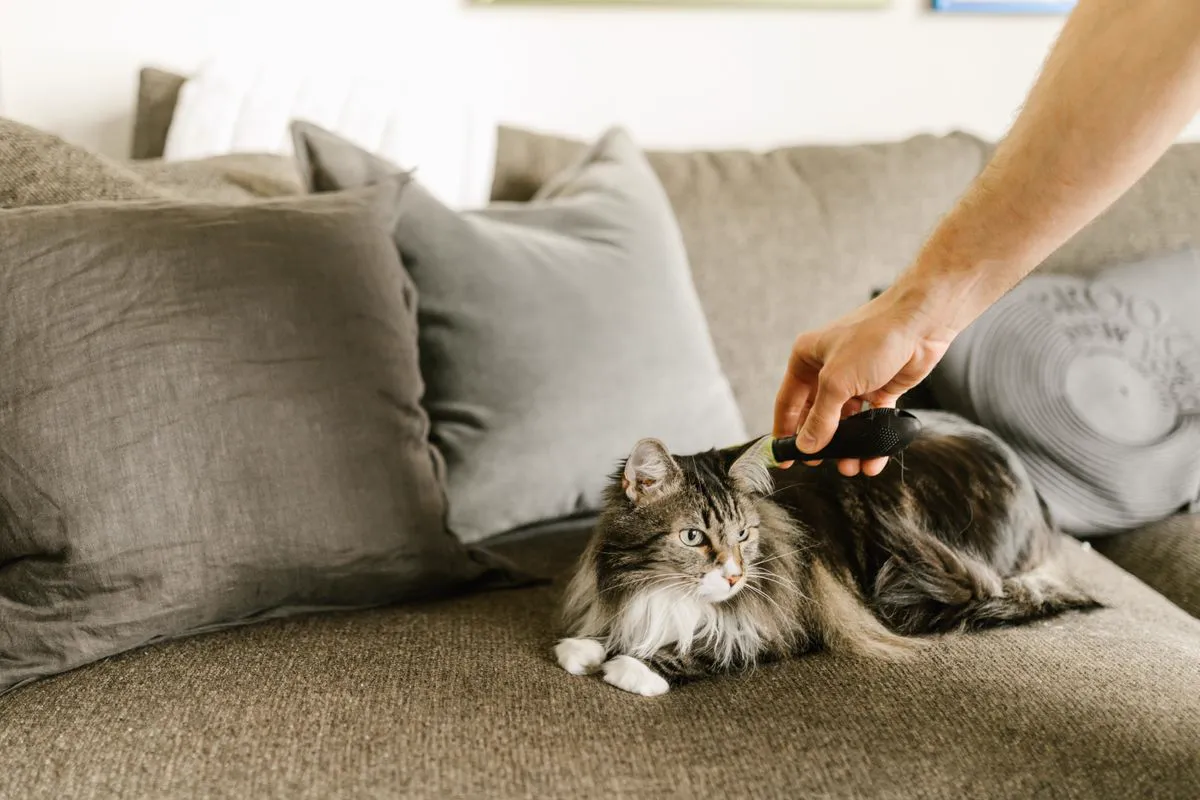
I hear this one in both directions, sometimes from the same person. Either the coat must take hours a day, or the cat, being a hardy farm breed, must look after itself. Neither is quite right.
Maine Coons do need regular grooming, but it is steadier than people fear. A few combing sessions a week, a little longer in shedding season, and attention to the spots that mat first, behind the ears, under the arms, and around the britches, will keep most coats in good shape. Leave the coat for months, though, and mats form, pull, and hurt. That is when owners end up asking for the shave they were trying to avoid.
The other side of this myth is shedding. A long coat sheds, on sofas and on dark clothes and, in my experience, on any surface you have just cleaned. Regular combing reduces it; it does not abolish it. If a home cannot tolerate cat hair, a Maine Coon is a poor fit, however much you love the look.
Maine Coon Myths: What to Believe Instead
If you strip the myths away, what is left is a large, slow-maturing, sociable domestic cat with a practical coat, a chirping voice, and a strong interest in whatever its people are doing. Some are enormous. Some are modest. Some play with water and some hate baths. Some have extra toes and most do not. None are part raccoon, none are hypoallergenic, and none should be shaved just because summer arrived. That less dramatic version is also the better one to live with, because it lets you judge the cat in front of you.
Frequently Asked Questions
Are Maine Coons part raccoon?
No. Maine Coons are domestic cats, and cats cannot interbreed with raccoons. The myth comes from the brown tabby coat and bushy ringed tail, which can look raccoon-like. The Cat Fanciers’ Association describes the cross as genetically impossible.
How big do Maine Coons really get?
Most adult males weigh roughly 13 to 18 pounds and most adult females roughly 9 to 13 pounds, though some males pass 20 pounds. They mature slowly, often taking three to five years to reach full size, and individual cats vary. Body condition matters more than hitting a particular number.
Do all Maine Coons like water?
No. Many enjoy playing with running taps or pawing at water bowls, but that does not mean every Maine Coon enjoys a bath or swimming. Water play on the cat’s own terms and tolerance of bathing are two different things, and both vary by individual cat.
Are Maine Coons hypoallergenic?
No. No cat breed is truly hypoallergenic. For the full explanation, see my allergy guide linked above, and if you have allergies, speak to your doctor before bringing a cat home.
Should I shave my Maine Coon in summer?
Usually no. The coat helps insulate against heat as well as cold and protects the skin from sun. Shaving is reasonable for severe matting or a medical reason, decided with a vet or groomer. Shade, fresh water, a cool resting place, and regular brushing are the safer summer plan.