Why Do Maine Coons Chirp and Trill? Decoding the Sounds
The first time one of my Maine Coons chirped at me, I thought something was caught in his throat. Here was a cat the size of a small dog making a tiny birdlike blip, and it was so absurd I laughed out loud. He trilled right back at me, and that was my introduction to the great mystery every Maine Coon owner eventually googles: why do Maine Coons chirp instead of meowing like normal cats?
I have lived with these cats for years and compared notes with Maine Coon owners everywhere. Here is what I have learned about what these sounds mean.
What Chirping, Trilling, and Chattering Actually Sound Like
It helps to know the vocabulary, because owners mix these three sounds up constantly.
The Chirp
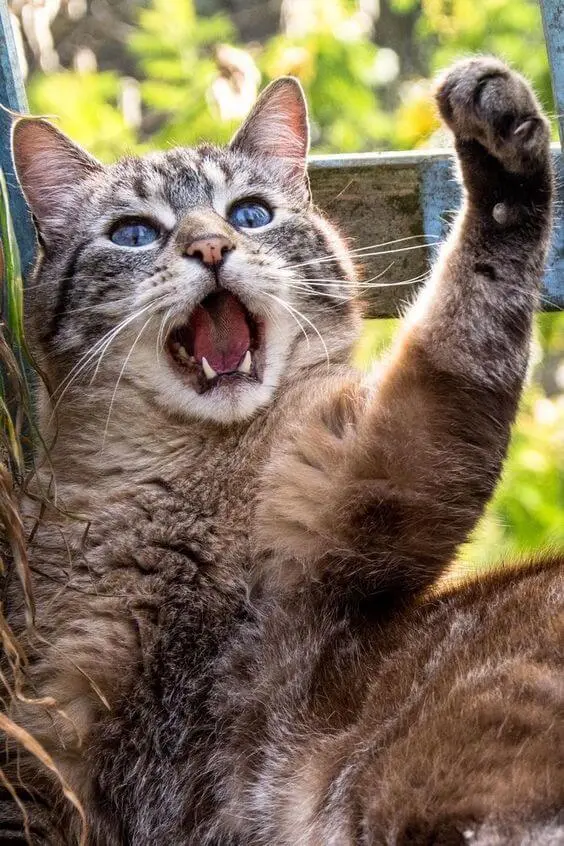
A chirp is a short, high-pitched call that genuinely sounds like a bird. PetMD describes it as a short, high-pitched call similar to a bird’s, and notes that a string of chirps is called a chirrup. In my house, a chirp is a quick “prrt!” lasting about half a second. It is the sound my cats make when they spot a fly on the ceiling or want me to notice something immediately.
The Trill
The trill is a rolling, musical “rrr-up” made with the mouth closed. PetMD calls it a friendly, high-pitched vocalization that sounds similar to a purr but at a higher pitch, used by cats to greet people. The trill is warmer and more social than the chirp. When I come through the front door, I get trills. When one of my cats wants me to follow her to the kitchen, she trills over her shoulder while walking, like a tour guide who assumes I am coming.
The Chatter
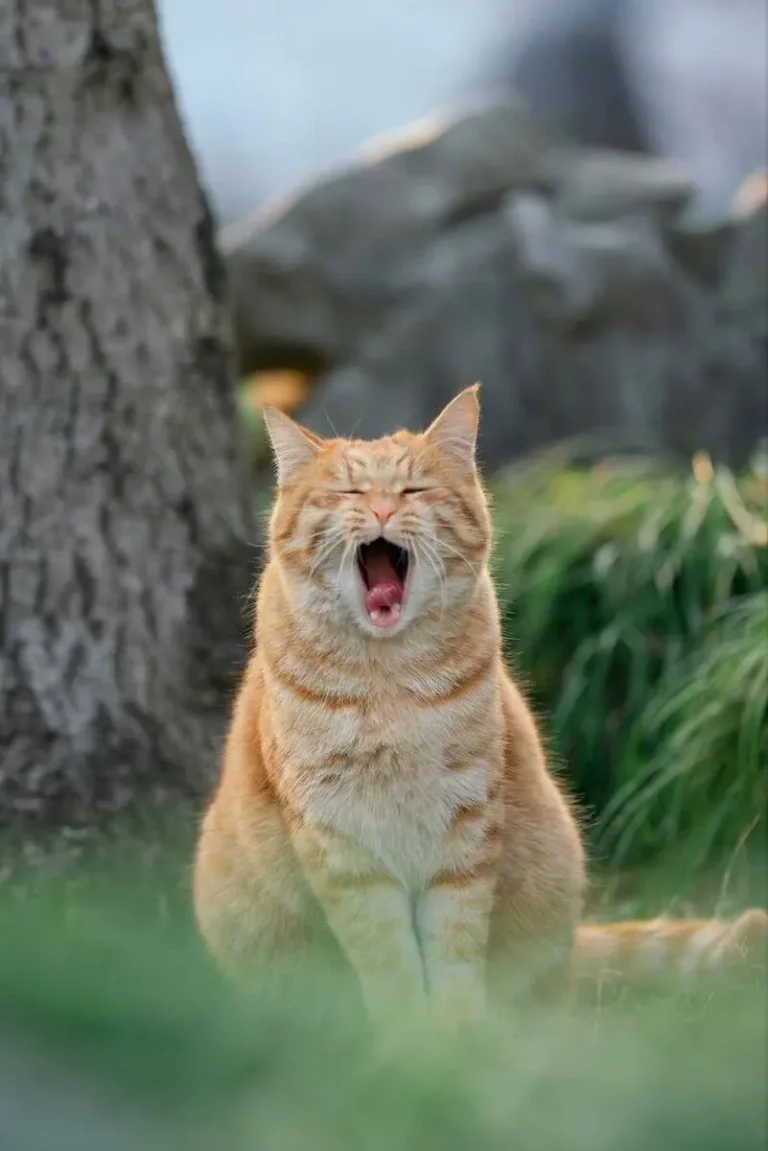
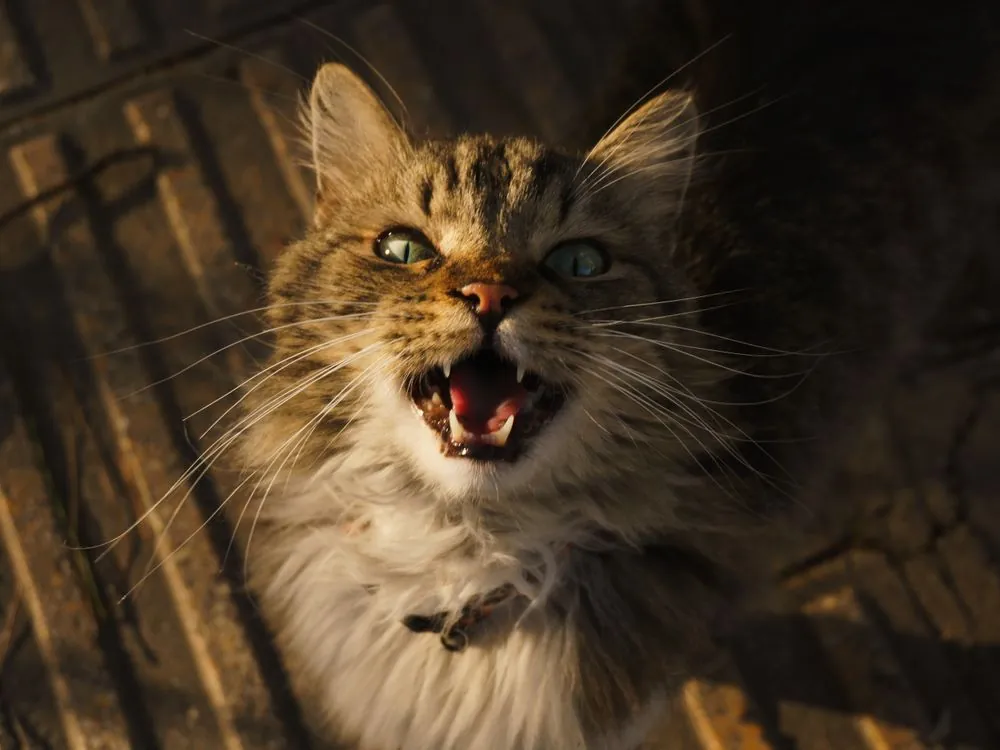
Chattering is the strange one: a rapid “ek-ek-ek” clicking with the jaw trembling, eyes locked on a bird outside the window. PetMD notes that chattering is usually produced without the vocal cords, just the rhythmic clashing of the jaws. It is less a voice and more a full-body reflex.
Why Do Maine Coons Chirp and Trill? The Leading Theories
Nobody can interview a cat, so the honest answer is that behaviorists have theories. Here are the ones the experts keep returning to, and they line up well with what I see in my own cats.
The Hunting Instinct
This is the big one. Maine Coons were farm cats and mousers in New England, and that hunting wiring is still installed. When your cat chirps and chatters at a bird through the window, behaviorists read it as excitement and intense focus, often mixed with frustration at not being able to reach the prey.
The president of The International Cat Association (TICA) has described it as the cat’s hunting instincts simply taking over at the sight of birds. Another theory is mimicry: the chirp may imitate prey calls, a leftover strategy from wild ancestors, though nobody can prove intent. What I can tell you is that the intensity matches the prey in my house. A fly gets a chirp. A dove on the fence gets the full jaw-chattering performance, whiskers forward, tail twitching. Owners on Instagram and Facebook say the same: videos of Maine Coons chirping at birds are practically a genre now, and the comments are full of other owners saying their cats do exactly the same thing.
The Frustration Theory
Certified cat behaviorist Marilyn Krieger has pointed to frustration as a driver of chattering: the cat can see the prey, almost smell it, but a pane of glass sits between hunter and prize. In my house, the chattering intensifies the longer the bird sits there, and the moment it leaves, my cat grooms himself like nothing happened.
The Greeting and Bonding Theory
The trill is a different story. It is social, not predatory. PetMD describes trilling as one of the most amicable feline vocalizations, linked to positive emotions and social bonding and commonly used to greet human family members. A veterinary behaviorist at Cornell, Dr. Pamela J. Perry, has explained that the chirp begins as a mother cat’s contact call to her kittens, and that adult cats chirp to get their owner’s attention as well. That matches my experience exactly: the trill means hello, follow me, or thank you for the food.
One owner on a cat forum described her Maine Coon going around the house “murring and chirping like a little bird,” only meowing when something was actually wrong. That is my life too.
Attention and Happiness
Sometimes the simplest explanation holds. Maine Coons chirp because it works. Owners across forums and social media report the same pattern: the cat chirps, the human looks, the cat gets dinner, a door opened, or a lap. Mine have absolutely trained me to respond to specific trills, and I have no shame about it. Given their talkative, people-focused personalities, it is no surprise they built a whole vocabulary for managing their humans.
When You Will Hear It: Reading the Context
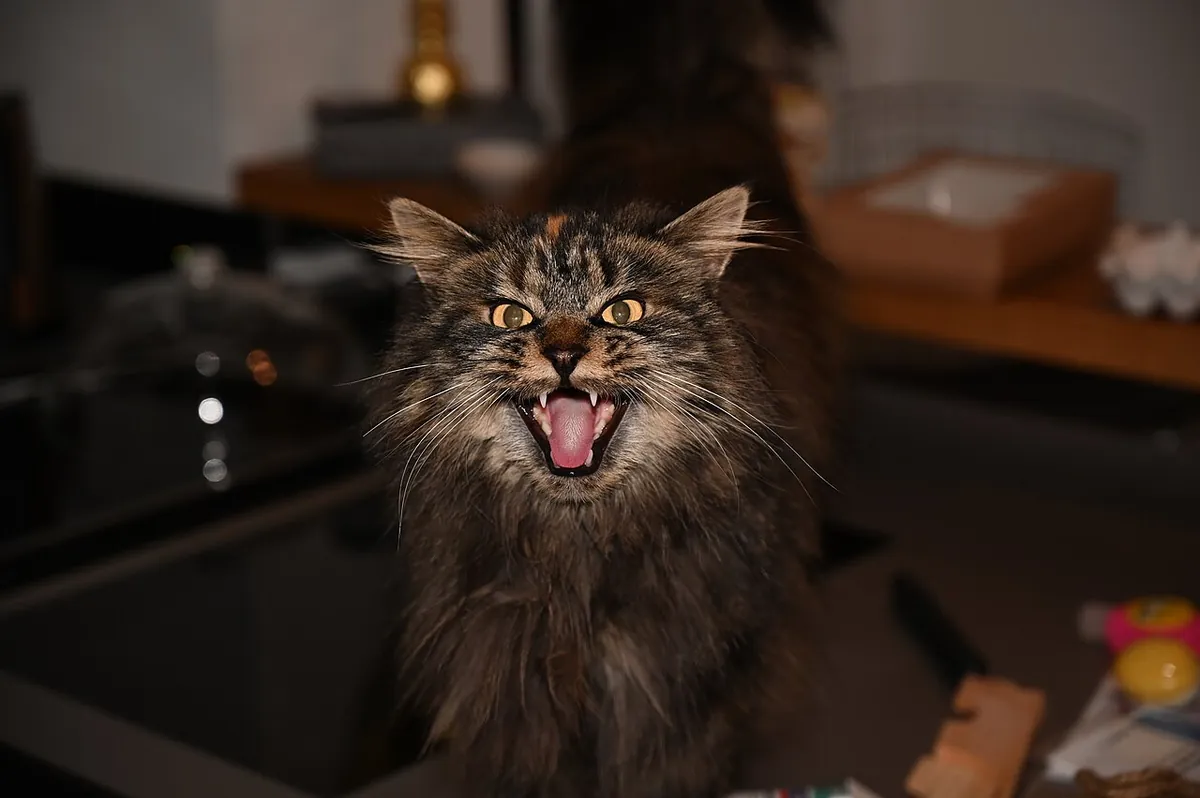
Once you know the sounds, the context usually tells you exactly what the chirp means.
The classic scene is the window. A bird lands on the sill, your Maine Coon freezes, pupils wide, and the chirping starts. That is the hunting brain lighting up. Owner videos of Maine Coons “talking” to magpies and backyard birds are hugely popular because every other Maine Coon owner recognizes the scene.
Mealtimes are another hotspot. Mine trill at me in the kitchen with real urgency, weaving between my legs like tiny supervisors. The destination is always the food bowl, and once you answer that trill, you will hear it before every meal forever.
Door greetings are the sweetest context. I get a trill, sometimes a whole string of chirrups, when I come home. Owners across Instagram and Facebook describe the same ritual: one owner’s silver tabby narrates his entire outdoor time with chirps, trills, and “mrrp” sounds.
Play brings it out too: feather toys, laser pointers, anything that moves like prey. Some cats even vocalize when bringing you things. Owner videos show Maine Coons carrying toys around the house making deep, throaty churrs, especially at night. Part pride, part announcement.
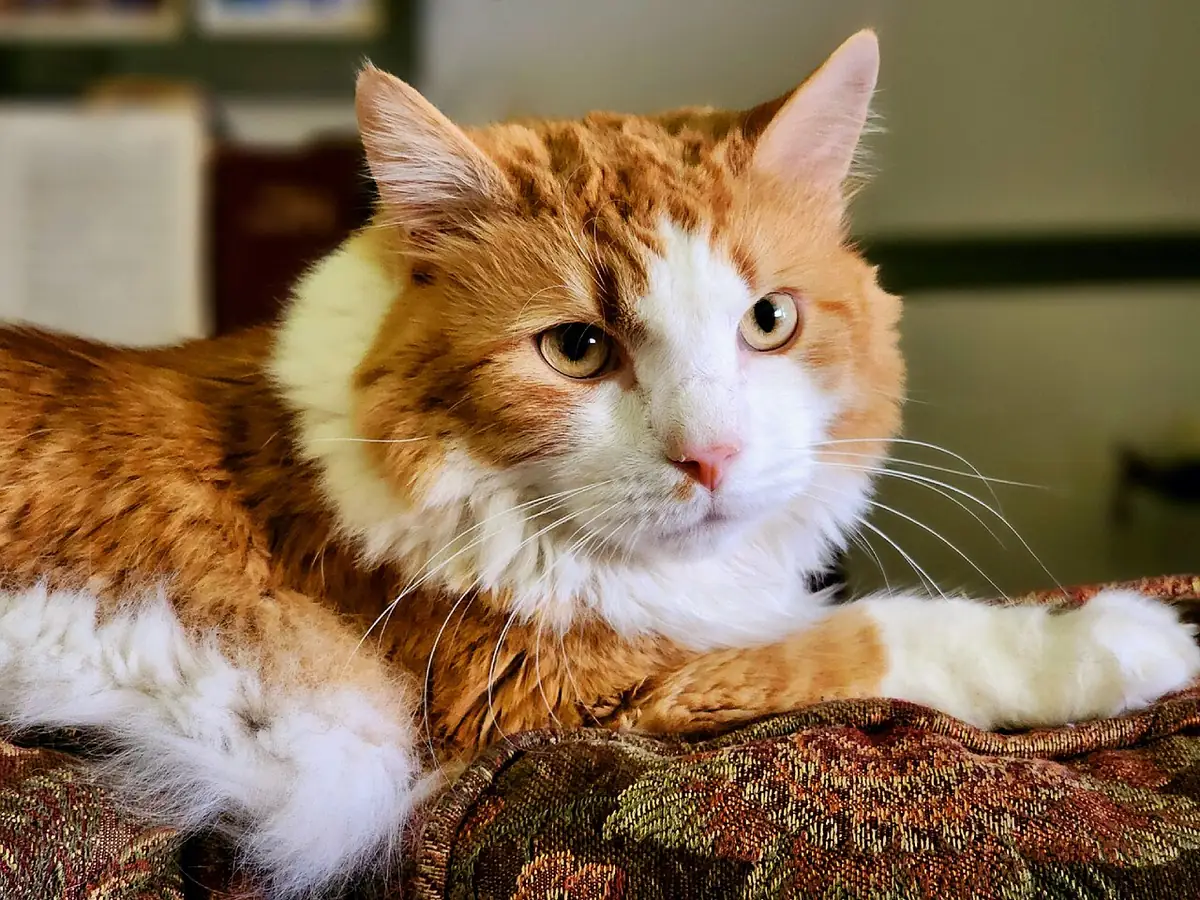
Do All Maine Coons Chirp?
Not all of them. Chirping and trilling are strongly associated with the breed, but they are not universal. A Cornell veterinary behaviorist has noted that any cat can chirp or chatter and that it is more an individual personality trait than a strict breed tendency. Owner reports back this up: most Maine Coons are chirpers, but some are nearly silent.
One of mine is a constant commentator who trills at sunbeams; another communicated mostly through meaningful stares. On a cat forum, one owner described her Maine Coon’s “meow” as coming out as a squeak, which other owners found completely normal. Kittens often find their voices as they grow, so give a quiet kitten time.
Chirping vs. Meowing vs. Yowling: The Quiet Giant’s Profile
Here is what surprises first-time owners most: for all their chirping, Maine Coons have famously soft, quiet full meows. There is a running joke among owners, all over social media, about the mismatch: a twenty-pound cat with the voice of a kitten. One popular video captioned “big cat, little eks” shows a huge orange Maine Coon making tiny chirps, and the comments are pure delight at the contrast. It is the breed’s signature party trick.
Think of it in layers. Chirps and trills are the daily conversation: greetings, requests, commentary. The soft meow is the polite ask, used sparingly. The yowl is the alarm bell, and it means something is wrong or the cat feels strongly about something. Loud, drawn-out yowling, especially at night, is a different category from chirping entirely. I have written separately about what to do when your Maine Coon cries through the night if that is what you are hearing, since yowling can signal stress, loneliness, or pain and deserves attention rather than amusement.
The takeaway: a Maine Coon that chirps and trills all day is a happy, chatty cat. That is simply how this breed talks.
When a Change in Sound Means a Vet Visit
Chirping itself is never a problem. But changes in vocalization can be. The Cornell veterinary behaviorist’s guidance is direct: any change in behavior, including vocalization, should alert an owner to seek veterinary advice, because cats may vocalize when ill, distressed, or in pain.
Watch for the shifts: a quiet cat that suddenly vocalizes constantly, a chatty cat that goes silent, a chirp that turns into a strained cry. Chattering with no bird, toy, or visible trigger can occasionally signal dental discomfort rather than excitement, some vets note. I am not diagnosing anything, just passing along what the experts say to watch for.
If your cat’s sounds change suddenly, or the new sounds come with hiding, appetite loss, or breathing differences, call your vet. You know your cat’s normal soundtrack better than anyone. Trust it. For a broader picture of what to monitor as your cat ages, my guide to Maine Coon lifespan and health issues covers the conditions this breed is prone to.
Frequently Asked Questions
Why do Maine Coons chirp at birds?
The leading explanation is hunting instinct. When a Maine Coon watches a bird through the window, behaviorists read the chirping and jaw-chattering as excitement, intense focus, and frustration at not reaching the prey. The TICA president has described it as the cat’s hunting instincts taking over, and one theory holds that the chirp may mimic prey sounds. It is normal, healthy, and one of the most entertaining things about the breed.
What does it mean when my Maine Coon trills at me?
A trill is almost always friendly. PetMD calls it one of the most amicable feline vocalizations, used for greetings and social bonding. In my experience it means hello, thank you, or follow me: toward the kitchen means you are being summoned, at the front door means you are being welcomed home.
Is chattering the same as chirping?
They are related but different. A chirp is a short, birdlike vocal sound. Chattering is the rapid jaw-clicking “ek-ek-ek” reflex when a cat is locked onto prey it cannot reach, usually produced without the vocal cords. Chirping is generally a happy, social sound; chattering is the hunting brain in overdrive.
Do all Maine Coons chirp and trill?
Most do, but not all. It is an individual personality trait as much as a breed trait. Some Maine Coons are constant commentators, others are quiet, and a few have meows that come out as squeaks. Kittens often develop their vocal habits as they grow. A quiet Maine Coon is not broken; it just communicates differently.
Should I worry if my Maine Coon suddenly vocalizes more, or stops chirping?
A sudden change is worth a vet call. Experts at Cornell advise that any change in vocalization should prompt a veterinary visit, since cats vocalize when ill, distressed, or in pain. Extra chirping is usually just excitement, but a brand-new pattern paired with hiding or appetite changes deserves a professional opinion.
The Bottom Line
Why do Maine Coons chirp? Because they are hunters who greet like friends. The chirp is the old farm-cat hunting software running in a modern living room. The trill says hello, follow me, and thank you. The chatter is pure predatory focus with nowhere to go.
For more on how these sounds fit the breed’s character, my guide to Maine Coon personality traits goes deeper into what makes these cats such devoted companions. And if this chatty giant sounds like your kind of cat, read why Maine Coons make good pets. For the veterinary take on feline sounds, PetMD’s guide to cat noises and VCA’s article on feline vocalization are both excellent.