Best Litter Boxes for Maine Coons (Big Cat Guide)
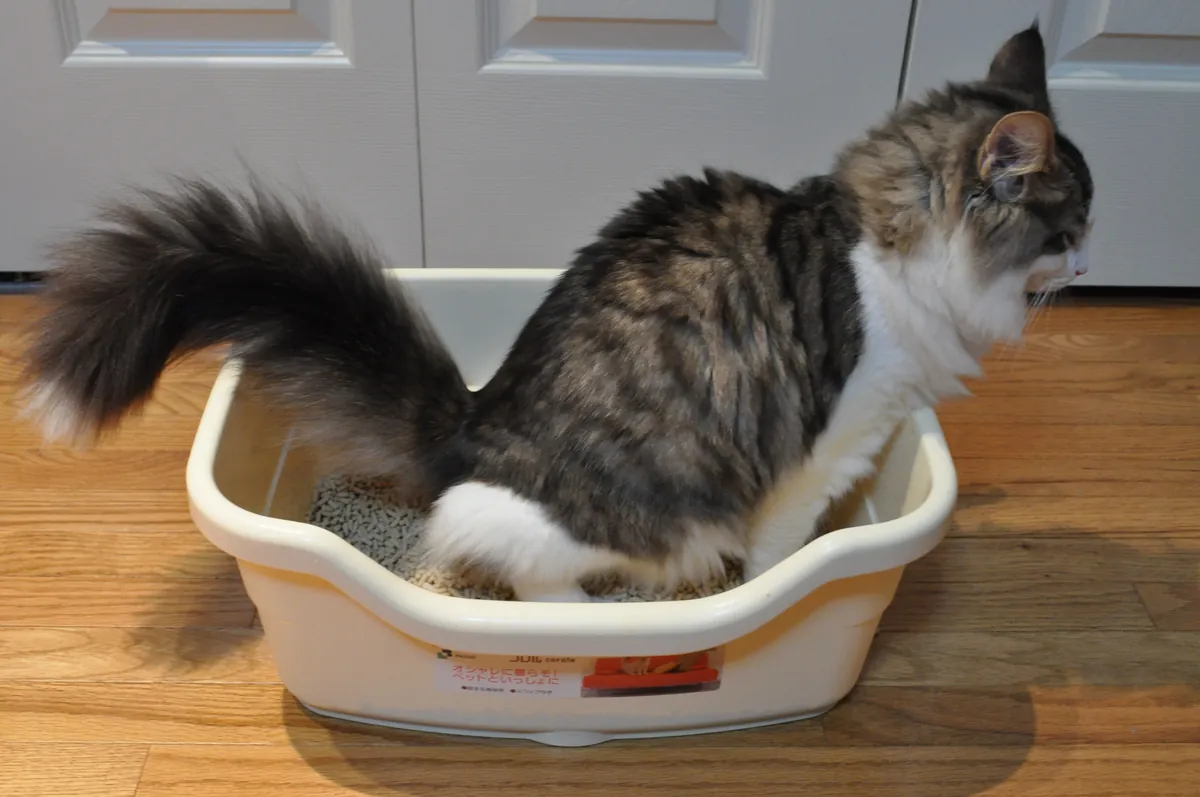
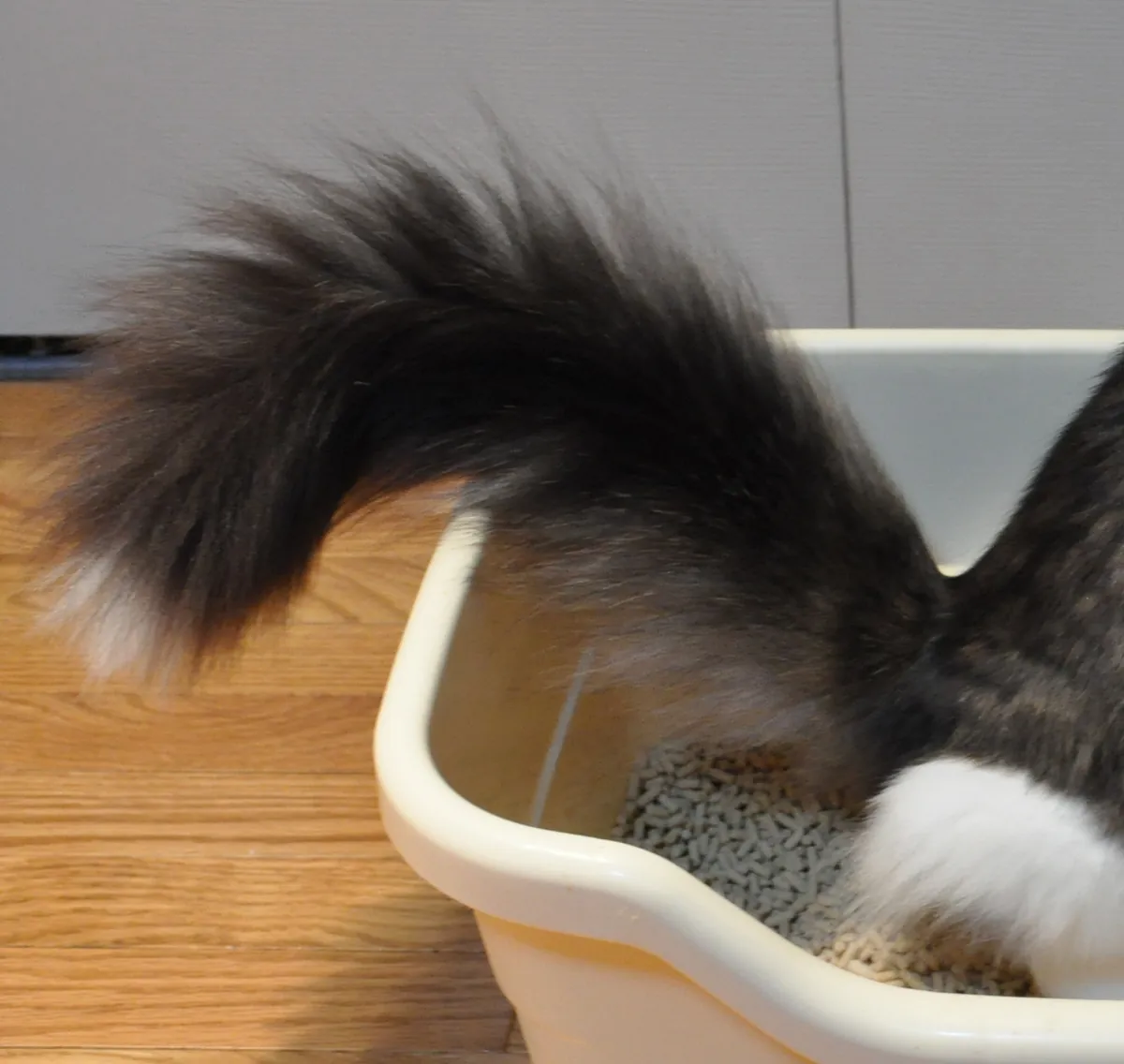
The first litter box I bought for my Maine Coon lasted about four months. It was a standard jumbo, the biggest the pet store carried, and my girl sat in it like a ship in a bathtub. Her back end hung over the edge and her tail swept litter onto the floor with every turn. That day taught me: the best litter box for Maine Coon cats is not about brands or price. It is about size, shape, and how a big, long digger actually uses a box.
I have lived with Maine Coons for years and made every mistake so you do not have to. I have also read hundreds of owner comments in Maine Coon Facebook groups and on Reddit, where litter box threads are hugely popular. Here is what I have learned.
Why Maine Coons Need Bigger Boxes Than You Think
Maine Coons are one of the largest domestic cat breeds, and they keep growing long after a regular cat stops. The Cat Fanciers Association notes that males average 12 to 15 pounds with some reaching 20 pounds or more, females run 9 to 12 pounds, and the breed is slow to mature, often not fully developed until three or four years of age. That slow growth is what catches people off guard: the box that fits your one-year-old can be a joke by age three. For a sense of scale, see my Maine Coon size comparison.
The veterinary rule of thumb: a box should be at least 1.5 times your cat’s length, nose to tail base. For most adult Maine Coons, that means a box at least 24 inches long and 18 inches wide, and bigger is better. Most boxes sold as jumbo fall short.
An undersized box causes real problems. A cat that cannot turn around comfortably will hang its backside over the edge, eliminate against the wall, or avoid the box entirely. Owners on Reddit say it constantly: a cat peeing over the side is almost always a size problem, not a behavior problem. Also watch weight as your cat fills out, since Maine Coons are masters of looking bigger than they are. Is my Maine Coon overweight helps you tell breed-typical heft from actual extra pounds.
What Is the Best Litter Box for Maine Coon Cats? A Style-by-Style Guide
No single best litter box for Maine Coon cats suits every cat. Match a style to your cat’s habits instead.
Open-top boxes
A large open box is the safest all-around choice, and it is what most owners end up with after trying everything else. Open pans give room to turn and dig, ventilation keeps ammonia down, and you can see everything at a glance when scooping. The trade-off is mess: Maine Coons are vigorous diggers, so fix scattering with high sides or a big litter mat rather than jumping to a covered box.
High-sided boxes
High-sided boxes are the community favorite. Walls around 8 to 10 inches high contain enthusiastic digging and catch the high-arc urination that happens when a long cat stands near the edge. In one Facebook thread with over 200 comments, owners of very large Maine Coons kept naming high sides the single most important feature. The trade-off: kittens, seniors, and arthritic cats can struggle with tall walls, so the best designs have three high sides and one low entry side.
Covered (hooded) boxes
Covered boxes are the most divisive style for this breed. They contain odor and scatter, but they trap ammonia inside the hood and restrict headroom, and big cats tend to reject them faster than smaller cats. If you try one, it must be genuinely jumbo, with a tall roof and a large doorway. Some Maine Coons use them happily for years. Others treat the hood like an insult. It is a personality call.
Top-entry boxes
Top-entry boxes are a clever middle ground. The cat jumps in through a hole in the lid, which catches litter off paws on exit and contains digging almost completely. For a young, agile Maine Coon this works beautifully. The catch is mobility: a senior with stiff joints will not want to hop through the roof, so plan for a transition later.
Automatic (self-cleaning) boxes
The community is genuinely split here. Breeders on Instagram and Facebook who run catteries praise the odor control, the safety sensors that pause the cycle when a cat is inside, and app tracking that logs visit frequency. But check weight capacity and interior dimensions: a unit rated for large cats can still feel cramped, and several owners say the noise or motion spooked their cats at first. Keep a regular box available during the adjustment period.
The DIY storage-tote solution
This is practically a tradition in the Maine Coon community. When commercial boxes are not big enough, owners buy a large storage tote and cut a doorway into one side. One owner in a Facebook group built one roughly 34 inches long for her 29-pound Maine Coon, and the comments exploded with agreement. Cheap, enormous, and effective. Sand the cut edges smooth and keep one side low for easy entry.
Litter Depth and Type for Long-Coated Big Cats
Aim for about 3 inches of litter. Maine Coons dig hard, and a shallow layer gets scraped to the plastic, making clumps stick and the box harder to clean.
Low-dust litter matters more with a big cat: more litter surface, more vigorous digging, bigger lungs right above it. Community owners lean toward larger-grain litters or natural pellets, because fine clay granules catch in long fur and travel around the house. Since Maine Coons shed a fair amount, anything that reduces tracking helps. Skip scented litters: many cats find strong perfumes off-putting.
How Many Boxes and Where to Put Them
One box per cat, plus one extra. A single Maine Coon gets two boxes, especially in a multi-level home. VCA’s housetraining guidance backs this up: one box per floor, near favorite resting spots, never next to food or water.
- Quiet and low-traffic. Cats want to do their business undisturbed.
- Away from food and water. Instinct, not fussiness.
- Easy to reach for seniors. Stairs get harder with age, so a ground-floor box near nap spots matters.
- Escape routes. In multi-cat homes, do not wedge a box in a dead-end corner where one cat can ambush another. VCA warns that ambushed cats develop house-soiling problems.
Big-Cat Litter Box Problems and Fixes
Hanging over the edge. The cat is in the box but its back end is not. Classic too-small signal. The fix is a bigger box, not a scolding.
Litter everywhere. Vigorous digging plus a shallow pan equals a sandbox floor. Move to a high-sided box, add a large litter mat, and consider top-entry for a young, spry cat.
Tracking through the house. Long fur carries litter like a broom. Larger-grain or pellet litter tracks less, a mat catches the rest. Check the paw area when you brush your cat.
Missing the box entirely. Work the checklist: is the box big enough, clean, has the litter changed, is the cat stressed, anything medical? Cornell lists medical problems, box aversions, and location issues as the main drivers of house soiling, noting pain or urgency can make a cat miss the box. Fix the environment first, but if it persists, call your vet.
Kitten needs differ. Young kittens need walls no more than 2 inches high; kittens over 3 months can handle 3 to 4 inches. Since Maine Coons keep growing until around age three or four, upgrade the box over time. More on early setup in my Maine Coon kitten care guide.
Cleaning Routine
Scoop at least once a day, ideally twice with more than one cat. Waste volume is higher and odor builds faster with a large cat, so skipping a day is noticeable. Do a full litter change and wash with warm soapy water regularly. Scratched plastic holds odor, so when the box smells even after washing, replace it rather than scrub harder.
When Litter Box Changes Mean a Vet Visit
Do not wave changes away. Call your vet promptly for straining, crying in the box, blood in urine, big changes in frequency, or suddenly avoiding a box that was fine. Cornell is clear that urinary inflammation, kidney and thyroid disease, and diabetes can all show up as litter box changes, and age-related mobility problems can interfere with getting there in time. I am not a vet, but when in doubt, get it checked. For the bigger health picture, see my Maine Coon lifespan and health issues article.
Frequently Asked Questions
What size litter box does a Maine Coon need?
At least 1.5 times your cat’s nose-to-tail-base length: usually 24 inches or longer and 18 inches wide for an adult. Recheck yearly, since they grow until age three or four. Back end hanging over the edge means the box is too small.
Can a Maine Coon use a covered litter box?
Some can, but many dislike them. Covered boxes trap odors and restrict headroom, which big cats tend to reject. If you try one, make it genuinely jumbo with a tall roof and big doorway. An open high-sided box is the safer default.
How many litter boxes do I need for one Maine Coon?
Two. One box per cat plus one extra, in different spots. In a multi-level home, at least one box per floor.
What is the best litter for a Maine Coon?
Unscented and low-dust. Many long-coat owners prefer larger-grain litter or natural pellets, which track less and do not cling to fur like fine clay granules. Keep it about 3 inches deep.
Is an automatic litter box worth it for a Maine Coon?
It can be, but verify weight capacity and interior size, and know some cats are frightened by the cleaning cycle. Breeders praise the odor control and usage tracking. Keep a regular box available while your cat adjusts.
Final Thoughts
The best litter box for Maine Coon cats is not a brand name. It is a big, roomy, easy-to-clean box your cat actually wants to use, filled with litter deep enough to dig in, placed somewhere quiet, and scooped every day. Get the size right and most classic big-cat problems never start. Go bigger than you think you need, and your cat will thank you by using it perfectly.