Polydactyl Maine Coons: Extra Toes Explained
The first polydactyl Maine Coon I ever held put both front paws on my hand, and my hand practically disappeared. Those paws were wide, warm, and oddly hand-like, with a little thumb sticking out at the side. A polydactyl Maine Coon is simply a Maine Coon born with extra toes, and once you have seen those mitten paws up close, you never forget them. They are part of this breed’s history, and for a lot of us, part of its charm.
What Is a Polydactyl Maine Coon?
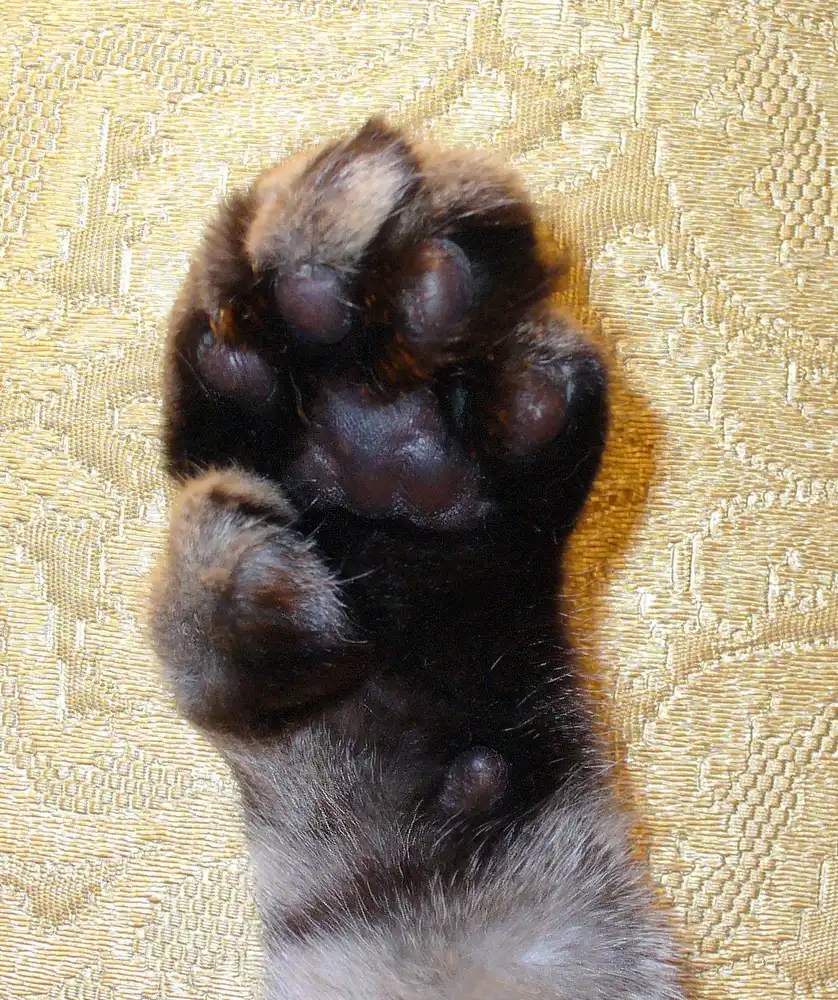
A normal cat has 18 toes in total: five on each front paw and four on each back paw. A polydactyl cat has more than that. The word itself just means many digits.
In Maine Coons, the extra toes usually turn up on the front paws, on the inside edge where a thumb would sit. That gives you the two looks owners talk about most:
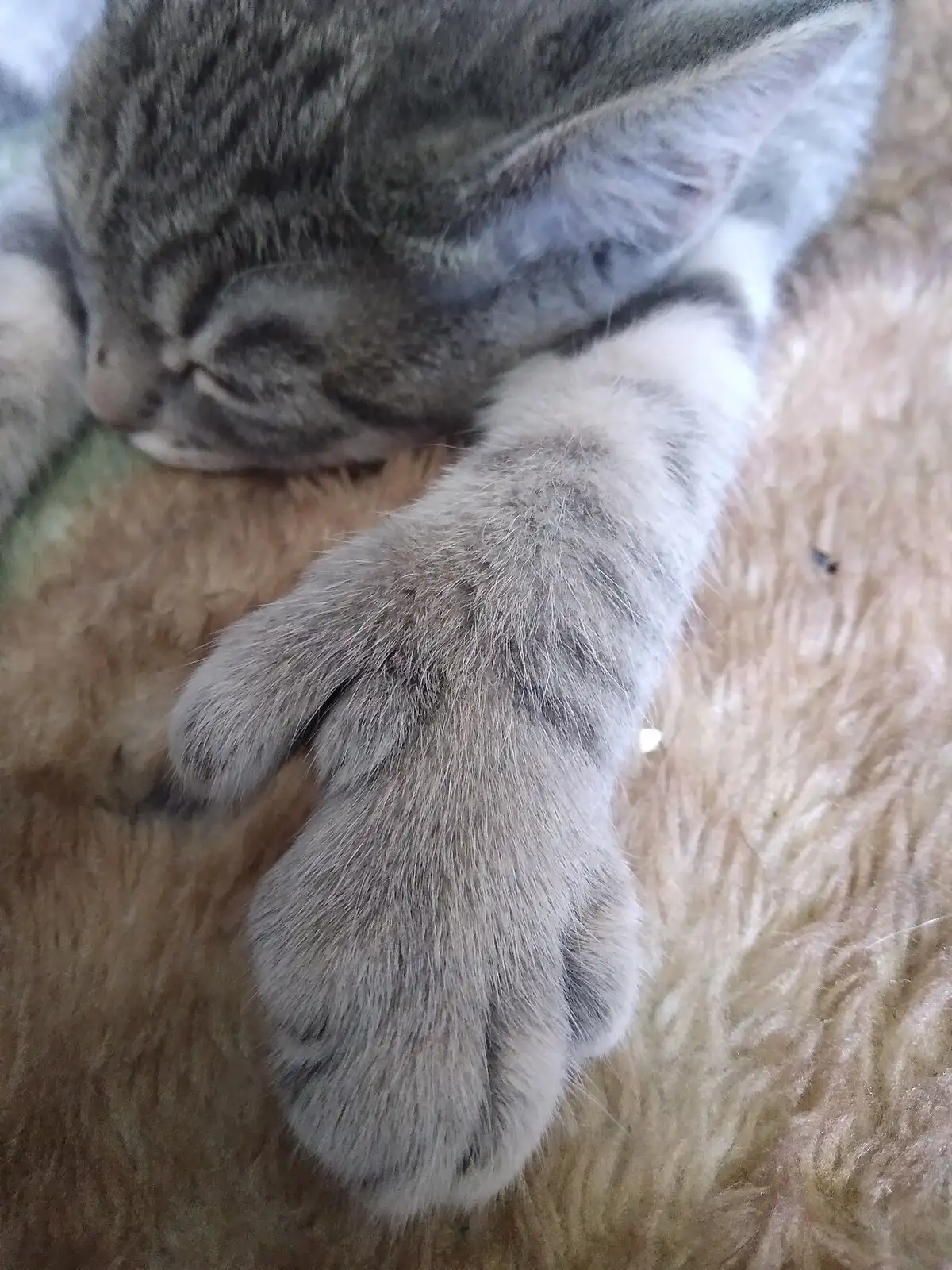
- Mitten paws. One extra toe sticks out to the side, separate from the rest, so the paw looks like a little mitten with a thumb. This is the look people mean by cats with thumbs.
- Patty or snowshoe paws. The extra toes sit in line with the others and simply make the whole paw rounder, wider, and bigger. On a cat that is already large, these paws can look enormous. If you have seen our Maine Coon size comparison, imagine that same big frame standing on even broader feet.
Some cats are polydactyl on the front paws only, some on all four feet, and the numbers do not have to match from paw to paw. Owners on Instagram and Facebook post close-ups of this all the time, counting toe beans like they are dealing cards, and no two sets ever seem to match. The extra toes are real toes, with their own pads and claws, and they do not stop the cat walking, climbing, or getting into the usual Maine Coon trouble.
The Genetics Behind the Extra Toes
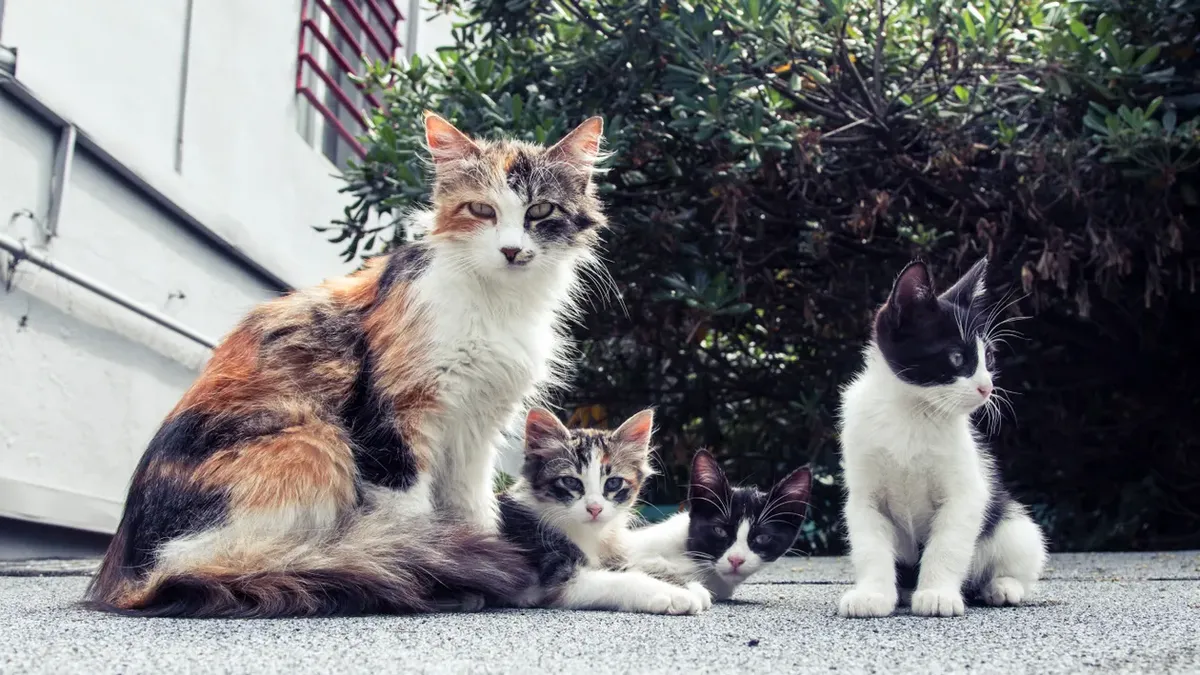
Polydactyly in cats is passed on as a dominant trait. In plain terms, a kitten only needs to inherit the gene from one parent to be born with extra toes. A kitten with two non-polydactyl parents will not suddenly turn up polydactyl, and a polydactyl parent bred to a normal-footed cat can still produce a mix, some kittens with extra toes and some without.
Dominant sounds all or nothing, but breeders on YouTube describe litters where one kitten has big obvious thumbs, a brother has one small extra toe tucked in, and a sister has normal paws. Geneticists call that variable expression: the gene shows up differently in each kitten. Sex has nothing to do with it, and neither does coat. A polydactyl kitten can be any color in our guide to what colors Maine Coon cats have.
Barn Cats, Ship Cats, and a Lot of Maine Snow
Extra toes are not a new fashion in this breed. TICA’s own breed history notes that polydactyl paws were common in the original Maine Coon population, and nobody is quite sure whether the trait arrived from overseas or developed in North America. You can read more of that early story in our piece on the Maine Coon breed’s origin and history.
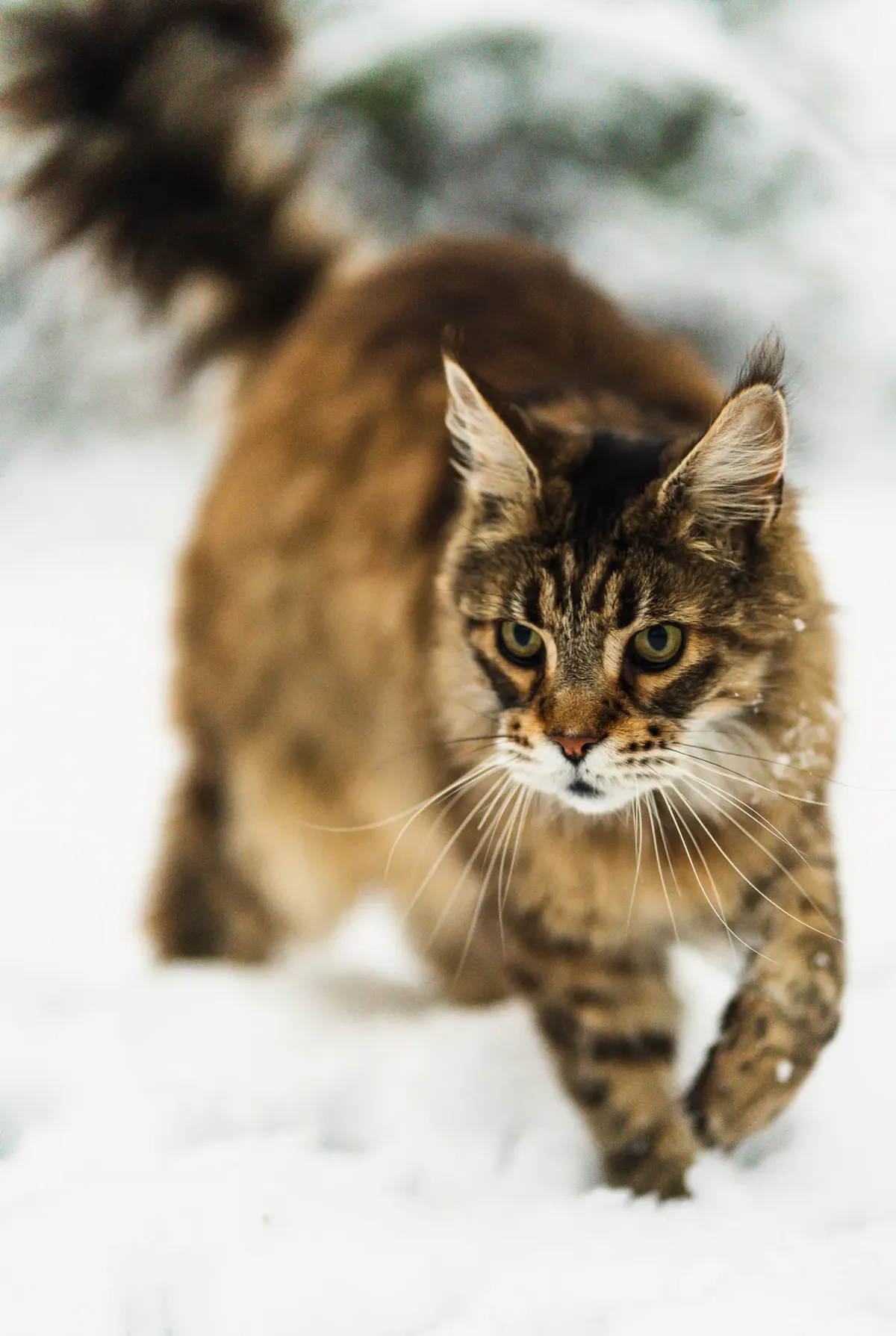
The old explanations make sense as stories, even if we should hold them lightly. In snowy Maine, a wider paw spreads a heavy cat’s weight, a bit like a snowshoe, so people say these cats coped better in deep snow. On farms, big paws made for a better mouser. Sailors, so the lore goes, liked them on board, thought them lucky, and believed the extra toes helped them balance on a rolling deck. Cats travelled, ports traded cats as well as cargo, and a dominant gene does the rest. How much is history and how much dockside storytelling is hard to untangle, and I would rather enjoy it as lore than repeat it as fact.
The same goes for the Hemingway cats in Key West. Ernest Hemingway was, by the well-known account, given a polydactyl cat by a ship’s captain, and polydactyl cats still live at his old home there. Hemingway cat is now a nickname for any polydactyl cat, whatever the breed. Those cats were not Maine Coons as such, but the story helped make extra toes famous. PetMD’s overview of polydactyl cats covers that nickname and how the trait is inherited.
Can a Polydactyl Maine Coon Be Shown?
This is where the two big registries part company, and it confuses buyers.
TICA, The International Cat Association, recognises these cats in their own right. In 2015 polydactyl Maine Coons were given their own breed name, Maine Coon Polydactyl, in the same breed group as the Maine Coon, and they can be registered and shown under that standard. TICA allows different expressions, from a single extra dewclaw to extra toes on each foot, without preferring more over fewer. See its Maine Coon Polydactyl breed page.
CFA, the Cat Fanciers’ Association, takes the other view in the show ring. Its Maine Coon breed standard lists an incorrect number of toes as a disqualification, so a polydactyl cat cannot compete as a show Maine Coon there. The CFA Maine Coon breed page sets out that standard in full.
Neither position changes what the cat is at home. A polydactyl Maine Coon who will never see a show bench is still a Maine Coon. If showing matters to you, ask a breeder which registry they work with before you fall in love. Owners on Reddit ask this over and over, usually after they have already fallen in love, and by then the answer rarely changes their mind.
Living With Extra Toes: What Owners Notice
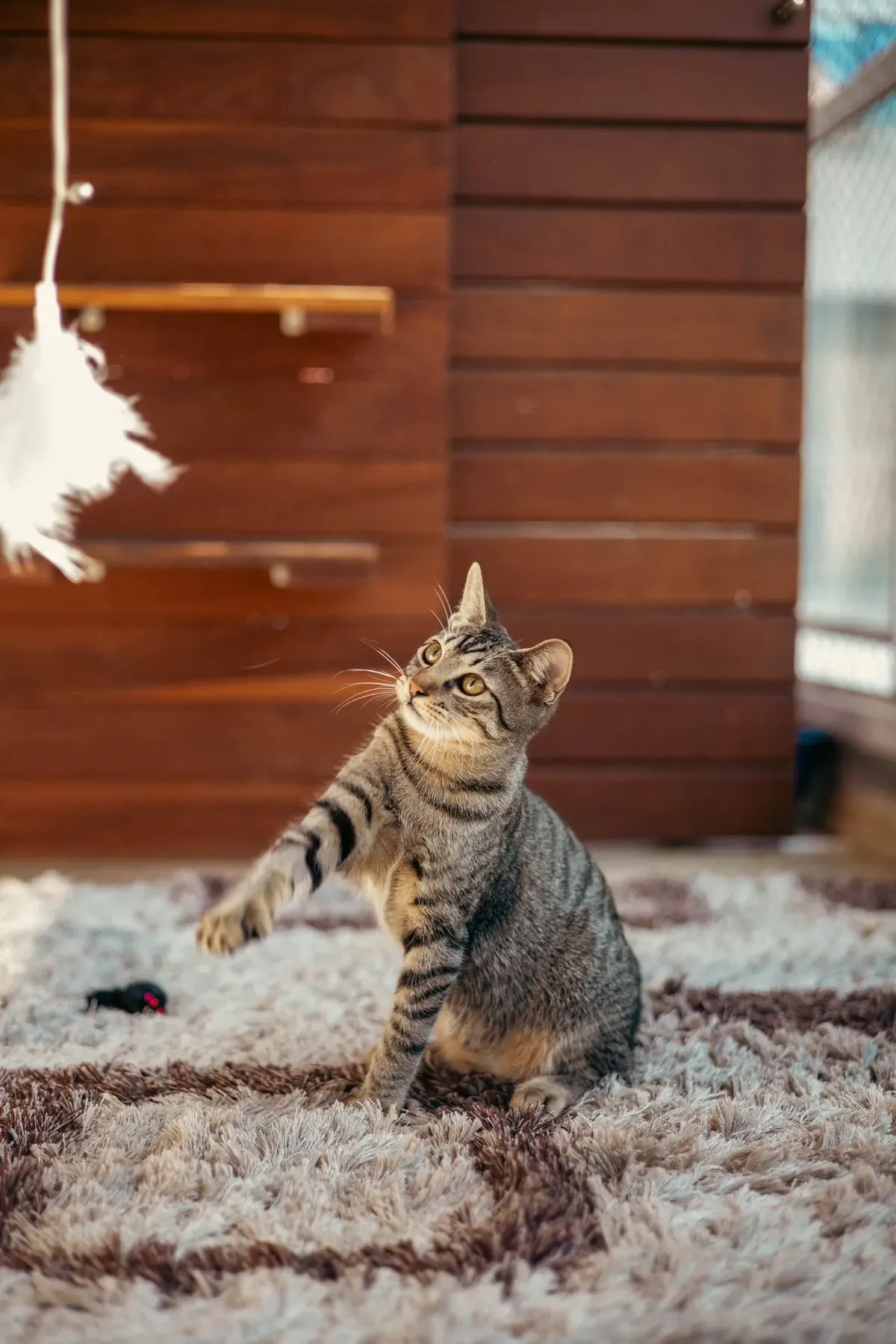
Talk to polydactyl owners for five minutes and the stories start. Owners on Reddit say their cats scoop up toys in one paw and hold them like a person holding an apple. People in Facebook groups swear their mitten-pawed cats have learned to work door handles, open cupboards, and fish treats out of places a normal paw could not reach. Breeders on YouTube recommend getting kittens used to having every toe handled early, precisely because those paws will need nail care for life.
How much of that cleverness is the toes and how much is a busy Maine Coon being a Maine Coon, I cannot separate. But a mitten paw wrapped around a feather wand, or patting your wrist for attention, does feel deliberate, and it makes visitors laugh.
Extra toes do not add a new personality. Your polydactyl will still follow you to the bathroom, chirp at birds, and help with paperwork by sitting on it. That is just the breed, as anyone who has read about Maine Coon personality traits will recognise. The myth that polydactyl cats are extra friendly or extra naughty seems to come from people crediting the toes for a much-loved cat’s character. The toes are memorable. The personality is Maine Coon.
Health: Mostly Harmless, With One Thing to Know
For the usual form, the news is good. VCA Animal Hospitals notes that cats can be born with extra toes, that the trait can be passed on, and that it is not usually harmful, though nail trimming can take a little longer: VCA’s facts about cats, including polydactyly. That matches owner experience: these cats run and jump on those paws without thinking about them.
One separate condition is worth knowing about, because the names get mixed up online. Radial hypoplasia is a different problem in which the main bone in the foreleg is underdeveloped or missing, so the front legs are short or twisted and the cat may sit up like a squirrel. That is not ordinary polydactyly. A normal polydactyl cat has normal-length legs and walks normally. If a kitten’s front legs look short or twisted, that needs a vet, who can tell the difference, sometimes with an X-ray. Cats with that condition should not be bred from.
Rarely, an extra toe causes trouble on its own, usually when a tucked-in claw grows oddly and digs in. Limping, chewing at a paw, a bad smell, or swelling are reasons to get it looked at promptly. Most polydactyl cats never need anything done to their toes, and removing healthy toes is not routine care.
Care Notes for Extra Toes
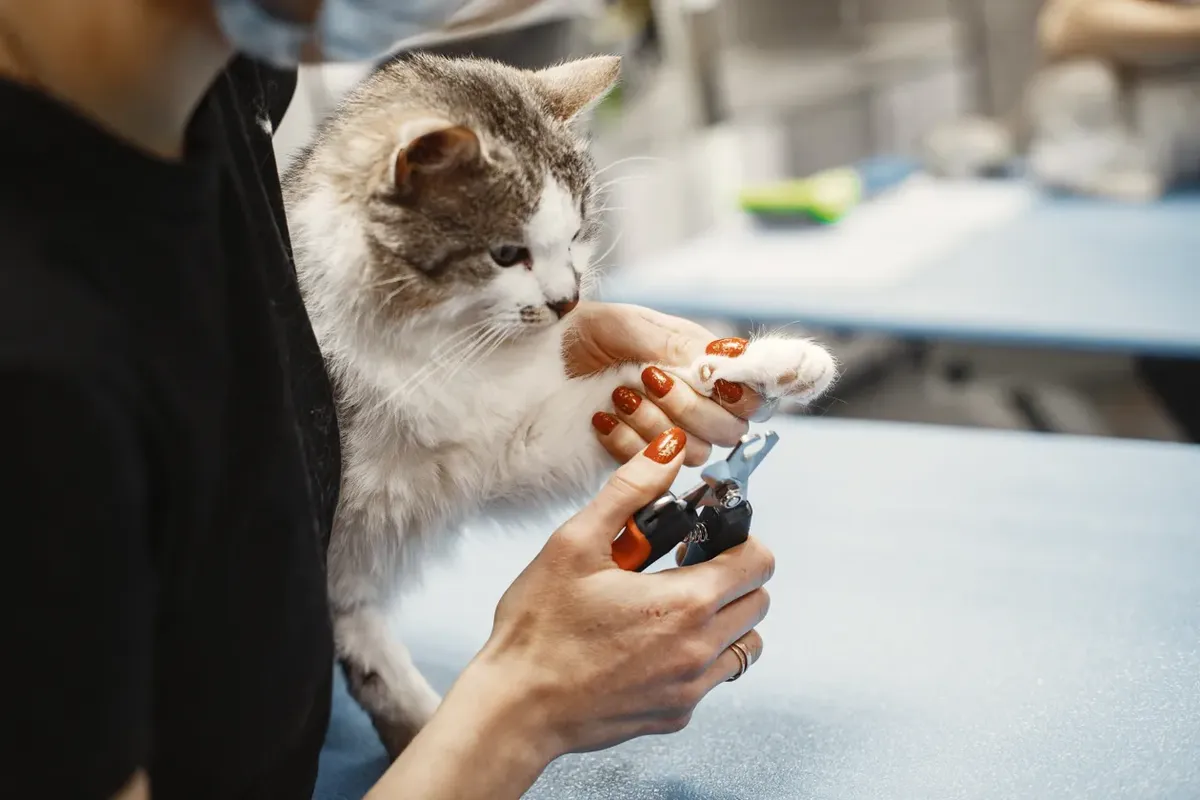
Day to day, a polydactyl Maine Coon needs the same care as any other Maine Coon, plus a few extra minutes spent on paws:
- Trim every nail, including the extras. This is the big one. Some extra claws, especially ones tucked between the thumb and the main paw, barely touch the ground or a scratching post, so they do not wear down. Left alone, one can curve and press into the pad. Go toe by toe, count as you go, little and often.
- Check between the toes. Extra toes make extra gaps, and gaps collect litter, dust, and loose fur. A quick look and a gentle wipe while trimming saves soreness later. Paw tufts trap things too, so part the fur and look.
- Keep scratching options handy. A tall, sturdy post helps keep the main claws in shape. It will not wear down the tucked-in extras, which is why trims still matter.
- Handle paws from kittenhood. Touch each toe, press gently to extend the claw, then reward the cat. Owners in cat forums say cats handled as kittens sit through trims as adults without a fuss, and that has been my experience too.
- Watch the walk. A new limp, a paw held up, or a cat going quiet about jumping is worth checking, first between the toes yourself, then with the vet if you cannot see a simple cause.
None of this is hard. It is just thorough, and thorough is what these paws ask for.
Frequently Asked Questions
Are all Maine Coons polydactyl?
No. Polydactyly was common in the early Maine Coon population, but most Maine Coons today have the normal number of toes. A polydactyl Maine Coon is the same breed with one extra inherited trait, not a separate kind of cat in the home.
Is being polydactyl painful for a Maine Coon?
Not in itself. The usual extra toes are fully formed and the cat walks on them normally. Pain usually points to a practical problem, such as an overgrown claw curling into a pad, something stuck between the toes, or an injury, and that is worth a vet visit.
Will a polydactyl Maine Coon’s kittens have extra toes?
They can. The trait is dominant, so only one parent needs to carry it. A polydactyl parent bred to a normal-footed cat can produce a mixed litter, with some polydactyl kittens and some with normal paws, and the number of extra toes can vary from kitten to kitten.
Can polydactyl Maine Coons compete at cat shows?
It depends on the registry. TICA recognises the Maine Coon Polydactyl as its own breed in the Maine Coon breed group and allows these cats to be shown. CFA lists an incorrect number of toes as a disqualification in its Maine Coon standard, so polydactyl cats cannot compete there.
Do extra toes need to be removed?
Almost never. Healthy extra toes are left alone. Surgery is only something a vet would discuss if a particular toe or claw was repeatedly causing pain, injury, or infection. Regular nail trimming prevents most of the problems owners actually run into.
Those big, thumby paws are not a flaw. They are a piece of what this breed was before show standards tidied it up, and they suit a cat built for snow, barns, and sitting in the middle of everything you are doing. Count the toes, keep nails trimmed, and enjoy the handshake.
IMAGE NEEDS