What Colors Do Maine Coon Cats Have?
Ask ten Maine Coon lovers what color their cat is and you might get ten different answers — and they could all be right. This breed comes in one of the widest ranges of colors and patterns in the cat world. The Cat Fanciers’ Association recognizes around 75–80 color and pattern combinations for Maine Coons, which is part of what makes choosing (or identifying) one so much fun.
I will walk you through how the colors work, what the official categories are, and what each one actually looks like — with photos, because descriptions only go so far.
Where Do Coat Colors Come From?
A cat’s color comes from melanin, the same pigment family behind human hair and skin color. Cats only produce two base pigments: black (eumelanin) and red (phaeomelanin). Every coat color you see — from silver to cream to chocolate — is a variation in how much of these pigments is produced and how densely the pigment granules are packed into each hair.
Three things decide the final result: how much pigment is made, how intense it is, and how densely it is distributed. White, meanwhile, is not a pigment at all — it is the absence of pigment, caused by a separate gene that masks color.
One fascinating consequence: the gene for red pigment lives on the X chromosome. That is why tortoiseshell and calico coats — which need both black and red — appear almost exclusively in females, who carry two X chromosomes. If you ever meet a male tortie, he is a genuine genetic rarity.
Maine Coon Colors and Patterns
Breeders describe a Maine Coon two ways: the color (the actual hue) and the pattern (how the color is arranged). The CFA groups Maine Coons into eight color classes: solid, tabby, tabby-and-white, smoke, shaded, tortoiseshell, bi-color, and parti-color. Here is what each means in plain English.
Solids
Solid Maine Coons are one even color from root to tip, with no markings, stripes, or patches. They are strikingly elegant — a solid black or solid white Maine Coon stops people in their tracks. The recognized solid colors:
| Color | What it looks like |
|---|---|
| White | Pure snow-white coat; pink nose and paw pads; eyes may be blue, gold, or odd-eyed (one of each) — see our guide to Maine Coon eye colors for what each shade means |
| Black | Deep jet-black coat; black nose leather and paw pads |
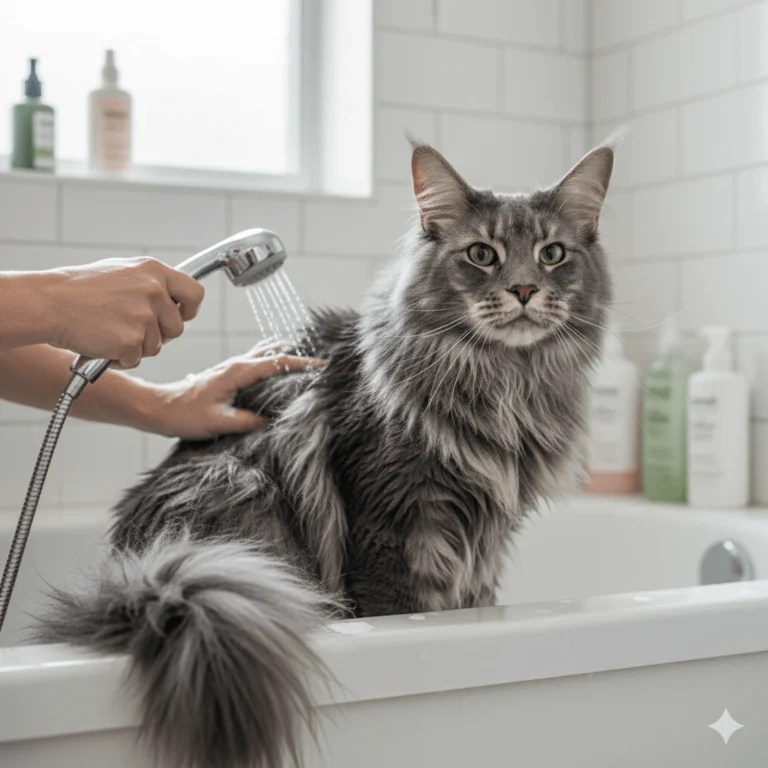
| Blue | Soft gray with a bluish cast; blue-gray nose and paw pads — see the blue Maine Coon guide |
| Red | Warm orange-ginger coat; brick-red nose and paw pads — see the orange Maine Coon guide |
| Cream | Pale, buff-cream coat with no markings; pink nose and paw pads |


Tabby
Tabby is not a color — it is a pattern, and it is the most popular and recognizable Maine Coon pattern in the world. Look for the hallmark “M” on the forehead, striped legs, and patterned cheeks. Tabbies come in four varieties:
Classic tabby
Bold, swirling marbled patterns on the sides — sometimes called “bullseye” markings — with an unbroken “necklace” across the chest and ringed tail.
Mackerel tabby
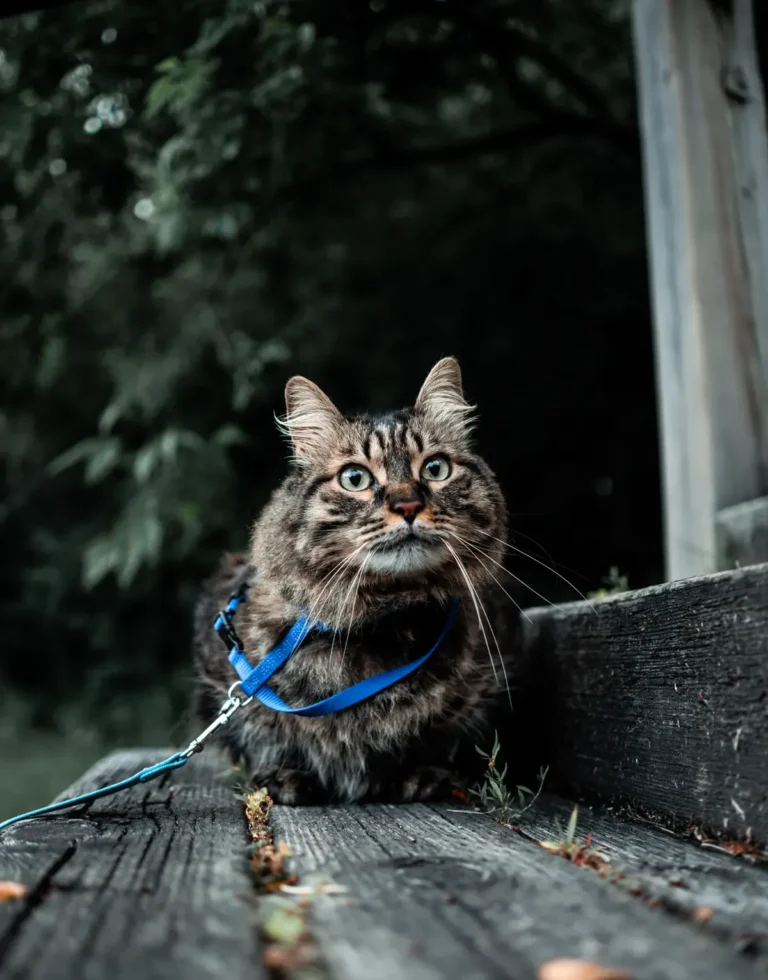
Narrow vertical stripes running down the body like a fish skeleton, with thin pencil lines from the head to the shoulders. This is the tabby most people picture.

Spotted tabby
The stripes break into spots. Less common than classic or mackerel in Maine Coons, but recognized and quite striking.
Ticked tabby
Individual hairs carry bands of light and dark color, giving a subtle salt-and-pepper effect with little visible striping on the body.


Tabby and White
Any of the tabby patterns above, plus white on the chest, paws, belly, or face. Silver tabby-and-white, brown tabby-and-white, and red tabby-and-white are all common and very photogenic.

Tortoiseshell
The “tortie” — a mottled patchwork of black and red (orange), sometimes with white. Named for its resemblance to tortoiseshell, this pattern is almost always female for the genetic reason explained above. Every tortie’s pattern is unique, like a fingerprint. When tabby striping runs through those tortie patches, the result is a torbie Maine Coon, a pattern we have given its own full guide.

Smoke
A smoke cat looks solid-colored until the fur parts: each hair is dark at the tip and pale — nearly white — at the root. When the cat moves, the lighter undercoat flashes through, giving that “smoke” effect. Black smoke is the most dramatic. Note that young smoke kittens can look almost solid; the contrast develops as the adult coat comes in. The silver Maine Coon family overlaps heavily with smokes and shaded silvers.

Shaded
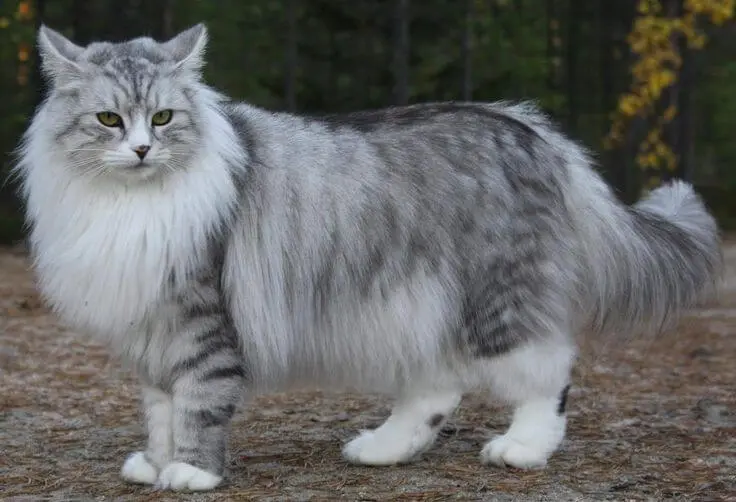
In shaded coats the color concentrates at the tips of the hairs and fades toward the skin, darkest along the back and lightening toward the belly. Shaded silvers — white undercoat with black tipping — are among the most sought-after and hardest to find.
Bi-color and Parti-color
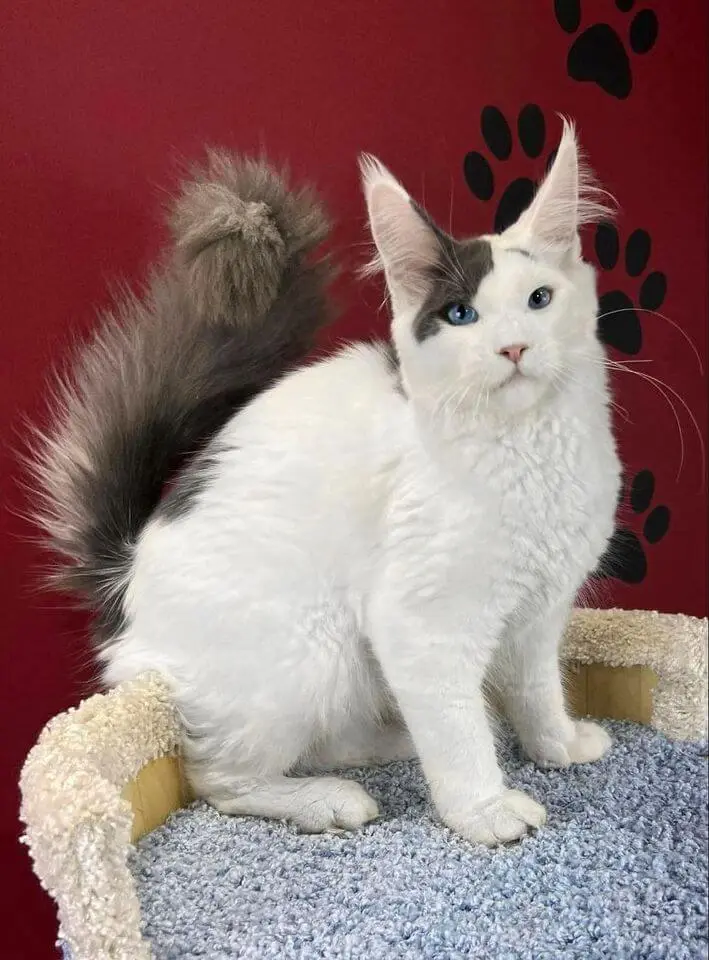
Bi-color means one solid color plus white — think black-and-white “tuxedo” patterns or blue-and-white. Parti-color covers the tortoiseshell family plus white, including tortie-and-white (“calico” type) and blue-cream. Blue-cream is the dilute version of tortoiseshell: soft blue-gray patched with cream.
A Note on “Rare” Colors
You will see breeders advertise certain colors as rare, and availability genuinely varies by region and bloodline. Solid reds and shaded silvers are frequently described as harder to find — but “rare” in cat breeding often just means “few breeders are producing it right now.” Color has no effect on health or temperament, so choose the cat, not the shade. For the official word on recognized colors, the CFA breed standard and TICA are the authorities.
Frequently Asked Questions
What is the most common Maine Coon color?
Brown tabby — the classic wild-looking striped coat — is by far the most common and is what most people picture when they think of a Maine Coon.
What is the rarest Maine Coon color?
It depends on who you ask. Breeders often cite solid red and shaded silver as the hardest to find, but availability shifts with breeding trends. No color is officially “rarest,” and color says nothing about the cat’s health or personality.
Can Maine Coons have white paws?
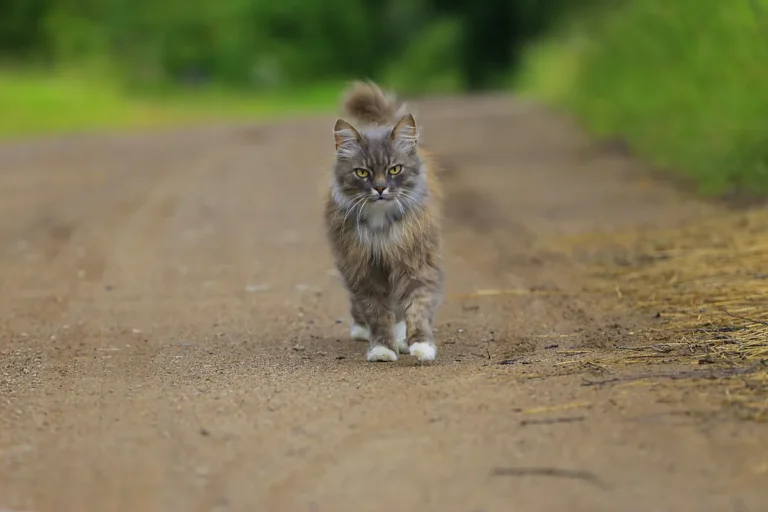
Yes — bi-color and tabby-and-white Maine Coons commonly have white paws, chests, and blazes on the face.
Are male Maine Coons bigger than females?
Yes, noticeably. Adult males typically weigh 13–18 pounds or more, while females usually run 8–12 pounds. Both keep maturing until around age three to five.