Why Does My Maine Coon Headbutt Me? Bunting, Explained
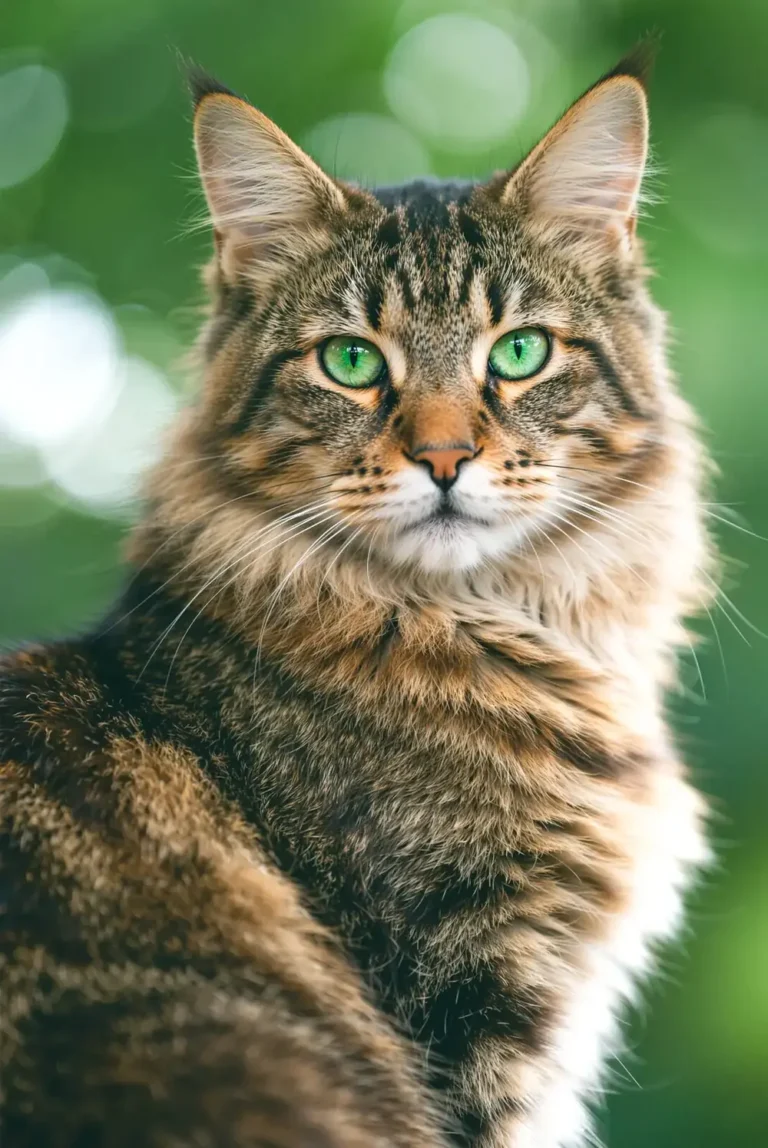
The first time my Maine Coon really headbutted me, I was sitting on the sofa and she walked straight over, planted her forehead against my chin, and pushed — a proper, deliberate shove, eyes half closed, purring like a small engine. If you have found yourself asking why does my Maine Coon headbutt me, you are not alone, and the answer is a good one. That firm little bump is called bunting, and it is one of the warmest things a cat can do.
A Maine Coon headbutt is not an accident, and it is not aggression. It is a greeting, a signature, and a compliment all at once.
Why Does My Maine Coon Headbutt Me? The Five Reasons
Most headbutts come down to five things, and usually more than one is true at the same time.
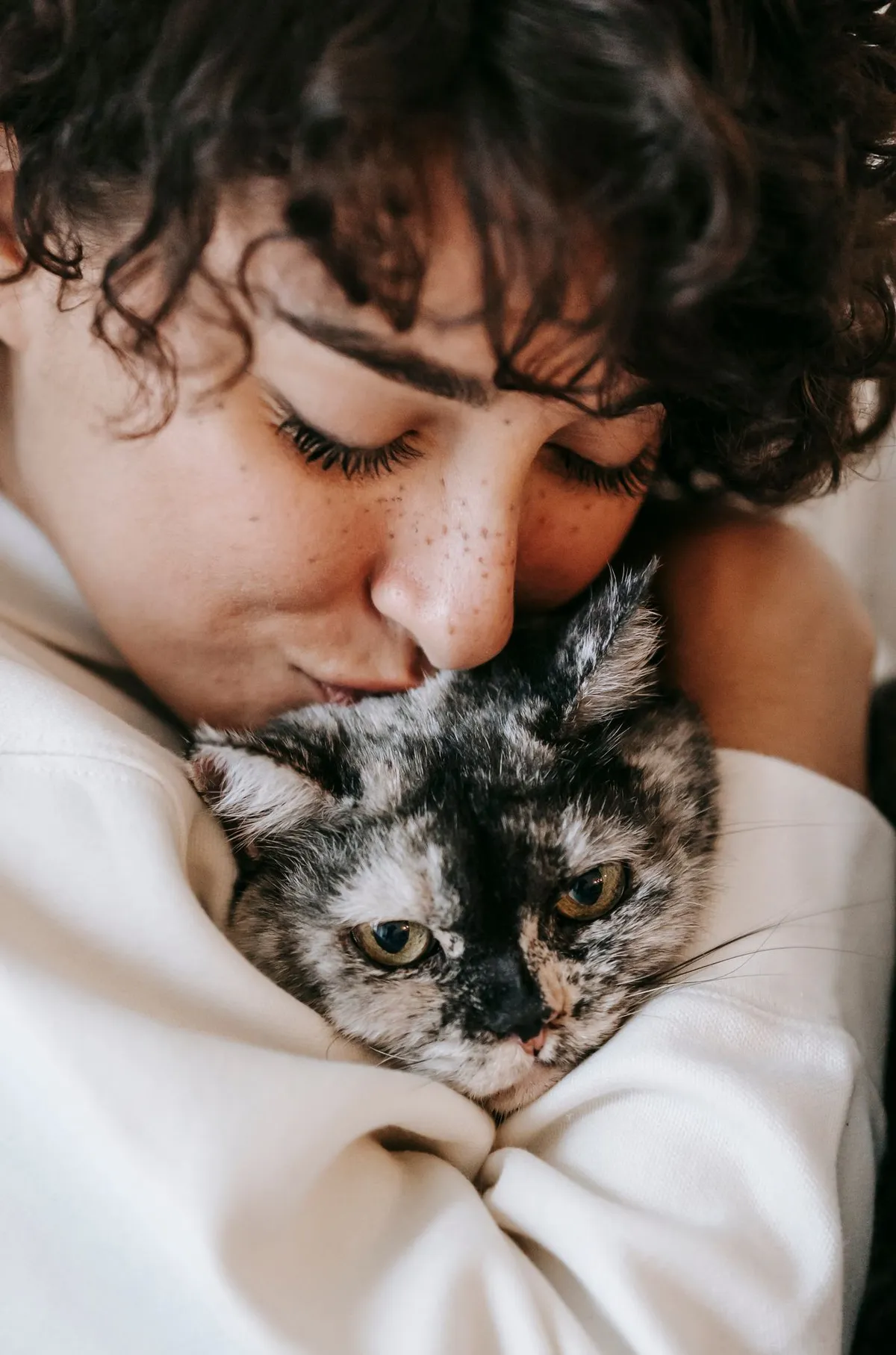
1. Affection and trust. A cat does not press its head into someone it does not trust. The head is a vulnerable place, and offering it to you is a deliberate choice. When your Maine Coon bunts you, it is saying that you are safe and that it likes being close to you. Maine Coons are famously people-oriented, and this is one of the clearest ways that shows up — see our guide to Maine Coon personality traits.
2. Scent-marking you as theirs. Cats carry scent glands on their cheeks, chin, forehead, and just in front of their ears. When your cat rubs its face on you, it leaves behind pheromones you cannot smell but other cats can, marking you as part of its group. PetMD’s veterinary guide to why cats headbutt describes it the same way: a cat that headbutts and marks you has accepted you into its inner circle. Cornell’s veterinary school makes a similar point, noting that when a cat rubs its face against your leg it is depositing scent from the glands in its cheeks, as explained in their guide to feline behavior problems.
3. A greeting. Many cats bunt when you come home, when you sit down after being out, or first thing in the morning. It is their version of hello. In one 2021 study, most cats rubbed against their owner when reunited after a separation, which fits exactly what owners see at home.
4. Attention, please. Sometimes a headbutt is simply a request. Your cat has learned that a firm nudge to the hand, the phone, or the book you are reading is the fastest way to get petted, fed, or played with. Owners on Facebook and Instagram joke about cats that pick the worst possible moment, mid-television programme, to climb on and demand affection. It is not rudeness. It is a cat that knows what works.
5. Comfort and self-soothing. Cats also bunt when they are settling themselves down. The slow rub of cheek against a familiar person or cushion seems to calm them, and it usually comes with purring and half-closed eyes. It is the same family of comfort behaviours as kneading — see why Maine Coons knead.
What Bunting Actually Looks Like
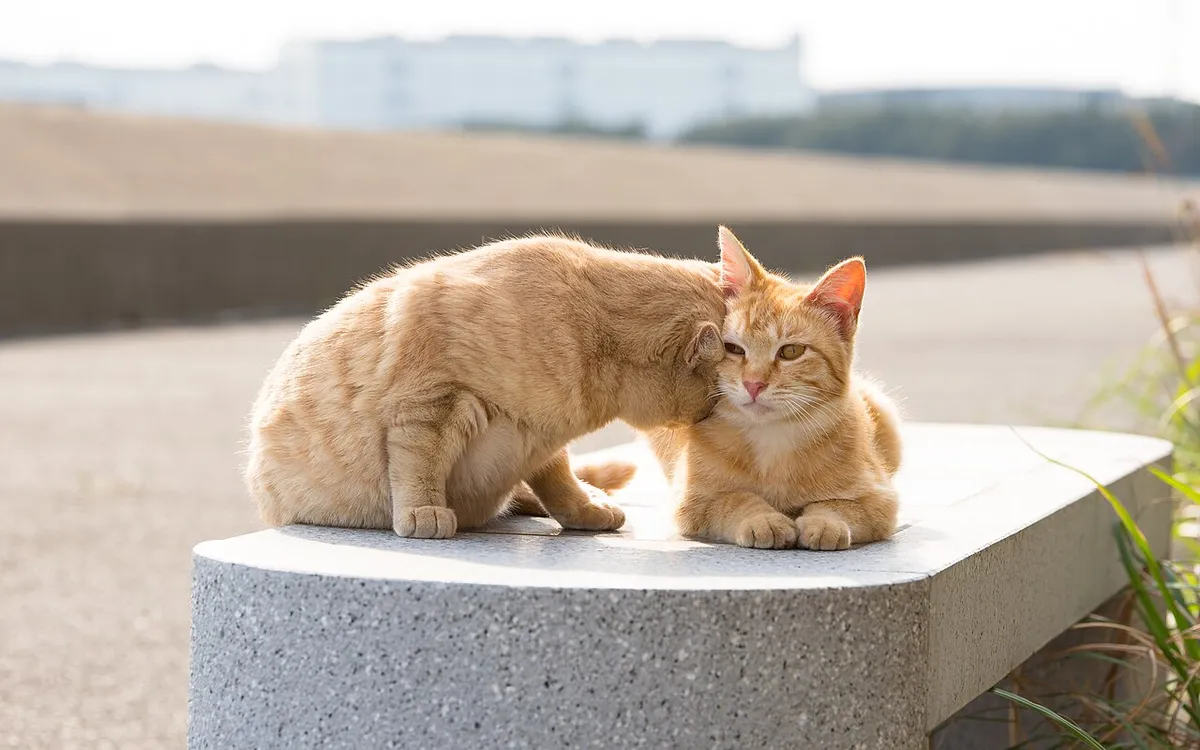
Not every headbutt is the same, and the differences tell you a lot. The gentle forehead press is the classic one: your cat walks up, touches its forehead to your chin, cheek, or hand, and leans in for a second or two. Eyes go soft, ears stay relaxed, and the purr usually starts up.
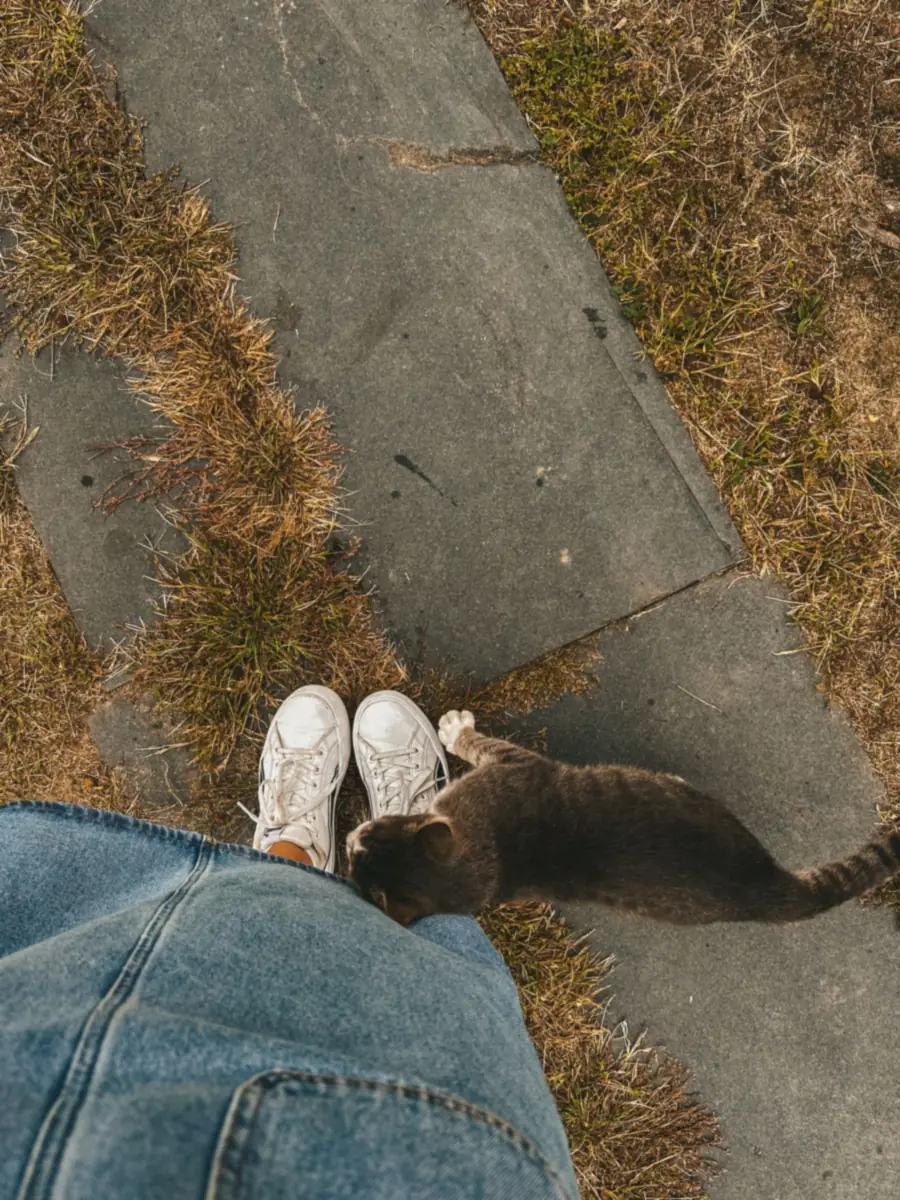
The full-body rub often follows. Your cat starts at your hand or shin, works its cheek along you, and finishes by winding its whole body past your legs. Owners on social media call this the leg-weave, and with a Maine Coon it can genuinely get in the way of walking.
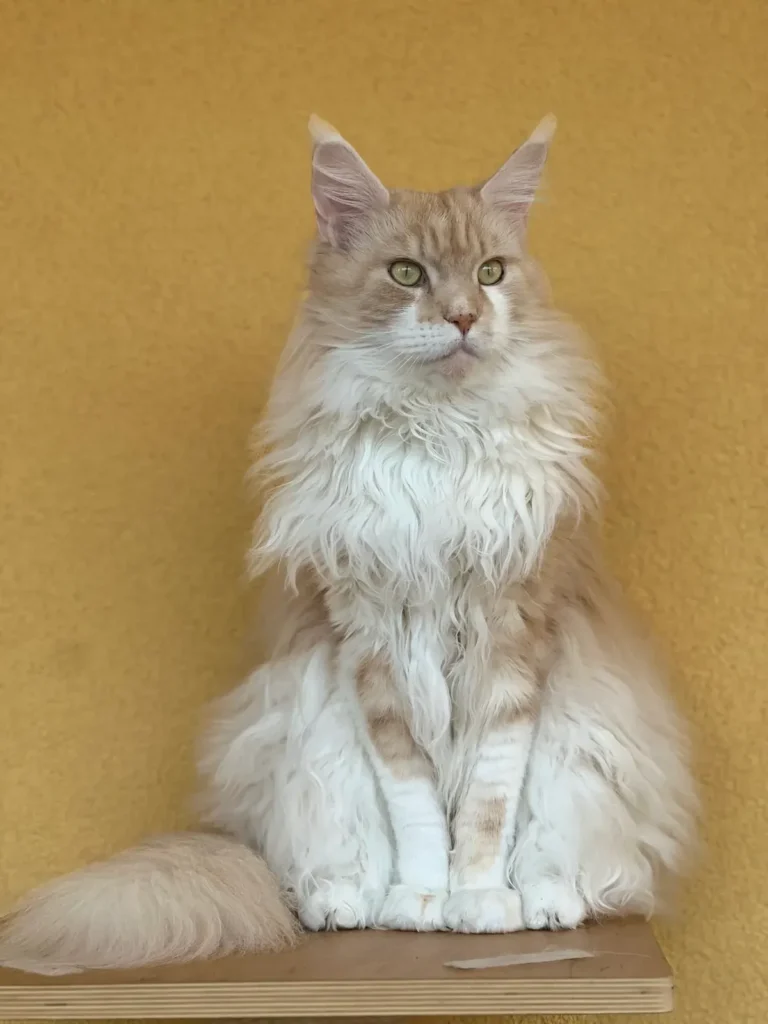
Then there is the enthusiastic one. Maine Coons are big, heavy-boned cats, and some of them bunt like they mean it. Owners on Facebook describe cats that come in hard enough to knock glasses askew. One shelter worker who talks about this online calls it a full-on noggin smash and says it is worth it, because the cat is saying it trusts you with its whole heart.
Read the whole cat, not just the head: relaxed ears, soft eyes, and a loose body mean a happy cat. Our guide to Maine Coon body language walks through those signals in detail.
What Owners Actually See at Home
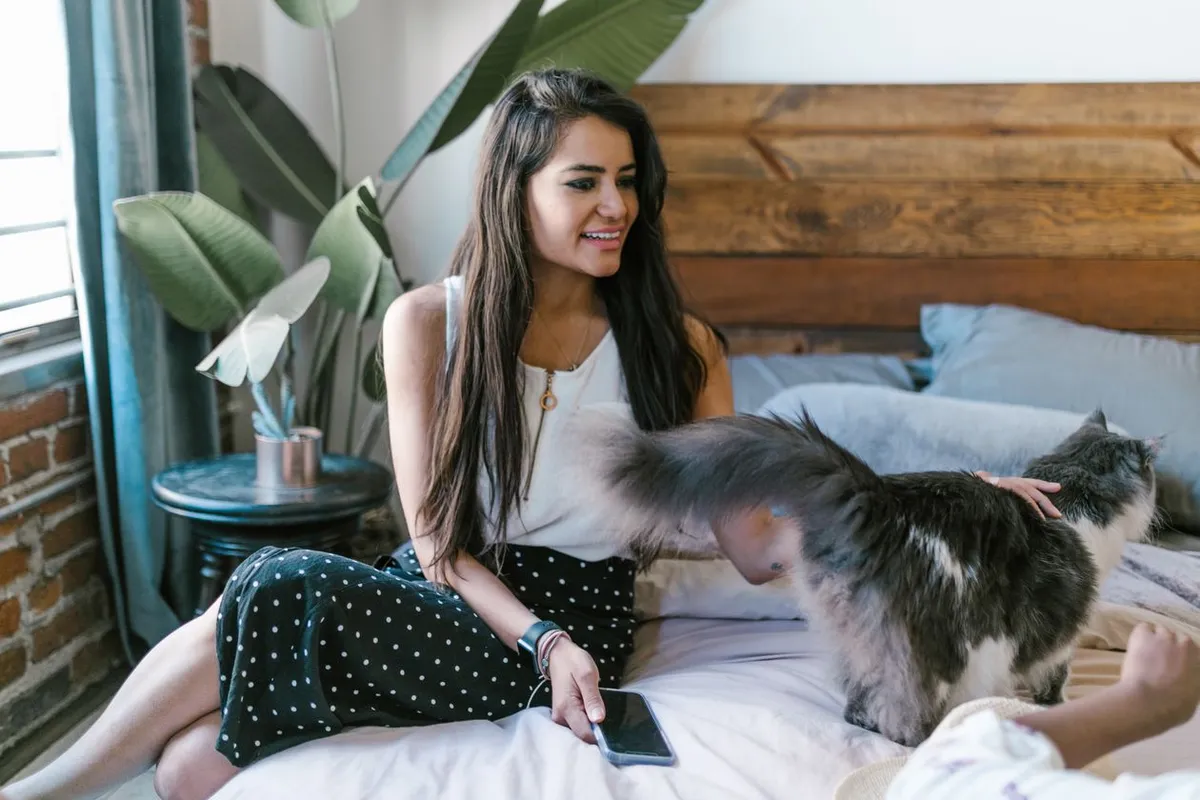
Talk to enough Maine Coon owners and the same stories come up again and again. The morning alarm clock is the most common. Owners on Reddit say their cat headbutts them the moment they stir in bed, sometimes paired with a paw to the face, until someone gets up. It is part greeting, part breakfast reminder, and it works every time.
The television interruption is another favourite. Owners on Facebook share videos of their Maine Coon climbing straight onto a person’s chest mid-programme, blocking the screen entirely, and settling in for a headbutt and a purr. Owners on Instagram call the behaviour head bonks, sharing clips of their cats rising up on their back legs to rub their heads against a person’s face and shoulder.
When a Headbutt Means Something Else
Most headbutting is happy and healthy, but context matters, and a change in the pattern is worth paying attention to. A cat that suddenly starts headbutting far more than usual, especially alongside other changes, may be trying to tell you something. Watch for restlessness, hiding, eating less, or sleeping much more. A cat that used to bunt and suddenly stops is also worth a second look, particularly if it seems lethargic or grumpy. Both changes are worth mentioning to your vet.
Headbutting can also be a stress response. A cat that has just moved house, met a new pet, or had its routine shaken up may bunt more as it tries to re-mark its world and reassure itself. That usually settles once the cat feels secure again.
Headbutting vs Head Pressing: Not the Same Thing
Headbutting, or bunting, is a brief, social press of the forehead or cheek against you, another animal, or an object. The cat looks relaxed, the contact lasts seconds, and then the cat moves on or settles beside you. It is normal, healthy behaviour.
Head pressing is different, and it is serious. A cat that is head pressing pushes its head hard against a wall, a corner, the floor, or a piece of furniture, and holds it there for minutes at a time, or does it over and over again. The cat often looks confused, dazed, or stuck, and the behaviour may come with pacing, circling, disorientation, vision changes, or seizures. PetMD’s article on head pressing in cats notes it is a neurological symptom, not a behaviour in itself, and can point to head trauma, toxins, tumours, liver problems, or other serious conditions.
Here is a quick way to tell them apart:
- Bunting: a quick press or rub, relaxed body, eyes soft or half closed, cat chooses you or a familiar object, then moves on happily.
- Head pressing: a long, forceful press against a wall or hard surface, cat looks confused or unresponsive, happens repeatedly or for minutes, often with other worrying signs.
If you ever see your cat pressing its head against a wall or floor and holding it there, do not wait and see. Call your vet the same day, or go to an emergency vet if the cat cannot seem to stop. One is a love note. The other is a cry for help.
How to Respond When Your Maine Coon Headbutts You
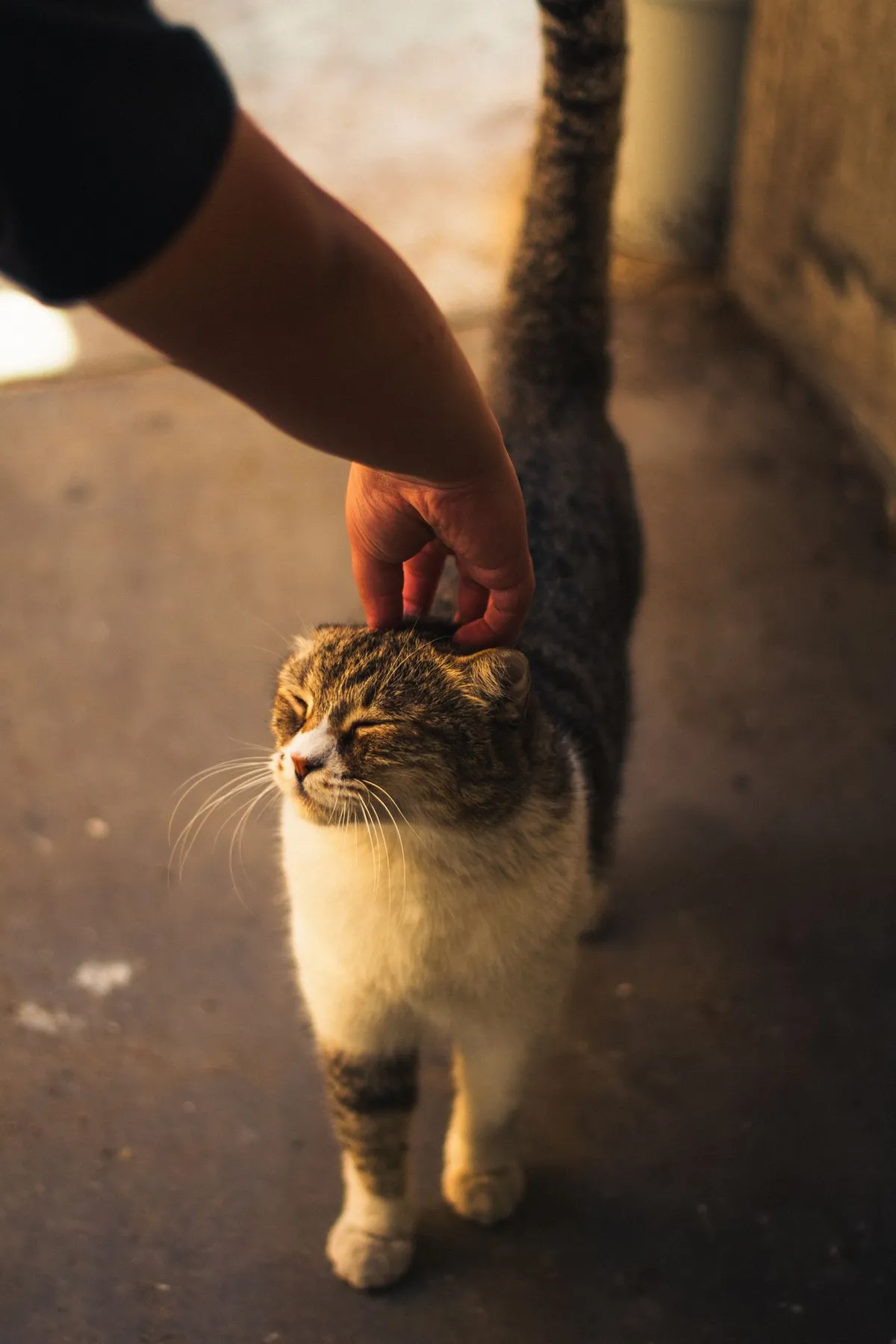
The best response is a simple one: accept it graciously. A slow stroke under the chin or behind the ears is usually exactly what your cat is asking for. You do not need to headbutt back. Most cats find a human forehead coming at them surprising rather than affectionate, and a gentle pet is a better answer.
Pay attention to what your cat wants after the bunt. Some cats want a full petting session. Some just want a hello and then wander off. Some want food, and the bunt was the polite way of asking. If your cat headbutts your hand while you are typing, it has learned that this works, and every time you stop and pet it, you are teaching it to do it again.
If your cat’s headbutts are too enthusiastic for comfort, do not scold it. Just shift your head slightly, offer your hand instead, and reward the gentler bunts with attention. And if your cat follows you from room to room and bunts you every time you sit down, that is the same social instinct at work. Our article on why Maine Coons follow you explains that shadowing habit, and bunting is very much part of the same package.
What If My Maine Coon Never Headbutts Me?
Not every cat bunts, and that is completely normal. Confident cats tend to headbutt more, and shy or reserved cats may show their affection in other ways: sleeping near you, slow blinking, kneading, chirping, or simply choosing to be in the same room as you. None of those is a lesser sign of love. The only version of this that deserves attention is a change: a cat that used to headbutt and has stopped, especially alongside other changes in appetite, energy, or mood, is worth a vet check.
Frequently Asked Questions
Why does my Maine Coon headbutt me in the morning?
It is usually a mix of greeting and routine. Your cat has missed you overnight, it is glad to see you awake, and it has learned that a headbutt is the fastest way to get attention and breakfast. Owners on Reddit describe exactly this pattern: the cat waits for the first sign of stirring, then bunts until someone gets up.
Is headbutting a sign my Maine Coon loves me?
Yes, in the way cats express it. A cat only bunts people and animals it trusts and feels safe with, and it is offering you its scent and its company at the same time. It is one of the clearest signs of affection a cat can give. That said, a cat that shows love by sleeping beside you or chirping at you loves you just as much.
Why does my Maine Coon headbutt furniture and walls?
Your cat is marking its territory with scent, the same way it marks you. Rubbing its cheeks along a chair leg, a doorframe, or a cat tree leaves pheromones that tell your cat this place smells like home and is safe. This is normal. It is only a worry if the cat is pressing its head hard against a wall and holding it there, which is head pressing, not bunting.
Should I headbutt my Maine Coon back?
It is better not to. Most cats do not enjoy a human forehead coming towards them, and it can startle them. A chin scratch, a stroke behind the ears, or a gentle rub along the cheek is a much better answer, and it is what your cat is really asking for.
When should I worry about headbutting?
Worry when the behaviour changes suddenly, or when what you are seeing is not bunting at all. Sudden, constant headbutting paired with restlessness, hiding, appetite changes, or lethargy deserves a vet visit. And head pressing, where your cat pushes its head against a wall or floor and holds it there, looking confused or dazed, is a medical emergency. Call your vet the same day.
The Short Version
If your Maine Coon headbutts you, take it as the compliment it is. Your cat is marking you with its scent, saying hello, asking for your attention, and telling you that you are part of its world, all with one firm little bump. Enjoy it, pet the cat, and the next time a giant fluffy forehead comes at you while you are trying to watch television, remember: you have been chosen.