How Much Exercise Does a Maine Coon Need? Play, Enrichment and a Tired Giant
The first time I watched my Maine Coon do a full-speed lap of the hallway, bounce off the sofa arm, and flop down panting, I realised something: this is a big cat with a big engine, and that engine needs somewhere to go every day. So how much exercise do Maine Coons need, really? Less than you’d fear, and more than most owners give them. Getting it right is the difference between a contented giant and a bored one knocking things off your shelves at 3 a.m.
How Much Exercise Do Maine Coons Need Each Day?
Most healthy adult Maine Coons need around 20 to 30 minutes of active play a day, split into two or three short sessions. PetMD’s Maine Coon breed guide puts it the same way — two or three 10- to 15-minute sessions — and PetMD’s general play guide agrees that a few short bursts beat one long session, because cats lose interest when play drags on.
- Kittens (under 1 year): short bursts adding up to 30 to 60 minutes across the day
- Adults (1 to 7 years): around 20 to 30 minutes of active play, in 2 to 3 sessions
- Seniors (8 years and up): 10 to 20 minutes of gentle, low-impact play
One thing to get straight: free roaming around the house is not exercise. A cat wandering from the sofa to the food bowl burns almost nothing, and it doesn’t engage the brain either. Owners on Reddit say it plainly — a Maine Coon that only mooches around the flat all day is the same cat doing zoomies across your bed at midnight. Exercise has to mean chasing, jumping, climbing, stalking and catching. It has to feel like hunting.
Why a Big Cat Needs Daily Movement
Maine Coons are one of the largest domestic breeds, and they carry that size on joints that work hard. Males can reach 18 to 25 pounds. Keeping that weight in check matters, because extra pounds strain hips and joints, and this breed is already one to watch for hip dysplasia. Play is the simplest weight-management tool I own, and it costs nothing.
It is not only about the body. Maine Coons are clever, social cats, and a clever cat with nothing to do will invent its own entertainment — usually your curtains, your houseplants, or your ankles. Cornell’s Feline Health Center puts it plainly: toys encourage exercise and cognitive enrichment by letting cats stalk, pounce and problem-solve, and without that stimulation cats can develop obesity and behaviour problems such as destructive scratching.
Kittens: Short Bursts, Many Times a Day
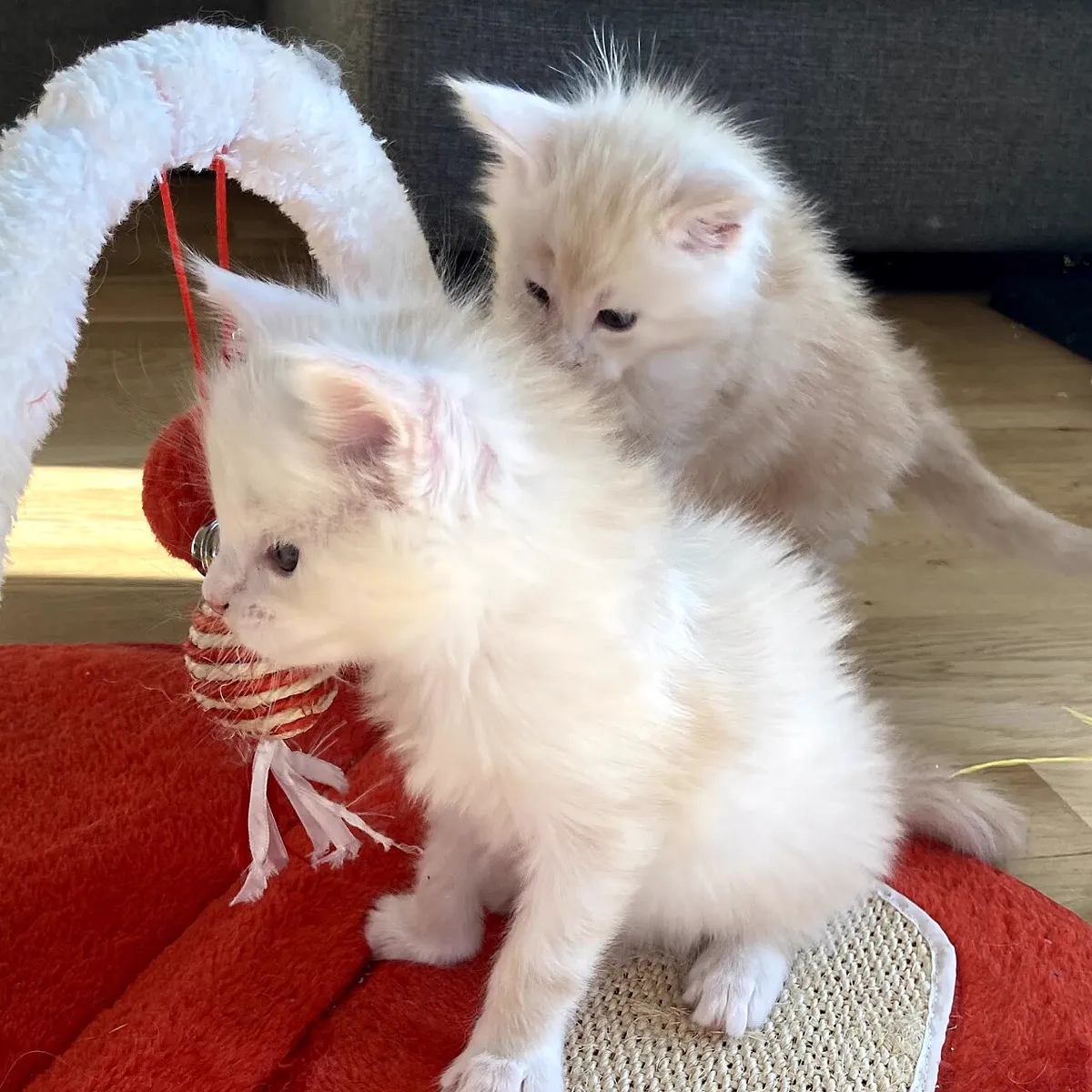
A Maine Coon kitten is a small hurricane in a fluffy coat. Mine, at four months old, went from dead asleep to full sprint in two seconds, then collapsed mid-floor five minutes later. Aim for five to ten short sessions a day rather than one long one.
Keep it low-impact while they are growing — no encouraging huge leaps off tall furniture, and no sessions that leave a kitten panting. Their bones and joints are still developing, and rest matters as much as movement. This is also the age to build the habits you want later: a kitten that learns the wand toy means play, and that hands and feet are never toys, grows into an adult you can play with safely. Short training games count too — a couple of minutes practising recall works the brain, and a tired brain is just as restful as tired legs. My guide to training a Maine Coon covers the clicker basics.
Adults: The 20 to 30 Minute Sweet Spot
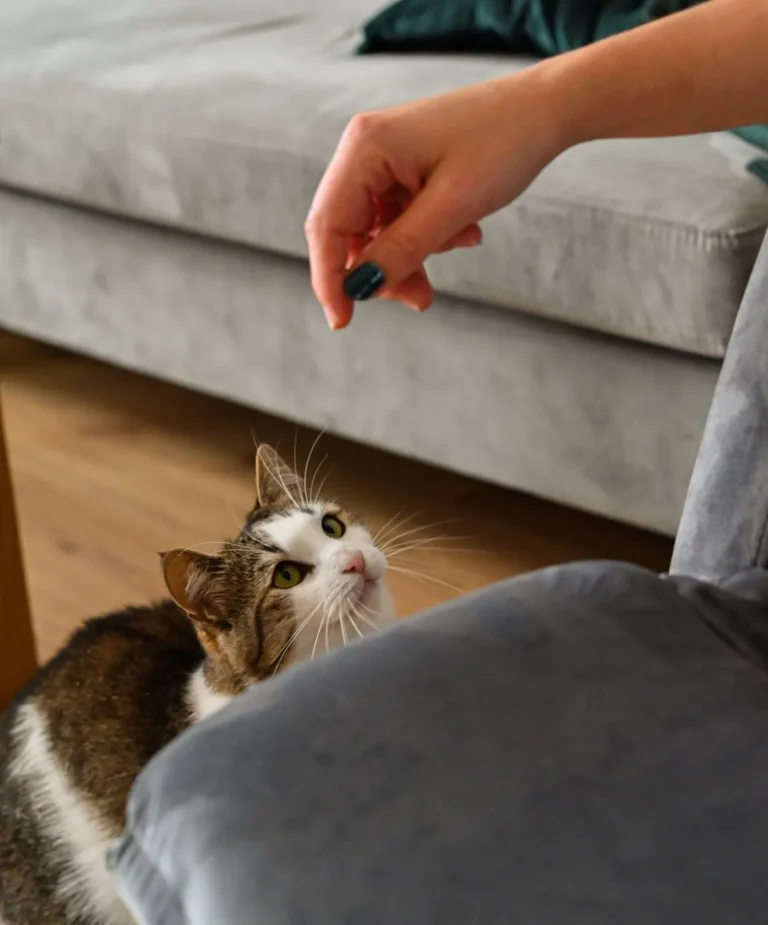
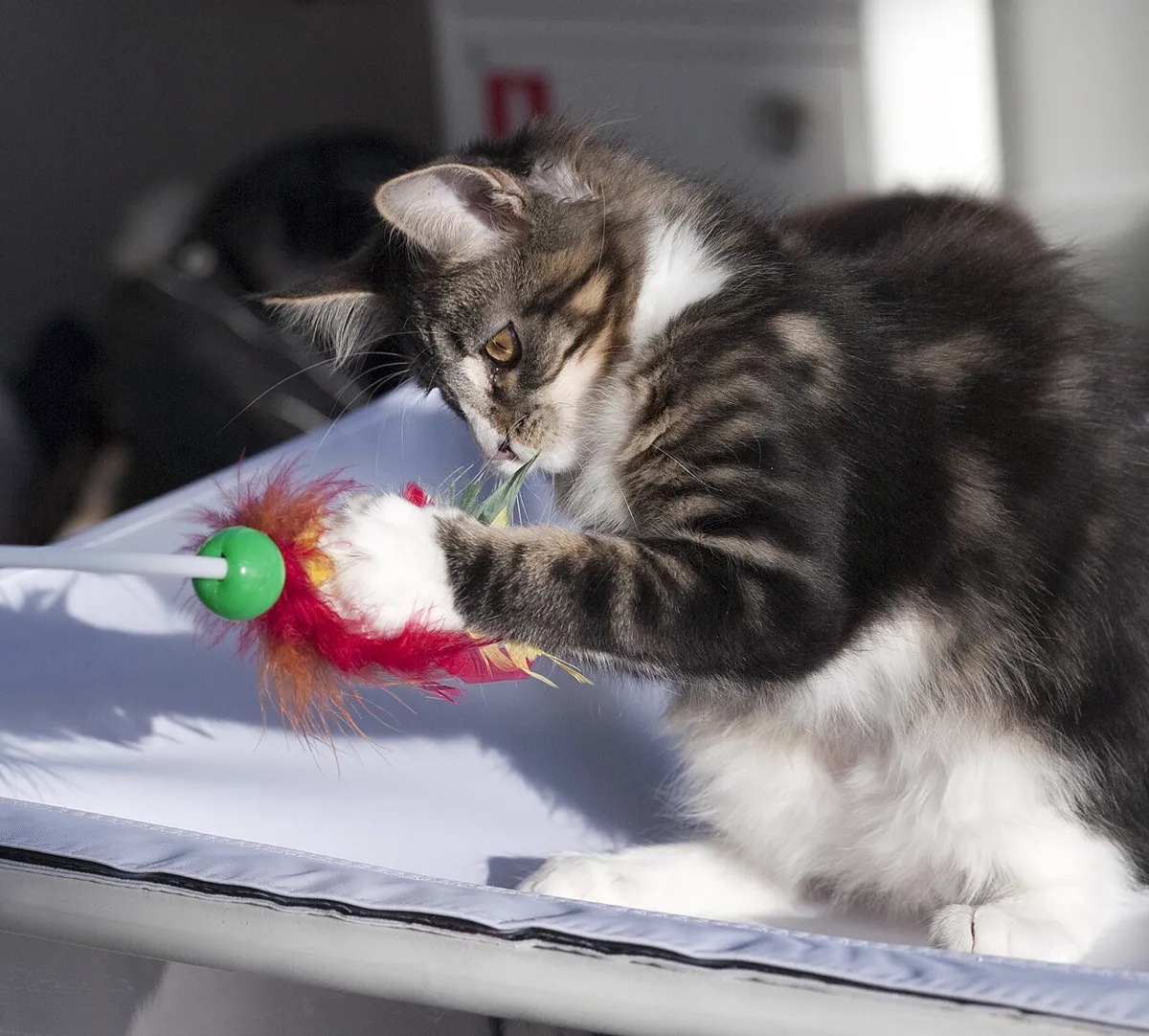
For adults, roughly one to seven years old, the classic routine applies: two or three sessions of 10 to 15 minutes, morning and evening, when cats are naturally most active. A good session follows the hunting sequence: watch, stalk, chase, pounce, catch. Drag the wand toy like a mouse, then hide it behind a cushion so your cat has to stalk it, and always let them catch it at the end.
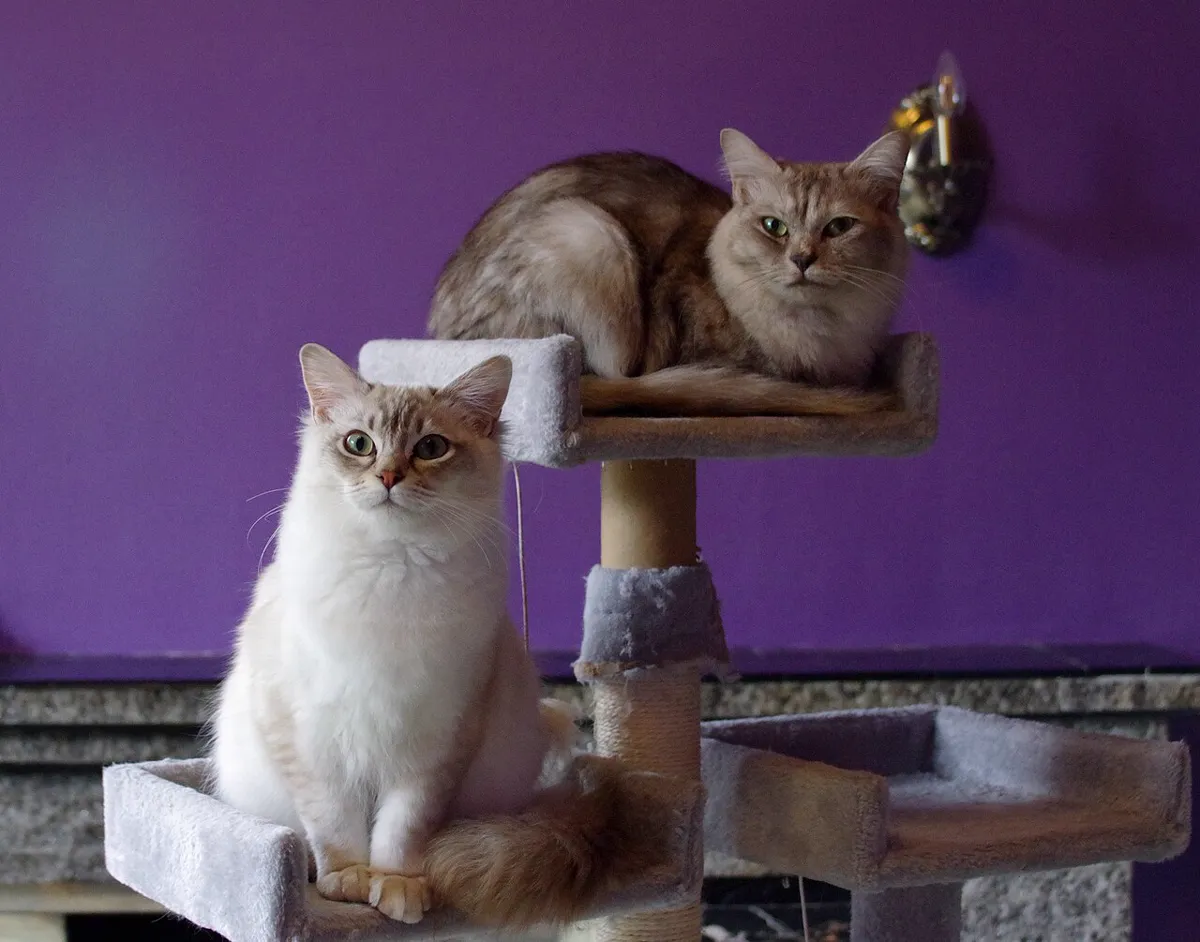
Owners on Instagram say the same thing: cats are sprinters, not marathon runners, and a session should end with a win, ideally followed by a small treat or a meal. That “catch and eat” ending tells a cat the hunt is complete, and it settles them for the night far better than a session that just stops. For toy ideas sized for a giant, see my best toys for Maine Coons. Climbing counts as exercise too: a tall, sturdy cat tree lets a Maine Coon stretch, jump and survey their kingdom. My guide to the best cat trees for Maine Coons covers what to look for.
Seniors: Gentler, Shorter, Still Daily
Maine Coons age slowly, but somewhere around eight years old most of them start to slow down. The zoomies get shorter, the jump onto the high shelf gets weighed up first, and the naps get longer. That does not mean exercise stops — it means it changes. For a senior, aim for 10 to 20 minutes of gentle play a day, in sessions of about five minutes. Floor-level wand play is ideal: drag the toy slowly across the rug so they can stalk and pounce without big jumps.
Watch for a senior that suddenly stops playing altogether — that is not always just age. A cat that avoids jumping or play may be telling you its joints hurt, and that is a vet conversation.
Indoor Enrichment Beyond Toys
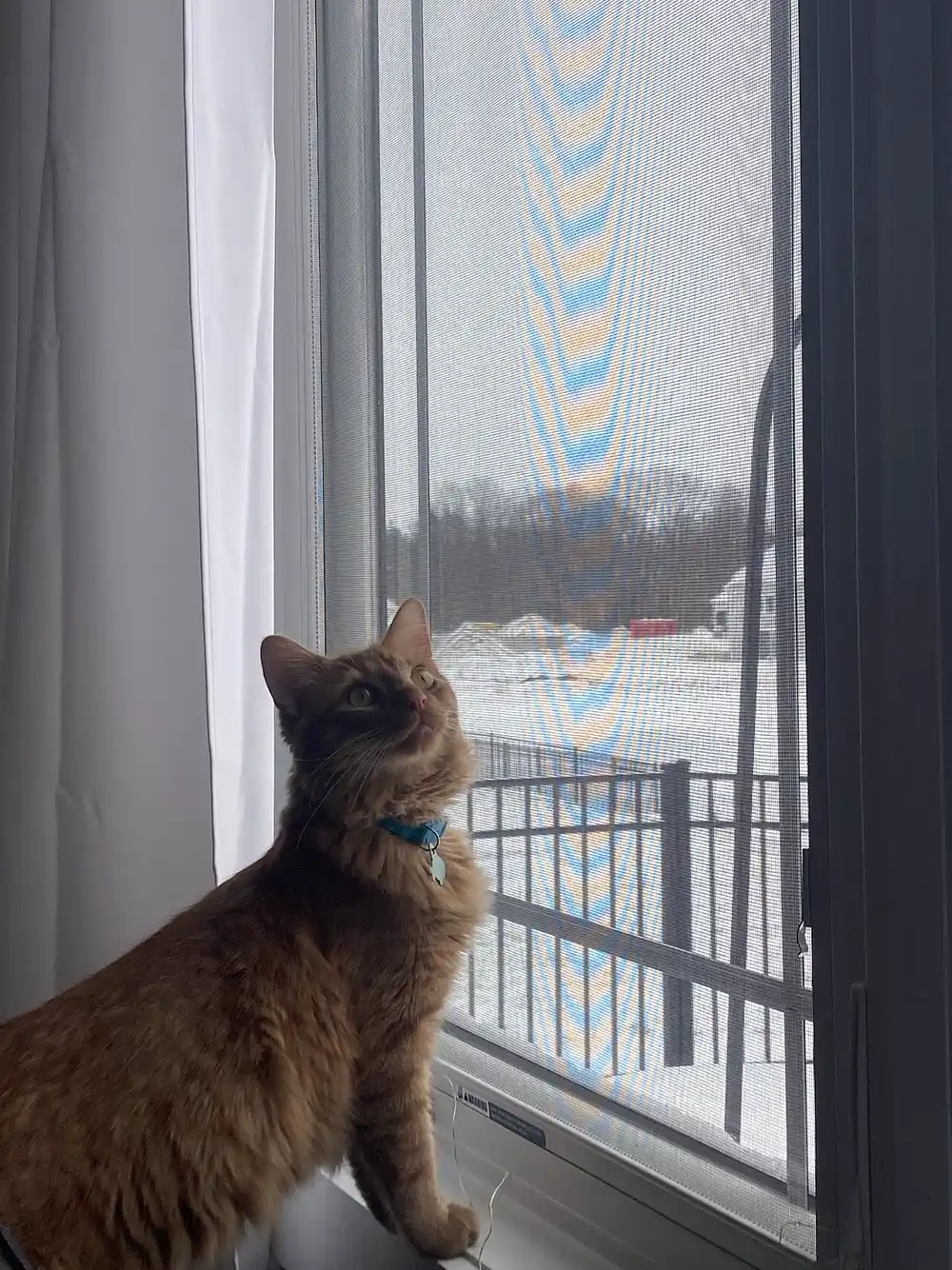
For an indoor Maine Coon, play sessions alone are not enough. A cat that sleeps most of the day and plays for twenty minutes still has hours of waking time to fill. Enrichment is everything you add to a home that lets a cat act like a cat. Vertical space comes first: wall shelves, a tall tree, the top of a wardrobe. Maine Coons love height, and climbing up and down is real exercise.
Food puzzles and scatter feeding turn dinner into a hunt: hide a portion of kibble in a puzzle feeder or scattered across a room, starting easy and making it harder over weeks. Cardboard boxes and paper bags are free and brilliant. Cornell’s vets say it outright: paper bags, cardboard boxes and ping pong balls can be tremendously entertaining, and you need not break the bank. Cut a few holes in a box and it becomes a fort. My guide to Maine Coon separation anxiety has ideas for keeping a solo cat settled while you are out.
Leash Walks, Catios and the Great Outdoors (Safely)
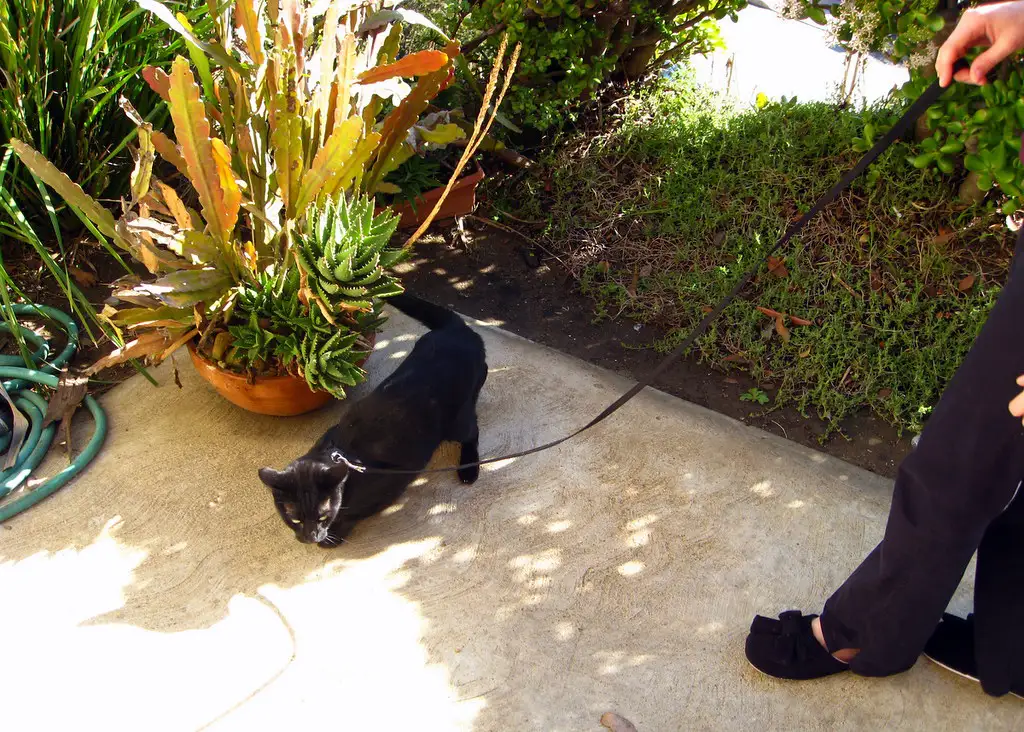
Maine Coons are one of the few breeds that genuinely take to the outdoors on a lead. PetMD lists walking on a harness and leash among the breed’s favourite activities, and owners on Instagram prove it every day — I have watched reels of Maine Coons strolling forest paths on a harness in Norway, sniffing grass and watching the world go by. Breeders on Instagram share clips of big silver cats walking steadily on a cat exercise wheel indoors too, billed as their daily stroll. A “walk” for a Maine Coon does not have to look like a dog’s walk.
A leash walk for a Maine Coon is usually a slow wander, not a march. Ten to twenty minutes of sniffing, sitting, watching a butterfly and then moving on again is a perfectly good outing. Never drag a cat that has decided to sit down — the sniffing is the point. A catio is the other half of the outdoor answer: an enclosed balcony, a window box, or a small run gives a Maine Coon fresh air, sunshine, birds to watch and grass to lie on, without the risks of free roaming. I would not let a Maine Coon roam free — they are friendly, trusting cats that walk up to strangers and wander into roads. A harness, a catio, or a secure garden gives them the outdoors without the risk.
Signs Your Maine Coon Isn’t Getting Enough Exercise
A bored Maine Coon is rarely quiet about it, but the signs are easy to misread as bad behaviour. They are not — they are a cat asking for something. Night zoomies are the classic one: a cat tearing around the house at 2 a.m. is often a cat whose daytime energy never got spent, and a good evening play session ending with a small meal is the best cure I know. Destructive scratching and knocking things over are classic boredom too. Cornell links under-stimulation directly to destructive scratching, so if the scratching starts, add play before you buy a new sofa cover.
Excessive vocalising is another sign. Maine Coons are chatty cats, but a sudden increase in yowling, especially when you are busy or out, often means “I am bored and lonely.” If the behaviour is sudden, severe, or comes with appetite or litter-box changes, talk to your vet. My guide to Maine Coon behaviour problems and how to stop them goes through the common ones in more detail.
A Daily Routine That Actually Works
Here is the routine that works in my house, taking about half an hour of my time spread across the day. Morning, before breakfast: ten minutes of wand play while the coffee brews, fast chases and a catch at the end, then breakfast. Midday: if you are home, a quick game of fetch down the hallway; if you are out, leave a puzzle feeder or scatter a handful of kibble around the room before you leave. Evening, before dinner: the main session, ten to fifteen minutes, with a rotated toy and a different game, ending with a catch and dinner. This is the session that prevents the 2 a.m. zoomies, so if you only have time for one session a day, make it this one.
Frequently Asked Questions
How much exercise do Maine Coons need per day?
Most healthy adults need around 20 to 30 minutes of active play a day, split into two or three 10- to 15-minute sessions. Kittens need more frequent, shorter bursts, and seniors need gentler sessions of 10 to 20 minutes a day.
Do Maine Coons need more exercise than other cats?
Somewhat, yes. They are large, intelligent and playful well into adulthood, and they were built to roam, climb and hunt.
Is 10 minutes of play a day enough for a Maine Coon?
For a calm senior, ten minutes of gentle play plus climbing and window time may be enough. For most adults and all kittens, no — ten minutes is a start, not a full day.
Can I walk my Maine Coon on a leash?
Yes, and many Maine Coons love it. Start with harness training indoors, keep early outings short and slow, and let the cat lead.
What if my Maine Coon won’t play?
Try a different toy and a different time of day — many cats ignore a toy they have seen a hundred times, and most prefer dawn and dusk. If a cat that used to play suddenly stops, or stops eating or using the litter box normally, see your vet, as pain or illness can look like laziness.
The Tired Giant Is the Happy Giant
The secret to a happy Maine Coon is not complicated: twenty or thirty minutes of real play, a house with things to climb and look at, and a routine the cat can rely on. Pick up the wand toy tonight and play until your giant flops over. That is the whole routine, and it is enough.