Is Pet Insurance for Maine Coons Worth It?
Is pet insurance for Maine Coons really worth the monthly bill? I get asked this a lot, usually right after someone brings home a kitten and the breeder mentions insurance in the same breath as the feeding schedule. Here is the honest answer from someone who has lived with these big cats for years: for most Maine Coon owners, yes, but only if you buy it early and buy the right kind.
This is not a sales pitch. I am not partnered with any insurance company, and I am not going to name a brand to pick. I will walk you through why the insurance math looks different for this breed than for an average house cat, what other Maine Coon owners say after actually filing claims, what to check in a policy, and when a savings account honestly beats insurance.
Why the Insurance Math Is Different for a Maine Coon
Most pet insurance advice online is written for generic pets. Maine Coons are not generic pets, and three breed traits change the equation.
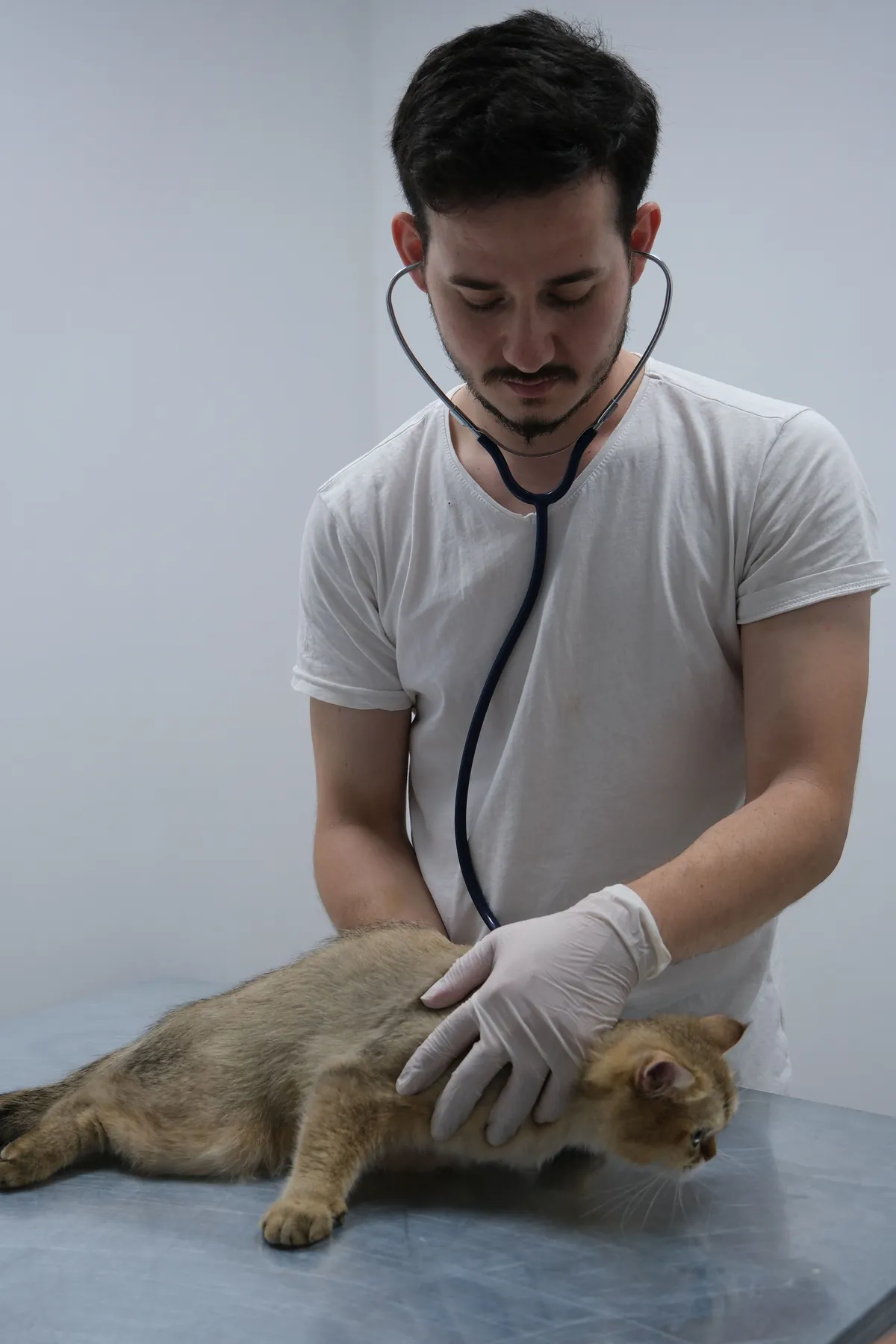
First, the heart thing. Hypertrophic cardiomyopathy, HCM, is the most common heart disease in cats, and Maine Coons are one of the breeds predisposed to it. Cornell’s veterinary school has a whole page on feline HCM that confirms the genetic link in this breed. Responsible breeders screen their breeding cats with echocardiograms and DNA tests, which lowers the odds but does not erase them. Many owners keep screening their own cats too. I have seen owners share their cats’ routine heart ultrasound updates online, just proud that the heart looked good, and that is the culture of this breed: you watch the heart.
An echocardiogram is not a cheap appointment. It is a cardiology visit, often at a specialty clinic. And if HCM does show up, the cat needs monitoring, medication, and regular rechecks for life.
Second, the size thing. Maine Coons are large, heavy cats, and hip dysplasia shows up in this breed more than in the average cat. Joint surgery is four-figure territory, and long-term management adds up year after year.
Third, the longevity thing. A Maine Coon’s typical lifespan sits around 13 years, and the years pile up: senior bloodwork, dental care, joint support, prescription diets. PetMD’s Maine Coon breed page notes the breed is prone to inheriting certain diseases and recommends purchasing health insurance when you bring home a kitten. I wrote in more detail about the breed’s lifespan and health issues before, and the short version is that a long-lived, large, predisposed cat is exactly the profile insurance was designed for.
So the breed-specific case is simple: Maine Coons carry a small number of well-known, expensive, chronic conditions. Insurance does not cover everything, but those are the exact risks that can turn one bad year into a five-figure problem.
What Maine Coon Owners Actually Say
I spend a lot of time in Maine Coon owner groups, and the insurance conversation comes up constantly. Here is the pattern, with the numbers kept as the owners told them rather than as promises.
In one large Facebook group, an owner asked everyone to compare policies for two young Maine Coons. Answers ranged from around sixty dollars a month for two cats with a 250 dollar deductible and 90 percent reimbursement, to about ninety a month for unlimited annual coverage, to far less for bare-bones plans. The spread was wide because age, zip code, deductible, and annual cap all move the number.
The claim stories are where it gets real. One owner in a finance forum mentioned spending around seven thousand dollars on two hip surgeries for their Maine Coon in its first two years, and said they had never regretted it. Another thread mentioned a foreign body surgery bill around twelve thousand dollars, with insurance covering most of it. A breeder I follow listed four worst-case scenarios for young Maine Coons: an emergency visit for respiratory trouble, a cardiology workup for a heart murmur, dental extractions, and joint surgery, each running into the low to high four figures. Those are not exotic situations.
Then there are the cautionary tales. The same breeder shared a story about a kitten whose neuter incision opened ten days after going home. The emergency bill was over seven hundred dollars, and the claim was denied because the surgery had happened before the policy started, making the complication pre-existing. Her lesson was blunt: activate coverage early and mind the waiting period, because insurance only covers the future, never the past.
The broader money picture matters too. Maine Coons cost more than average cats to keep, every month, for their whole lives. If you have not mapped that out yet, my breakdown of why Maine Coons are so expensive covers the full picture beyond vet care.
Pet Insurance for Maine Coons: What to Check Before You Sign
If you decide to get covered, do not just pick the cheapest quote. For this breed, the details of the policy matter more than the monthly number. Here is the checklist I would run through with a friend.
Enroll early, ideally at kitten age. The earlier you enroll, the fewer pre-existing exclusions can attach to your cat, and the lower the premium tends to be. Some breeders hand you a free short-term policy certificate at pickup; find out exactly when coverage kicks in and do not let a gap open up.
Confirm hereditary and genetic conditions are covered. This is the single most important line for a Maine Coon. HCM, hip dysplasia, and spinal muscular atrophy are exactly what you are insuring against. Some policies exclude hereditary conditions or attach long waiting periods for orthopedic issues. If a policy does not clearly cover genetic conditions, keep shopping.
Look at the deductible, reimbursement rate, and annual limit together. A low monthly premium usually means a high deductible, a low reimbursement percentage, or a low annual cap. For a breed where one bad year can mean a cardiology workup plus joint surgery, a low annual cap can run out fast. Many owners aim for at least a mid-range cap, and some pay extra for unlimited. There is no universally right answer, but match the cap to the breed’s risks, not to your optimism.
Check the waiting periods. Most policies have a short wait before coverage starts, sometimes longer for orthopedic conditions. Anything your vet notes during the waiting period can become a pre-existing exclusion, so keep copies of everything.
Ask about exam fees, dental, and wellness. Many base policies do not cover the exam fee itself, just the treatment, and dental coverage varies a lot. Routine wellness, vaccines, and spay or neuter are usually separate add-ons. Know what you are buying before the first bill.
Understand pre-existing condition rules. Every cautionary story I have seen comes back to this: once something is in the medical record, it can be excluded. That is why enrolling a healthy kitten beats enrolling a three-year-old with a chart.
Read the claims process. Most pet insurance reimburses you after you pay the vet, so you still need cash or credit available on the bad day. Check how fast claims are typically paid. Owner groups are brutally honest about this; search the company name in a Maine Coon group before you commit.
For the first months specifically, my Maine Coon kitten care guide covers the vet visit rhythm that pairs well with a new policy: first checkup, vaccine schedule, and what to ask the vet while your cat’s record is still clean.
When Self-Insuring Beats a Policy
Insurance is not for everyone, and I want to be honest about when skipping it is the rational choice.
If you are disciplined enough to build and maintain a dedicated emergency fund, self-insuring can win. The math is straightforward: put the monthly premium you would have paid into a savings account, do not touch it for anything else, and pay vet bills from it. If your cat stays healthy for years, you keep the money. Several owners in the groups I read do exactly this. The catch is the word dedicated. An emergency fund that quietly becomes a vacation fund is not self-insurance; it is wishful thinking. And one emergency in the first year, before the fund has grown, can wipe out years of discipline in a single afternoon.
Multi-cat households face real arithmetic too. Premiums multiply with every cat. Some owners insure the young ones and self-insure the seniors, or set a high deductible to keep premiums down while still guarding against catastrophe.
Older cats are the trickiest case. Premiums rise with age, some conditions are more likely to be excluded, and some policies limit new enrollments for seniors. If your Maine Coon is already a senior with a medical history, run the numbers honestly: add up a year of premiums and compare it against your cat’s typical annual vet spending. My senior care guide walks through what the later years usually cost, which helps with this exact calculation.
My Honest Take
After years of watching Maine Coon owners navigate this, here is where I land.
For most people bringing home a Maine Coon kitten, pet insurance is worth it. Not because every cat gets sick, but because this breed’s known risks are concentrated in a few expensive categories: heart, joints, and the long tail of senior care. A policy bought early, with hereditary conditions covered and a sensible annual limit, turns the scariest bills from a crisis into an inconvenience.
The two mistakes I see are buying too late and buying too cheap. Too late means the exclusions eat the coverage. Too cheap means the annual cap runs dry in the exact year you needed it. If you can only afford a bare-bones plan, pair it with a savings buffer and know its limits.
And if you are the disciplined type with a healthy emergency fund and a young, healthy cat from a breeder who screens for HCM and hips, self-insuring is a defensible choice. Just be honest about the risk: one emergency surgery in year one costs more than years of premiums. Insurance is the price of never having to do that math at the emergency vet’s front desk at midnight.
Whatever you choose, choose it while your cat is healthy.
Frequently Asked Questions

When is the best age to get pet insurance for a Maine Coon?
As young as possible, ideally when you bring your kitten home. Premiums tend to be lowest for young cats, and enrolling before any health issues appear keeps pre-existing exclusions from shrinking your coverage. Waiting until a problem shows up is the most expensive timing there is.
Does pet insurance cover HCM and hip dysplasia in Maine Coons?
It can, but only if the policy covers hereditary and genetic conditions and the condition was not diagnosed before enrollment. Always confirm this in writing before you buy, since these two conditions are the main reason most Maine Coon owners insure.
How much does pet insurance cost for a Maine Coon?
Owners comparing notes in breed groups mention roughly tens of dollars a month per cat for basic plans, more for higher reimbursement and annual limits. Age, location, deductible, and the annual cap all move the price. Get several quotes for your actual cat rather than trusting any single number online.
What does pet insurance not cover?
Pre-existing conditions are the big one. Most base plans also exclude routine wellness care like vaccines and annual checkups unless you add a wellness rider, and many do not cover the exam fee itself. Cosmetic procedures and breeding-related costs are typically excluded too.
Is a savings account better than pet insurance?
It can be, if you are genuinely disciplined about funding it and your cat stays healthy while the fund grows. The risk is timing: a big emergency in the first year or two can exceed everything you have saved. Some owners do both: a mid-tier policy plus a modest fund for deductibles and gaps.