Maine Coon First Aid Kit What Every Owner Should Keep at Home
I built my Maine Coon first aid kit the lazy way first: a few bandages and some cotton wool in a drawer. Then one evening my big boy came in with a torn claw and blood on the kitchen floor, and I spent twenty frantic minutes hunting through cupboards. I had the gauze, but not the styptic powder, the wrap, or the cone. That night I built a proper kit, kept in one labelled box by the back door ever since.
A Maine Coon first aid kit is a small box of ordinary things, chosen for a very large cat and kept in one place. First aid at home steadies things until your vet can take over; it never replaces veterinary care, and knowing where that line sits matters most.
Why a Maine Coon first aid kit looks a little different
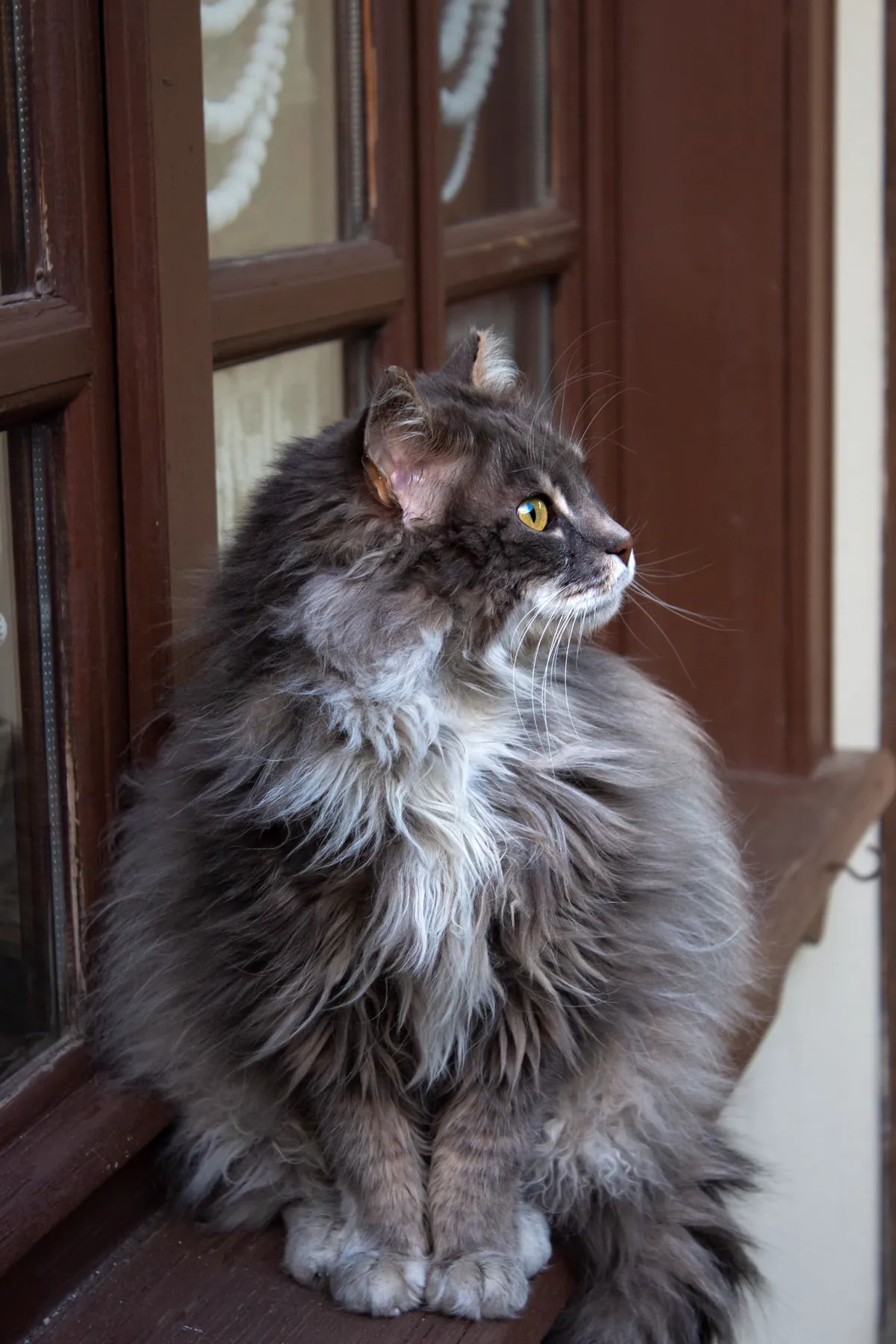
The supplies are mostly the same as for any cat. The sizing is not. An adult male Maine Coon can weigh around 13 to 18 pounds, some past 20. Females are usually around 8 to 12 pounds, but still long, strong cats with a lot of coat.
First, the carrier. A standard small carrier is often too short for a grown Maine Coon to turn around in. Owners on Reddit repeat the same advice: buy for the cat you will have in three years, not the kitten in front of you, and check the weight rating as well as the length. A top-loading carrier, or one with a wide side door, makes loading a hurting 18-pound cat far easier.
Second, quantities. Buy large sizes and keep spares: more gauze, more wrap, a bigger towel. A bandage that covers a smaller cat’s leg twice over may barely get around a Maine Coon thigh.
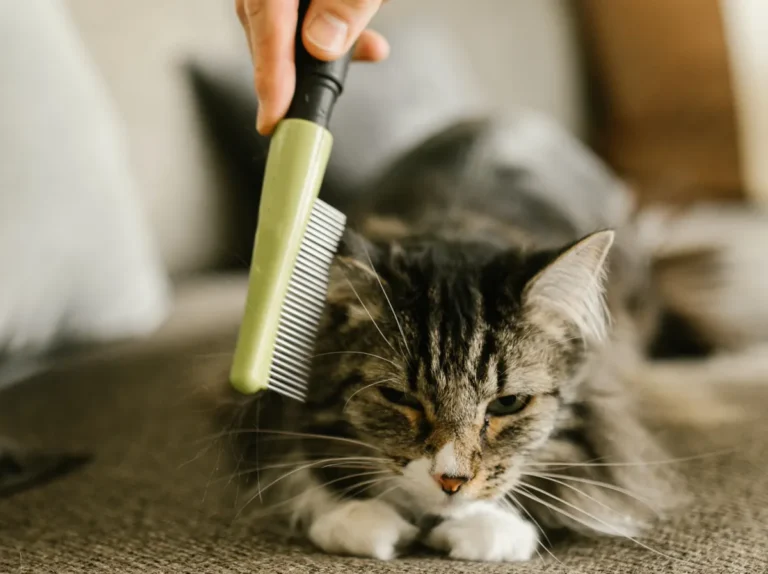
Third, the coat. Long, thick fur hides small wounds well, so a quick hands-on check after outdoor time is worth the habit: part the fur gently and look at paws, ears, and the base of the tail.
Building your Maine Coon first aid kit
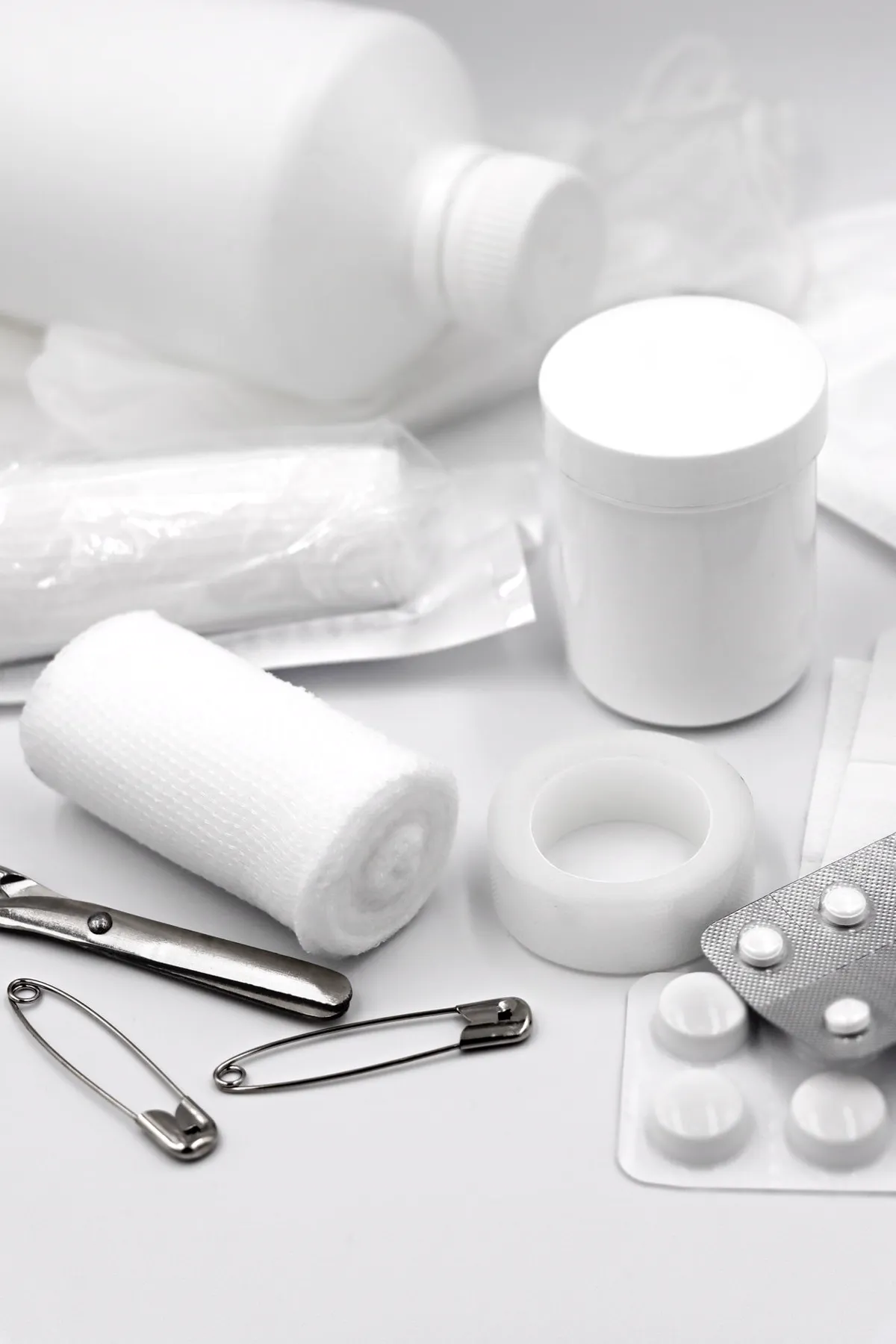
I keep everything in a lidded box with a handle, so I can grab it with one hand and carry a cat with the other. What matters is that it all lives together and everyone in the house knows where it is.
Wound care and bandaging
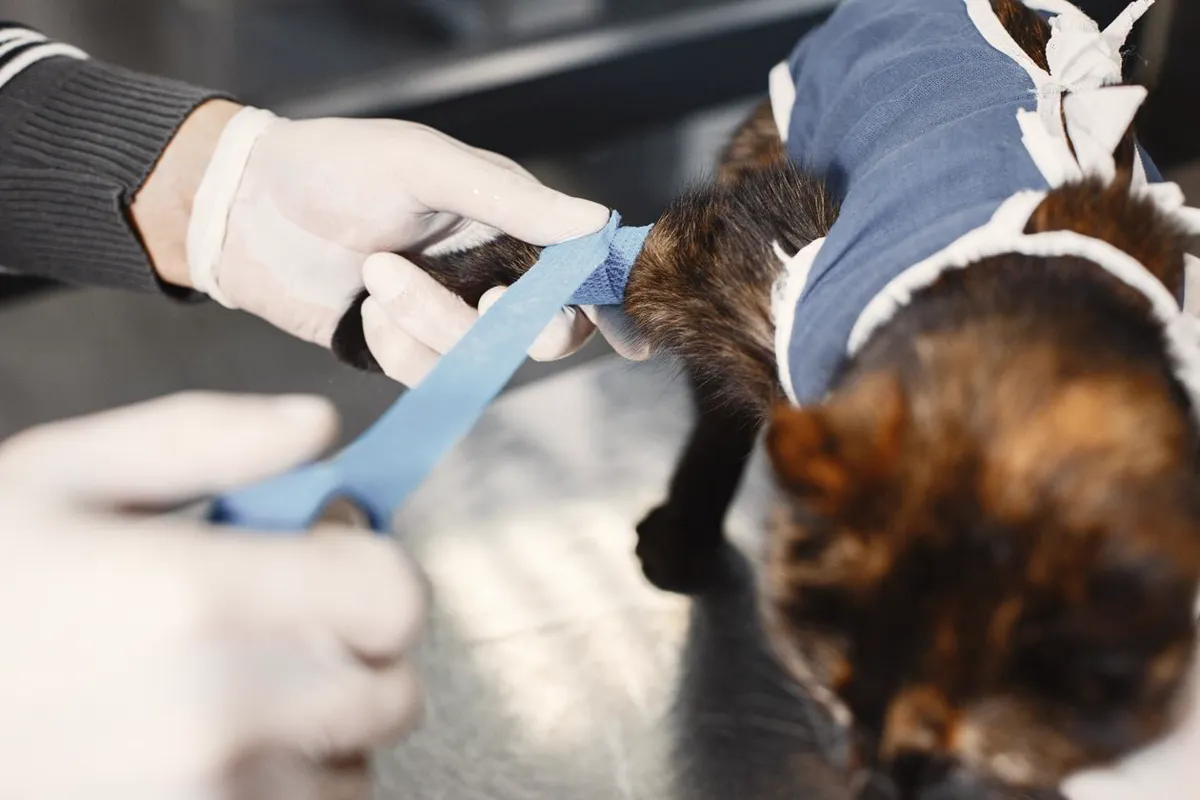
- Sterile gauze pads, small and large, plus non-stick wound pads so dressings do not glue themselves to a healing wound
- Rolled gauze and self-adhesive wrap, the stretchy kind that sticks to itself rather than to fur
- Paper or surgical tape, sterile saline for flushing out dirt and grit, and styptic powder for a broken nail that will not stop bleeding
- A vet-approved diluted antiseptic, such as diluted chlorhexidine, for skin wounds only
- An instant cold pack, wrapped in a cloth before it touches skin or fur
Owners on social media keep coming back to the same short list: saline, gauze, wrap, and a towel. One cat owner on Facebook summed up her kit as a thermometer, saline, gauze and wrap, blunt scissors, gloves, and her vet numbers written down.
Tools, handling, and paperwork
- Blunt-tipped scissors, fine tweezers or a tick remover, disposable gloves, and a small torch for looking under thick fur
- A digital rectal thermometer, if your vet has shown you how to use it safely
- A needleless syringe for water or a vet-prescribed liquid medicine, following your vet’s guidance for your cat’s weight
- A thick towel, big enough to wrap a Maine Coon properly
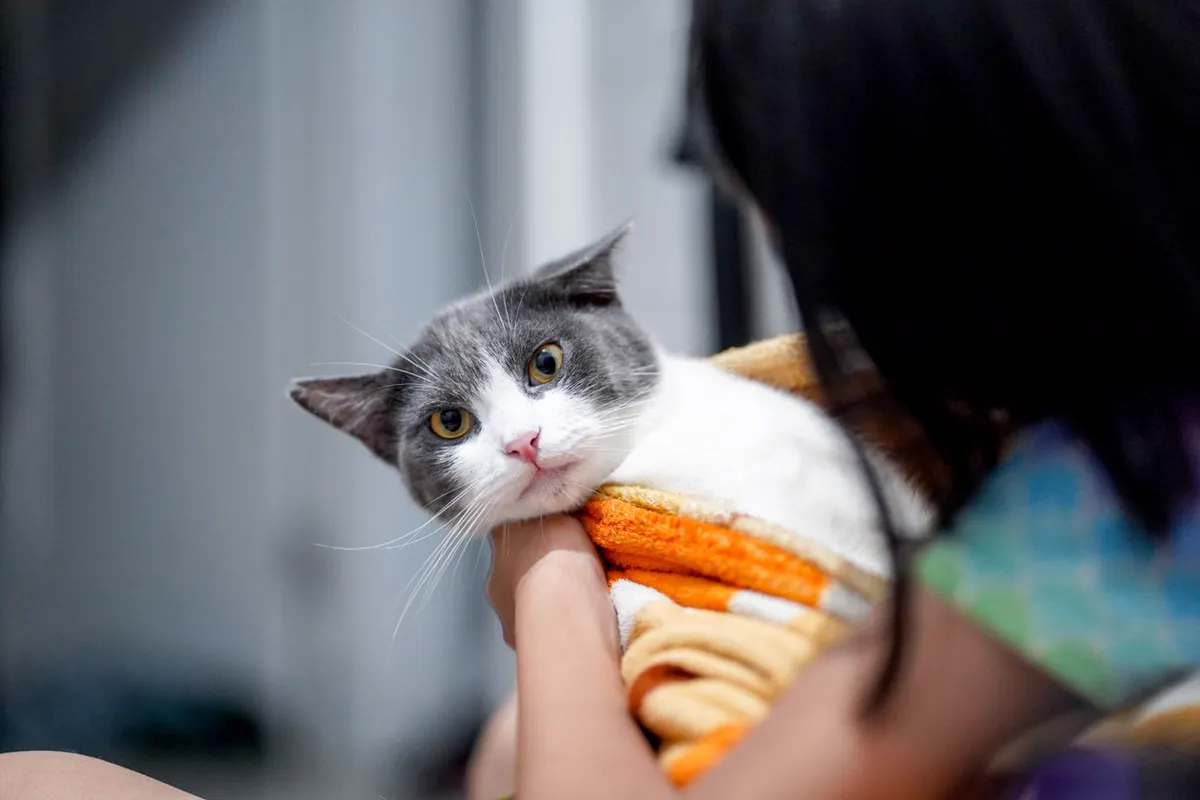
The towel is the most underrated item in the box. A frightened cat in pain may bite or scratch even the person it loves most, and a gentle towel wrap keeps both of you safer. Breeders on YouTube recommend practising the wrap when nothing is wrong, with treats afterwards.
Tape a card inside the lid with your vet’s number, the nearest 24-hour emergency clinic and its address, and a poison helpline number, plus your cat’s name, age, weight, medicines, and allergies. In a real emergency you will not think clearly enough to hunt for numbers.
Also worth adding: a cone that actually fits a Maine Coon head and neck, a spare blanket, and a spare collar with an ID tag; pack a smaller version for the car. PetMD’s guide to what to pack in a cat emergency kit and Cornell’s feline disaster preparedness kit list are good cross-checks.
Minor wounds: what I actually do at home
Most of what a kit gets used for is small stuff: a torn claw, a nicked paw pad, a scratch from a scuffle. Stay calm, sit on the floor, and talk quietly.
If it is bleeding, press a clean gauze pad firmly against it for a few minutes without peeking; peeking lifts the clot that is trying to form. If the gauze soaks through, lay another pad on top.
Once bleeding slows, flush gently with sterile saline, pat dry, cover with a non-stick pad, and wrap lightly. You should be able to slide a finger under the wrap, and on a paw the toes should stay visible. A bandage that is too tight cuts off circulation, so check it often.
Put the cone on if your cat will not leave the wound alone; Maine Coons are persistent groomers. Watch it over the next day or two: spreading redness, swelling, heat, discharge, a bad smell, or a cat going off food or limping more means call the vet, even if the wound looked small. Bite wounds deserve special caution, since a puncture from another cat can look like nothing on the surface and still carry infection deep underneath, so any bite wound gets a vet call from me. PetMD’s wound care guide is worth reading before you need it, not during.
When to go to the vet right now
The kit cannot fix these: skip home treatment, call ahead if you can, and go.
Bleeding that will not stop. A few minutes of firm pressure should slow most minor bleeding. If it soaks through pad after pad, pulses, or the wound is deep, gaping, or over the belly or chest, go now, holding pressure on the way.
Trouble breathing or choking. Open-mouth breathing in a resting cat is not normal panting, the way it can be in a dog. Gasping, noisy breathing, blue or pale gums, or retching without bringing anything up all mean go now. Never push blindly down a cat’s throat, and never delay the trip to keep fishing for something you cannot see.
Heatstroke. A Maine Coon in a heavy coat overheats fast in a hot car, a stuffy room, or a carrier left in the sun. Signs include open-mouth breathing, weakness, wobbliness, vomiting, or collapse. Move the cat somewhere cool, dampen the fur with cool, not ice-cold, water, add fan airflow, and get to the vet. Do not use ice water or force water down the throat of a collapsed cat. Our Maine Coon summer care guide covers keeping a long-coated cat cool in more detail.
Straining to urinate with little or nothing coming out. This is one of the most commonly missed emergencies in male cats, and it can turn life-threatening within a day. A cat that keeps visiting the litter box, straining or crying while producing only drops, or nothing at all, needs an emergency vet immediately, not a wait-and-see morning. Our Maine Coon urinary health guide covers the warning signs in full; the short version is simple: no urine means go now.
Poisoning. If your cat has eaten or licked something toxic, call your vet or a poison helpline straight away, packaging or a photo of the product in hand. Do not wait for symptoms, and do not try home remedies first. For what is dangerous, see our guides to toxic foods for Maine Coons and toxic plants for Maine Coons rather than relying on memory in a panic. Cornell’s common cat hazards overview covers household chemicals and medicines.
Other go-now signs: collapse, a seizure, a broken-looking limb, a wound exposing bone or tissue, a fall from height even if the cat seems fine, and any eye injury. Cats hide pain well, so sudden hiding or refusing food after an incident counts too.
What NOT to do
Do not use hydrogen peroxide on wounds or to make a cat vomit. It damages healing tissue, and there is no safe home method for making a cat vomit; the peroxide advice you may have seen for dogs does not transfer to cats.
Do not give human painkillers. Paracetamol, ibuprofen, and aspirin can be dangerous or fatal for cats, even in small amounts. A cat in pain needs a vet-prescribed medicine dosed for your cat’s weight, not a tablet from your cabinet.
Do not use dog flea or tick products on a cat, or essential oils, tea tree oil, or strong antiseptics on a cat’s skin unless your vet has approved them. Cats groom everything off their fur and swallow it, so a product fine on a dog can poison a cat.
Do not bandage tightly, set a broken bone, or stitch or glue a wound shut at home. A tight bandage can cut off blood flow in hours, and a wound closed over dirt seals infection inside. And do not wait out a urinary blockage, breathing trouble, or poisoning. Those are the cases where hours genuinely matter.
Keeping the kit ready
Every six months I tip the box out, throw away anything expired or opened, replace the saline, and check the wrap and torch. Owners on Reddit say the same about the six-month check.
Restock after every use, even a small one. If your household changes, update the card in the lid: a new vet, a new medicine, or a kitten grown into a 16-pound adult who needs a bigger cone and carrier. Seniors on daily medicine need a few days of their prescription in the kit, noted on the card.
Frequently asked questions
Do I really need a first aid kit for an indoor Maine Coon?
Yes. Indoor cats still get torn claws, chew the wrong houseplant, swallow a hair tie, and need a carrier trip in a hurry. The kit beats one panicked midnight drive to a pharmacy.
What is the single most useful item in a Maine Coon first aid kit?
Sterile saline, with gauze a close second. Saline flushes wounds and rinses grit from eyes without damaging tissue the way harsher products do. But a kit is a system, and the card with your vet numbers may matter most.
Can I give my Maine Coon human medicine in an emergency?
No, not without your vet telling you to, with a dose set for your cat’s weight. Human painkillers and many human medicines are toxic to cats. Keep the cat calm and call your vet or an emergency clinic instead.
How do I bandage a Maine Coon paw without cutting off circulation?
Pad first, then wrap lightly, always leaving the toes visible. You should be able to slide a finger under the wrap, and the toes should stay warm, not swollen or cold. Check after an hour and before bed, and redo it if it has slipped or gotten wet.
When should I skip first aid and go straight to the vet?
Go straight away for unstoppable bleeding, breathing trouble, choking, collapse, seizures, suspected poisoning, heatstroke, and straining to urinate with little or no urine. Then first aid means keeping the cat safe and calm on the way to the vet.
I built my kit after a scare; I would rather you build yours on a quiet Sunday afternoon. It takes half an hour, and on the night you need it, you will be glad it is by the back door. It will not make you a vet. It will make you the calm person in the room when your gentle giant needs one.