Maine Coon Matted Fur: Causes, Removal, and Prevention
If you share your home with a Maine Coon, you already know the deal: that magnificent long coat is half the reason you fell in love, and it is also a part-time job. I have lived with these gentle giants for years, and I can tell you from experience that matting is the one grooming problem that sneaks up on even the most devoted owners. One week the coat looks perfect, and the next you find a tight little knot hiding behind an ear or under a leg.
Matted fur is more than a cosmetic problem. Mats pull on the skin, trap moisture, and can turn into painful sores if they are ignored. The good news is that with a simple routine, most matting is entirely preventable — and the mats you do find can usually be dealt with at home.
What Is Matting, Exactly?
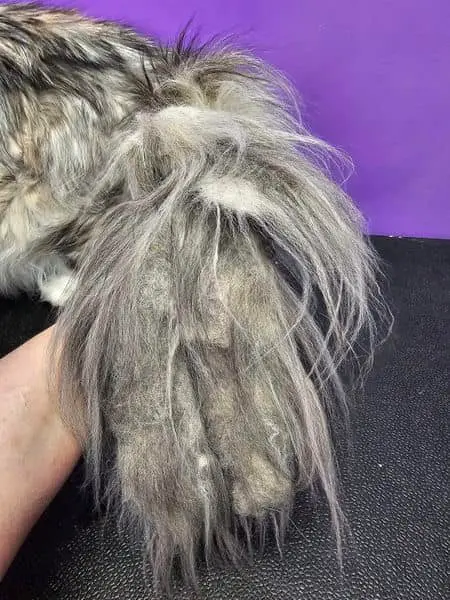
A mat is a clump of tangled, knotted hair that has woven itself so tightly it can no longer be brushed out normally. On a Maine Coon, mats usually form where the fur rubs against itself: behind the ears, under the front legs (the “armpits”), along the belly, around the collar area, and in the fluffy “britches” on the back legs.
Left alone, a small tangle collects more loose hair every day and grows into a dense, felt-like mass. In bad cases the mat sits right against the skin, cutting off airflow and creating a warm, damp spot where skin irritation and infection can take hold. That is why I treat every tangle I find as a small job to do today, not a problem for next week.
Why Maine Coons Matt So Easily
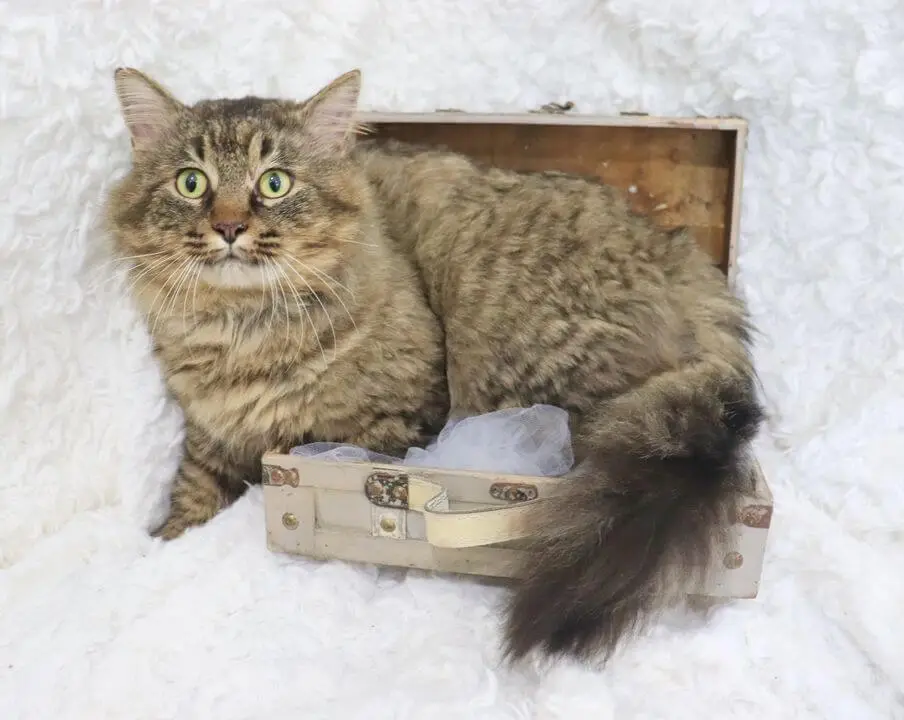
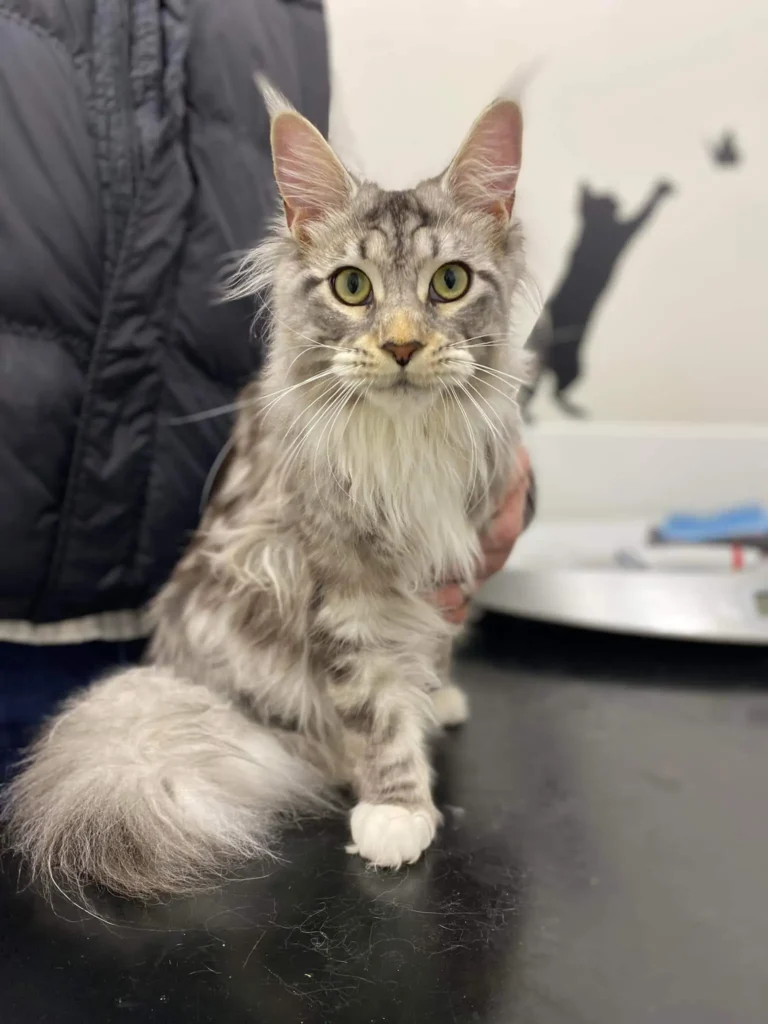
Most cats have a single layer of fur. Maine Coons have a thick, shaggy triple coat: long guard hairs on top, a middle layer, and a dense, silky undercoat underneath. That undercoat is the troublemaker. It sheds constantly, and the loose hairs get caught in the longer topcoat instead of falling away. Add a little natural skin oil, some friction from moving around, and you have the perfect recipe for tangles.
Understanding this changed how I groom my cats. You are not really fighting the long hair you can see — you are fighting the invisible undercoat that is shedding underneath it. Every technique that works against matting is really about getting that loose undercoat out before it weaves itself into knots.
Common Causes of Matted Fur in Maine Coons
Mats do not appear out of nowhere. In my experience, there is almost always one of these culprits behind them:
Skipped or rushed brushing
This is the number one cause, full stop. A Maine Coon coat needs attention at least twice a week, and daily is better during heavy shedding. It only takes a couple of skipped sessions for small tangles to lock into real mats.
Shedding season
Maine Coons blow their undercoat in spring and again in autumn. All that loose hair has to go somewhere, and if you are not combing it out, it goes straight into mats. I double my grooming sessions during these weeks.
Dirt, moisture, and oils
Dust, damp fur, and natural skin oils make hair strands stick together and tangle faster. Cats that go outdoors or love water bowls tend to mat more quickly.
Extra weight
An overweight Maine Coon cannot twist around to groom its belly and back end properly. If you are finding mats mostly on the tummy and hindquarters, weight may be part of the story.
Dental pain or illness
A cat that has stopped grooming itself is telling you something. Sore teeth, gum problems, or just feeling unwell can make a cat skip its daily self-care, and the coat pays the price within days.
Senior cats
Older cats groom less because stiff joints make it uncomfortable to reach everywhere. My seniors get a gentle daily once-over with a comb, which they have come to enjoy as cuddle time.
How to Remove Mats Safely at Home
Small, loose tangles you can work out yourself. Big, tight mats sitting on the skin are a job for a professional groomer or your vet. Here is how I handle them, in order of severity:
1. Work small tangles out with your fingers and a comb
Hold the base of the tangle firmly against the skin with one hand — this stops the pulling from hurting — and gently tease the knot apart with your fingers or a wide-toothed steel comb, starting at the tip and working toward the skin. Never yank. If the cat flinches, stop and try again later with a treat.
2. Try a little olive oil on stubborn knots
For a mat that will not tease apart, some owners (myself included) rub a small amount of plain olive oil into the knot and leave it for a day or two. The oil can loosen the hair enough to work apart gently. This is a folk remedy rather than a guaranteed fix — if the mat does not soften after a couple of days, move on to clippers or a groomer rather than forcing it.
3. Use clippers — never scissors — on tight mats
This is the safety rule I wish every new owner knew: never cut a mat out with scissors. Cat skin is paper-thin and tents up inside mats, so it is frighteningly easy to slice the skin. Pet clippers with a guard, slid flat along the skin under the mat, are far safer. If you are not confident, this is exactly what professional groomers are for.
4. Know when to call a professional
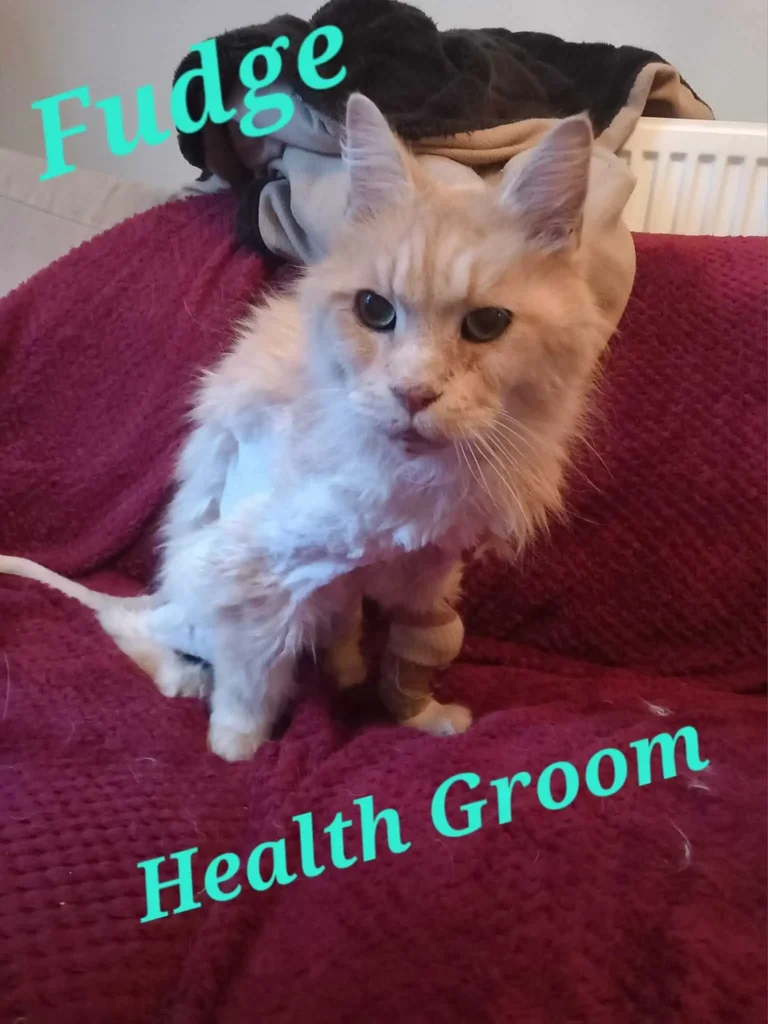
Book a groomer if mats are large, numerous, tight against the skin, or in delicate areas. There is no shame in it — I have handed over a badly matted rescue-area cat myself, and the relief on the cat’s face afterwards was worth every penny. If you are ever tempted to shave matted areas, read up on the pros and cons first, because a shaved coat grows back differently.
My Weekly Routine That Keeps Mats Away
Prevention beats removal every single time. Here is the routine that keeps my cats mat-free:
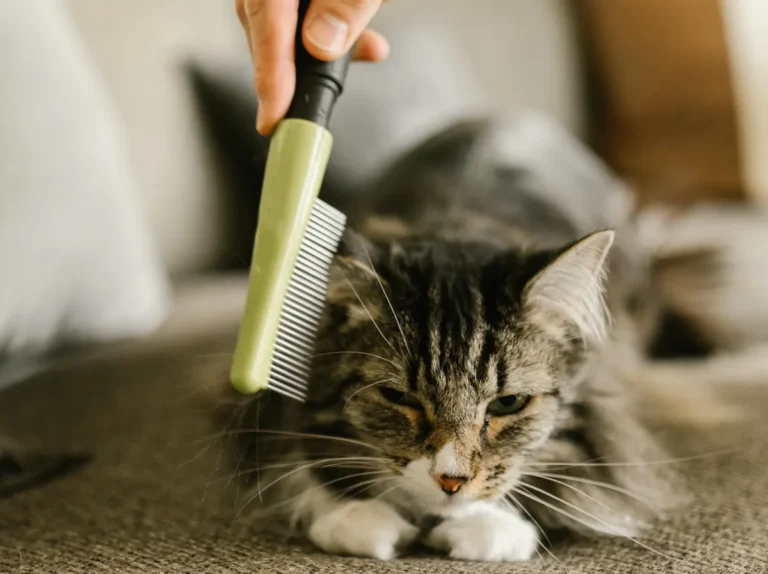
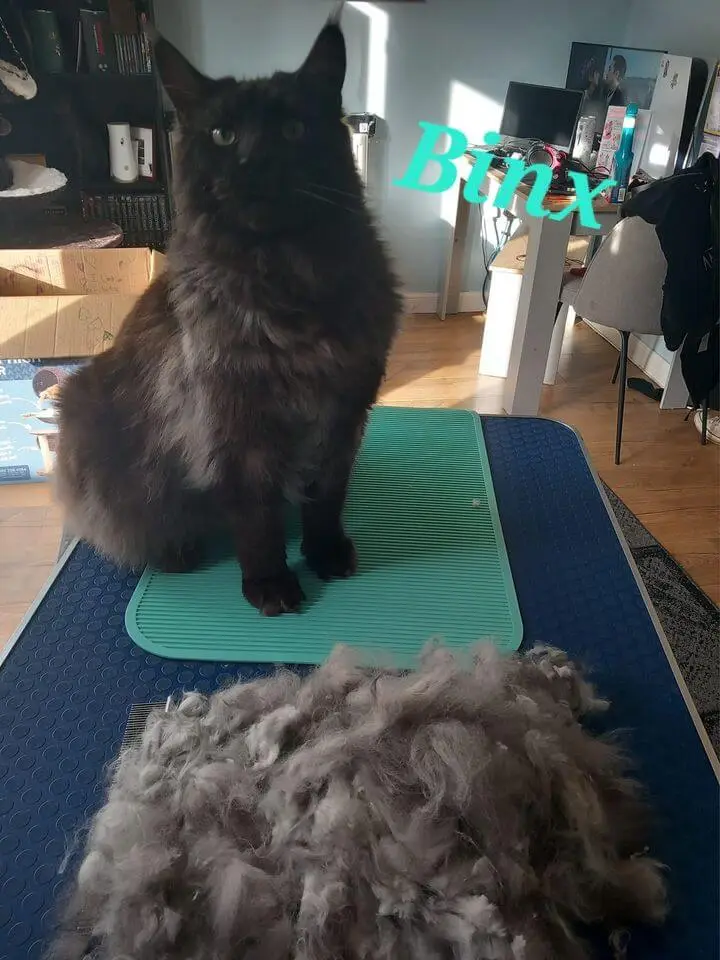
- Comb twice a week, minimum. I use a steel greyhound-style comb for the undercoat and a slicker brush to finish. The comb finds tangles the brush glides over — run it gently right down to the skin, especially behind the ears, under the legs, and along the belly.
- Do a fingertip check. Once a week I run my hands over each cat, feeling for the pea-sized tangles that are tomorrow’s mats. It takes two minutes and catches almost everything early.
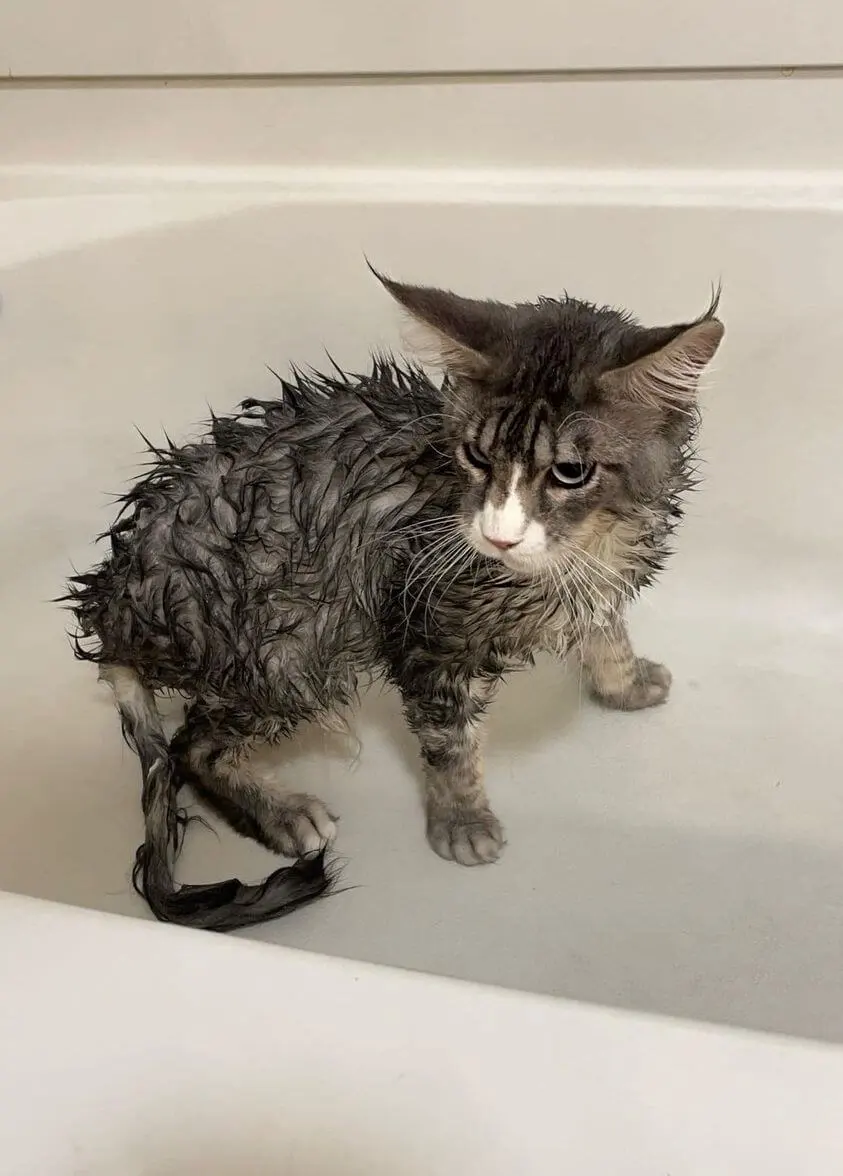
- Bathe every few weeks. A proper bath with a cat-safe shampoo removes the oils and dust that glue tangles together. My full guide to bathing a Maine Coon covers the whole process, including drying that dense coat completely — damp undercoat mats fast.
- Trim the trouble spots. A careful sanitary trim around the rear and a tidy-up of the belly fringe with clippers prevents the worst offenders. Keep it neat, not bald.
- Double up in shedding season. Spring and autumn mean daily combing in my house. A de-shedding tool used gently once a week during these periods pulls out astonishing amounts of loose undercoat.
When Matting Signals a Vet Visit
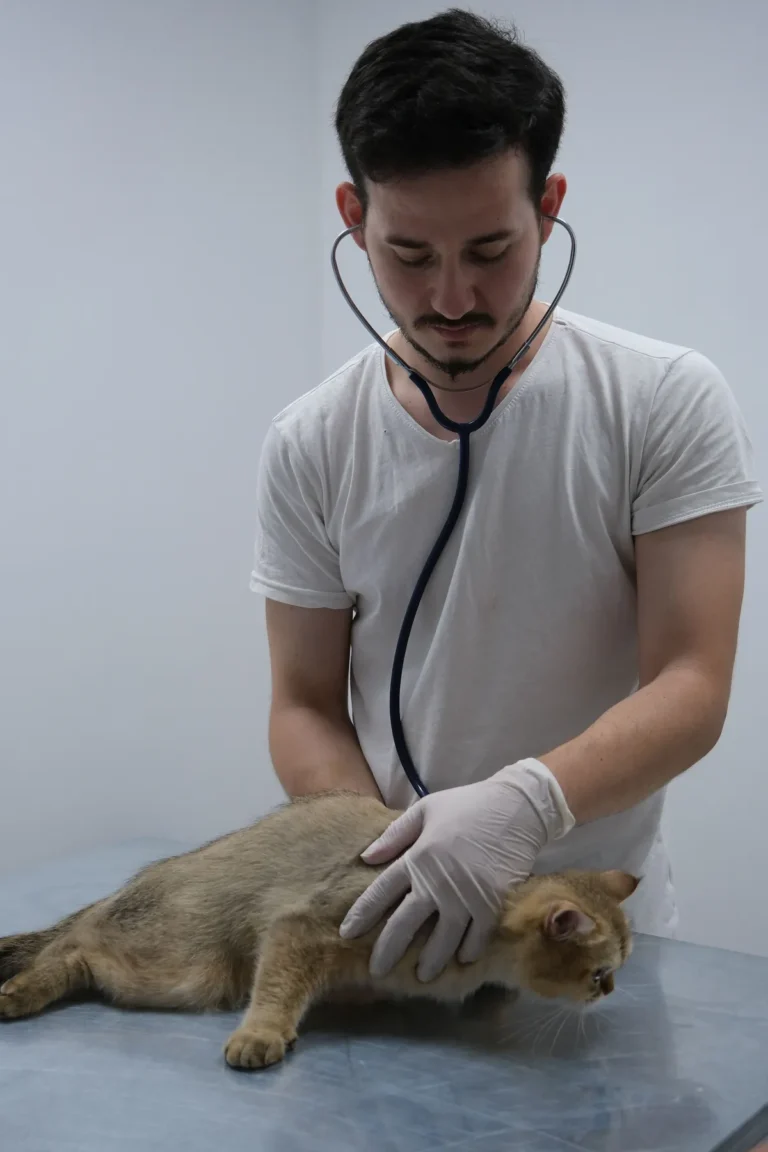
Sometimes matting is a symptom, not the disease. See your vet if your cat’s coat suddenly mats despite regular grooming, if the cat has stopped grooming altogether, if you find sores or a bad smell under a mat, or if an older cat seems painful when touched. Dental disease, arthritis, and skin conditions all show up in the coat first. For general guidance on feline coat problems, PetMD and VCA Hospitals both have solid grooming and skin-care resources worth bookmarking.
Frequently Asked Questions
Why does my Maine Coon keep getting matted even though I brush?
You may be brushing only the topcoat. A slicker brush glides over the surface while the undercoat tangles underneath. Switch to a steel comb that reaches the skin, and check the classic trouble spots — armpits, belly, and behind the ears — every time.
Is matted fur painful for cats?
Yes. Mats pull constantly on the skin, trap moisture against it, and can cause sores and infections underneath. Cats with bad matting often become grumpy, stop playing, or flinch when touched in the matted areas.
Can I cut mats out with scissors?
Please don’t. Cat skin is extremely thin and pulls up into mats, so scissors cause nasty cuts far more often than owners expect. Use clippers with a guard, or let a groomer handle tight mats.
How often should I brush my Maine Coon to prevent matting?
Twice a week is the minimum for most of the year, and daily during spring and autumn shedding seasons. A quick fingertip check for new tangles takes only a couple of minutes and prevents most mats from ever forming.