Why are Maine Coon cats so expensive? Causes and facts
If you have started shopping for a Maine Coon kitten, you have probably experienced the sticker shock. These cats cost significantly more than the average kitten, and it is natural to wonder what exactly you are paying for. Is it just popularity, or is there something real behind the price tag?
Having been through the process myself, I can tell you it is mostly the latter. A well-bred Maine Coon is expensive to produce, and the price reflects genuine costs, not just hype. Here is where the money goes.
Why Maine Coon cats cost so much
Responsible breeding is expensive
A reputable breeder is not simply pairing two cats and selling the kittens. Before a litter is even planned, the breeding cats undergo health screening for conditions the breed is prone to, including hip dysplasia and heart disease (hypertrophic cardiomyopathy). Screening, regular vet care, quality nutrition, and proper housing for the cats all cost real money, and those costs are spread across each litter.
Then there is registration. Kittens from serious breeders come with pedigree papers from registries like The International Cat Association (TICA) or the Cat Fanciers’ Association (CFA), which document the kitten’s lineage. Registration fees, litter registration, and individual kitten papers add up, but they are also your proof that you are getting the breed you are paying for.
Veterinary care for every kitten
By the time a kitten leaves for its new home, a good breeder has paid for multiple vet visits: health checks, first vaccinations, deworming, and often microchipping. Kittens are typically spayed or neutered before placement, or sold with a strict spay/neuter contract. None of this is free, and it is all folded into the kitten’s price, which means you are also saving on early vet bills.
Maine Coons also mature slowly, and breeders keep kittens longer than many breeds, usually 12 to 16 weeks, so they are properly socialized before leaving. Those extra weeks of food, litter, and hands-on care are another real cost, and they are also why well-bred kittens tend to arrive confident and well-adjusted. If you are curious about where the breed comes from, my article on the Maine Coon breed’s origin and history covers it.
Supply and demand
Economics plays its part. Maine Coons are consistently among the most popular pedigreed breeds, which keeps demand high. At the same time, responsible breeders limit how many litters their cats have, because breeding a queen too often is bad for her health. High demand plus deliberately limited supply means prices stay firm. When you see a Maine Coon kitten priced far below the going rate, that is usually a sign corners are being cut somewhere, health screening, vet care, or living conditions.
Color, pattern, and breeding rights affect the price
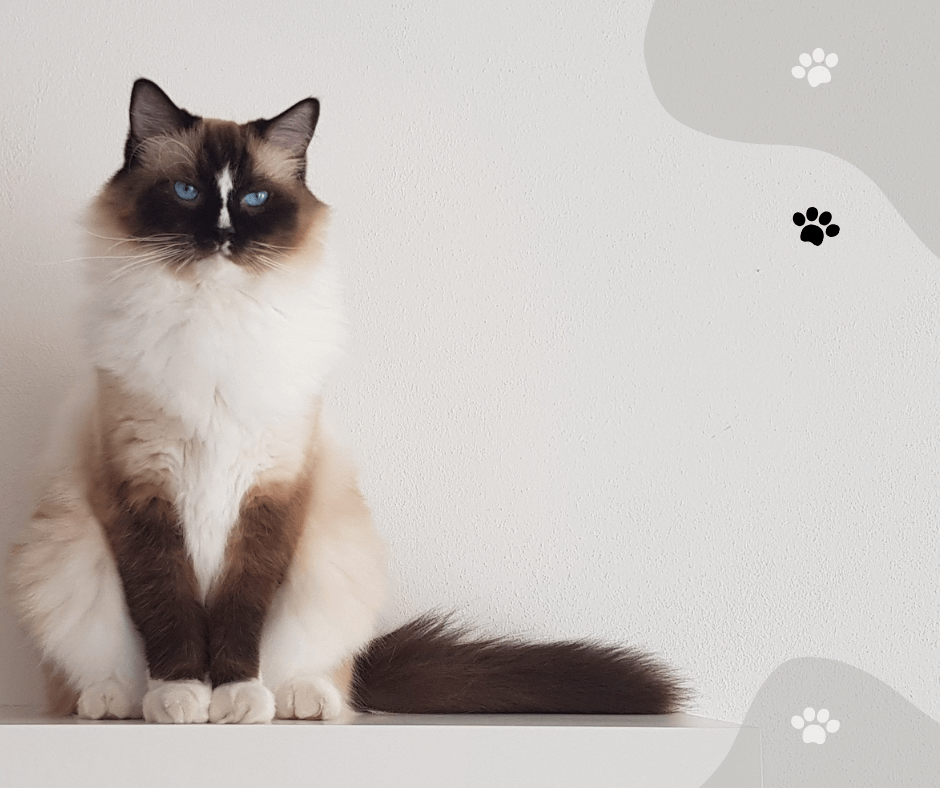
Within the breed, certain coat colors and patterns command higher prices because they are rarer or in greater demand. Kittens sold with breeding rights, the right to breed from them, cost substantially more than kittens sold as pets on a spay/neuter contract, and reputable breeders are selective about who gets those rights. Maine Coon colors and patterns vary enormously, and rarity within that range shows up in pricing.
Their size costs more to raise
This one is simple physics. Maine Coons are among the largest domestic cat breeds, and big kittens eat more, need bigger litter boxes, and go through more of everything. Raising a litter of Maine Coons simply costs more in food and supplies than raising a litter of a smaller breed.
What you can expect to pay
Prices vary by region, breeder reputation, pedigree, and whether you are buying pet quality or show quality, so treat any number as a rough guide rather than a rule. That said, pet-quality Maine Coon kittens from reputable breeders commonly fall somewhere in the low four figures, often roughly $1,000 to $2,500 in the US, with show-quality or breeding-rights kittens costing more. Be wary of prices dramatically below that range, and always ask what is included: vaccinations, microchip, pedigree papers, health guarantee, and spay/neuter terms.
The ongoing costs nobody mentions first
The purchase price is only the beginning. Budget for the lifetime costs too:
- Food: Big cats eat a lot, and quality nutrition matters for that coat and frame.
- Litter: More cat means more litter, and Maine Coons need oversized boxes.
- Grooming supplies: Brushes, combs, and the occasional professional groom for a long, dense coat.
- Vet care: Routine checkups plus a buffer for breed-associated conditions like hip and heart issues. I worked out the full math on whether pet insurance for Maine Coons is worth it here.
- Furniture: Sturdy, oversized cat trees and scratchers that can handle 15-plus pounds of cat.
How to find a reputable breeder
Since the price mostly reflects the breeder’s costs and ethics, choosing the breeder is really what you are paying for. Look for breeders who health-screen their breeding cats and will show you the results, raise kittens in the home (not cages), keep kittens until at least 12 weeks, provide pedigree papers and a written health guarantee, and ask you as many questions as you ask them. A breeder who does not care where their kittens go is a red flag, whatever the price.
TICA and CFA both maintain breeder listings and breed information, which is a good starting point for research before you contact anyone.
Frequently Asked Questions
Why are Maine Coons more expensive than regular cats?
Because producing a healthy, well-socialized, pedigreed Maine Coon costs the breeder significantly more: health screening, vet care, quality food, registration, and months of hands-on raising. You are paying for all of that, plus the breed’s popularity.
Is an expensive kitten always from a good breeder?
No. Price alone proves nothing. A high price from a breeder who cannot show health screening results or pedigree papers is just an expensive gamble. Always verify what is behind the number.
Are rescue Maine Coons cheaper?
Usually yes. Breed-specific rescues occasionally have Maine Coons and mixes for a fraction of breeder prices, and the adoption fee typically covers spay/neuter and vaccinations. Availability is limited and unpredictable, but it is worth checking if you are flexible on age and pedigree.
Do male or female Maine Coons cost more?
It varies by breeder and market. Males are often slightly larger and sometimes priced a touch higher as pets, while females may cost more with breeding rights. For a pet home, the difference is usually small and temperament matters far more than gender.
What should be included in the kitten price?
At minimum: first vaccinations, deworming, a vet health check, pedigree registration papers, and a written health guarantee. Microchipping and early spay/neuter are common inclusions from good breeders. Get all of it in writing.
Maine Coons are expensive because doing the breed properly is expensive. Once you understand what goes into a well-bred kitten, the price starts to look less like a luxury markup and more like what it is: the cost of a healthy, socialized cat from someone who did everything right. And in my experience, that is money well spent.