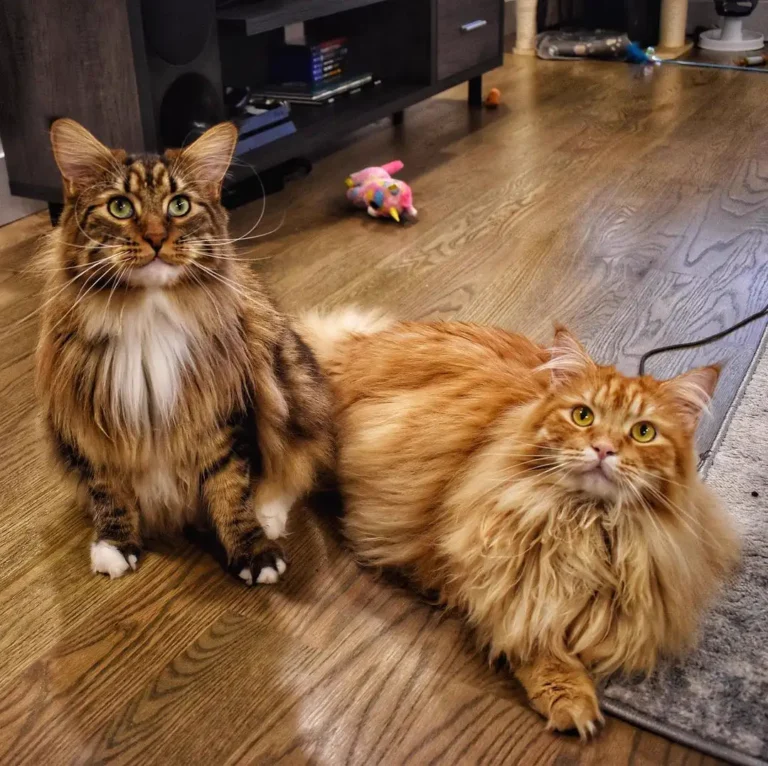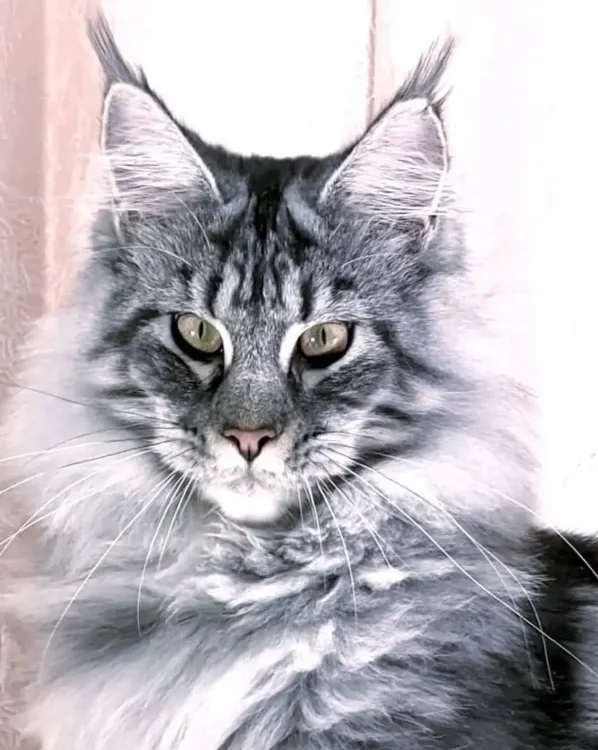
Silver Maine Coon: Colors, Personality, and Care Guide
Of all the colors a Maine Coon can wear, silver might be the most eye-catching. That pale, shimmering undercoat beneath darker tipping gives silver Maine Coons an almost luminous look — like moonlight caught in fur. I have always found them especially beautiful in person, where the contrast between the silver base and the darker markings really shows.
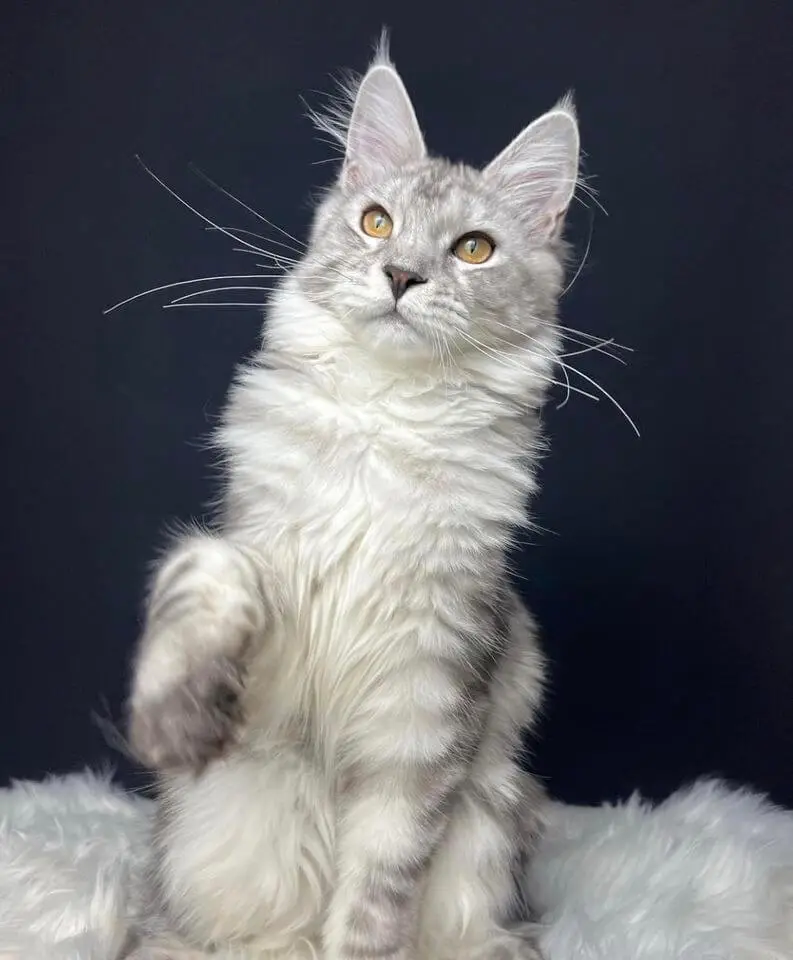
This guide covers everything I think you should know about silver Maine Coons: their personality and size, the different silver patterns, what the color means genetically, and how to care for that gorgeous coat.
Silver Maine Coon Personality and Size
Personality
A silver Maine Coon has the same temperament as any Maine Coon — color does not change personality. Expect a people-oriented, dog-like cat that follows you from room to room and wants to be involved in everything. They are playful well into adulthood, generally gentle with children, and often good with other pets.
One thing I have noticed with my own cats: the silver undercoat becomes more noticeable as a kitten matures into an adult coat. Young kittens can look darker than they will as adults, so do not judge the final color too early.
Size
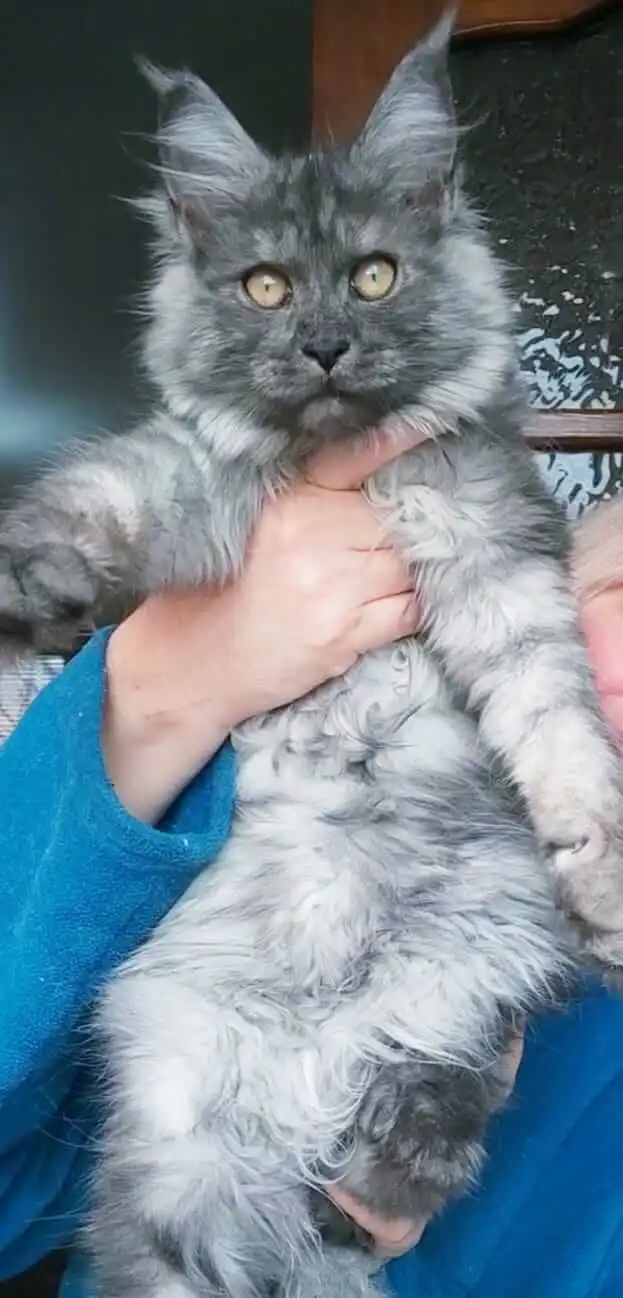
Silver Maine Coons are full-sized Maine Coons. Males typically reach 13 to 18 pounds, females usually 8 to 12 pounds, with a long rectangular body, heavy bone, and that famous plumed tail. Like all Maine Coons, they are slow to mature and may keep filling out until three or four years old.
Are Silver Maine Coons Good for Families?
In my experience, yes — this is one of the most family-friendly breeds you can choose. Maine Coons are patient, rarely aggressive, and tend to walk away rather than lash out when they have had enough. They are also famously good mousers with a strong play drive, which makes them fun for older kids. As with any cat, teach children to be gentle and give the cat a quiet retreat when it wants one.
What Makes a Maine Coon “Silver”?
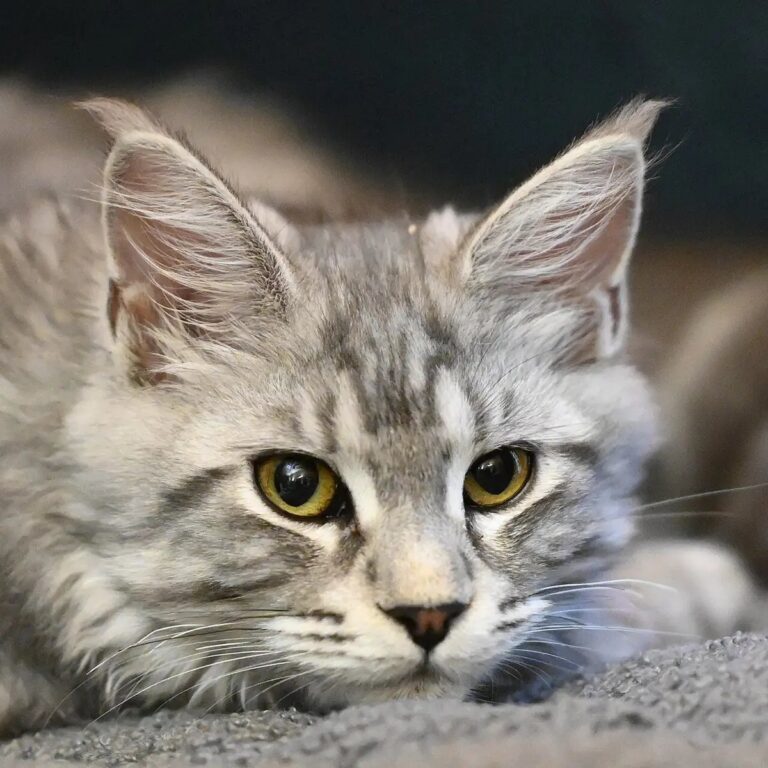
The silver look comes from what breeders call the inhibitor gene, which suppresses pigment at the base of each hair shaft. The result is a pale, almost white undercoat with color only at the tips — the smoky, shimmering effect silver cats are known for. In solid-colored cats this is often called “smoke,” while in tabbies it lightens the background color dramatically.
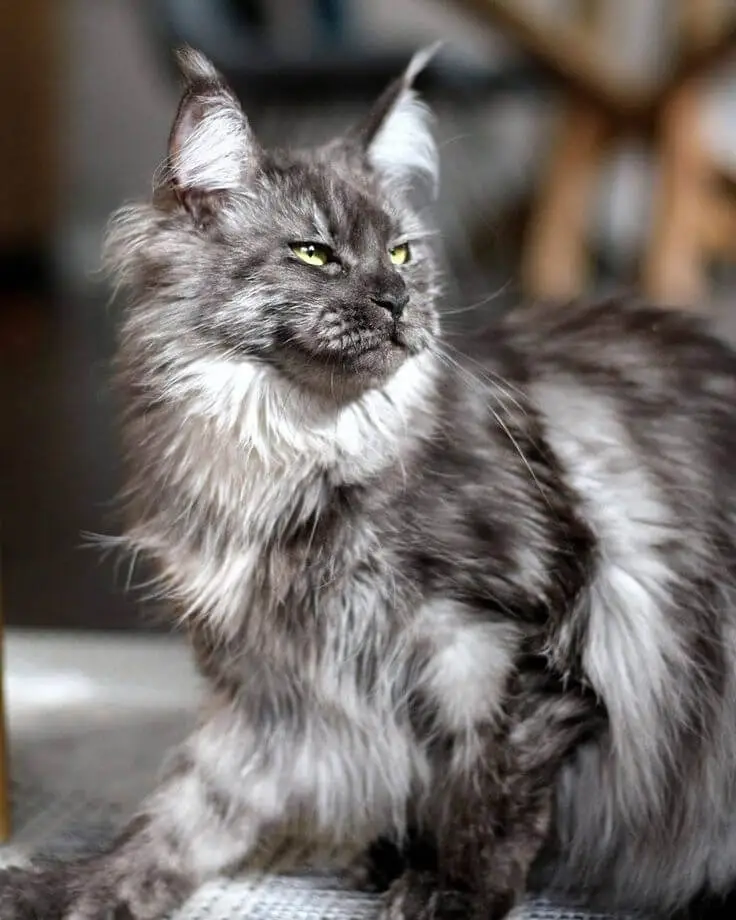
Cat genetics are genuinely complex, and silver inheritance involves more than one gene interacting. If you are buying from a breeder, a good one will be happy to explain the pedigree behind a silver kitten’s coloring — that openness is itself a sign of a trustworthy breeder.
Silver Maine Coon Colors and Patterns
Silver is not one single look. Here are the main silver varieties you will see, all part of the wider spectrum of Maine Coon colors:
Silver Tabby With White
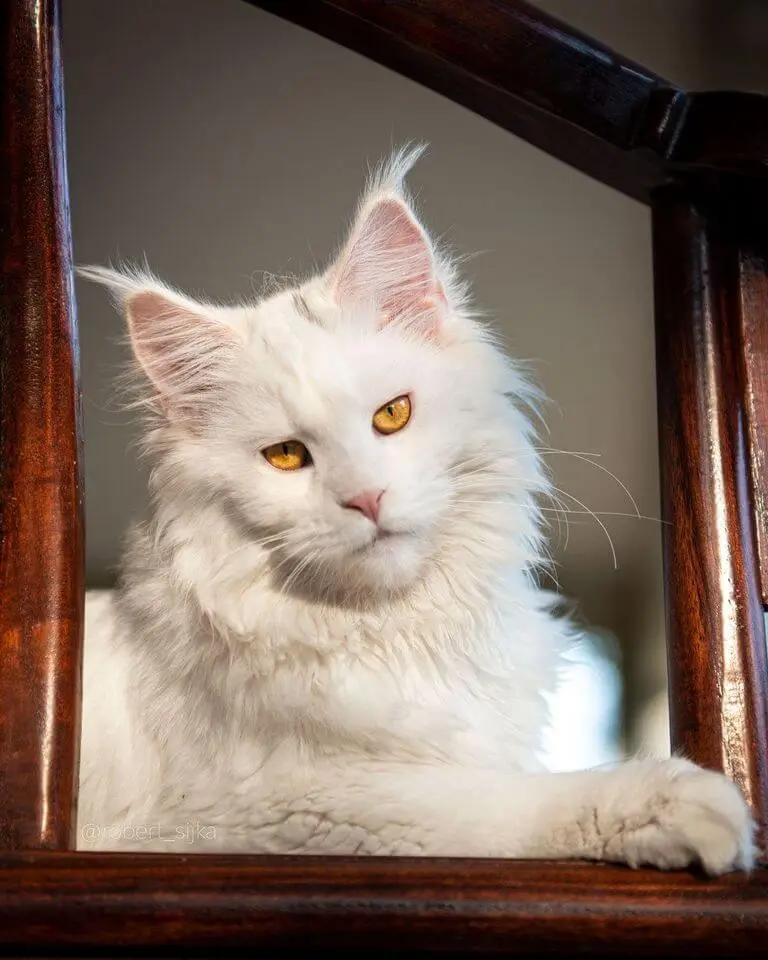
A beautiful combination of silver tabby markings with crisp white on the chest, paws, or face. The contrast between the bright white and the pale silver is genuinely stunning.
Silver Tabby
The classic silver tabby has bold black markings over a pale silver background — an extremely striking contrast. Within silver tabbies you will see the usual tabby patterns:
Classic: swirling marble-like patterns on the sides, often with a bullseye shape.
Mackerel: narrow, evenly spaced stripes running down the sides like a tiger.
Ticked: each hair banded with color, giving a salt-and-pepper look with little distinct striping.
Blue Silver
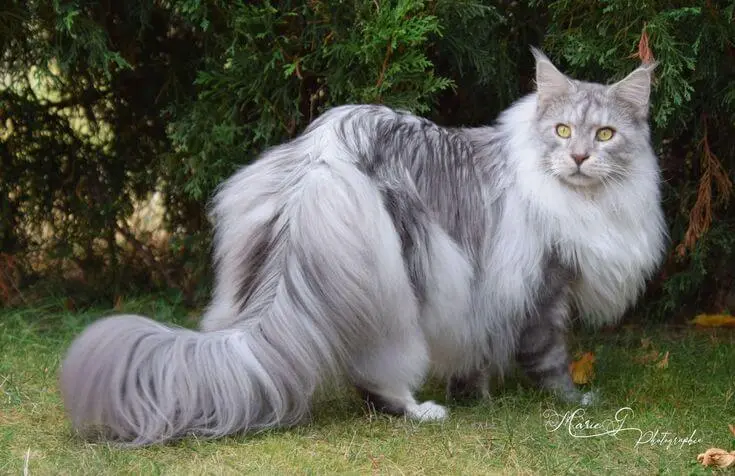
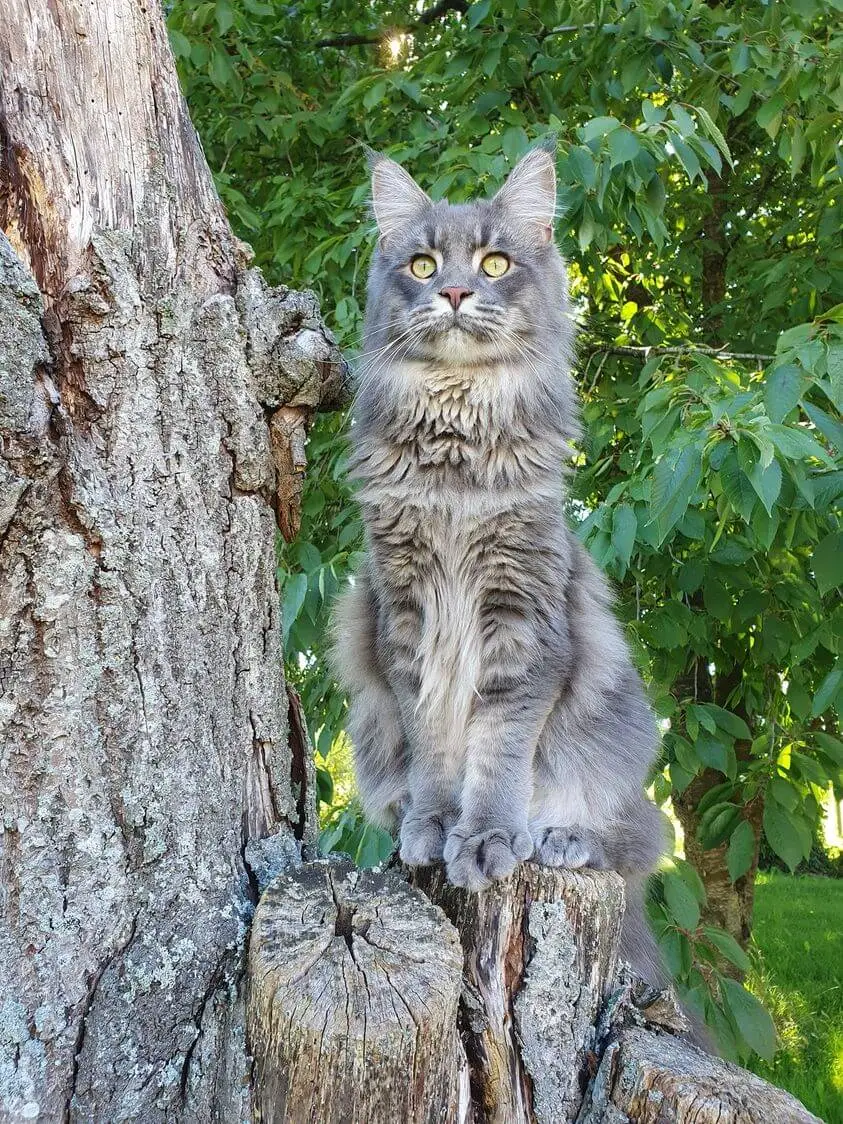
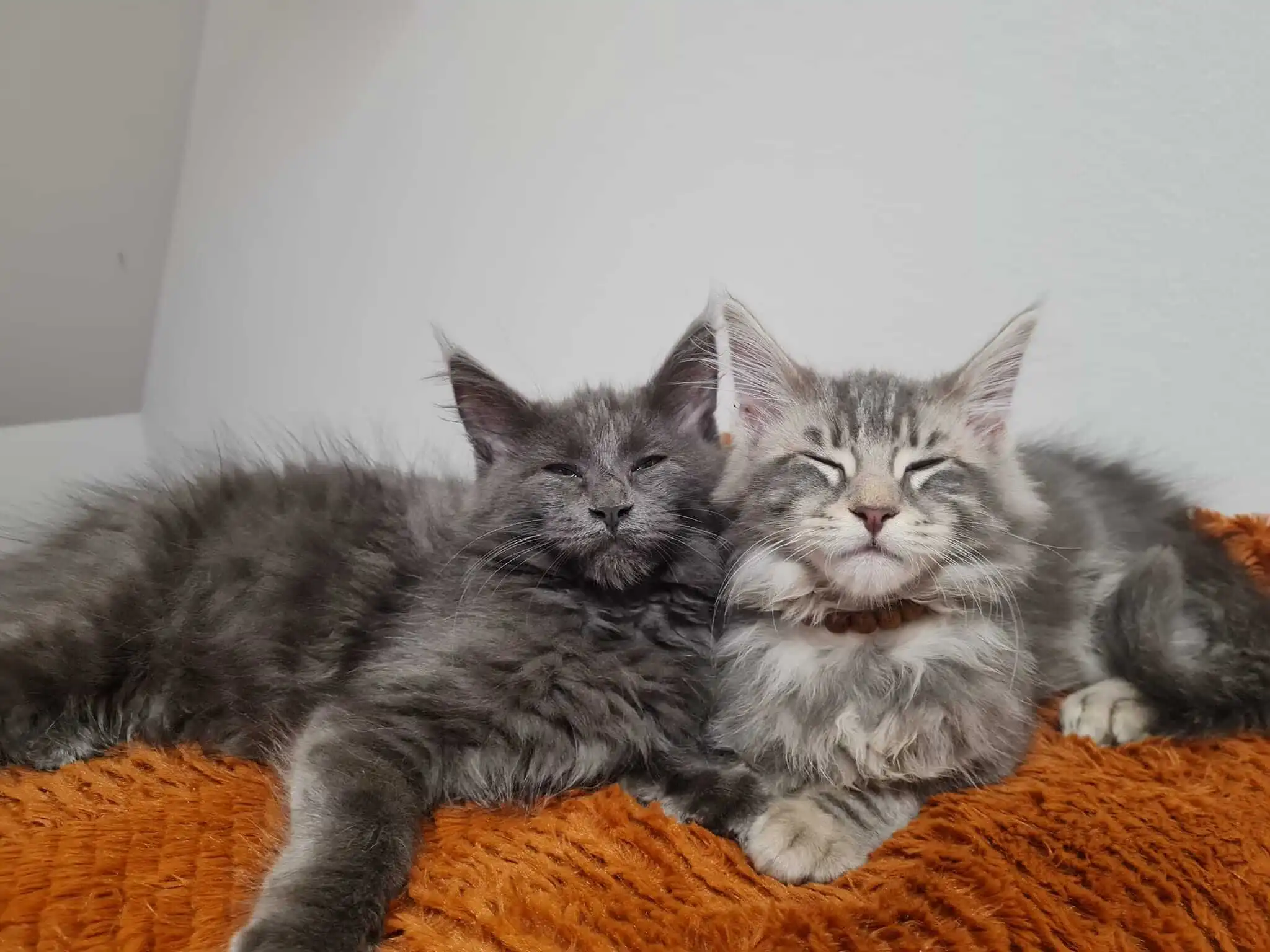
A softer variety where the markings are blue-grey rather than black. Blue silvers have a dreamy, muted look, often with green or gold eyes. If you love the smoky grey aesthetic, also have a look at the blue Maine Coon — a closely related beauty.
Silver Shaded
In shaded silvers, the undercoat is white or pale silver with only the very tips of the outer coat carrying color — red in shaded reds, cream in shaded creams. The effect is delicate and luminous, quite different from the bold contrast of a silver tabby.
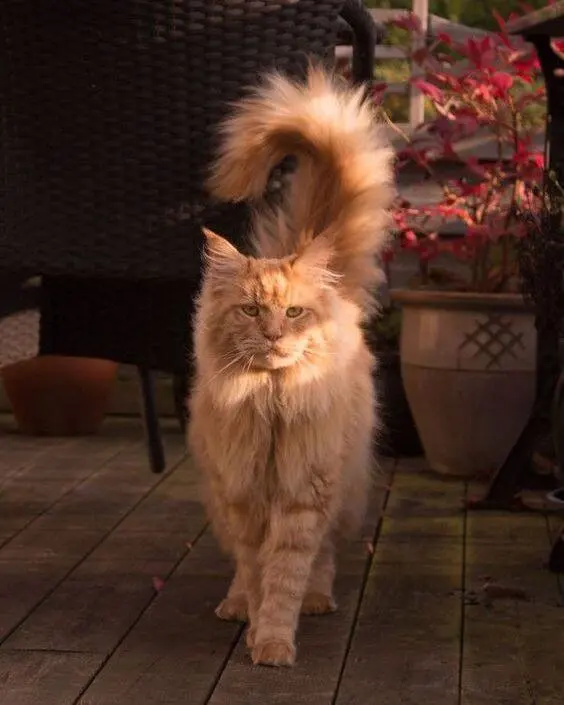
Black Silver (Black Smoke)
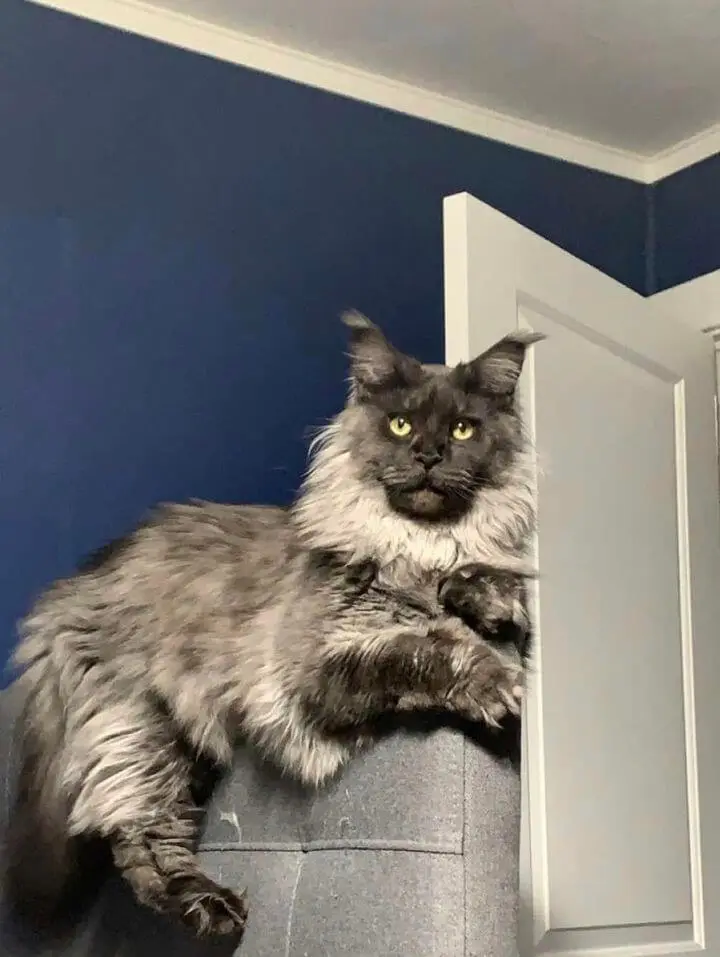
Black smoke Maine Coons look almost black until the fur parts or the cat moves — then the silver-white undercoat flashes through. It is a dramatic, formal look, like a tuxedo in reverse.
Silver Grey
A general term many owners use for silvers with an overall grey impression. Whatever you call it, the combination of grey tones with that pale undercoat photographs beautifully.
How Much Does a Silver Maine Coon Cost?
Silver Maine Coons from reputable breeders are typically expensive — this is a costly breed to buy and to keep, with quality food, grooming, and vet care adding up over a 10 to 15 year life. Prices vary widely by breeder reputation, pedigree, and region, so treat any fixed number you see online with skepticism. Be wary of anyone selling “rare silver” kittens unusually cheap; that is a classic red flag. A responsible breeder health-tests their cats, raises kittens in the home, and will happily answer hard questions.
Silver Maine Coon Grooming and Health
Grooming
That beautiful coat needs regular care. Here is the routine I follow:
Brushing: two to three times a week with a slicker brush and a steel comb, working down to the skin to catch tangles before they become mats. Pay extra attention to the armpits, belly, and britches.
Bathing: only occasionally, with a cat-specific shampoo, and dry the coat thoroughly — a damp Maine Coon coat mats fast.
Nails: trim every couple of weeks.
Ears: check regularly and clean gently; see your vet if you notice excess wax, redness, or odor.
Teeth: dental care matters. Brush if your cat tolerates it, and ask your vet about dental checkups.
Health
Silver Maine Coons share the same health profile as the breed overall. The conditions responsible breeders screen for include hypertrophic cardiomyopathy (a heart condition), hip dysplasia, and spinal muscular atrophy. Ask any breeder for proof of health testing — it is the single most important question you can ask.
Day to day, the foundations are the same as for any cat: regular vet checkups, a balanced high-quality diet (see what Maine Coons love to eat), fresh water always available, daily play, and a healthy weight. Watch for changes in appetite, litter box habits, or energy — early vet visits catch most problems while they are small.
Finding a Silver Maine Coon Breeder
Start with the breeder directories kept by the International Cat Association (TICA) and the Cat Fanciers’ Association (CFA). Look for breeders who health-test, raise kittens underfoot in the home, provide pedigree papers, and ask you as many questions as you ask them. A good breeder is interviewing you too — that is a good sign.
Final Thoughts
Silver Maine Coons are beautiful, but what will keep you enchanted long after the novelty of the coat fades is the personality underneath: the following-you-around devotion, the chirps and trills, the goofy playfulness. If you are ready for a big, social, high-maintenance-coated companion, a silver Maine Coon is a wonderful choice.
Frequently Asked Questions
Are silver Maine Coons rare?
Silver is an established and recognized color, not exceptionally rare, though well-marked silvers with clear contrast are always in demand. Do not pay a “rarity premium” without verifying the breeder’s reputation first.
Do silver Maine Coons change color as they grow?
Yes, somewhat. Kittens often look darker, and the silver undercoat becomes more pronounced as the adult coat comes in. The full effect usually shows by one to two years of age.
Is a silver Maine Coon’s personality different from other colors?
No. Coat color does not determine temperament. A silver Maine Coon has the same sociable, playful, gentle personality as the breed overall.
How often should I brush a silver Maine Coon?
Two to three times a week is a good baseline, more during spring and fall shedding seasons. Their semi-long silky coat mats less readily than some longhaired breeds, but the dense undercoat still needs regular attention.