Torbie Maine Coon: Tortoiseshell Tabby Patterns Explained
The first time I heard the word torbie, I honestly thought someone had misspelled tortie. A breeder friend said it about a kitten with the wildest coat I had ever seen: stripes running through patches of black and ginger, like a tortoiseshell and a tabby had been painted over each other. That, it turns out, is exactly what a torbie Maine Coon is. Torbie is short for tortoiseshell-tabby, and it describes the coat pattern rather than a separate type of cat. If you share your home with a torbie Maine Coon, or you are thinking of getting one, here is everything I have learned about these patchwork beauties.
What a Torbie Maine Coon Looks Like
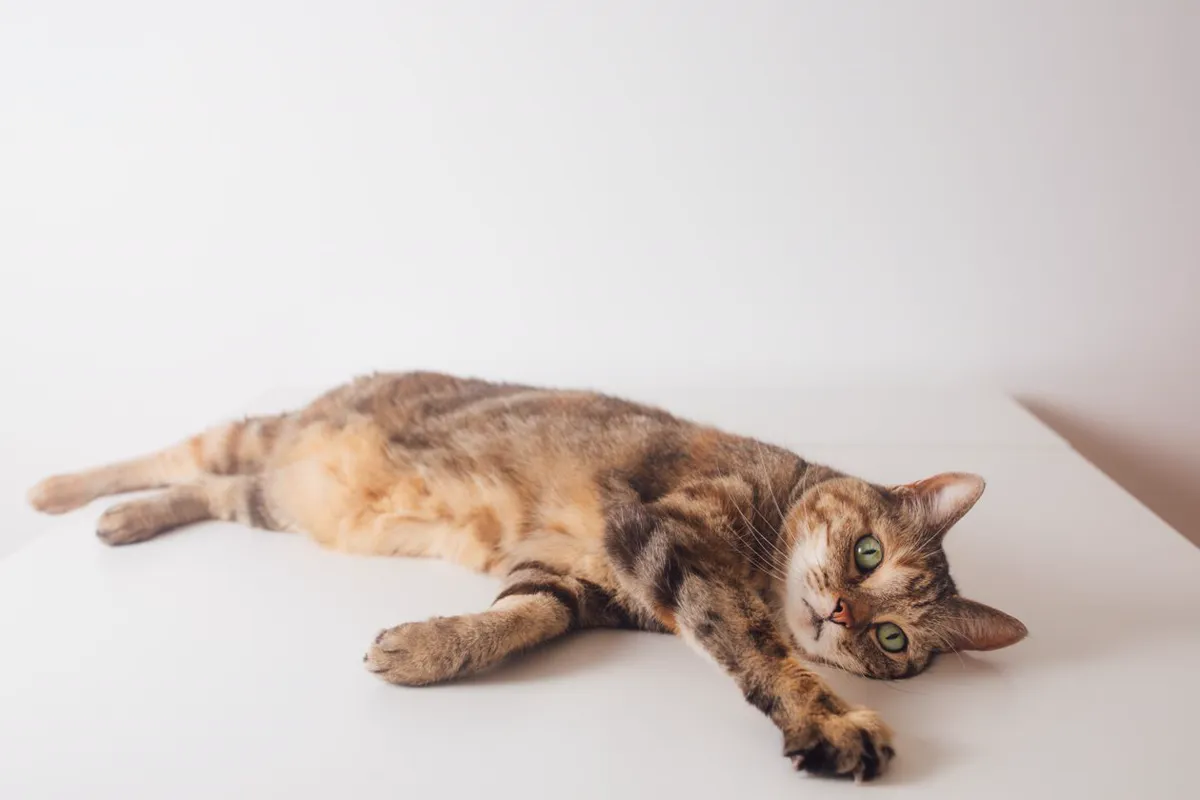
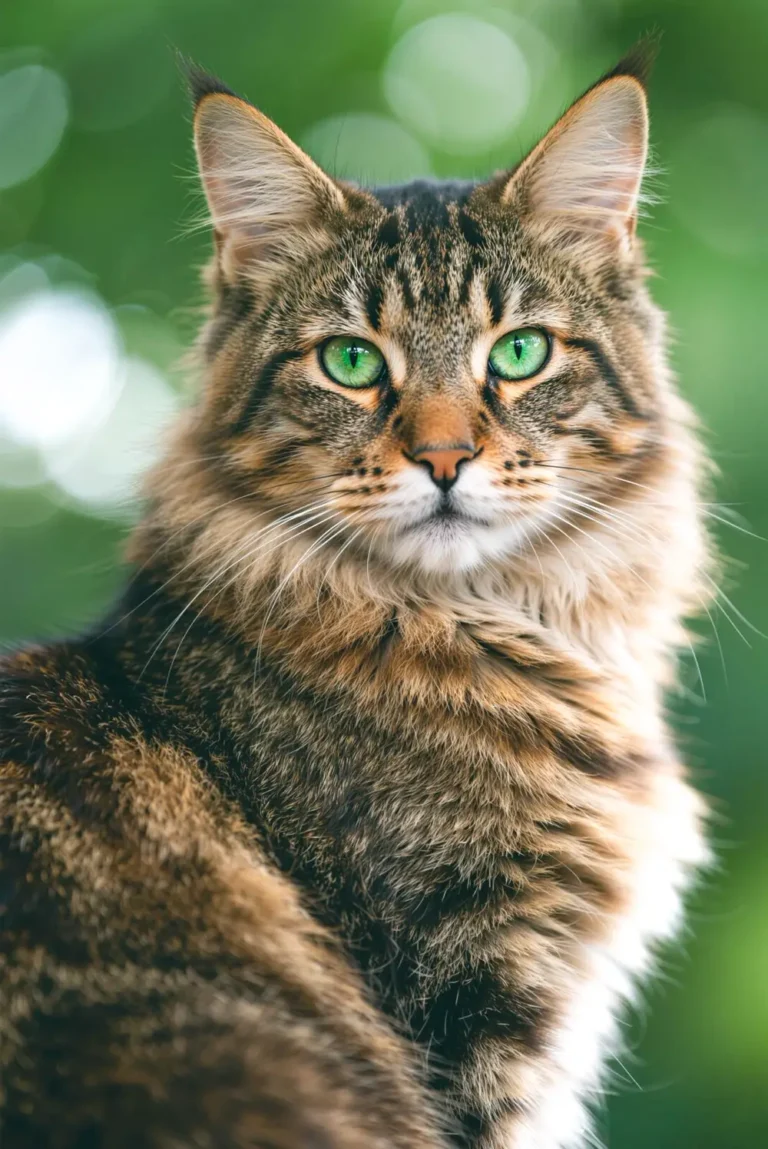
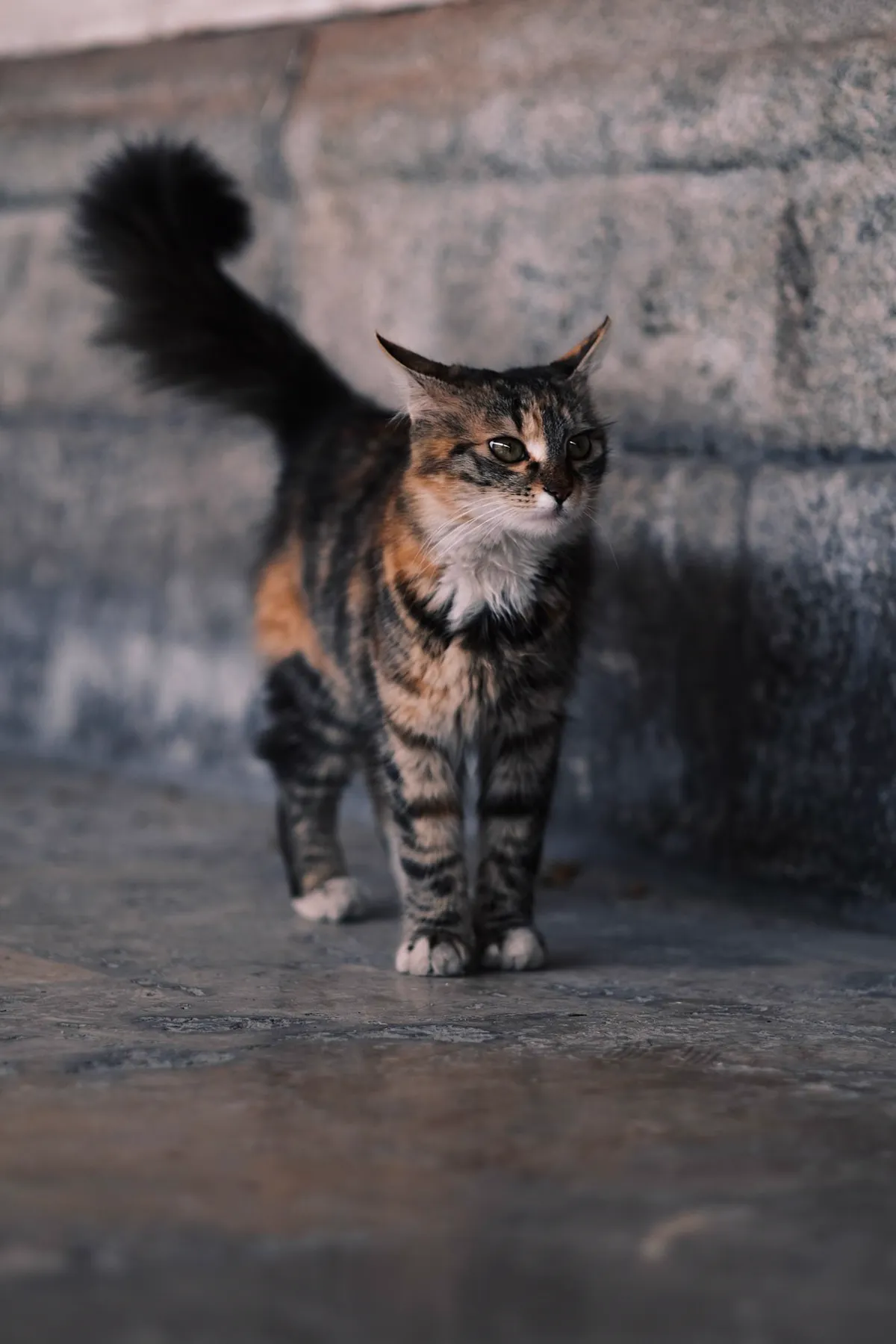
Stripes layered over patches. That is the simplest way to spot a torbie. A regular tortoiseshell has mottled patches of black and red (ginger) with no visible striping. A torbie shows a tabby pattern, the classic M on the forehead, stripes on the legs and tail, marbled or spotted sides, inside BOTH the dark and the red areas. Registries often list this as patched tabby, which means the same thing.
On a Maine Coon, the pattern becomes even more dramatic because of all that fur. The classic torbie version shows deep brown-black striping with warm red-gold patches. A silver torbie, one of my favorites, has a silvery-white undercoat that makes the whole pattern look frosted, like someone dusted the cat with silver. Blue torbies exist too, where the black pigment is diluted to a soft gray-blue. Each one looks hand-painted. Owners on Reddit and cat forums say no two torbies look alike, and after seeing enough photos, I believe them.
One naming quirk worth knowing: if the cat also has white patches on top of the torbie pattern, many registries and breeders call her a torbie-and-white or calico-tabby (sometimes shortened to caliby). It is the same genetics underneath, just with the white-spotting gene added to the mix.
Torbie Maine Coon Genetics: Why Most Are Female
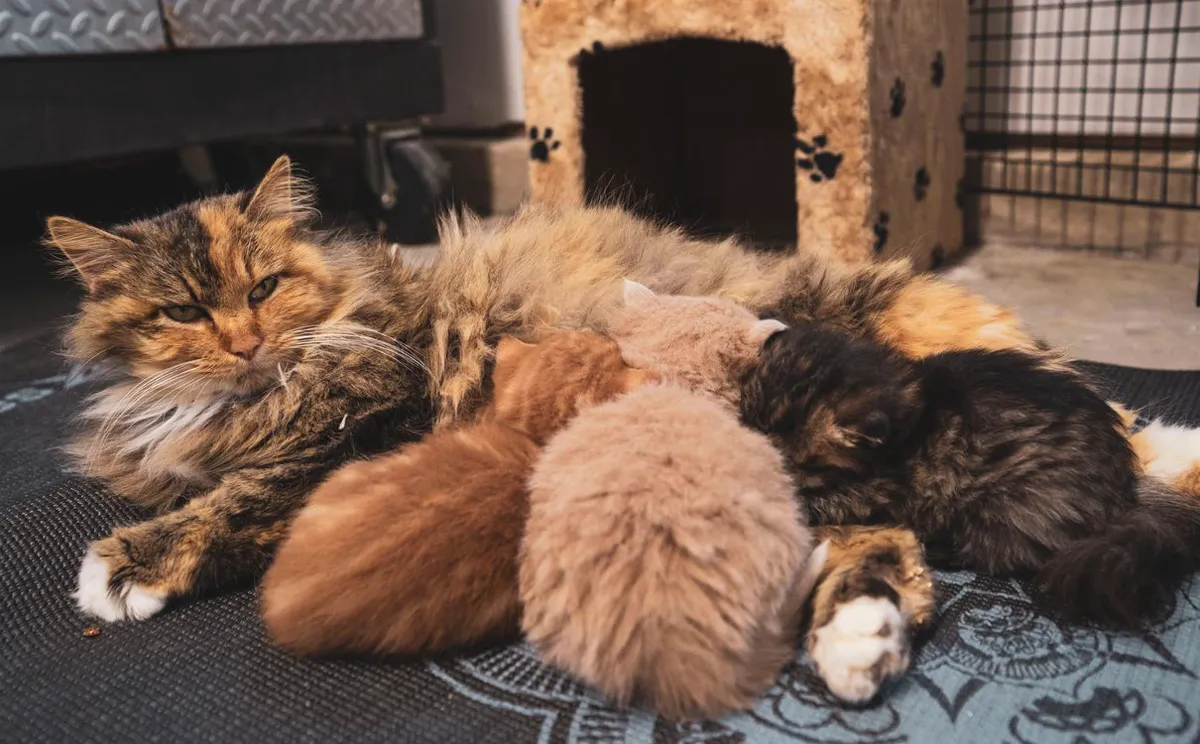
The reason almost every torbie Maine Coon you meet is female comes down to one gene sitting on the X chromosome. The gene for red (ginger) pigment lives there, and cats need a particular combination to show both black and red in the same coat.
Female cats carry two X chromosomes, so a female kitten can inherit a red gene on one X and a black gene on the other. As she develops, one X chromosome randomly switches off in each cell. The result is a mosaic coat: black patches where the black gene stayed active, red patches where the red gene stayed active, and the tabby striping woven through both. That is your torbie.
Male cats normally carry one X and one Y, so they only get one copy of the gene and show either black or red, not both. A male torbie can still happen, but only through a genetic anomaly, most often an extra X chromosome (XXY, the same condition known as Klinefelter syndrome in humans). These males are extremely rare and are almost always sterile, which means the trait cannot be intentionally bred for. If you ever meet a male torbie, you are looking at something genuinely unusual. For more on how cat color genetics work at the registry level, the Cat Fanciers’ Association breed standard page lists the Maine Coon’s accepted colors and patterns, and TICA’s Maine Coon introduction is a solid reference for the breed’s recognized color classes.
Personality: Do Torbies Really Have Tortitude?
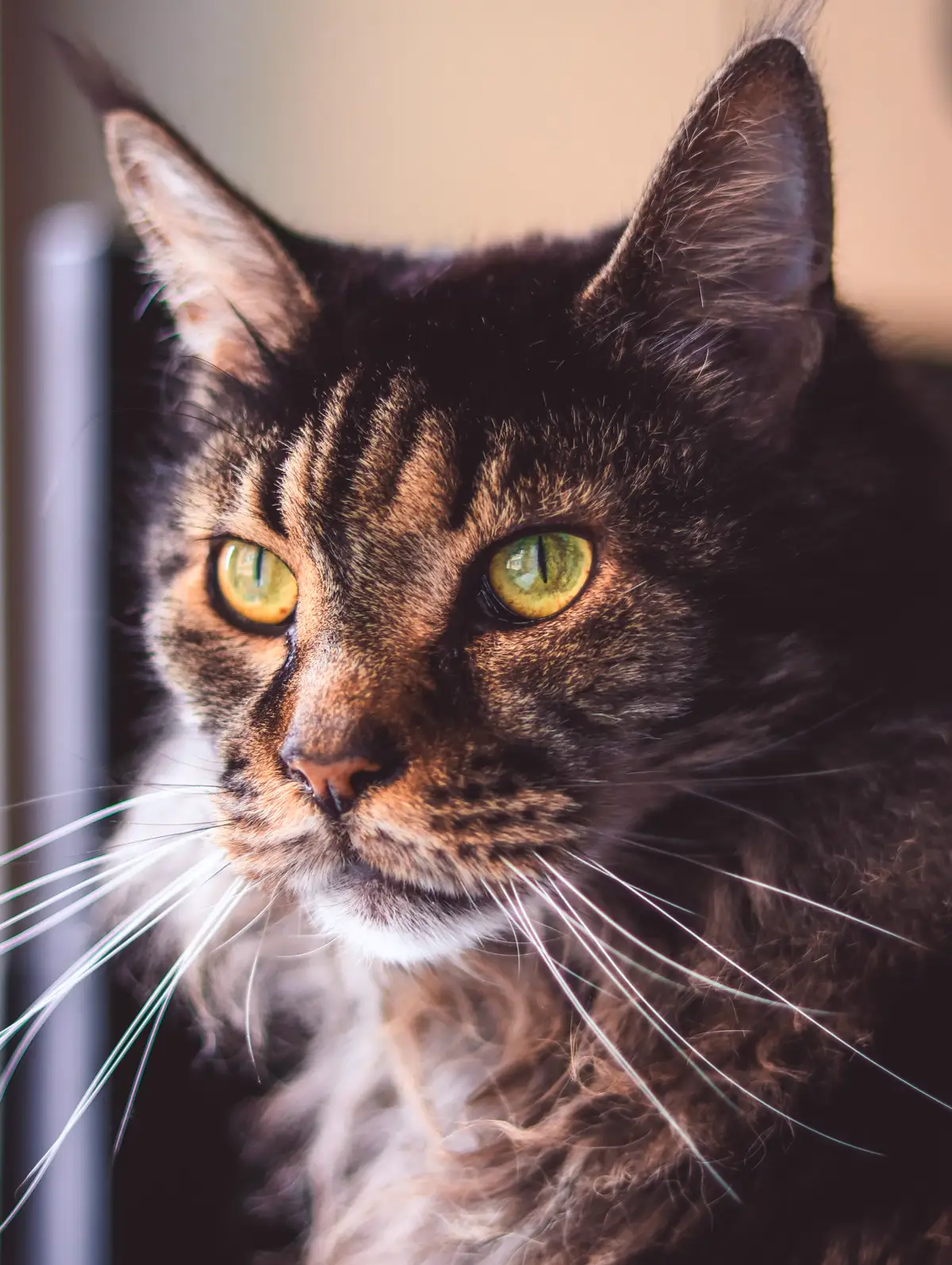
Ask around online and you will hear a word over and over: tortitude. Owners on Reddit and Facebook describe their torties and torbies as opinionated, sassy, fiercely loyal to one person, and dramatic in a way that feels almost human. One owner I came across described her torbie kitten as ruling the household from day one, with a signature glare she uses when the food bowl is ten seconds late. That rings true to me. There is a certain independence in these girls that you can feel.
Now, the honest part: there is no solid science proving that coat color determines personality in cats. No peer-reviewed study I know of has shown that torbies are more willful than brown tabbies. What most likely happens is a mix of confirmation bias and the fact that almost all torbies are female, and female cats can simply have a different behavioral style than males. My own take after years around Maine Coons is this: the breed’s personality dominates. A torbie Maine Coon is a Maine Coon first, chatty and dog-like, following you from room to room and chirping at the window. The so-called tortitude, if it exists at all, just adds a layer of diva on top of the breed’s usual charm. And honestly, that combination is delightful.
Is a Torbie Maine Coon Rare?
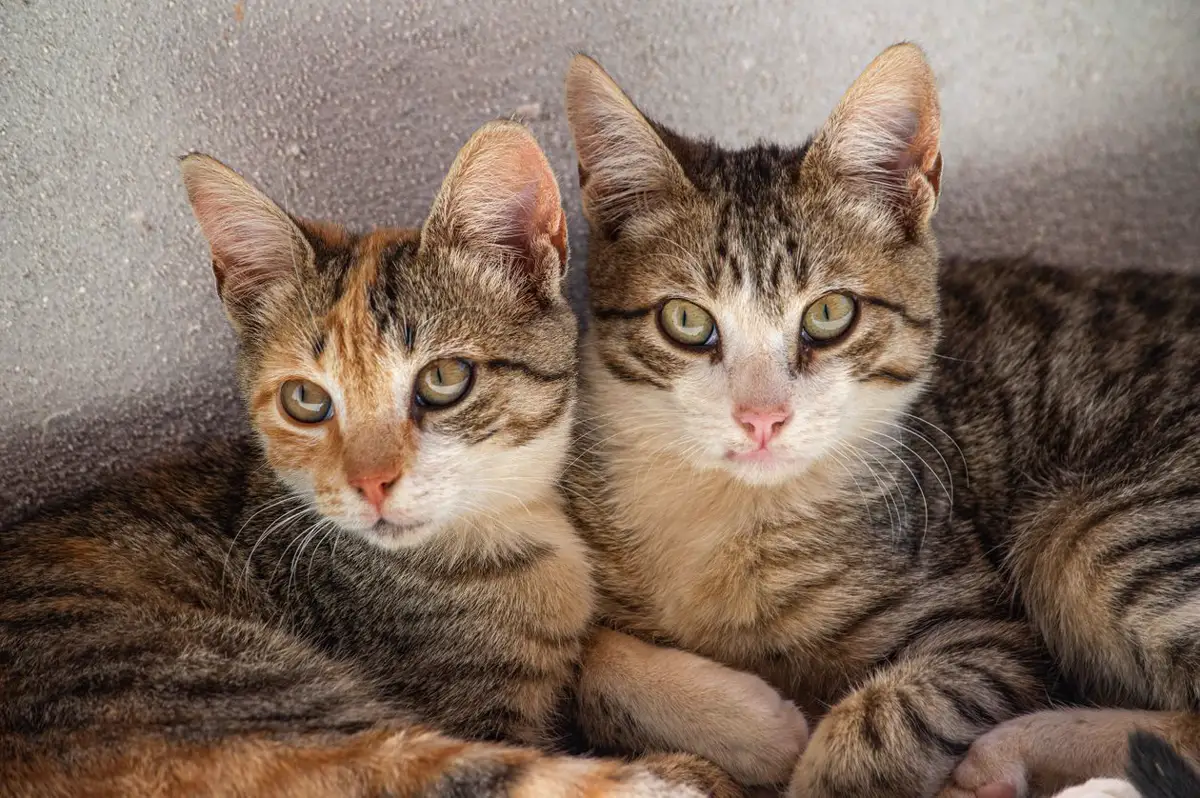
Within the Maine Coon breed, the torbie pattern is less common than the brown tabby, which has always been the breed’s classic look, but it is not exactly rare either. Because the pattern requires that specific red-plus-black combination, which only females can normally produce, a little over half the kittens in any litter can never be torbies. Breeders on YouTube who work with Maine Coons say torbie kittens do turn up in litters from time to time, especially when the sire or dam carries red, but you should not expect breeders to have them available on demand the way they might with solid colors or classic tabbies.
If your heart is set on one, patience is the main requirement. And if you happen to meet a male torbie, know that you are looking at one of the rarest coat expressions in the cat world. Just love him for the miracle he is rather than planning a breeding program, since he will almost certainly be sterile.
Care Tips for a Torbie Maine Coon
Coat care for a torbie is the same as for any Maine Coon, but that gorgeous pattern deserves to be kept visible rather than hidden under mats. Maine Coons have long, silky fur with a tendency to mat behind the ears, under the armpits, and around the britches. A gentle comb-through two or three times a week keeps the pattern crisp and the cat comfortable. If mats have already formed, my guide to dealing with Maine Coon matted fur walks through safe removal without hurting the cat or ruining the coat.
A few torbie-specific notes from owner experience and breeder advice:
- The pattern can shift as the kitten grows. Red areas often deepen or spread as the cat matures, and silver torbies can look quite different at two years than they did at four months. If your kitten’s pattern seems to be changing, that is usually normal development, not a problem.
- Shedding shows more on dark clothing. Because torbies mix very dark and very light fur, you will find contrasting hairs everywhere. A good brush routine keeps it manageable.
- Sun-bleaching is real. Long sun naps can lighten the black pigment to a rusty brown, especially along the back. If your torbie’s dark patches look reddish in summer, that is likely sun-bleaching, not a health issue.
- Neutering matters as usual. Nearly all torbies are female, and spaying before the first heat reduces the risk of mammary tumors and eliminates heat cycles. Cornell’s veterinary resources have a helpful overview of cat spay and neuter facts, and your own vet can advise on the best timing.
- Skin checks during grooming. With long fur and a busy pattern, it is easy to miss a scab, tick, or thinning patch. Part the fur while you comb so you can actually see the skin underneath.
None of this is exotic. The torbie Maine Coon just needs the same attentive, consistent care any Maine Coon gets: good food, fresh water, scratching options, play, and a lot of company. You can read more about how all the breed’s accepted colors and patterns fit together in my overview of what colors Maine Coon cats have.
Frequently Asked Questions
Is a torbie Maine Coon always female?
Almost always. The tortoiseshell pattern requires two X chromosomes carrying different color genes, so females carry the pattern naturally. Male torbies exist but are extraordinarily rare, caused by a chromosomal anomaly (usually XXY), and are nearly always sterile.
What is the difference between a torbie and a tortie?
A tortie (tortoiseshell) has patches of black and red with no visible tabby striping. A torbie (tortoiseshell-tabby) shows the tabby pattern, stripes, spots, or marbling, inside both the black and the red patches. If you can see stripes in the dark fur as well as the ginger fur, you are looking at a torbie.
Is a torbie a breed of cat?
No. Torbie describes a coat pattern, not a breed. The pattern can appear in many breeds and in mixed-breed domestic longhairs and shorthairs. A torbie Maine Coon is a Maine Coon cat that happens to carry the torbie pattern.
Do torbie cats really have a different personality?
There is no scientific proof that the torbie pattern causes a specific personality, but many owners report that their torbies are strong-willed, sassy, and deeply bonded to their favorite person. The anecdotal “tortitude” is part of cat-owner folklore at this point. The Maine Coon’s own breed temperament remains the strongest influence on behavior.
Can a torbie Maine Coon have white on her coat too?
Yes. When white spotting appears over the torbie pattern, the cat is often called a torbie-and-white or caliby. The genetics are the same underneath; the white-spotting gene simply adds white patches on top.
IMAGE NEEDS