Why Does My Maine Coon Follow Me Everywhere?
If you are asking why does my Maine Coon follow me everywhere, I can tell you the short answer before we go any further: you probably do not have a behaviour problem on your hands. You have a Maine Coon.
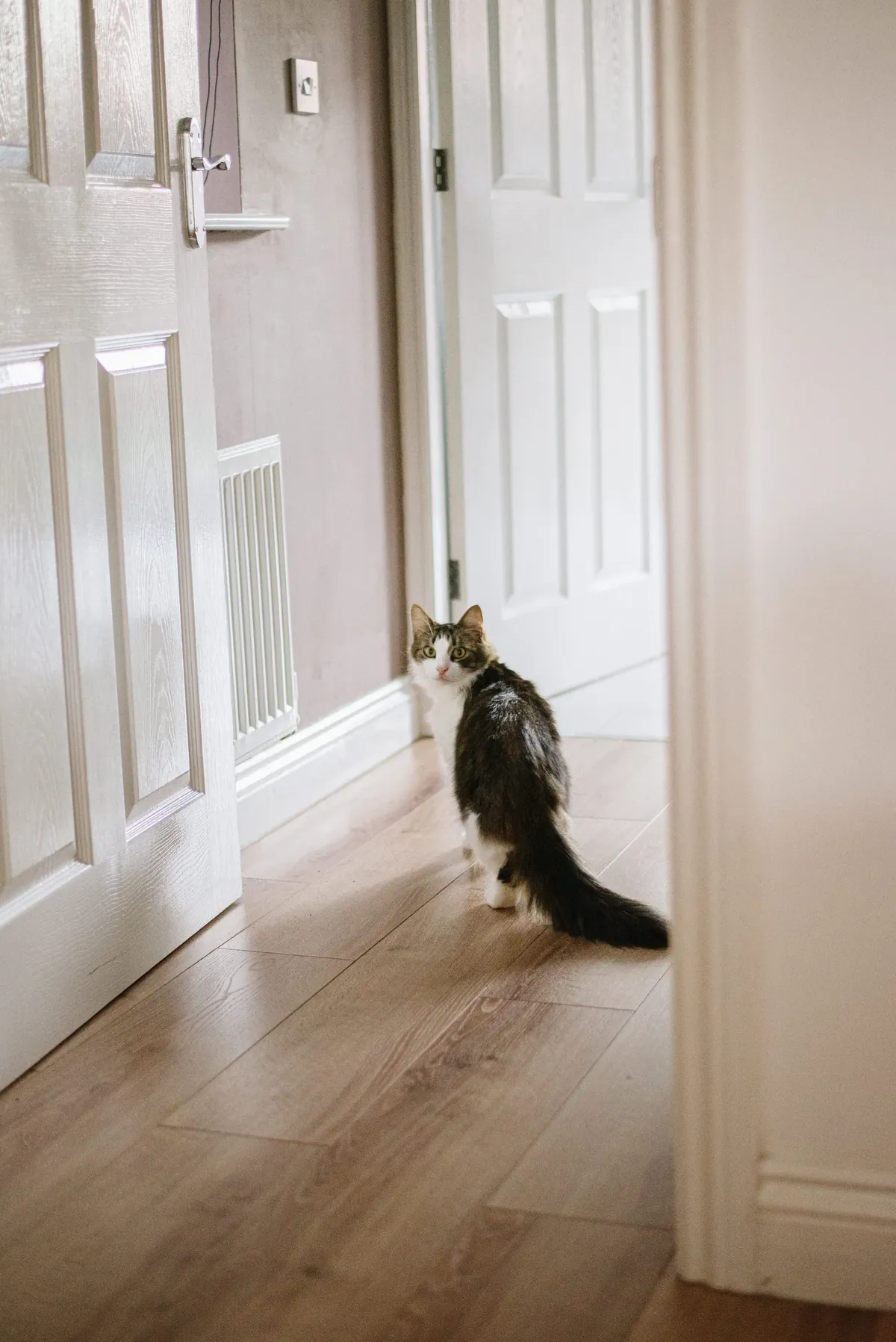
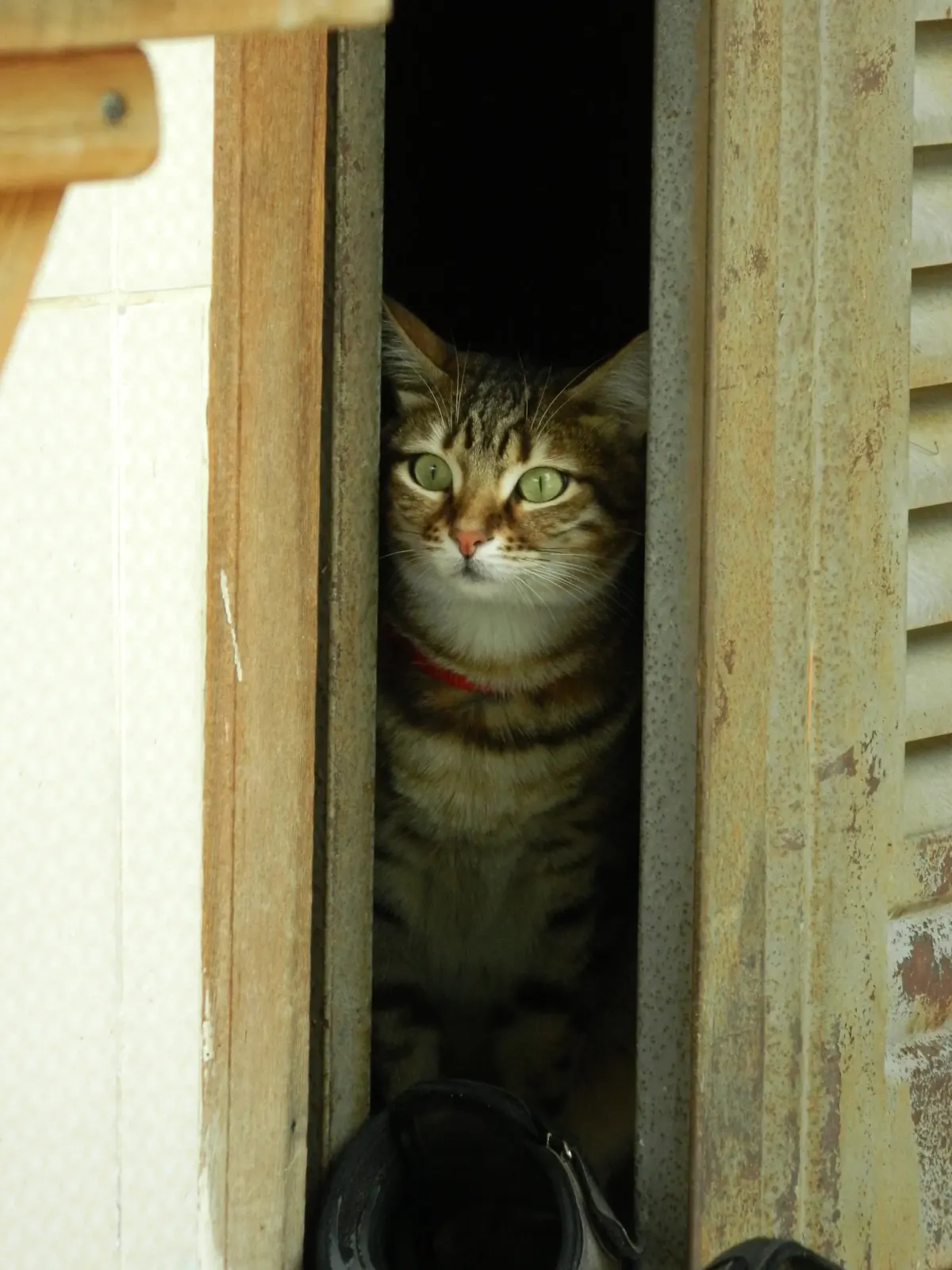
I say this as someone who has learned to shuffle, not walk, through my own house. Because somewhere behind my ankles, at all hours of the day, there is twenty pounds of fluffy cat matching me step for step. Kitchen? She is there. Bathroom? Especially the bathroom — and I know I am not alone, because owners across Facebook and Reddit trade stories about cats peeking through door gaps, nudging doors open, and settling into the sink like the bathroom was always a shared activity.
So yes, the shadowing is normal. But it is not random, and it is not all the same thing. There are real reasons your cat trails you from room to room, and once you can tell them apart, you stop wondering whether something is wrong — and you learn how to live happily with your furry little supervisor.
Why Does My Maine Coon Follow Me Everywhere? The 8 Real Reasons
1. You are their person, and they are loyal to a fault
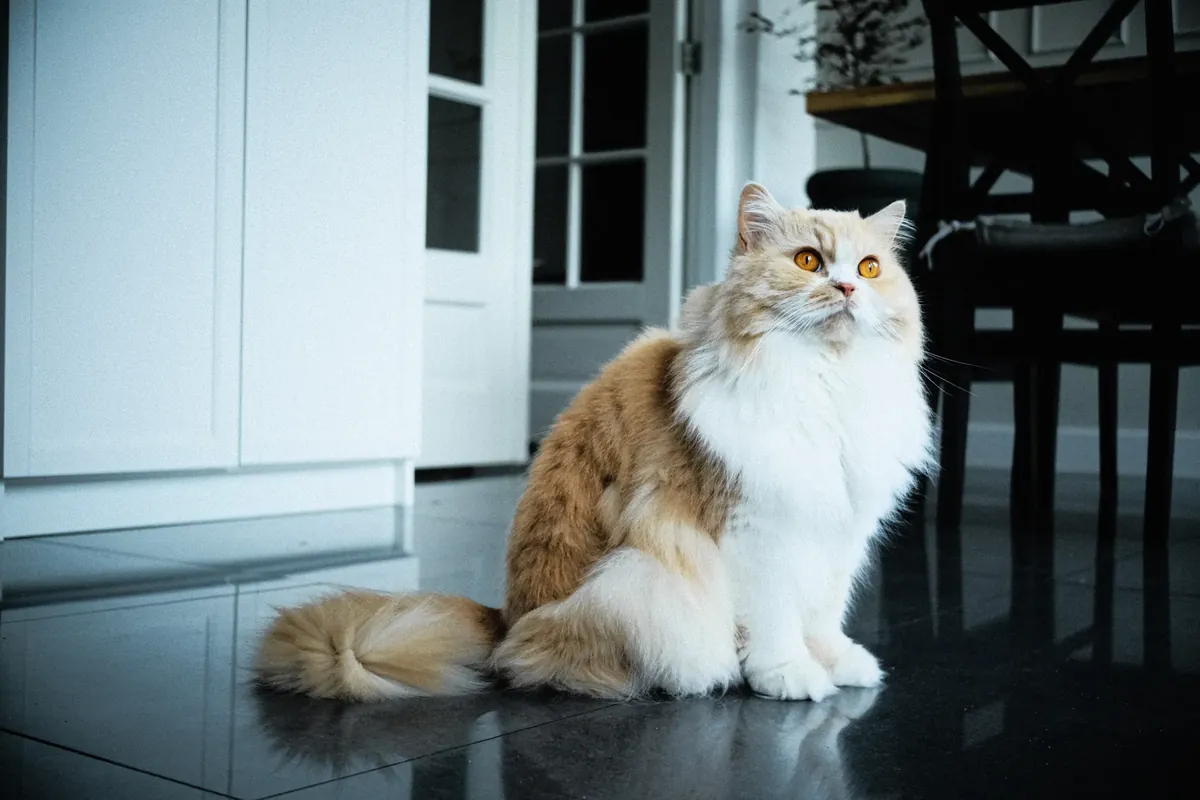
The Cat Fanciers’ Association notes that Maine Coons are loyal cats that form strong bonds with their people and often follow them around the house. In my experience that barely does it justice. Maine Coons do not just like their family — they pick someone, and that someone becomes the centre of their day.
Owners in Maine Coon groups say the same thing over and over: I cannot go anywhere in the house without my cat behind me. It is devotion, not neediness — being near you is her favourite place to be. If she also greets you at the door, sleeps where your scent is strongest, and positions herself within touching distance, you are looking at breed loyalty, plain and simple. This dog-like devotion is one thread of a much bigger temperament picture — I have written more about it in my guide to Maine Coon personality traits, if you want to understand the whole package.
2. Sheer curiosity — the feline FOMO is real
Maine Coons are famous for being nosy. Doors slightly ajar, bags just brought in from the shop, a room they have already been in a hundred times — it all needs checking again, just in case something changed.
Breed writers have called the Maine Coon a furry detective, and I think that is perfect. One owner on Facebook posted a video of her cat standing behind a half-open bathroom door, meowing with total urgency — and the comments were full of owners saying the same thing happens at their place, every single day. A closed door to a Maine Coon is not a boundary; it is an invitation.
3. You are the provider, and she knows the schedule
Cats are excellent at routine, and Maine Coons are the cleverest routine-trackers I have met. My cat has my day memorised: when I drift toward the kitchen at the usual time, she materialises like she was beamed in.
If your following has a pattern — heavier near mealtimes, lighter at other times — hunger and habit are doing a lot of the work. You are the person who fills the bowl, and your cat has connected you with good things happening on a schedule. That is not manipulation; that is a smart animal running a very successful life strategy.
4. Boredom, and a request for play
A young Maine Coon with unspent energy will follow you the way a bored toddler follows a parent: not because anything is wrong, but because you are the most interesting thing in the house. If the shadowing ramps up in the evening, or your cat keeps batting at your feet and racing ahead of you, that is often a play invitation in disguise.
This one is worth noticing, because a bored Maine Coon will invent her own entertainment — and hers is never the thing you would choose. Fifteen minutes of interactive play turns a foot-chasing shadow into a happily snoozing lump.
5. The bathroom thing has its own explanation
We need to talk about the bathroom, because almost every owner brings it up. The bathroom is warm, it has running water (which Maine Coons are oddly drawn to), and it is the one place where you sit still and your hands are free. From your cat’s point of view, it is prime bonding real estate.
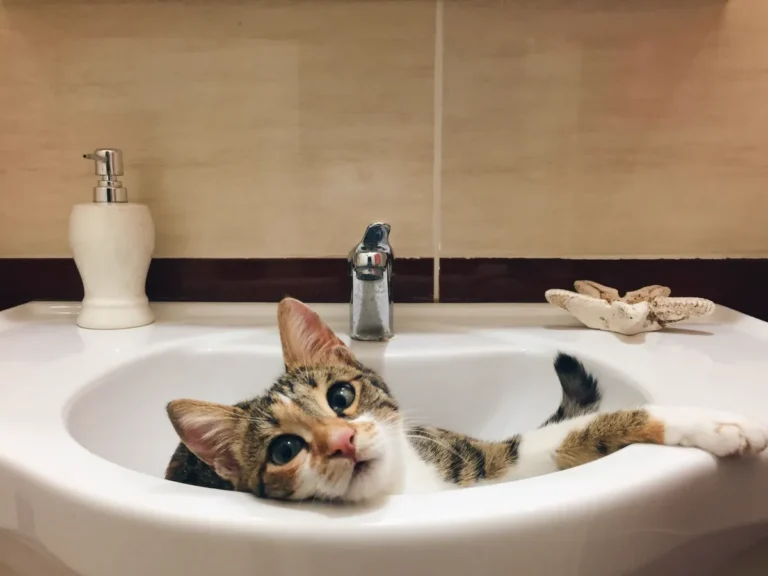
VCA’s Maine Coon breed profile even warns that some Maine Coons love water enough to join you in the shower, and I have seen videos of cats settling into bathroom sinks to watch their owners get ready, deadpan as judges. One owner’s reel showed her cat waiting outside the door, peeking through the gap, then slipping in the moment it widened — and hundreds of commenters said their cats run the exact same routine. The bathroom is simply where a velcro cat can guarantee an audience.
6. Supervision — she is keeping an eye on her territory
Maine Coons are confident, territorial animals. Following you lets them keep tabs on the whole house through you. You move, the whole household shifts; by staying near you, your cat always knows where the action is and can check that everything is in its proper place.
And when she rubs against your legs as she trails you, she is marking you as hers. You are not just her person — you are part of her territory.
7. Comfort and reassurance — you are her safe base
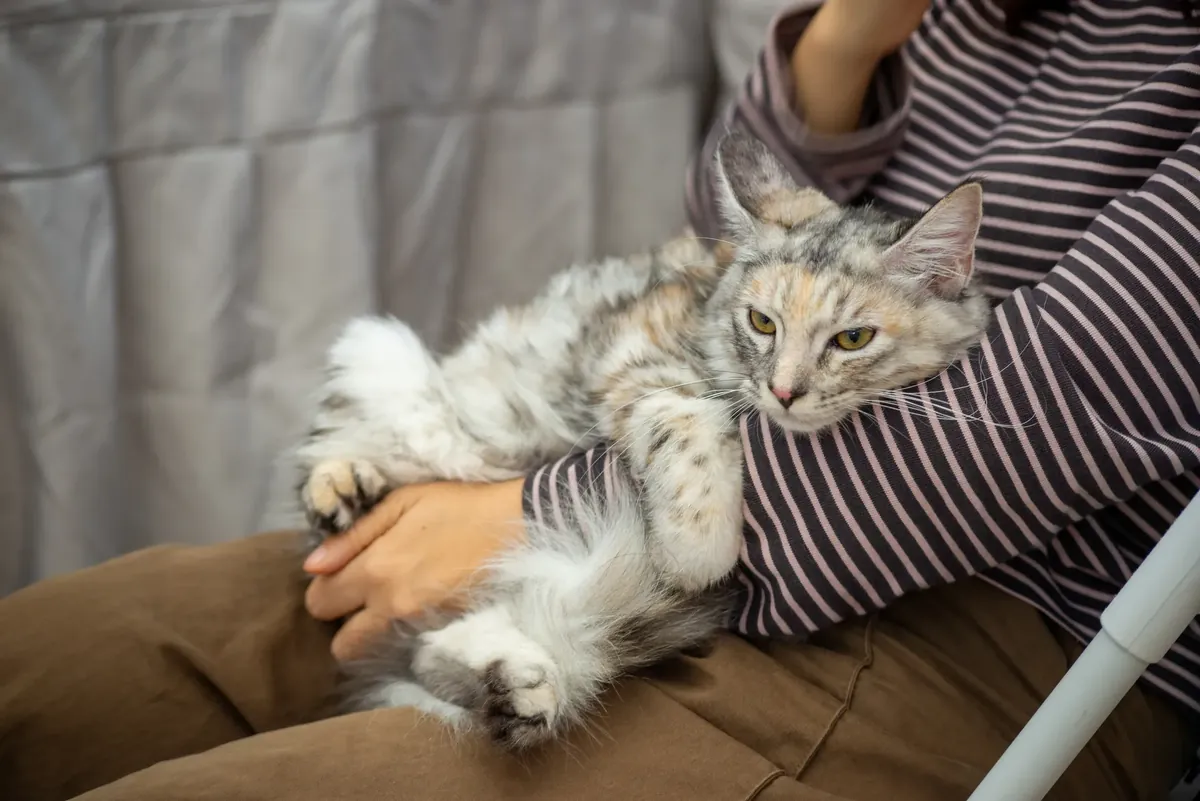
This is the one that melts me. Cats that follow for reassurance tend to be a little softer about it: they stay close but do not demand much, they settle faster once you sit down, and they watch you rather than herd you. When I have been unwell, my cat’s shadowing changes character entirely — she comes and sits beside me, quiet, not asking for play or food, just there. Breed writers have noted the same thing: a Maine Coon that senses something is off will often come and wait patiently instead of demanding attention.
Most of the time this kind of following is just affection. But if it appears suddenly in a previously independent cat — especially a senior — it can be a request for comfort because she does not feel right, and that is worth a vet conversation.
8. Separation-related stress
There is a line between devoted and distressed, and you should know where it sits. Vets describe separation anxiety in cats through signs like excessive vocalisation, soiling outside the litter box, over-grooming, and hyper-attachment to the caregiver. PetMD’s behaviour resources note that constant following is one of the patterns seen in clingy, stressed cats — though on its own, following is far more often love than anxiety.
The difference is in what happens when you leave. A devoted cat follows you around the house but copes fine when you go out; a distressed cat cries at the door, destroys things, skips the litter box, or refuses food while you are gone. If you are seeing the second picture, the following is a symptom, not the problem — start with enrichment and talk to your vet if it does not settle.
When Following Is a Sign Something Is Wrong
Most shadowing is healthy, but a change in following behaviour is one of the ways cats ask for help. Watch for:
- It started suddenly. A cat that never followed you and now will not leave your side — especially an older cat — deserves a vet check. Senior cats dealing with discomfort, vision or hearing loss, or cognitive changes often lean on their person harder.
- It comes with other new behaviours. Excessive meowing, going outside the litter box, over-grooming, appetite changes, or clumsiness alongside the clinginess point to something medical or stress-related rather than simple devotion.
- She is glued to you AND panics when you leave. That is the separation-distress pattern, and it needs addressing rather than just enjoying.
When in doubt, rule out the medical first. Cats are masters of hiding illness, and leaning on you can be the first visible sign.
Living Happily With Your Shadow
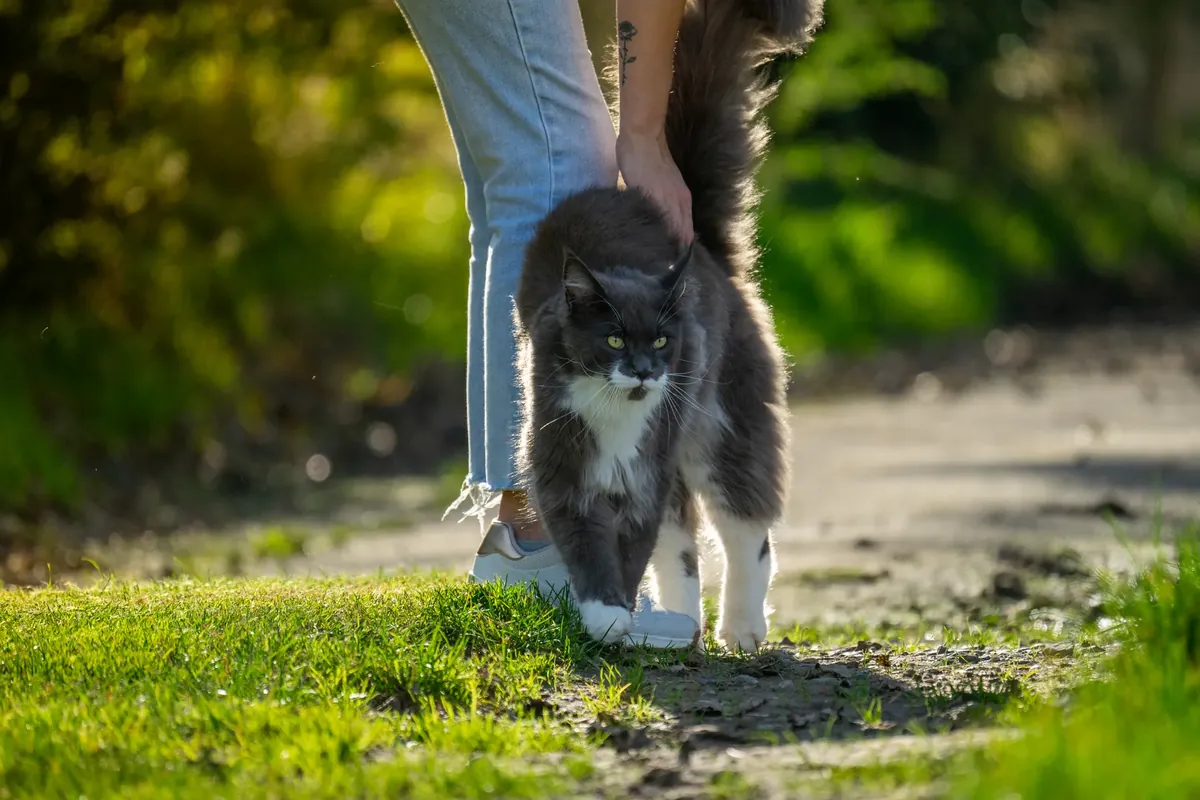
I will be honest: I have stopped trying to fix the following, because it was never broken. But I have learned a few things that keep it pleasant for both of us.
Build alone-time confidence gradually. Practise short absences with something good waiting — a food puzzle, a favourite toy — and build up. Interactive play before you leave helps enormously.
Do not punish the following. If you need space — cooking with hot pans, a work call — redirect rather than reject: a perch near you, not on you, works wonders.
Give the shadowing a job. A perch by your desk, a bed in the kitchen corner, morning play — structure turns random shadowing into companionable routine.
Consider a second cat if she is truly lonely. A well-matched companion can take pressure off you as the sole entertainment system. (And yes, then you will have two shadows.)
If the following tips into behaviour that is actually disruptive — door-scratching, yowling when you close a room, knocking things over for attention — my guide on Maine Coon behaviour problems and how to stop them goes deeper into fixing the specific habits.
Frequently Asked Questions
Is it normal for a Maine Coon to follow me everywhere?
Yes — it is one of the breed’s signature traits. If you landed here by typing why does my Maine Coon follow me everywhere into Google, rest easy: the Cat Fanciers’ Association notes that Maine Coons form strong bonds with their people and often follow them around the house. It is only worth investigating if it started suddenly or comes with other new behaviours.
Why does my Maine Coon follow me to the bathroom specifically?
Because the bathroom is warm, has running water, and — most importantly — it is the one place you sit still with your hands free. Your cat has simply identified the room with the best odds of undivided attention.
Does my Maine Coon following me mean she has separation anxiety?
Not on its own. Separation anxiety shows up in what happens when you leave — excessive crying, soiling outside the box, destructive behaviour, refusing food — not just in following you around the house. A cat that shadows you at home but copes fine alone is devoted, not distressed. PetMD’s guide to separation anxiety in cats is a good reference if you are seeing the worrying signs.
How do I get my Maine Coon to stop following me?
You probably cannot — and should not — eliminate a breed trait. But you can manage it: scheduled interactive play to burn energy, puzzle feeders for mental work, and a comfortable spot near (not on) you so she can supervise without tripping you. If the following comes with demanding or destructive habits, see my behaviour problems guide for targeted fixes.
My Maine Coon also trills and chirps while following me — what is that?
That running commentary is another beloved Maine Coon trait — many of them narrate their shadowing out loud. I cover the sounds themselves and what each one means in my guide to why Maine Coons chirp and trill.
She follows me all day and cries at night too — is that connected?
It can be. Night-time crying has its own set of causes — from learned attention-seeking to genuine distress or medical issues — and it deserves its own investigation. I break it down in why your Maine Coon cries at night.