Your Maine Coon Kitten’s First Vet Visit: Checklist
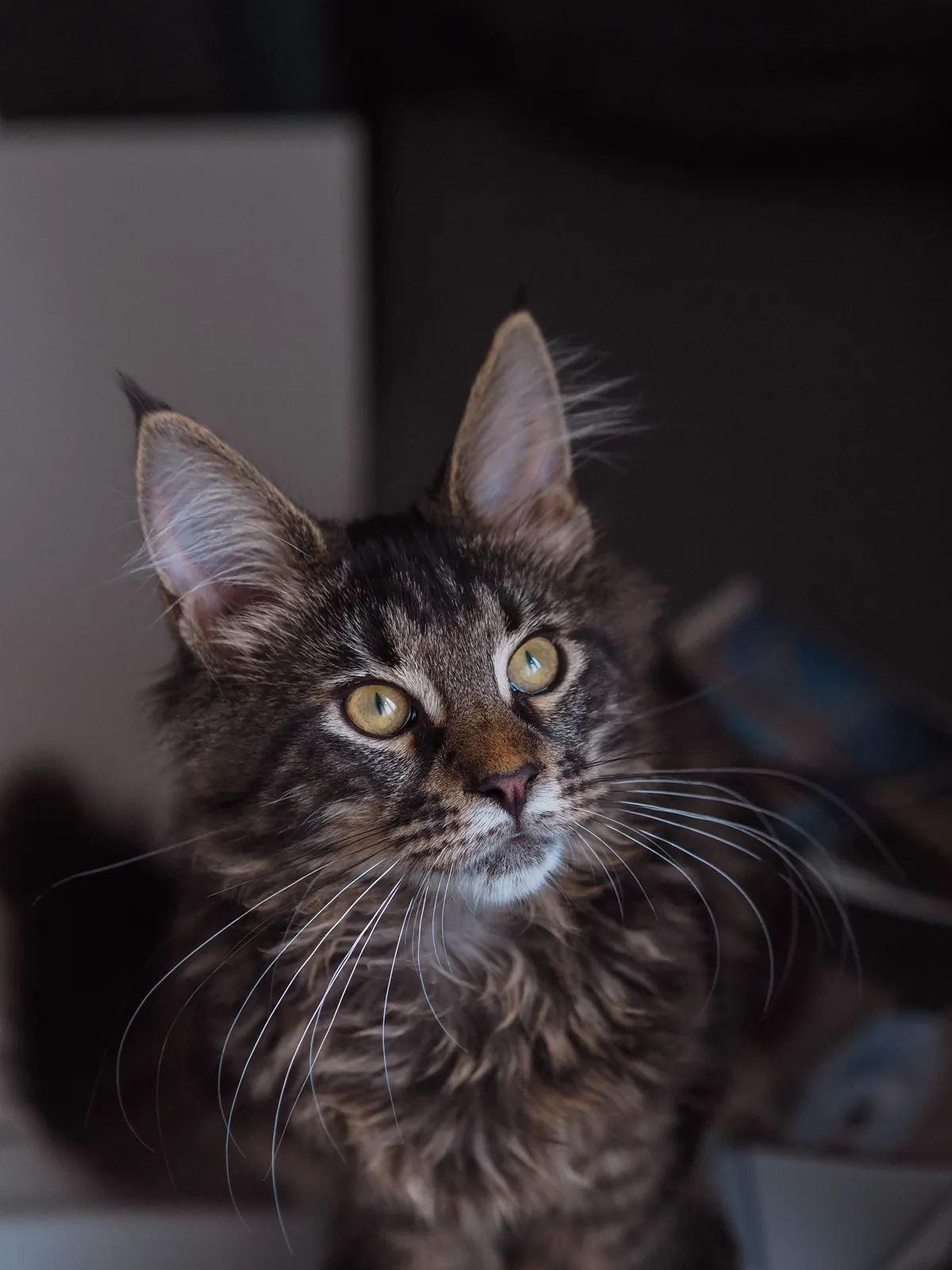
The day I brought home my first Maine Coon kitten, I had done everything the internet told me to do. The litter box was set up, the food was the exact brand the breeder used, and everything was ready. And yet I sat on my kitchen floor that first evening with a tiny purring fluffball on my lap, wondering one very specific thing: when people talk about the Maine Coon kitten first vet visit, what are they actually talking about? What does the vet do, what do I bring, and what should I be asking?
A decade of Maine Coons later, I can tell you this visit is the most important appointment your kitten will have in their first year. Not because anything dramatic happens there, but because it sets the baseline for everything: the vaccination plan, the growth record, the parasite check, and, for this breed specifically, the heart conversation you want to start early. This is my complete checklist, shaped by my own visits and by what owners and breeders share online every week.
Timing Your Maine Coon Kitten First Vet Visit
Go early. Most breeders take their kittens in around eight weeks for a first wellness exam and first vaccines; breeders on Instagram post these litter vet visits constantly. That visit is the breeder’s. Yours is separate, and it should happen within the first week after your kitten comes home. Many vets recommend the first 48 to 72 hours.
First, the first week home is when stress can surface anything hiding under the surface, and a vet who sees your kitten while they are healthy has a real baseline to compare against later. Second, many health contracts require a vet exam within a set number of days to keep the health guarantee valid, so check your contract and book accordingly.
Ask for extra time when you book. Clinics that do this well allow more room for kitten visits, and some practices even offer a free first consultation for new kittens, which is a lovely way to start the relationship.
What to Bring to the First Vet Visit
Here is what I bring every time.
Your kitten’s paperwork from the breeder. Bring the vaccination record showing which shots were given and when, the deworming history, any parent health test results (especially heart and DNA screening), the registration paperwork, and your sales contract if it has health terms. One veterinarian I follow recommends taking new cats to the vet before they even settle at home, partly so the clinic can build the vaccination schedule from real records rather than guesswork.
A fresh stool sample. This is the item most new owners forget. Intestinal parasites are extremely common in kittens, even healthy-looking ones from good breeders. Collect a walnut-sized sample the morning of the visit, keep it fresh (under 12 hours old), and store it sealed in the refrigerator, not the freezer, until you leave. The AAHA recommends two to four fecal exams during a kitten’s first year.
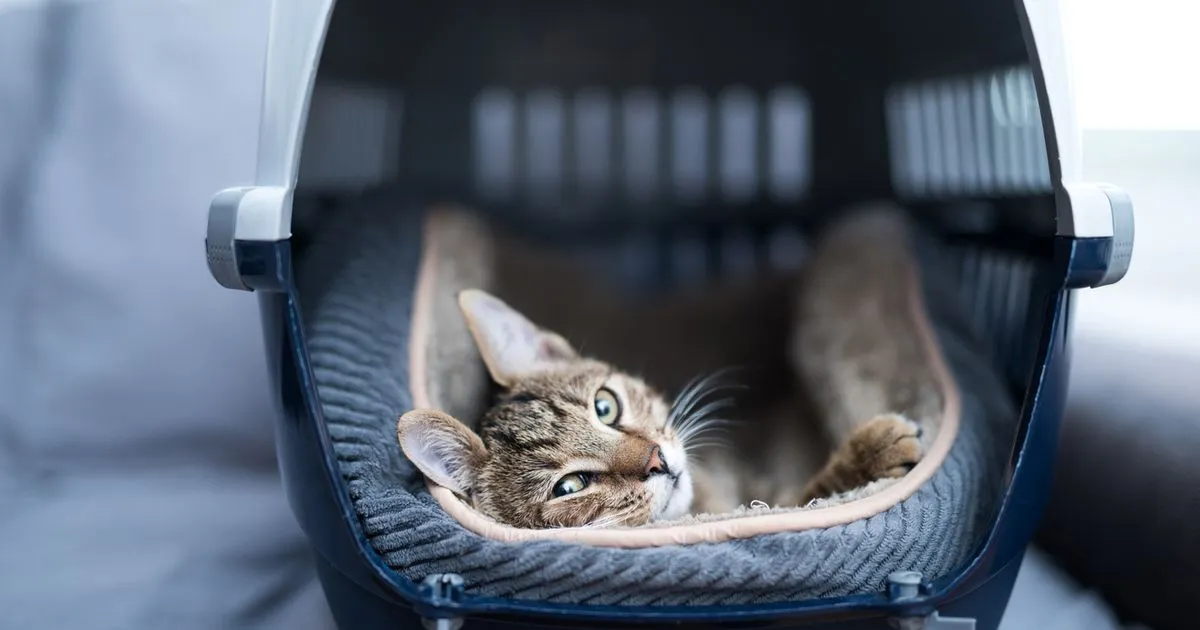
A carrier your kitten already trusts. Leave it out for several days before the visit with the door open, toss treats inside, and let your kitten nap in it. Breeders on Instagram constantly show litters traveling in soft-sided carriers, and they work beautifully for a single kitten too. Tuck in a blanket that smells like home.
Treats. Bring something high-value, ideally a lickable treat paste. One breeder I follow smears treat paste on the exam mat during shots, and she says it keeps the kittens’ heart rates relaxed and stops them flinching.
The exact food your kitten is eating. Write down the brand, wet or dry, how much, and how often. Do not change the food before the first vet visit. A new home plus a diet change plus a vet visit is a recipe for an upset stomach.
A written list of questions, plus your observations. You will forget half your questions the moment a kitten climbs your shoulder, so write them down (my Maine Coon-specific list is below). Jot down what you have observed too: appetite, drinking, litter box habits, any sneezing or soft stool. The vet will ask about all of it.
One more thing from the community: plan the car ride. Kittens can get carsick. One breeder shared that she left 30 minutes early, drove slowly on a curvy road, and still had to stop twice because the kittens got sick. Leave early, secure the carrier, and keep the car cool and calm.
What the Vet Will Actually Do at the First Visit
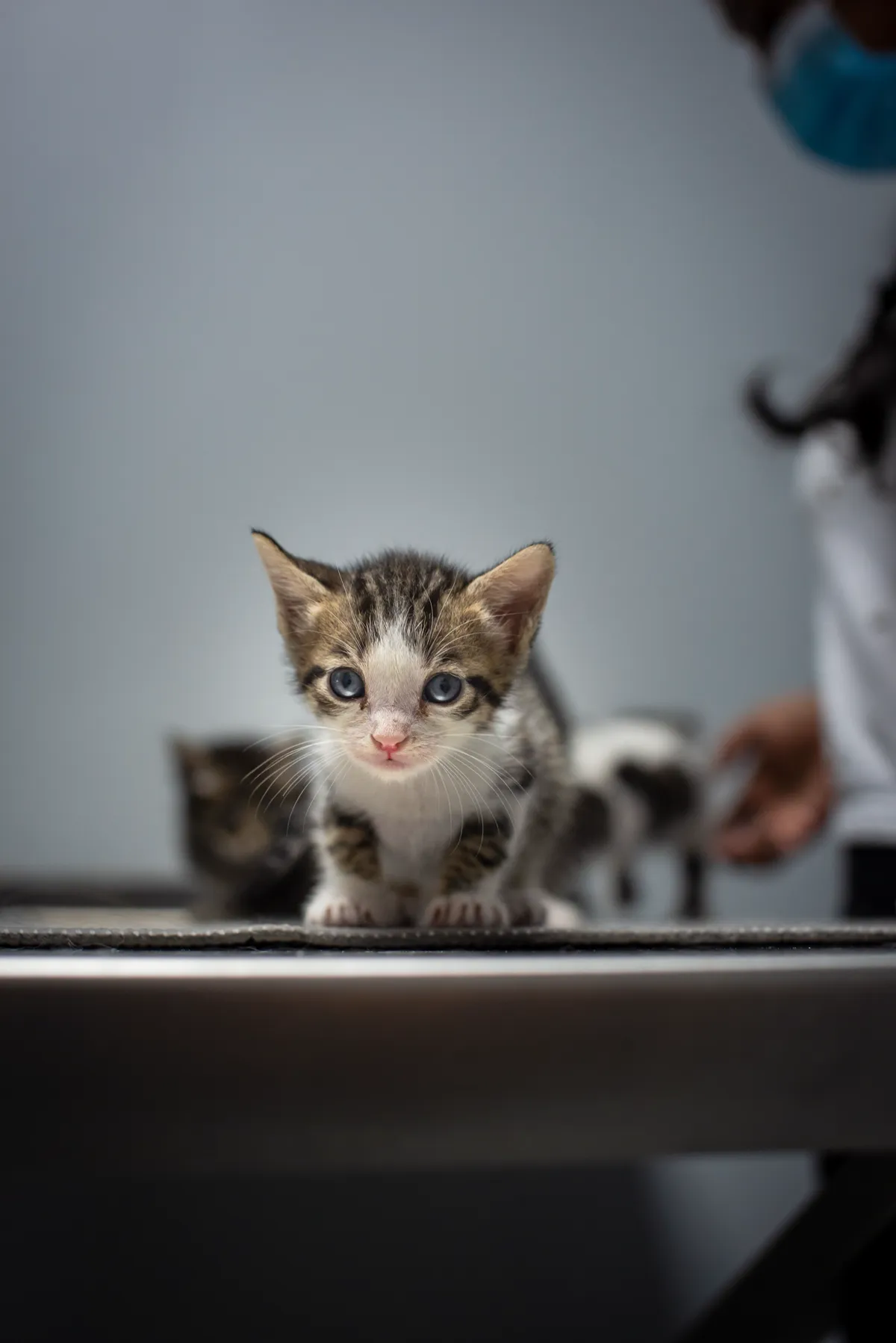
Here is the full walkthrough so nothing surprises you.
The nose-to-tail physical exam. This is the heart of the visit. The vet weighs your kitten (many Maine Coon kittens are around 2.5 to 4 pounds at eight weeks, though there is wide variation), listens to the heart and lungs, checks ears, eyes, and mouth, feels the abdomen, and looks over the joints, coat, and skin. For Maine Coons, that stethoscope moment matters more than in most breeds.
The fecal exam and deworming. The stool sample gets checked for intestinal parasites. AAHA guidance is deworming every two weeks from 3 to 9 weeks of age, then monthly until 6 months, so your vet may schedule the next round right there.
FeLV and FIV testing. Many vets recommend testing kittens for feline leukemia virus and feline immunodeficiency virus at the first visit, especially if the kitten’s history is not fully documented. Ask whether your vet recommends it for your situation.
Vaccines. The core kitten vaccines protect against feline panleukopenia, feline herpesvirus, and feline calicivirus, given together as the FVRCP combination. Per AAHA guidelines, the series starts as early as 8 weeks and repeats every 3 to 4 weeks until the kitten is at least 16 weeks old. Rabies is typically given around 12 to 16 weeks, depending on local law, and FeLV vaccination is considered core for kittens under a year. A booster follows at 12 months after the last dose in the series. At this first visit, expect one or two vaccines and plenty of discussion about the schedule ahead. You can read Cornell University College of Veterinary Medicine’s guide to feline vaccines, their benefits and risks if you want to read up before the appointment.
Parasite prevention. The vet will discuss flea, tick, and heartworm prevention and may start your kitten on a preventive that day.
Microchip and spay or neuter timing. If your breeder did not microchip the kitten, the first visit is the natural time to discuss it. The vet will also talk through when to schedule the spay or neuter, usually between 5 and 6 months for pet kittens.
Nutrition, behavior, and grooming. Expect questions about exactly what and how much you are feeding, since Maine Coons grow for a long time and the vet will track the growth curve. My feeding chart by age lays out how portions change as they grow. A good first visit also covers litter box setup, scratching, nail trims, and coat brushing; my kitten care guide walks through the first days at home in detail.
The visit usually wraps with the next appointment booked 3 to 4 weeks out, because the vaccine series continues until around 16 weeks.
Maine Coon-Specific Questions to Ask
The standard kitten checklist covers any cat. These questions matter specifically because you own a Maine Coon.
What did the parents’ heart screening show? Hypertrophic cardiomyopathy, or HCM, is the most common heart disease in cats, and Maine Coons are one of the predisposed breeds. Responsible breeders screen their breeding cats. Cornell’s Feline Health Center has an excellent overview of hypertrophic cardiomyopathy in cats if you want to understand what the vet is listening for.
When should we do a baseline echocardiogram? This is the big one. Breeders and cardiologists generally suggest a baseline heart ultrasound around age one, with periodic screening after that, because HCM can develop over time even in cats with clear parents. My post on Maine Coon lifespan and health issues goes deeper into HCM and the other conditions worth knowing about early.
Were the parents DNA-tested for the Maine Coon HCM mutation and SMA? The MYBPC3 mutation test and the spinal muscular atrophy test are one-time cheek-swab or blood tests, and a good breeder tests the parents before breeding. Ask the vet to note the parents’ results in your kitten’s file.
What should I watch for with hips and joints? Hip dysplasia shows up in this large, heavy-boned breed. There is nothing to do at eight weeks beyond keeping your kitten lean and active.
How should I handle grooming as the coat comes in? Kitten fluff turns into the real Maine Coon coat over the first year, and mats love to form behind the ears and under the arms. Ask the vet to show you how to check for early matting and how often to brush at this age.
Any feeding guidance for a slow-maturing breed? Maine Coons keep growing until three or even four years old. Ask whether the vet is happy with the breeder’s food choice and portions, and when to transition from kitten to adult food.
After the Visit: What Comes Next
Most kittens are sleepy after their first vet visit, and that is normal. Let your kitten rest somewhere quiet and warm, keep food and water nearby, and skip the rowdy play session until tomorrow.
Mild soreness at the injection site and a quieter-than-usual evening are common after vaccines. What is not normal is facial swelling, repeated vomiting, or lethargy where your kitten will not eat or play at all. If anything worries you, call the clinic.
Keep the paperwork together. File the vaccination record with every shot date, the deworming history, and the microchip number in one folder, physical or digital.
And keep the rhythm going. The next visit lands in 3 to 4 weeks for the next round of vaccines, and the series runs until about 16 weeks. After that, a booster at 12 months, then the adult schedule. The first visit felt like a milestone because it was one. The follow-ups are what turn it into a health record.
FAQ
When should my Maine Coon kitten’s first vet visit happen? Within the first week after coming home, ideally in the first 48 to 72 hours. Your breeder’s vet will already have seen the kitten around eight weeks, but your own vet needs an early baseline, and many breeder health guarantees require a prompt exam.
My kitten already saw the breeder’s vet. Do I still need my own visit? Yes. The breeder’s exam protects the breeder’s program; your visit establishes your kitten’s record with your vet and starts the relationship you will rely on for years. Bring the breeder’s records so nothing gets repeated unnecessarily.
What vaccines does my Maine Coon kitten need? The core series is FVRCP (panleukopenia, herpesvirus, calicivirus), starting as early as 8 weeks and repeated every 3 to 4 weeks until at least 16 weeks, plus rabies around 12 to 16 weeks and FeLV vaccination for kittens. A booster follows at 12 months after the last kitten dose.
Should I bring a stool sample to the first visit? Yes, always. A walnut-sized fresh sample, less than 12 hours old, sealed and refrigerated until you leave. Intestinal parasites are common in kittens even from excellent breeders, and the fecal exam is one of the most useful parts of this visit.
When should HCM heart screening start for a Maine Coon? Talk about it at the first visit, plan a baseline echocardiogram around age one, and make sure the breeder screened the parents before breeding. HCM is the most common heart disease in cats and Maine Coons are predisposed, but early monitoring gives you the best possible position.