Travelling With a Maine Coon: Car Rides, Carriers and Calm Trips
Travelling with a Maine Coon sounds simple until you try to buy a carrier for one. I brought home a standard “large” carrier, and my full-grown boy folded himself into it like a duvet stuffed into a pillowcase. No turning around, no lying flat, just flattened ears and a look that said this would not do.
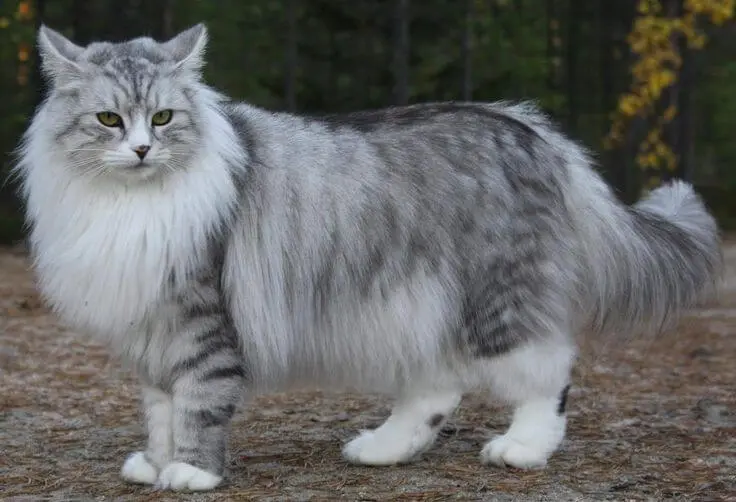
That is the whole topic, really. Almost every carrier guide and every carrier on the shelf assumes an 8-pound cat. A healthy adult male Maine Coon can weigh 13 to 18 pounds, some past 20 — and then there is the famously long body, the tail, the ruff. Solve the size problem and everything else about travel gets much easier: the car ride, the training, the packing. Here is what actually works.
Why Most Cat Carriers Don’t Fit a Maine Coon
A Maine Coon isn’t just heavy; it is long. A carrier that holds the weight fine can still be too short, leaving the cat unable to lie naturally. Owners on Reddit and in Maine Coon groups say the same thing on repeat: buy one size bigger than you think, and don’t be surprised if the right carrier is sitting in the dog section of the store.
One Facebook owner’s big fluffy Maine Coon, Chester, outgrew his beloved backpack carrier — it only became obvious on a vet trip, so while waiting she shopped the dog aisle: a large soft-sided rolling carrier with wheels and openings on every side, room enough for both her cats. The best part: both cats walk into it on their own.
My sizing rules, borrowed from experienced owners and travel guides:
- Measure your cat, not the label. The carrier should be long enough for the cat to stand, turn around, and lie stretched out — a common guideline is the carrier exceeding your cat’s nose-to-tail length by at least 20%.
- Buy for the adult, even for a kitten. If you are starting with a kitten, still buy the adult-sized carrier and pad it with extra blankets. Maine Coons grow for up to four years, and a carrier that fits at one year will be a joke by year two. (For a refresher on how fast they grow, see my Maine Coon size comparison.)
- Test at home. Ears brushing the top or a folded tail means size up.
Hard vs Soft Carriers for a Maine Coon
For a big, strong breed, choosing the right Maine Coon carrier means I lean hard-sided for car travel. Vets most often recommend hard-sided plastic carriers because they are easy to clean and hold their shape — a large Maine Coon can’t push the walls in or claw through them the way it can chew through soft mesh. PetMD notes that veterinarians most often recommend hard-sided carriers, and that openings at both the top and the front make loading far less stressful. (Source: petmd.com)
Soft-sided carriers still have a place. They are lighter, they squish into awkward boot spaces, and some Maine Coons prefer the padded, den-like feel. Expandable soft carriers unzip wider at rest stops for stretching room. A breeder on Instagram who flies with his Maine Coons regularly recommends a roomy soft-sided duffel for adults and advises against squeezing a grown Maine Coon into a backpack-style carrier at all.
My practical answer: hard-sided for the car, soft-sided for short hops or as a second option. If you buy one, make it the hard-sided top-loader in a size larger than the label suggests for your cat’s weight.
Carrier Training: Teaching Your Maine Coon the Carrier Is Safe
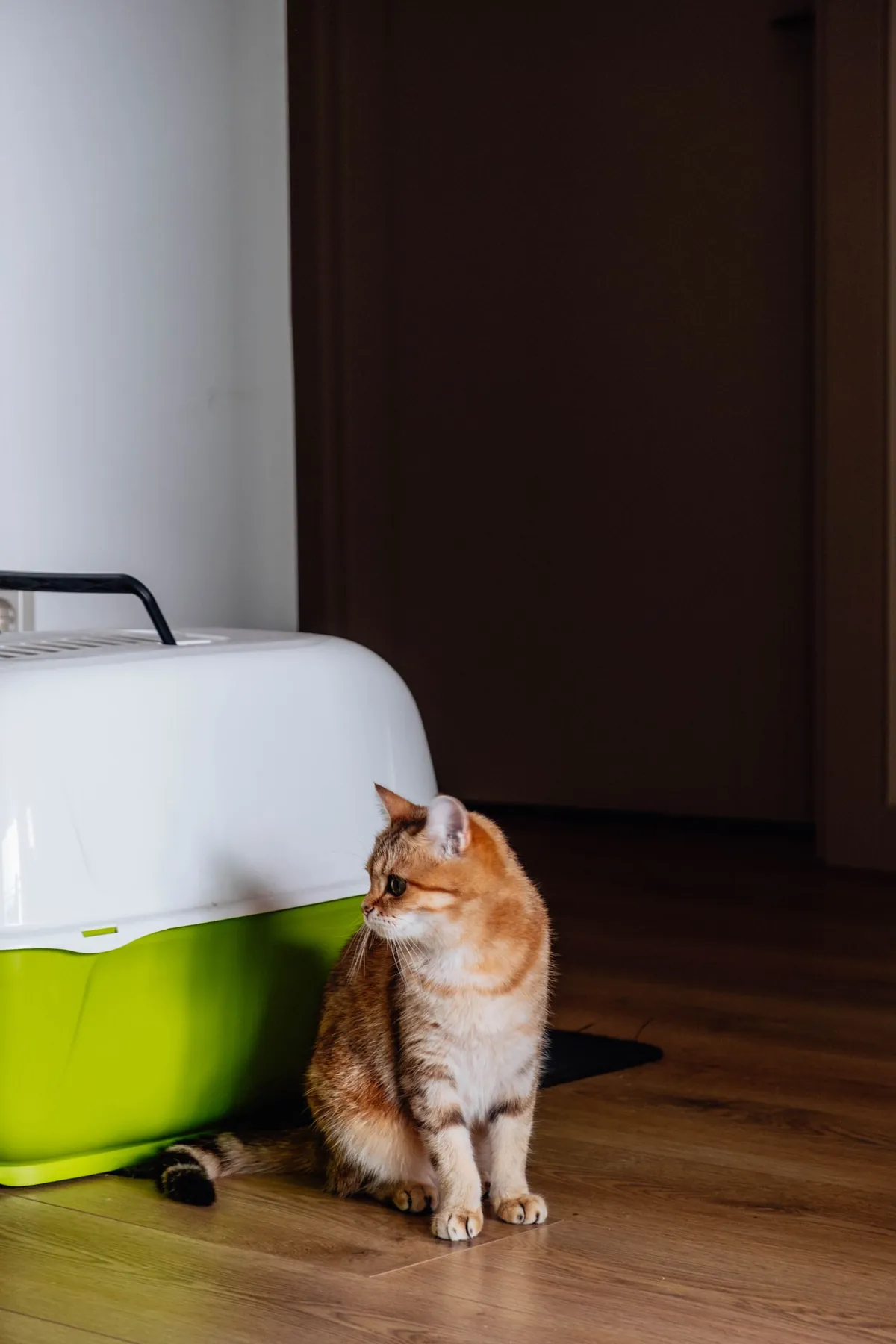
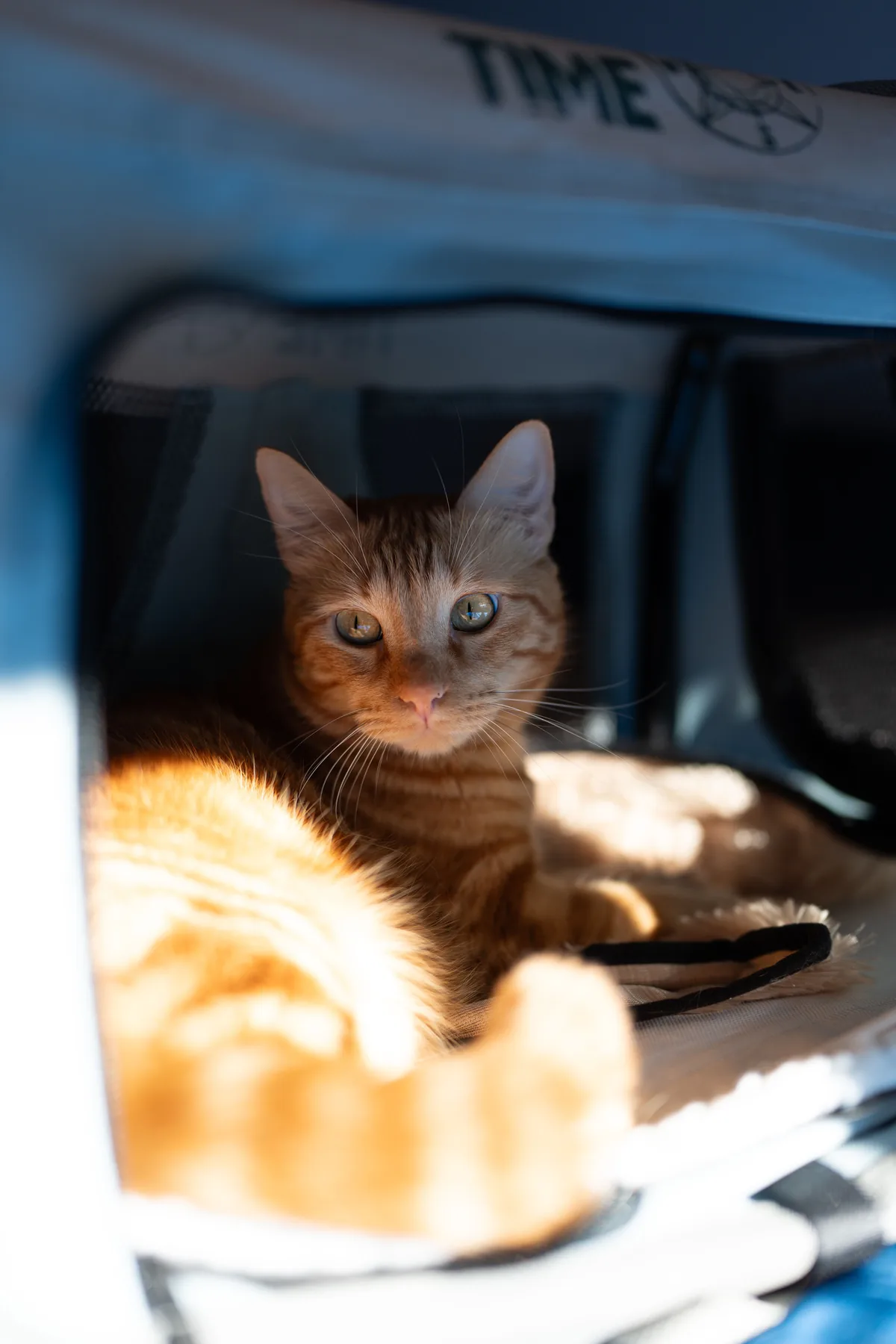
Most cats only see the carrier at vet time, so carrier equals bad news. The fix is simple: make the carrier furniture. Travelling with a Maine Coon really starts here, weeks before any trip.
- Leave the carrier out all the time. Quiet corner, door open, soft blanket that smells like home. Many cats start napping in it within days.
- Feed and treat near, then inside, the carrier. Meals beside it, then just inside the door, then at the back — dinner, not dread.
- Close the door in short bursts. A minute closed, praise, open, repeat. Closing doesn’t always mean the car.
- Do practice drives that go nowhere. Around the block, home, treat. VCA’s travel guidance says the same: take rides that don’t end at the vet, keep sound low, consider a pheromone spray on the bedding. (Source: vcahospitals.com)
- Lengthen gradually. Ten minutes, then twenty. If your cat panics, go back a step rather than pushing through.
Maine Coons are food-motivated, which makes this easier than the horror stories suggest. Two to three weeks of casual effort is usually enough.
Travelling With a Maine Coon Starts With a Calm Car Ride
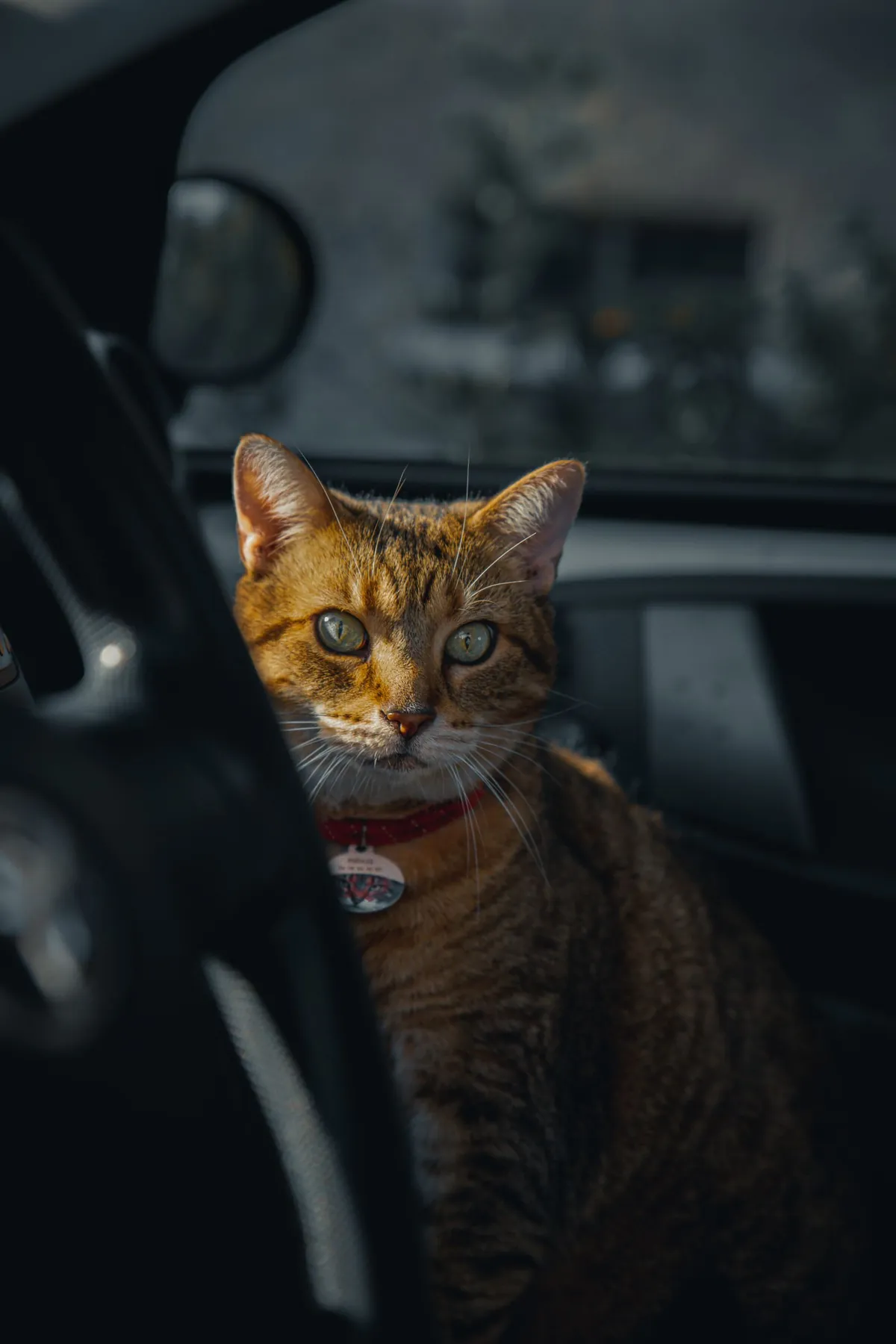
Secure the carrier in the back seat. Run the seatbelt across or through it so it can’t slide or tip in a sudden stop. Never the front seat — an airbag deploying against a carrier would injure the cat.
Keep the cabin calm and cool. Cats have very sensitive hearing, so skip loud music. Covering part of the carrier with a light blanket (one side open for airflow) gives a nervous cat cover. Never leave the cat alone in the car, not even for “a minute” — cabin temperature climbs shockingly fast.
Feed light before you leave. Withholding food for a couple of hours before a drive, or skipping the morning meal before a long trip, is common practice because car sickness is real. Offer water at rest stops instead of a bowl sloshing in the carrier. A breeder who travels regularly with his Maine Coons fasts them before flights for this reason and applies the same rule to car trips. If your cat takes medication with food or has a health condition, check with your vet first.
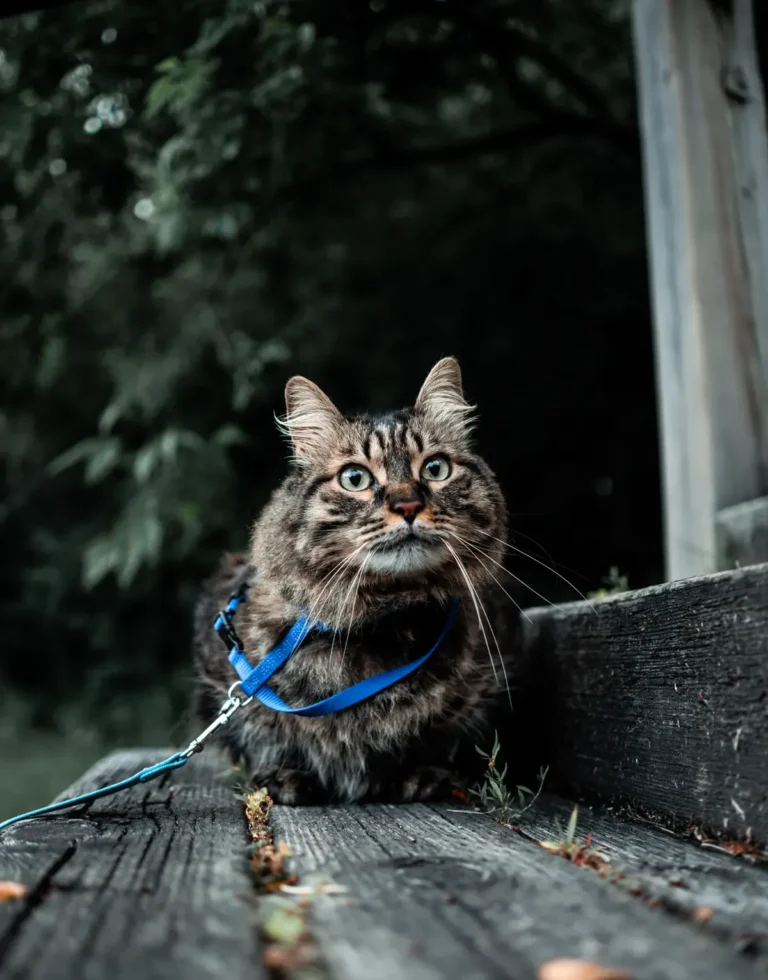
Take breaks every 2–3 hours. Park, then open the carrier — never with the car running and doors opening. Clip the harness leash on before the carrier door opens, so a startled cat can’t bolt into a parking lot. If you haven’t harness-trained yet, start with my harness training guide at home, well before the trip.
Talk to your vet if anxiety is severe. For cats that truly panic — drooling, yowling, vomiting — ask about anti-anxiety options such as gabapentin, trialled at home first. Never dose a cat with leftover human medication; some of it is dangerous for cats.
What to Pack for Your Maine Coon
For a day trip: carrier, harness and leash, a water bowl or bottle, a little food, poop bags, paper towels, and a spare blanket. For overnight or longer, add:
- Food and water from home — stick to the usual diet; bring bottled water if the local tap water differs.
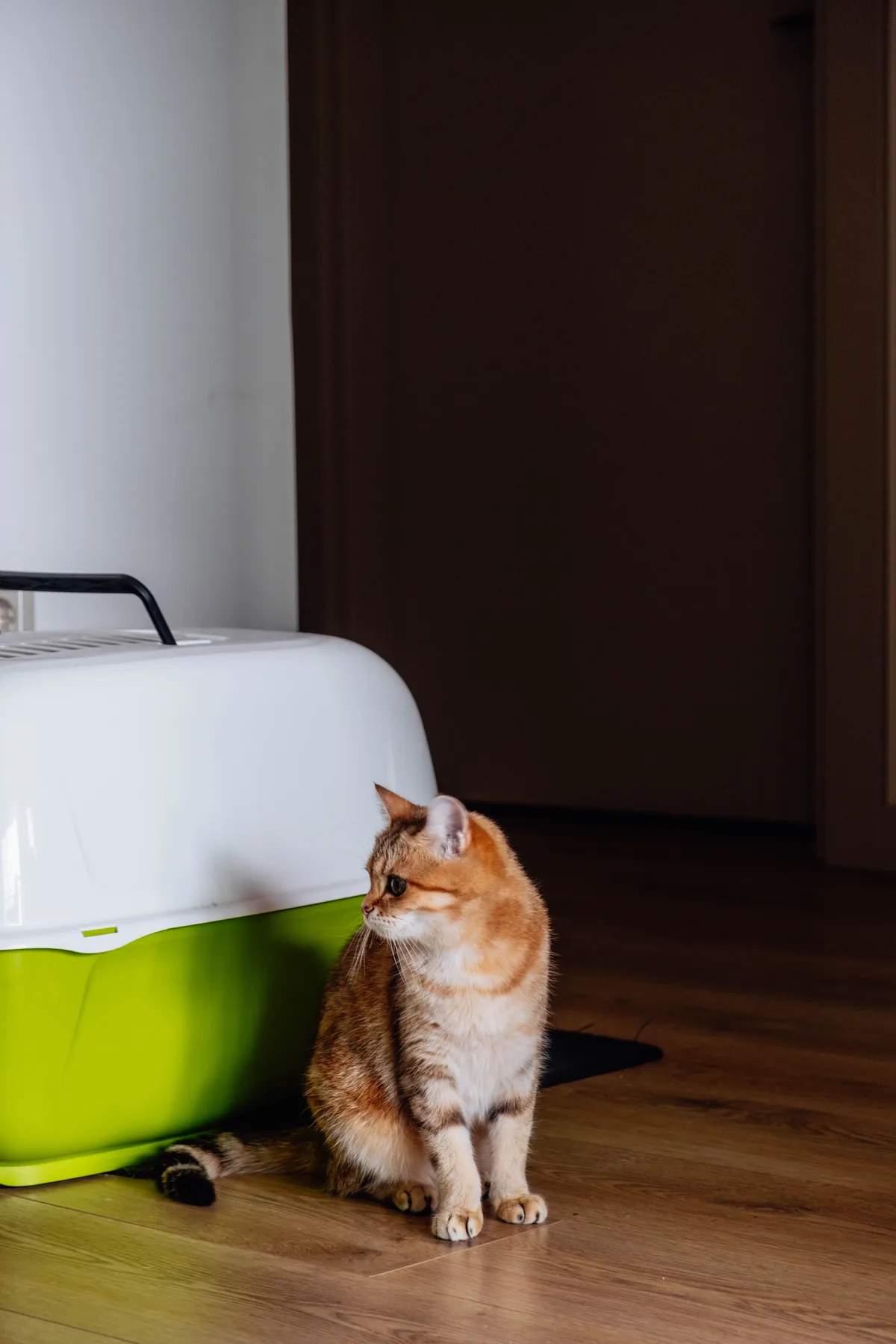
- A portable litter box and litter — the same litter as home, plus a scoop and zip-lock bags. Past about six hours, a large crate that fits a small litter pan is worth its weight.
- Familiar-scent items — the carrier blanket, a worn T-shirt of yours, a favourite toy. Scent is the fastest calm-down signal a cat has.
- Cleanup kit — absorbent potty pads for the carrier, paper towels, disposable gloves, zip-lock bags.
- ID and records — collar tag with your name and phone, vaccine records, microchip details on your phone. Not chipped? My first vet visit checklist covers it.
A viral Instagram reel from a Brooklyn Maine Coon cattery showed a full back-seat setup: a large portable enclosure with bed, litter box, and bowls, a fluffy Maine Coon stretched out inside. Commenters were split — comfort versus owners warning that bowls spill on turns and a fabric pen is no crash protection. Both sides are right: roomy setups suit parked rest breaks and hotel rooms, but while the car is moving, a secured carrier is the safe choice.
Short Trips vs Long Travel
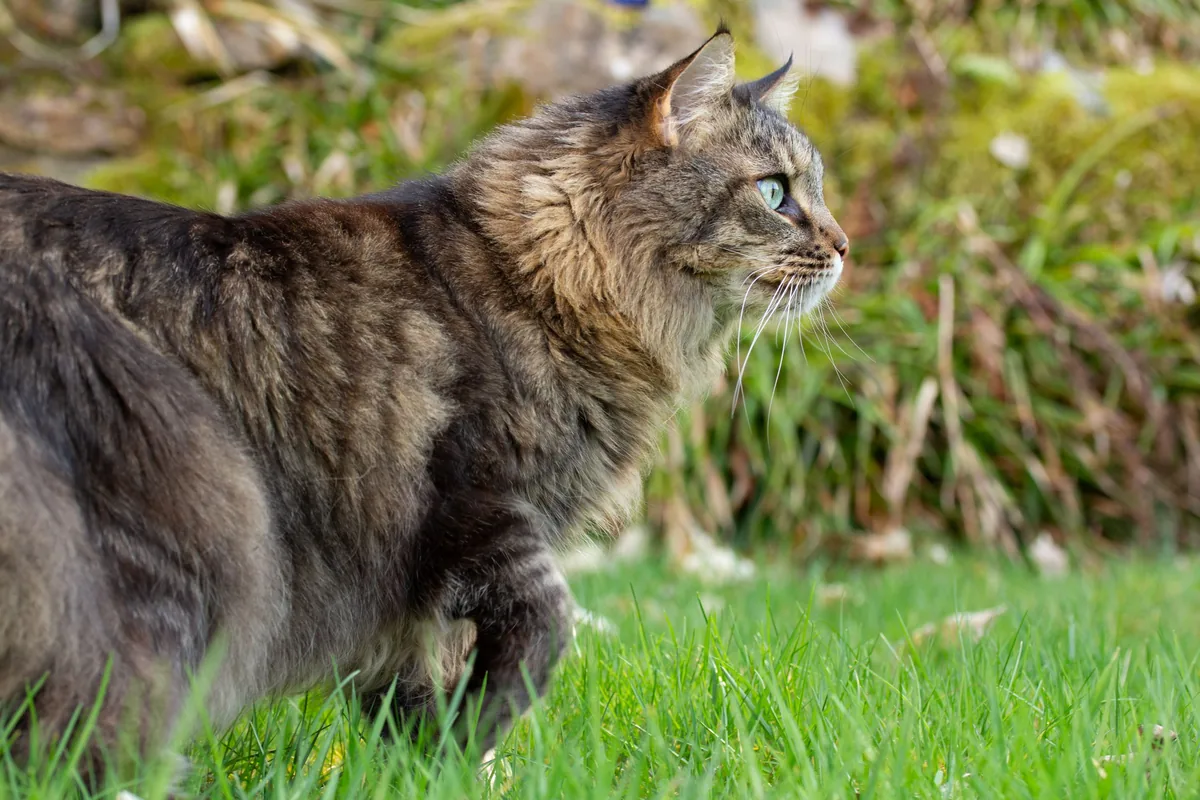
Under two hours (vet runs, visits to family): the standard routine. Carrier-trained cat, secured carrier, quiet car. Most Maine Coons that are used to the carrier will grumble for ten minutes and then settle. Offer water when you arrive.
Two to six hours: rest stops for water and a stretch, a potty pad lining the carrier, and room to shift position — this is where the bigger carrier pays off.
Six hours and up / multi-day moves: now you’re planning, not just driving. A large wire dog crate or XL carrier secured in the cargo area can hold a small litter pan, a spill-resistant water bowl, and a bed — the setup VCA recommends for long trips. Keep the hotel routine identical to home (same food, same litter, same bedtime blanket). A long-distance move is also the one trip where emergency vet access along the route is worth thinking about — part of why owners ask whether pet insurance for Maine Coons is worth it.
When Not to Travel
- Very young kittens — VCA advises against long road trips for new kittens; they’re still settling in and a long trip can disrupt that. If the kitten must travel (the collection drive from the breeder), keep it short and calm.
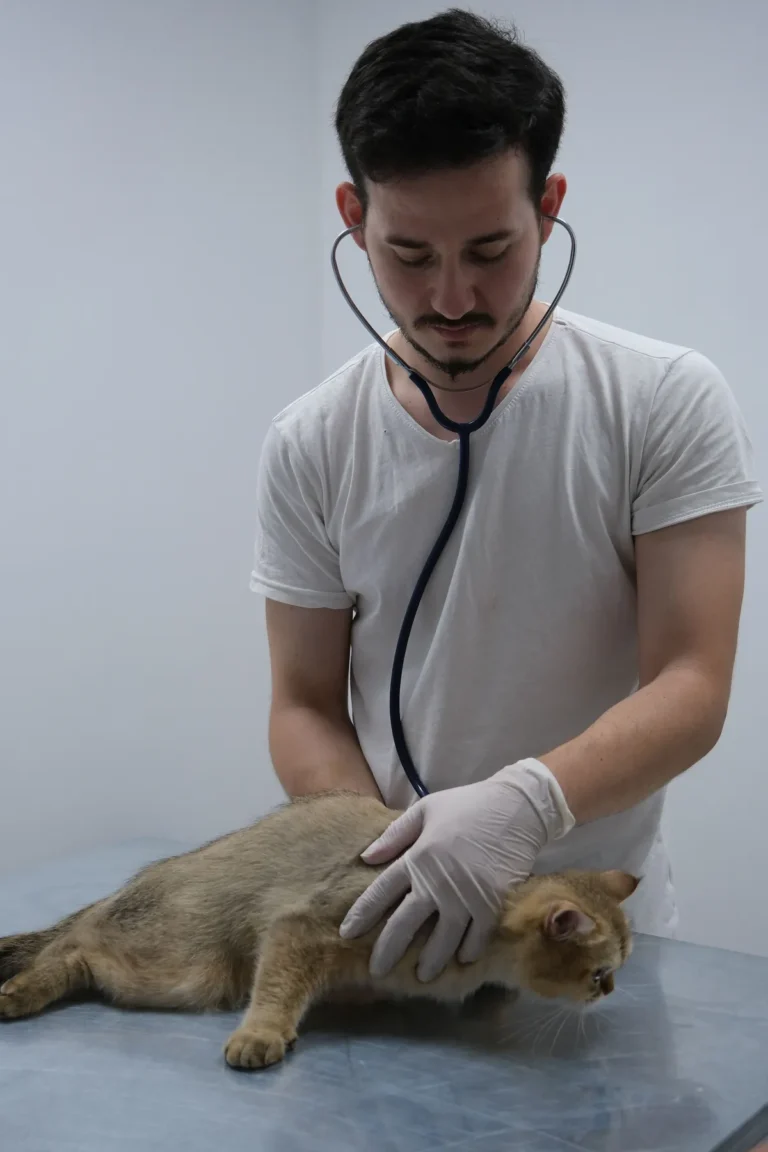
- Chronic illness or recent surgery — heart conditions, respiratory issues, post-op recovery. The vet’s word is final.
- Genuinely terrified travellers — some cats never acclimatise. If every practice drive ends in drooling panic despite training and vet help, a trusted sitter at home is kinder than forcing it.
- Hot weather without reliable AC — if the trip involves stops where the cat would wait in a parked car, leave the cat home. Heat kills cats fast.
FAQ
What size carrier does a Maine Coon need?
Bigger than the label says — large or extra-large, often one marketed for small dogs. Your cat should be able to stand, turn around, and lie fully stretched out, with the carrier exceeding nose-to-tail length by at least 20%. Buy the adult size even for a kitten and pad it with blankets.
Are hard or soft carriers better for Maine Coons?
Hard-sided for car travel: they protect in sudden stops, clean easily, and a big cat can’t collapse or claw through them. Vets most often recommend them. Soft-sided carriers are lighter and fine for short trips or calm travellers; expandable soft carriers are popular for long drives.
How do I keep my Maine Coon calm in the car?
Carrier-train at home first. Secure the carrier in the back seat with a seatbelt, keep the cabin quiet, drape part of the carrier with a light blanket, travel on a light stomach, and stop every 2–3 hours for water. Familiar-scent items help a lot. For severe anxiety, ask your vet about anti-anxiety medication — trialled at home first.
Should I feed my Maine Coon before a car trip?
Light or not at all. Withholding food for a couple of hours before driving reduces car sickness and accidents. Offer water at rest stops and feed when you arrive. If your cat takes medication with food, ask your vet first.
Can a Maine Coon handle a long road trip or a flight?
Many can, with preparation — carrier training, practice drives, the right-sized carrier, and a solid packing list. For flights, check the airline’s pet policy well in advance: in-cabin carriers have strict size limits, and a large Maine Coon may not fit under the seat, so cargo or a different plan may be the reality. At airport security you must remove the cat from the carrier, so it needs to be calm enough to be held — training matters more than the ticket.
The bottom line: the breed’s size is the whole puzzle. Solve the carrier, train at home, drive calm, pack smart — and most of these gentle giants make decent travel companions. Mine walks into his carrier unprompted, which I take as the only review that matters.