Maine Coon Hairballs: Why So Many, and When to Worry
The first time I heard it, I thought something was badly wrong. It was the middle of the night, that awful retching sound from the hallway, and by morning there was a damp, cigar-shaped clump of fur on the rug. My Maine Coon, meanwhile, was sitting next to his food bowl asking for breakfast as if nothing had happened. Maine coon hairballs are not rare, and they are not proof that you are doing everything wrong. But they are worth understanding properly, because the line between “just a hairball” and “call the vet” is thinner than most of us realise.
Why Maine Coons get so many hairballs
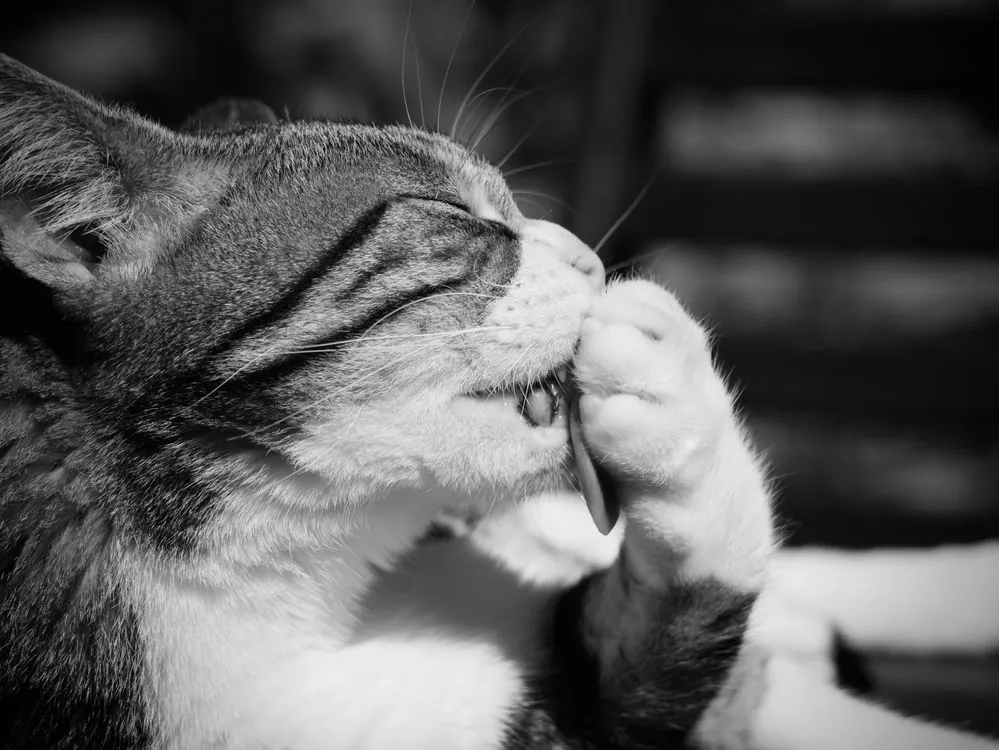
A hairball starts with something completely normal: grooming. A cat’s tongue is covered in tiny backward-facing hooks that catch loose fur and carry it down the throat. Most swallowed fur passes through the digestive tract and comes out in the stool. Some of it stays in the stomach, gathers into a clump, and is brought back up. Vets call that clump a trichobezoar. Its long, thin shape comes from being squeezed through the food pipe on the way out.
Maine Coons simply have more fur to swallow than a shorthaired cat. It is not one coat but two: long guard hairs on top and a soft, dense undercoat underneath. That undercoat sheds in handfuls, especially in spring and autumn, and every loose hair your cat licks up is a hair they have to deal with. Owners on Reddit say the same thing in different words: shedding season brings the hairballs with it. That matches my house — a quiet winter week may pass with nothing, then a spring coat blow brings two in a week.
There is a second reason that is easy to miss. Some cats groom more than usual because something is bothering them: itchy skin, fleas, a food sensitivity, stress, or pain. Owners in Facebook groups often describe a cat licking its belly or inner thighs bare, with hairballs climbing at the same time. The extra grooming is the clue. If grooming changes, that change matters more than any single hairball. In older cats, a coat that suddenly mats can likewise be an early sign of pain underneath.
Maine coon hairballs: what is normal, and what is not
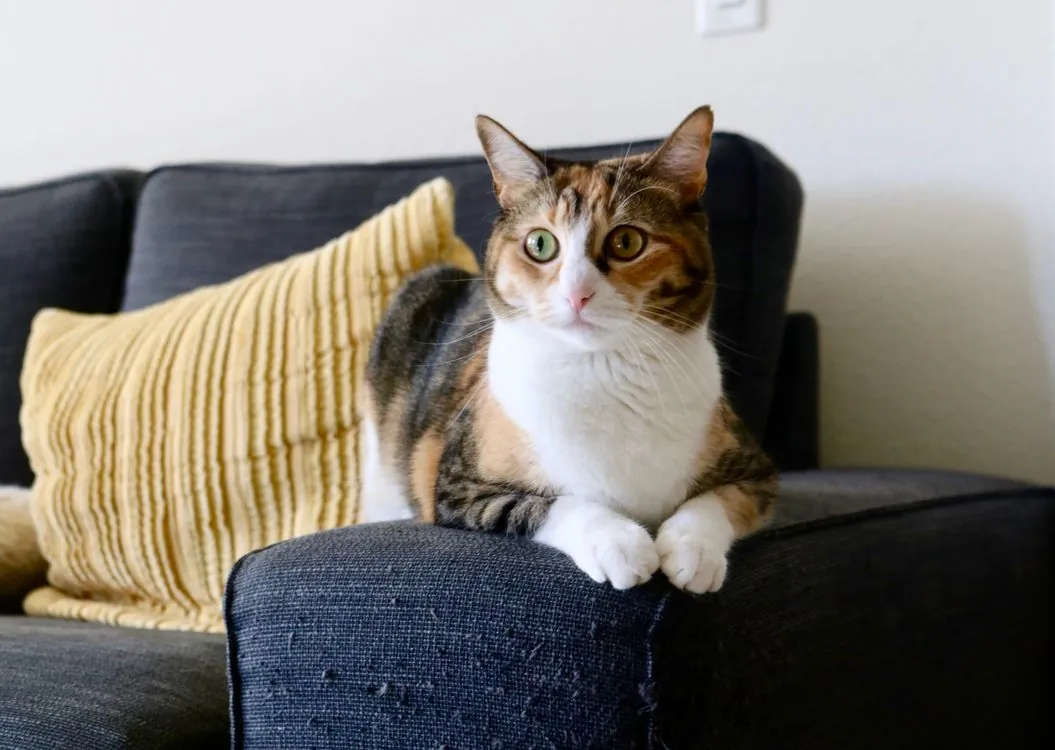
How often is normal? Honest answers here are a little messy, because vets do not all draw the line in exactly the same place. Cornell’s Feline Health Center says it is not uncommon for a cat to bring up a hairball once every week or two, and that on its own is nothing to worry about. Other vets draw a stricter line and say more than one a week deserves a check. An occasional hairball in a cat eating, drinking, playing, and passing normal stools is usually just part of living with a long coat. A rising frequency is a different story.
My home test is simple: after a hairball, does my cat bounce straight back to normal — eating, drinking, using the litter box, playing? If so, I note it and carry on. If anything else has changed, I look harder.
| What you see | What I do |
|---|---|
| One hairball, then back to normal | Note the date, brush a little more, carry on |
| Hairballs getting more frequent over a few weeks | Book a vet check, even if my cat seems fine |
| Retching again and again with nothing produced | Call the vet the same day |
| Vomiting food or bile, not just fur | Call the vet, especially if it repeats |
| Not eating, lethargic, hiding, or losing weight | Call the vet without delay |
| Constipation, straining, or a swollen or painful belly | Treat as urgent and call the vet now |
That last row deserves emphasis. A hairball can, uncommonly, become too large to pass out of the stomach or lodge in the small intestine. Cornell’s guidance on the danger of hairballs is blunt: without treatment, that kind of blockage can be fatal. It is rare, but it is why retching with nothing coming up is not a wait-and-see symptom — nor is stopping eating for more than a day or two, or going quiet and lethargic.
Owners on Threads keep flagging one mix-up: a cough is not a hairball. A cat working on a hairball hunches, retches with abdominal effort, usually produces something, then looks relieved. A coughing cat stretches its neck forward, coughs dryly, and produces little or nothing. If no hairball ever appears, film an episode for your vet if you safely can — and if breathing looks laboured, that is an emergency in its own right.
My frequency diary: the habit that changed everything
The most useful thing I have done costs nothing and takes ten seconds: one phone-note line per episode — date, what came up, and how my cat was afterwards.
Here is what a real fortnight looked like in our house last spring:
- Monday: one hairball in the morning, breakfast eaten straight after, normal day. Noted, no action.
- Thursday: retching heard at night, nothing found in the morning, cat normal. Noted, watched the litter box.
- Following Tuesday: one hairball after a long grooming session on the sunny windowsill. Noted.
- Following Friday: no hairball, but lots of loose undercoat in the comb — shedding season peaking, so I added a second short combing session.
Without the diary I would have remembered only “lots of hairballs lately.” With it, I could see the pattern: occasional, tied to shedding, with a normal cat in between. If it had shown hairballs every few days, I would have had a clear record for my vet instead of a vague “quite often.”
The prevention ladder: start with the brush, not the remedy
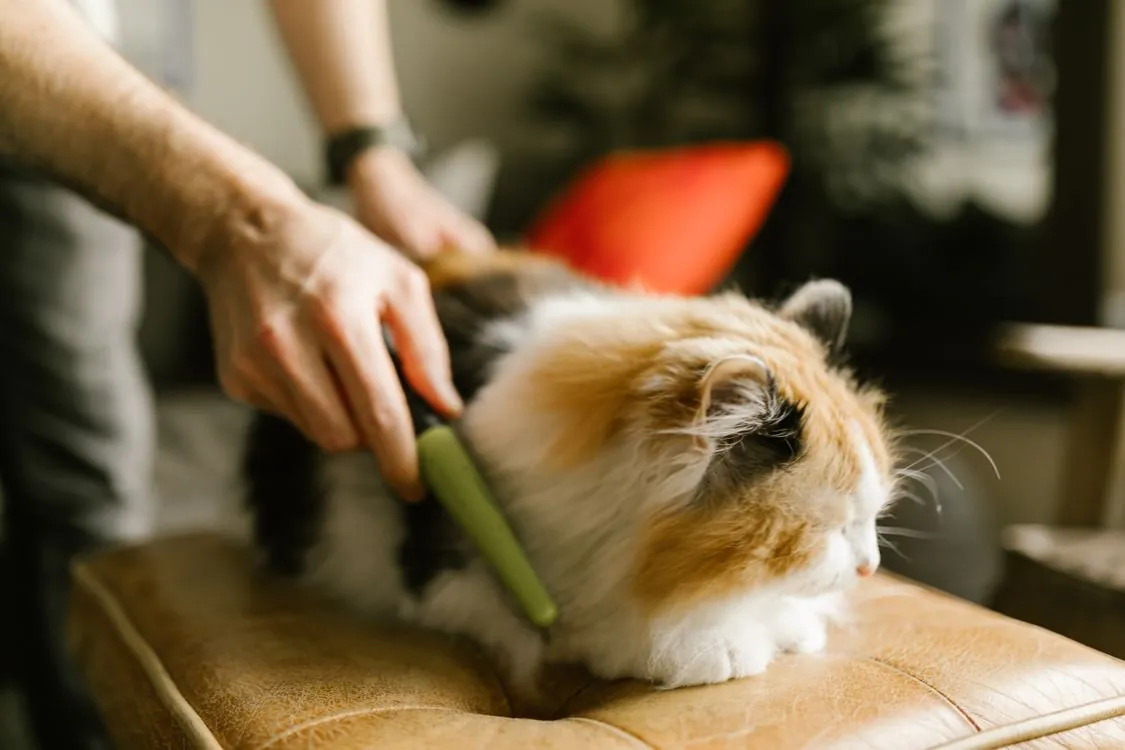
Most hairball advice jumps straight to products. I work the other way round, simplest and most effective first.
Step 1: Remove the loose undercoat before your cat swallows it. This is the step that matters most, and the one I once got wrong: I brushed the top of the coat, admired how smooth it looked, and missed the dead undercoat underneath. A steel comb worked in sections, right down to the skin — armpits, belly, britches — changed that. For the full rundown of which tools owners actually use, see my guide to the best brush for Maine Coon cats. During shedding season I comb daily; the rest of the year, a few times a week is enough. For the seasonal pattern, see my post on do Maine Coons shed, which lays out the seasonal pattern honestly.
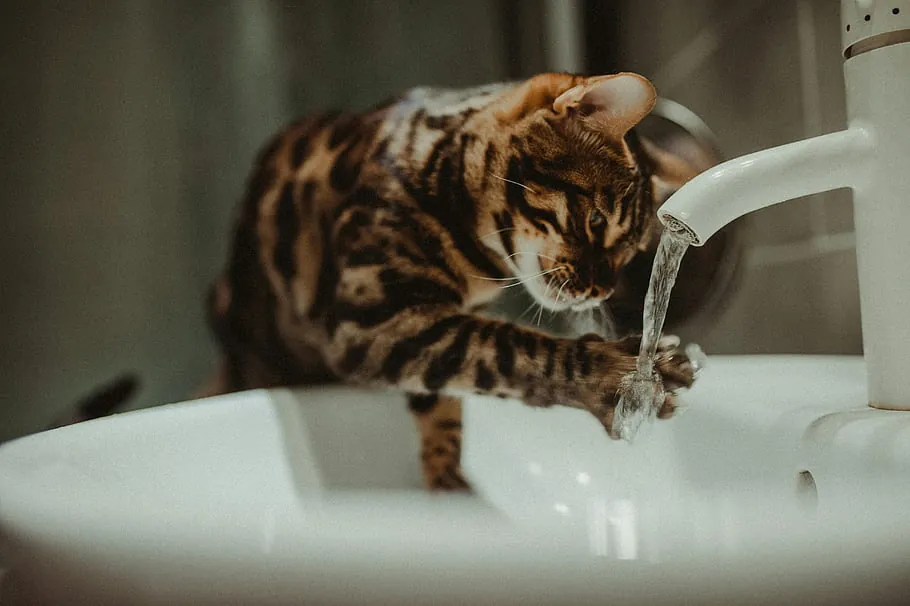
Step 2: Keep water easy and appealing. Swallowed fur moves through the gut more easily when a cat is well hydrated. My Maine Coon walks past a still bowl and waits for a tap, so a fountain made a real difference to how much he drinks. I cover the pros and cons, and which types suit big cats, in my post on Maine Coon water fountains. Wet food helps too, since it carries much of its own moisture.
Step 3: Talk to your vet about fibre and food. Fibre can help swallowed fur keep moving through the gut instead of clumping. But this is a conversation, not a shopping trip: changing food suddenly can upset a cat’s stomach, and a hairball diet will not fix a gut problem, allergy, or skin condition driving overgrooming. Ask your vet whether a change makes sense, and switch gradually. For portions by age, see how much to feed a Maine Coon — and treat any feeding plan as a starting point to tune with your vet.
Step 4: Hairball remedies only with vet guidance. Pastes, gels, and treats marketed for hairballs are meant to help fur slide through the gut. Owners on Facebook mention everything from malt pastes to freeze-dried cat grass treats, but I am careful here: a remedy can mask a rising pattern, and some products are not right for every cat. VCA’s overview of trichobezoars (hairballs) in cats covers the same ground. If your vet suggests a product, use it as directed and keep the diary going. If not, do not reach for one instead of a vet visit when the warning signs above are present.
Step 5: Look at the whole cat, not just the coat. A new stressor, a dirty or hard-to-reach litter box, or a cat sleeping far more than usual can all feed overgrooming, and brushing alone will not fix that. Play, routine, and a calm home help — but sharp grooming changes, bald patches, or sore skin are a vet conversation, not a grooming tweak.
What not to do
Do not wait out repeated unproductive retching, hoping the hairball will eventually come up. Do not try to make your cat vomit, and do not give human laxatives or oils without vet advice. Do not cut mats out with scissors — cat skin pulls up into a mat where you cannot see it, and a nick is a vet trip of its own. And do not assume that because a remedy worked for someone else’s cat, it is right for yours. Cats hide illness well. When warning signs stack up — retching plus no appetite, or constipation plus lethargy — the kindest thing is a prompt call, not another week of watching.
Frequently asked questions
How often should a Maine Coon get hairballs?
An occasional hairball, roughly once every week or two in an otherwise healthy cat, is not uncommon for this breed, according to Cornell’s Feline Health Center. What matters more is the trend: rising frequency, or hairballs alongside appetite loss, lethargy, constipation, or weight loss, deserves a vet check.
Why does my Maine Coon get more hairballs in spring?
Spring, and often autumn, is when the dense undercoat lets go in a big way, so more loose fur gets swallowed during grooming. Daily combing through shedding season, reaching the undercoat, is the most effective response I have found.
Is retching without producing a hairball an emergency?
It can be. Repeated retching or vomiting with nothing produced, especially alongside not eating, lethargy, constipation, or a swollen belly, should prompt a same-day vet call. Cornell advises that such a cat should be examined without delay. A lodged hairball is uncommon but serious, not something to wait out at home.
Do hairball treats and pastes work?
They can help fur pass in some cats, but they are not a substitute for brushing, hydration, and a vet check when hairballs are frequent. Use them only with vet guidance, and if the pattern keeps rising despite a remedy, tell your vet rather than trying a stronger product alone.
Could my cat be coughing, not bringing up a hairball?
Yes, and owners mix these up often. Retching usually involves a hunched posture, abdominal effort, and something produced, followed by relief. Coughing involves a stretched neck, dry repeated coughs, and little or nothing produced. If no hairball ever appears, film an episode for your vet, and seek urgent care if breathing looks laboured.
The bottom line
Maine coon hairballs come with the territory of a magnificent, semi-long, double coat. An occasional hairball in a happy, eating, playing cat is usually just the price of that coat, and a steel comb, fresh water, and attention to shedding season will cut the frequency down. But the pattern is the whole story: keep a simple diary, know the vet-now signs by heart, and never let a home remedy stand in for a vet visit when they appear.