Do Maine Coons Shed? Shedding & Grooming Routine
Yes, Maine Coons shed. They don’t shed constantly at maximum volume, but if you’re imagining a spotless house and black trousers that stay black, I need to reset your expectations.
I’ve lived with this breed long enough to know the difference between normal Maine Coon shedding and a problem, which grooming tools actually earn their place in the drawer, and where every mat on a Maine Coon starts. This is the full truth about the fur — how much, when, and what to do about it.
The Honest Answer: Yes, Moderately, With a Heavy Season
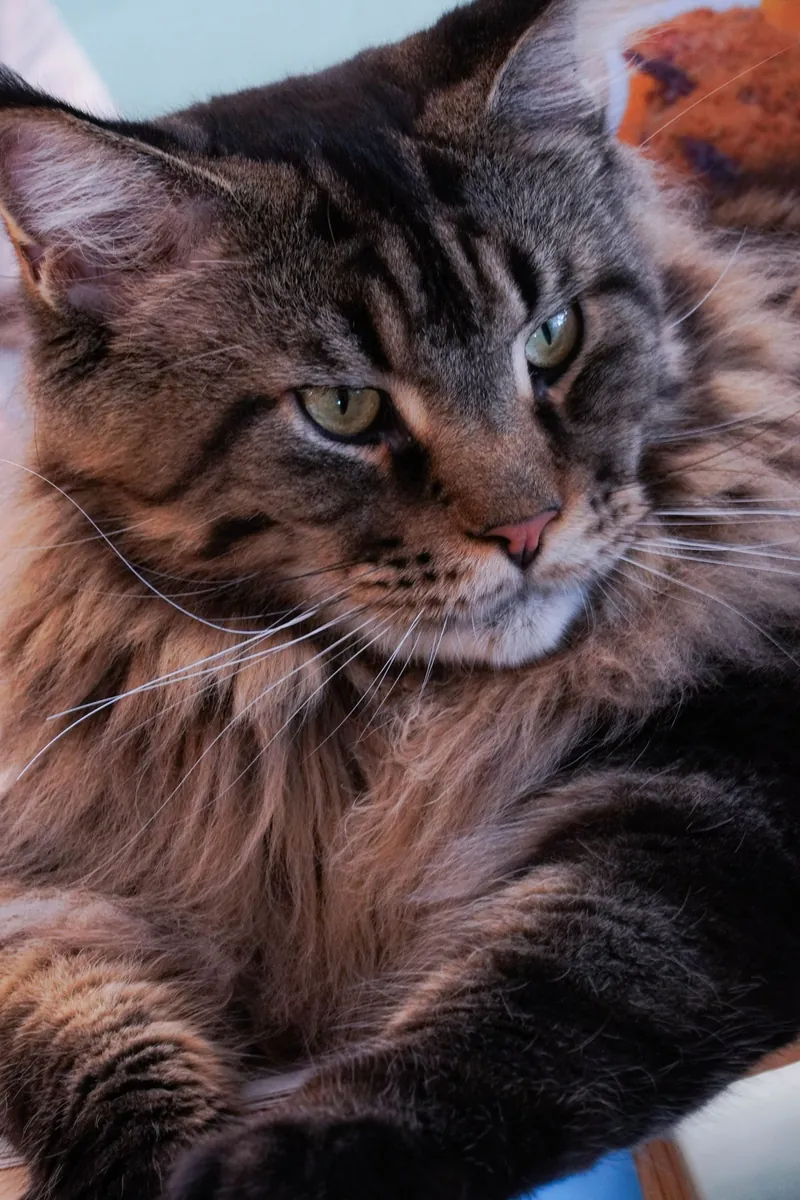
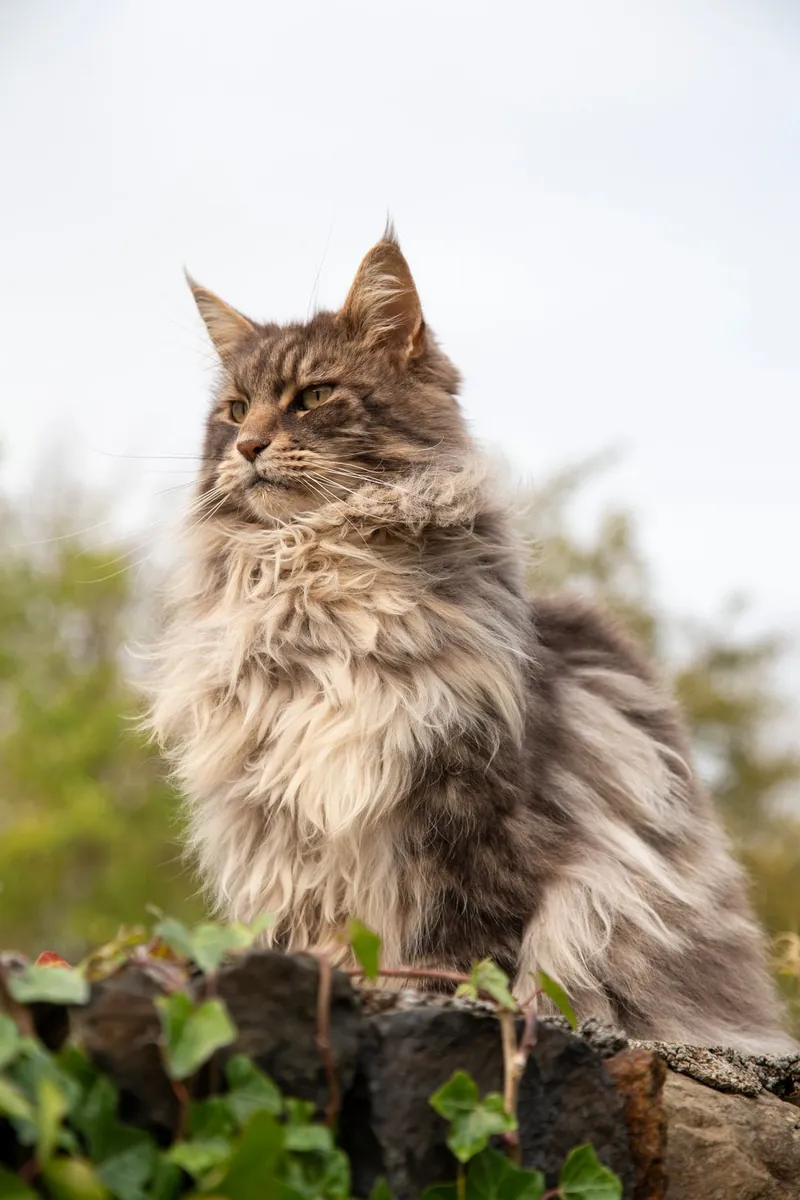
A Maine Coon wears two layers: a longer, coarser guard coat that sheds water and dirt, and a soft, dense undercoat that keeps them warm. That undercoat is the real story. Guard hairs drop a few at a time, barely noticeable. Undercoat comes out in handfuls, especially in spring — drifting into corners, collecting on dark clothing, and wrapping itself around your vacuum brush roll.
Are Maine Coons heavy shedders? Not compared to some breeds that molt year-round at full blast. But the hair is long and very visible, which makes it feel worse than it is. Owners in Reddit and Facebook communities say the same thing I tell friends: a Maine Coon doesn’t necessarily shed more than an average cat, it just leaves evidence you can’t ignore.
One more thing nobody warned me about: shedding varies between individual cats. Some have a silky coat that sheds gently and rarely tangles; others have a dense, cottony coat that produces loose fluff overnight and mats if you look at it wrong. You won’t fully know which one you have until your cat reaches maturity.
The Seasonal Shed Cycle (and Why Indoor Cats Break It)
Outdoor and semi-outdoor Maine Coons follow a predictable cycle: grow a thick winter coat as daylight shrinks, then blow it in spring when days lengthen. That thick winter coat brings its own care questions — see our full Maine Coon winter care guide. Spring is the big one — a few weeks of startling amounts of undercoat, when daily grooming isn’t overkill. (Worth a skim first: the 7 grooming mistakes Maine Coon owners make — getting the routine wrong wastes even the best brush.) There’s a lighter shed in autumn as the summer coat gives way to winter growth.
But indoor cats don’t always follow this cycle. In a Quora thread full of long-time owners, several people pointed out that house cats under artificial light and central heating shed at a low level all year round instead of blowing their coat twice — their brains never get a clear seasonal signal.
One more thing about timing: kittens barely shed, which tricks new owners into thinking they got a low-shedding cat. Around 9 to 12 months, the kitten coat gives way to the adult double coat, and a thread on a cat forum described exactly what I’ve seen — loose fluff appearing almost overnight.
My Weekly Grooming Routine
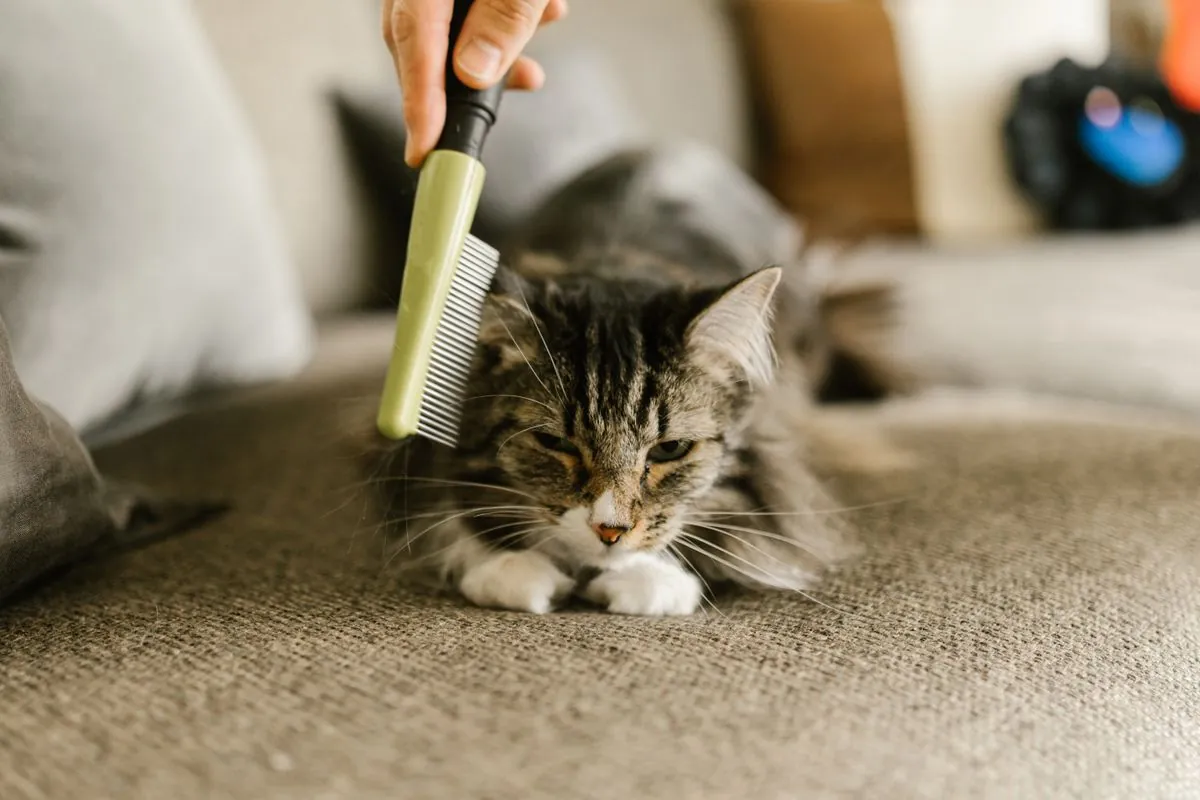
How often: 2 to 3 times a week normally, daily during the spring coat blow, 10 to 15 minutes a session. A skipped month followed by an hour-long marathon is how mats win.
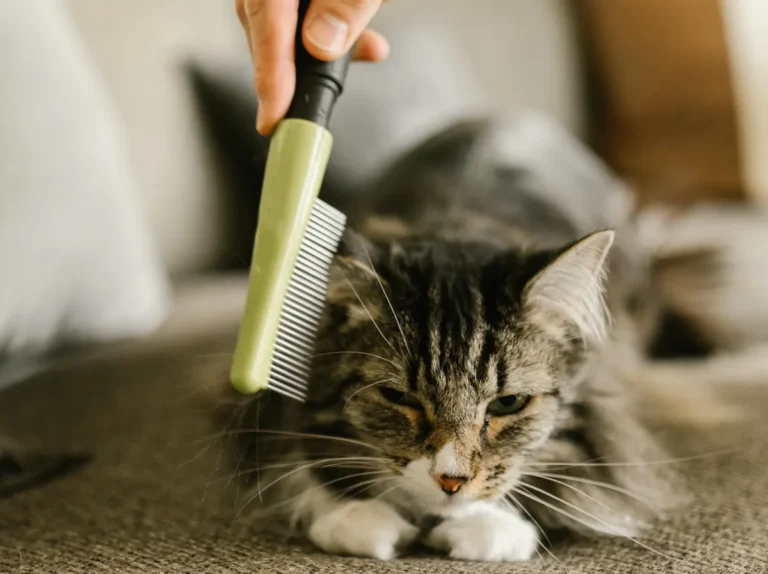
1. Start with the steel comb. Run a wide-tooth steel comb through the whole cat, in the direction of hair growth, neck to tail. The comb reaches the undercoat and finds tangles a brush glides over. If it moves smoothly, the section is fine. If it catches, you’ve found a tangle before it becomes a mat.
2. Work in sections. Lift the coat and work through it section by section — sides, back, chest ruff, belly. This is the technique groomers demonstrate on YouTube, and it’s the difference between grooming that looks good and grooming that prevents mats.
3. Hit the hot spots. Behind the ears, under the armpits, the belly, the britches (long fur on the back of the thighs), and the base of the tail — the five places every mat starts. I check armpits and behind the ears every single session.
4. Slicker brush to finish. Short, gentle strokes to smooth the topcoat and pick up loose surface hair. If your cat flinches, you’re pressing too hard.
5. Treat and release. End while the cat is still willing. A treat after grooming teaches them the comb is a friend. Start this when they’re kittens and they’ll hop onto your lap when they see it. I compared every tool I actually use here: The Best Brush for Maine Coon Cats: What Owners Actually Use.
Tools That Work vs. Gimmicks
The steel comb wins. Ask experienced owners, breeders, and groomers what they’d keep if they could keep only one tool, and the answer is almost always a wide-tooth steel comb. It finds tangles, reaches the undercoat, and tells you honestly whether a section of coat is clear. Plastic combs create static and skip over the dense parts.
A slicker brush is useful but secondary. Good for smoothing the topcoat and surface fluff on the ruff and tail — but it doesn’t get down to the skin where tangles start, and cats often tolerate the comb better. During the spring coat blow, a wide-tooth undercoat rake also earns its place, pulling out shocking amounts of loose undercoat quickly.
Skip the blade-style deshedding tool. In a long thread on a cat forum, groomers and experienced owners agreed: ditch it for this breed. The blade can shred the long guard hairs, and several owners found their steel comb simply worked better.
Mat Prevention: The Armpits, Belly, and Britches
Shedding and matting are connected: loose undercoat that isn’t removed gets trapped in the coat, rubs, and felts into mats. Mats form fastest behind the ears, under the armpits, on the belly, in the britches, and at the base of the tail — check these every session; it takes thirty seconds.
If you find a small tangle, work it out with the comb from the ends toward the skin, holding the fur at the base so you’re not pulling. For a formed mat, don’t reach for scissors — mats sit tight against the skin and it’s frighteningly easy to cut your cat. Use a mat splitter or dematting comb, or have a groomer handle it. I’ve written a full guide to matted fur and ways of preventing it if you’re already dealing with some.
Bathing’s Role in Shedding

Bathing isn’t the main shedding tool — regular combing is — but a bath a few times a year helps. Warm water and cat-safe shampoo loosen dead undercoat that combing alone misses, and a cool blow-dry blasts out loose fluff you’d otherwise find on your sofa for weeks.
Some Maine Coons have an oilier coat than others — the water-resistant quality bred into them — and an oily coat holds onto dead hair more stubbornly. One owner on Quora with a full grooming kit noted that after bathing, a towel dry isn’t enough for a Maine Coon’s dense undercoat; the cat stays damp for ages. A cool blow-dry gets the undercoat dry properly and prevents the damp-fur matting that starts after baths.
Don’t overdo it. Too-frequent bathing strips the natural oils that keep the coat healthy, and dry skin can increase shedding. Three or four baths a year is plenty — I cover the whole process in my complete guide to bathing a Maine Coon.
Does Diet Affect Shedding?
Yes, and owners underestimate this. A cat’s coat is built from what they eat, and a nutritionally poor diet shows up as dull, brittle fur that breaks and sheds more than it should.
The key nutrients are high-quality animal protein and essential fatty acids — particularly omega-3 and omega-6. VCA’s veterinary guidance notes that coat problems often improve dramatically when the underlying diet is addressed. A complete, balanced, meat-first food covers it without supplements.
My cue to check the food: a coat that suddenly goes dull, greasy, or flaky, or shedding that increases without a seasonal reason. Diet won’t turn a shedding breed into a non-shedding one, but it sets the baseline for coat health.
Living With the Fur: Practical House Management
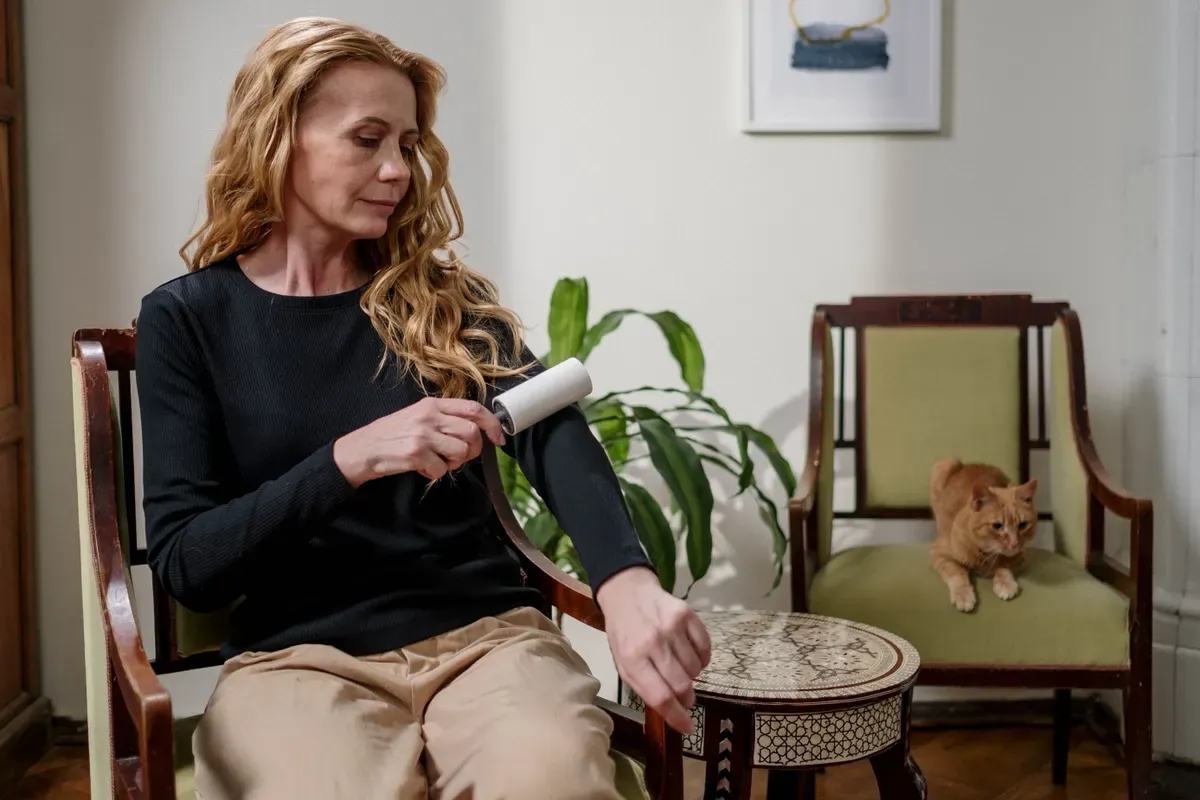
Let’s be practical. No routine eliminates shedding, so the goal is a house that doesn’t look like it belongs to the cat.
A lint roller in every room. Owners in Facebook comments say exactly this, and I do it too — plus one by the front door for last-minute touch-ups.
Throws on favorite spots. Maine Coons pick their spots — the end of the sofa, your bed, one particular chair. Cover those with washable throws and wash them weekly instead of fighting the whole piece of furniture.
Vacuum on a schedule. Twice a week minimum, more in spring. Long hair wraps around brush rolls, so clean the vacuum head regularly.
Wipe hard floors. Long Maine Coon hair migrates to baseboards and corners and forms what owners call fur tumbleweeds — soft clumps that appear overnight. A quick pass with a microfiber mop keeps them from colonizing.
Groom the cat, not just the house. Every loose hair you comb out is one that doesn’t end up on your clothes or in a hairball. One Quora owner described cuddling his 20-pound Maine Coon at his desk for five minutes and needing to change his shirt — while his short-haired cats left barely a trace. That’s the breed. The comb is your best cleaning tool.
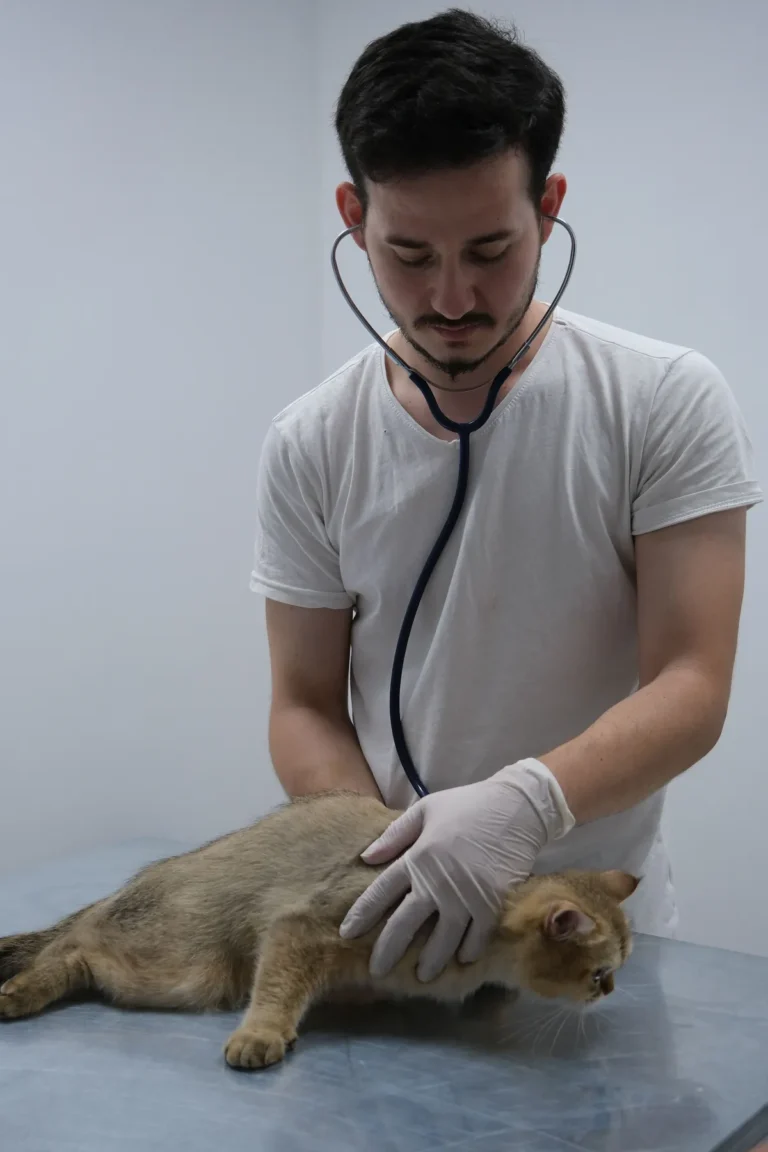
When Shedding Signals a Vet Visit
Normal shedding is even, seasonal or steady, with the coat staying full and glossy. See your vet if you notice bald patches or thinning spots, a sudden dramatic increase with no seasonal explanation, constant scratching or licking, red or flaky skin under the fur, a coat that stays dull and greasy despite good food and grooming, or shedding paired with appetite loss, lethargy, or weight changes.
VCA’s veterinary guidance notes that skin and coat problems are among the most common reasons cats see a vet, and a dull or rapidly changing coat can signal allergies, parasites, stress, or nutritional issues. You see your cat every day and know what’s normal for them. When in doubt, a vet check is cheap peace of mind.
FAQ
Do Maine Coons shed more than other cats?
Not necessarily more hairs per day — but the hairs are long and highly visible, so it feels like more. Owners consistently say the sheer visibility of Maine Coon fur is what shocks newcomers.
How often should I brush my Maine Coon?
Two to three times a week normally, daily during the spring coat blow. VCA’s guidance for long-coated cats recommends daily brushing to prevent tangles and mats, with extra attention to the armpits, ears, and back of the legs.
Are Maine Coons hypoallergenic?
No. No cat is truly hypoallergenic, and a heavy-shedding long-haired breed is one of the worst choices for someone with cat allergies — the allergen rides on dander and saliva on the fur, and more fur means more of it around the house.
If shedding has you wondering about allergies, I wrote a full guide on whether Maine Coons are hypoallergenic. If all this shedding has you wondering about allergies, I wrote a separate guide: Are Maine Coons Hypoallergenic? Allergy Guide.
Can I shave my Maine Coon to reduce shedding?
You can, but most vets and groomers advise against it unless there’s a medical reason or severe matting. The coat insulates against heat as well as cold, and shaving doesn’t stop shedding — it just makes the shed hairs shorter. If you’re still tempted, read the pros and cons of shaving a Maine Coon first.
Does spaying or neutering change shedding?
There’s no strong evidence it does. For most Maine Coons, shedding is driven by season, indoor living, diet, and grooming — not by whether they’re intact.
The fur is the price of admission, and honestly, it’s a fair one. Ten minutes with a steel comb a few times a week keeps one of the most beautiful coats in the cat world looking its best.
For more on this breed’s coat, the Cat Fanciers’ Association breed article describes the heavy, shaggy coat the standard calls for, and VCA’s grooming and coat care guide covers the veterinary basics. If mats are already your problem, PetMD’s guide to handling matting explains why you should never cut them out with scissors.