Water Fountain for Maine Coons: Do They Really Need One?
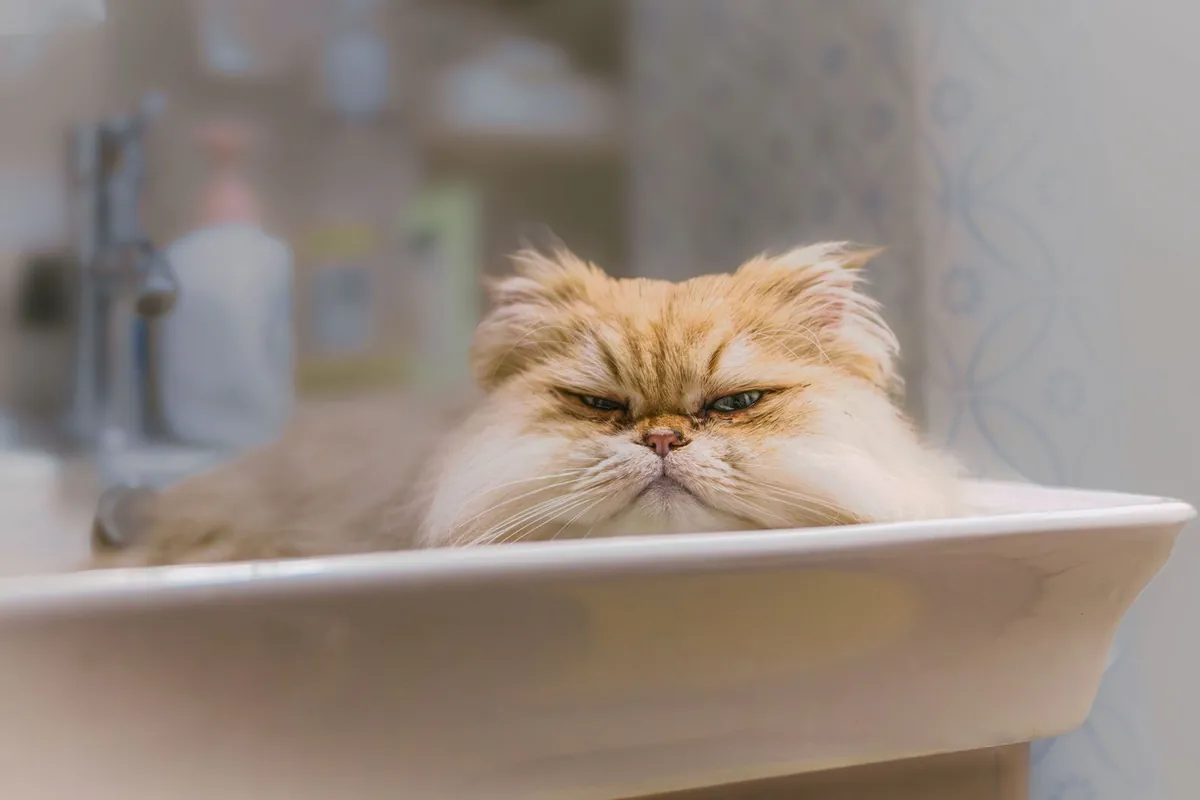
My Maine Coon has strong opinions about water. He walks past the fresh bowl I set down every morning, then camps out in the bathroom sink waiting for the faucet to drip. For a long time I just accepted the ritual. Then I started wondering whether a water fountain for Maine Coons was actually worth buying, or just another gadget gathering dust in a corner.
After trying one (and watching my boy treat it like a splash park for a week), asking my vet questions, and comparing notes with other owners, I have an honest answer. No, your Maine Coon does not strictly need a water fountain. A clean bowl of fresh water is perfectly fine. But for this breed in particular, a fountain can genuinely help your cat drink more — if you buy the right type.
Here is what I learned, mistakes included.
Why Maine Coons seem obsessed with running water
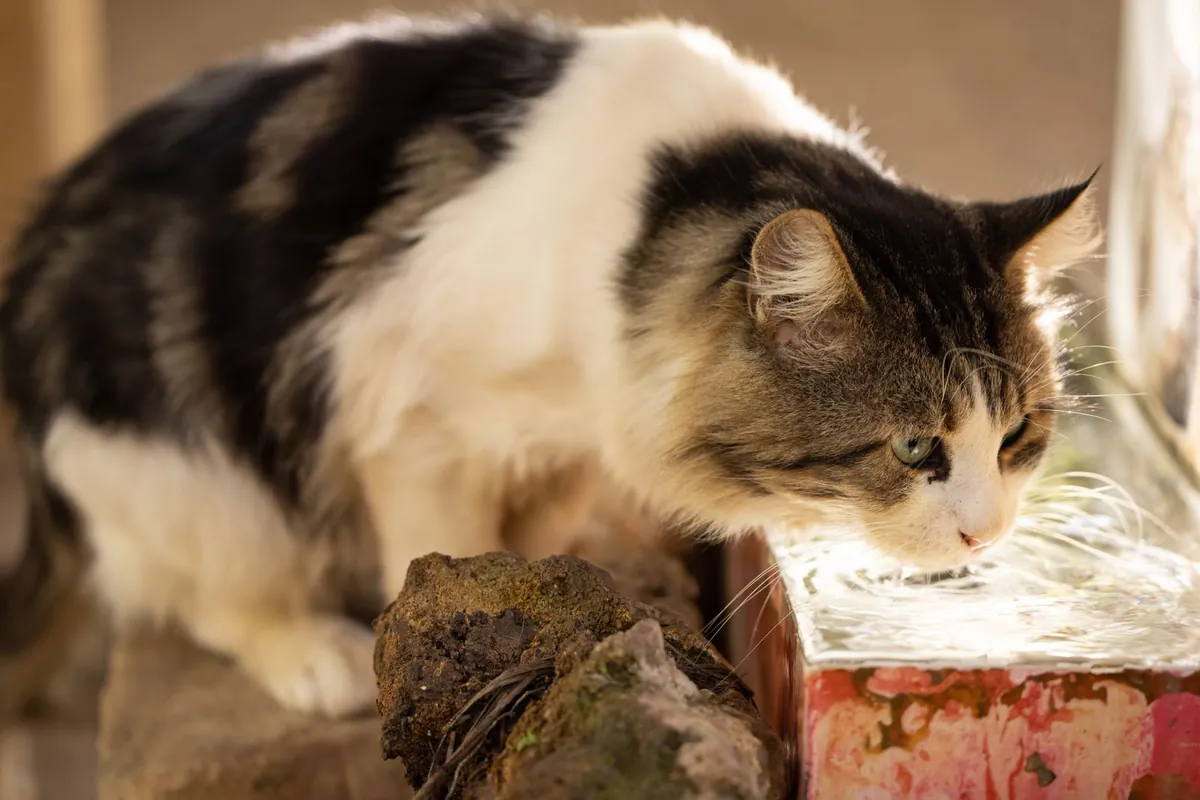
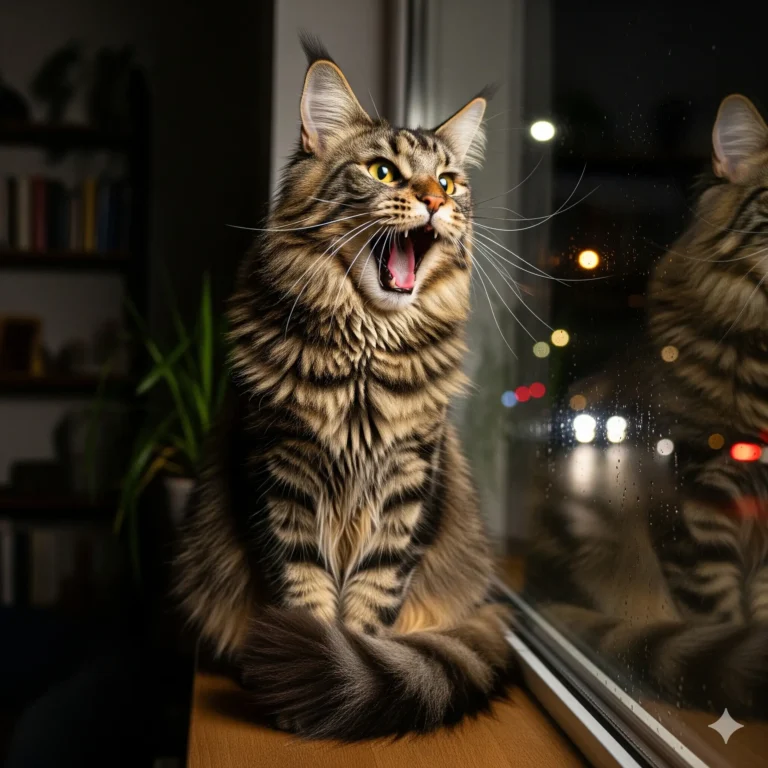
Maine Coons are famously fascinated by water in a way most cats are not. Mine dips a paw in his bowl before drinking, sits in the bathroom sink, and perks up at the sound of any tap. Owners on Instagram and Threads share endless videos of the same behavior: Maine Coons pawing at fountain spouts, draping themselves over the basin, batting at the stream, and generally treating the fountain as a toy rather than a tool.
Beyond the entertainment, there is instinct at work: cats evolved from desert animals, and moving water reads as fresh while still water can read as stagnant. One Maine Coon community newsletter has even cataloged years of reader photos of cats parked in bathroom sinks, drawn by the cool surface and the promise of an overhead drip. A fountain recreates that experience in a corner of your kitchen. And if the water obsession in your house goes beyond drinking, you may also want my guide to bathing a Maine Coon — because a cat who plays with his drinking water is a cat who will play with bath water too.
So do Maine Coons actually need one? The honest answer
Need is a strong word. Your cat will survive perfectly well on a clean bowl. But cats are not great drinkers by nature. VCA Animal Hospitals notes that because cats can develop medical conditions related to poor water intake — things like bladder crystals and urinary tract issues — tempting a cat to drink more water genuinely matters for their health. Cornell’s feline health center puts the baseline at roughly four ounces of water per five pounds of lean body weight per day, which means a big 18-pound Maine Coon boy needs around a cup and a half daily. That is a lot of lapping from a bowl.
What your cat eats changes the math too. Wet food can be up to 80 percent water, so cats on wet diets get much of their fluid from meals. Cats on mostly dry food lean on the water bowl far more. If you are still figuring out portions, check how much to feed a Maine Coon at each age — my boys are on a mix of wet and dry, and I still wanted a second nudge toward better hydration. I also keep urinary and kidney health on my radar, since staying well hydrated supports the urinary tract; you can read more about the conditions worth watching in my rundown of Maine Coon lifespan and health issues.
A fountain does not magically fix a cat who will not drink. It just makes drinking more appealing: the movement catches their eye, the filter keeps the taste cleaner, and the water stays fresh instead of going flat in a bowl all day. For my cat, the faucet drip he loved became a fountain stream he visits on his own. That is the whole case for it — not necessity, but a small daily upgrade that compounds over a lifetime.
The right water fountain for Maine Coons: what actually matters
Not every fountain survives a Maine Coon. The cute little plastic fountain sized for a six-pound shorthair is going to have a rough life in your house. Here is what to look for instead.
Size and capacity. A Maine Coon drinks more than an average cat simply because there is more cat. A larger reservoir means fewer refills and, just as important, the pump never runs dry and burns out while you are at work. Go bigger than you think you need.
Weight and stability. This is the detail owners bring up most. Multiple owners on social media say they bought a fountain specifically because their Coon kept tipping the water bowl over — one woman wrote that she got hers for “the boys” after her cat Storm made bowl-tipping a daily sport. A heavy fountain, or one with a low wide base, resists both tipping and the enthusiastic pawing these cats are famous for. If your cat dismantles things, the fountain needs to be the heaviest object in the room.
Material: stainless steel first, ceramic second, plastic last. This is where the owner community is nearly unanimous. Stainless steel is the easiest to keep clean, resists scratching, and does not give bacteria the hiding places plastic does. Plastic scratches, and those scratches trap bacteria and develop a smell your cat notices long before you do. Owners on cat forums also link plastic dishes to chin acne flare-ups — several report that switching from plastic to metal or ceramic cleared their cat’s chin up. Ceramic is a fine second choice: heavy, easy to clean, and attractive. Just buy from a reputable maker, since cheap ceramic can chip, and check that the drinking surface is wide and shallow so your cat’s whiskers do not bang against the sides.
A quiet pump. Nobody likes a rattling pump in a quiet house. Many run nearly silent when full and get noisy only as the water level drops — another reason to keep it topped up.
Easy to take apart and clean. You will be disassembling this thing every week, so wide openings, smooth surfaces, and a pump you can scrub without tools matter more than any feature on the box. Complicated crevices become science experiments.
Mistakes I made (so you can skip them)
My first fountain was small and plastic, and it taught me all of this the hard way. My cat splashed half the water onto the floor, the plastic developed that unmistakable funk within days, and I caught myself scrubbing slime out of crevices I could barely reach. I upgraded to a big stainless steel model and the difference was immediate: it stayed put, it stayed cleaner, and he actually drank from it instead of wrestling it.
Three more lessons. First, placement matters. I had the first fountain next to the food bowls and he barely touched it. VCA’s hydration tips suggest keeping water away from food and litter areas, and that held true — the fountain gets far more traffic in a quiet kitchen corner. Second, keep a plain bowl down during the transition. Some cats take to a fountain in an hour; mine needed the backup for two weeks before he committed. Third, watch the water level. A fountain that runs low gets loud and the pump suffers; I top mine up every morning while the coffee brews.
How to get your Maine Coon to actually use it
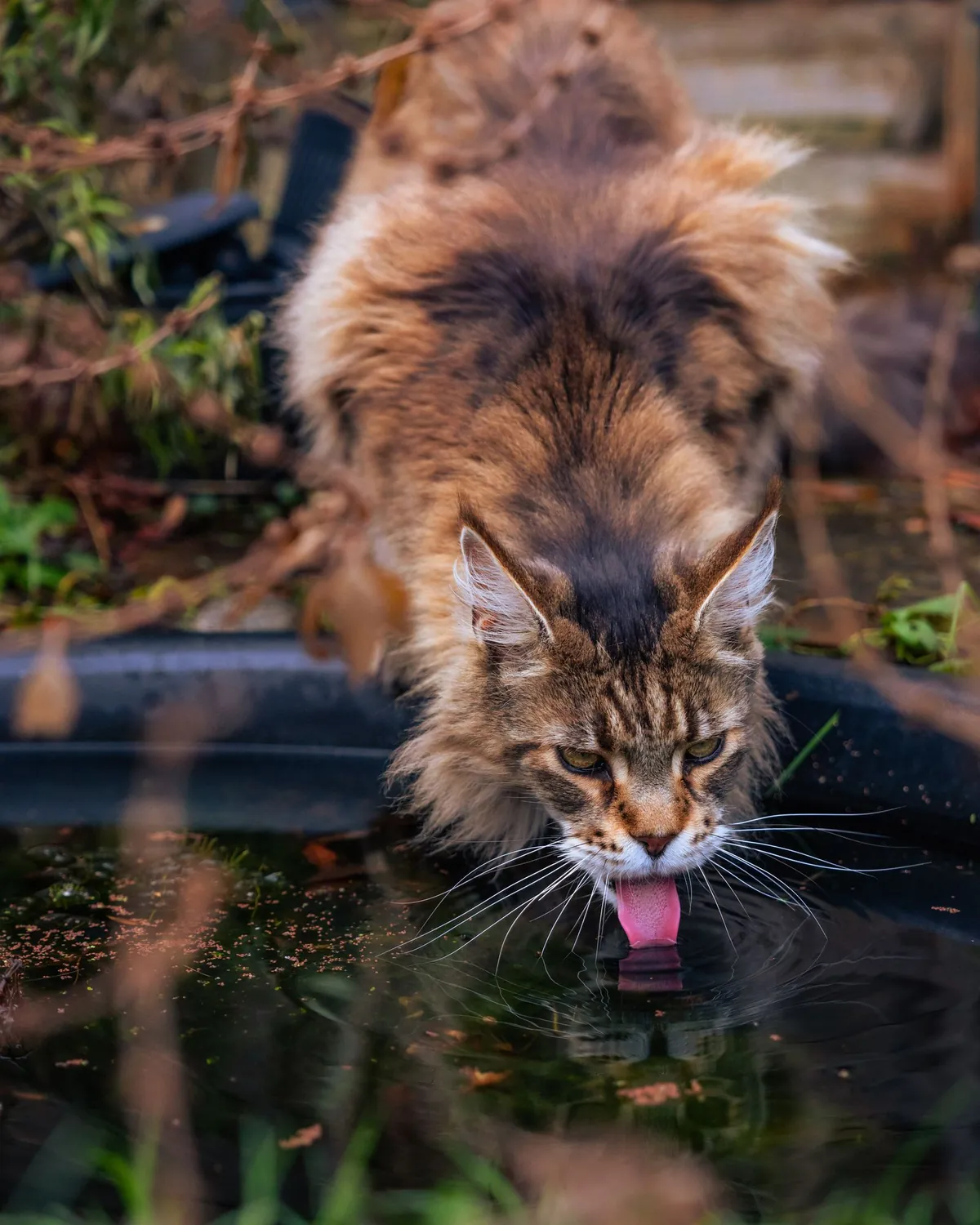
Do not just plug it in and expect gratitude. Run the new fountain next to the old water bowl for a week or two so it becomes part of the furniture. If the sound bothers your cat at first, run it with the pump off for a day so they can investigate the basin as a regular bowl, then switch the pump on. Room-temperature water goes over better than cold, and a treat placed near (not in) the fountain builds a positive association. Most Maine Coons come around quickly because running water is exactly what they already want from the faucet. If yours is still suspicious after two or three weeks, the fountain is probably too noisy or too small — the two most common reasons cats reject them.
Keeping it clean: my weekly routine
A fountain is only healthier than a bowl if you maintain it. My routine is simple. Every morning I top up the water and give the basin a quick rinse. Once a week I take the whole thing apart: basin, lid, and pump get scrubbed with hot water and a bottle brush, and I replace or rinse the filter according to the maker’s schedule. The pump housing is where the slime hides, so open it up and scrub inside — the step everyone skips and the one that matters most. If you ever see cloudiness, a slick film on the surfaces, or a smell, you waited too long. The stainless steel model takes me ten minutes a week. The old plastic one took longer and never felt truly clean, which is why I will not go back.
Frequently asked questions
Do Maine Coons need a water fountain, or is a bowl enough?
A bowl is enough — no cat biologically requires a fountain. But Maine Coons are famously drawn to running water, and many owners find their cats drink noticeably more from a fountain. Since good hydration supports urinary and kidney health — and this is a big breed that needs a lot of water — a fountain is one of the easiest upgrades you can make. Think of it as a strong recommendation rather than a requirement.
What type of water fountain for Maine Coons works best?
A large-capacity stainless steel fountain with a quiet pump and a wide, stable base. Stainless steel is the most hygienic, the large reservoir suits a big cat’s needs, and the weight stands up to pawing and tipping. Ceramic is a good second choice. Avoid small plastic fountains — too light, scratch-prone, bacteria-friendly, and linked by many owners to chin acne.
Are plastic water fountains bad for cats?
Not toxic, but they are the least desirable option. Plastic scratches, and scratches trap bacteria and odors that put cats off drinking. Owners on cat forums frequently report chin acne clearing up after switching from plastic to stainless steel or ceramic dishes. If a plastic fountain is all you have, it is still better than a stagnant bowl — just clean it often and replace it the moment it looks scratched or cloudy.
How often should I clean a cat water fountain?
Top up and rinse daily, deep clean weekly. That means disassembling the fountain, scrubbing the basin and the inside of the pump housing with hot water, and rinsing or replacing the filter on the maker’s schedule. In summer or multi-cat homes, deep clean twice a week. A filter helps with taste and hair but does not replace scrubbing.
Why does my Maine Coon play in the fountain instead of drinking?
Because he is a Maine Coon. This breed plays with water the way other cats play with toys, and owners everywhere report the same thing: pawing at the stream, splashing, even sitting in the basin. Most cats still drink from it between play sessions. If the playing is extreme, a deeper basin with a gentle bubbler flow invites less splashing than a tall faucet stream, and a waterproof mat under the fountain saves your floors.
The bottom line
After a year of living with one, my verdict is simple. A water fountain for Maine Coons is not a necessity, but it is one of the best small investments you can make for a breed that loves running water and needs a lot of it. Buy big, buy stainless steel, put it somewhere quiet away from the food bowls, and clean it weekly. Do that, and your sink-sitting faucet-watcher may finally get a drinking habit that matches his enthusiasm for water.