Best Cat Beds for Maine Coons Big Washable Actually Slept In
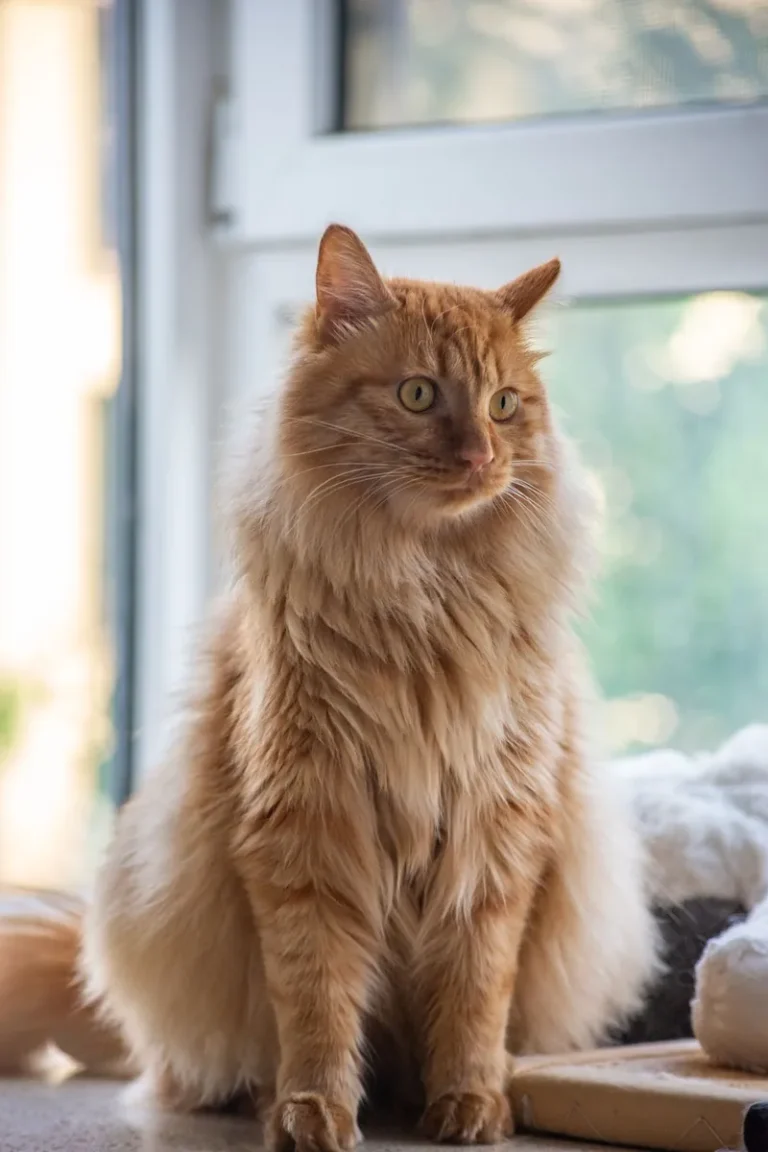
I have lost count of the cat beds I have bought that my Maine Coon walked past like they were furniture for someone else. The best cat beds for Maine Coons are not the prettiest ones, and they are rarely the ones labelled for cats at all. They are the ones big enough for a long, heavy body, easy enough to wash when a long coat sheds all over them, and placed exactly where my cat already likes to sleep.
That last part matters most: a bed only counts if it gets slept in. What follows comes from living with a giant cat and listening to other Maine Coon owners. The behaviour side is covered separately in our guide to Maine Coon sleeping positions. This guide is about the gear itself.
Why most cat beds fail a Maine Coon
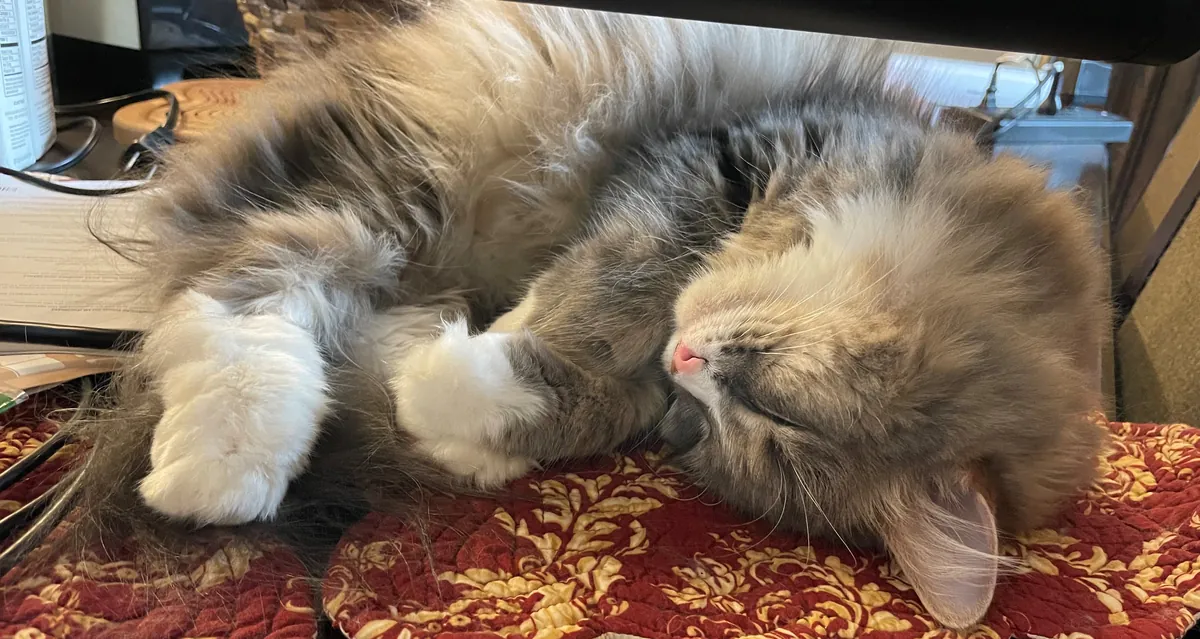
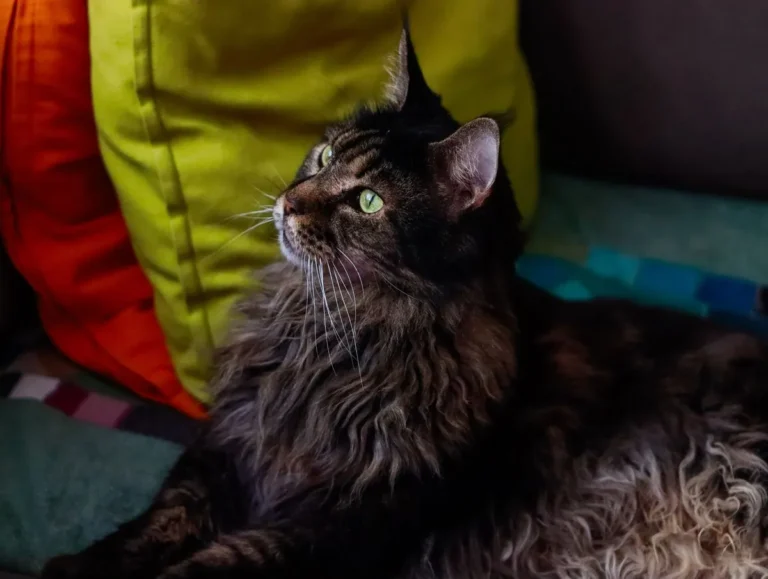
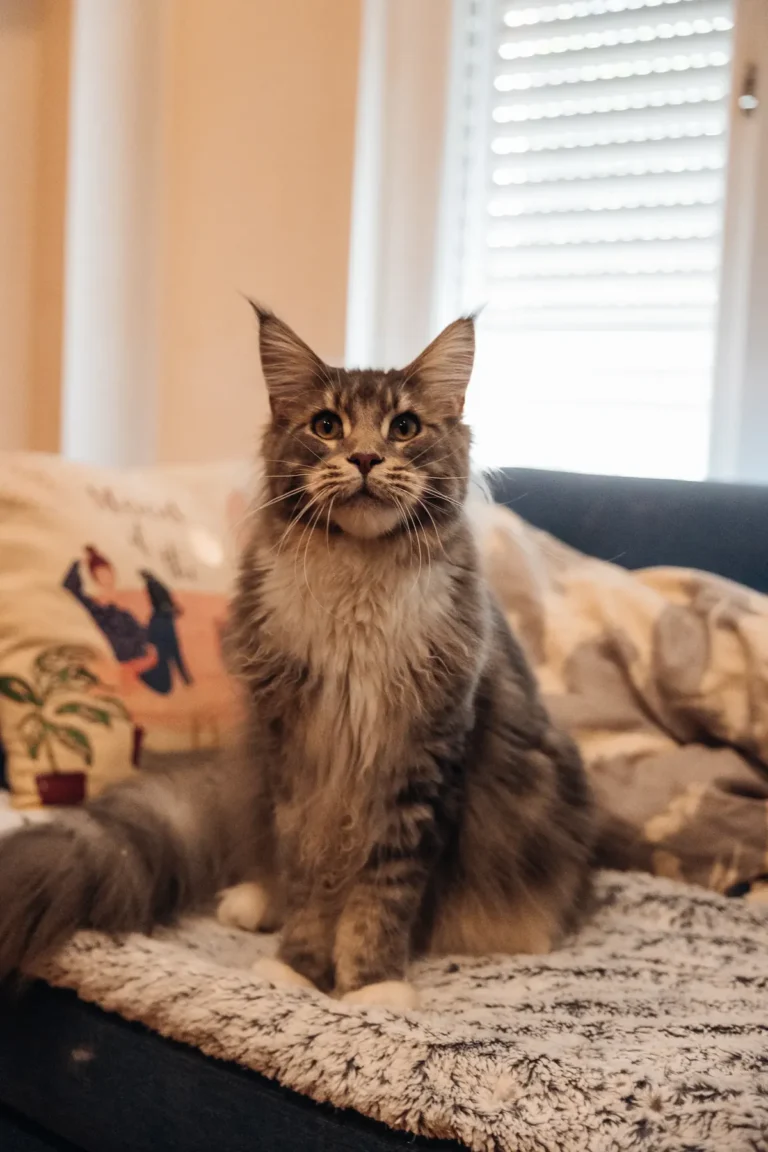
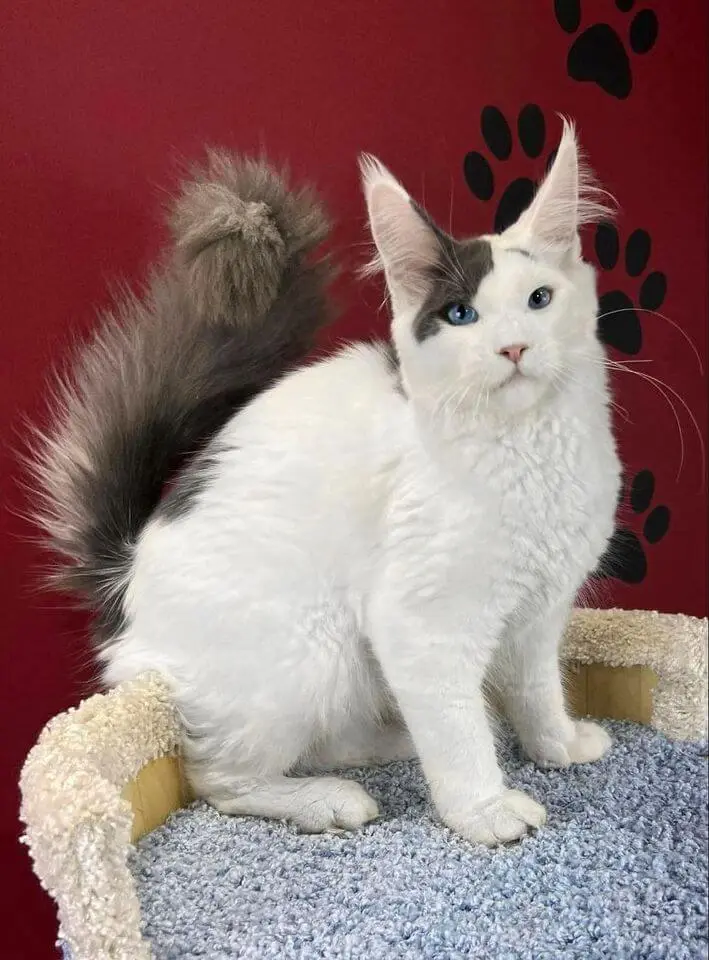
A standard cat bed is built for an average-sized cat, and a Maine Coon is not one. Breed registries put adult males at roughly 13 to 18 pounds, with some going beyond that, and the body to match: long, rectangular, and heavily coated. My boy does not curl into a neat ball. He stretches and sprawls.
That is why so many beds fail the same way. The cat tries it once, finds his tail hanging off or his shoulders pressed against the bolster, and goes back to the sofa or your side of the bed. Owners on Reddit say the same thing in different words: the bed was bought for the cat they imagined, not the cat they live with. Technically big enough is not the same as room to settle.
Before you buy, measure your cat stretched out from nose to tail tip while he sleeps on the floor, and curled up too. Then look for a sleeping surface that beats the stretched measurement. As a rough guide, most Maine Coon owners land on beds around 24 to 30 inches across for a full curl, and longer for a flat sprawl bed. If a listing gives only a weight limit and no dimensions, treat that as a warning sign.
The best cat beds for Maine Coons, by sleeper type
There is no single best shape, because Maine Coons do not all sleep the same way. Watch your cat for a week first. Does he curl tight, sprawl flat, burrow under blankets, or press himself against something warm? Match the bed to that habit, not to the photo on the box.
Bolster beds: the chin-rest favourite
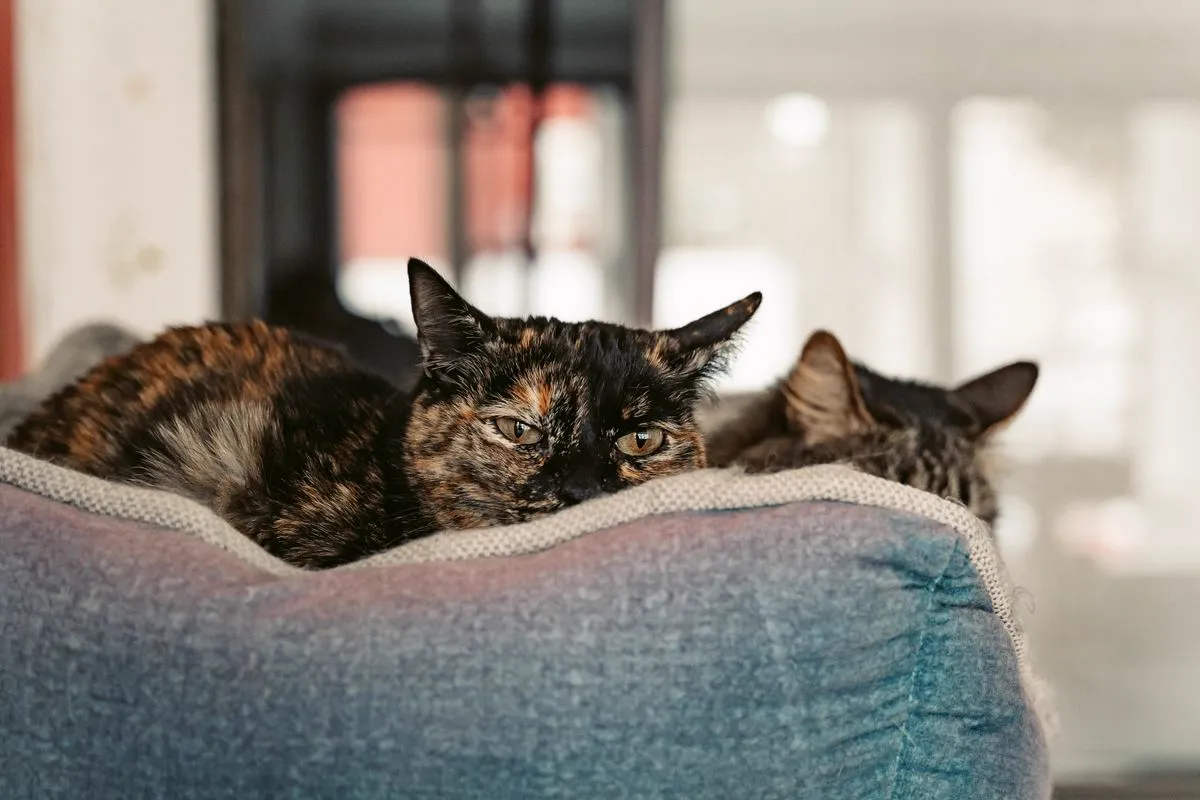
A bolster bed is a flat cushion with raised sides, and it is my first pick for a cat who sleeps curled with his chin on something. Owners on social media say their big cats do exactly that — chin on the bolster, tail wrapped round, asleep within minutes. For a Maine Coon, look for a bolster low on one side so he can step in, firm enough not to collapse, and with a washable cover.
Donut beds: great for curlers, useless for sprawlers
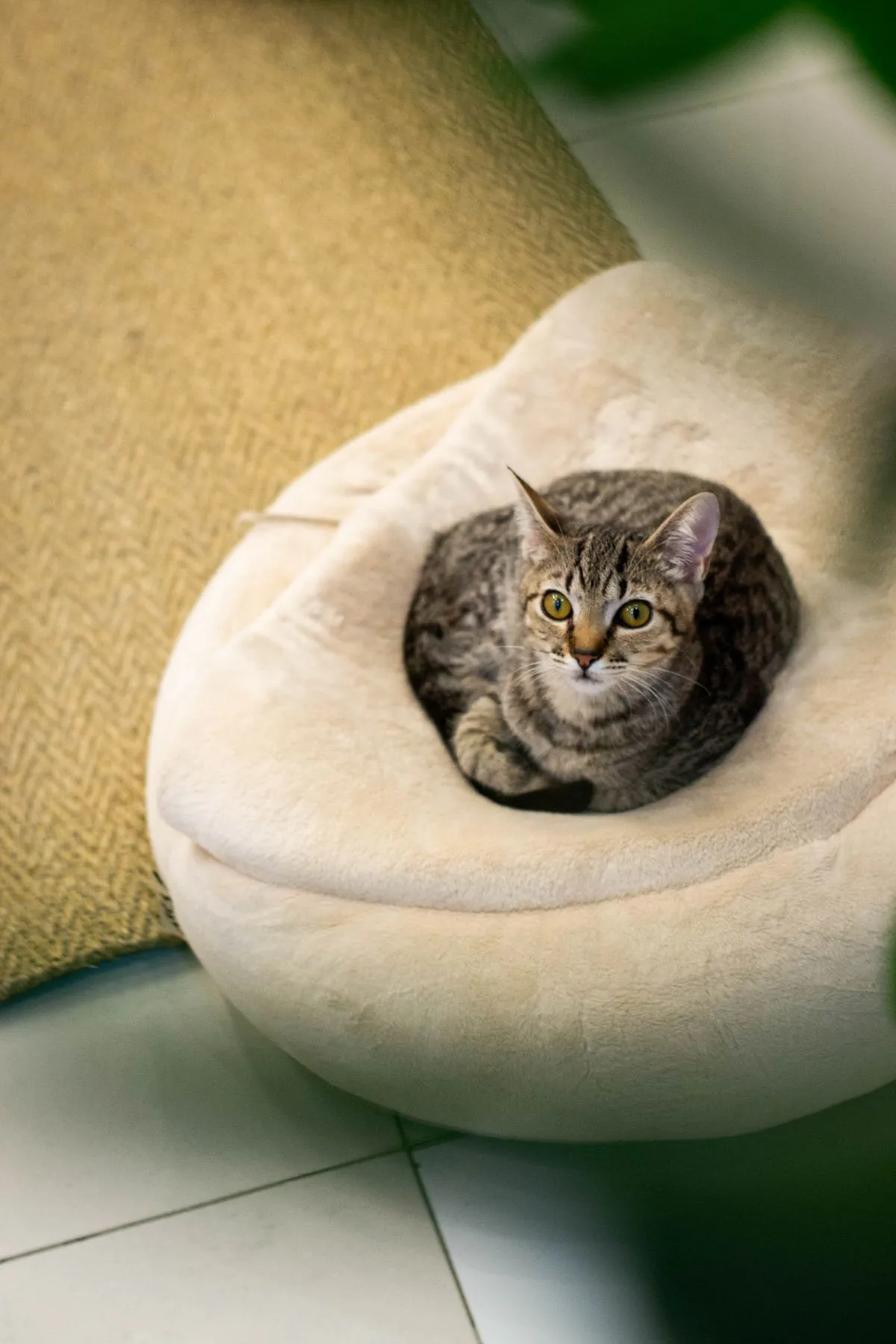
Donut beds are the round, fluffy nests that look wonderful in photos. For a dedicated curler they can be brilliant — the raised ring feels enclosed and warm — and many owners report their Maine Coons choosing the donut over every other bed, provided it is bought in a genuinely large size. Check the inner sleeping diameter, not the outer measurement — the fluffy ring eats up several inches.
Flat mats and loungers: the sprawlers choice
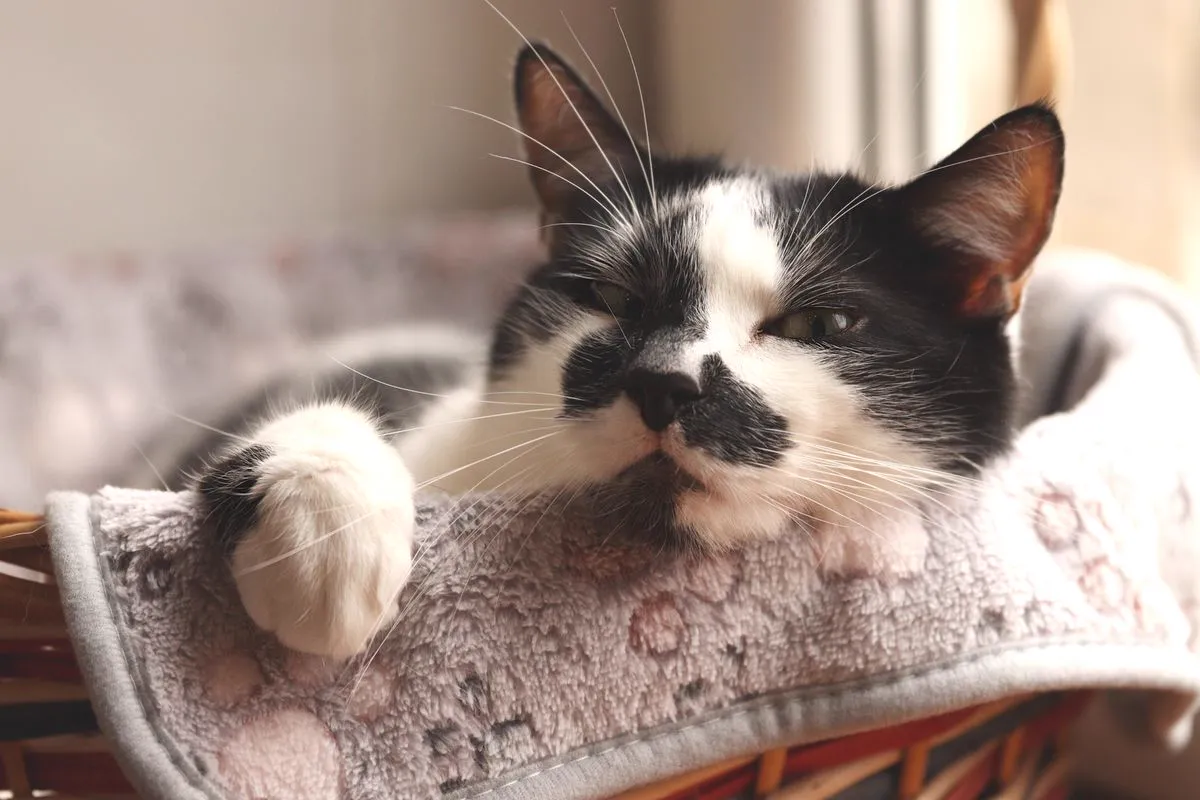
This is the bed type most guides underrate, and it is the one my cat uses most. A flat, rectangular mat with no walls gives a big cat what he wants: length. It fits on the sofa, at the foot of the bed, or on a sunny patch of floor, and it does not dictate how he has to lie. Owners on Reddit often say their Maine Coon ignored every structured bed and claimed a folded blanket instead. A good flat lounger is thick enough that his hips are not on the floor, washable, and long enough for a full stretch.
Cave beds: for the cat who wants a den
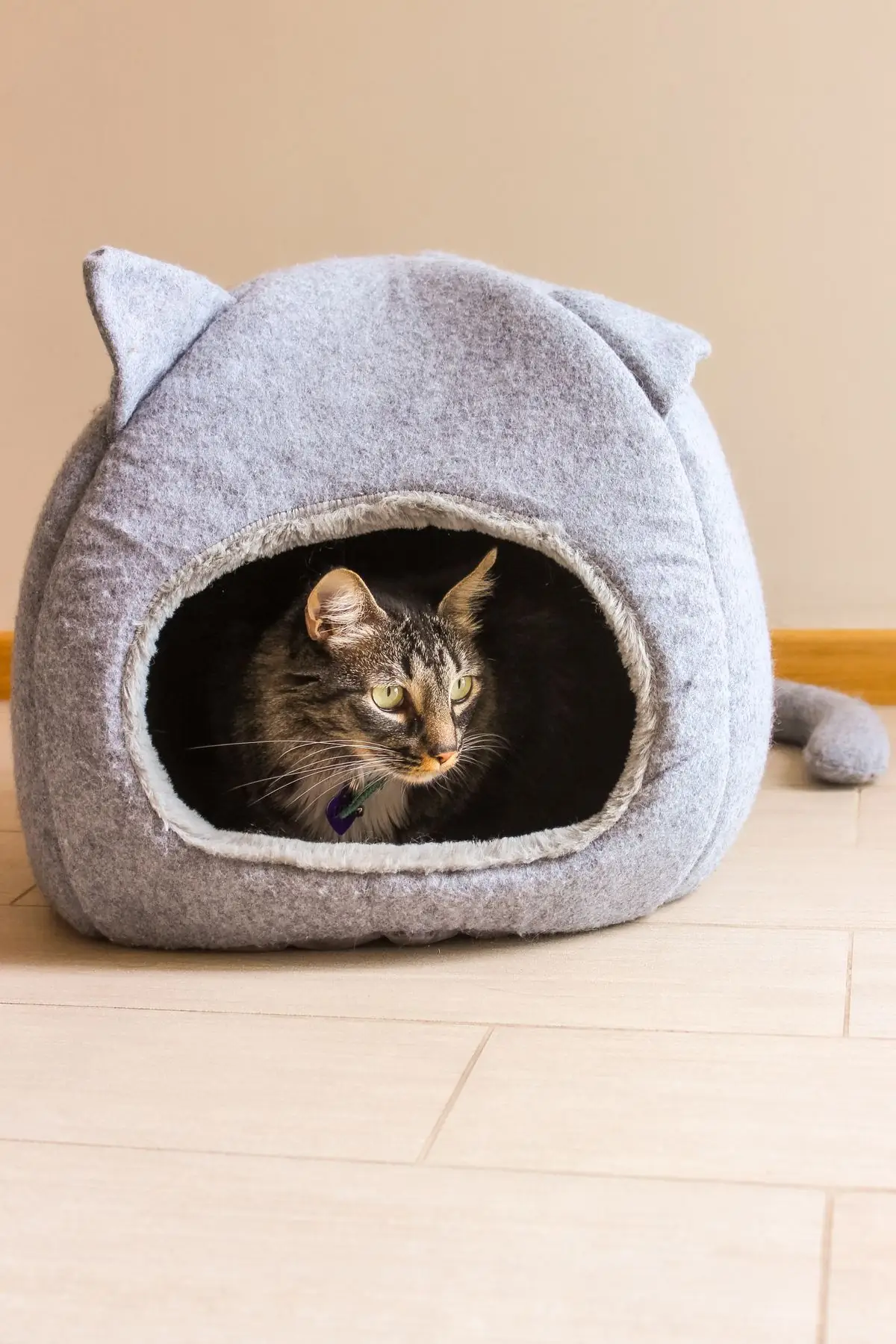
A cave bed — a covered nest with one entrance — suits the cat who sleeps under the bed, inside a box, or behind the sofa. The enclosed shape holds warmth and blocks draughts. The risk is the entrance: many caves have openings sized for an average cat, and a broad-shouldered Maine Coon will take one look and walk away. Check the opening diameter, not just the overall size.
Heated and self-warming pads: winter winners
A self-warming mat reflects the cats own body heat back, while a plug-in heated bed provides gentle warmth on a thermostat. Owners of older Maine Coons in particular say these are the beds their cats return to again and again in cold weather, and breeders on YouTube often recommend a warm sleeping spot as part of winter care. A self-warming mat is the simpler starting point: no cord, and it slips inside another bed or under a blanket. If you buy a plug-in bed, check the cord is chew-resistant and the pad is removable for washing.
Window perch beds: the sunny exception
A window perch bed is a padded platform mounted to a windowsill. For a Maine Coon who spends hours watching the world, it often gets more use than every proper bed in the house. Weight rating is everything: a perch rated for an average cat will sag or drop under a Maine Coon. Look for a rating well above your cats actual weight and a wide platform with room for a full curl. For climbing furniture more broadly, see our guide to best cat trees for Maine Coons.
What owners say actually gets used, and what gets ignored
Ask enough Maine Coon owners and a pattern emerges. The beds that get used are big, warm, and sit where the cat already sleeps. The beds that get ignored are too small, smell new and strange, or were placed somewhere convenient for the human and meaningless to the cat.
The famous box story is real. Owners on social media joke about it constantly — a new bed arrives, the cat inspects it, then sleeps in the box it came in. The lesson is that cats prefer a space that feels enclosed and familiar-smelling. A brand-new bed smells of factory and warehouse, so wash the cover first and put a blanket your cat has already slept on inside it.
Placement beats persuasion every time. Put the new bed next to the sofa arm he claims, at the foot of your bed, or in the sunny spot he patrols every afternoon. Moving a bed to a quiet corner because it looks tidier there is the fastest way to guarantee it stays empty. In a smaller home, a flat mat or window perch can beat a bulky cave — see our guide to Maine Coon apartment living. And give it time: most owners who report success say it took days, some a couple of weeks.
Washability: the part nobody checks first
A long, dense coat sheds constantly, and a bed that cannot be washed properly will smell, mat with fur, and end up abandoned within a couple of months. Before you buy, check three things: does the whole bed go in the machine, or only the cover? A removable, machine-washable cover is the minimum. Can the inner cushion or foam be washed or aired? Foam that can never be cleaned holds odour no matter how often you wash the cover. And how does it dry? A bed that takes two days to dry is a bed your cat will have forgotten about by the time it comes back.
Older and stiffer giants: orthopaedic notes
As Maine Coons age, the bed question changes. A young cat sleeps happily on a thin mat. An older cat with stiff joints needs cushioning that supports his weight without letting his hips sink to the floor, and a low entry he can step into without jumping. Look for a thicker foam base — memory foam or dense orthopaedic foam — rather than loose filling that flattens under a heavy cat, and add a self-warming layer in winter.
One caveat: a bed supports comfort, but it cannot diagnose or treat a health problem. If your older cat suddenly changes where he sleeps or seems stiff after resting, talk to your vet, not a shop. VCA Animal Hospitals notes that osteoarthritis affects many senior cats and is easy to mistake for ordinary ageing. Our guide to senior Maine Coon care covers the wider picture.
How to get a new bed actually slept in
Wash the bed first. Put it where your cat already sleeps. Add something that already smells like him — a blanket, a worn T-shirt, the cushion from his current favourite spot. Then leave it alone. Do not pick him up and place him in it, and do not move it around the house trying to find the magic spot. Cats decide on their own schedule, and pressure makes a new object suspicious rather than inviting.
A quick shortlist by sleeper type
- The curler: a large donut or bolster bed, biggest size, washable cover.
- The sprawler: a long flat lounger or dog-sized flat bed, thick enough to keep hips off the floor.
- The burrower: a cave bed with a genuinely wide entrance that holds its shape.
- The sun-worshipper: a sturdy window perch bed, rated well above your cats weight.
- The older or stiff cat: a low, flat orthopaedic bed with a thick foam base, plus a self-warming layer in winter.
Frequently asked questions
What size cat bed does a Maine Coon need?
Bigger than the label suggests. Measure your cat stretched out and curled up, then choose a surface that beats the stretched measurement — most owners land on beds around 24 to 30 inches across for curling, longer for sprawl beds.
Why does my Maine Coon ignore his new bed?
Usually one of three reasons: too small, unfamiliar-smelling, or in the wrong place. Wash the cover, add a blanket he has slept on, put the bed where he already naps, and give it a couple of weeks.
Are dog beds OK for Maine Coons?
Yes, and many owners use them deliberately. Dog beds come in the larger sizes big cats need, often with thicker foam and washable covers. Just check the cover is washable and the bed is low enough for easy access.
Should I buy a heated bed for my Maine Coon?
A self-warming mat is a good, simple starting point, especially in winter or for an older cat. Plug-in beds can help too, but check cord safety and that the pad is removable for washing.
How often should I wash a Maine Coon cat bed?
More often than you think. Wash the cover regularly, vacuum between washes, and keep a spare cover in rotation. If a bed cannot be washed properly at all, it is the wrong bed for this breed.
The honest truth about the best cat beds for Maine Coons is that the cat makes the final call, on his own timetable. Buy big, buy washable, match the shape to how he sleeps, and put it where he already wants to be.
For breed background, the Cat Fanciers Association Maine Coon breed page describes the breeds size and build. For senior cats, see VCA on helping senior cats age gracefully, Cornell on cats slowing down, and PetMD on signs of ageing.