Senior Maine Coon Care: Helping Your Gentle Giant Age Gracefully
There is a morning every Maine Coon owner dreads a little: the day you realize your giant is not racing up the cat tree anymore. For me, it was when my girl traded the top of the wardrobe for the low window seat. She was nine. That quiet shift is where real senior Maine Coon care begins, and honestly, it can be one of the sweetest chapters of owning this breed.
Maine Coons age on their own schedule — kittenish for years, then longer naps and gray hairs around the muzzle. Here is what I have learned about the joints, the food, the vet rhythm, and the hard part at the end.
When Does Senior Maine Coon Care Actually Begin?
Most vets call a cat a senior at around ten. But senior care often starts at seven — PetMD puts it plainly: cats are officially considered senior at age ten, but the care shifts begin around seven.
Maine Coons follow the same curve, with one wrinkle: they mature slowly, still filling out at three or four, so the senior years can feel like they arrive out of nowhere. At seven to nine you notice the small things first — more sleep, less interest in the 2 a.m. zoomies, a moment of hesitation before a jump. By ten to twelve, the coat may go a touch dull and the grooming gets a little less careful.
If you want the bigger picture of how long these cats live and what tends to go wrong along the way, my rundown on Maine Coon lifespan and the health issues to watch for is worth a read.
Arthritis and Joint Signs: The Big One
If there is one health issue to understand in senior Maine Coon care, it is osteoarthritis. Cats are stoic to a fault — they do not limp and complain the way dogs do. VCA notes that about 90% of cats over ten show arthritic changes in at least one joint, and Maine Coons, with all that weight on their frames, feel it keenly. Their full clinical rundown is here: arthritis in cats on vcahospitals.com.
How do you spot it when your cat will not tell you? Watch for the subtle stuff:
- Hesitating before a jump, or preferring the couch over the high perch
- A stiff, careful walk when first getting up from a nap
- Sleeping more, playing less, hiding more than usual
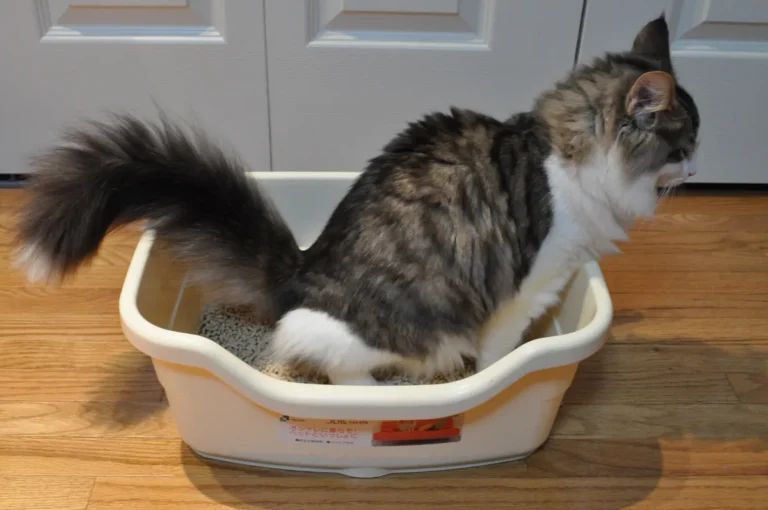
- Missing the litter box edge — climbing in hurts
- A less-groomed coat, because twisting to wash is painful
- Flinching when touched along the back or hips
One experienced Maine Coon owner on social media put it memorably: a cat sitting with its legs stuck out instead of folded is not being quirky — its hips or knees are too sore to fold. I had laughed at exactly that posture a year before I knew what it meant.
Owners talk about this constantly in senior-cat corners of the internet. On Facebook, people caring for arthritic seniors share stories of cats who stopped jumping entirely, and many say their vet prescribed a newer monthly injection for arthritis pain — a real option, worth asking your vet about. A groomer who worked with Puma, an 18-year-old blind Maine Coon, noted how rear-end stiffness in old cats almost always points to arthritis.
What can the vet actually do? Treatment is a mix, not one magic pill: weight management, cat-safe pain medication, gabapentin for chronic pain, joint-support nutraceuticals, and sometimes physical therapy. And please: never give your cat human painkillers. What is safe for you can be fatal for them.
Feeding an Older Maine Coon: Diet Adjustments
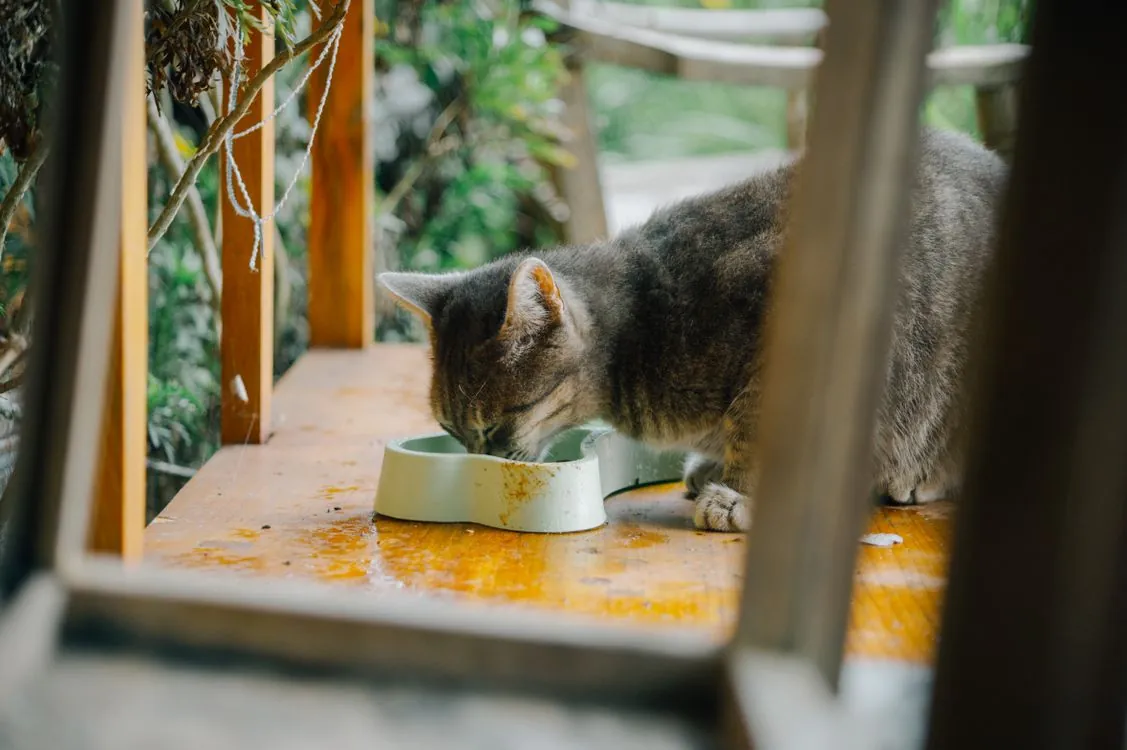
An aging Maine Coon is still a big cat, but the engine runs cooler now. Less zooming means fewer calories burned, and extra pounds on arthritic joints are a recipe for misery. The two traps: overfeeding a cat who barely moves, and underfeeding one whose appetite has quietly faded. Look at your cat, not the feeding chart from when they were four.
The direction, per petMD’s senior nutrition guidance: high-quality protein to protect aging muscle, fiber for digestion, omega-3s for joints and brain, and lower phosphorus for aging kidneys. Wet food matters more than ever — seniors are prone to dehydration and kidney trouble, and many do not drink enough.
Day to day, that means:
- Transition to a senior-formula food around age seven to ten, gradually over a couple of weeks
- Lean harder into wet food: more moisture, easier to chew, gentler on kidneys
- Weigh your cat monthly. Gradual loss is worth watching; sudden loss is a vet visit
- Keep portions honest. Maine Coon owners chronically overfeed because the cat looks like it should eat like a dog
Real owners on Facebook debate this endlessly — one woman asked what everyone feeds their 11-plus Maine Coons, and the thread filled with personal regimens. There is no single right answer. The right food is the one your cat eats well, holds weight on, and that your vet signs off on. My age-by-age breakdown of how much to feed a Maine Coon covers the portion logic.
Two more notes. Constipation gets more common in older cats — wet food, extra water, and fiber help, but straining in the box deserves a vet call. And skip the miracle supplement marketing. Joint supplements like glucosamine have some evidence behind them, but run everything past your vet first.
Vet Visits: How Often Is Enough?
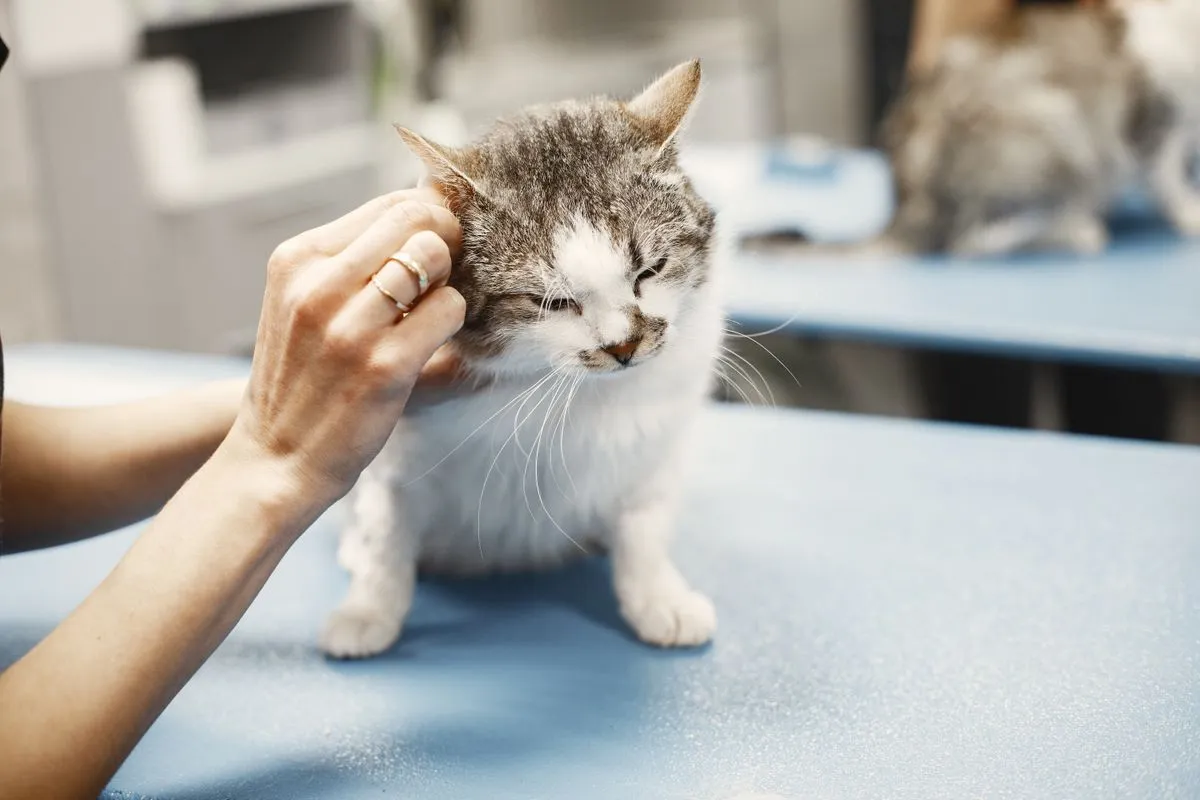
For a healthy adult cat, once a year is the norm. For a senior, twice a year is the standard — Cornell’s vets recommend six-month checkups for geriatric cats with blood work, because cats hide illness with professional skill. By the time you see a symptom, something may have been brewing for months.
Senior visits should cover a full physical exam, weight check, blood work (kidney values, thyroid, blood sugar), blood pressure, teeth, and ideally urinalysis. For Maine Coons, keep heart checks in the routine — the breed’s known predisposition to hypertrophic cardiomyopathy does not retire when the cat gets old.
Cornell’s most important line on the subject, paraphrased: never assume a change is just old age. Slowing down is aging; drinking twice as much water overnight is kidney disease or diabetes until proven otherwise. When in doubt, call.
Between visits, keep a loose eye on the big five: appetite, water intake, weight, litter box habits, and energy. No spreadsheet needed — just notice when the pattern breaks.
Comfort and Mobility Around the Home
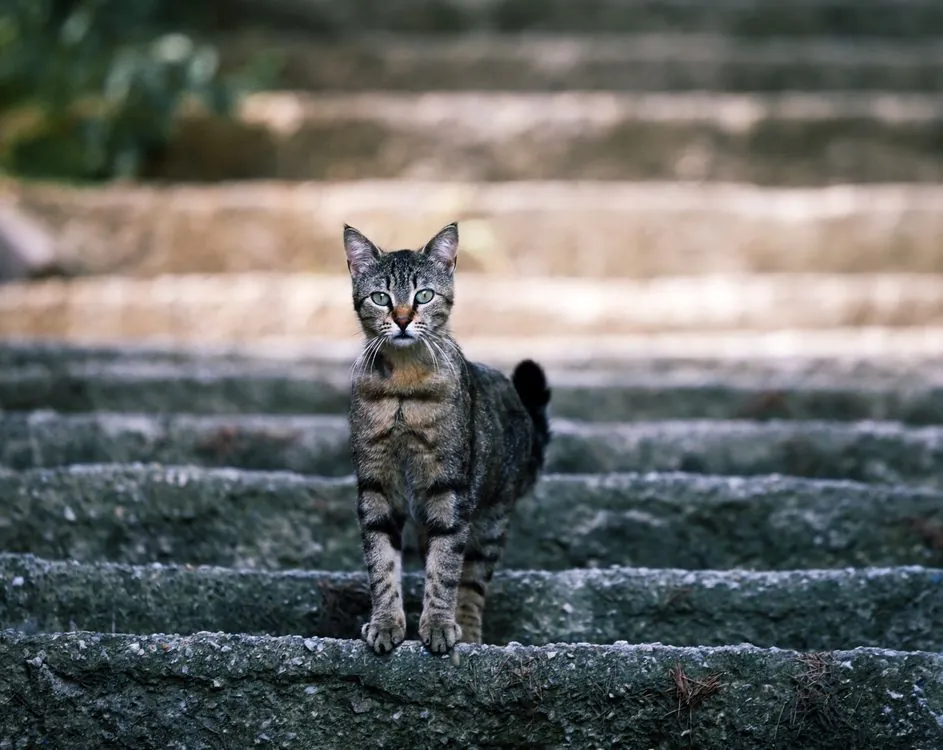
Small changes, outsized difference. Your cat will not ask for any of this — you just start doing it.
The litter box. A low-sided box is one of the simplest gifts for an arthritic senior — climbing over a high wall hurts, and a Maine Coon has a lot of cat to haul over it. One box per floor if you have stairs, scooped daily. My guide to the best litter boxes for big Maine Coons covers the roomy options.
Ramps and steps. Put a ramp or sturdy pet step at the bed, the sofa, and the favorite window seat. PetMD’s guide to making a home safe and accessible for senior cats recommends ramps, non-slip surfaces, and raised bowls. I bought steps for the bed and felt slightly ridiculous. My cat used them the same night.
Beds everywhere. A warm, padded bed in each favorite room. Heated beds are beloved by arthritic cats — just use a pet-safe low-wattage one and let them move off it freely.
Food and water on every level. Stairs become a negotiation for stiff cats. Bowls on each floor they use, slightly raised.
Gentle warmth, gentle routine. Older cats feel the cold more and startle easier. Same feeding times, same sleeping spots. Habit is comfort.
The Grooming and Dental Details
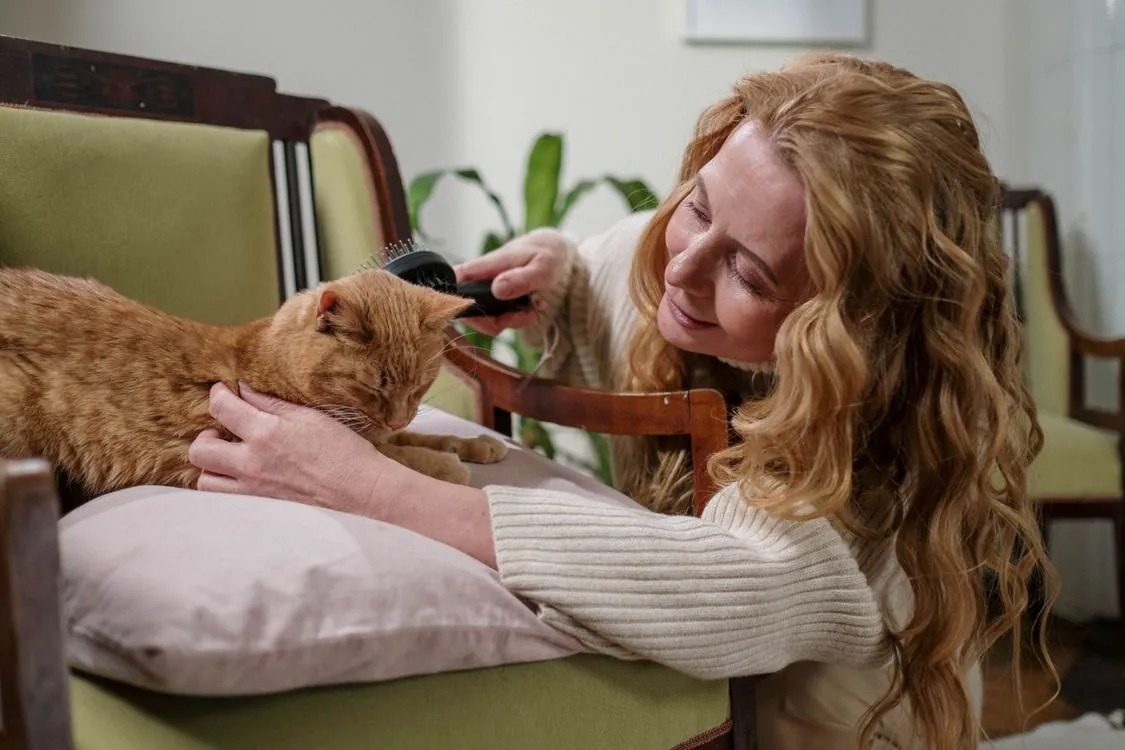
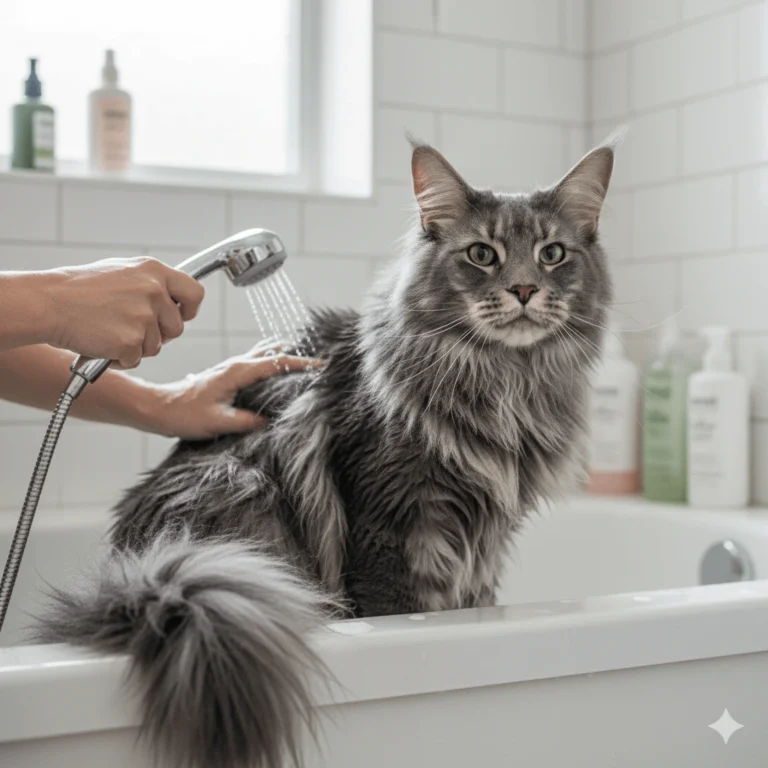
Two things quietly slide in senior cats: coat care and teeth. Seniors groom themselves less and long coats mat fast, and older skin is thinner, so go gentle — wide-tooth comb, short sessions. Check the belly, armpits, and behind the ears. If mats have already won, do not rip them out; a groomer or your vet can clip them safely. (Owners of 18-year-old cats on Facebook joke that everybody’s old-timer gets shaved down once a year, everybody feels guilty, and the cats could not care less.)
Brush choice matters more with sensitive senior skin — I compared what owners actually reach for in my post on the best brush for Maine Coon cats.
Teeth are the other silent problem. Dental disease is rampant in older cats — a cat with a sore mouth eats less, loses weight, and you blame age. Watch for drooling, dropping food, chewing on one side, or bad breath. My full walkthrough is here: Maine Coon dental care guide.
Quality of Life and the Hardest Conversation
This is the section nobody wants to read and everybody needs. Maine Coons can live into their late teens, and some pass twenty with good care. The goal was never to keep them alive as long as possible — it is to keep them comfortable for as long as the living is good.
Owners of very old cats describe the same calculus online: as long as the cat is eating, drinking, using the box, and still seeking you out, the quality of life is there. Sleeping eighteen hours a day at seventeen is not suffering — it is being seventeen. The questions that matter: unmanaged pain? Stopped doing the things that made them them? More bad days than good?
When the answer starts changing, talk to your vet honestly about comfort care versus letting go. It is the last and hardest act of care, and getting the timing right is a gift, not a failure.
Cornell says it best: growing older is not a disease. Their page on loving care for older cats is a sane read when you want a vet-school voice confirming what your gut knows.
For me, the senior years gave me the best version of my cat. Calmer, softer, more openly affectionate. The zoomies were fun. The slow head-butts at 3 a.m. from a fourteen-year-old who chose my pillow on purpose? Better.
Frequently Asked Questions
Q: When is a Maine Coon considered a senior?
A: Most vets draw the line around ten, but senior care realistically starts at seven. Maine Coons mature slowly, so the shift can feel sudden — watch for less jumping, more sleeping, and a duller coat from about seven onward.
Q: What are the first signs of arthritis in a Maine Coon?
A: Hesitation before jumping, stiffness when getting up, preferring low furniture, missing the litter box, less grooming, and flinching when touched along the back or hips. A cat sitting with legs splayed instead of folded may be sparing sore hips or knees. A vet exam with X-rays confirms it.
Q: How often should a senior Maine Coon see the vet?
A: Twice a year. Senior cats develop chronic conditions — kidney disease, hyperthyroidism, diabetes, dental disease — that are far more manageable when caught early. Any sudden behavior change between visits warrants a call.
Q: Should I switch my older Maine Coon to senior cat food?
A: Usually yes, around age seven to ten, with your vet’s input. Senior formulas tend to be easier to digest, support joints with omega-3s, and go lighter on phosphorus for aging kidneys. Transition over one to two weeks, and lean into wet food for hydration.
Q: How can I tell if my senior Maine Coon’s quality of life is declining?
A: Track the basics: eating, drinking, using the litter box, grooming, and seeking affection. A cat that still does these things — even sleepily — generally still has good quality of life. Persistent unmanaged pain, withdrawal, or not eating are the signals to talk honestly with your vet.