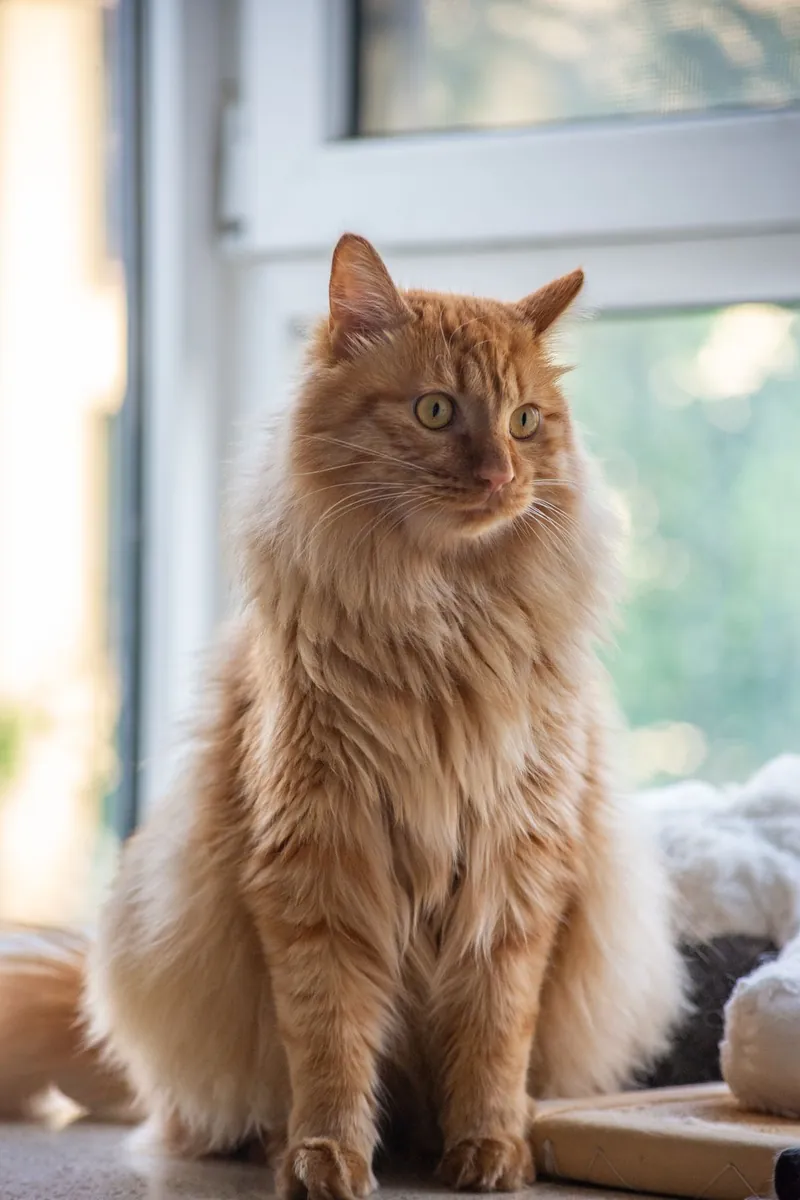
Maine Coon Apartment Living: Can a Maine Coon Live in a Small Space?
When I first brought my Maine Coon home, I lived in a one-bedroom apartment, and I will be honest: I worried. A Maine Coon apartment pairing sounded wrong to me. The breed is famous for being huge, loud, and full of opinions, and none of that seemed to fit inside a flat with thin walls and a bathroom the size of a cupboard.
Here is what I learned: Maine Coons do not measure your home in square feet. They measure it in territory, routine, and how much of your time they get. Owners on Reddit say the same thing over and over — the cats that struggle are the ones whose days have nothing in them, not the ones whose flats are small.
This guide is the setup that makes it work: vertical territory, the tiny-bathroom litter box solution, the 3 a.m. chirping problem, and the honest truth about a second cat.
Why Apartment Size Worries People (and Why It Should Not)
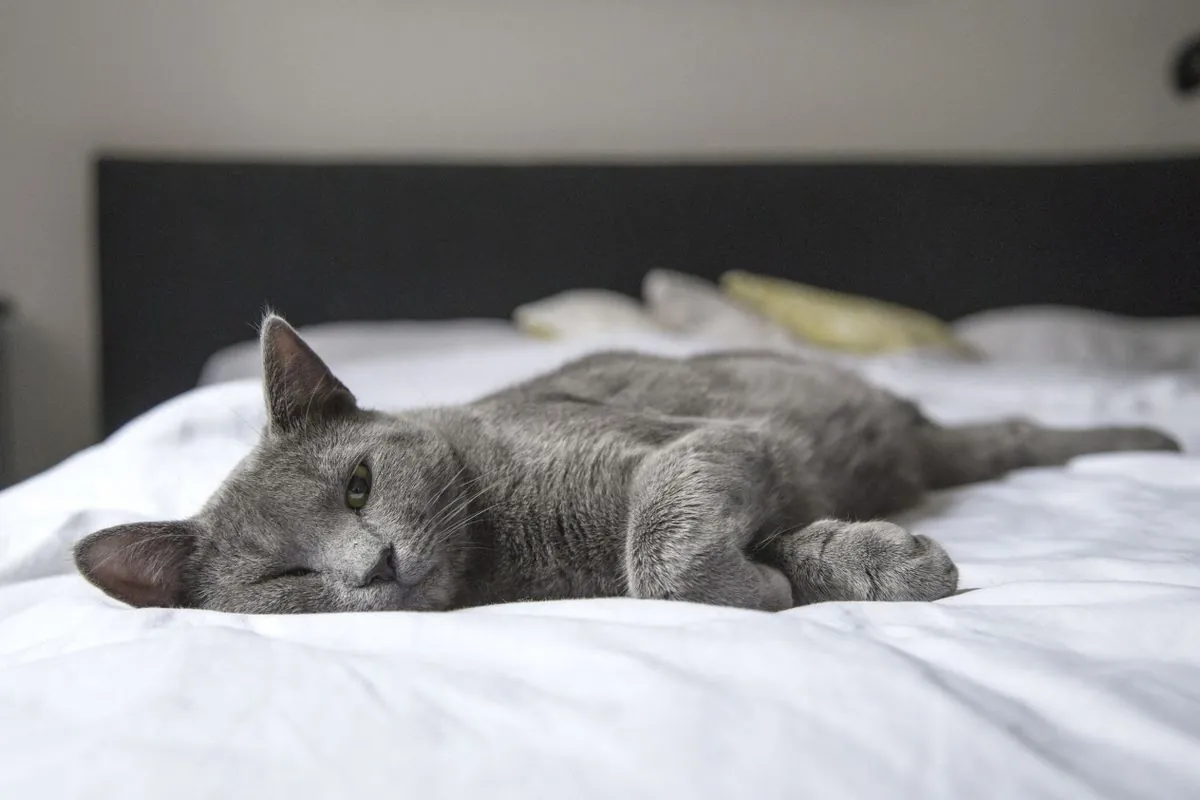
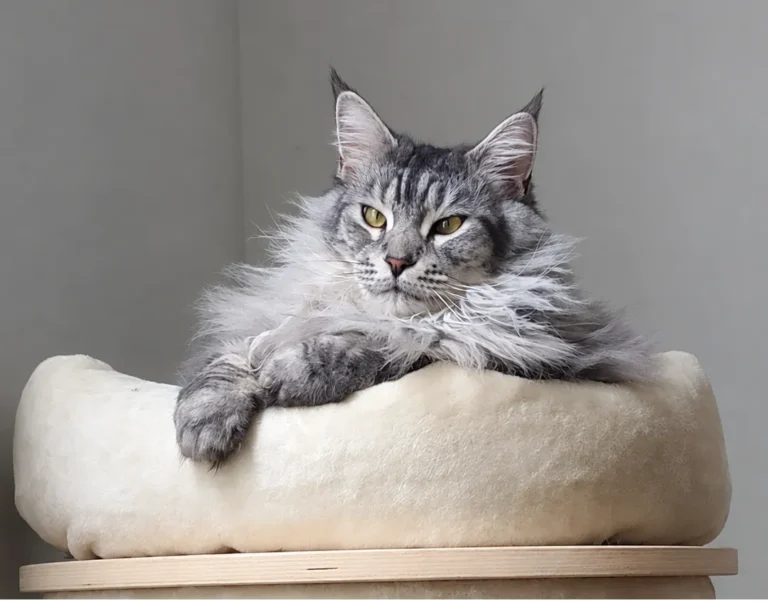
People picture a Maine Coon like a large dog: needing room to run. But Maine Coons are not runners. They are observers. Their idea of a good time is watching the world from somewhere high and following you from room to room, supervising whatever you are doing.
Breeders and owners keep repeating the same point: Maine Coons suffer more from loneliness than from small spaces. An apartment keeps a cat close to its person — fewer rooms mean more shared time, and Maine Coons run on routine like little clocks.
So the real question is not “is it big enough?” It is “is it interesting enough, and am I around enough?” If you spend your evenings with the cat, you are ahead of someone in a big house who is gone fourteen hours a day.
Think Up, Not Out: Vertical Territory in a Maine Coon Apartment
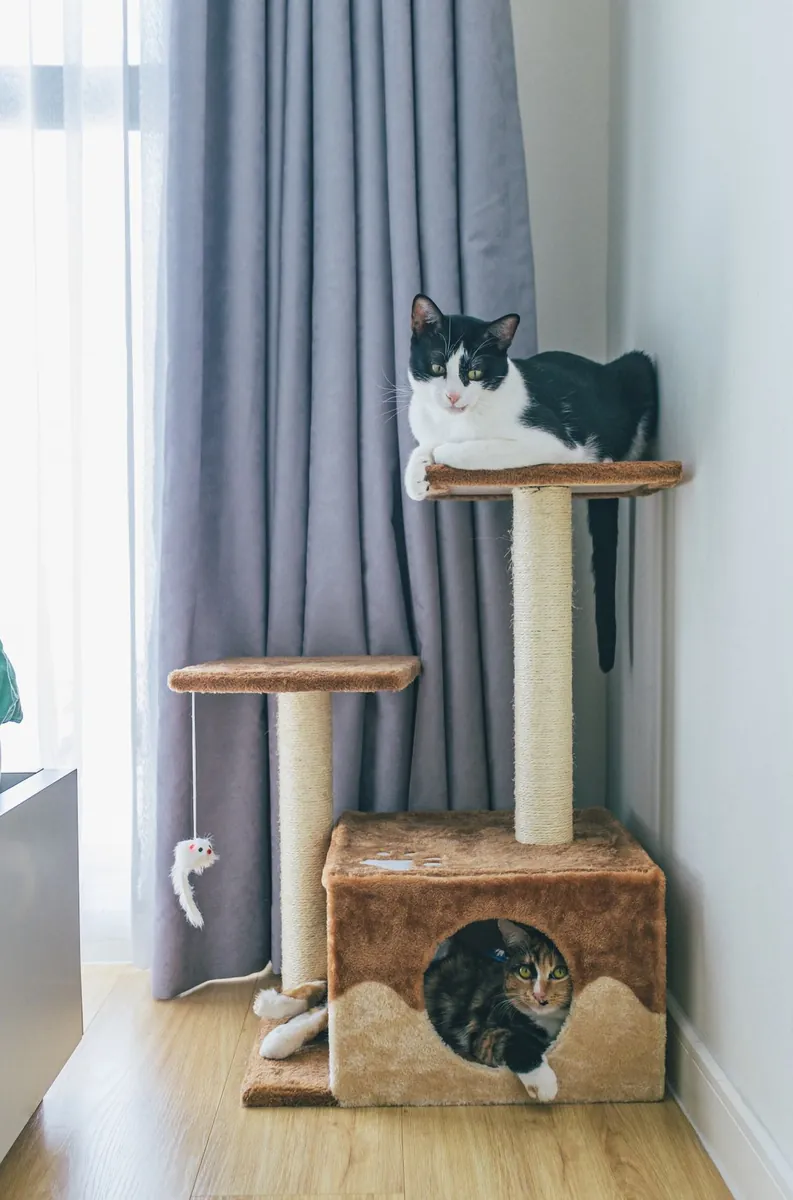
Your apartment is bigger than you think, because you have been measuring only the floor. Cats experience space in three dimensions. Owners on Instagram show off living-room walls turned into cat climbing systems for exactly this reason, saying it is what makes apartment life with a Maine Coon doable. One wall shelf can expand a cat’s world while your floor stays exactly the same.
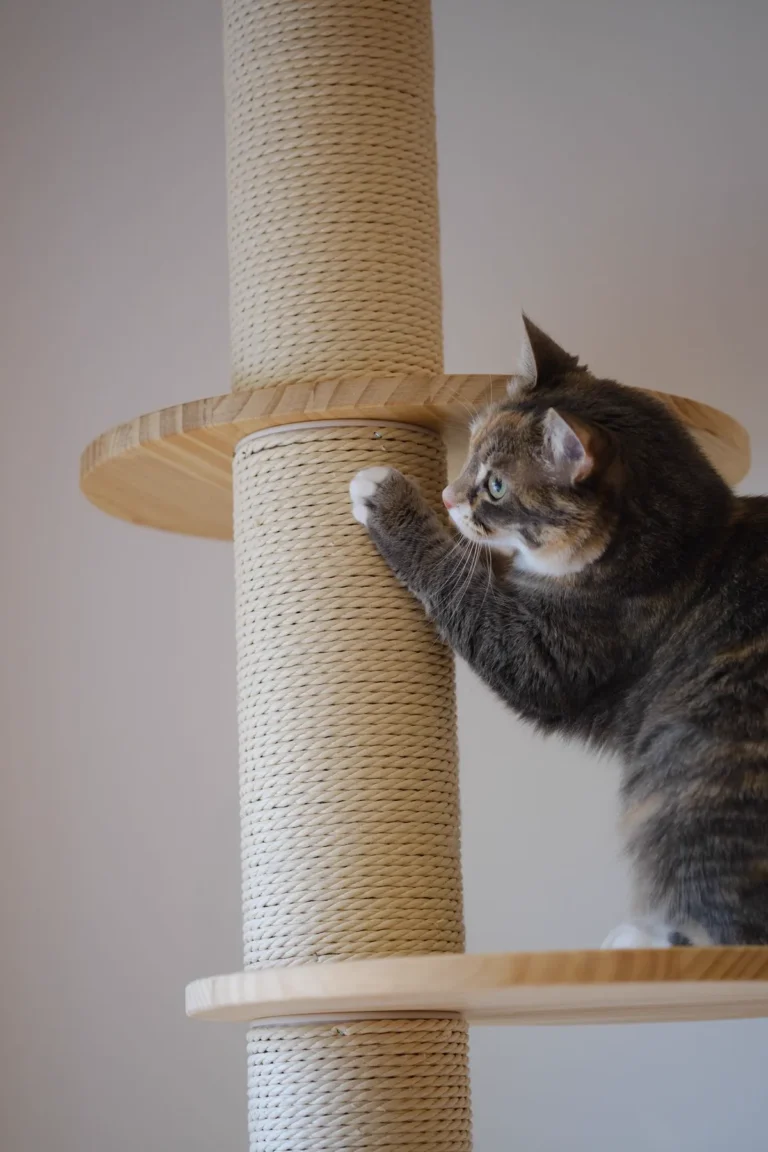
Two rules for a Maine Coon. First, go tall and sturdy. A lightweight cat tree will wobble under a full-grown Maine Coon, and a wobbling tree teaches the cat not to trust it. Look for a wide heavy base, thick posts, and perches wide enough for a big body — details in my guide to the best cat trees for Maine Coons.
Second, spread the territory across your walls. Two or three sturdy wall shelves, a window perch, and the cleared top of a wardrobe give a Maine Coon the high-ground circuit it is wired for. Mount into studs or use proper masonry fixings — a big cat landing at speed pulls hard.
The side effect: vertical territory stops the cat from treating your curtains and countertops as its climbing gym. Most “my Maine Coon destroys my small apartment” stories are really “my Maine Coon had nothing approved to climb” stories.
The XL Litter Box in a Small Bathroom
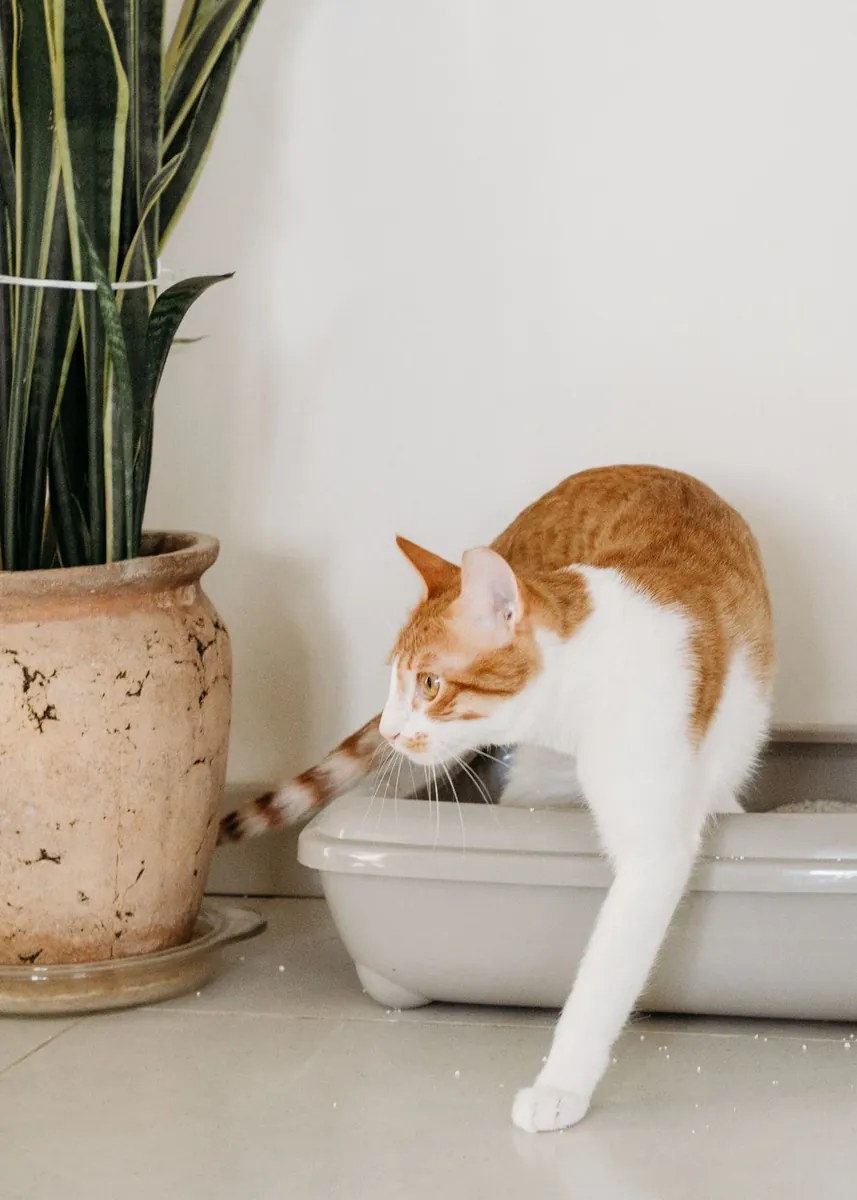
This is the most practical headache in any Maine Coon apartment, and the one most guides skip. Maine Coons need oversized litter boxes — a cat that long needs room to turn around — and most apartment bathrooms are tiny.
One very large box beats two small ones: a big storage tub with a low-cut entry works and costs little. I go through the size math in the big-cat litter box guide. Put it in the widest clear patch of bathroom floor, not wedged behind the door. If it must live in the living area, a ventilated cabinet-style enclosure hides it and gives the cat privacy.
Scoop daily, no exceptions. In a small flat there is nowhere for smells to hide. And never put the litter box next to the food and water bowls, even if space is tight — a cat that avoids its box creates problems no apartment can hide. A litter mat under the box handles what Maine Coon feet inevitably ferry out.
Play Replaces Square Footage
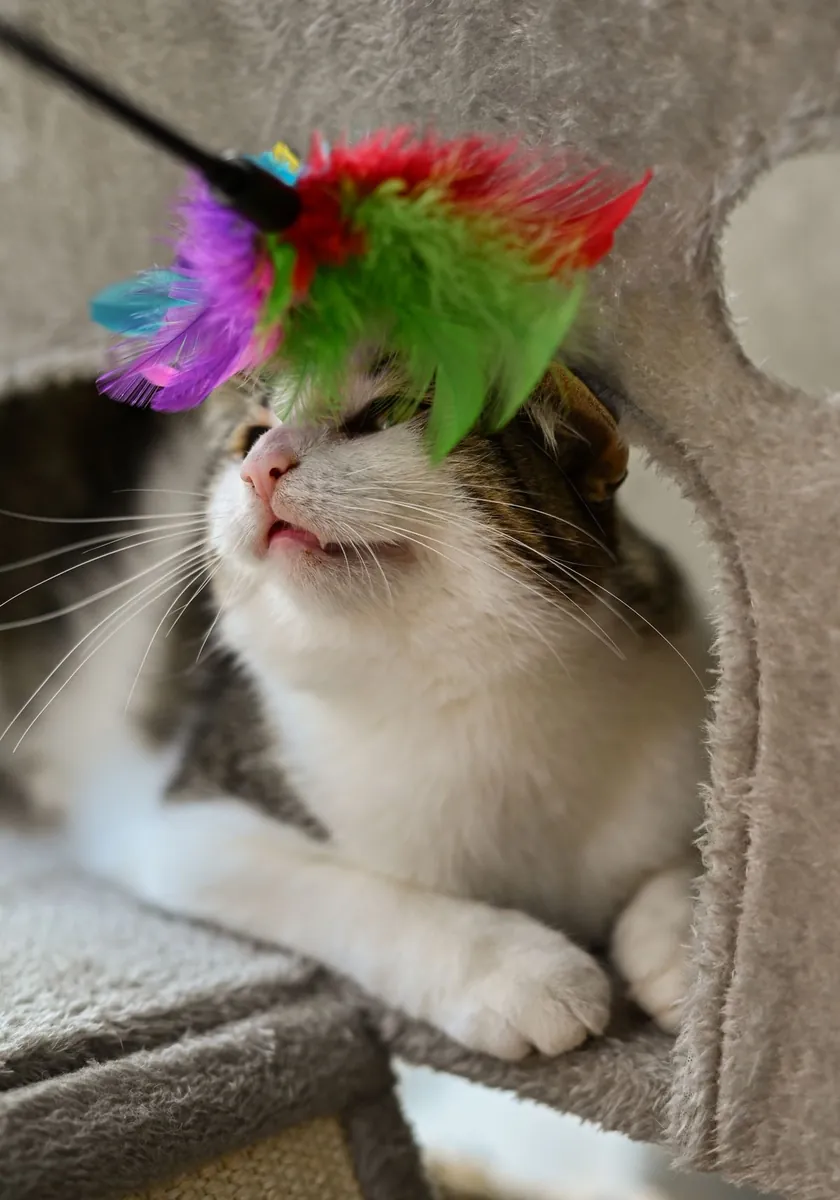
If your apartment feels too small for your Maine Coon, the fix is almost never a bigger apartment — it is more play. Owners on Reddit consistently say a tired Maine Coon is a quiet, content Maine Coon, and that the classic apartment complaints — shredded furniture, midnight zoomies, demanding behavior — trace back to under-stimulation, not under-space.
- Two short interactive sessions a day. Ten to fifteen minutes with a wand toy, morning and evening. You are replacing the square footage the cat does not have with the chase-and-catch it was built for.
- End the evening session with food. Play, then feed a small meal. This mimics the hunt-eat-sleep cycle and sets the cat up to wind down at bedtime — which matters when your neighbor’s bedroom shares your wall.
- Puzzle feeders for the hours you are gone. A puzzle feeder turns breakfast into a twenty-minute activity for a home-alone cat.
- Harness training for the weekends. A calm supervised walk gives a confident Maine Coon a second world to explore. The Cat Fanciers’ Association describes the breed as adaptable and people-oriented, which is why so many take to harness walks well.
A cat that spends its morning hunting a feather wand and its afternoon sleeping it off is not measuring your apartment. It is living in it. Veterinary guidance on indoor cat enrichment, like the behavior resources at VCA Hospitals, backs the same order of priorities: interactive play and vertical territory first, square footage far behind.
Nighttime Noise and Your Neighbors
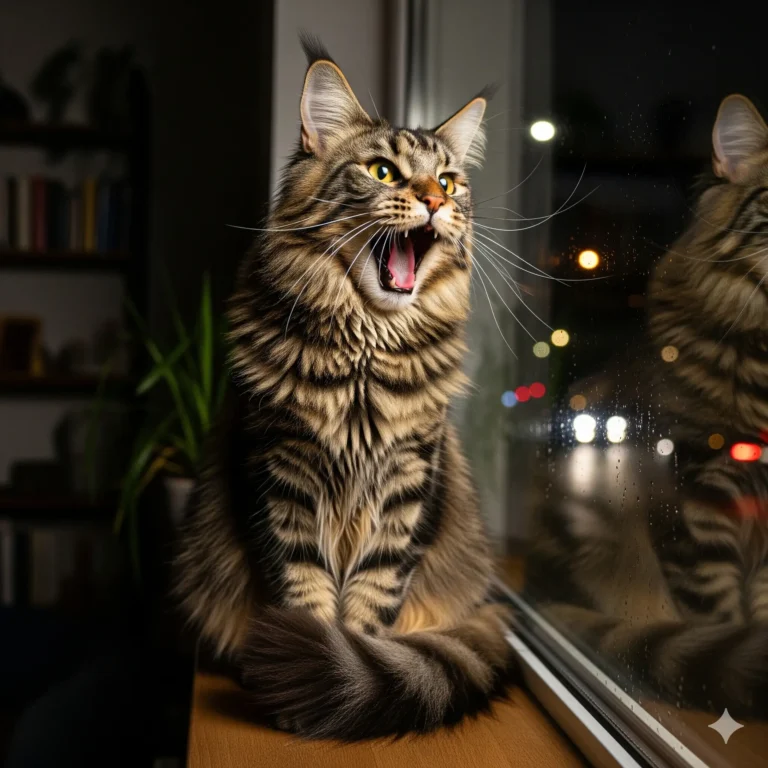
Now the thing that actually gets Maine Coon owners in trouble in apartments: noise. Maine Coons are famously talkative. The chirps and trills are charming at 6 p.m. and less charming at 3 a.m. bouncing off shared walls.
The good news: a Maine Coon’s normal voice is conversational — chirps, trills, little sounds — not loud sustained meowing. Problem noise, the kind that reaches neighbors, is usually stress or boredom vocalizing: nighttime yowling, pacing, calling. Night crying almost always has a cause — unmet play needs, an irregular schedule, loneliness, or something medical worth ruling out with a vet.
The prevention plan:
- The bedtime play session. A real, tiring session about an hour before your own bedtime drains the energy that fuels 3 a.m. zoomies. This is the highest-leverage habit in this guide.
- Keep the feeding schedule boring. Same times every day. A cat that knows dinner arrives at 7 does not start campaigning at 4 a.m.
- Do not reward the night concert. If 3 a.m. chirping brings you out of bed, the concert continues.
- Soften the walls a little. A draft guard on the bedroom door, a rug under the cat tree, and a white-noise machine for you take the edge off what carries through thin walls.
If loud vocalizing starts suddenly or escalates, Cornell’s veterinary behavior resources note that sudden changes in vocalization are worth a medical workup before assuming the problem is behavioral.
When a Second Cat Helps (and When It Hurts)
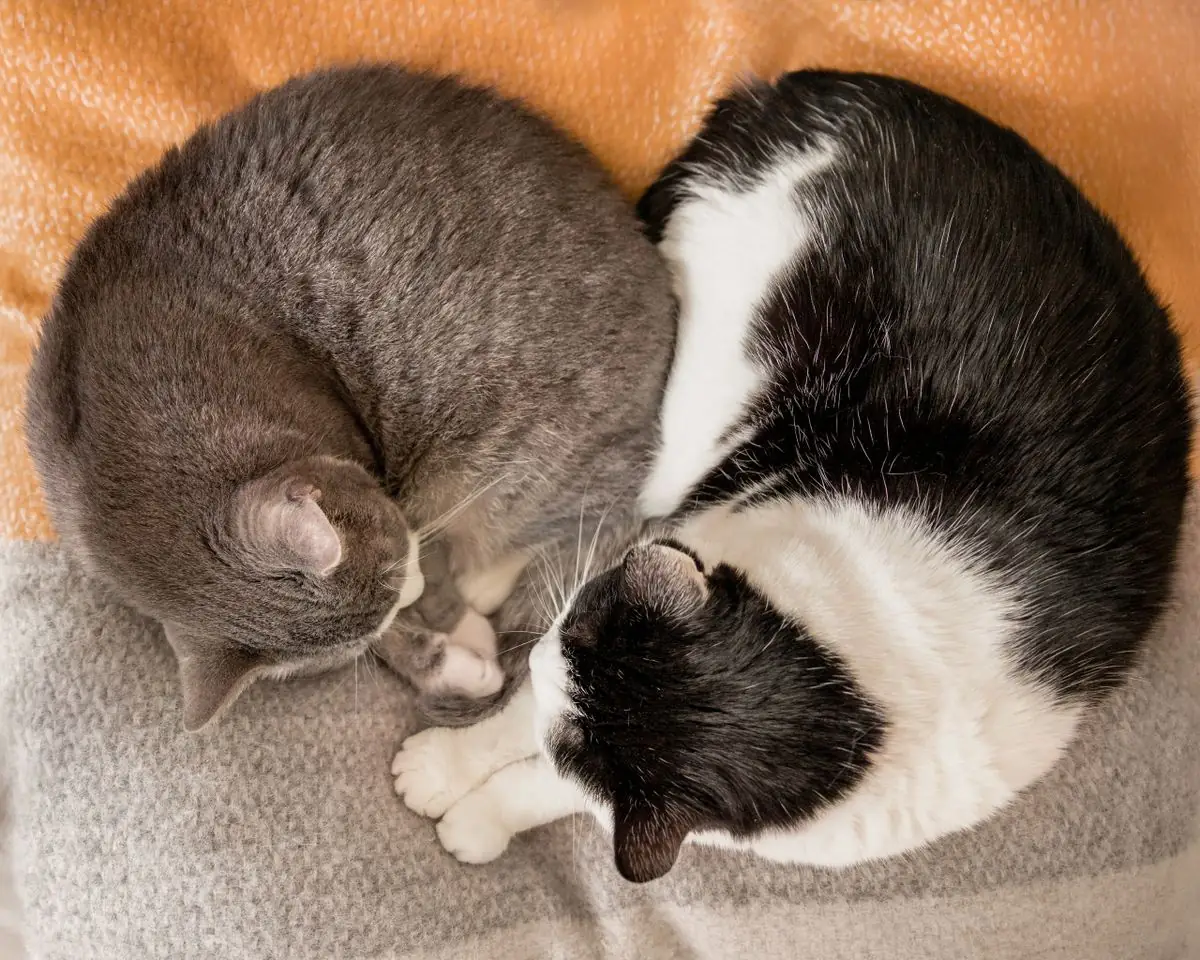
The most common suggestion apartment owners hear: “just get another cat and they will entertain each other.” It is half true, and the wrong half costs people a lot of grief.
A second cat helps when the core problem is your absence. If you work long hours and your Maine Coon spends whole days alone, a companion gives it social company and someone to wrestle with. I wrote a full guide on whether Maine Coons need another cat with the signs of loneliness to watch for.
It does not help when the problem is boredom, not loneliness — two unplayed-with cats are simply louder. It does not help when you add a second cat without adding territory: more vertical space and more litter capacity (one box per cat plus one). And a rushed introduction in a small space where the resident cannot retreat easily is a recipe for territory fights — the first-night settling-in approach works as the template for any new arrival’s early days.
My honest take: fix play and enrichment first. If the cat is still clearly lonely after that — following you obsessively, vocalizing when you leave, clinging when you return — then a second cat is a real solution, not a substitute.
The Small-Space Setup Checklist
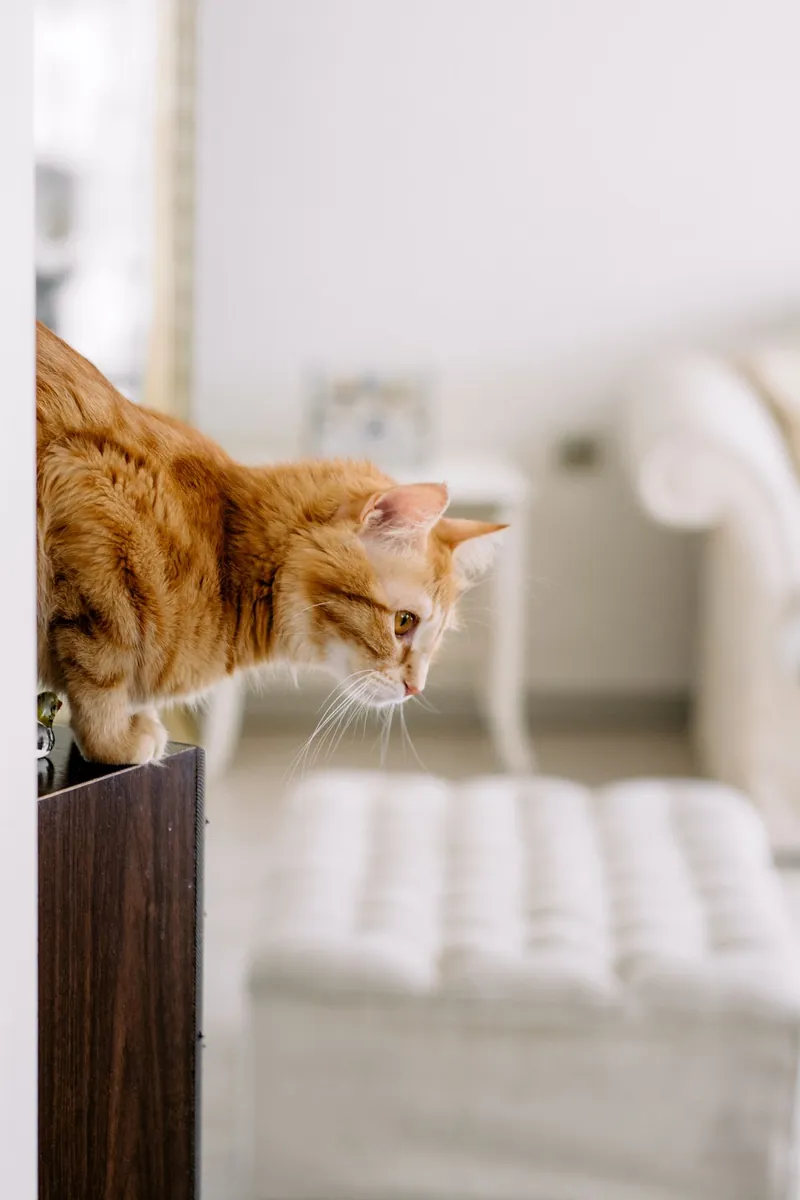
Walk through your apartment with the cat’s eyes before moving day:
- Bedroom: A window perch or cleared bookshelf top for the cat’s high spot. Many Maine Coons want to sleep near you — an open door beats a cat pawing at a closed one at 2 a.m.
- Living room: The sturdy cat tree in a corner with a room view. A tall scratching post near the sofa — tall enough for a full stretch, because a short post just teaches the cat the sofa is better.
- Kitchen: Countertops cleared, trash secured. Maine Coons can reach counters easily and will inspect them.
- Bathroom: The XL litter box in the widest clear spot. Water bowl somewhere else — many Maine Coons prefer running water, and a fountain is a popular upgrade.
- Balcony: Cat-proof it or keep it closed. A netted balcony is fine; an open railing is not.
- Whole flat: Check the gaps only a curious cat finds — behind the fridge, under the oven, open laundry machines.
Set it up before the cat arrives. Retrofitting a cat wall while a kitten treats your curtains as the interim version is a losing battle.
Apartment FAQ
Is a Maine Coon too big for a studio apartment?
Not automatically. A studio gives the cat everything in one room, which suits a breed that wants to be near its person. What a studio needs is vertical territory (shelves, a tall sturdy tree), one truly large litter box, and disciplined daily play. The limiting factor is routine and enrichment, not floor area.
Will my Maine Coon annoy the neighbors with noise?
Normal chirping and trilling rarely reaches complaint level. Nighttime yowling is the real risk, and it usually signals unmet needs — an evening play session, a fixed feeding schedule, and not rewarding 3 a.m. performances prevent most of it.
Do Maine Coons need another cat in an apartment?
Not necessarily. Many thrive as only cats with daily play and company from their owner. A second cat helps when loneliness from long solo hours is the core issue — not boredom. Add territory and litter capacity before adding a cat.
How big should the litter box be in a small apartment?
As large as your space allows — a Maine Coon needs room to turn comfortably. One oversized box in the widest clear bathroom spot, scooped daily, beats two cramped ones. Daily scooping is non-negotiable in a small flat because smells have nowhere to go.
Can I let my Maine Coon out on the balcony?
Only if it is cat-proofed — netting or a secured enclosure, never an open railing. Maine Coons are big, confident, and have a real prey drive. A closed window with a sunny perch gives the birdwatching without the risk.
So, can a Maine Coon live in an apartment? Yes. What Maine Coons need was never square footage. It was you: your presence, your play, your routine, and a wall they are allowed to own. Set up the vertical territory, size the litter box properly, keep the bedtime play session sacred, and your apartment stops feeling small to the one creature whose opinion matters — the big supervisor watching you from the top shelf.