Why Is My Maine Coon Sneezing? Causes, Colds and When to Worry
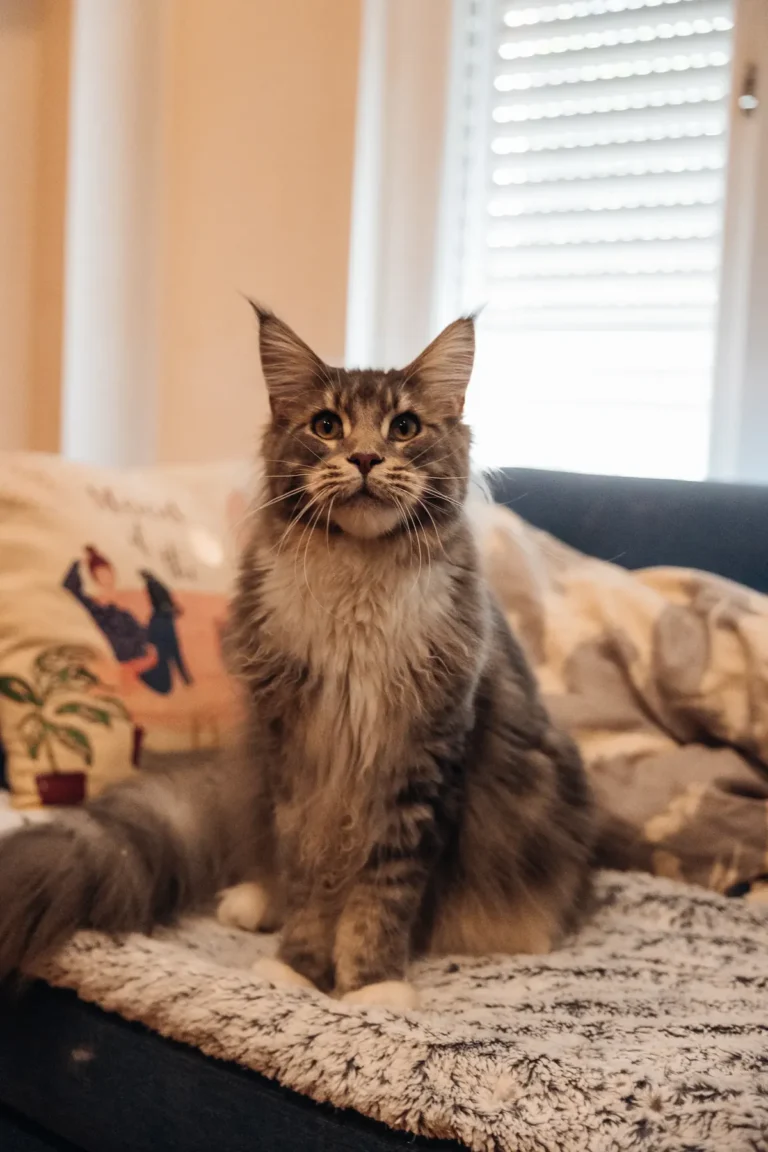
The first time my Maine Coon sneezed, it startled both of us — he is a big cat, so it was not a small sound. If you are reading this because of maine coon sneezing in your own home, I understand. A sneeze now and then is nothing. A sneeze that keeps coming back, especially with a runny nose or watery eyes, is worth a closer look.
Most of the time the cause is simple — dust, a cold, or something that tickled the nose. Sometimes, though, it is the first sign of something that needs a vet. Here is how I tell the difference, what helps, and when to call the vet.
What normal Maine Coon sneezing looks like
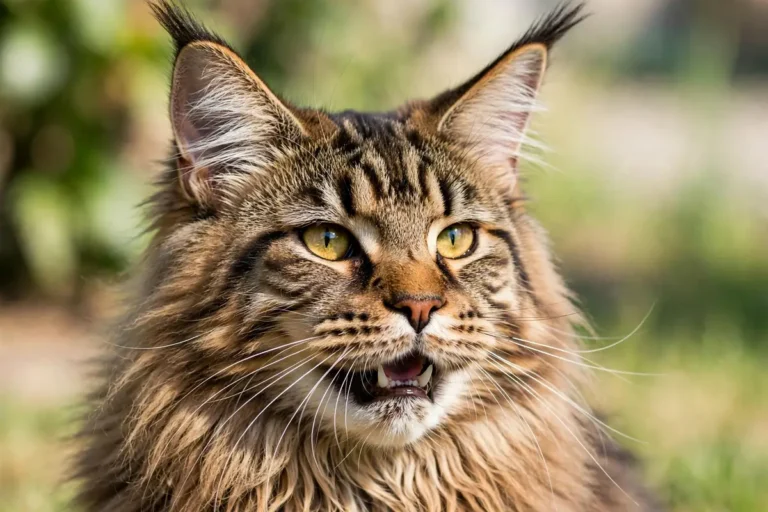
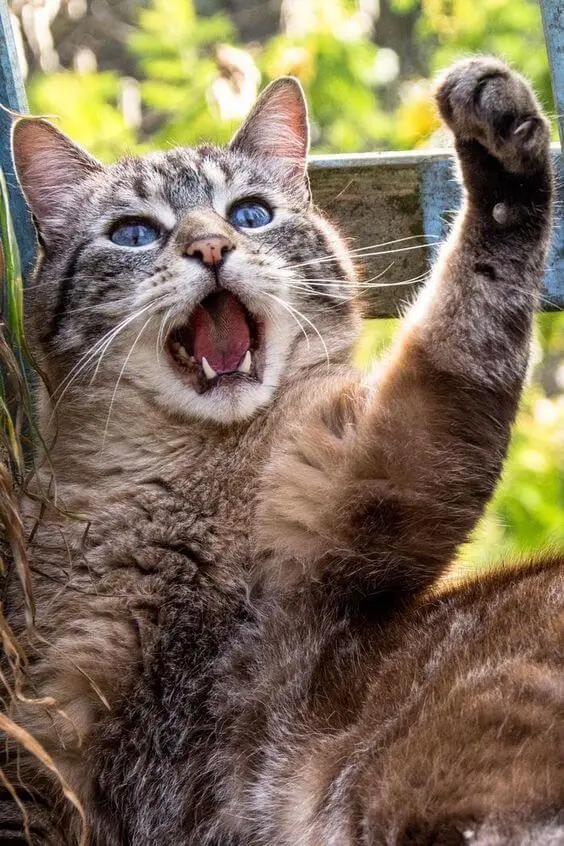
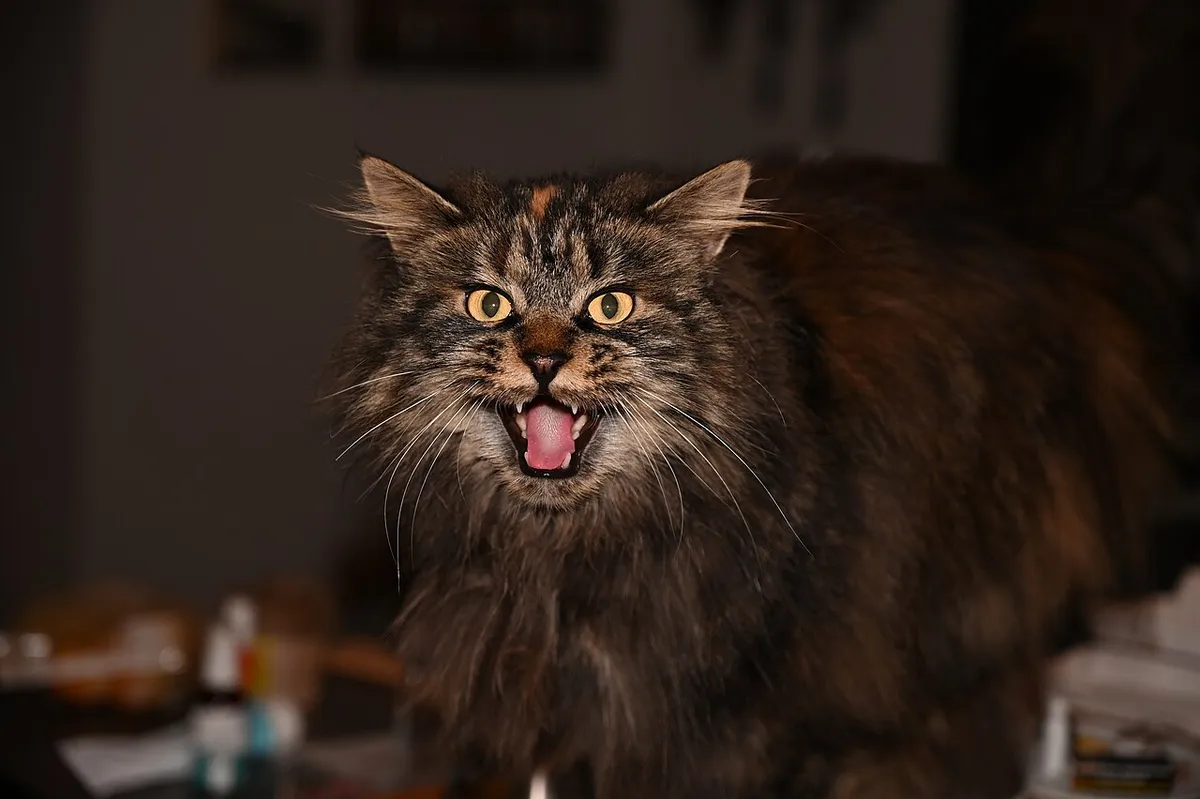
A healthy cat sneezes now and then — mine does after digging in the litter tray, sniffing a dusty corner, or once after sticking his whole face into a bunch of pampas grass. One or two sneezes, then he carries on as normal.
What I watch for is the pattern. Occasional sneezing with a clear nose and a cat who is otherwise himself is just the nose doing its job. Sneezing in fits, many times a day, or for days on end is a different story — especially with discharge, noisy breathing, or a cat who seems flat and withdrawn.
Owners on Reddit say much the same: a sneeze or two after a house clean or a litter change is worth a day of watching, not a vet visit. A single sneeze is a moment. A pattern is information.
Maine coon sneezing and the common cold
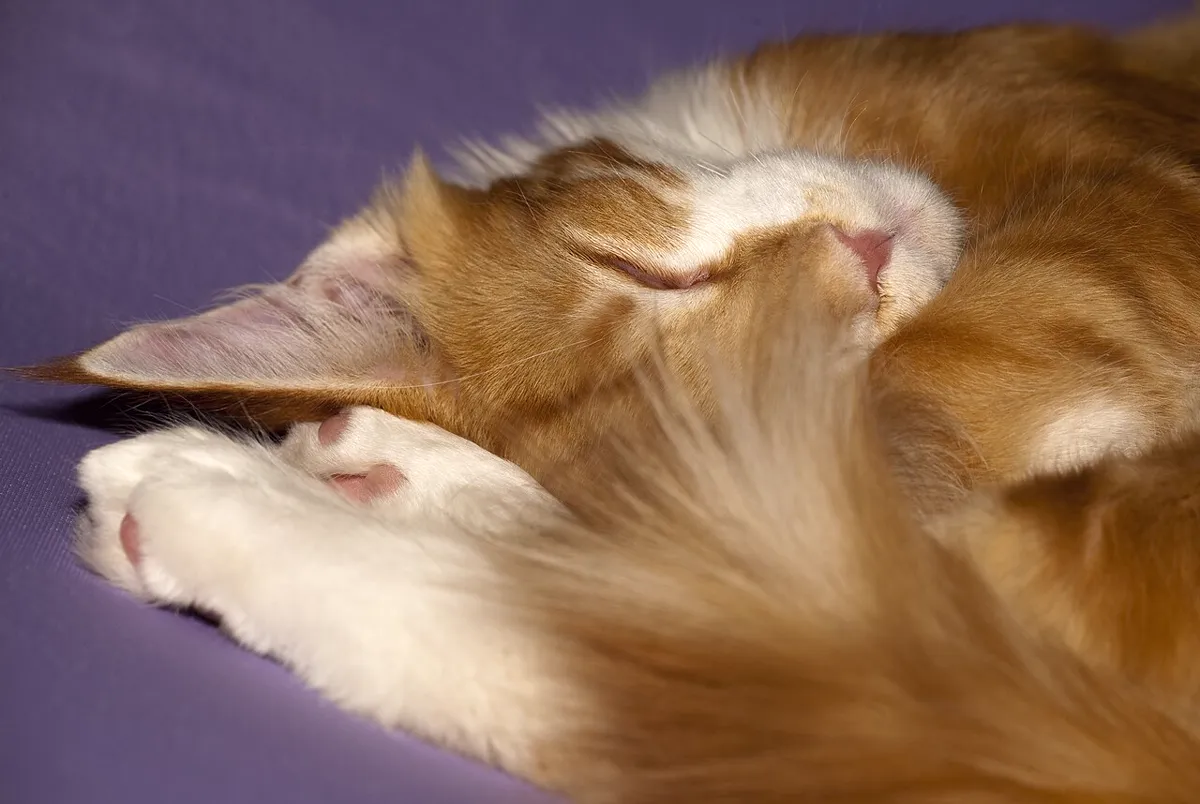
The most common reason for repeated maine coon sneezing is an upper respiratory infection — the cat version of a cold, usually caused by feline herpesvirus or feline calicivirus, which VCA Animal Hospitals notes are behind around 90 percent of cases. It spreads easily between cats, and kittens and unvaccinated cats catch it most easily.
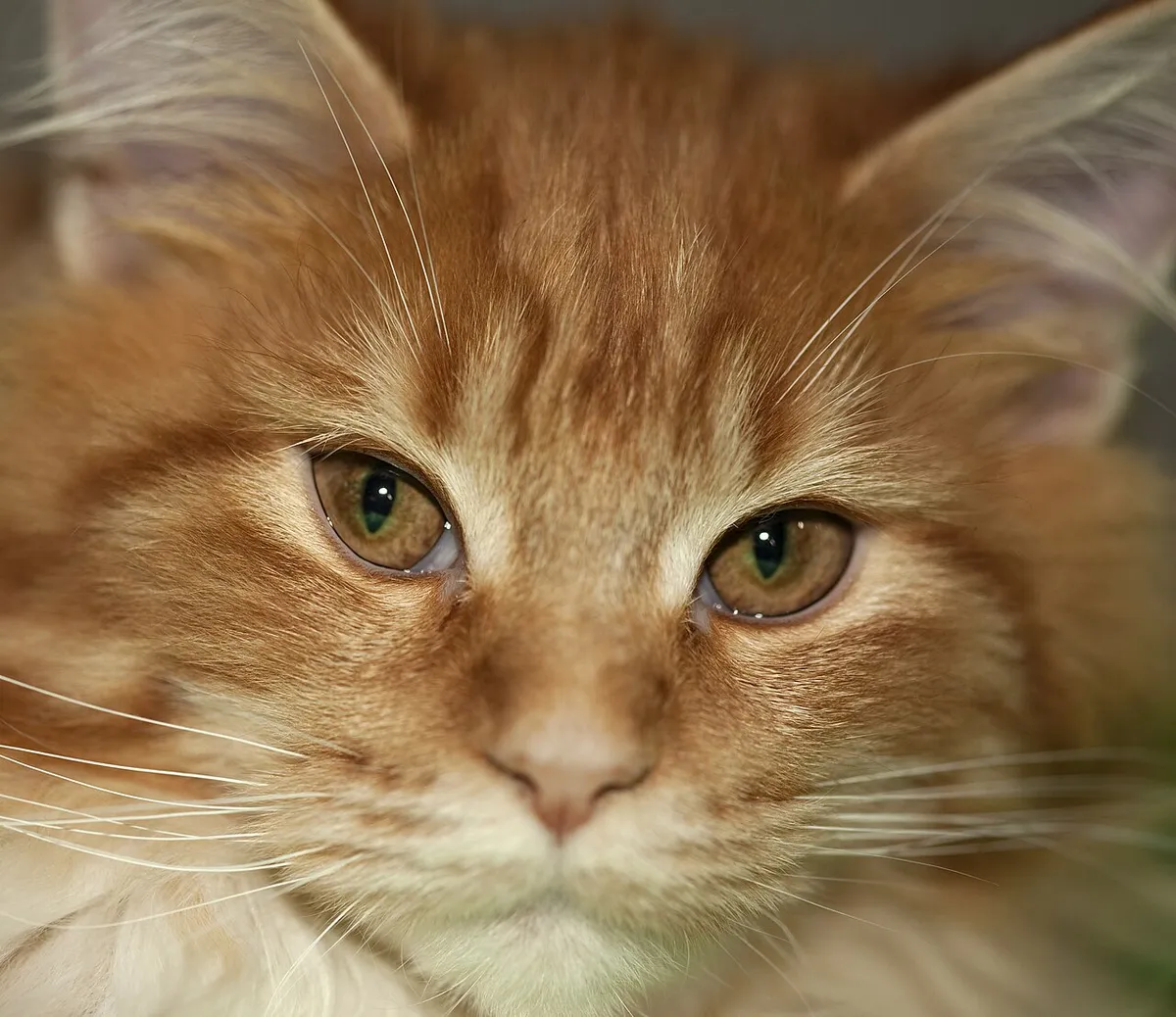
A cat cold usually shows up as sneezing plus a runny nose and watery eyes, sometimes with congestion and a hoarse meow. Signs appear two to ten days after exposure, and an uncomplicated infection typically runs its course in about seven to fourteen days, though signs can linger up to three weeks.
One quirk of the herpesvirus explains a lot of repeat sneezing: once a cat has had it, the virus stays in the body for life. Cornell’s Feline Health Center notes that up to 80 percent of exposed cats carry it latently, and stress — a house move, a new pet, a cattery stay, even a vet visit — can wake it up. Owners on Reddit describe exactly this: a cat fine for months, then sneezing again after something stressful.
Vaccines against these viruses do not always stop infection, but they usually make it much milder — which is why they matter even for indoor cats. Our Maine Coon vaccination schedule lays out the kitten shots and boosters.
Dust, litter and household irritants
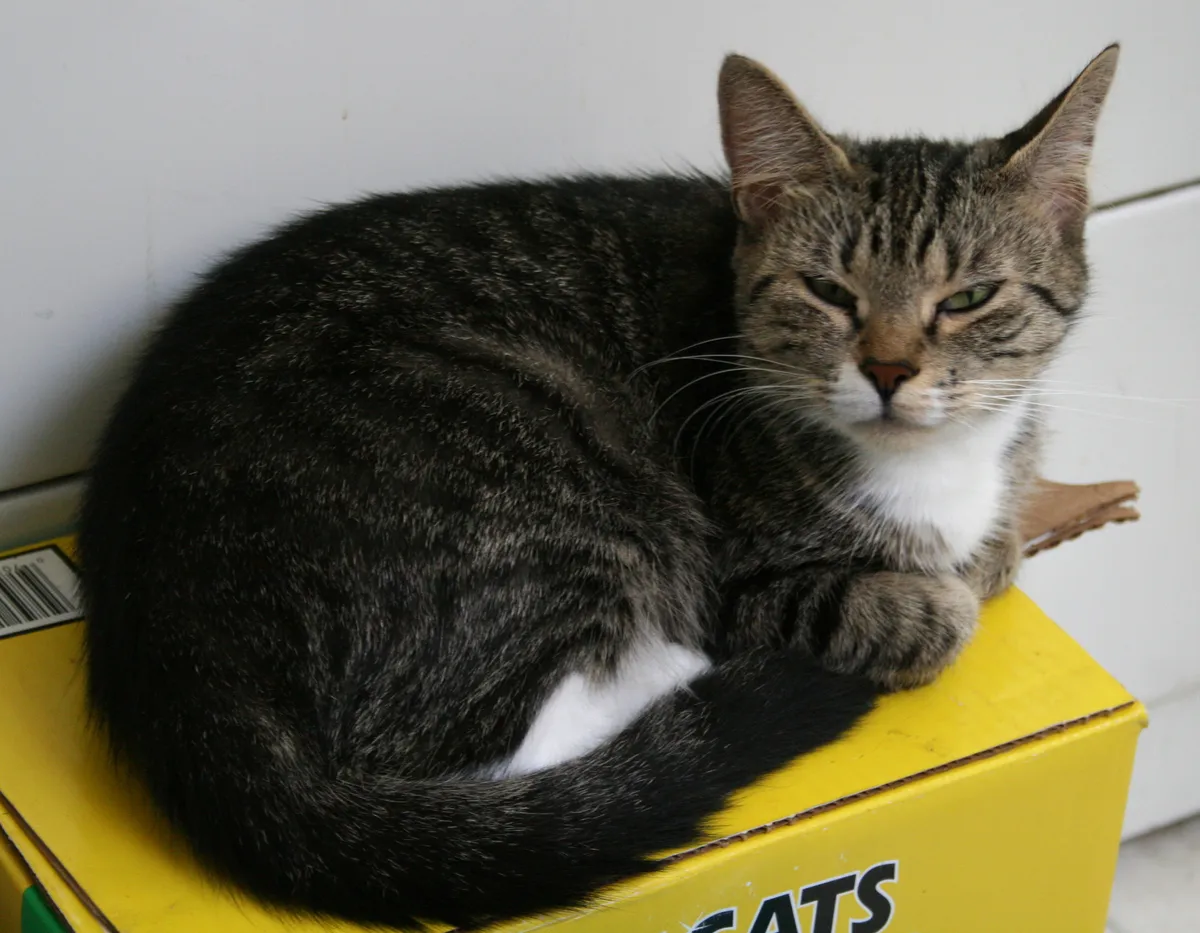
Before you assume illness, look at the house. Dusty litter is the classic trigger, along with scented litters, air fresheners, plug-in diffusers, candles, cleaning sprays, smoke and new carpet. Owners on Reddit and in Facebook groups often trace a sudden bout of sneezing to one change — a new air freshener, a different litter, a freshly cleaned room.
Pollen counts too, especially for a cat who goes outside or sits at an open window — a cat who comes in sneezing after a garden session, then settles within an hour or two, has most likely just breathed in dust or pollen. Breeders on YouTube make a point I agree with: check the simple things first. Change to a low-dust litter, put the air freshener away, and give the house a day before you panic.
Allergies — one cause among several
Allergies can make a Maine Coon sneeze, usually with itchy skin, watery eyes, or a runny nose that comes and goes with the seasons or something in the house. But allergies are only one cause on a long list. A cat who sneezes all year round with no pattern more likely has an infection or chronic nasal irritation. If you suspect allergies, read our full guide to Maine Coon allergies and talk it through with your vet — the fix is completely different.
Dental trouble can make a cat sneeze
This is the cause that surprises most owners. The roots of a cat’s upper teeth sit right next to the nasal passages. When an upper tooth becomes infected, or gum disease gets advanced, the thin barrier between the tooth socket and the nose can break down, letting food and bacteria into the nose. The cat sneezes — sometimes for weeks — while the real problem is in the mouth.
PetMD explains that treating the dental disease usually stops the sneezing. The clues are sneezing that will not clear up, discharge from one nostril only, bad breath, and a cat who drops food or chews on one side. It is usually a slow, stubborn problem, more common in middle-aged and older cats — so if your Maine Coon has sneezed for weeks with no cold or allergy found, ask your vet to look at the teeth. Our Maine Coon dental care guide covers checking teeth at home and what a proper cleaning involves.
Something stuck up the nose
A Maine Coon investigates the world nose-first, and sometimes something goes up the nose and stays there. A blade of grass, a grass seed, a bit of fluff or a crumb of food can lodge in a nasal passage and cause sudden, violent sneezing in a cat who was perfectly well five minutes earlier.
This sneezing looks different from a cold: sudden and frantic, the cat often pawing at his face or rubbing his nose on the floor. Discharge, when there is any, usually comes from one nostril only — an important clue, since infections and airborne irritants usually affect both nostrils, while a local problem usually affects one side.
Do not try to fish anything out yourself — you cannot see far enough in, and you risk pushing it further. A vet can look inside the nose with a small camera while the cat is sedated, and flush the passage with sterile saline. PetMD’s guide to why cats sneeze describes this well, and most cats are home the same day.
Sneezing in Maine Coon kittens
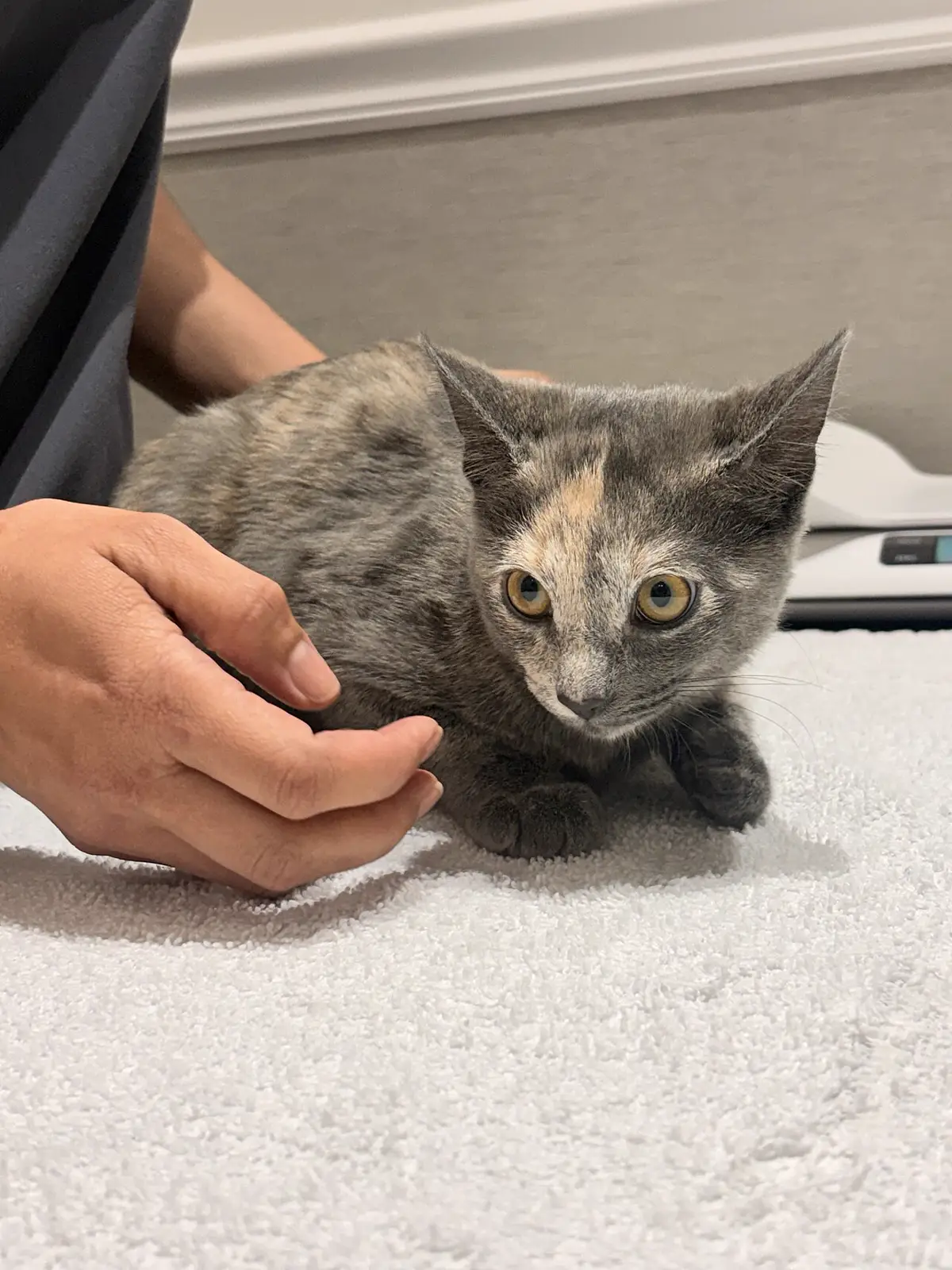
Kittens sneeze more than adult cats — their immune systems are still learning, and a kitten who has just moved house has had a stressful week on top of that. Mild sneezing in the first days home, with a clear nose and a kitten who is playing and exploring, often settles on its own.
But kittens are also the most at risk when a cold takes hold, because they are small and can go downhill fast. The Facebook Maine Coon groups are full of stories like this: a kitten starts sneezing the day it comes home from the breeder, then develops thick green discharge and starts breathing through its mouth. Experienced owners in those threads give the same advice: go back to the vet, ask about testing, and do not wait it out if the kitten is struggling to breathe.
With a kitten, my threshold for calling the vet is lower: an adult cat with a mild cold can be watched for a day or two, but a sneezing kitten with discharge gets a vet call the same day. It is also worth having a small Maine Coon first aid kit ready before you need it.
What you can do at home
For a mild cold, there is a lot you can do at home — as long as the cat is otherwise well and improving.
Steam is the most useful trick I know: take your cat into the bathroom, run a hot shower for ten or fifteen minutes with the door closed, and let him sit in the steam. It loosens the mucus so he can sneeze it out and breathe more easily. Owners on Reddit and in Facebook groups swear by this, and vets recommend it too.
Keep the nose and eyes clean with a soft cloth dampened with warm water, a couple of times a day, so discharge does not crust and block the nose. Switch to a low-dust litter, drop the air fresheners and scented candles in his rooms, and warm his food slightly, so the smell is stronger for a stuffy nose.
One firm rule: never give a cat human cold medicine — common remedies like paracetamol and ibuprofen are toxic to cats. If he needs medicine, that is a vet conversation.
When to call the vet
Most sneezing sorts itself out. These signs mean it is time to call the vet.
- Sneezing that goes on for more than ten days, or keeps coming back again and again
- Thick yellow or green discharge, or any blood in it
- Discharge from one nostril only
- Open-mouth or noisy breathing, or any struggle for air
- Watery or sore-looking eyes, or an eye that stays half closed
- A cat who is flat, withdrawn and not himself for more than a day
- A kitten sneezing with discharge, or any cat getting worse instead of better
Open-mouth breathing is the one to act on immediately. Cats do not normally breathe through their mouths — if yours is, do not wait for an appointment, call the vet now. The same applies to blood in the discharge or a struggle to breathe.
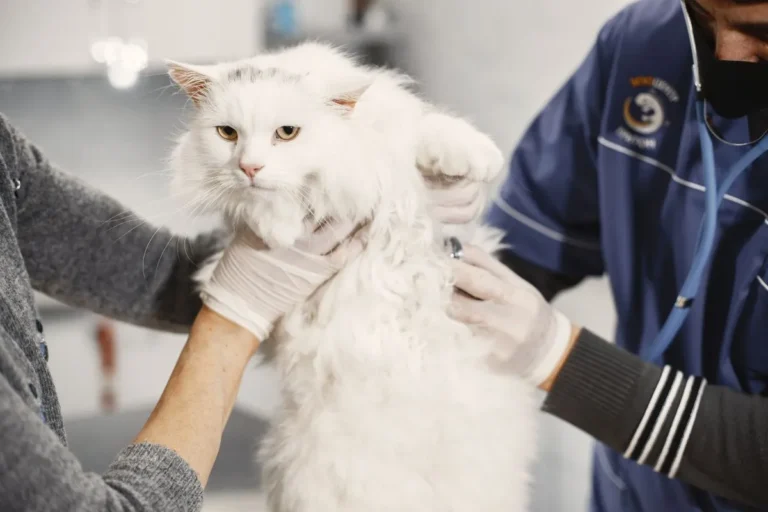
Before you call, note when the sneezing started, how often it happens, what the discharge looks like, and whether anything changed in the house — vets work from patterns. Cornell’s Feline Health Center has a thorough page on feline respiratory infections, and VCA’s guide to chronic upper respiratory tract disease covers sneezing that keeps coming back over weeks or months.
Frequently asked questions
Why is my Maine Coon sneezing all of a sudden?
Usually an irritant — dust, litter, pollen, a cleaning spray, or something sniffed outside. If it settles within a few hours and the nose stays clear, it was just a tickle. Violent sneezing that will not stop, especially with pawing at the face, can mean something is stuck up the nose — a vet job.
How long does a Maine Coon cold last?
An uncomplicated infection usually lasts about seven to fourteen days, and signs can linger up to three weeks. If the signs are getting worse after a week, or have not improved at all after ten days, call the vet.
Is maine coon sneezing contagious to my other cats?
Yes, if the cause is a viral or bacterial infection — it spreads easily between cats through sneezes, shared bowls and bedding, and on your hands and clothes. It is not contagious to people. Keep the sneezing cat’s bowls and bedding separate until it clears.
Can allergies make my Maine Coon sneeze?
Yes, usually with itchy skin or watery eyes and a pattern that follows the seasons or something in the house. But infections, irritants, dental trouble and foreign bodies are all more common explanations — our guide to Maine Coon allergies covers the signs in more detail.
When should I worry about my Maine Coon sneezing?
When it lasts more than ten days, keeps coming back, or comes with thick or bloody discharge, one-sided discharge, noisy or open-mouth breathing, or a cat who is flat and withdrawn. A kitten sneezing with discharge should be seen the same day.
A sneezing Maine Coon is usually just a big cat with a ticklish nose. Watch the pattern, clear the air, try the steam, and give it a few days. When the pattern says otherwise — when it will not stop, the discharge turns thick or bloody, or the breathing changes — trust what you are seeing and call the vet.