Maine Coon Microchip and ID: What Owners Need to Know
A neighbour once knocked on my door holding a huge tabby and asking if he was mine. He was not, but he looked just like my boy — and I had to admit that if my cat had been the one in her arms, she would have had no way of knowing he was mine. That was the week I booked the appointment, and a maine coon microchip has been part of how I look after him ever since.
A Maine Coon is hard to lose in a crowd and easy to lose track of — big, curious, and prone to slipping through gaps. A chip does not stop a cat wandering off; it gives a stranger, a vet, or a shelter a way to get that cat back to you when the collar has come off.
What a Maine Coon Microchip Actually Is
A microchip is a tiny glass capsule, about the size of a grain of rice, holding a single unique identification number. It has no battery and no moving parts. It sits quietly under the skin until a scanner passes over it and reads the number — and that number is linked to your contact details in a registration database, which is what connects a found cat back to its owner.
A microchip is not a GPS tracker. It cannot show you where your cat is or be tracked on your phone. It is permanent identification, not a tracking device. The chip is implanted between the shoulder blades, where there is plenty of loose skin, even on a big-boned Maine Coon. It lasts for the life of the cat, with no maintenance, and you may be able to feel it under the skin like a tiny grain of rice — though on a thick-coated Maine Coon you may not feel it at all.
Maine Coon Microchip: When to Chip Your Kitten
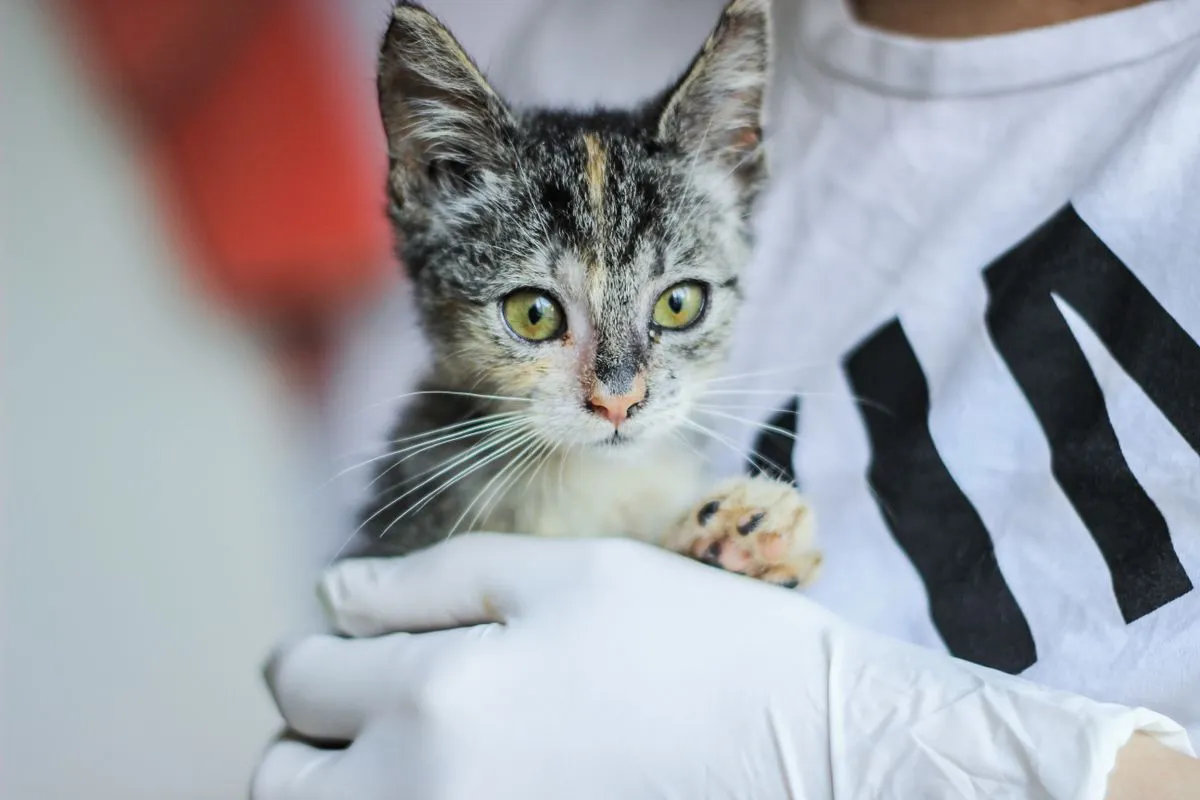
Most kittens can be microchipped from around eight weeks old, and many vets suggest ten to twelve weeks, at a kitten visit. It needs no separate appointment — the most common time is during the spay or neuter, when the cat is already under anaesthetic. My vet did it at the second vaccinations visit: one trip, done.
If you buy from a breeder, ask before your kitten comes home — many Maine Coon breeders now microchip kittens before they leave, and owners on Facebook say it is one of the first things they check. If your kitten arrives already chipped, your job is not done — you still need to transfer the registration into your own name, which brings me to the most important section of this article.
An adult Maine Coon can be chipped at any age, too — book it at the next vet visit.
Does Microchipping Hurt? What the Appointment Looks Like
The honest answer is that it hurts about as much as a vaccination. The needle is bigger than a vaccine needle — the chip has to fit through it — so there is a quick pinch, and some cats flinch or give a small yowl. Then it is over. The whole thing takes seconds, no anaesthetic is needed for an awake cat, and there is no recovery time.
Most cats barely react and do not scratch at the spot afterwards. Mild tenderness or a small swelling at the injection site can happen for a day or two, and that is the most common side effect by a long way. Serious complications are rare. Done during a spay or neuter, the cat feels nothing at all. Ask your vet to scan the chip again at each annual check-up to confirm it still reads.
How Much Does a Maine Coon Microchip Cost?
Prices vary by country and clinic, so treat any number as a range, not a promise. In the United States, microchipping typically costs around $25 to $50, usually including the chip, implantation, and first registration. A separate examination, or combining the chip with vaccinations, can push the total bill higher. In the UK, the usual range is around £10 to £30, and some charities offer it free or at a reduced price.
Ask your own vet for their price before you book, and ask what is included — specifically, whether registration is included or is a separate step you need to do yourself. The chip itself is cheap; the value is in the registration, and an unregistered chip cannot bring your cat home.
Registration: The Step Owners Skip
Here is the hard truth: the chip only works if your details are current in the registry. The chip stores a number; the registry holds your contact details. If those are out of date, the person scanning your cat hits a dead end.
Owners in lost-pet groups tell the same story again and again: a beautiful Maine Coon is found and scanned, and the chip is not registered, or the number on file belongs to someone who moved away years ago. In a large shelter study, only around six in ten microchipped animals had their chips registered at all.
Do these things the same week your cat is chipped. First, register the chip with the database your vet directs you to, and confirm it went through. Second, save the chip number in your phone and keep it with your vet records and Maine Coon first aid kit paperwork. Third, update the registry whenever you move, change your phone number, or change your email — the step everyone forgets, and the one that matters most. If you are moving house with a Maine Coon, update the chip the same day you update everything else. If a breeder or previous owner chipped your cat, transfer the registration into your name.
Collar ID Tags: The First Line of Defence
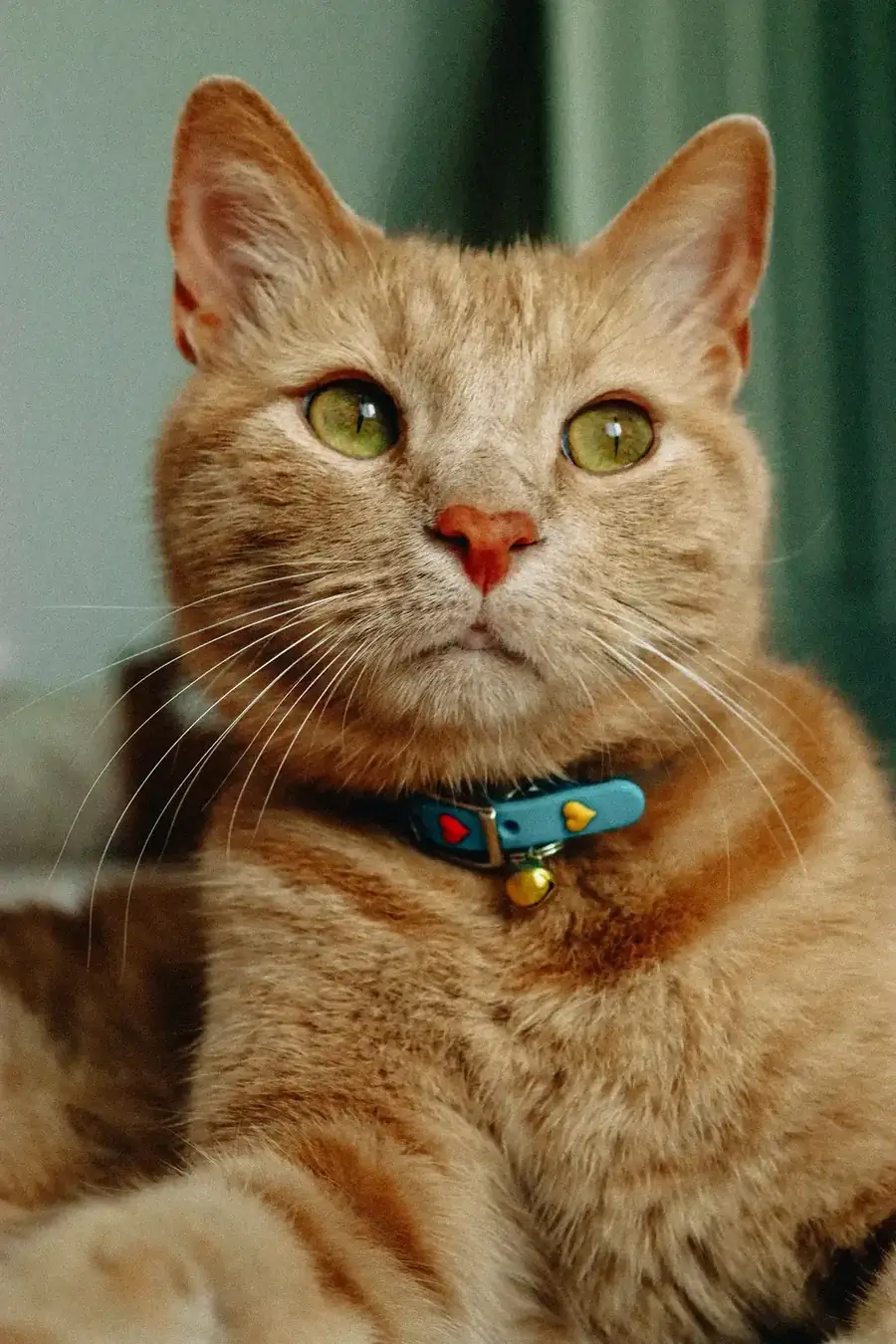
A microchip is your cat’s permanent backup. A collar with an ID tag is what a neighbour can read without a scanner or a database call. PetMD’s vets recommend both — they do different jobs, and together they cover far more than either one alone.
The tag should carry your cat’s name and your phone number, kept short and legible.
The collar matters more for a Maine Coon, because they are big, strong, and enthusiastic about squeezing through gaps. Use a breakaway collar, designed to snap open if it catches on a branch or a fence — a non-breakaway collar on an outdoor cat is a genuine safety risk, and a breakaway collar that comes off is a nuisance, not a disaster, because that is what the microchip is for. Check the fit every few weeks: a Maine Coon grows for years, and a collar that fitted a six-month-old kitten will be tight on a two-year-old. You should be able to slip two fingers under it.
Some owners skip collars for indoor cats, but those are the ones that slip out through a door left open by a visitor — and they are the least used to being outside.
GPS Trackers for a Roaming-Prone Big Cat
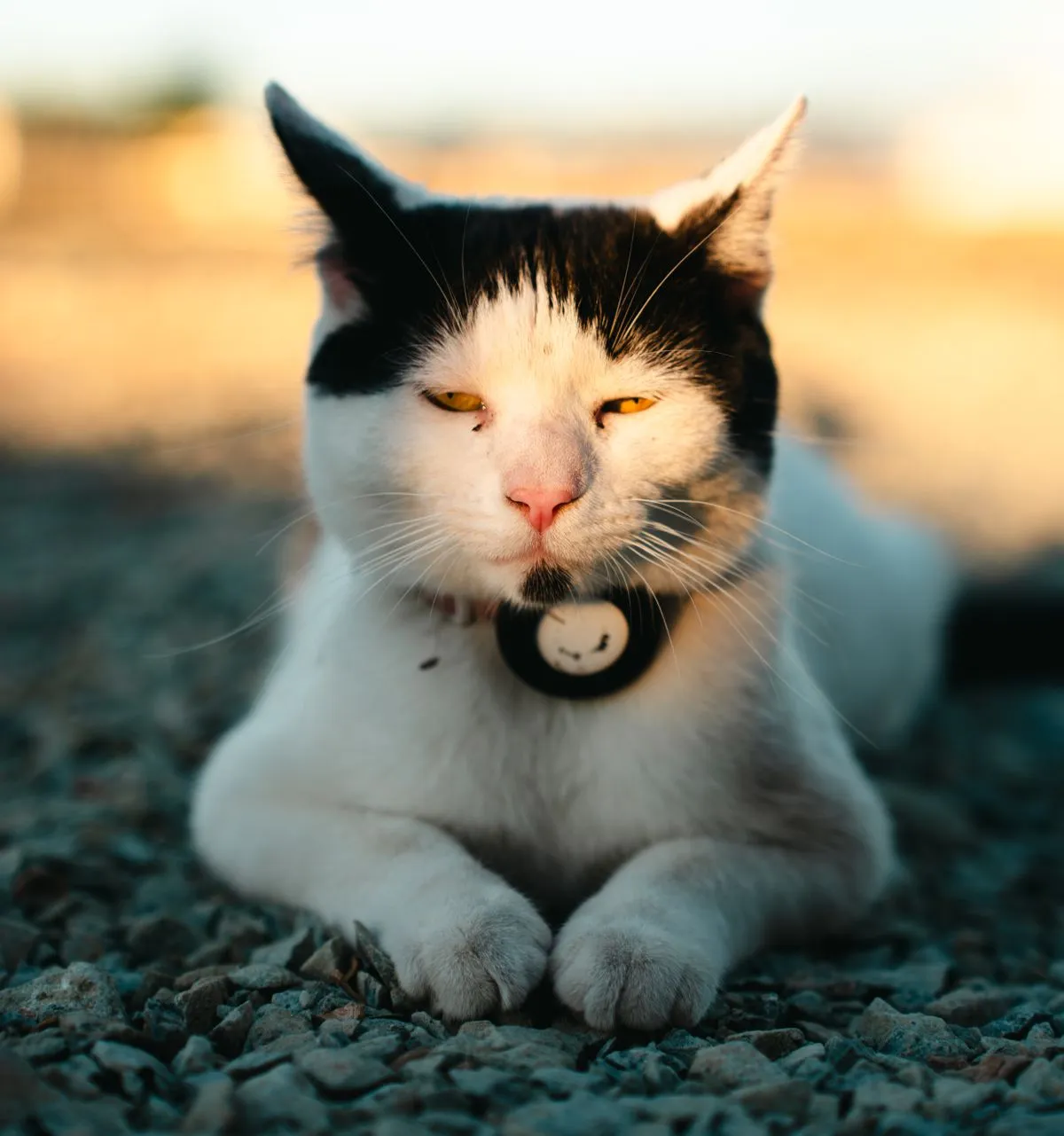
Since a microchip cannot track your cat, owners who want to know where their Maine Coon goes usually add a tracker or a Bluetooth tag to the collar. A Bluetooth tag, like an Apple AirTag, is small, light, and cheap, and works by pinging nearby phones. It is fine for finding a cat hiding in the house or the garden. But it is not real GPS: if your cat wanders somewhere with no phones nearby, the tag goes quiet. It is a finder, not a tracker.
A true GPS tracker gives live location updates on a map, which is genuinely useful for a roaming cat. The trade-offs are weight, size, battery, and a monthly subscription. A Maine Coon can carry more than a small cat, which works in your favour — but the tracker must still be light, and the battery needs charging every few days.
A tracker is a useful extra, but it is not a replacement for a microchip. Trackers run out of battery, fall off, and lose signal. A chip does none of those things. If you can only afford one, buy the chip.
What to Do If Your Maine Coon Goes Missing
Nobody plans for this — plan for it now, while you are calm. First, search close to home, and search at night. Most lost cats are found near home, hiding in silence — check under sheds, in garages, behind bins, and up trees. Go out after dark with a torch and call softly.
Second, flag the microchip as lost. Call your registry and mark the chip as lost, so any scan anywhere raises an alert.
Third, call every vet and shelter nearby and go in person if you can — a “big fluffy tabby” describes half the cats in the building. Ask them to scan new arrivals and leave a photo and your number.
Fourth, post in neighbourhood groups, lost-pet pages, and sites like PawBoost, with a clear photo, the area and date, and your phone number. Mention that the cat is microchipped — it tells finders to get it scanned.
Do not give up early — this is the part the community keeps proving. Owners on Facebook report cats coming home after months away because a chip scan finally connected them: one owner said her cat was found after seven months, “due to his microchip. They work!” Another Maine Coon came home nearly two years after escaping in a storm, when a shelter rescan found his chip. A chip is a long game — it only pays off if you keep looking and keep your details current.
The same applies when travelling with a Maine Coon or flying with a Maine Coon: register the chip before you leave and carry the number with you.
Frequently Asked Questions
Does a Maine Coon microchip hurt my cat?
It hurts about as much as a vaccination — a quick pinch from a larger needle, over in seconds. Most cats barely react, and there is no recovery time.
When should I microchip my Maine Coon kitten?
From around eight to twelve weeks old, at an early vet visit, or at the spay or neuter appointment. Many breeders chip kittens before they go home — ask yours, and transfer the registration into your name.
Can a microchip track my Maine Coon’s location?
No. A microchip is not a GPS device — it holds only a unique ID number, which a scanner reads and looks up in a registry. For live location tracking, you need a separate GPS tracker on the collar.
What if my Maine Coon’s microchip is not registered?
Then it cannot bring your cat home — an unregistered chip shows a number that leads nowhere. Register it as soon as it is implanted, and update your details whenever you move or change numbers.
My Maine Coon is an indoor cat. Does it still need a microchip?
Yes. Indoor cats escape — through doors left open, through windows, during a move, or in a panic during a storm. A chip is cheap insurance for the one day it matters.
A Small Job That Buys a Big Safety Net
A maine coon microchip will not stop your cat slipping out of the door, and it will not tell you where he is hiding. What it will do, quietly and for the rest of his life, is make sure any vet, shelter, or kind stranger who finds him can reach you. Pair it with a breakaway collar and a legible tag, keep the registration current, and you have given your gentle giant the best chance of coming home.
It took me one short vet visit and a few minutes of paperwork. If you have been putting it off, book it this week and check the registration yourself. Your Maine Coon will never know it is there — and that is exactly the point.
Sources and further reading: