Maine Coon Vaccination Schedule: Kitten Shots, Boosters, and What Indoor Cats Still Need
When I brought my first Maine Coon kitten home, the vaccination card looked simple: a few dates and abbreviations, and a note to see the vet soon. It only felt simple until I tried to read it. A Maine Coon vaccination schedule is not one appointment. It is a series of visits that changes as your cat grows, and timing matters most in those first months.
This guide walks through that schedule by age, drawing on veterinary guidance and on what other Maine Coon owners say they wish they had known sooner. It is not a prescription for your cat. Products, local laws, and your cat’s health history all change the details, so use this as the conversation to have with your vet, not a replacement for it.
Core and non-core shots
Vets divide cat vaccines into two groups. Core vaccines are recommended for every cat. Non-core vaccines are given when a cat’s lifestyle or risk makes them sensible. That split explains most confusion, because a vaccine can be core for a kitten and optional for an adult.
The core group covers feline panleukopenia (often called feline distemper), feline herpesvirus type 1, feline calicivirus, and rabies. The first three are usually given together as one shot called FVRCP. Panleukopenia is severe and highly contagious, and it hits kittens hardest. Herpesvirus and calicivirus cause upper respiratory infections, with sneezing, runny eyes and nose, mouth sores, and fever. Rabies is fatal once symptoms appear, and it is a legal requirement in many places.
Feline leukemia virus, or FeLV, sits in a special spot. Guidance treats it as core for kittens and cats under one year old, because young cats are more vulnerable to it. For adults, it becomes a risk-based decision. Do not assume FeLV is either always needed or never needed. Age comes first, then lifestyle.
The main non-core vaccines owners hear about are Bordetella and Chlamydia felis, which tend to come up for cats in shelters, catteries, boarding, or show halls, not for a pet cat at home. Cornell University’s veterinary guidance also notes that vaccination against feline infectious peritonitis (FIP) is not usually recommended.
The Maine Coon vaccination schedule by age
Kittens get a series, not one shot. They receive protective antibodies from their mother’s milk in their first hours of life. Those antibodies help at first, then fade, and while present they can block a vaccine from working properly. Since no one can tell exactly when that protection fades for an individual kitten, vets give doses spaced a few weeks apart. That is why missing the last kitten dose matters more than missing a middle one.
The table below shows the usual shape of the schedule. Your vet will set exact dates based on age at the first visit, products used, and local rules. The Cat Fanciers’ Association summary of the AAHA and AAFP feline vaccination guidelines uses the same framework.
| Age or stage | Usually given | Notes |
|---|---|---|
| 6 to 8 weeks | First FVRCP | Start of the kitten series |
| From 8 weeks | First FeLV, after a negative FeLV test | Two doses, 3 to 4 weeks apart |
| Every 3 to 4 weeks until 16 to 20 weeks | FVRCP boosters | Until at least 16 weeks |
| 12 to 16 weeks | First rabies vaccine | Per local law |
| Around 6 months to 1 year after the kitten series | FVRCP booster, FeLV booster if still at risk, rabies booster one year after the first dose | Timing varies by clinic |
| Adult years | FVRCP every 3 years for low-risk cats, rabies every 1 to 3 years | Rabies follows product label and local law |
| Senior years | Core vaccines continued for healthy seniors, timing reviewed | Health-reviewed |
Many Maine Coon kittens go home at around 12 to 13 weeks, so their first visit with you may already be their second or third shot. Bring the breeder’s or shelter’s records and ask the vet to walk through what is done and what is still due. Owners on social media often describe the same starting point: a first vaccination day at around 8 weeks, with kittens checked over gently and then sleeping hard all afternoon. One early shot is a good start, not a finished schedule.
Kitten visits and adult boosters
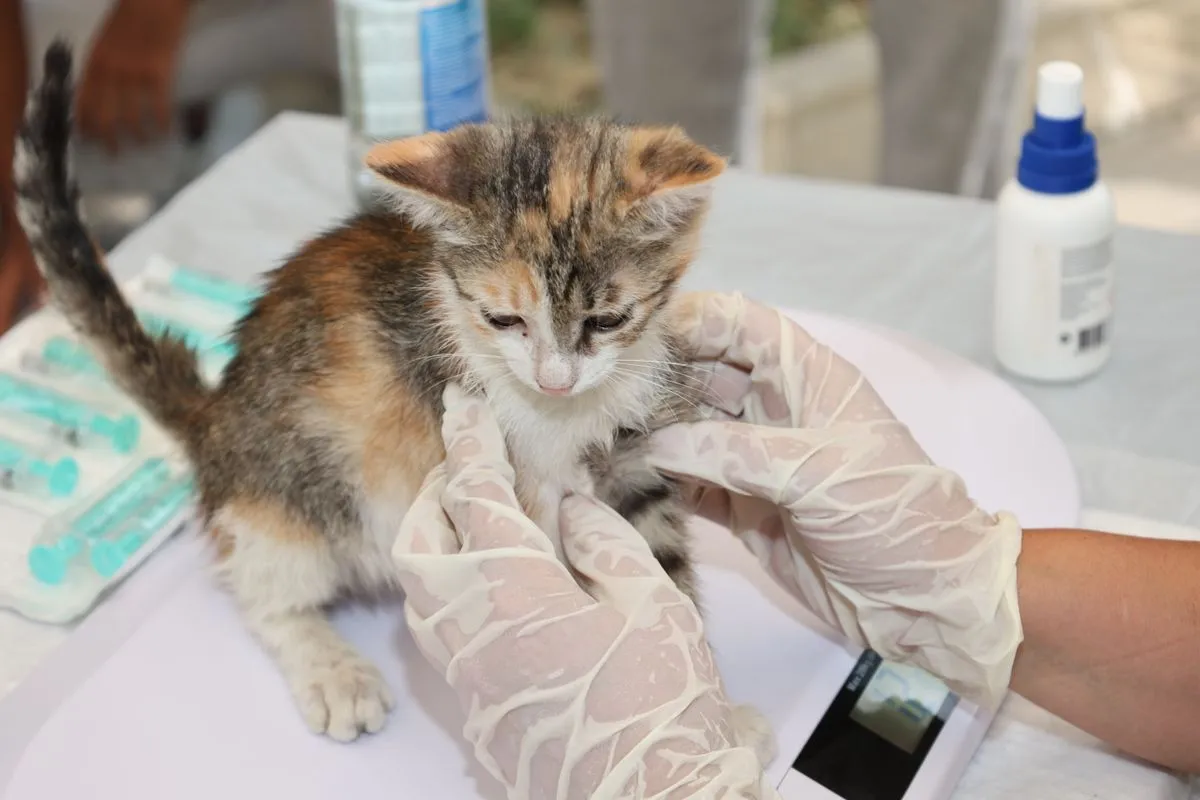
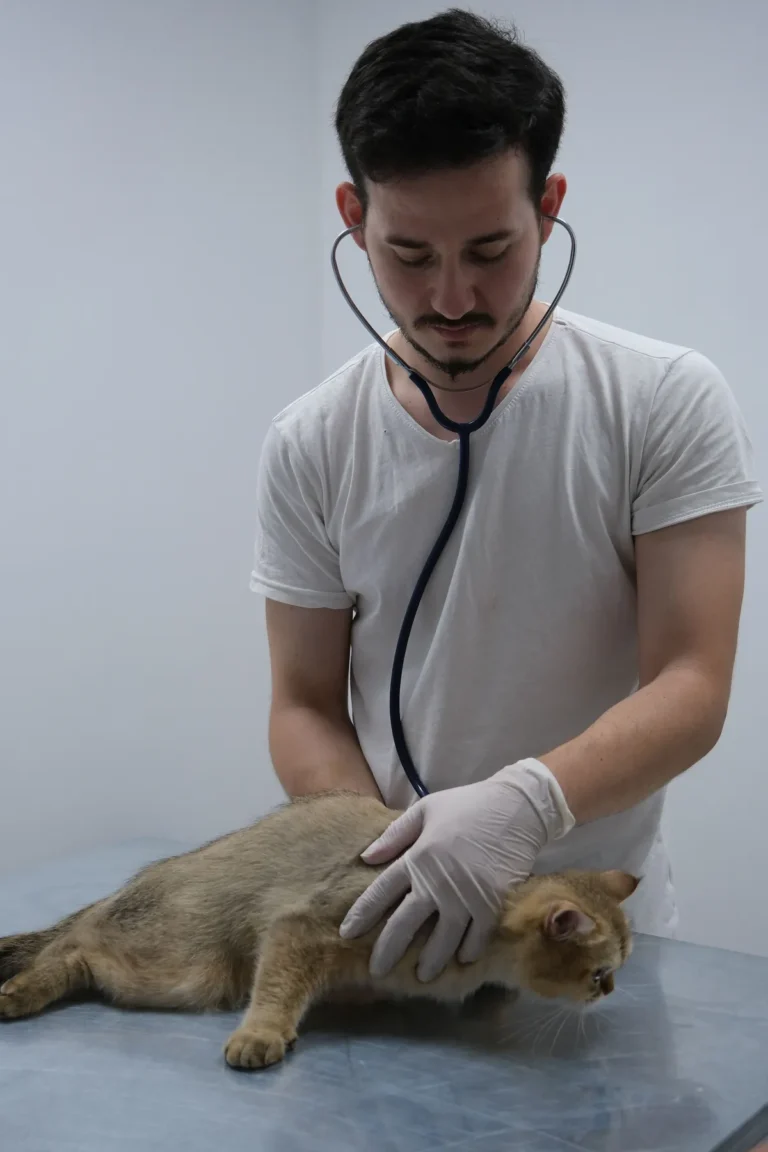
Kitten visits are not just about injections. A good visit includes a weight check, a look at eyes, ears, mouth, coat, and belly, and a talk about food and litter habits. Book the next appointment before you leave, because kitten boosters are spaced weeks apart and it is easy to let a month slip. At early visits, ask whether your kitten has been tested for FeLV before the FeLV vaccine. By 12 to 16 weeks, rabies usually enters the picture. The booster a year later, or around 6 months for FVRCP under some plans, is part of the same series, not an optional extra.
Once that round is complete, adult life is quieter. For a low-risk adult, FVRCP is often boosted every 3 years, and rabies every 1 or 3 years depending on product and local law, with the first rabies booster due one year after the initial dose. FeLV boosters continue annually only for cats with ongoing risk, such as regular outdoor access or living with a FeLV-positive cat.
A cat adopted with unknown history should be treated as unvaccinated, according to Cornell’s guidance, and given the full series for their age, usually two doses of FVRCP spaced a few weeks apart, plus rabies and a FeLV discussion. Keep a calendar note with the vaccine name, date, and next due date. If you are weighing pet insurance for a Maine Coon, check whether it asks for proof of current vaccination, since requirements vary.
Indoor-only vs outdoor and catio cats
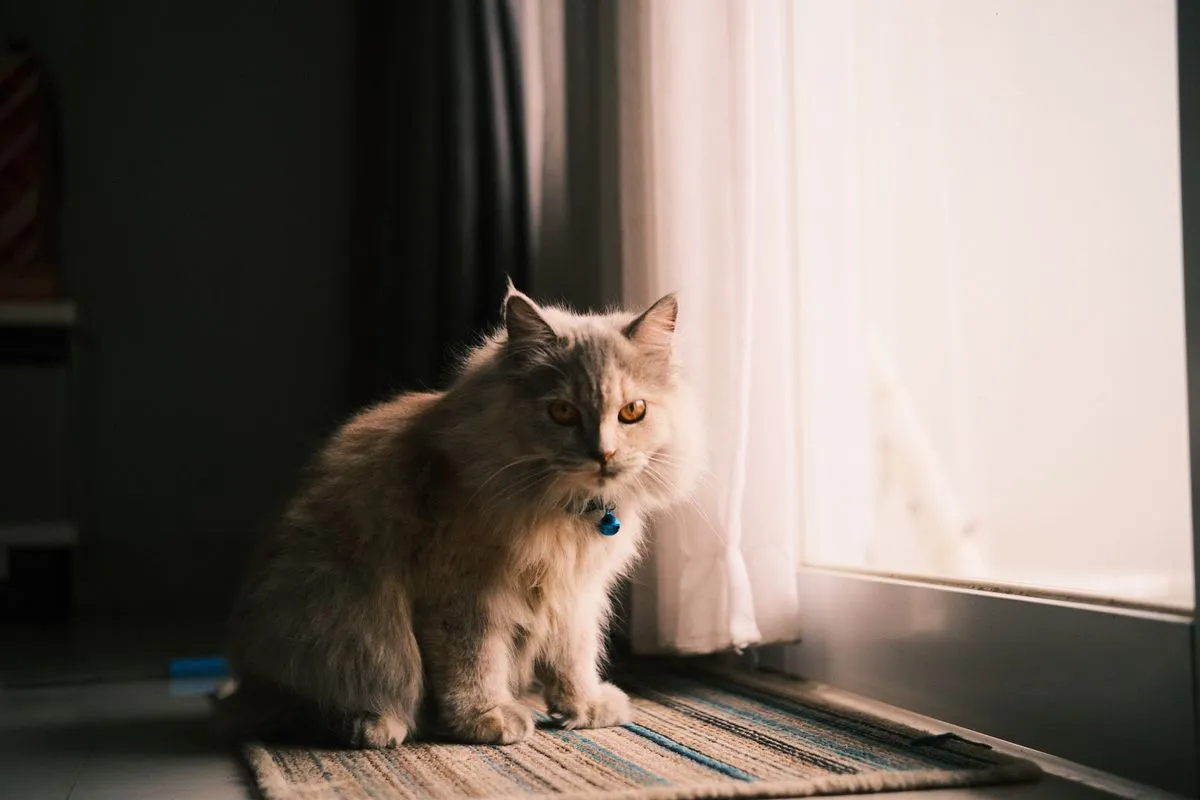
An indoor cat still needs core vaccines. That surprises people, and owners bring it up again and again when their vet recommends a rabies shot for a cat who never goes outside.
Indoor cats are not sealed off from disease. Panleukopenia virus is hardy and can be carried indoors on shoes, clothing, or hands. Herpesvirus and calicivirus spread through droplets, shared bedding, and contact with other cats, so a new cat in the household or a vet waiting room can create exposure. Rabies risk for an indoor cat is lower, but it is not zero: a bat can slip in through a small opening, a cat can bolt through an open door, and local law in many places requires rabies vaccination regardless of lifestyle.
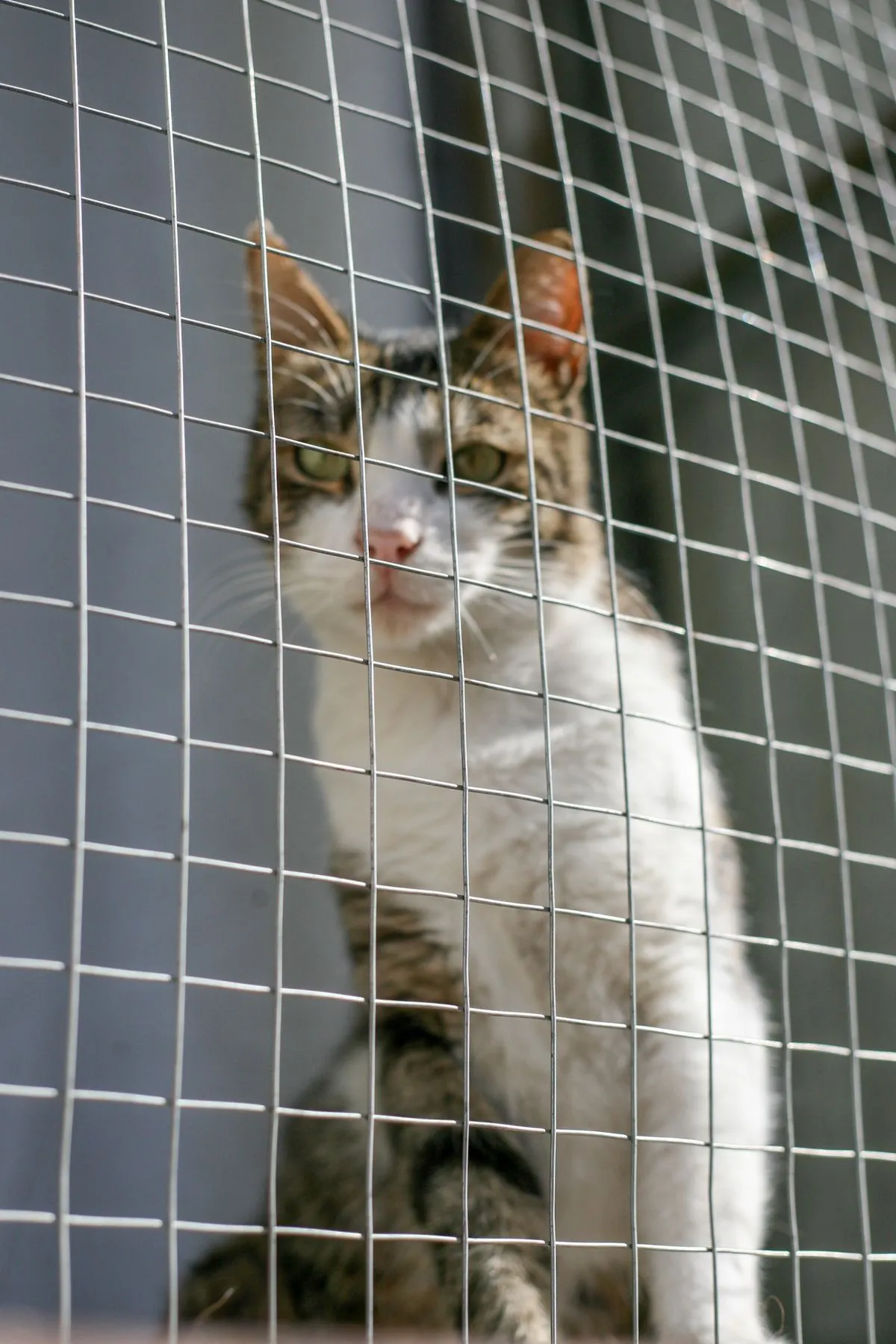
Outdoor cats need the same core vaccines, plus a serious conversation about FeLV, since roaming cats meet unknown cats and can get into fights. A catio cat sits in the middle: a secure catio with no nose-to-nose contact is much lower risk than free roaming, but it is not the same as a closed house. Tell your vet honestly how your catio is built and whether other cats visit it.
The Maine Coon slow-growth wrinkle
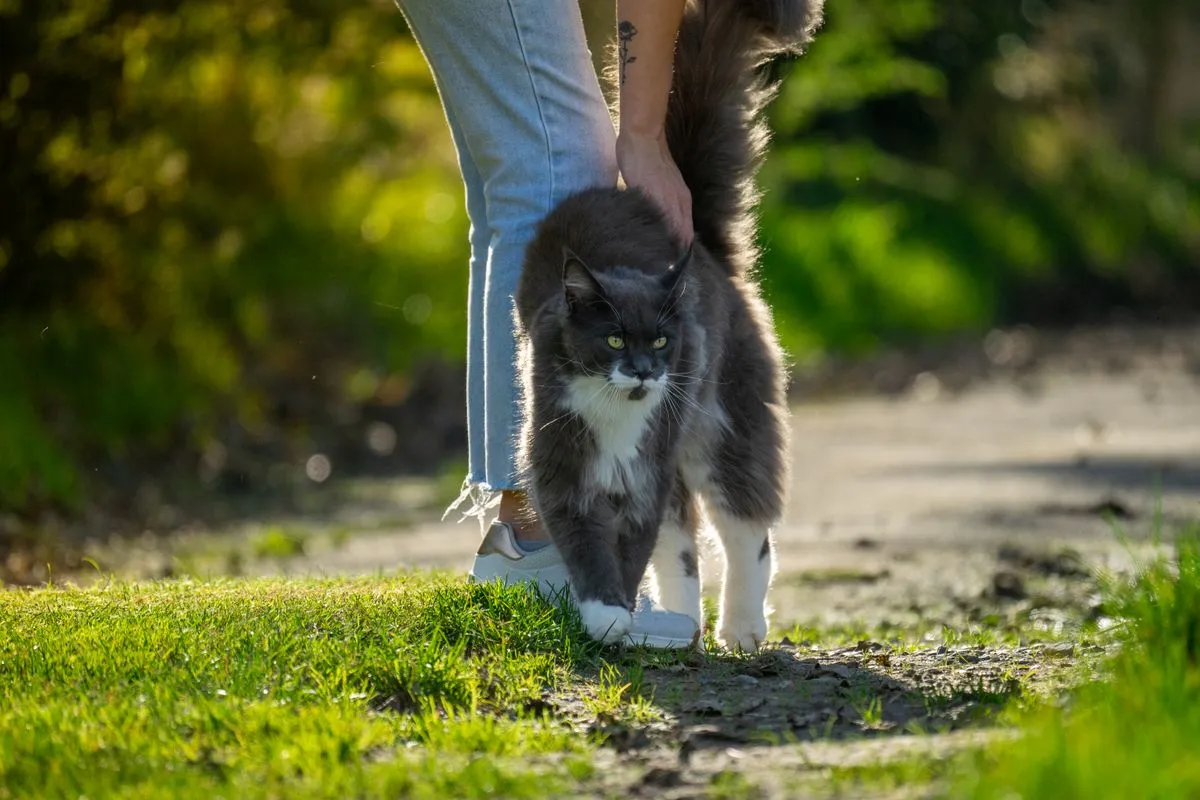
Most cats are close to adult size by their first birthday. Maine Coons are not. They keep growing and filling out for 3 to 5 years, and a one-year-old can still look and act like a big kitten. That slow growth changes feeding, but it does not change the vaccine calendar in the way people expect.
Vaccine timing follows age at the time of each dose and the doses already given, not body weight or how grown-up your cat looks. A large 14-week-old Maine Coon still needs the same kitten series as a small kitten of the same age, and a leggy 13-month-old is still due their post-kitten booster even though they are nowhere near adult size. Size is a poor guide here.
At the one-year visit, which often gets labelled as an adult visit while your cat is still growing, ask your vet to be explicit: is this the last kitten booster or the first adult booster? Our kitten care guide covers feeding and growth in that long in-between stage.
What to ask the vet, and what happens after the shots
Take a short list to each visit: which shots are due today and which are still to come, whether your kitten has been tested for FeLV, and when to book the next visit. At the one-year visit, ask whether this is the final kitten booster or the first adult booster. At senior visits, ask how benefit is weighed against your cat’s health, and whether titre testing, a blood test for antibodies, is worth discussing. It is not a replacement for every vaccine, and rabies is governed by law rather than by a blood result.
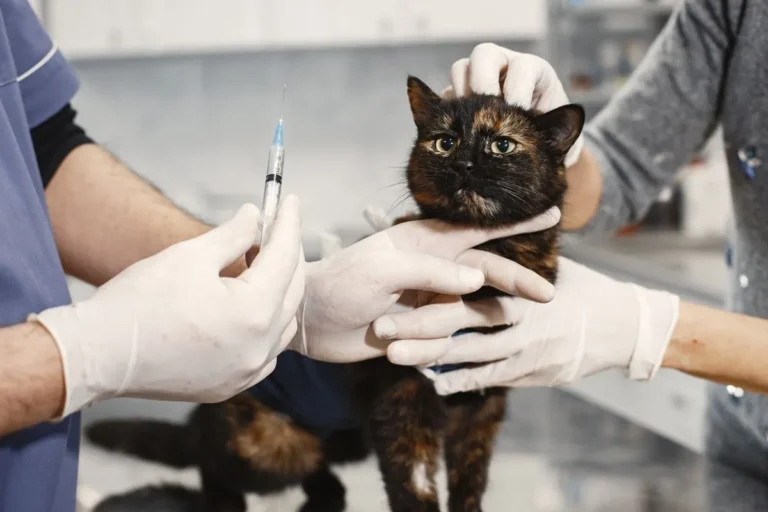
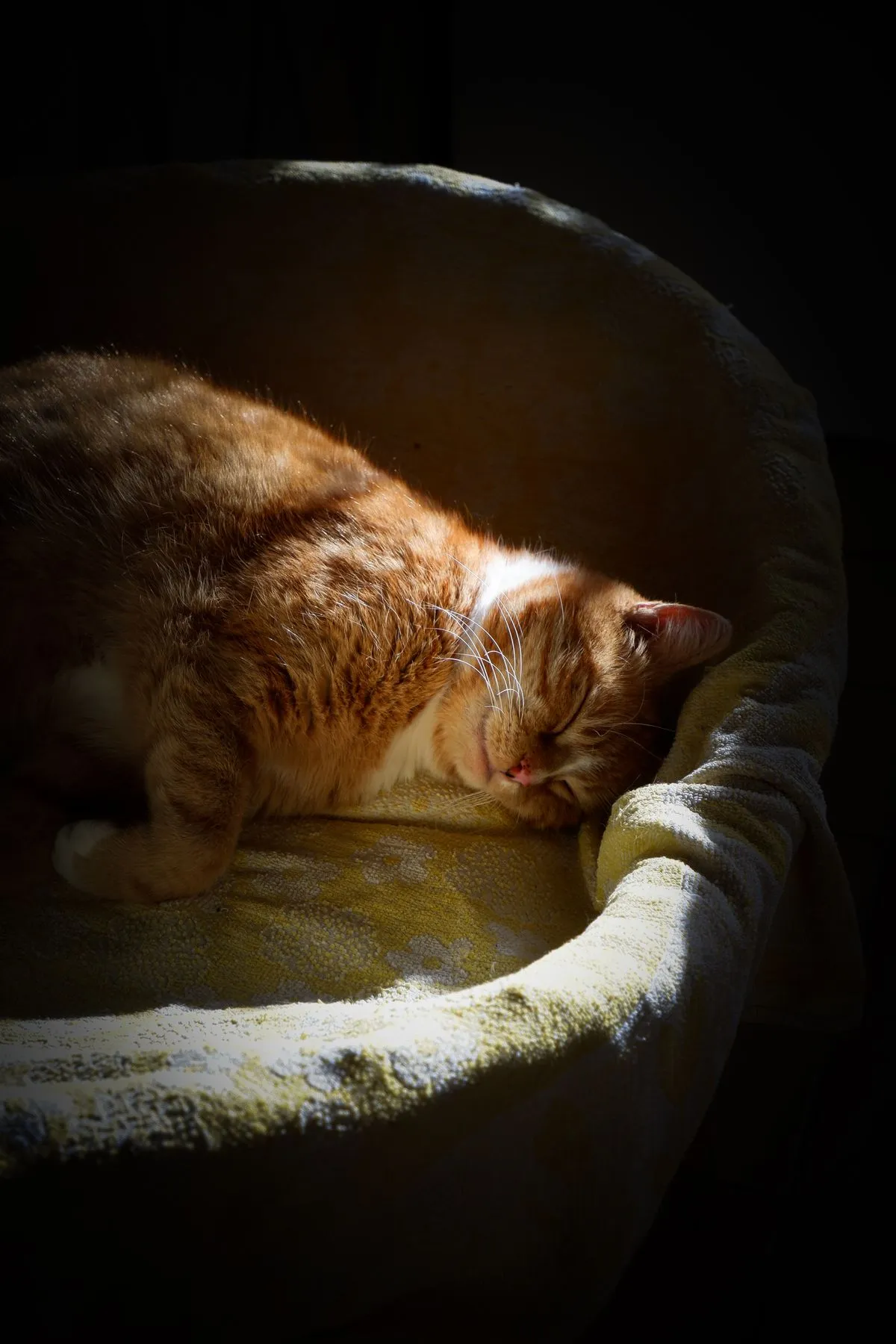
Most cats are a little flat after vaccines. Owners describe the same pattern: a kitten who plays at the clinic, sleeps all afternoon at home, eats less that evening, and is back to normal by the next day. Mild soreness, a small tender lump, tiredness, reduced appetite, or a low fever settle within 24 to 48 hours. Give your cat a quiet spot and fresh water. Call the vet straight away for repeated vomiting, swelling of the face, hives, difficulty breathing, collapse, or severe lethargy that does not lift. A small lump should shrink over days; if it grows or stays for weeks, call your vet and mention which vaccine was given and where.
Senior Maine Coons still need a vaccine plan, but it becomes more individual: risk and benefit are weighed against overall health, while core vaccines remain recommended for healthy seniors. If your senior cat has missed boosters, a catch-up plan starts with a conversation, not a lecture. Our senior care guide covers the wider senior picture.
Frequently asked questions
Does my indoor Maine Coon really need the rabies vaccine?
In most cases, yes. Rabies vaccination is legally required in many areas regardless of lifestyle, and indoor cats can still be exposed if wildlife gets in or if the cat escapes.
How many FVRCP shots does a kitten need?
Usually a first dose at 6 to 8 weeks, then boosters every 3 to 4 weeks until at least 16 weeks. A kitten who starts later may need two doses spaced a few weeks apart, plus the later booster.
Can I delay shots because my Maine Coon is still growing?
No. Maine Coons mature slowly over 3 to 5 years, but vaccine timing is set by age and prior doses. Delaying a kitten booster leaves a gap in protection.
What if my cat missed a booster?
Call your vet and say when the last dose was given. The series often does not need to restart from the beginning, but your vet may add a dose or adjust the interval.
Are there vaccines my Maine Coon does not need?
Possibly. Bordetella and Chlamydia are only useful in particular situations, such as boarding or showing, and FIP vaccination is not usually recommended. Ask which ones match your cat’s actual risk.
A schedule you can actually keep
Put the next due date in your calendar at every visit, and tell your vet about any change in your cat’s life: a move, a new cat, a catio, a boarding stay, or a health problem. Those changes are what turn a standard schedule into your cat’s schedule. If you are still at the very beginning, our first vet visit checklist covers what to bring to that first appointment, while this Maine Coon vaccination schedule covers the timeline that follows it.
My Maine Coons have never loved vet day. They tolerate the carrier, they glare at me on the way home, and they forgive me by bedtime. The schedule behind those visits is less dramatic than it first looks: a busy few months as a kitten, a booster as they turn one, then a steady rhythm through adult life.