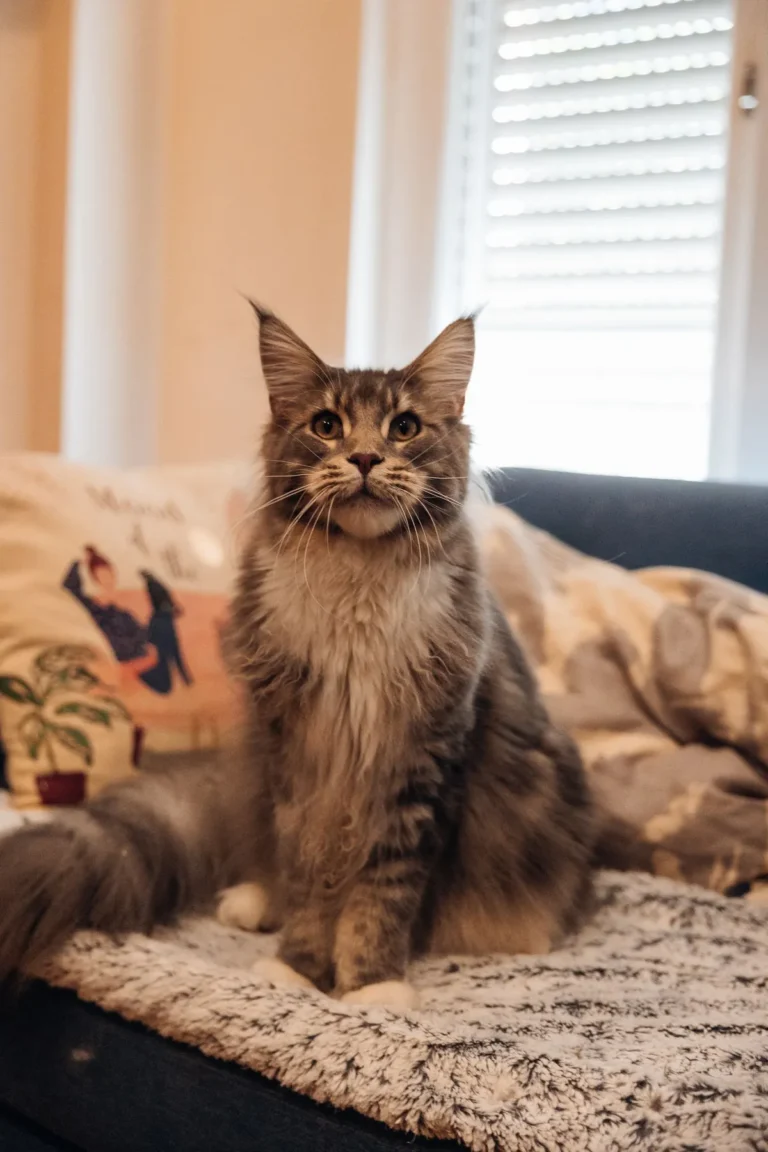
Why Is My Maine Coon Not Eating? Causes and What to Do
There is nothing quite like the worry of a Maine Coon not eating. Mine usually appears in the kitchen before I have even opened the cupboard. So when that same cat sniffs the bowl and walks off, my stomach drops — and if that is happening in your house right now, I understand completely. A skipped meal does not always mean something serious is wrong — but a cat who stops eating altogether needs attention, and the sooner you work out why, the better.
First, Don’t Panic — But Don’t Wait Either
One missed meal in an otherwise bright, playful cat is usually nothing to lose sleep over — a cat who eats a little less on a hot afternoon, or turns his nose up at a flavour he has had three days running, is not necessarily ill.
The clock matters, though. When a cat stops eating, the body breaks down fat for energy and the liver can become overwhelmed by it, causing hepatic lipidosis — fatty liver disease. Cornell explains that in more than 90 percent of cases it follows some other problem that caused the cat to stop eating — which is why finding the cause matters. Overweight cats are at the highest risk; you can read more in Cornell’s guide to hepatic lipidosis.
Here is the rule I live by: nothing eaten for 24 hours means call the vet that day; at 48 hours, it is a same-day visit. Kittens are the exception — a kitten who refuses food needs the vet the same day. Keep notes: what he ate, whether he is drinking, whether he is hiding.
Why Is My Maine Coon Not Eating?
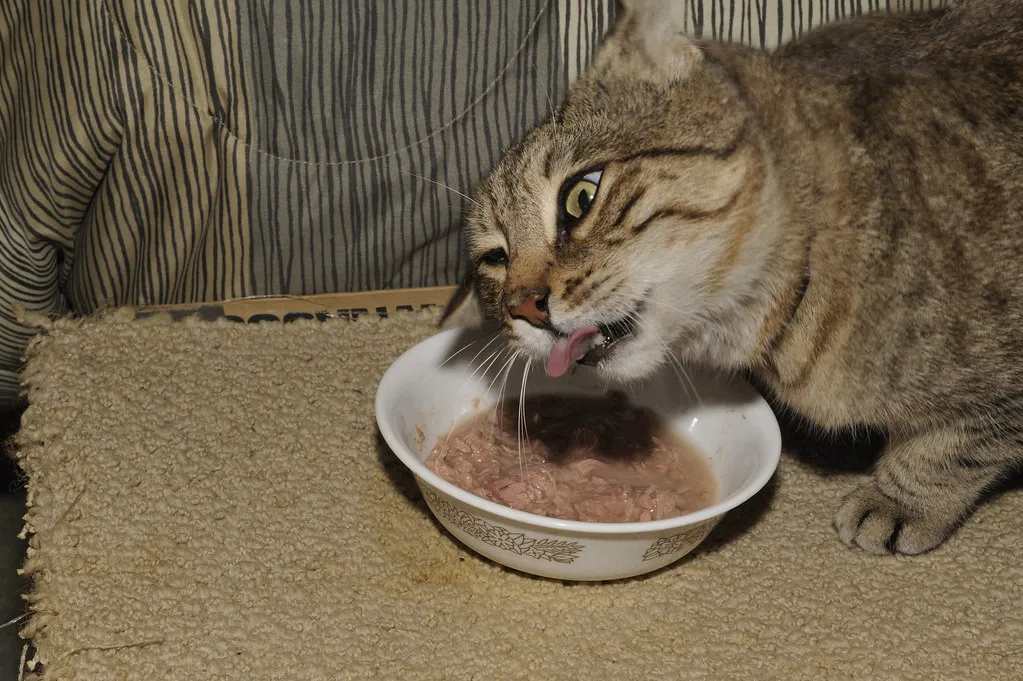
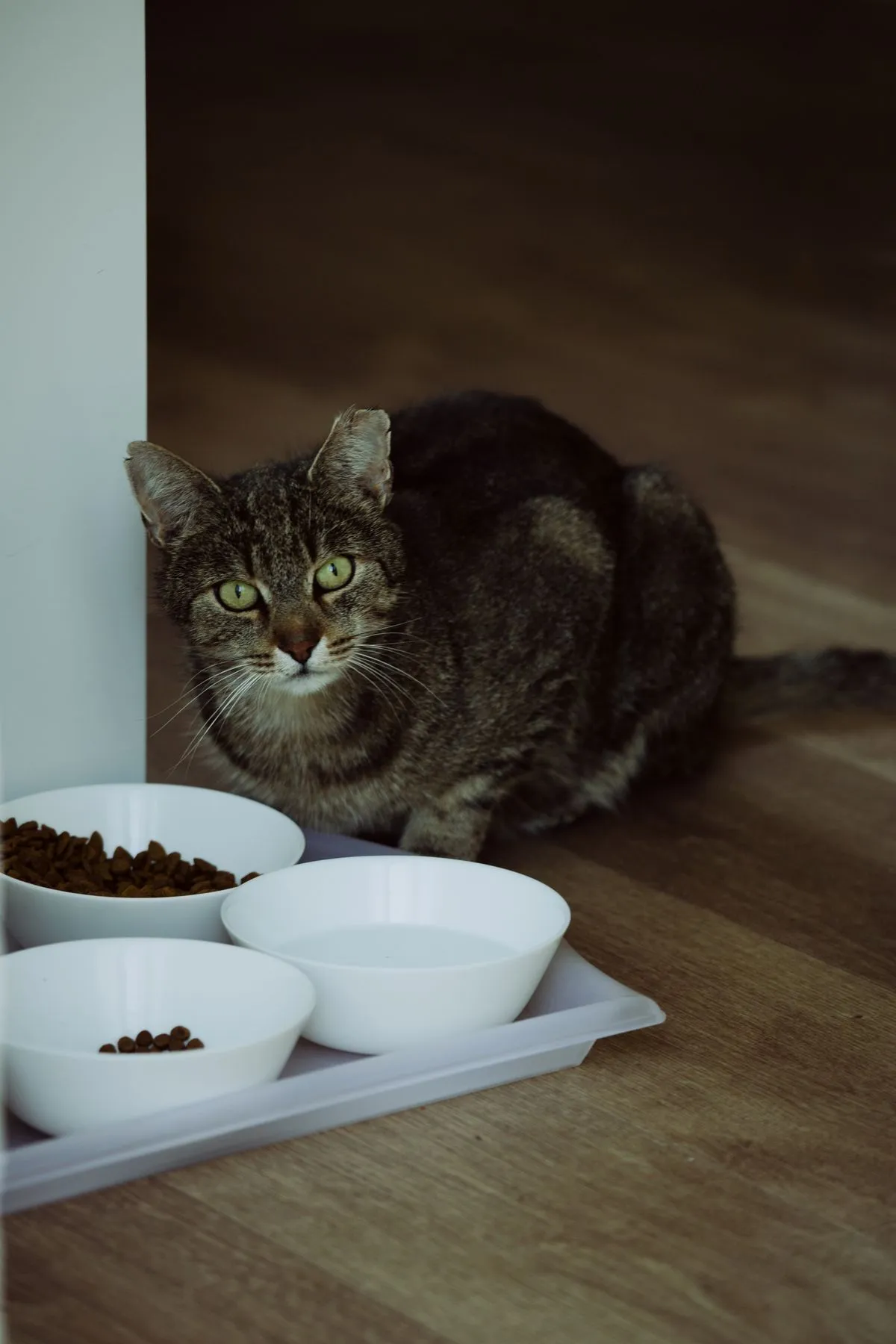
There is rarely one single reason a Maine Coon goes off his food. In my experience it is usually one of the causes below — and sometimes two at once.
Stress or a change at home
Maine Coons are famously social cats, and that closeness makes them sensitive to change — a move, a new baby, a new pet, visitors, or even a rearranged room can put a cat off his food. Owners on Facebook groups describe the same pattern after a move or a new pet. Newly adopted kittens often will not eat for a day or two; most settle once they feel safe, but a lethargic kitten who is not drinking needs a vet, not patience. If stress shows up when you leave the house, my Maine Coon separation anxiety guide covers what helps.
Dental pain or a sore mouth
This is the cause owners most often miss, because a cat with a sore mouth still looks hungry: he walks to the bowl, takes one bite, then walks away — or drops kibble, chews on one side, or suddenly prefers wet food. Eating hurts, so he stops trying. Gingivitis, a cracked tooth, mouth ulcers, or inflamed gums can all do this, and dental problems are common as cats age. If he drools, paws at his mouth, or flinches when you touch his face, look at the mouth first. My Maine Coon dental care guide covers what to check at home — but a cat who wants to eat and cannot needs a vet to sort it out.
Feeling unwell
Sometimes the simplest explanation is right: he feels rotten. A fever, an upset stomach, a respiratory infection, or nausea from kidney trouble will put a cat off food the same way flu does us. A stuffy nose makes it worse — cats rely on smell to find food appetising. Lethargy plus no eating is a combination to act on, as is drinking far more or less than usual. VCA’s guide to anorexia in cats explains how vets sort a true loss of appetite from a cat who wants to eat but cannot.
Food boredom and pickiness
I say this with love: Maine Coons can be dramatic about food. Owners on Reddit describe cats who ate one flavour happily for months, then decided overnight it was beneath them — or cats far more interested in the dog’s dinner than their own. Behind the drama is a real pattern — Maine Coons are grazers, eating a little, wandering off, and returning later. Owners in Facebook groups say their cats eat half a pouch, walk away, and come back an hour later — which looks like appetite loss if you expect a cleared bowl. Heat matters too: many report cats eating less in warm weather, then returning to normal when it cools. A bright, playful cat holding his weight usually has a food or behaviour cause — but if it drags on, get a check-up.
Growing, ageing, and changing appetite
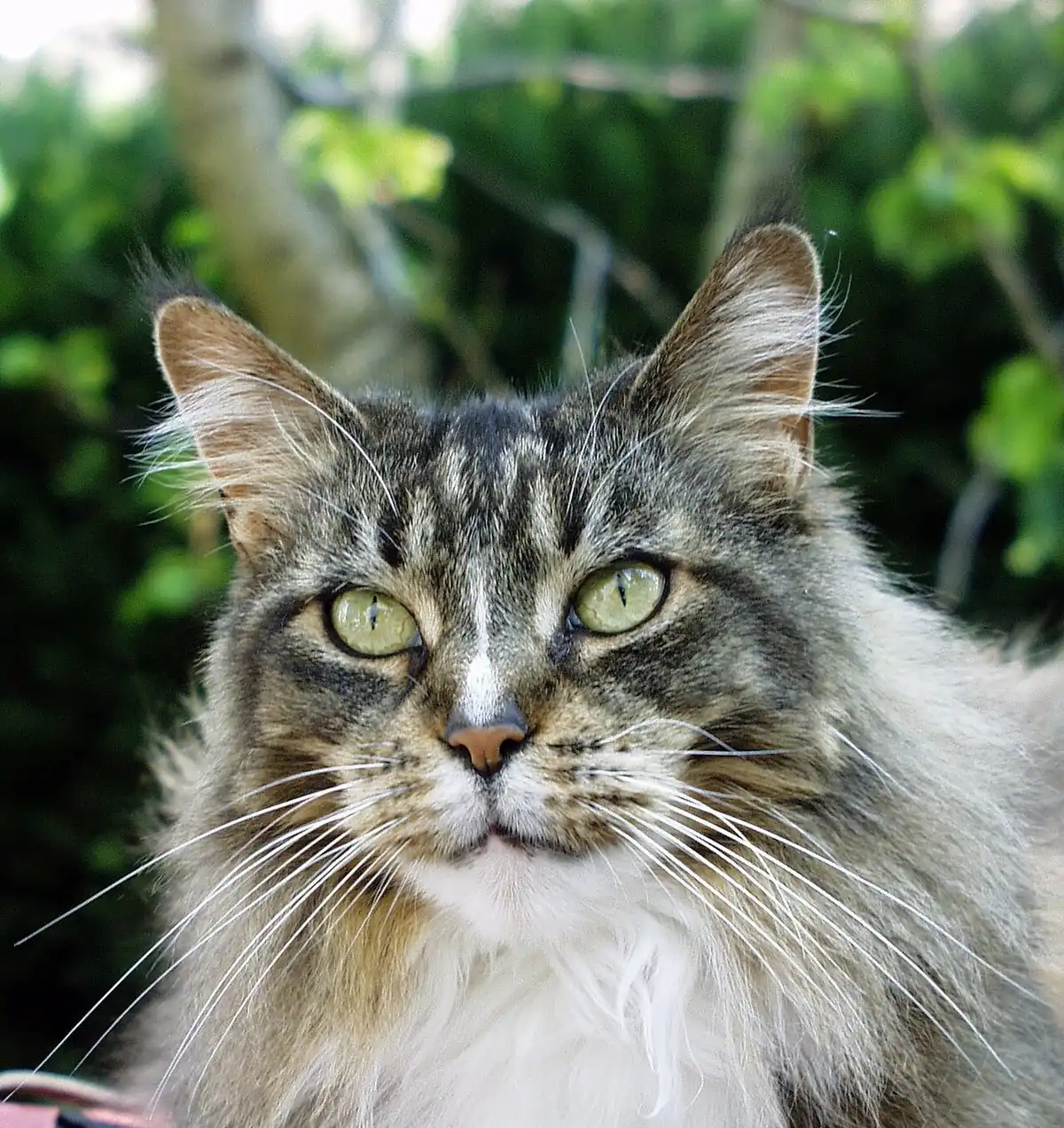
A kitten’s appetite is not a straight line: growth spurts bring hungry weeks, and between spurts a young cat may eat less as his metabolism settles, while teething kittens can go off harder foods for a few days. Seniors often become pickier too — smell fades, teeth hurt, and kidney or thyroid trouble can quietly suppress appetite — so an older cat eating less deserves a vet check sooner rather than later. A recent vaccination or new medicine can also suppress appetite for a day or two; if it does not return, ring the vet.
What Owners in the Community Actually Try
The most repeated tip in Reddit threads and Facebook Maine Coon groups is to warm the food: a few seconds, just to body temperature, releases the smell — and smell is what sells dinner to a cat. Breeders on YouTube say the same for fussy kittens.
The second is toppers: probiotic powder such as FortiFlora, tuna water, or plain chicken broth (check for onion and garlic — toxic to cats). Lickable treats from a finger often break the fast — once a cat has licked a few mouthfuls, he sometimes keeps going into the food underneath.
The third is routine, not food. Owners with more than one pet say separating feeding spots made the biggest difference, and several recommend microchip feeders so each cat eats in peace; smaller meals, offered more often, suit a grazer better than two big bowls a day. The lesson: most of the time the fix is not a new brand. It is warmer food, a quieter spot, and patience.
What to Try at Home, Step by Step
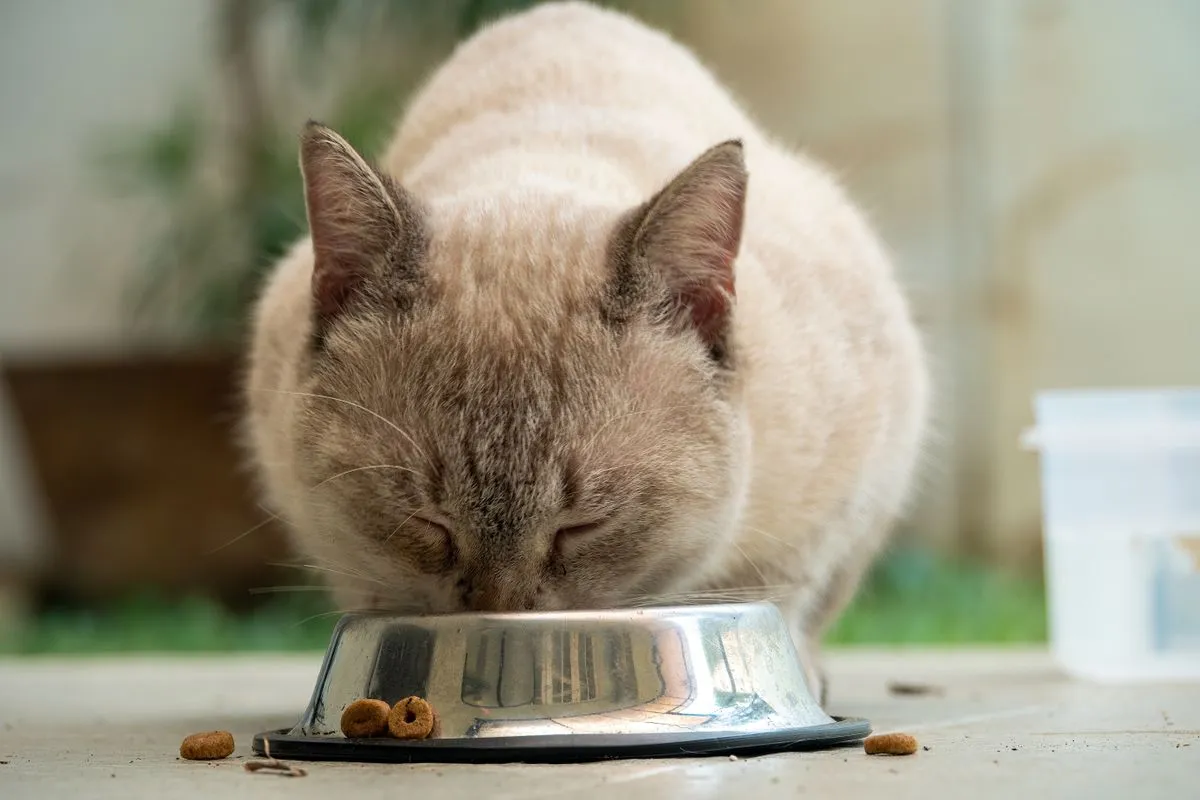
Try these in order when your Maine Coon is not eating — and if he has eaten nothing for 24 hours, do them while you call the vet, not instead of it.
1. Warm the food. A few seconds until just warm, never hot. Stir well and test it on your wrist.
2. Offer a choice. Two or three small dishes side by side — pâté, chunks in gravy, kibble — and see which he sniffs.
3. Add smell. Tuna water, plain chicken broth, or a probiotic topper — check broth labels for onion and garlic first.
4. Try a lickable treat. A puree on a saucer or from your finger; licking is easier than chewing and can restart the appetite.
5. Move the bowl. Somewhere quiet, away from the litter box and foot traffic, in a wide, shallow dish.
6. Hand-feed a little. A piece by hand, or sitting quietly beside him, can reassure a stressed cat.
7. Keep it familiar. Go back to the food he liked best. A cat off his food is not the moment for a diet change.
Never force-feed or syringe-feed a cat at home — it can cause choking and a lasting hatred of that food. Never offer dog food, and never give human medicines to stimulate appetite; if a stimulant is needed, the choice and dose are your vet’s.
Red Flags — Call the Vet Now
Do not wait out the 24-hour rule if any of these are true — call your vet, or an emergency clinic: nothing eaten for 24 hours, or very little for two days; a kitten, a senior, or an already overweight cat who has stopped eating; lethargy, hiding, or unusual withdrawal; not drinking, or drinking far more than usual; repeated vomiting, diarrhoea, or straining in the litter box; yellow gums or yellowing around the eyes; a swollen, tight, or painful belly; drooling, difficulty swallowing, or crying when he tries to eat; breathing that looks laboured or unusually fast.
A cat eating a little but steadily losing weight is a different worry — it can point to an underlying illness. My guide to how much to feed a Maine Coon by age will help you check whether his intake is in the right range, and my post on Maine Coon underweight signs and healthy weight gain explains what to look for — but a cat losing weight while eating less still needs a vet to find the reason.
What the Vet Will Probably Do
Your vet will start with a hands-on examination — belly, mouth, heart and lungs, hydration — and questions about when the appetite changed, food and water, litter box habits, changes at home, and medicines. Bloodwork and a urine test usually follow — they can pick up kidney trouble, thyroid problems, infection, or liver changes no examination can see. An X-ray or ultrasound may come next. PetMD’s article on why a cat is not eating walks through the same process and is worth a read before your visit.
Treatment depends on what is found: a sore tooth gets dental treatment, nausea gets anti-nausea medicine, an infection is treated at its source — sometimes with a short course of an appetite stimulant while the underlying problem is dealt with. In serious cases the vet may recommend hospital care and assisted feeding through a tube. That sounds frightening, but food itself is the treatment, and with early nutritional support most cats with fatty liver disease pull through.
Frequently Asked Questions
How long can a Maine Coon go without eating?
A healthy adult should not go more than 24 hours without eating before you call the vet; at 48 hours the visit is urgent. Kittens: same day. The risk is hepatic lipidosis, which can develop after a few days without food — fastest in overweight cats.
Why is my Maine Coon eating less but acting normal?
If he is bright, playful, drinking normally, and holding his weight, the cause is often simple: warm weather, a settling growth phase, boredom with one flavour, or grazing. Warm the food, rotate flavours, offer smaller meals — and get a vet check if it lasts more than a few days.
Why does my Maine Coon sniff his food and walk away?
He can smell it, but something puts him off — cold food, the wrong texture, or pain. Warm it first, then try another texture; if he stops after one bite or drops food, think teeth and book a dental check.
Will my Maine Coon eat again after a move or a new pet?
Usually, yes, once he feels safe — often within a few days. Keep his feeding place quiet and unchanged, stick to his usual food, and give him hiding places. Still not eating after two days? Call the vet.
Should I change my Maine Coon’s food if he stops eating?
Not straight away. Warm his usual food and add a topper first; if you try something new, offer it beside the familiar food and change one thing at a time.
The Bottom Line
A Maine Coon not eating is telling you something — listen without panicking. Most of the time it ends well: a warmed bowl, a quieter corner, a different flavour, or a few days for a stressed cat to settle. But the 24-hour rule is not a suggestion. If the bowl is still full tomorrow, pick up the phone — your vet would far rather see a cat a day too early than a week too late.