Is My Maine Coon Too Skinny? Underweight Signs and Healthy Weight Gain
I still remember the afternoon: my Maine Coon came in from the garden, soaked from the rain, and stretched out across the floor — and suddenly I was looking at a cat I barely recognised. Long legs, a visible waist, countable ribs. Was my Maine Coon underweight?
If that sounds familiar: a Maine Coon can look skinny and be perfectly healthy, and one can look fine under all that fur while quietly losing weight. The trick is knowing which one you are looking at.
Is My Maine Coon Underweight? Start With Your Hands, Not Your Eyes
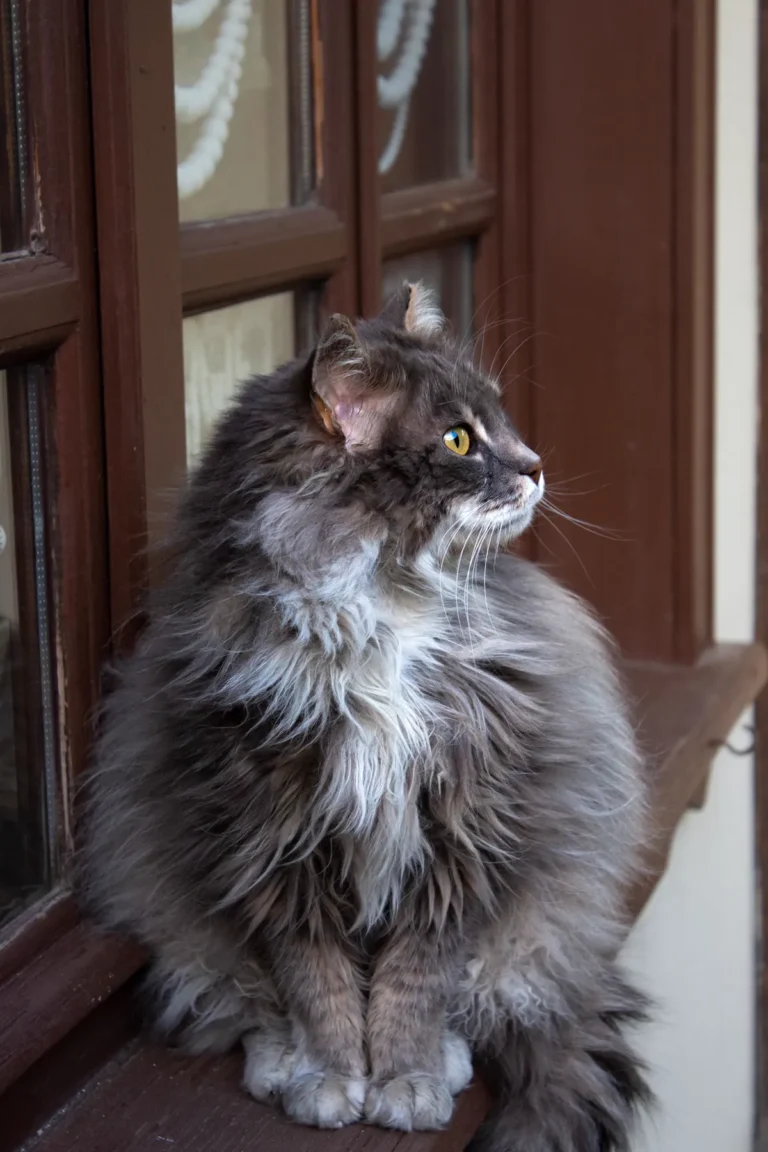
Stop judging your Maine Coon by looking at him. That magnificent coat does a lot of work — a full ruff, thick britches and a plumed tail add the illusion of several pounds, and the moment the coat gets wet, shaved or sheds in spring, the cat underneath can look shockingly different. Owners on Reddit report the same shock after a grooming appointment, and breeders on YouTube make the same point: underneath the fur, a healthy Maine Coon is often a long, lean, athletic cat.
So put your hands on your cat instead. Vets use a hands-on body condition score, a scale of 1 to 9 where 4 to 5 is ideal and 3 or below counts as underweight. Three checks tell you most of what you need. First, the ribs: you should feel each one easily under a thin layer of tissue, but not see them while your cat is standing. Ribs visible at rest, or sharp with no covering, suggest your Maine Coon is underweight. Second, the spine and hips: feelable, but not sharp or knobbly. Third, the waist: a gentle inward curve behind the ribs from above, and a slight upward tuck from the side — not a dramatic hourglass or a hollowed belly. A small primordial pouch is normal, not fat.
The real red flag is change: a cat who has always been lean is a different story from one who used to be solid and is now getting thinner — if yours is, pay close attention, whatever the scale says.
What Is a Healthy Weight for a Maine Coon?
The International Cat Association (TICA) lists mature males at around 13 to 18 pounds and females at around 9 to 13 pounds. The Cat Fanciers’ Association says it is not unusual for a mature male to reach or exceed 20 pounds, with females usually smaller; TICA’s breed profile is a good place to compare figures.
There is no single correct weight for every Maine Coon: frame size, sex, genetics and neutering all shift the number, which is why vets care far more about body condition than about the scale. What matters is the trend — weigh monthly on the same scale and write it down. A slow, steady line is reassuring; a sudden drop of more than about 10 percent is the point to act. I wrote about how to tell if your Maine Coon is overweight too — the same hands-on checks work in both directions.
The Lanky Phase: Why So Many Maine Coon Kittens Look Too Skinny
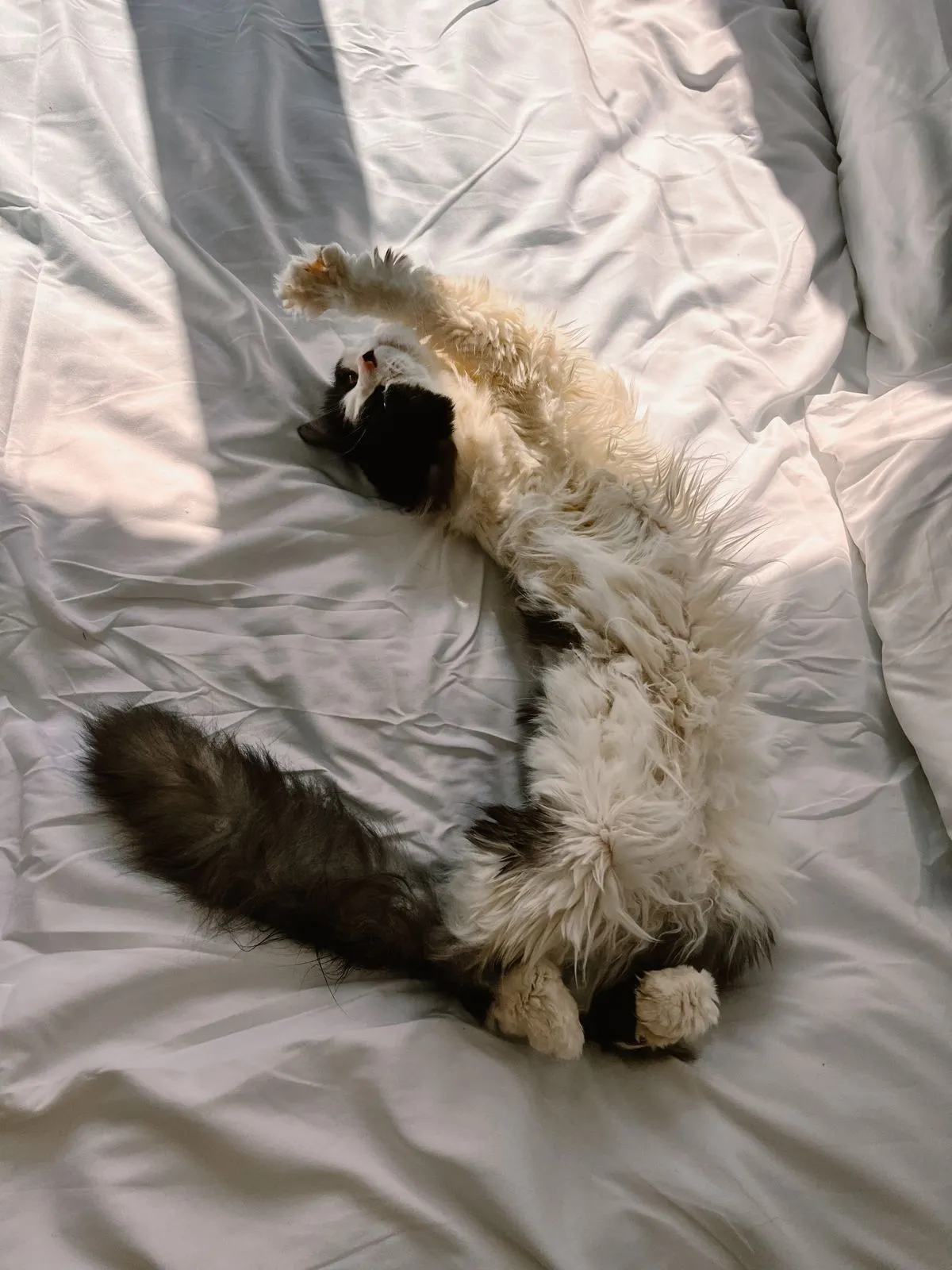
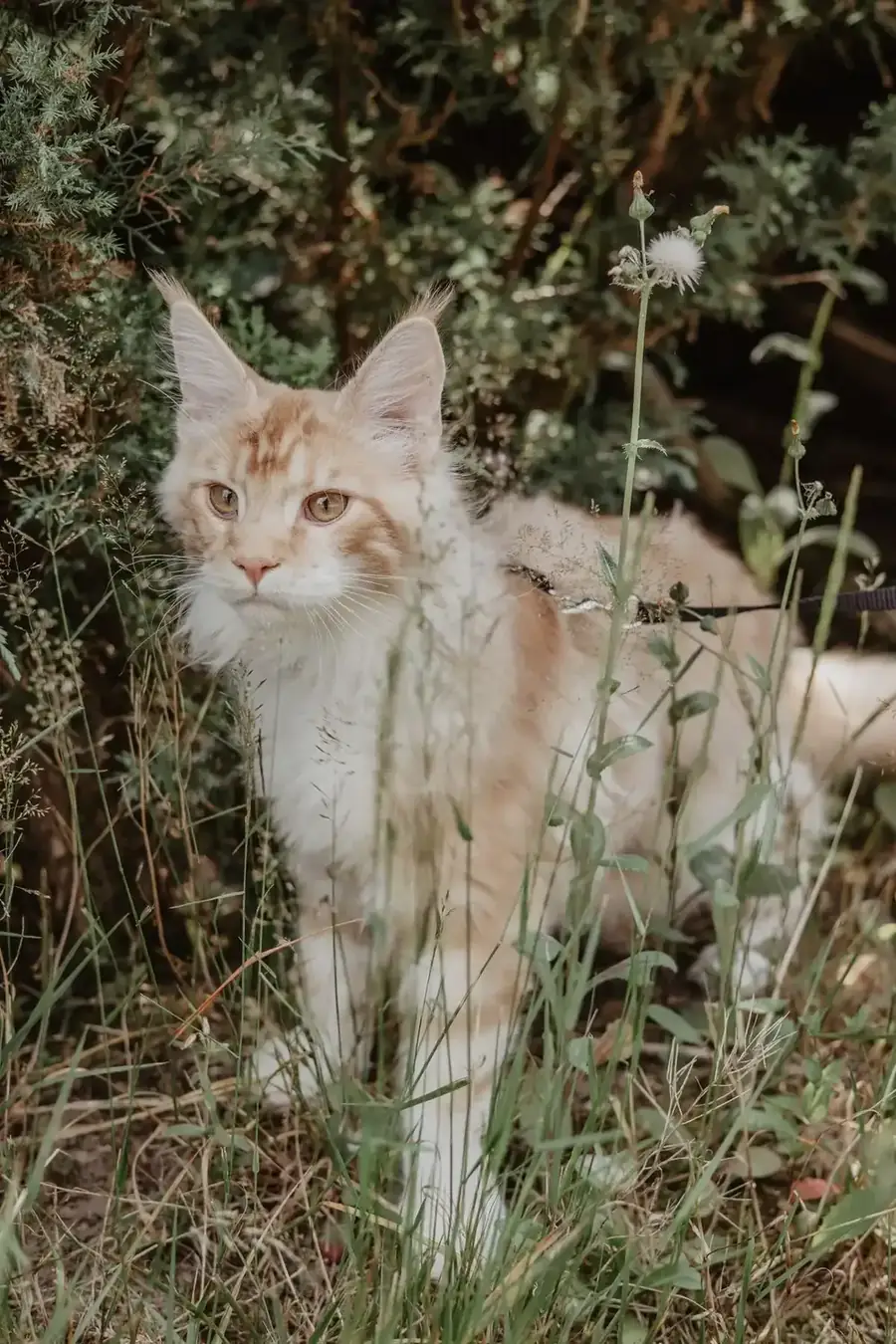
If your Maine Coon is under a year old and looks all legs and tail, take a breath — this is the most common reason owners worry about a Maine Coon underweight problem that is not a problem at all. Maine Coons grow famously slowly, maturing at three to five years old while most cats finish at around one. They gain height and length first and fill out later, so kittens go through a long, gangly phase: long body, oversized paws, narrow chest, not much bulk. Breeders call it the “all legs” phase: a six-month-old as long as an adult cat but half as substantial.
As a rough guide, published references put a six-month-old male at roughly 7 to 12 pounds and a female at roughly 5 to 8 pounds, with a year-old male around 13 to 18 pounds. What matters is the pattern, not the number: eating well, playing hard, gaining steadily, and growing longer and more muscular. A kitten doing all of that and still looking skinny is almost always just growing the Maine Coon way — length first, bulk later. But a kitten who stops gaining, loses weight, or goes off food needs a vet quickly: kittens have very little reserve. My Maine Coon growth timeline covers every stage.
Common Causes of a Maine Coon Being Underweight
When an adult Maine Coon is genuinely too thin, there is usually a reason. Not eating enough is the most common fixable cause: a food that suited them at one age may not suit them now, and in a multi-cat home a shy Maine Coon may eat less than you think because another cat guards the bowl — owners on Reddit often discover this only when they feed cats separately. See my feeding chart by age for what yours should eat at each age.
Stress and change can knock a sensitive cat off its food: a house move, a new baby, a new pet, or building work. My own cats have eaten less for days after a move, then bounced back. Dental pain is easy to miss — a cat with a sore tooth may approach the bowl, sniff, and walk away. Dropping food, chewing on one side, drooling, or bad breath alongside weight loss all point here. Parasites are a classic suspect when a cat eats normally but still loses weight, since worms steal nutrients first; a dull coat and loose stools strengthen the suspicion, and a faecal test settles it quickly.
Then there are the medical causes, the group that makes the vet visit non-negotiable. Hyperthyroidism speeds up metabolism so a cat loses weight even while eating well, and is more common in older cats. Diabetes can stop a cat from using the nutrients it eats. Kidney disease, inflammatory bowel disease and other gut problems can all cause gradual weight loss, and Maine Coons carry breed-specific risks including heart disease — my Maine Coon lifespan and health issues guide covers what to watch for as your cat ages. None of this is a diagnosis — just a map for your vet visit.
When a Skinny Maine Coon Is a Vet Visit, Not a Feeding Tweak
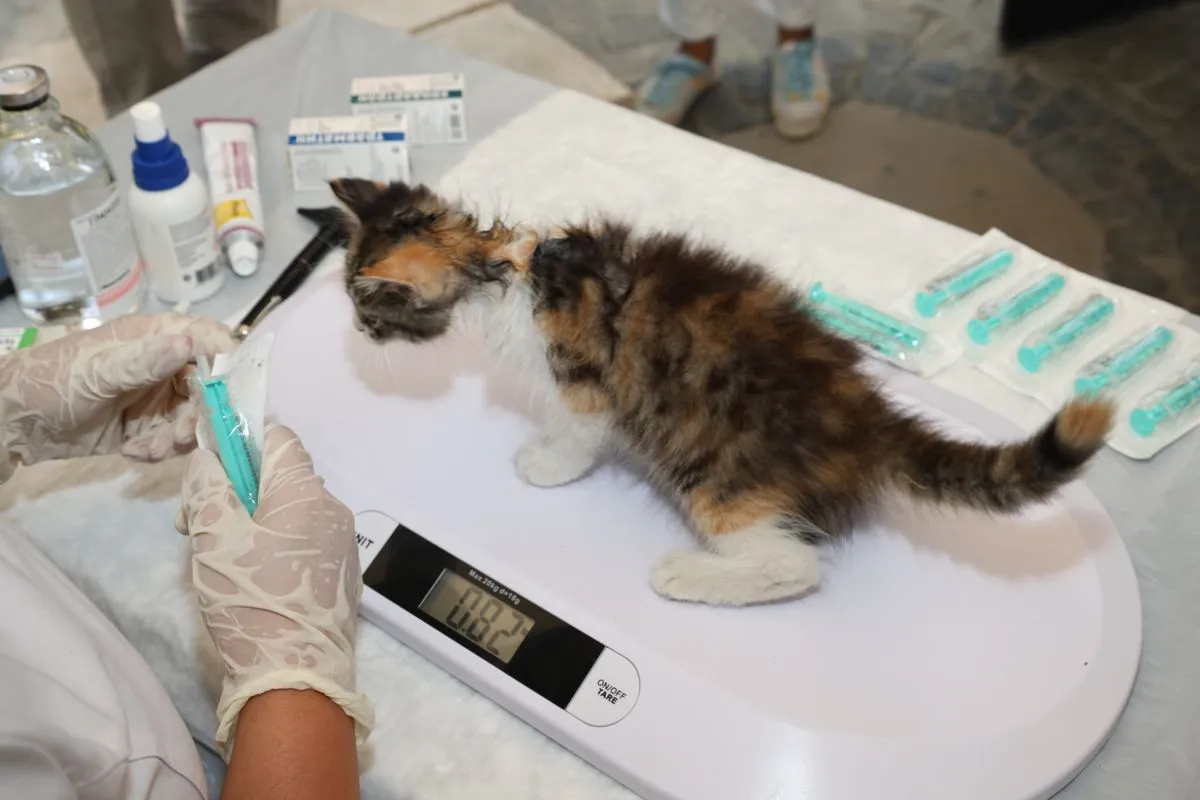
Some situations should not be handled with a bigger bowl of food. See a vet promptly if your Maine Coon has lost weight suddenly, or more than about 10 percent of body weight; has not eaten for more than 24 hours — cats who stop eating can develop serious liver problems, and this is urgent; eats normally, or even more than usual, but still loses weight; is lethargic, hiding, vomiting, or has diarrhoea that will not settle; drinks and urinates much more than usual; or has a dull coat, pale gums, or seems weak. A kitten who has stopped gaining needs a vet too.
A vet visit usually starts simply: a body condition score, a weigh-in, and questions about appetite, stools and routine, then possibly blood work, a urine test or a faecal test. That tells you whether it is a feeding problem or a health problem — and the answer changes everything. Do not try to fatten a cat up first: extra food will not fix a thyroid or kidney problem, and it can mask the symptom your vet needs. Read up beforehand at Cornell’s feline health resources and the VCA Hospitals cat care guides.
Seniors: older Maine Coons often lose muscle with age, but “old” is not a diagnosis — a senior losing weight still needs a vet check.
How to Help a Maine Coon Gain Weight Safely
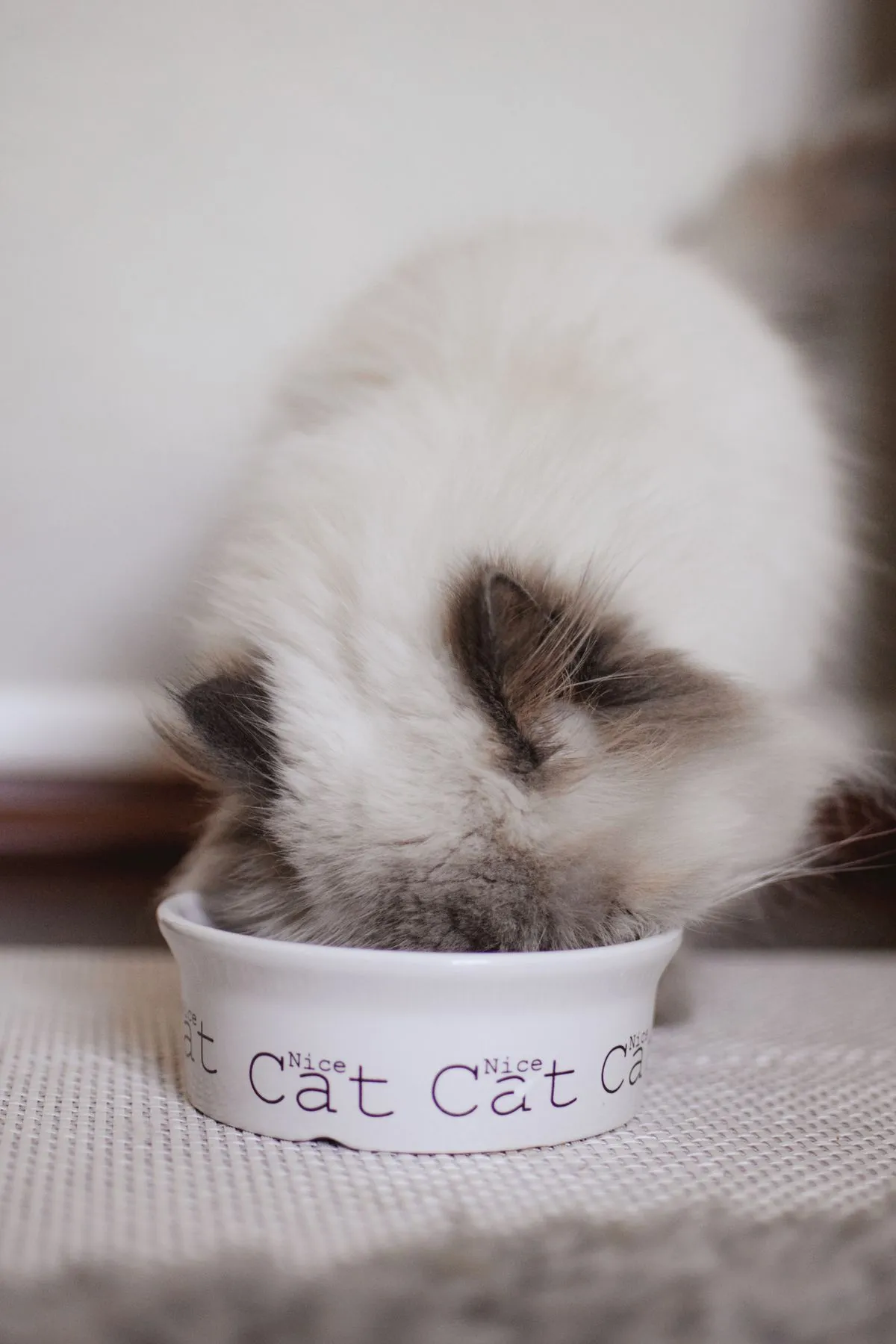
Once your vet has ruled out medical causes, you can work on healthy weight gain. The goal is muscle and condition, not just fat, and slow is the point — around 1 to 2 percent of body weight per week, so a 12-pound cat might gain roughly 2 to 4 ounces a week.
Feed a little more, gradually — increase slightly, reweigh after a week, and increase again only if nothing changed. Doubling portions usually ends in an upset stomach, not a heavier cat. Make the calories count: a high-quality, high-protein food with good fat does more than a bigger bowl of low-calorie food, and wet food helps because it is more calorie-dense per bite and many thin cats prefer it. Warming it slightly releases the smell and tempts reluctant eaters.
Feed little and often — three or four small meals beat one or two large ones — and measure the daily amount instead of topping the bowl up blindly. Feed separately if you have more than one cat: this is the fix nobody thinks of first and the one that solves the most cases. Give your thin cat a quiet spot of their own, away from the confident eater who finishes first and then “helps” with the other bowl. Gentle play builds the muscle that makes weight gain healthy rather than just soft. Weigh weekly on the same scale and photograph from above and the side monthly. If there is no improvement after a couple of weeks, go back to the vet rather than pushing portions higher — and never reach for high-calorie supplements, appetite stimulants or a diet switch without talking to a vet first.
What Healthy Looks Like, Long Term
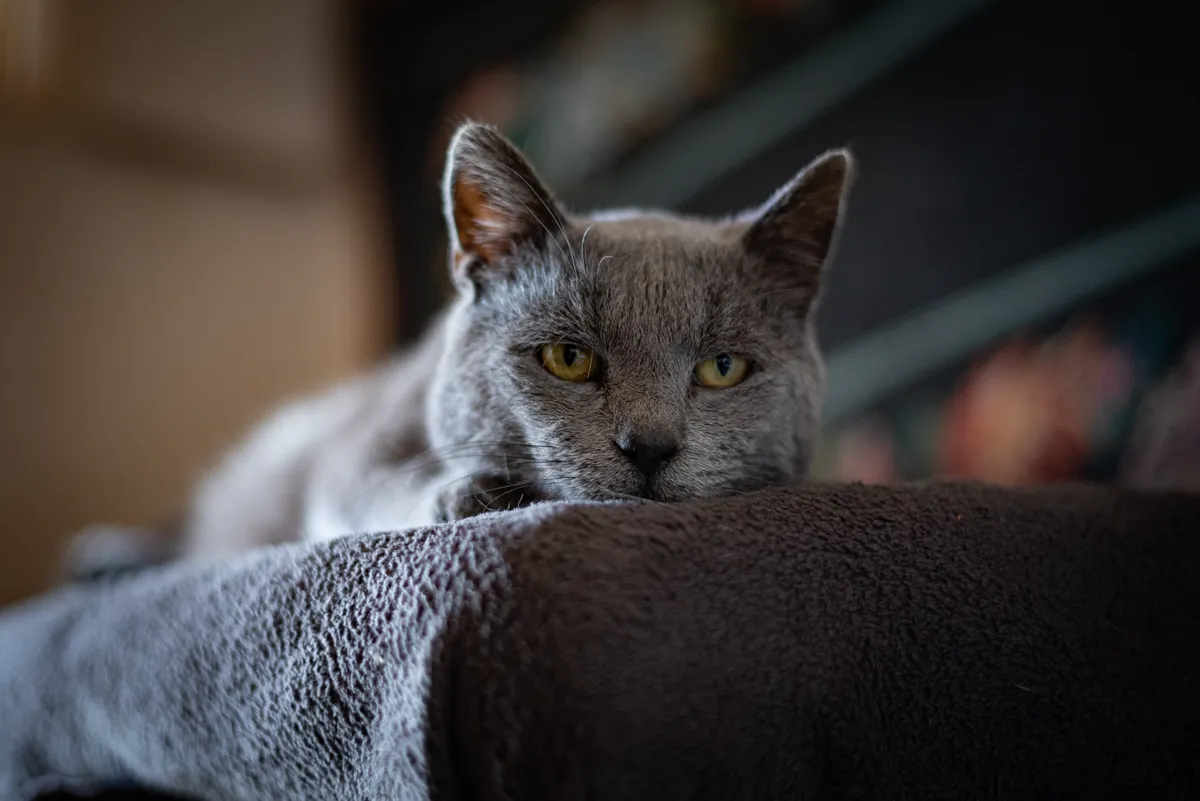
If your Maine Coon is underweight, you are not a bad owner — you noticed, and noticing early is the whole game. Learn the hands-on checks, weigh monthly, and let your vet rule out medical causes before you reach for the food scoop. Most thin Maine Coons are one of three things: a kitten in its lanky phase, a cat who needs a little more food or a quieter bowl, or a cat whose body is quietly asking for a vet’s attention. Now you know how to tell which one is yours.
Frequently Asked Questions
How can I tell if my Maine Coon is underweight?
Use your hands, not your eyes — the coat hides the body. You should feel the ribs easily under a thin layer of tissue without seeing them clearly at rest, and the spine and hips should be feelable but not sharp. A body condition score of 3 or below on the 1-to-9 scale is underweight; your vet can confirm it in seconds.
Is it normal for a Maine Coon kitten to look skinny?
Yes, very often. Maine Coons gain length before they fill out, so kittens and young adults between about four months and two years commonly look long, leggy and lean — the “all legs” phase. If your kitten eats well, plays, and gains steadily, a skinny look at this age is usually normal. A kitten who stops gaining or goes off food needs a vet.
What weight should a Maine Coon be?
There is no single correct number: TICA lists mature males at around 13 to 18 pounds and females at around 9 to 13 pounds, and the CFA notes males can reach or exceed 20 pounds. Body condition and the weight trend matter far more than any one weigh-in.
What causes a Maine Coon to lose weight?
Common causes include eating too little, stress or household change, dental pain, parasites, and medical conditions such as hyperthyroidism, diabetes, kidney disease or gut problems. A cat who eats normally but still loses weight, or stops eating entirely, should see a vet promptly rather than just getting more food.
How do I help my Maine Coon gain weight safely?
After a vet has ruled out medical causes, increase portions gradually, choose a high-quality high-protein food, feed smaller meals more often, and feed your cat separately from other pets. Aim for a slow gain of around 1 to 2 percent of body weight per week and weigh weekly; if there is no improvement after a couple of weeks, go back to the vet.