Is a Maine Coon Right for First-Time Cat Owners? An Honest Guide
I will be honest from the first paragraph, because nobody was quite this honest with me: a Maine Coon can be a wonderful first cat, and it can also be the wrong first cat. The difference has almost nothing to do with how much you love cats, and everything to do with whether you are ready for the grooming, the size, the cost, and the sheer amount of company this breed expects. If you are weighing up maine coon first time owners questions, this is the conversation I wish someone had sat me down for before I brought my first gentle giant home.
I am not going to sell you the dream here. The dream is real — if you want the positives, my list of the reasons Maine Coons make such good pets is the place for that. This article is the other half: the work, the fur, the bills, and the honest self-check.
Maine Coon First Time Owners: The Honest Verdict
Yes — for the right first-timer. Owners on Reddit and in Facebook groups say the same thing: the temperament is the easy part. Maine Coons are patient, forgiving of beginner mistakes, and happy to be handled and brushed while you are still learning. Breeders on YouTube agree, and add the part that matters: the learning curve is not the cat’s personality. It is the coat, the size, and the schedule.
So I say yes, with one big condition: go in knowing the daily reality, and you will probably love it. Choose one for the photos and assume a cat is a cat, and the first three months will be a shock — nearly every experienced owner says the same thing: I knew they were big, I just did not realise how big.
What First-Timers Underestimate Most: The Grooming
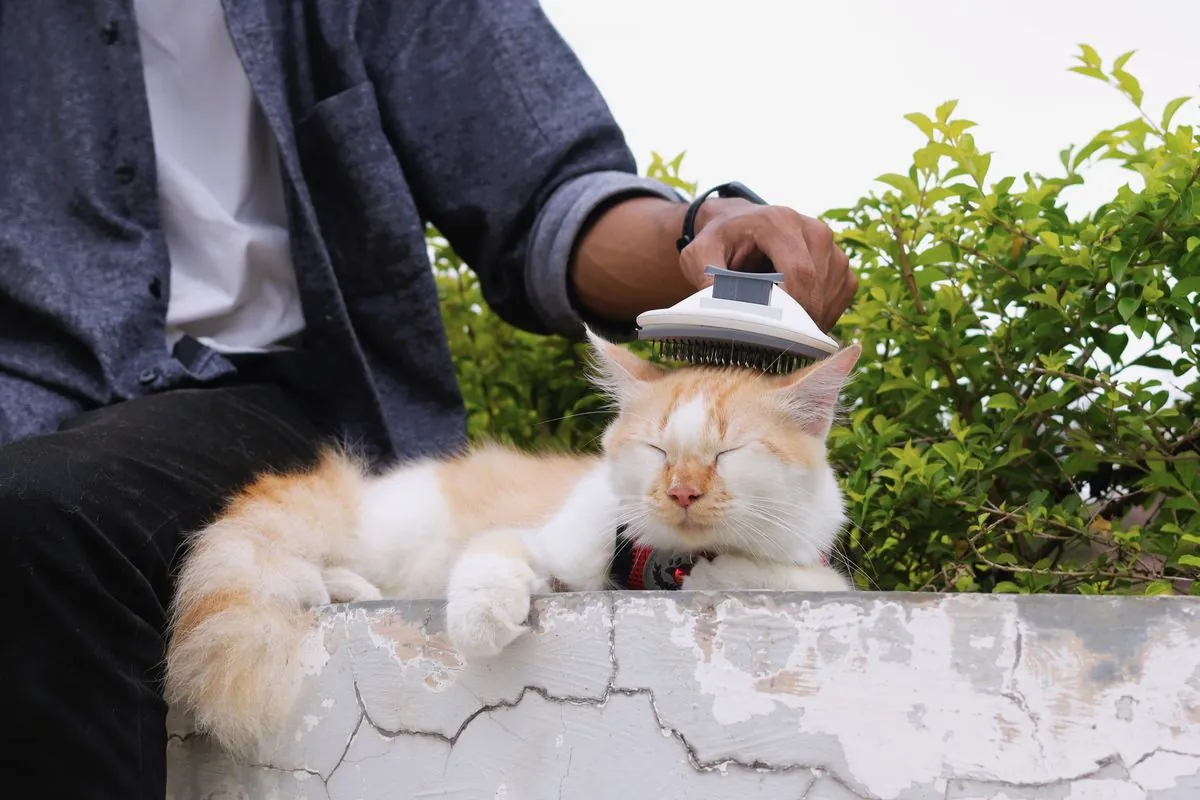
This is the single biggest reason first-time owners struggle. A Maine Coon coat is not wash-and-go: a semi-long, shaggy double coat that tangles behind the ears, under the armpits, along the belly, and on the back legs. Skip brushing for a couple of weeks and you will find mats, and mats on a large cat are not a small job to undo.
The realistic routine is brushing two to three times a week at minimum, and daily during the spring and autumn coat changes. Owners on Reddit describe the seasonal shed with weary humour: fur on every surface, a brush full of hair after five minutes. Breeders on YouTube give the same advice I would — start when they are tiny kittens, make it a cuddle with treats, because an adult Maine Coon never taught to accept brushing is a very large animal with a very strong opinion about it.
The good news is that most Maine Coons enjoy brushing once they are used to it, and it becomes ten quiet minutes of bonding. But it has to happen several times a week, for the next twelve to fifteen years. Ask yourself honestly: will I still do this on a tired Tuesday night in February? If not, that is useful information, and a shorter-haired breed may suit you better. A steel comb and a slicker brush will do most of the work — just comb right down to the skin, because mats hide in the undercoat, and deal with any mat early, while it is still small.
The Size Is Not a Detail, It Is a Lifestyle
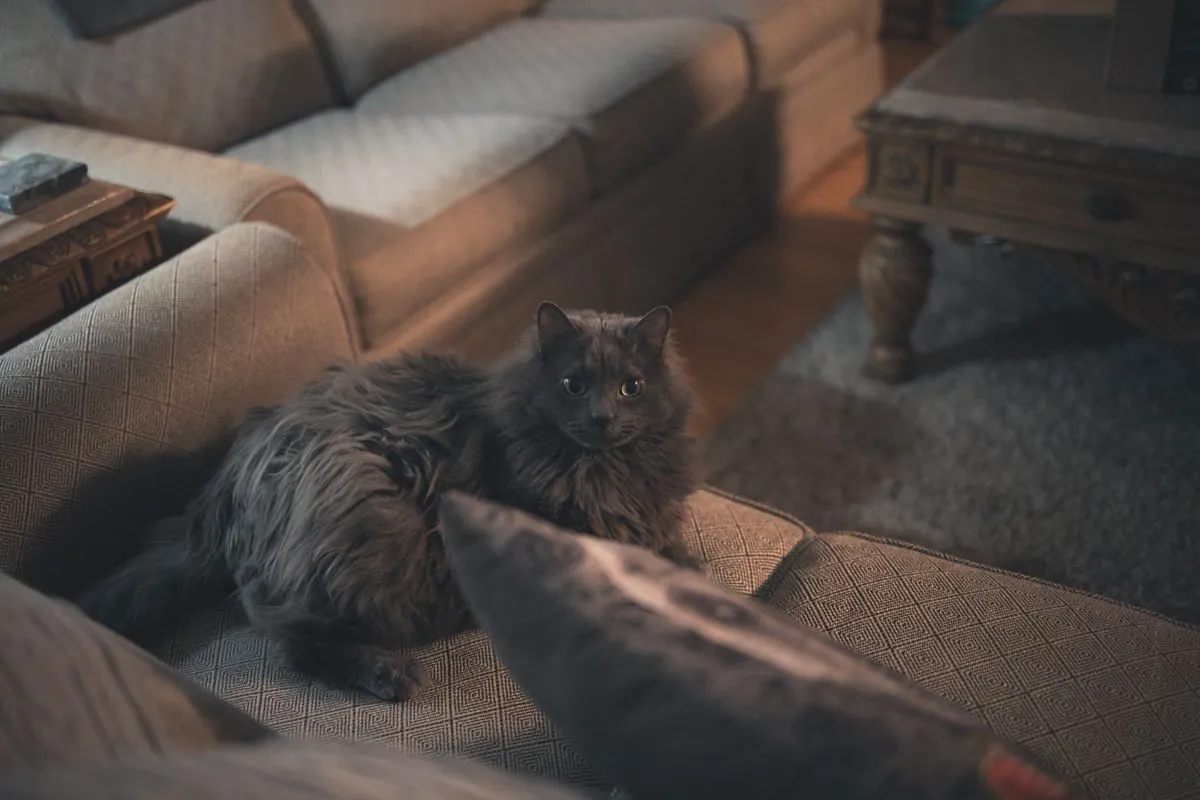
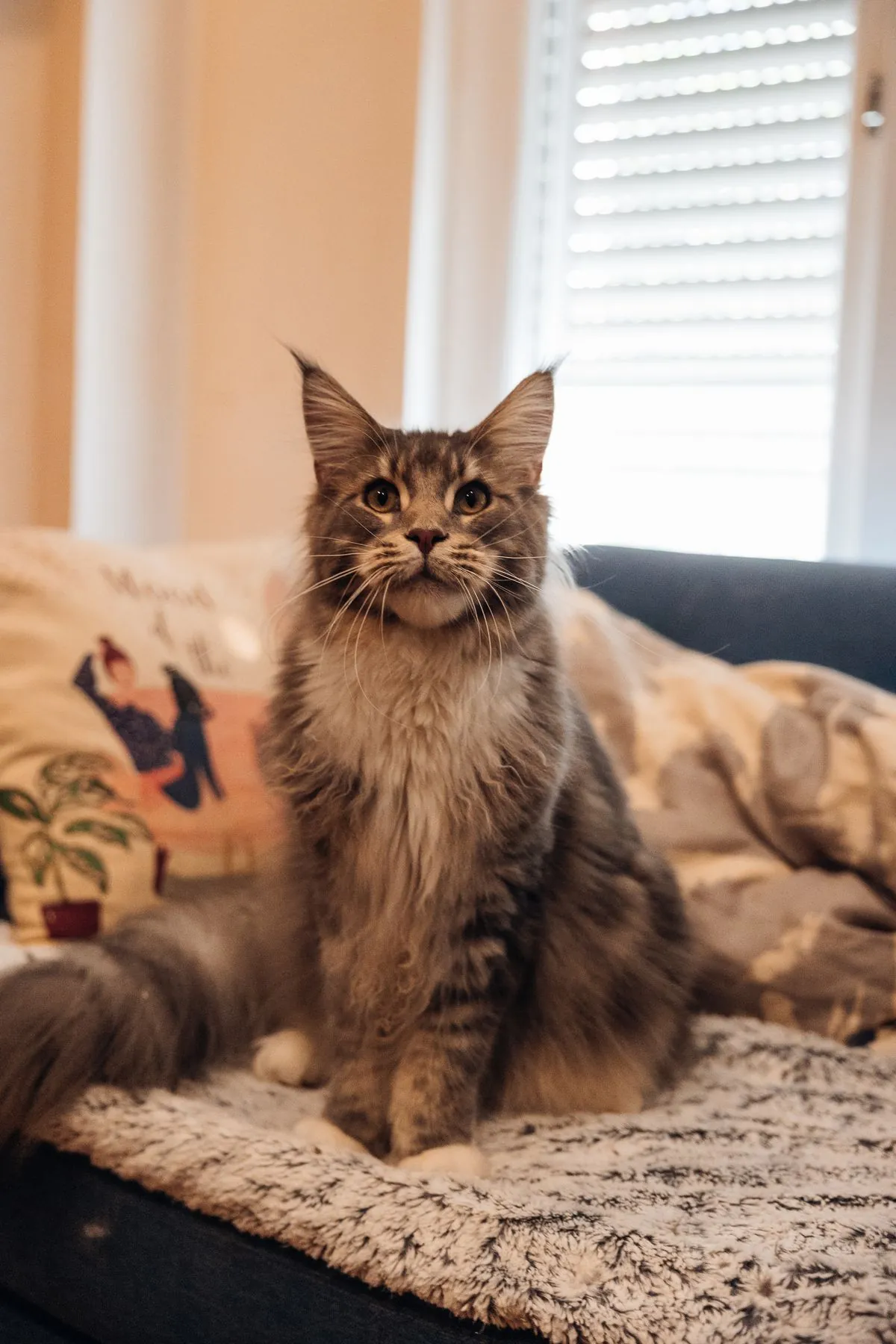
A Maine Coon is one of the largest domestic cat breeds, and the Cat Fanciers Association calls it the largest of all pedigreed cats. Adult males commonly weigh 13 to 18 pounds, and it is not unusual for a mature male to reach or exceed 20 pounds. Females are smaller, usually around 8 to 12 pounds. Stretched out nose to tail, many measure 30 to 40 inches, and the breed holds the record for the longest domestic cat.
That size changes ordinary things: an extra-large litter box, a tall heavy scratching post that will not topple, a wide-based cat tree, the big carrier, higher food bills, and vet medication dosed by weight.
Then there is the growth timeline. Most cats are done growing by their first birthday, but a Maine Coon keeps growing for three to five years, so the gangly, kitten-brained phase lasts far longer than you expect. A two-year-old can still be all legs and all curiosity, in a body already bigger than most cats will ever be. The calm comes. It just arrives slowly.
The Cost: More Than the Kitten Price
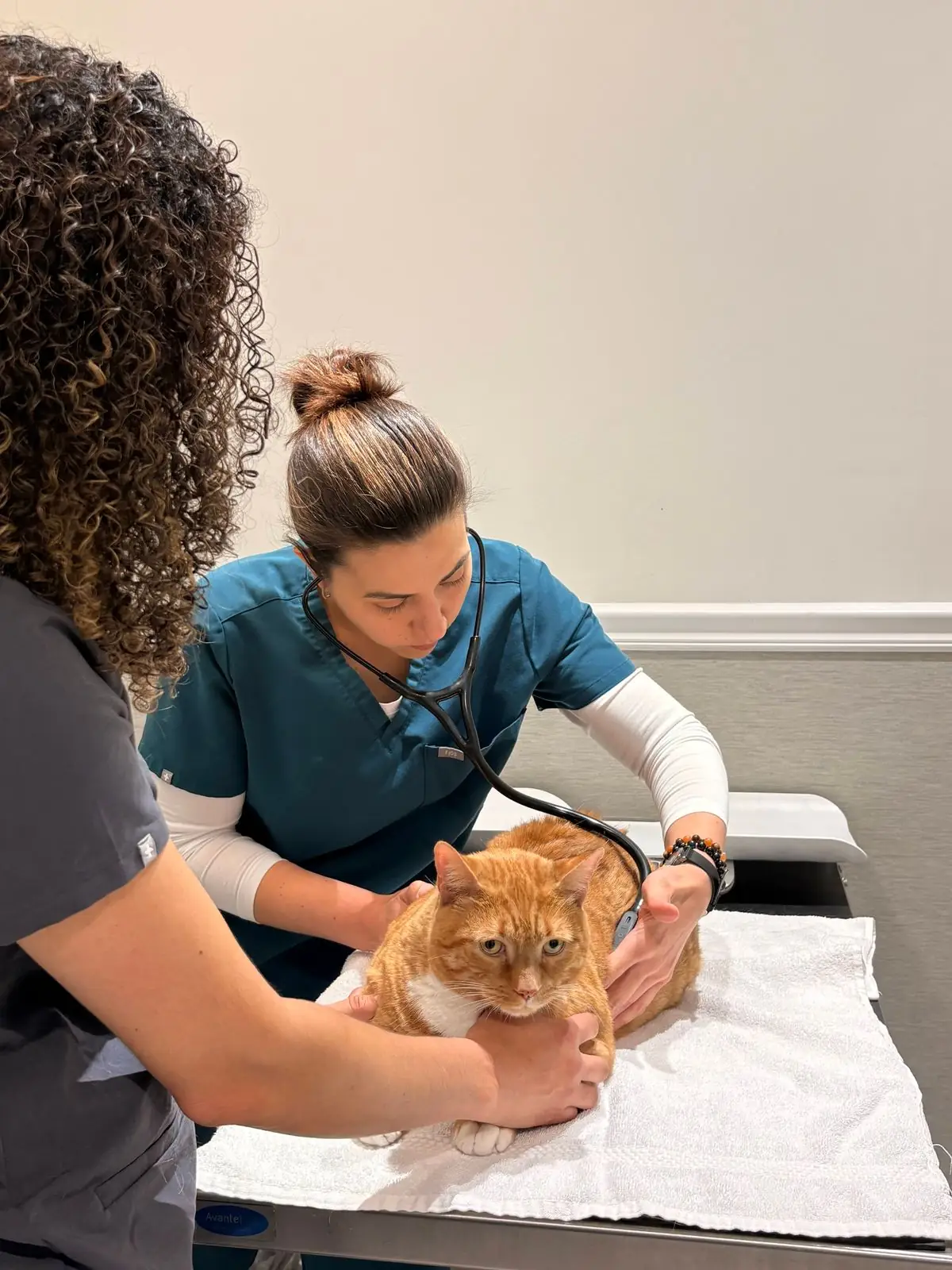
Everyone asks about the kitten price, but it is the smallest part of the story. Kittens from reputable, health-tested breeders commonly run from around $1,000 to $2,500, with show lines higher, and I have broken down the full first-year picture in my Maine Coon price guide. What first-time owners underestimate is everything after the purchase: food for a large cat every month, oversized supplies, grooming tools, routine vet care, and the health screening this breed genuinely needs.
Maine Coons carry a known predisposition to hypertrophic cardiomyopathy, or HCM, a thickening of the heart muscle. Cornell University’s College of Veterinary Medicine explains that HCM is the most common heart disease of cats and is more prevalent in breeds including the Maine Coon. Responsible breeders screen their breeding cats with heart ultrasound and genetic testing — ask to see the results in writing before you pay, and walk away if they cannot show them. Pet insurance is worth a serious look too, because a single cardiac emergency without cover can run into thousands.
The Time and Company They Expect
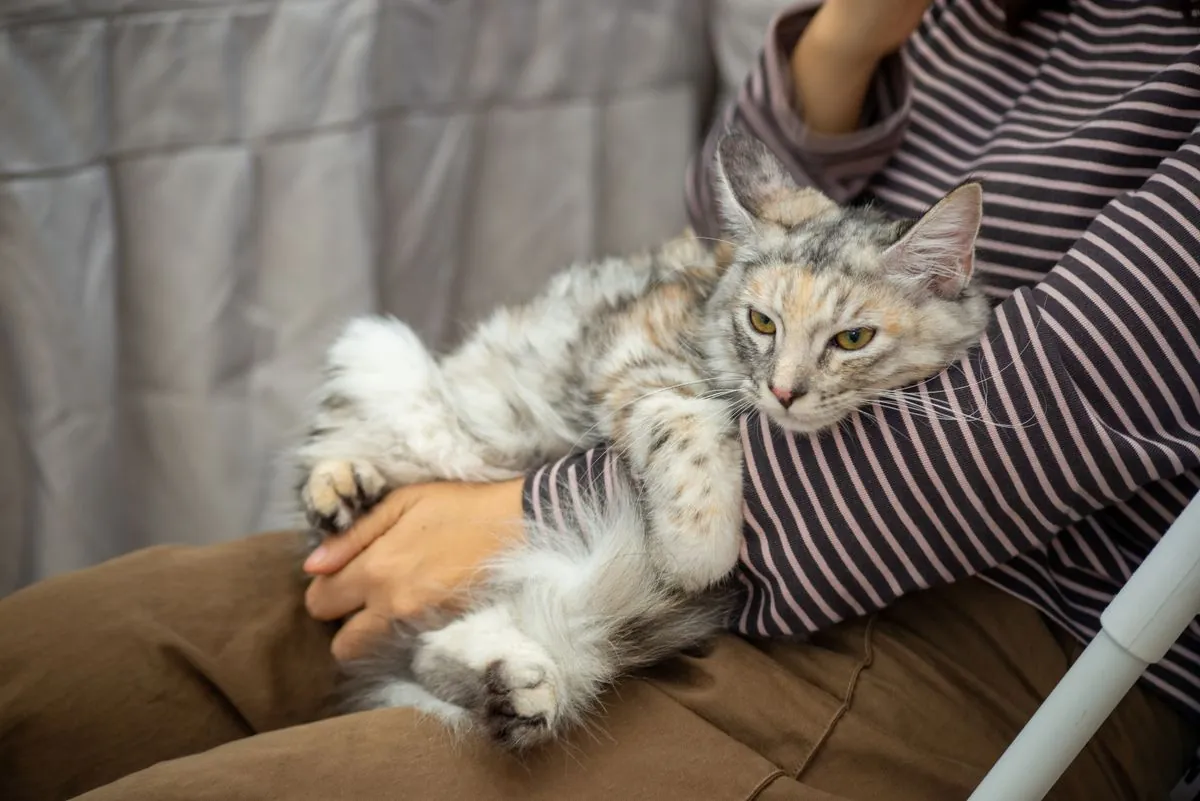
Here is the part the photos never show. Maine Coons are famously social: they follow you from room to room, supervise your work, greet you at the door, and want to be part of whatever you are doing. That is why so many people love them — and why they are not the right first cat for someone out twelve hours a day who wants a pet that barely notices.
If you are a first time cat owner, Maine Coon life with long work hours needs a plan: predictable routines, real playtime morning and evening, and ideally another pet or a trusted person for company. A bored, lonely Maine Coon will find its own entertainment — usually your curtains or kitchen counter. Ten minutes of play a day is not enough. The trade-off is a forgiving nature: Maine Coons communicate clearly and usually take to litter training, carrier training, and household routines without much fuss.
Who Should Wait
I would rather talk someone out of a Maine Coon today than watch them rehome one in a year. Wait, or choose a different first cat, if any of these sound like you: you want a low-maintenance pet; you are away from home most of the day and evening, with nobody else around; your budget is already stretched by the kitten price alone; someone in the house has a serious cat allergy — Maine Coons are not hypoallergenic; your space has no room for a large litter box, a tall scratching post, and a sturdy cat tree; or you are unsure about a fifteen-year commitment, since a healthy Maine Coon can live twelve to fifteen years.
None of this is a judgement. Waiting a year, saving properly, or starting with a different breed means you chose well.
A Self-Check Before You Decide
Answer these honestly, not hopefully. If you can say yes to most of them, you are probably ready. I can brush a cat two to three times a week, every week, for years, and daily during shedding season. I am comfortable with fur on my clothes, my sofa, and my floors. I can afford the kitten, the setup, good food, routine vet care, and a cushion for emergencies. Someone is home most days, or I have a realistic plan for company and play. I have room for an extra-large litter box, a tall scratching post, and a proper cat tree. I will ask a breeder for HCM and hip screening results in writing, and walk away if they cannot provide them. I accept my kitten will keep growing for three to five years. And I want a cat that follows me around and talks to me, not one that keeps to itself. If several made you wince, believe the wince.
The First Month: What It Actually Feels Like
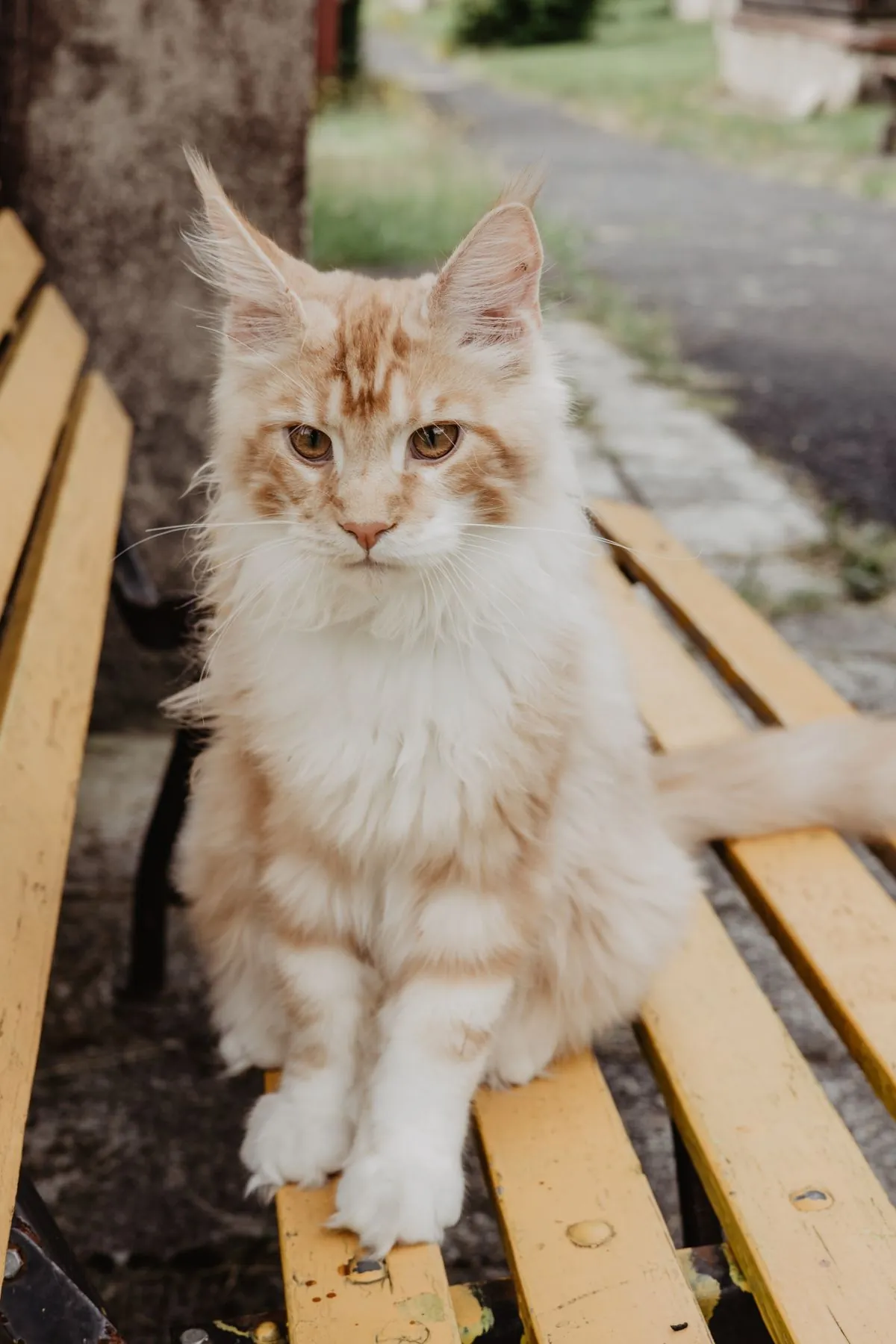
If you do go ahead, here is what the first month is really like, so nothing shocks you. The first few nights, your kitten may cry, hide, or both — that is normal. Keep them in one quiet room with bed, food, water, and litter box, and let them come to you. My guide to the first thirty days of kitten care walks through this step by step; the short version is: patience beats fussing.
Start grooming in week one, gently, with treats — you are training the adult. Book the first vet visit early and bring the breeder’s health records. Expect zoomies at midnight and something knocked off a shelf — and the moment, usually around week two or three, when this big-footed little creature climbs into your lap and starts purring like a small engine.
The first month is also when you learn your cat’s personality. My guide to Maine Coon personality traits covers the breed’s gentle, sociable side, but every cat is an individual — some are lap cats, some are shoulder cats, some just want to sit near you and supervise. Let them choose.
Frequently Asked Questions
Are Maine Coons good for first-time cat owners?
Generally, yes. Their patient, forgiving temperament makes them one of the more beginner-friendly pedigree breeds. The learning curve is grooming, size, and cost, not behaviour — be prepared for those, and most first-timers adjust well within a few months.
How much grooming does a Maine Coon need?
Brush two to three times a week as a minimum, and daily during the spring and autumn shedding seasons. The coat mats behind the ears, under the armpits, and on the belly if neglected, so a steel comb that reaches the undercoat matters more than a quick brush over the top.
How big do Maine Coons get, and how fast?
Adult males commonly weigh 13 to 18 pounds, sometimes over 20, and females are usually 8 to 12 pounds. They keep growing for three to five years, so do not expect your one-year-old to be finished growing. Check the International Cat Association breed page for the official standard.
How much does a Maine Coon cost in the first year?
Kittens from reputable breeders commonly cost $1,000 to $2,500, and the first year adds food, vet care, screening, and large-size supplies. See my Maine Coon price guide for the full breakdown.
Should I get a Maine Coon if I work full time?
It can work if you have a plan for company and play, such as another pet, a partner at home, or a sitter. But if the house is empty for twelve or more hours a day with no company at all, this sociable breed is not the best fit, and you should wait until your schedule allows it.
My Honest Bottom Line
A Maine Coon is not a starter pet you buy on impulse. It is a large, social, long-haired companion that will follow you around the house, shed on everything you own, demand your time, and pay you back with a loyalty owners everywhere describe in the same words: worth every minute of it.
If you read this and thought, I can do that, and I want to — then yes, a Maine Coon can be a wonderful first cat. If you felt a quiet relief at having a reason to wait, trust that feeling too. The right cat at the right time is a joy, and researching before you decided was the right move.