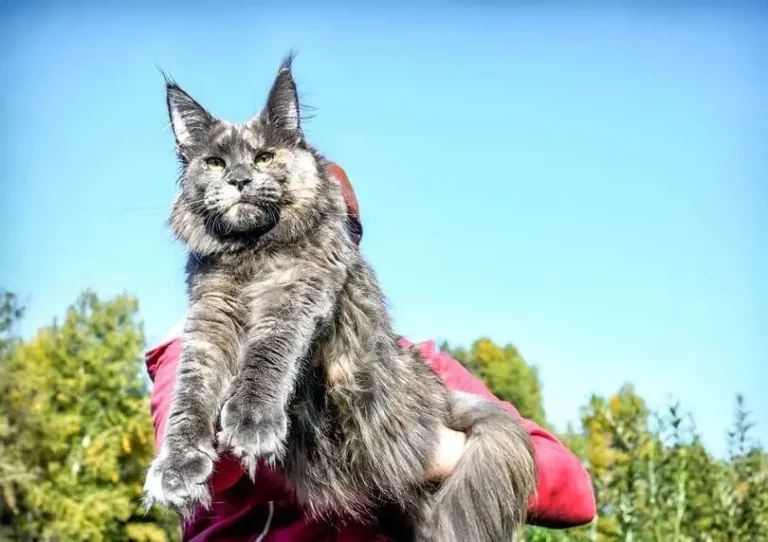
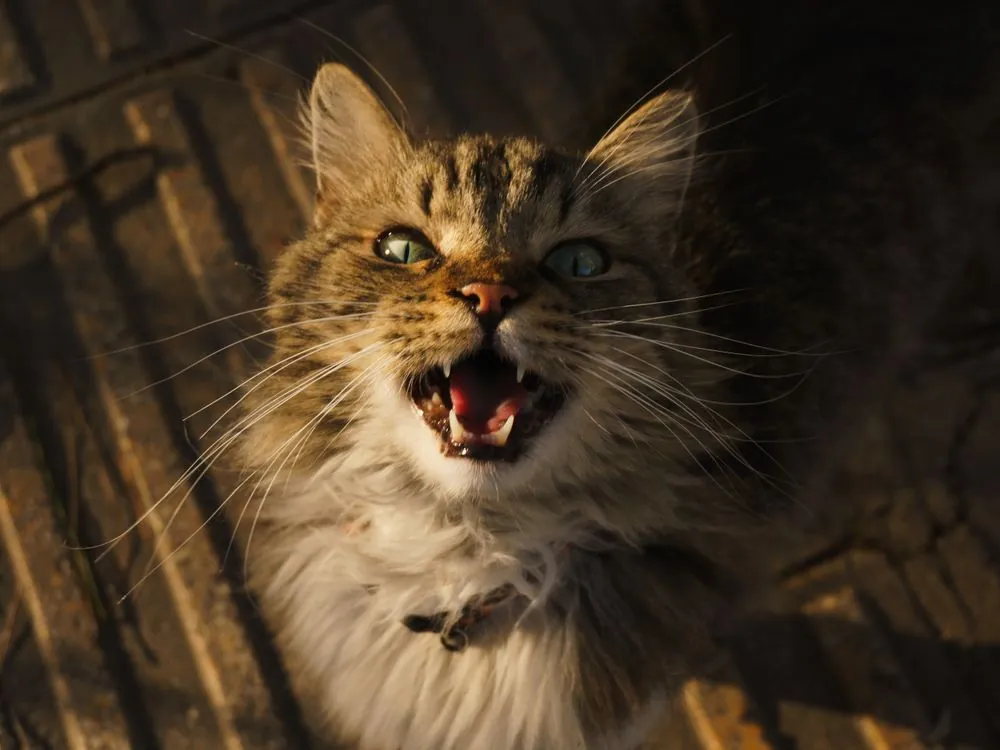
Why Does My Maine Coon Meow So Much? Reasons and What to Do
The first morning my Maine Coon discovered he could hold a conversation, I stood in the kitchen while he sat on the stairs and told me about his night. If you have found yourself asking why does my Maine Coon meow so much, I know exactly how that morning feels. You love the cat. You just want to know whether all that talking is normal, whether he wants something, or whether something is wrong. Most of the time it is the first two.
Why Does My Maine Coon Meow So Much? The Short Answer
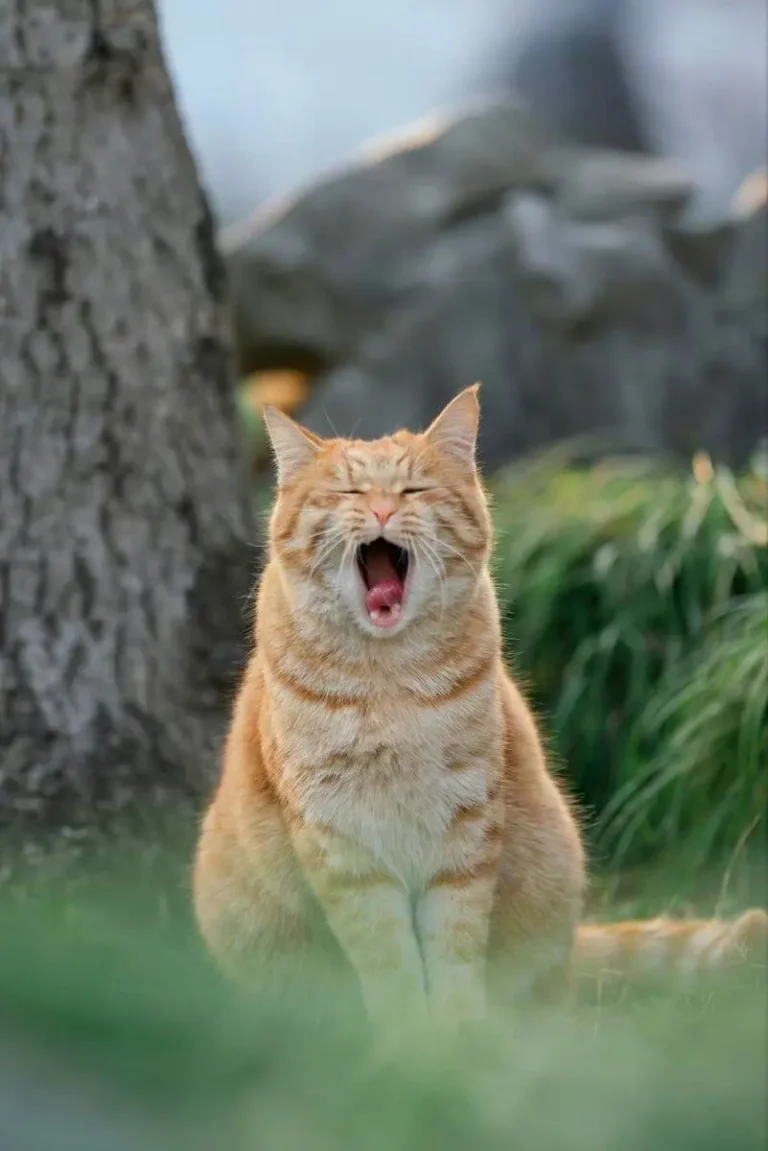
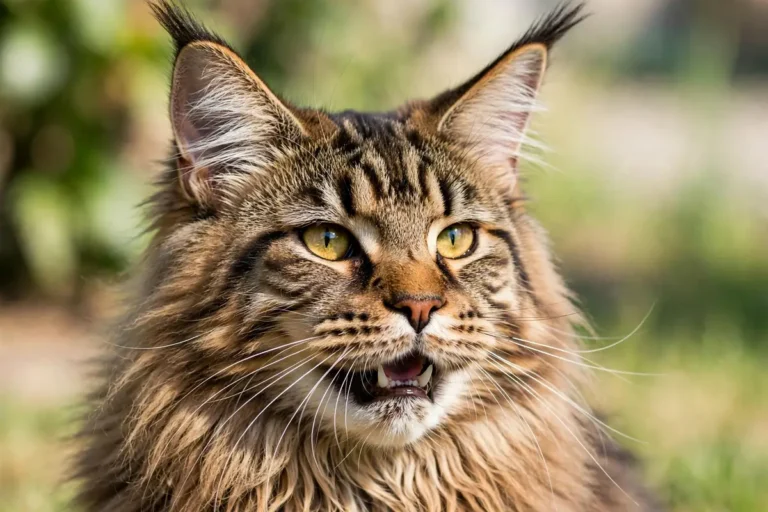
A Maine Coon meows a lot because this breed talks. Meowing is the sound adult cats keep almost entirely for people. Mine meows to say hello, ask for food, complain about a closed door, and narrate his walk from sofa to window. That is normal for the breed.
What matters is not how much your cat meows, but whether the meowing has changed. A cat who has always greeted you with a breakfast speech is a different story from a quiet cat who suddenly cries all day, or whose meow has turned hoarse or desperate. Learn your cat’s normal first, and the changes will stand out.
First, the Breed Baseline: Maine Coons Are Chatty
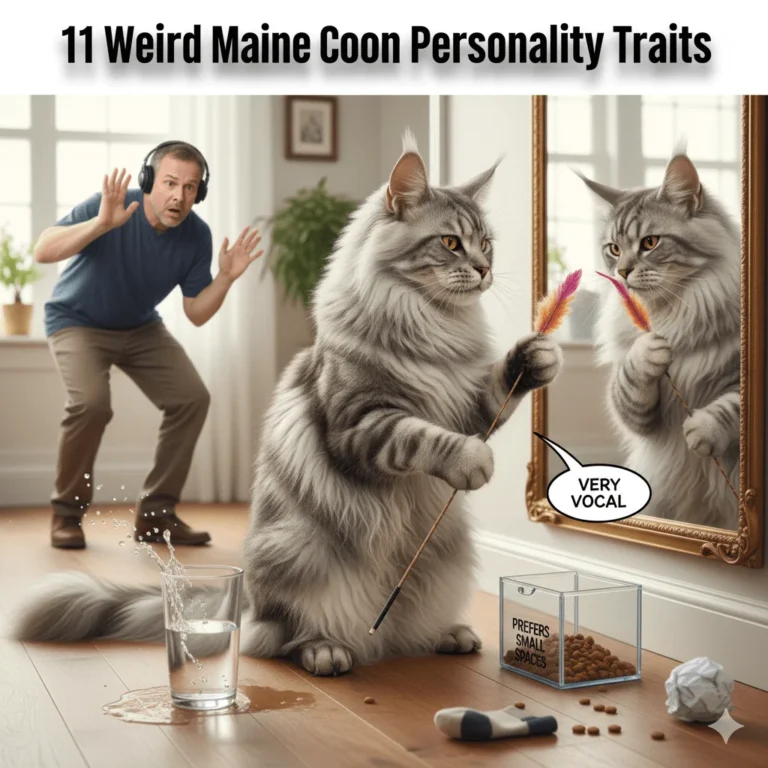
Before I owned one, I read that Maine Coons were gentle and quiet. Gentle, yes. Quiet, not in my house. The Cat Fanciers’ Association describes the breed as sociable and people-oriented, and that shows up in the noise level. Mine follows me from room to room, commenting on the journey. Owners on Reddit say the same: their Maine Coons answer back when spoken to, meow at the door and the food cupboard, and keep up a running chat all day. One owner put it as I would: people who say Maine Coons do not often meow simply have not met hers.
Social media tells the same story. A Facebook reel of a big tabby Maine Coon meowing on a staircase drew hundreds of comments from owners laughing in recognition, and an Instagram clip of 25 seconds of solid meowing, chirping, and trilling was captioned as simply what owning a Maine Coon sounds like. If your cat sounds like that, you are not alone.
One distinction is worth making early: much of what sounds like meowing is actually chirping and trilling, the short musical sounds Maine Coons are famous for. I have written about those separately in Why Do Maine Coons Chirp and Trill? Decoding the Sounds, because they mean something different from a plain meow. What counts here is the meow itself, the open-mouthed sound aimed directly at you.
Hunger, Thirst, and the Kitchen Meow
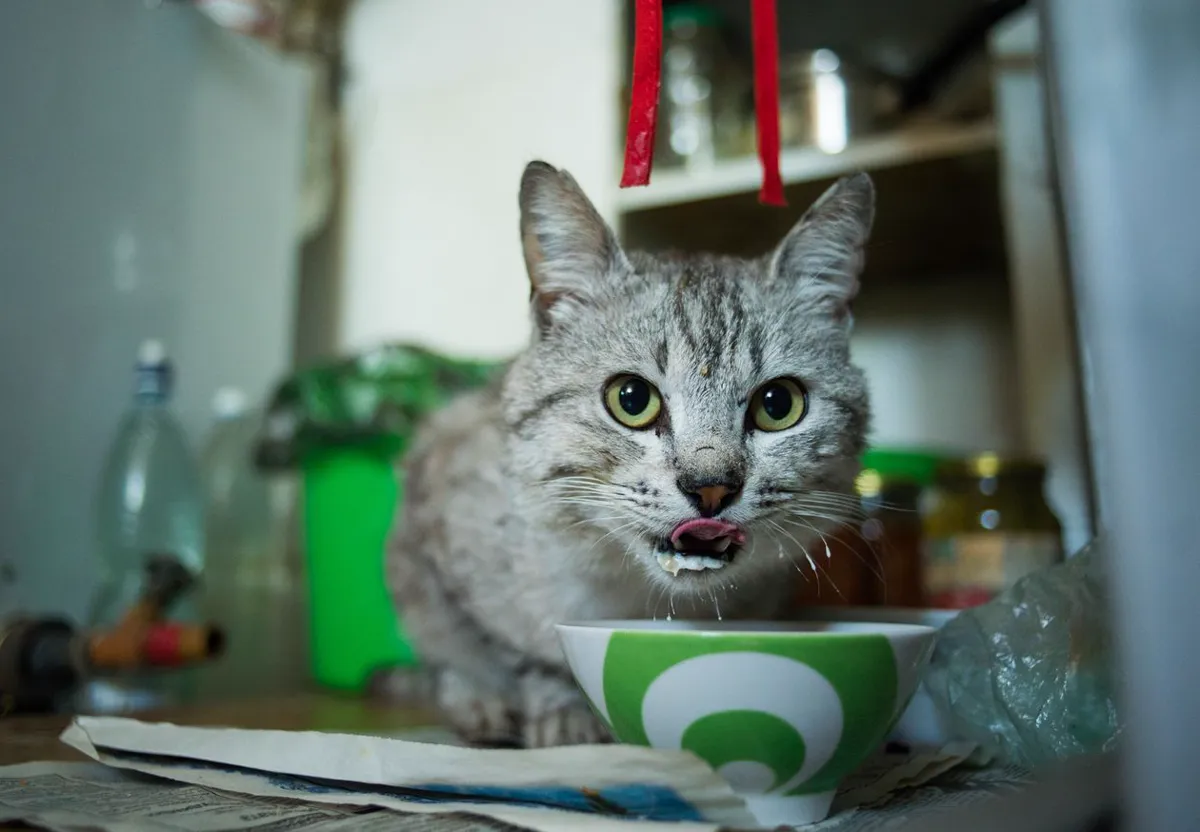
The most common reason is also the simplest: food. The kitchen meow is persistent, and your cat will come and find you if you do not drop everything and come running. Owners on Reddit joke about the same four meows: feed-me-now, let-me-in, give-me-some-attention, and hello-you-are-home. The feed-me-now one is the loudest of the lot.
Maine Coons are big cats with big appetites and learn feeding times to the minute; mine starts his breakfast speech ten minutes early. Check the basics first: food, fresh water, and whether the bowl has been moved. A cat meowing next to an empty water bowl is not being dramatic. He is thirsty.
Hunger with weight loss is different: a cat who eats well and holds his weight is probably just telling you dinner is late, while one who begs constantly, eats more, and still gets thinner needs a vet, not a bigger bowl.
Attention, Boredom, and Loneliness
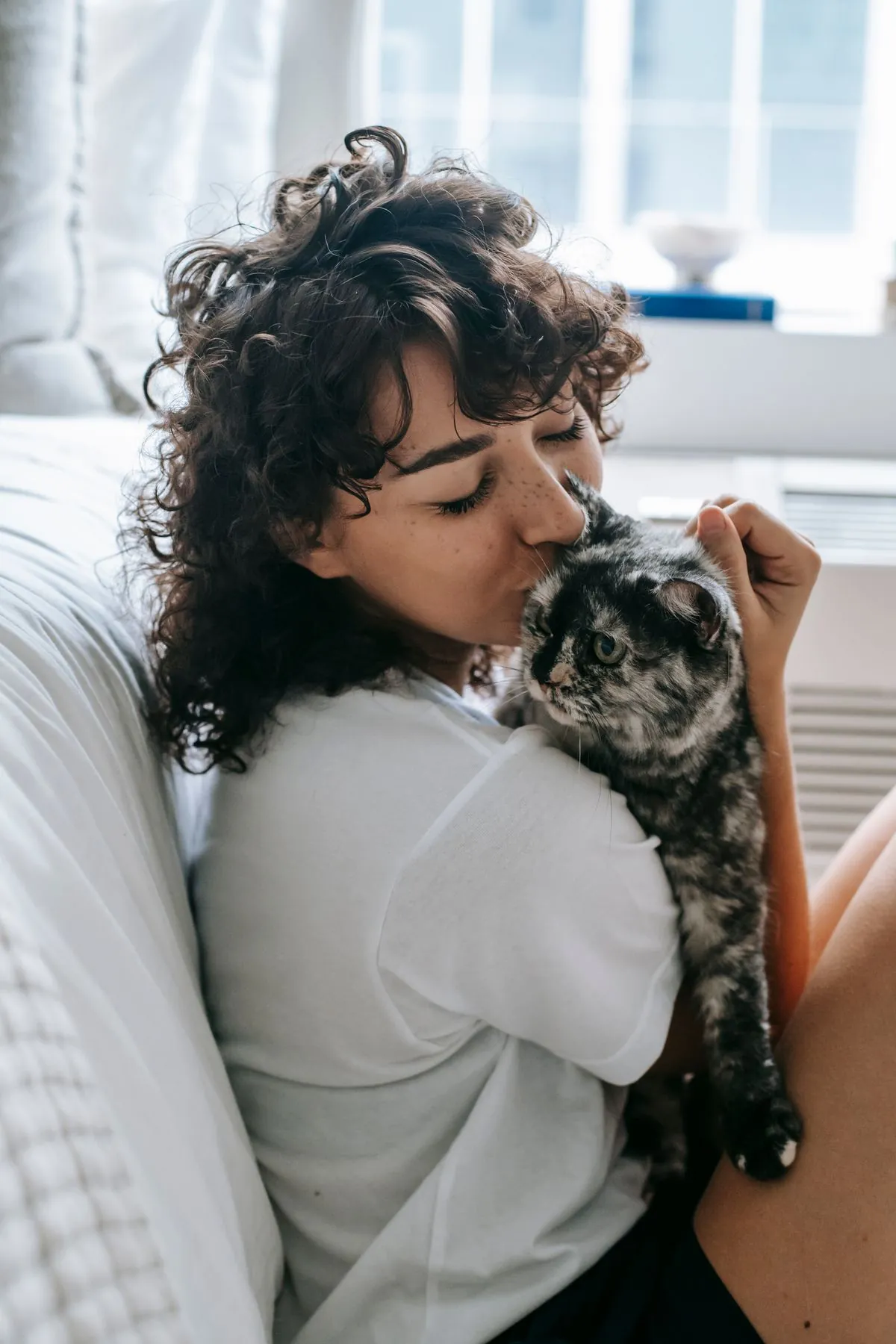
Maine Coons are dog-like about company. Mine supervises me while I work, which is sweet until I settle on the couch with my laptop and he decides the laptop is less interesting than he is.
Boredom drives a lot of daytime meowing. These are clever cats, and a clever cat with nothing to do invents a job, usually talking at you. Owners on Reddit say their Maine Coons get vocal when the house goes quiet or the toys are all under the sofa. A short play session often ends the speech faster than anything else.
Loneliness is the harder version of the same thing. Maine Coons do not cope well with long stretches alone, and some meow the moment you come home as though filing a complaint. If your cat is alone all day, the evening meowing may be a cat saving up conversation. A second cat is not a cure-all, but company and routine help.
There is a trap I fell into myself: if every meow earns a treat, a cuddle, or a game, your cat learns that meowing works. Mine trained me beautifully in his first year. Now I wait for a quiet moment, and give him attention when he is calm rather than mid-speech. It takes patience, and it does not work overnight.
Stress, Change, and the Closed Door
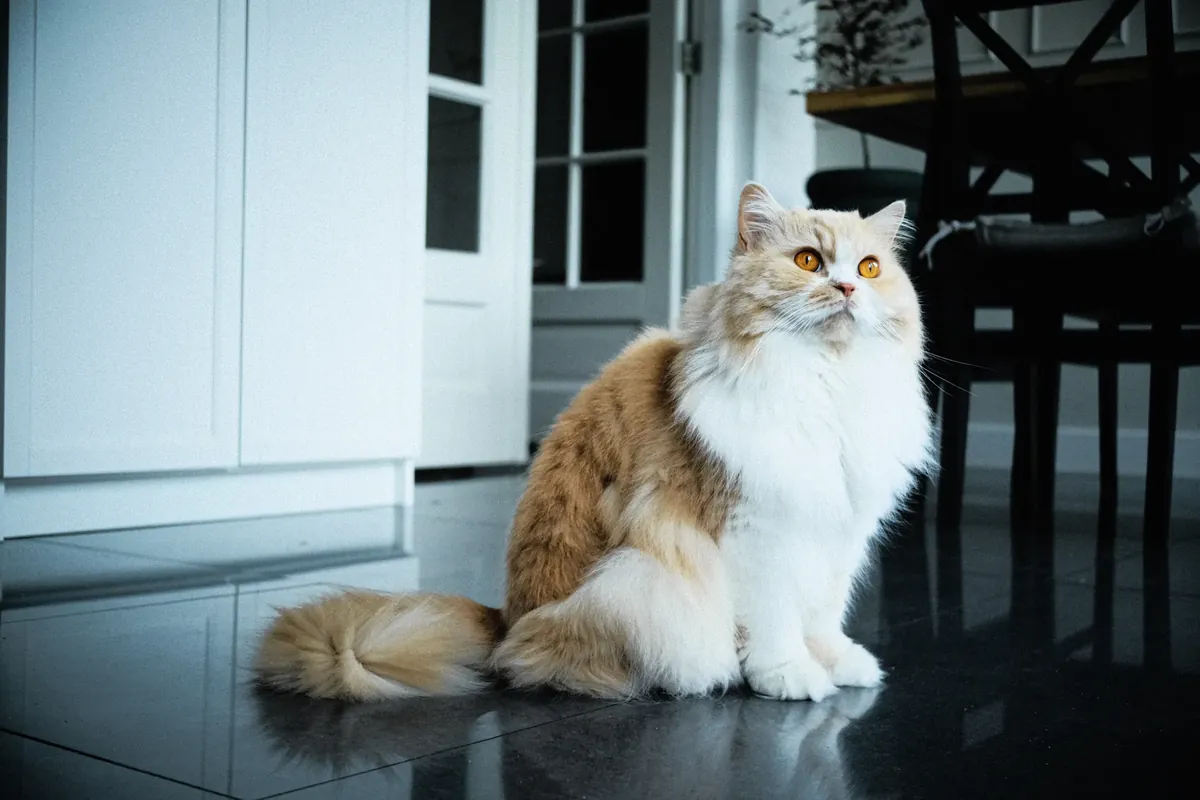
A steady Maine Coon can turn chatty overnight when something changes: a new baby, a visitor, builders, a new cat over the fence, a newly shut door. Maine Coons hate a closed door between them and their people, and will stand outside it and explain why at volume. Stress meowing often comes with hiding, eating less, grooming too much, or avoiding the litter box. If it started the same week something changed at home, that change is probably the cause: give him a safe room, keep feeding times steady, and let him come to you.
Pain and Illness: When Meowing Is a Symptom
A new, persistent, or changing meow can be a cat telling you he hurts. Cats hide pain well, and a change in voice is often the first clue we get.
Pain from arthritis, a sore tooth, an injury, or a urinary problem can all make a cat vocal. A cat crying in the litter box, or straining to pass urine with little or nothing coming out, is an emergency. So is one suddenly meowing while breathing with his mouth open, collapsed, or in obvious distress. The VCA guide to feline vocalization lists pain, medical problems, and attention seeking side by side: the sound alone cannot tell you which one you are hearing.
Hyperthyroidism is the medical cause I hear about most from owners of older cats. An overactive thyroid speeds up appetite, restlessness, and vocalizing, often at night, alongside weight loss even though the cat is eating well. It is common in older cats, diagnosed with a blood test, and treatable, which is why a suddenly chatty senior deserves a vet visit rather than a shrug. The Cornell Feline Health Center explains the condition and its treatment.
My rule: if the meowing is new, changed in sound or timing, or comes with any other change, I call the vet. I would rather pay for a check that finds nothing than miss the one that finds something.
The Senior Cat Who Suddenly Talks More
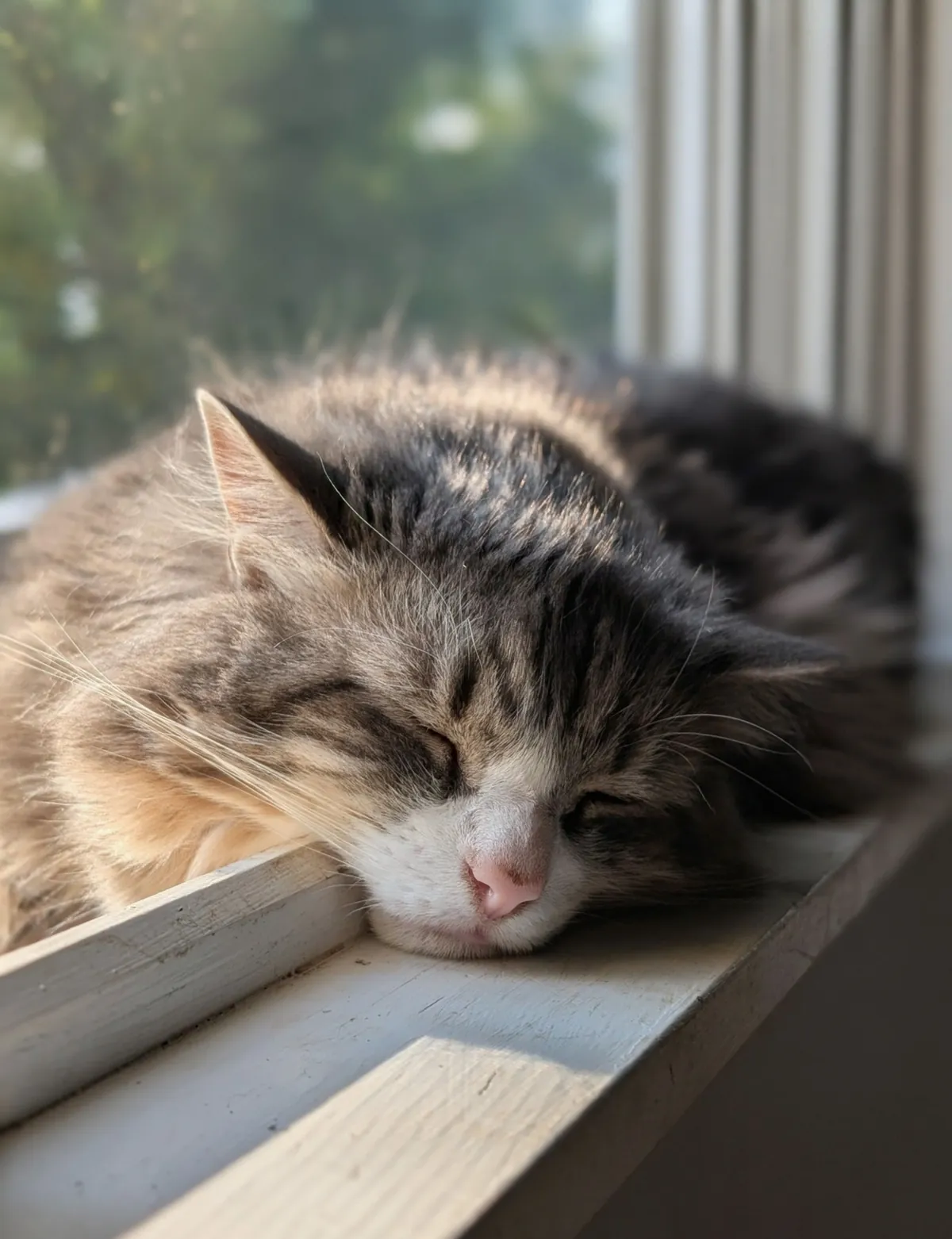
Older Maine Coons often meow more, and owners in Reddit threads and Facebook groups notice it and worry in equal measure. Some of it is the same list as above: arthritis, thyroid trouble, and fading senses, with a cat who cannot see or hear as well calling out to find you.
Some of it is cognitive change. Cornell lists unprompted loud vocalizing, often at night, as a sign of cognitive dysfunction in older cats, alongside disorientation, changed sleep, and litter box accidents. The night-time side is its own question, covered in detail in Why Your Maine Coon Cries at Night, because night crying has its own causes and fixes. By day, watch for wandering, staring at walls, getting stuck in corners, and forgetting where the food bowl lives. None of that is just old age, and diets, routines, and treatments can help.
If your senior has gone from quiet to chatty, do not assume it is a personality change. Get him checked, and read my Senior Maine Coon Care guide.
When to Worry: The Red Flags
Most meowing is harmless. These are the signs that move it from harmless to call-the-vet-today:
- A sudden increase in a previously quiet cat, or a meow that sounds different, hoarse, or strained
- Meowing with loss of appetite, weight loss, drinking far more than usual, or changes in toileting
- Crying in the litter box, straining to urinate, or blood in the urine
- Meowing with hiding, limping, or flinching when touched
- A senior who starts yowling at night, seems confused, or gets lost in familiar rooms
- Meowing with open-mouth breathing, collapse, or severe distress, which is an emergency
One change alone can be nothing. Two together are a pattern, and a pattern is a vet visit.
How I Respond When Mine Starts Up
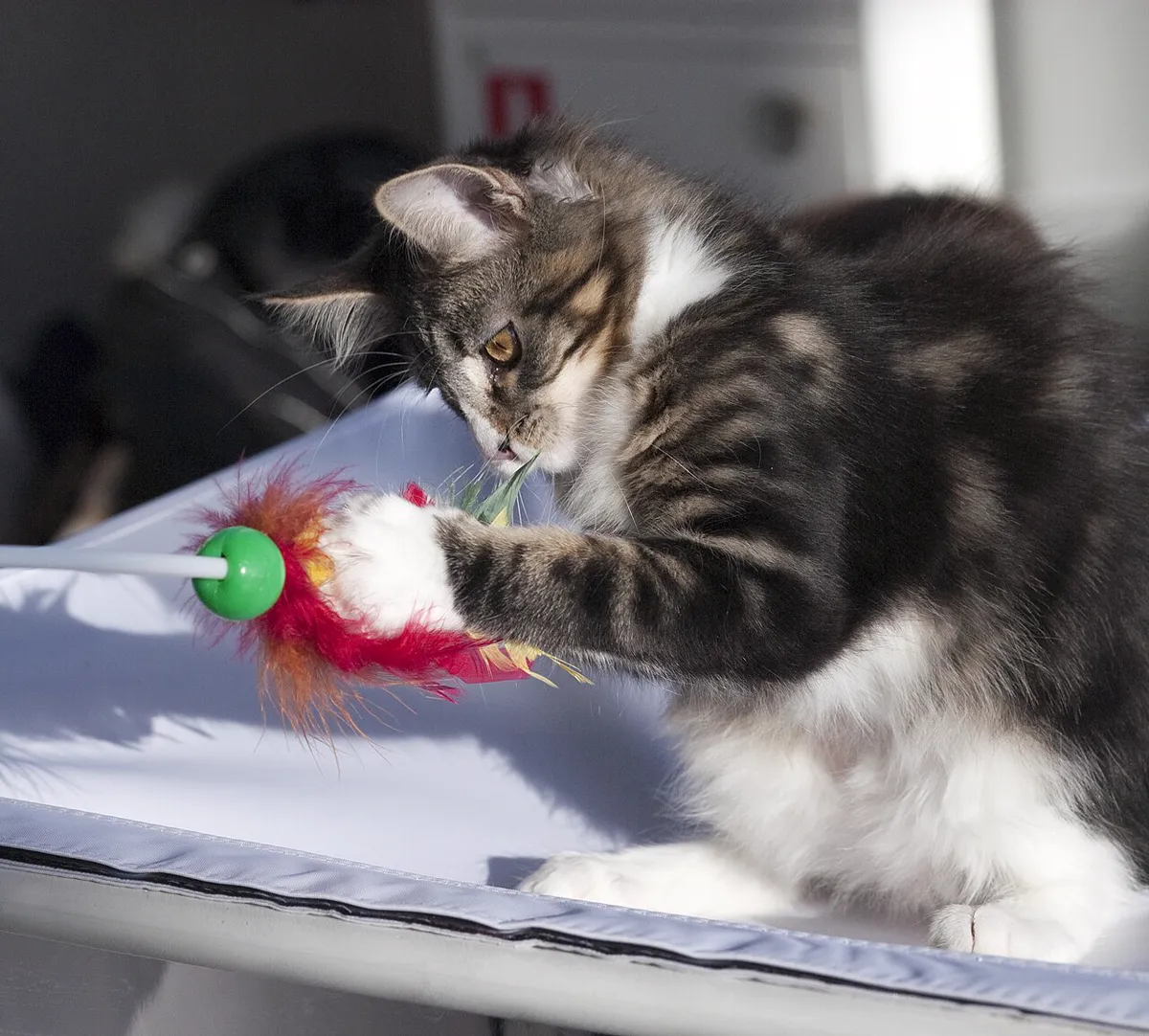
When mine starts his speech, I run through a small checklist: food and water, litter box, a closed door he wants opened, pain or anything unusual about how he moves. Then, and only then, boredom or attention. Most days the answer is one of the first three.
For the attention meow, I do the unglamorous thing: I do not reward the noise itself. I wait for a pause, then give him the game or the lap he was asking for. I also play with him at the same times every day, so he is not saving all his energy for a monologue at nine in the evening. If the meowing is a habit rather than a need, the full approach is in 12 Maine Coon Behavior Problems and How to Stop Them, which covers excessive vocalization alongside the other behaviors owners ask me about. That post is the how-to-stop guide; this one is the why, and you cannot fix a meow until you know what it is asking for.
I never shout, spray, or punish: it frightens the cat, does nothing for the cause, and a scared cat often meows more. A Maine Coon who trusts you will tell you what he needs.
Frequently Asked Questions
Is it normal for a Maine Coon to meow a lot?
Yes, for this breed it often is. Maine Coons are one of the more talkative breeds, using meows, chirps, and trills to stay in conversation with their people. Judge your cat against his own usual noise level, not against other cats.
Why does my Maine Coon meow at me all the time?
Usually he wants something simple: food, water, a door opened, a game, or company. Adult cats meow mostly at people. If it is new or nonstop, check the basics first, then boredom, stress, or pain.
Why is my Maine Coon suddenly meowing more than usual?
A sudden change is the one to take seriously: stress, hunger or thirst, pain, urinary trouble, hyperthyroidism, or cognitive change in a senior cat. If it lasts more than a day or two, or comes with any other symptom, book a vet visit and rule out the medical causes first.
Do Maine Coons meow more as they get older?
Many do, usually for medical or cognitive reasons: hyperthyroidism, arthritis pain, fading hearing or sight, high blood pressure, or cognitive dysfunction. A senior who starts talking more deserves a vet check with blood work and a blood pressure check.
How do I get my Maine Coon to meow less?
Work out what the meow is asking for, and answer the need rather than the noise. Keep feeding times regular, play with him daily, and reward quiet moments instead of meowing. For a persistent habit, my behavior problems guide covers it step by step.
The Last Word
I used to wish mine would talk less. Now I would miss it if he stopped. The trick is not to silence the meowing but to learn it, so the day the sound changes, you hear it. A chatty Maine Coon is usually a happy one, and a suddenly chattier one is asking you to pay attention.