Why Does My Maine Coon Snore? Normal Noises vs Warning Signs
The first time I heard my Maine Coon snore, I laughed — then I worried. There he was, flat on his back like a furry starfish, letting out a soft rumble far too big for a cat. If you’re asking yourself why does my Maine Coon snore, you’re in good company: most of the time it’s perfectly normal, but it can also be the first sign that something in your cat’s nose or throat needs attention.
Why Does My Maine Coon Snore? The Short Answer
A snore happens when air moving through a relaxed nose and throat makes the soft tissues vibrate. During deep sleep, the throat muscles loosen, the airway narrows slightly, and the air passing through starts to hum or rumble. That’s all a snore is: noisy air.
Maine Coons are more likely than most cats to make that noise — face shape, deep sleep, position, and sometimes weight. What matters most is the pattern: a snore your cat has always had, only in deep sleep, vanishing the moment they wake, is very different from a brand-new, loud snore with discharge or laboured breathing.
That Maine Coon Face: Built to Snore a Little
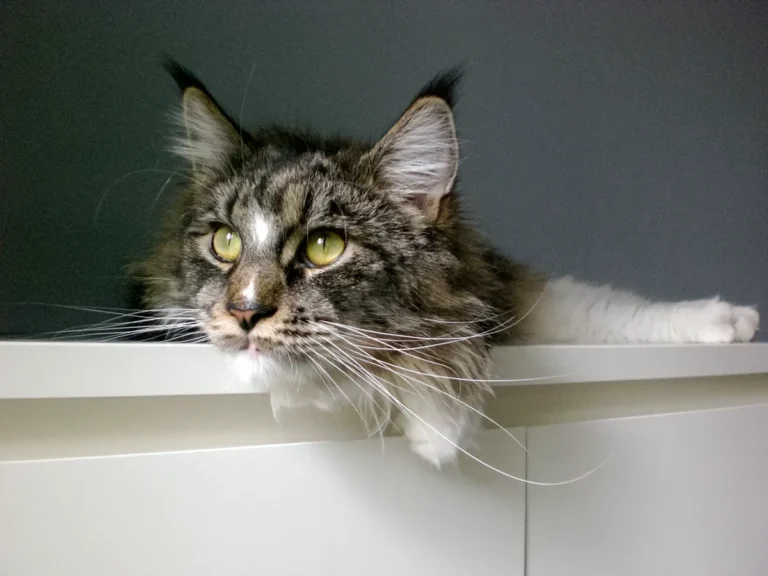
Maine Coons aren’t flat-faced the way a Persian is, but they do have a broad head, a square muzzle, and a shorter nasal bridge than a slim cat. Breeders on YouTube often point out that this chunky head is part of the breed’s charm — and it also means air has a narrower passage to travel through.
Vets describe the same mechanics: cats with shortened facial bones, smaller nostrils, or an elongated soft palate are more likely to snore, because the tissue has less space and vibrates more easily. PetMD’s guide to cat snoring explains how face shape, position, and weight turn ordinary breathing into a rumble — and why a snore that has always been there is usually nothing to fear.
Deep Sleep and the Relaxed Throat
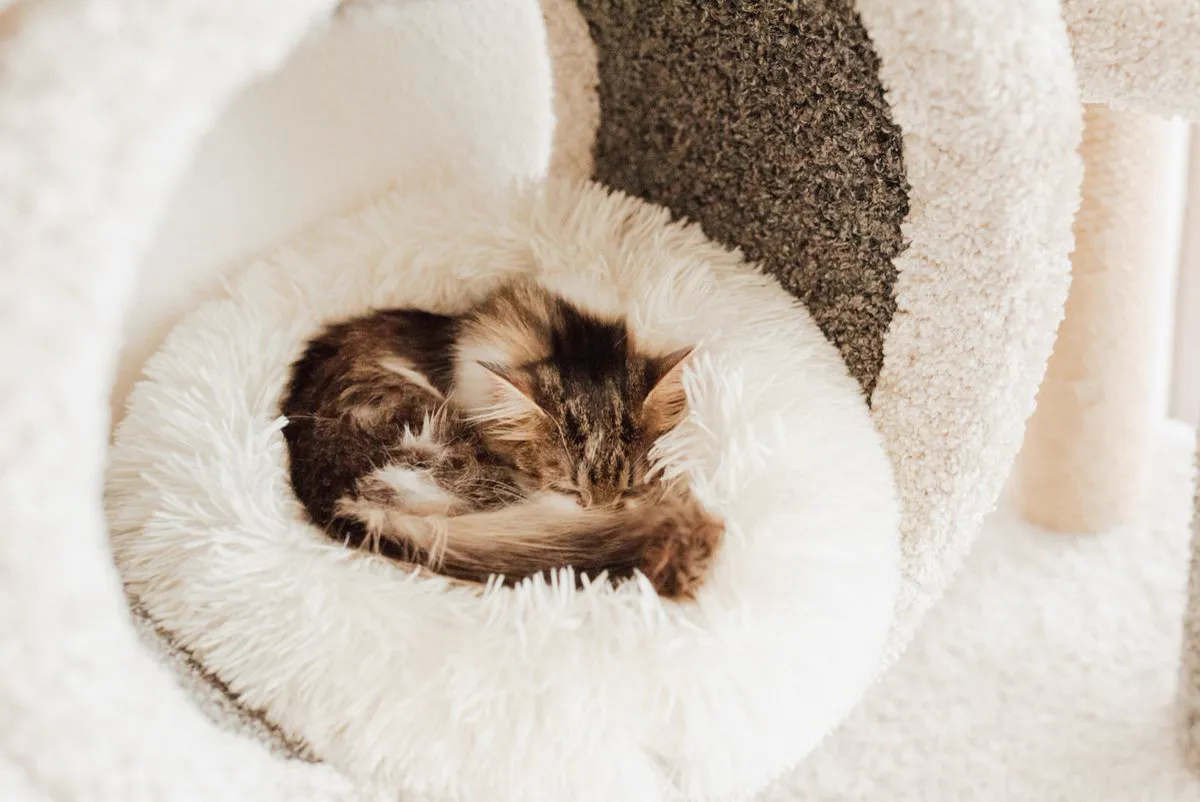
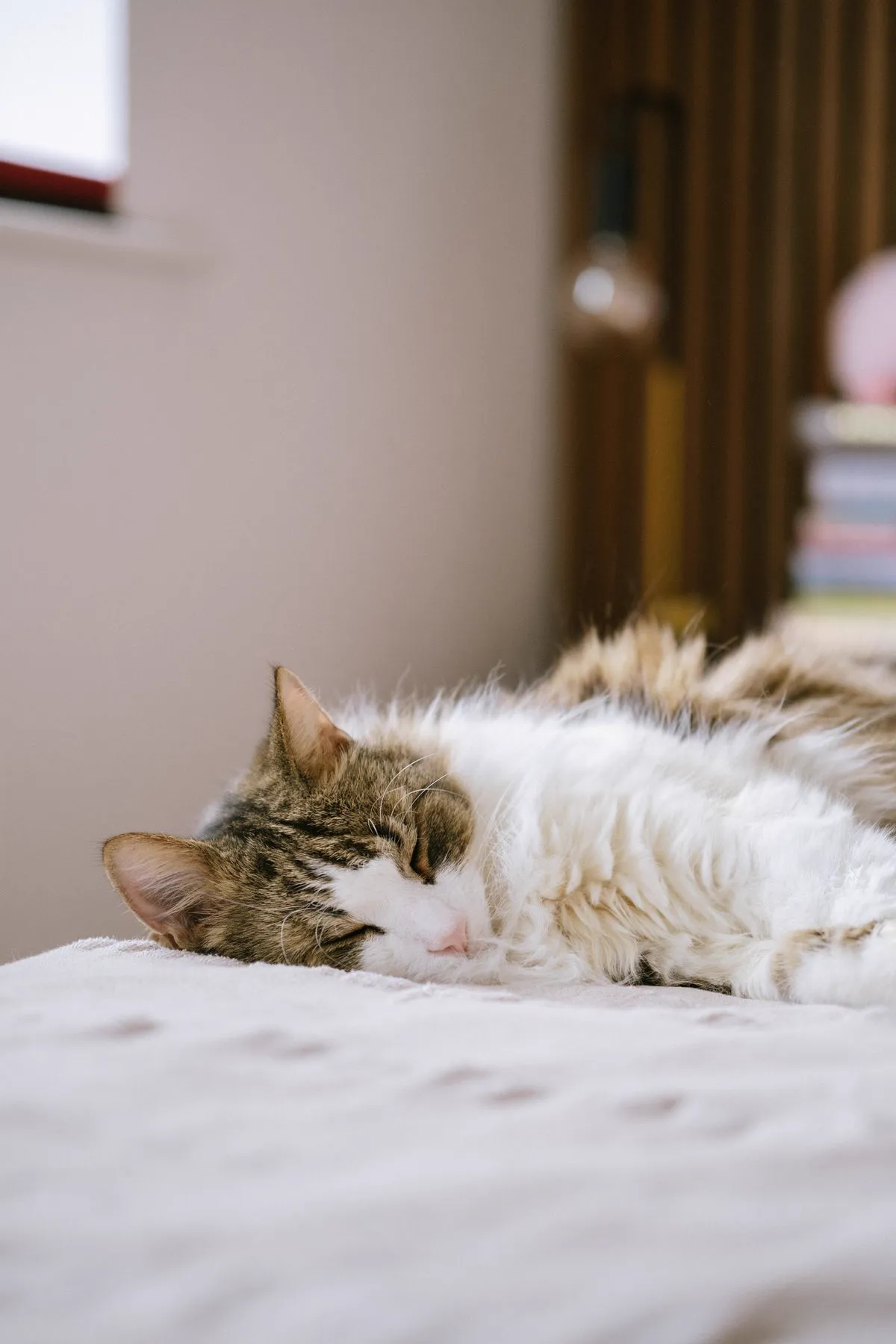
Maine Coons are famously laid-back, and that follows them into sleep. When a cat drops into deep sleep, the muscles in the back of the throat relax completely; in a light doze, the airway stays firm and breathing stays quiet. In deep sleep — paws twitching, whiskers flickering — the throat goes slack, the soft palate flutters, and the snore starts.
This is why snoring comes and goes through the night — silent for an hour, rumbling in a deeper phase, quiet again on waking. Owners on Reddit say the same: the snore only appears when their Maine Coon is truly out cold, and it stops the second the cat stirs. That on-and-off pattern is one of the best signs the snoring is normal.
Sleeping Position: The Flop That Starts the Rumble
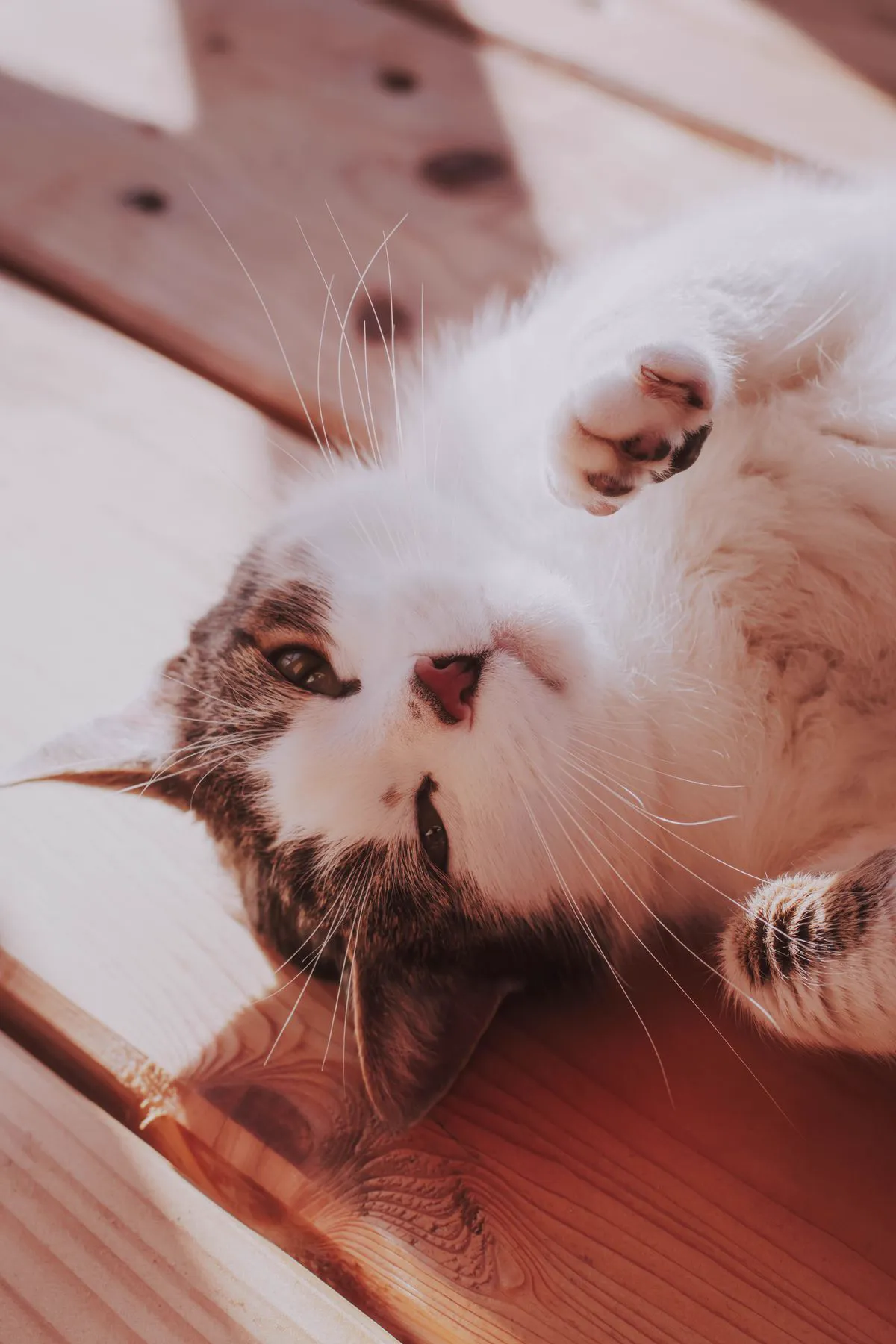
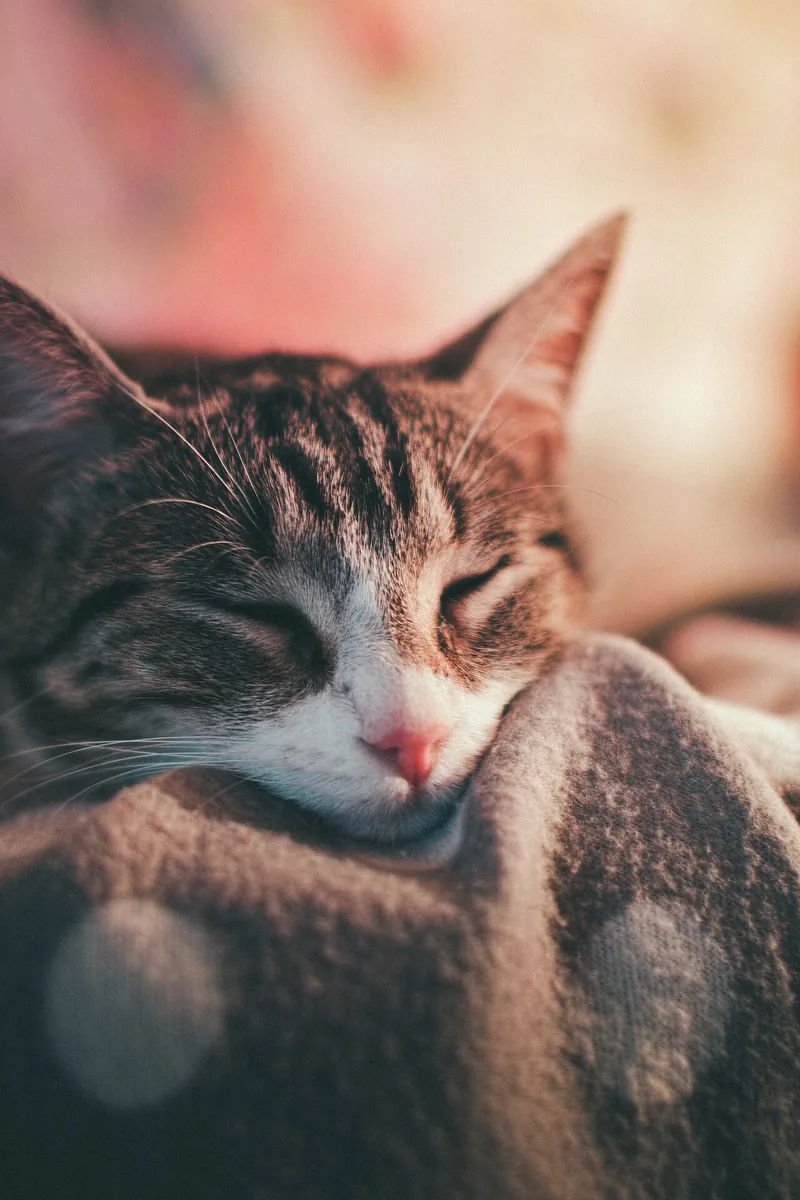
To know why your Maine Coon snores some nights and not others, watch how they’re lying. A cat curled in a neat loaf with the neck straight usually breathes quietly. A cat flopped on their back, head tipped right back, or wedged with their chin squashed against a cushion is far more likely to snore — the angle kinks the airway just enough to vibrate the tissue.
Maine Coons are famous for their dramatic sleep poses — I’ve written about their favourites in my guide to Maine Coon sleeping positions. The belly-up sprawl, the head dangling off the sofa, the face pressed into a blanket — all narrow the airway a little. If the snoring stops or changes when your cat shifts position, the position was the cause.
When Weight Adds to the Noise
Extra weight is one of the most common reasons a Maine Coon starts snoring more than they used to. Fat around the neck and chest pads the airway from the outside, narrowing it further, so a cat who has put on a kilo or two may suddenly develop a snore they never had.
Maine Coons are already big — a healthy adult male can weigh 7 to 9 kilos — so it’s easy to mistake overweight for “just a big Maine Coon.” A gradual increase in snoring volume, alongside a rounder belly or disappearing waistline, is a nudge to check honestly. My guide to is my Maine Coon overweight covers how to feel for the ribs and waist and what a healthy giant looks like.
This kind of snoring is often reversible. A vet-approved feeding plan and a bit more play can slim the neck down and quiet the snore. Never put a cat on a crash diet, though — cats must lose weight slowly, and your vet should set the pace.
Normal Snoring vs Warning Signs
Here’s how to hear the difference.
Normal snoring looks like this:
- It only happens during sleep, and it stops when your cat wakes up.
- It changes or disappears when your cat shifts position.
- Your cat has always done it, and it hasn’t changed over time.
- Breathing looks easy — the chest rises and falls steadily, with no visible effort.
- Your cat eats, plays, grooms, and behaves completely normally during the day.
Warning signs that need a vet:
- Pauses in breathing followed by a sudden gasp, snort, or choking sound as breathing restarts — the classic stop-start sign of sleep apnoea. Ordinary snoring is continuous and rhythmic; apnoea breaks that rhythm.
- Snoring that is brand new, or suddenly much louder over a few weeks.
- Nasal or eye discharge, especially thick, yellow-green, or bloody.
- Sneezing or coughing that keeps going for more than a day or two. (If sneezing is the main symptom, my guide to why Maine Coons sneeze covers the causes; if coughing is involved, the coughing guide explains when it needs a vet.)
- Noisy breathing while awake, or a snore that carries on after your cat is up.
- Laboured breathing — the belly pumping with every breath, the neck stretched forward, or the mouth open. Open-mouth breathing at rest is never normal in a cat and needs same-day care.
- Eating or drinking less, hiding, lethargy, or less play.
Cornell’s Feline Health Center notes that upper respiratory infections are a common cause of new noisy breathing in cats, often arriving with sneezing and discharge — so a snore that shows up alongside a cold is worth checking, not ignoring.
Snoring, Apnoea, and When to Record It
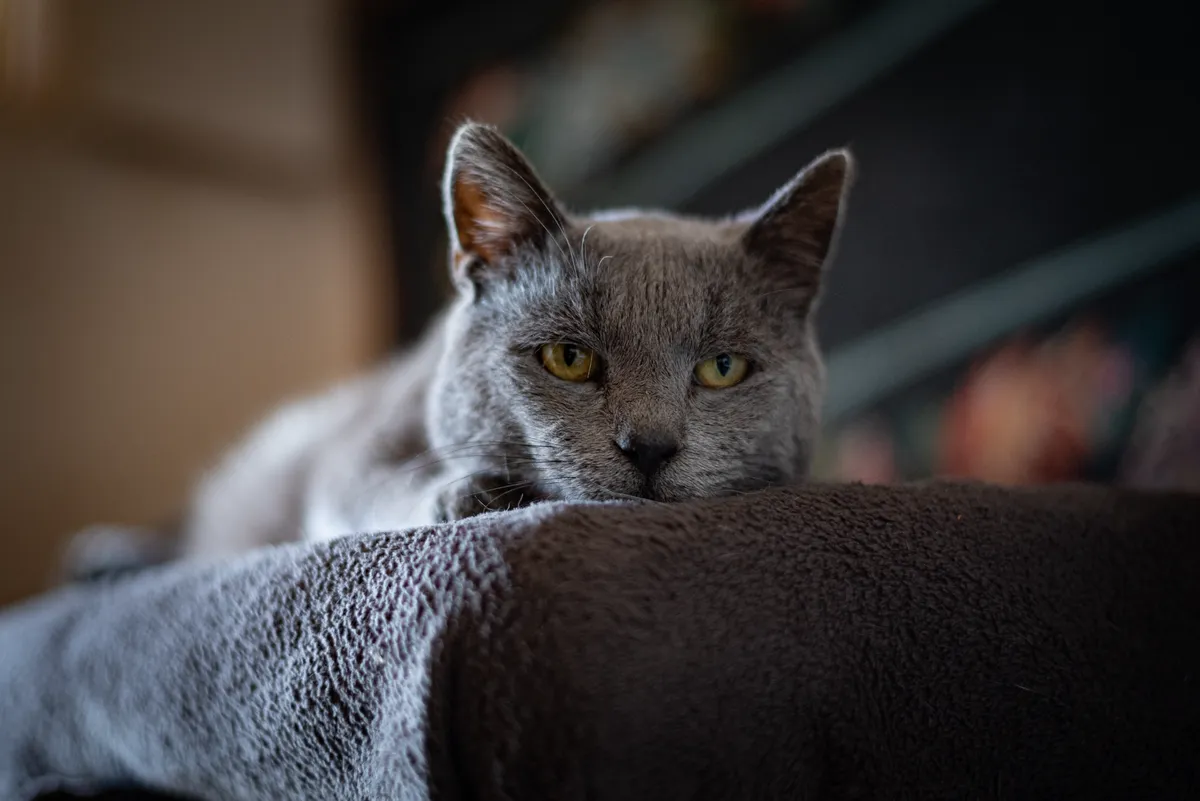
Sleep apnoea in cats is uncommon, and most snoring cats don’t have it. In obstructive sleep apnoea, the throat muscles relax so much that the airway closes completely for a few seconds — the snoring stops, there’s a silence, then breathing restarts with a gasp as the cat surfaces briefly.
If you think you hear pauses, don’t diagnose it yourself — record it. A short phone video of your cat sleeping, sound on, is one of the most useful things you can bring to a vet appointment. A 30-second clip tells them more than a paragraph of description ever could.
What Helps a Snoring Maine Coon
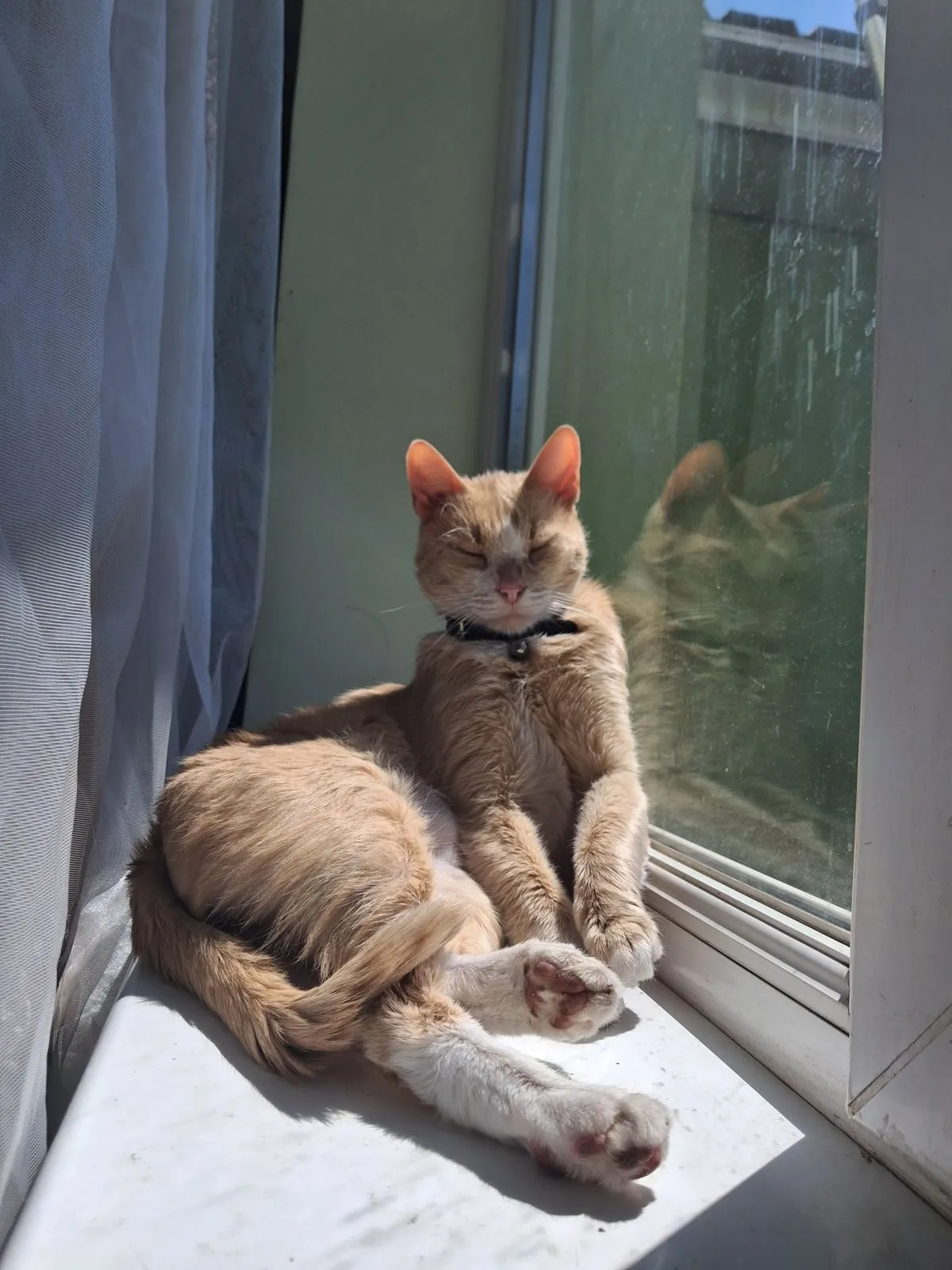
If your vet has checked your cat and the snoring is harmless, a few small things can quiet it down:
- A better sleep spot. A bed that lets your cat stretch their neck out straight, rather than curling with the chin tucked, often reduces it.
- Clean, fresh air. Dust, strong air fresheners, scented candles, and cigarette smoke can irritate a cat’s nasal passages — keep the bedroom ventilated and skip plug-in fresheners near your cat’s sleeping spots.
- A healthy weight. If your cat is carrying extra kilos, a slow, vet-guided weight-loss plan is the most effective fix.
- Treat the underlying cause. If the snoring started with a cold, an allergy flare-up, or a dusty new litter, clearing that up usually clears the snore. A new snore that keeps coming back deserves a vet check to rule out infection, allergies, polyps, or a foreign object.
- Don’t wake them to stop it. A gentle nudge to shift position is fine, but repeatedly waking a deeply sleeping cat just to stop the noise isn’t fair — and it won’t fix anything.
Never give your cat human medicine for snoring or congestion — decongestants and sleep aids made for people can be dangerous for cats. If the snoring bothers you more than it bothers your cat, earplugs are the honest answer.
When to See the Vet — The Short Version
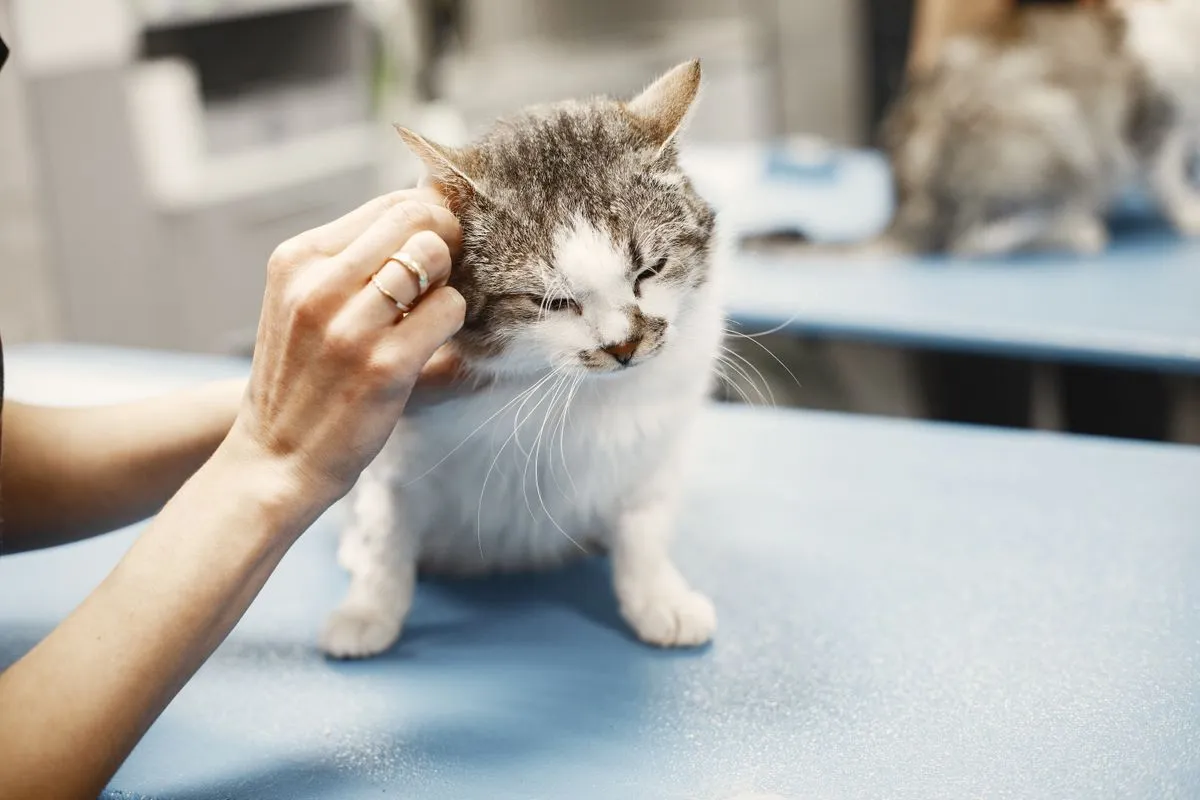
Book a routine appointment if the snoring is new, getting louder, or comes with sneezing, discharge, coughing, or a change in appetite or energy — and mention it at the next check-up anyway if your cat has always snored loudly.
Seek same-day or emergency care if your cat breathes with their mouth open at rest, struggles for each breath, gasps, or their gums look blue, grey, or very pale. Cats hide breathing trouble well, so by the time it is obvious, it is serious.
Frequently Asked Questions
Is it normal for a Maine Coon to snore?
Yes, in most cases. Maine Coons often snore because of their broad head and shorter nasal passages, deep relaxed sleep, sleeping position, and sometimes extra weight. If it only happens in sleep, stops when your cat wakes or shifts position, and your cat is otherwise healthy, it’s usually just a quirk of the breed. Owners on Instagram and Facebook share clips daily, joking their cat sounds like a diesel engine. The sound is common; the pattern decides whether it’s normal.
Why does my Maine Coon snore so loudly?
Loud snoring usually means the airway is narrower than usual — a deep sleep with a fully relaxed throat, a squashed position, extra weight, or mild congestion. A snore that has always been loud and never changes is usually just your cat’s anatomy; one that has recently become much louder, especially with discharge or sneezing, deserves a vet visit.
Can Maine Coons have sleep apnoea?
Yes, though it is uncommon. The sign is pauses in breathing during sleep, followed by a gasp, snort, or choking sound as breathing restarts. Ordinary snoring is continuous and rhythmic; apnoea breaks that rhythm. If you hear pauses, record a video with sound and show it to your vet.
Does my Maine Coon snore because he’s overweight?
It can be. Extra fat around the neck and chest narrows the airway and makes snoring louder or more frequent, so a snore that appeared as your cat gained weight is worth taking seriously. You should be able to feel the ribs under a thin layer of fat and see a waist from above — if not, ask your vet about a gradual plan.
Should I wake my snoring Maine Coon up?
No, not just to stop the noise. Snoring during deep sleep is normal, and waking your cat repeatedly disturbs their rest. A gentle nudge to shift position is fine, but if it comes with pauses, gasping, or laboured breathing, film it and call your vet instead.
The Bottom Line
Most Maine Coon snoring is a harmless, slightly funny part of living with a giant cat who sleeps like he owns the house. The broad face, the deep sleep, the dramatic flop onto his back — they all add up to a soft rumble owners find endlessly charming. Enjoy it, film it, and let him sleep.
But keep your ears open for change. A new snore, a louder snore, pauses and gasps, discharge, or breathing that looks like hard work — those are the sounds that mean something. You know your cat’s normal better than anyone, and when it changes, a vet visit is always the right call.