Kidney Disease in Maine Coons: Early Signs, Diet and Care
When my Maine Coon started emptying his water bowl faster than usual, I told myself it was just a warm week. Then the litter tray got heavier, his spine felt sharper, and the cat who once galloped to the food bowl started sniffing his dinner and walking away. None of it looked like an emergency — and that is exactly what makes kidney disease in Maine Coons so easy to miss. It creeps in quietly, and by the time the signs are obvious, the kidneys have already been struggling.
Every owner of this breed should understand kidney disease before they ever need to. It is one of the most common serious conditions of older cats, and Maine Coons are among the predisposed breeds, partly because polycystic kidney disease runs in the breed’s background. Cornell notes it affects up to 40% of cats over 10 — not a reason to panic, but a reason to pay attention early.
What Kidney Disease Actually Does
Healthy kidneys filter waste from the blood, balance fluids and minerals, and make concentrated urine. In chronic kidney disease (CKD), kidney tissue is gradually lost over months or years and never comes back. The kidneys compensate for a long time, so a cat can look fine while function slips away — obvious signs often appear only once a large share of function is already gone.
Kidney Disease in Maine Coons: The Early Signs I Watch For
The earliest signs are rarely dramatic. They are changes you only catch if you know your cat’s normal.
Drinking and peeing more. Kidneys that can no longer concentrate urine pass larger volumes of paler urine, and the cat drinks more to keep up — a bowl refilled more often, new interest in taps and glasses, bigger litter clumps. Owners on Reddit say this was the change that finally sent them to the vet, often months late.
Gradual weight loss. Slow loss over months, especially muscle along the spine and hips, is a classic early sign, and appetite may look normal at first. I weigh my seniors regularly and check the spine during cuddle time — sharper bones than a few months ago mean a vet visit, not a shrug.
A pickier appetite. A cat who used to Hoover his food and now sniffs it, takes two bites and walks off, may be feeling low-grade nausea. Owners in a Maine Coon group on Facebook describe this again and again: the food did not change, the cat did.
A duller coat and less grooming. A Maine Coon’s coat is a health report you can see. When grooming drops off, the fur goes dull and unkempt, mats appear faster, and tiredness creeps in — more sleeping, less play, less following you around.
Occasional vomiting and bad breath. Intermittent vomiting, an unusual smell on the breath, and new constipation can appear as waste products build up in the blood. No one sign proves kidney trouble — they overlap with other conditions, which is exactly why a vet needs to sort them out.
One story from a Maine Coon owners’ group on Facebook stayed with me: an 18-month-old blue Maine Coon was drinking and urinating far more than normal, and bloodwork showed kidney failure — far younger than anyone expects. Her vet’s plan was monitoring, a special diet and rechecks, and the cat was still happy with his brother. Others in that thread shared cats who had lived for years after a CKD diagnosis. This is not only a senior-cat problem, and catching it young changes everything.
How Vets Actually Diagnose It
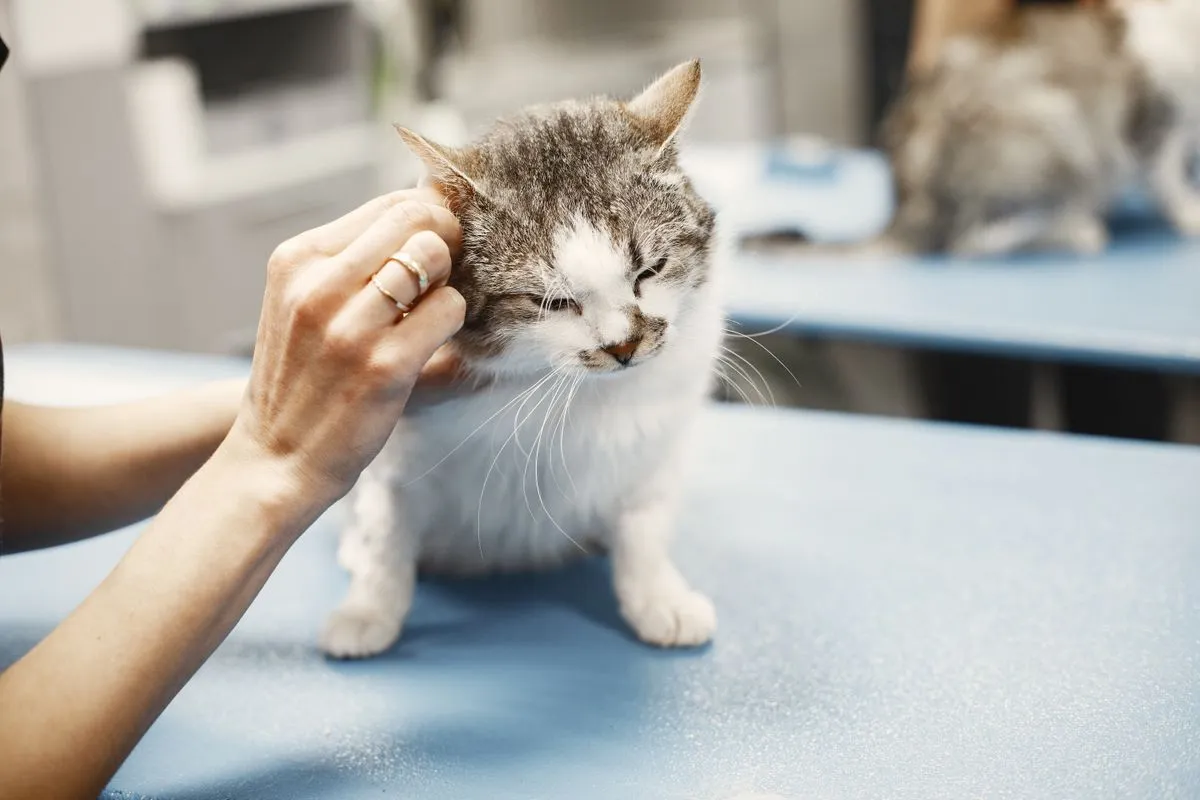
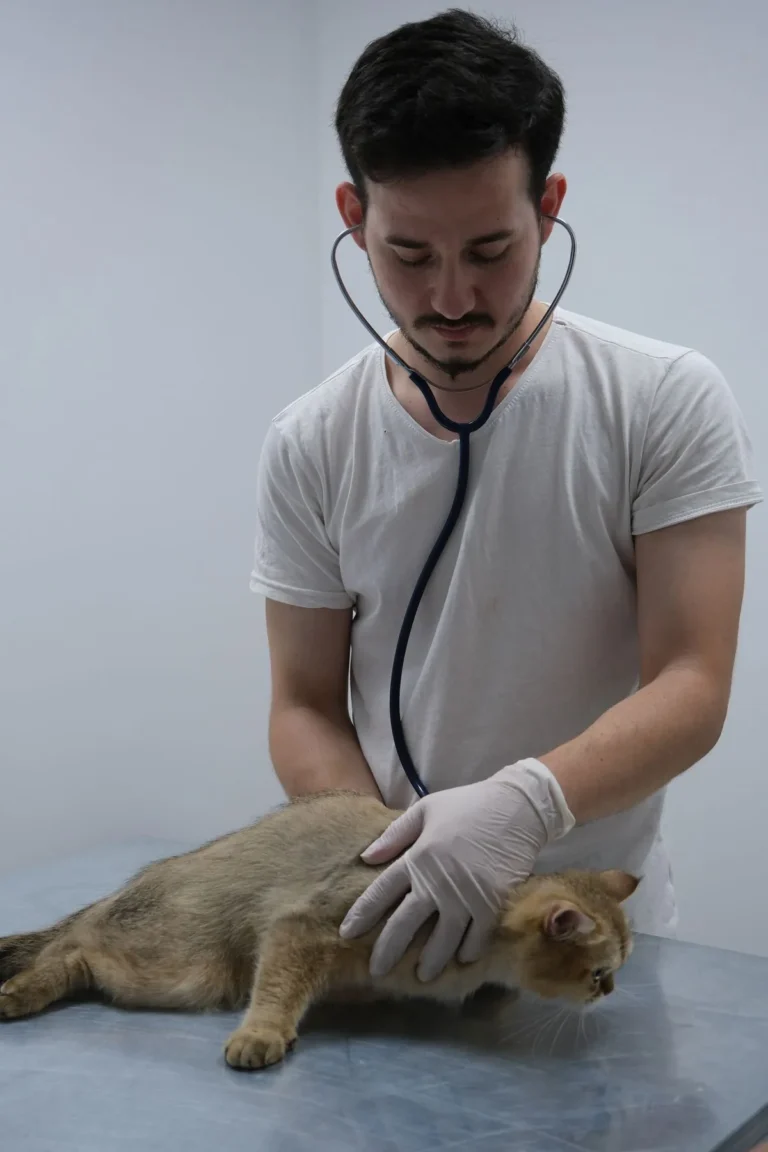
There is no home test, and no single blood result tells the whole story. It starts with bloodwork and a urinalysis: blood tests measure waste products the kidneys normally filter — blood urea nitrogen, creatinine and a newer marker called SDMA. Cornell explains that creatinine often does not rise until a cat has lost a large share of kidney function, while SDMA can flag trouble earlier. A urinalysis looks at how concentrated the urine is and checks for protein and other things that should not be there.
Your vet will usually repeat tests rather than decide on one set of numbers, and may add blood pressure checks and an ultrasound — the latter can show cysts if polycystic kidney disease is suspected. Vets stage the disease using the International Renal Interest Society system, based on test results, blood pressure and protein in the urine. The stage is not a verdict, just a map for what to do next. VCA’s guide to chronic kidney disease in cats walks through the same steps in plain language.
If your Maine Coon is a senior, ask your vet about routine bloodwork and urinalysis at wellness visits even when he seems perfectly well — that is how early cases get found. For the conditions that tend to arrive with age, my guide to Maine Coon lifespan and the health issues to watch for is a good companion read.
Diet: The Change That Matters Most
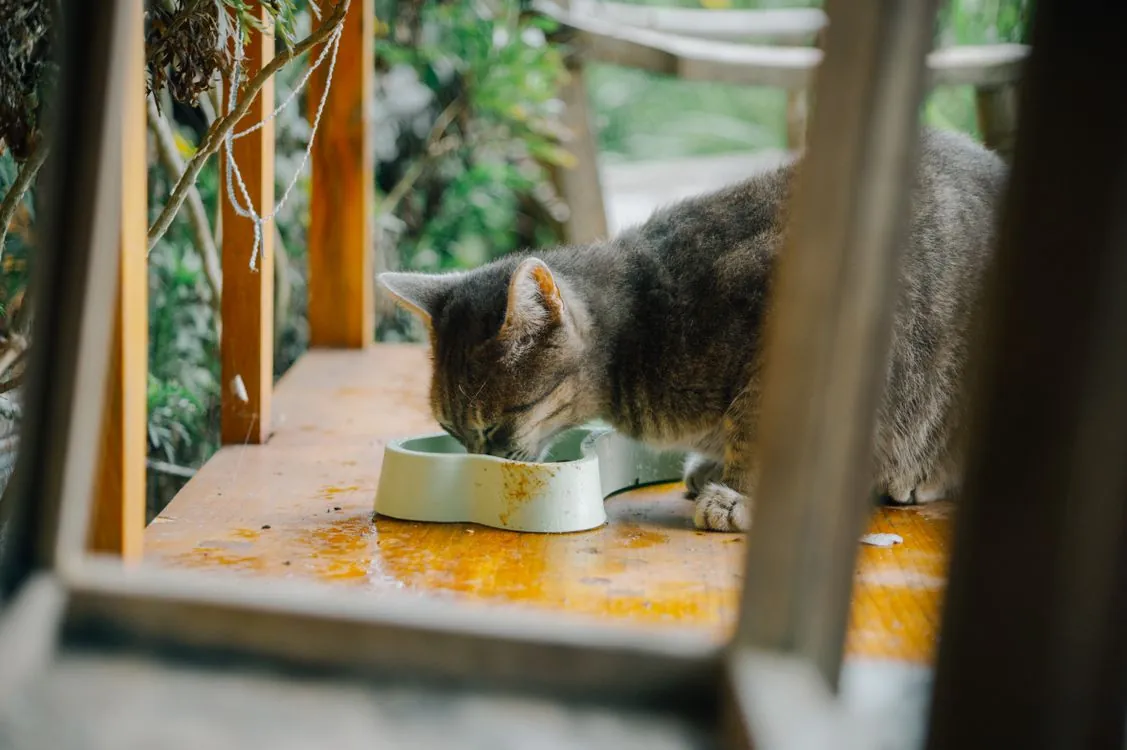
Diet is the most powerful tool you have at home. Cornell calls dietary modification an important and proven part of CKD treatment, and studies suggest therapeutic diets may prolong life and improve quality of life.
A therapeutic renal diet, prescribed by your vet, is usually restricted in phosphorus and sodium, with controlled amounts of high-quality protein. The phosphorus part matters most: failing kidneys cannot clear it properly, and rising phosphorus is linked to faster progression — so a lower-phosphorus diet lightens the load on the kidneys still working.
The practical problem owners on Reddit and Quora talk about most: cats with kidney disease often feel slightly nauseous, and they are being asked to accept a new, blander food at exactly the moment their appetite is worst. Experienced owners advise the same thing — transition slowly, over one to two weeks, and never introduce the new diet during a crisis or hospital stay. Warming wet food slightly brings out the smell, and cats eat largely by scent.
The rule owners repeat most is simple: a cat eating something is better than a cat eating nothing. If your Maine Coon refuses the renal diet, tell your vet — there are intermediate options, and nausea itself is often treatable. Never starve a cat to force a switch.
One more point for this breed: Maine Coons are big cats, and weight loss hits them hard, so a renal diet must be energy-dense enough to hold weight. That balance is why this is a vet-prescribed diet — never build one from internet recipes.
Hydration: The Daily Work That Keeps Kidneys Going
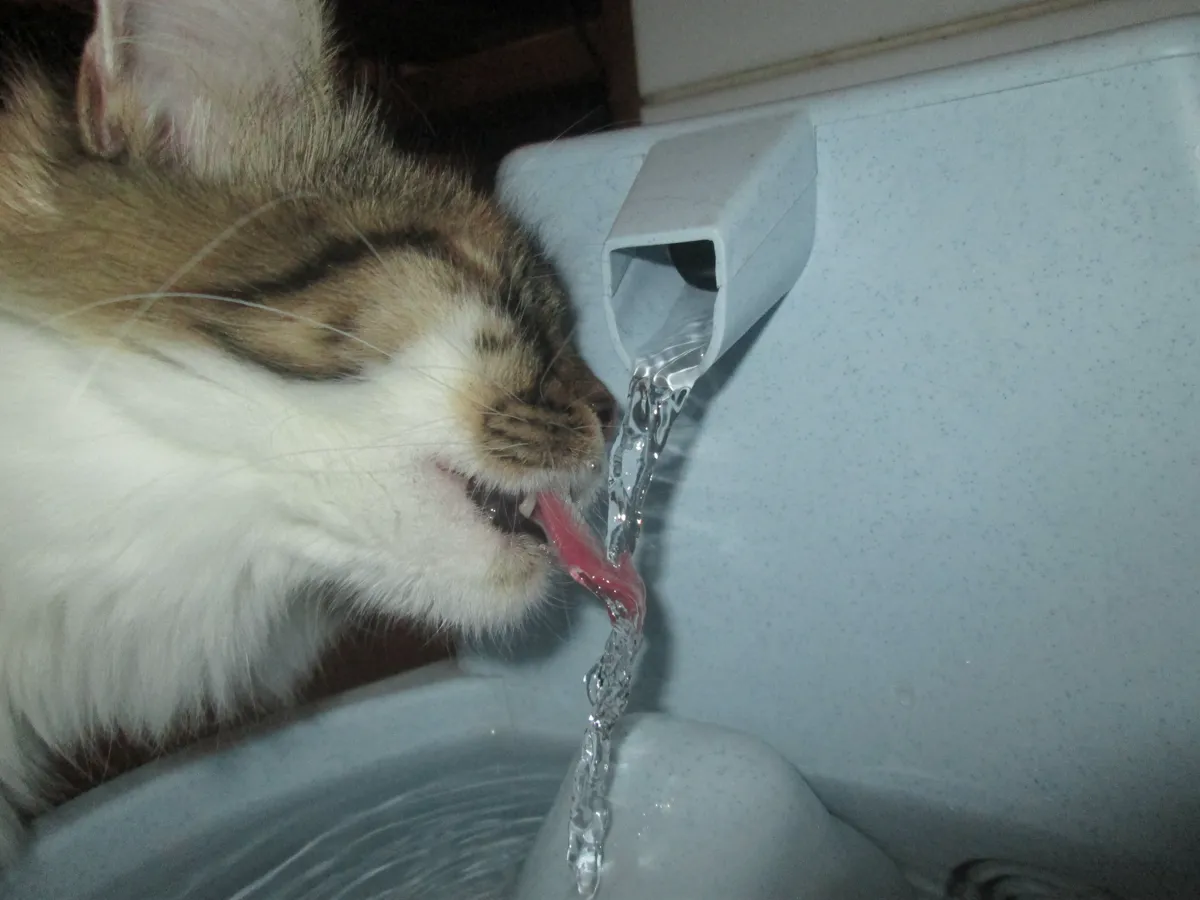
If diet is the most powerful tool, hydration is the daily habit that protects it. Kidneys that cannot concentrate urine lose water constantly, and dehydration reduces blood flow to the kidneys and can speed up damage — Cornell puts it plainly: good hydration is essential for cats with CKD.
Wet food is the easiest win: dry kibble is roughly a tenth water, wet food mostly water, and mixing a little warm water in turns dinner into a soup that adds fluid with every meal. Owners on Reddit say switching to wet-food-forward feeding was the change their cats accepted most easily.
Moving water helps too — many cats drink more from a running source than a still bowl, so a fountain and several water stations around the house nudge intake upward. I cover fountains in my guide to water fountains for Maine Coons — for a cat with kidney disease, the answer leans firmly towards yes.
In later stages, drinking alone may not be enough, and your vet may suggest fluids under the skin at home. Owners online describe this as the part they feared most and then found most manageable — terrifying the first time, a quick calm routine within days, often with the cat resting on a lap with treats. Your vet team should teach you in person first.
One owner on Facebook, who lost a previous cat to kidney disease, now builds her current Maine Coon’s whole routine around moisture — the habits she wishes she had started earlier. The boring daily things, done early, are what buy time.
Senior Monitoring: The Routine That Catches Trouble Early
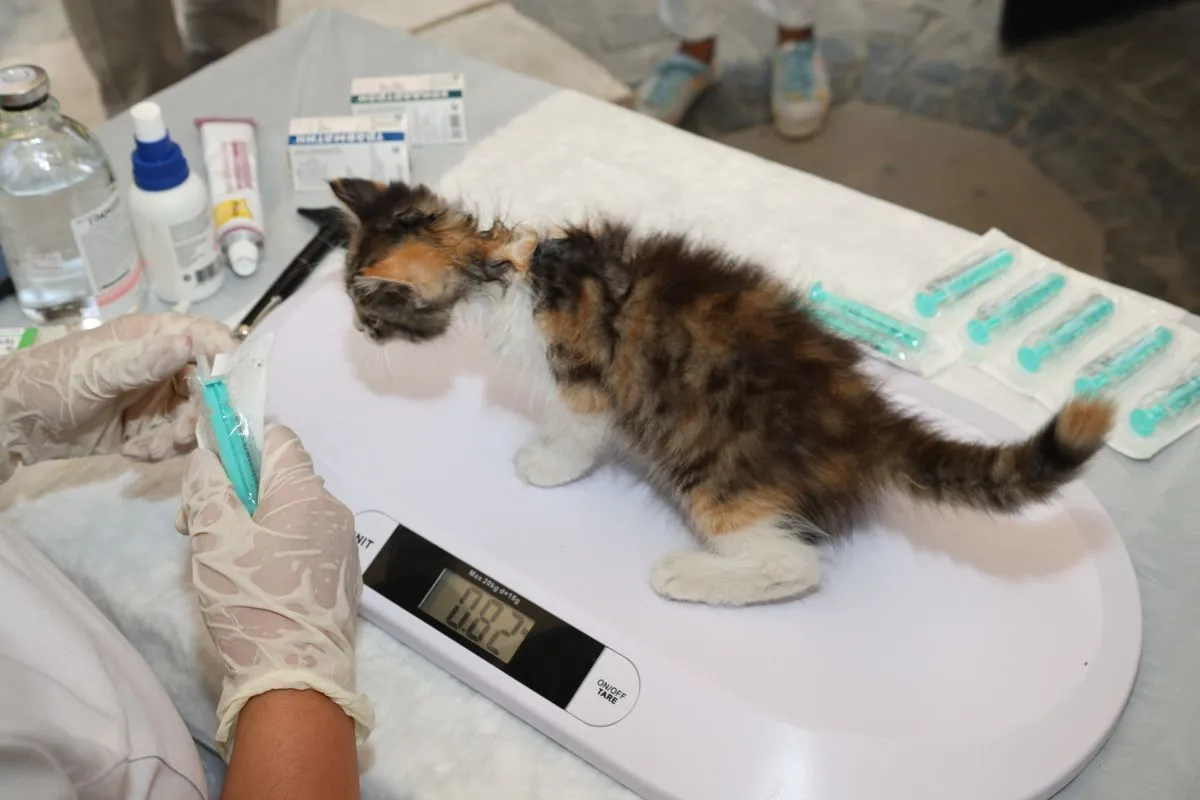
Kidney disease is mostly a senior-cat disease, and senior monitoring is where early detection happens. Over seven, a Maine Coon deserves a different rhythm of care; over ten, the case for regular screening is strong.
In practice: wellness bloodwork and urinalysis at least once a year, blood pressure checks, weight recorded at every visit, and your own record at home — appetite, thirst, litter habits, energy. I keep a small note on my phone, so “I think he is drinking more” becomes “he has been drinking more for three weeks.”
A cat with CKD can also develop urinary infections more easily — see my guide to Maine Coon urinary health. Straining in the tray, passing very little urine, or crying while peeing is a same-day vet visit. For the wider picture of ageing well, my senior Maine Coon care guide covers the day-to-day side alongside the medical care.
Living With the Diagnosis
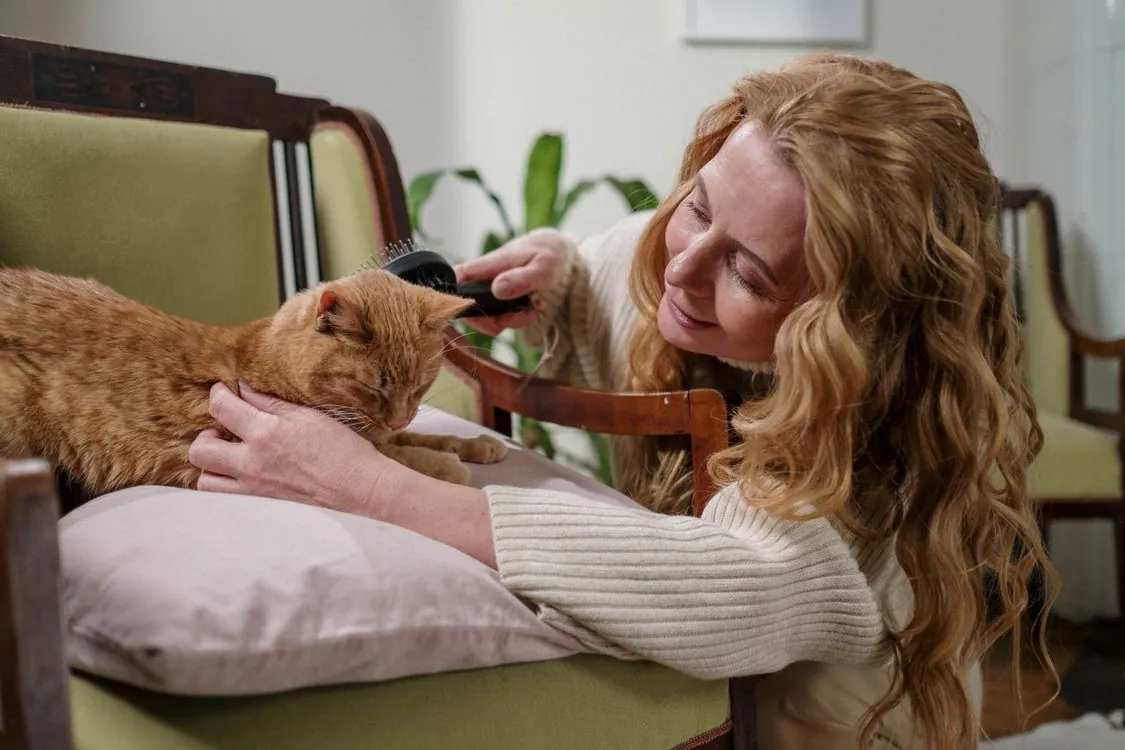
A CKD diagnosis is frightening, and I will not pretend otherwise. But it is not the end of your cat’s good life — many cats live for years after diagnosis, and management can prolong life and keep its quality high. The honest version: it is progressive and cannot be reversed, and nobody can promise a timeline.
Daily life with a CKD cat is mostly ordinary life with better habits — the same sunny windowsill, the same chirping, the same giant cat draped across your laptop. What changes is the background work: the renal food, the extra water, vet visits every few months, and the watching.
When to Call the Vet Right Away
Most kidney care is slow, routine management — but not eating at all for more than a day, repeated vomiting, sudden weakness, laboured breathing, or a sharp drop in urination all need a vet the same day. A cat straining to pee with nothing coming out may have a blockage, which is an emergency.
Frequently Asked Questions
What are the first signs of kidney disease in a Maine Coon?
Drinking and peeing more, gradual weight loss, a pickier appetite, a duller coat, and lower energy. Easy to dismiss as normal ageing — which is why they are worth a vet visit. Bloodwork and a urinalysis are the only way to know.
Can kidney disease in cats be cured?
No. It is progressive and cannot be reversed, but it can be managed, often for years, with a therapeutic diet, good hydration and regular monitoring. Early diagnosis gives management the most room to work. PetMD’s overview of chronic kidney disease in cats explains the stages and symptoms in the same plain terms.
What should I feed a Maine Coon with kidney disease?
Most vets prescribe a therapeutic renal diet — restricted in phosphorus and sodium, with controlled high-quality protein. Transition slowly over one to two weeks, warm wet food slightly, and try different textures. Never starve a cat to force the switch — a cat eating something is always better than a cat eating nothing.
How long can a Maine Coon live with kidney disease?
There is no honest single answer — it depends on the stage at diagnosis and how the cat responds to diet and care. Many cats live for years after an early diagnosis with steady management. Regular rechecks and honest conversations with your vet are the best guide.
The Bottom Line
Kidney disease in Maine Coons is a quiet disease, and quiet diseases reward owners who notice things. Learn your cat’s normal, and get senior bloodwork done before anything looks wrong. If the diagnosis comes, know it is the start of a management plan, not the end of the story — diet, water, monitoring and a good vet buy time.