Hyperthyroidism in Maine Coons: Signs, Treatment and Care
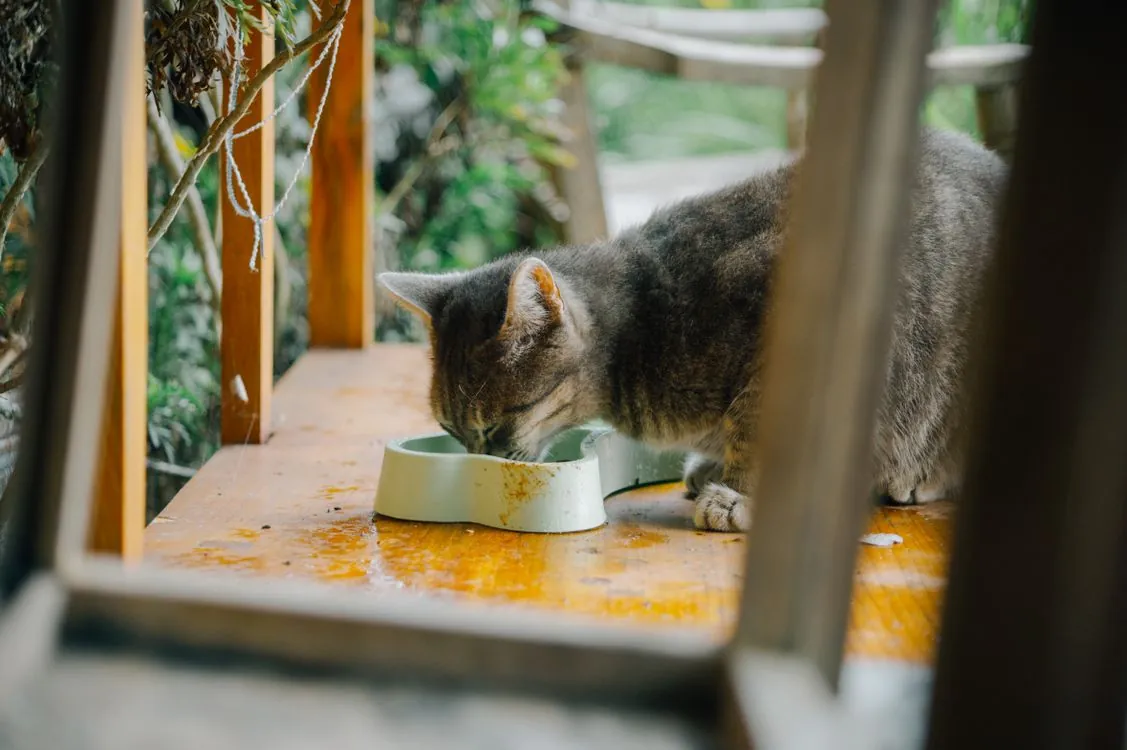
The first thing I noticed was the food bowl. My old Maine Coon boy was emptying it faster than ever, begging for seconds, stealing from the other cat’s bowl — and still getting thinner. His spine felt sharper under my hand every week, yet he acted hungrier than he had in years. That contradiction, eating more and weighing less, is the classic first clue of hyperthyroidism in Maine Coons, and it is one I wish I had recognised sooner.
It mostly affects middle-aged and older cats, and the early signs are easy to blame on old age. The good news is that once found, it is one of the most treatable conditions a senior cat can face — cats who get the right care often put the weight back on and live comfortably for years.
What Hyperthyroidism in Maine Coons Actually Is
Inside your cat’s neck sit two small thyroid glands, and their job is to make thyroid hormone, the hormone that sets the pace of the whole body. In hyperthyroidism, those glands start making too much of it. The body runs too fast: the heart beats harder, food rushes through the gut, and calories burn away quicker than your cat can eat them.
In most cats, the cause is a benign overgrowth of thyroid tissue — not cancer, just tissue that has started working overtime. It is the most common hormonal disorder vets see in senior cats, and long-lived Maine Coons spend plenty of years in the age group where it shows up. Nothing you fed or did caused it — it is simply one of the things that can happen to an ageing cat.
The Signs I Watch For
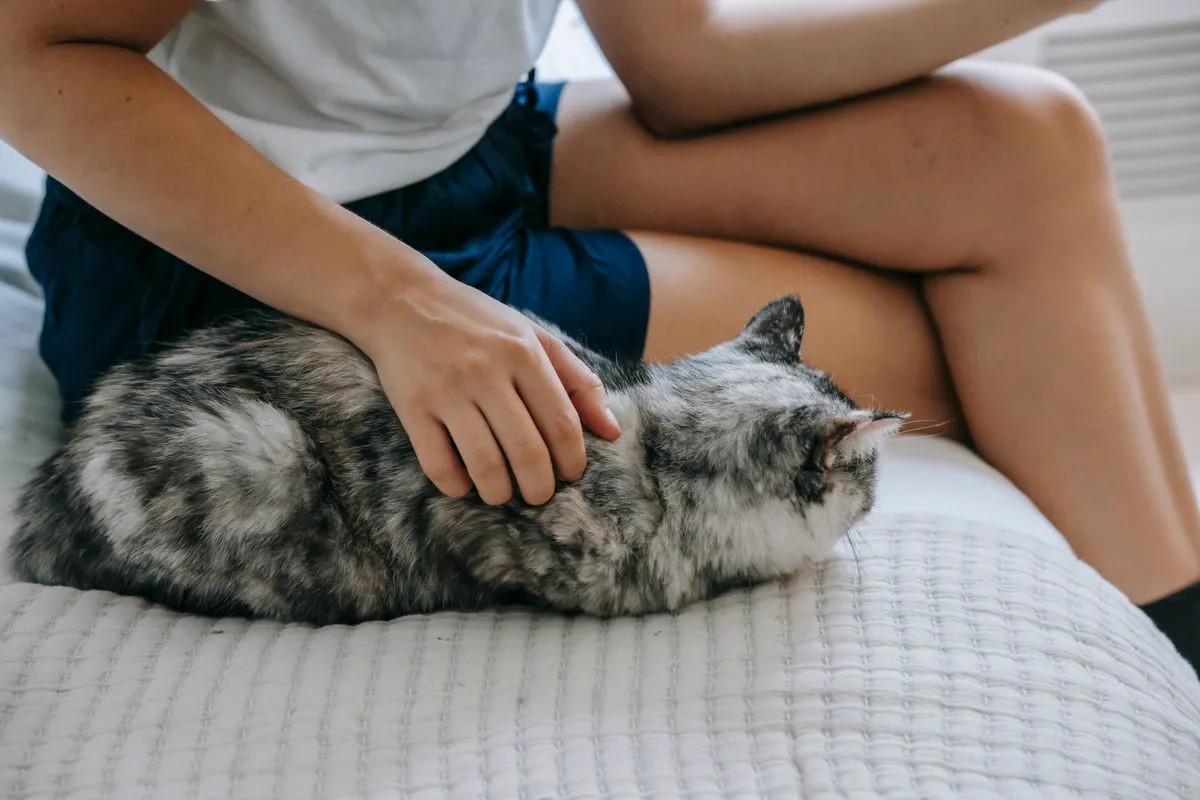
The signs usually arrive one at a time, quietly, over weeks or months — which is why so many owners miss them.
Weight loss despite a bigger appetite. This is the sign that matters most. A cat who eats the same amount, or more, and still loses weight is telling you something. In a Maine Coon it can take a while to spot: a big cat losing a little weight still looks like a big cat, and a long thick coat hides a thinning frame. I weigh my seniors on kitchen scales every month now, and I run my hands along the spine and hips during cuddle time. If you are unsure what a healthy weight looks like, my guide to is my Maine Coon too skinny walks through the checks. Owners on Reddit say this weight change was what finally sent them to the vet, often after months of telling themselves the cat was just getting old. A vet who makes educational videos on Instagram puts it bluntly: weight loss in an older cat is almost always a medical problem, never just normal ageing.
Restlessness and wired energy. A hyperthyroid cat often seems unable to settle — pacing at night, yowling in the small hours, sudden bursts of activity from a cat who used to sleep through the afternoon. Owners in cat forums describe it again and again, including a new, awful morning howl they had never heard from their cat before. It is easy to read this as a behaviour problem. It is usually a body running too fast.
Drinking and peeing more. A fuller water bowl, more trips to the litter tray, bigger clumps in the litter. On its own this sign points in several directions — it also overlaps with diabetes, which my guide to diabetes in Maine Coons covers — but noted alongside a weight change, it is worth mentioning to your vet.
An unkempt coat. A Maine Coon’s coat is a health report you can see from across the room. When grooming drops off, the fur goes dull, greasy or matted, and the magnificent ruff starts looking tired. A cat who once groomed for hours and now barely bothers is a cat worth watching closely.
Vomiting, loose stools, and frantic hunger. Some cats start vomiting now and then, or their stools loosen. Others develop a hunger that looks almost desperate — stealing food, begging, eating things they used to ignore. Owners on forums say their cats’ whole taste in food changed, then changed back once treatment started. The cat was not being fussy; the disease was driving the appetite.
A quieter version exists too. Not every hyperthyroid cat is wired and hungry. Some go the other way — quieter, sleepier, eating less — and vets sometimes call this the apathetic form. If your senior cat is fading rather than speeding up, that still deserves a vet visit. The point is the change, not the direction.
No single sign proves thyroid trouble — they overlap with other conditions, which is why a vet needs to sort it out. But two or three together in a senior cat are a clear reason to book an appointment.
How Your Vet Diagnoses It
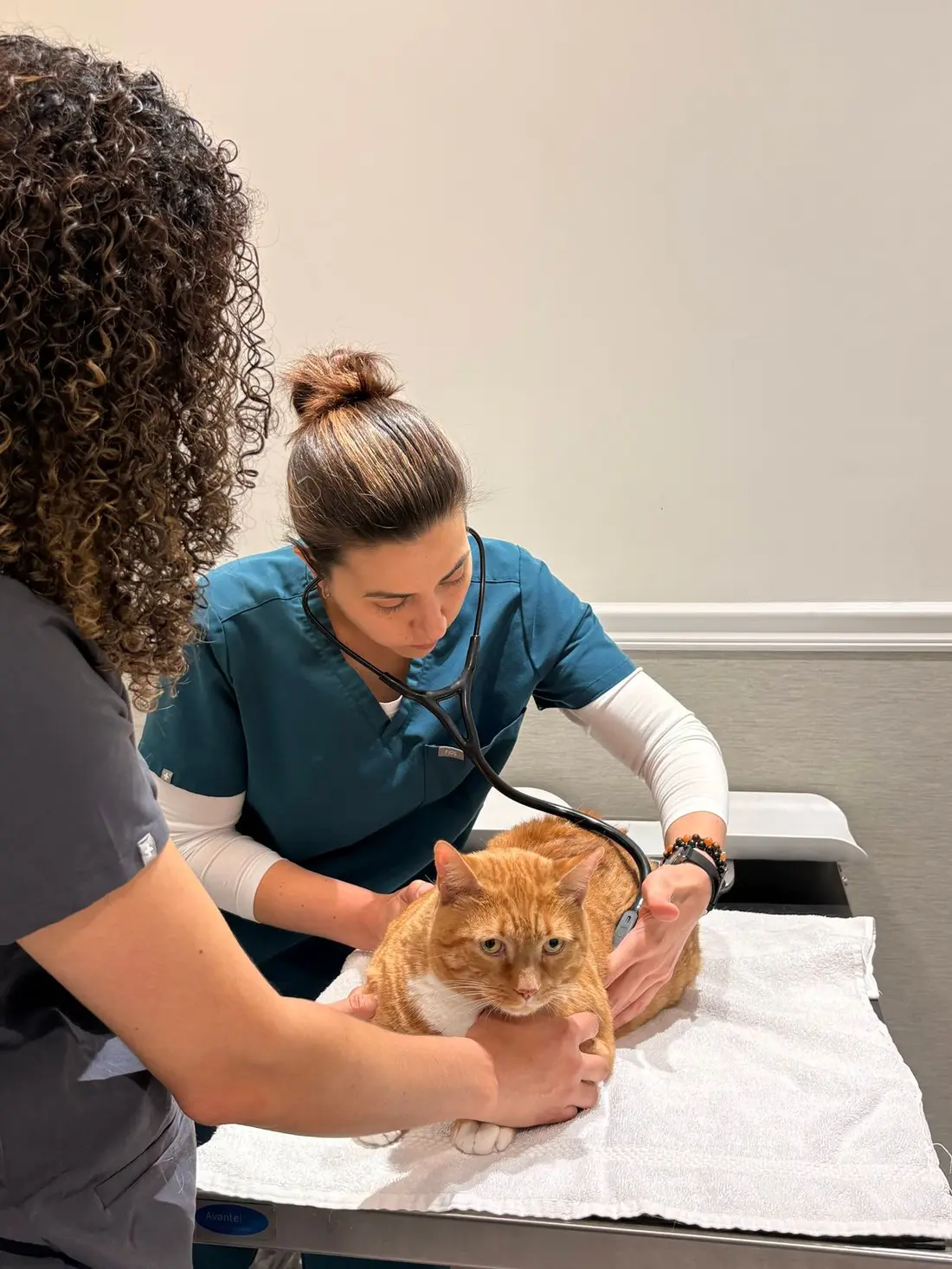
Diagnosis is a vet-only job, and thankfully it is a straightforward one. There is no home test for this, and no amount of watching can replace a blood test.
Your vet will start with a physical examination: feeling the neck for an enlarged thyroid gland, listening to the heart, and checking blood pressure. If thyroid disease looks possible, the next step is bloodwork, including a test that measures the level of thyroid hormone in the blood. Cornell University’s veterinary school explains that the vet will usually run a blood chemistry panel alongside the thyroid hormone test, because the full picture matters for choosing treatment. Their overview of hyperthyroidism in cats covers it in detail.
Your vet will almost certainly check the kidneys at the same time: hyperthyroidism increases blood flow to them, which can hide kidney trouble that treating the thyroid then unmasks. My guide to kidney disease in Maine Coons explains the early signs, and VCA’s veterinary team gives a similar overview of cat thyroid conditions.
Treatment Options Your Vet May Talk Through
There are four broad ways vets treat it, and the choice depends on your cat’s age, other health problems, what is available near you, and what you can manage day to day. Your vet will walk you through the trade-offs.
Daily anti-thyroid medication. The most common starting point. A daily medicine slows the thyroid gland’s hormone production, bringing levels back toward normal. It controls the condition rather than curing it, so it is usually a lifelong routine, and it needs regular blood tests to check that the level is right. It comes as a tablet or liquid, and for cats who hate tablets there is a gel rubbed onto the skin of the ear. Owners on forums say the ear gel made life much easier with cats who fought every pill, and several describe their cats gaining weight and calming down within weeks. Like any medicine it can cause side effects, so call your vet if you see any rather than stopping it on your own.
Radioactive iodine therapy. A single injection of radioactive iodine, given at a licensed specialist facility, and the treatment vets most often describe as curative. The overactive thyroid tissue takes up the iodine and is destroyed, while healthy tissue keeps working. Cornell notes it cures the condition in around 95 percent of cases. The cat usually stays in hospital for a few days while the radioactivity fades to a safe level. Owners who chose this route often say they wish they had done it sooner. It is not available everywhere, so ask your vet what the nearest facility is.
Surgery. Removing the affected gland or glands can also cure it, but it means a general anaesthetic, so it is not right for every cat — your vet can tell you whether yours is a good candidate.
A prescription iodine-restricted diet. Because the thyroid needs iodine to make its hormone, a specially formulated food with very low iodine can slow hormone production. The catch is strictness: it only works if it is the only food your cat eats, every meal, every day — no treats, no scraps, no hunting snacks. Owners on forums are honest about this one: many cats refuse it or go off it after a week, and in a multi-cat home keeping every other food away is a real challenge. For the right cat and the right household it can work, but it is the option that asks the most of you.
There is no single best choice: a younger senior might suit a curative treatment, while a very old cat with kidney disease might do better on daily medicine, set carefully so the kidneys stay supported. Every option involves rechecking bloodwork — that monitoring is part of the treatment, not an extra.
Living With a Hyperthyroid Maine Coon
A diagnosis is not the end of your cat’s good life. With treatment, most hyperthyroid cats settle back into themselves: the weight comes back slowly, the night pacing fades, the coat starts to look like a Maine Coon coat again. PetMD’s guide to hyperthyroidism in cats makes the same point — with the right treatment, cats often live comfortably for years after diagnosis.
Keep the medicine routine boring and regular — same time, same place, same calm handling. Keep weighing your cat monthly and note appetite, drinking, energy and litter habits, so you can tell your vet what has actually changed. If your cat has lost a lot of weight, ask your vet about rebuilding it gradually.
A cat who goes off food, seems lethargic, or stops grooming after starting medicine needs a vet call, not a wait-and-see week. Keep the rest of senior life steady, too: warm sleeping spots, easy access to water and litter trays, gentle play, and the same routines your old cat leans on. My guide to senior Maine Coon care covers the wider picture — comfort, mobility and the small changes that make an old giant’s days easier.
Frequently Asked Questions
Is hyperthyroidism in Maine Coons common?
It is one of the most common hormonal conditions in older cats generally, and Maine Coons are no exception. It mostly affects middle-aged and senior cats, so include thyroid checks in their routine senior bloodwork as they age.
Can hyperthyroidism in Maine Coons be cured?
It depends on the treatment. Radioactive iodine therapy and surgery can cure it, because they remove or destroy the overactive tissue. Daily medication and the prescription diet only control it, so they continue for life.
How long can a Maine Coon live with hyperthyroidism?
With treatment, many cats live comfortably for years after diagnosis. The outlook is best when it is caught early and followed up with regular blood tests.
My senior Maine Coon is losing weight but eating well. Is it always the thyroid?
No — weight loss with a good appetite has several possible causes, including diabetes, kidney disease and dental pain, and your vet will need bloodwork to tell them apart. But the thyroid is one of the first things a vet checks with that pattern, so book the visit.
The Short Version
If your senior Maine Coon is eating more and weighing less, pacing at night, drinking more, or their beautiful coat has gone dull and unkempt, do not file it under old age. Book a vet visit and ask about a thyroid blood test. Hyperthyroidism in Maine Coons is common, it is usually treatable, and catching it early is the difference between a cat who slowly fades and a cat who gets their weight, their calm and their appetite for life back.