American Shorthair Maine Coon Mix Characteristics
Of all the mixed-breed cats in America, few are as charming — or as confusing to describe — as the American Shorthair Maine Coon mix. You get the sturdy, all-American mouser on one side and the gentle giant of the cat world on the other. I have met several of these mixes over the years, and they tend to be the kind of cat that quietly steals the whole household: handsome, sensible, and far more interesting than their “just a mix” label suggests.
Because no breed registry standardizes a mix, every cat is a little different. What follows is what you can realistically expect — the traits that show up again and again when these two breeds combine.
History: Two All-American Breeds
Both parent breeds are considered native to the United States in the sense that they developed here over centuries. Cats arrived with European settlers — most likely British colonists — as working mousers on ships and farms. The tough, short-coated survivors of those early colonies became the American Shorthair, while the long-coated cats of New England became the Maine Coon.
How the American Shorthair got its name
For a long time these cats were simply called “Shorthairs.” As cat shows grew popular in the late 1800s, fanciers wanted a name that distinguished the American cats from other shorthaired breeds — and in 1966 the breed was officially renamed the American Shorthair. It was a slow road: the breed’s plain, familiar look made people overlook it in favor of more exotic imports for decades. A mix with the Persian was even tried at one point before breeders decided to preserve the Shorthair’s hardy, natural type.
Physical Characteristics
A mix inherits a shuffled deck of genes from both parents, so expect variation. These are the traits that turn up most often:
Body structure
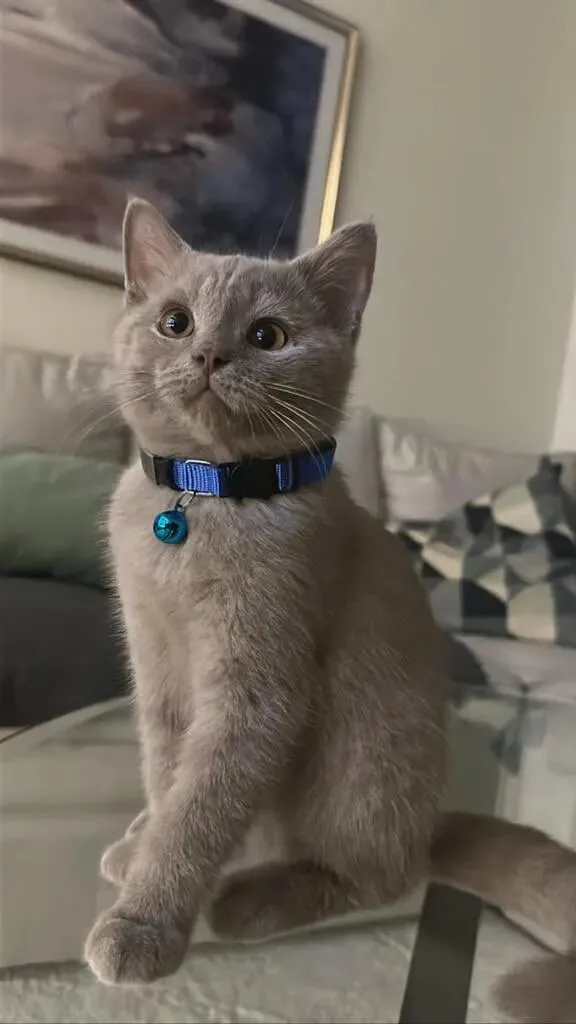
A blend of the Maine Coon’s substantial build and the American Shorthair’s moderate, athletic frame. Most mixes are solid, muscular cats with a broad chest — they look capable, because they are.
Size
Expect medium to large. American Shorthairs typically run 6–15 pounds, while Maine Coons are famously bigger. A mix usually lands somewhere in between, with males noticeably larger than females.
Coat length
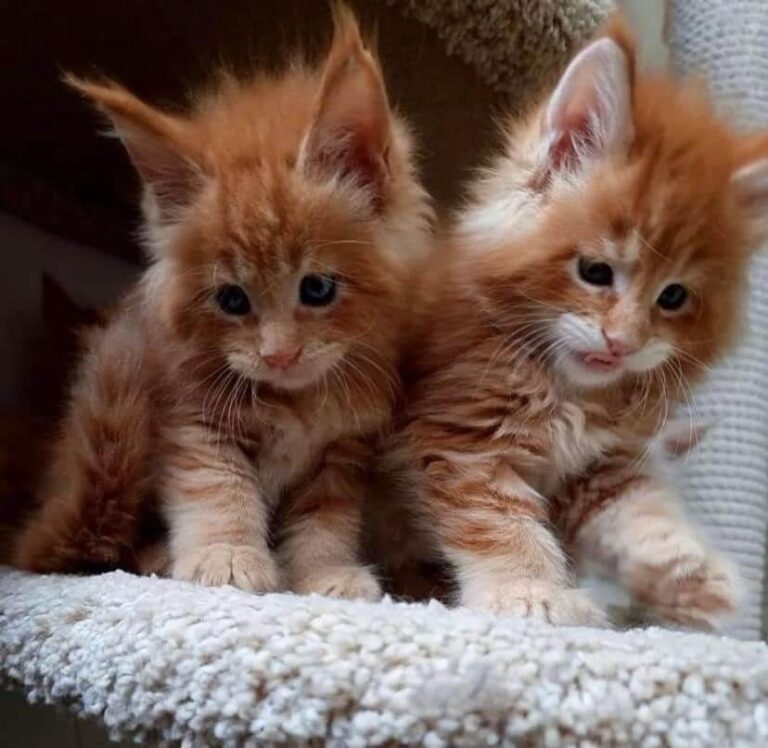
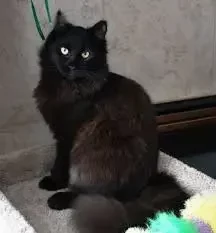
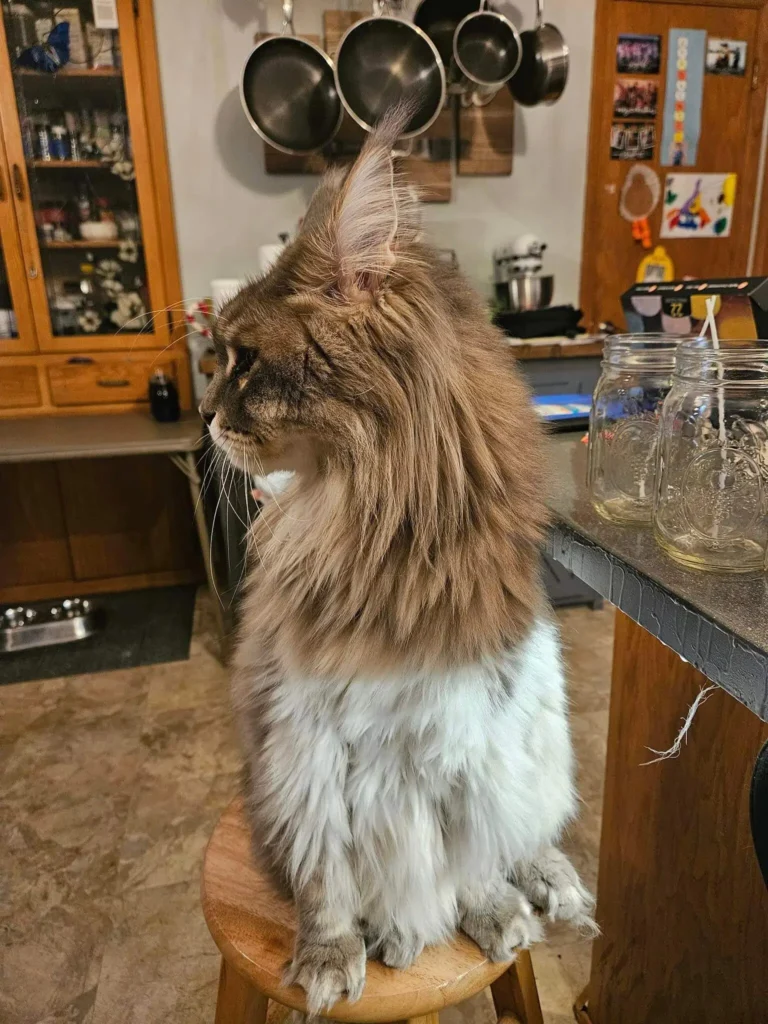
This is the big variable. The coat can be short, medium, or semi-long depending on which genes dominate. A good rule of thumb: if the cat has genuinely short hair, the Shorthair side is calling the shots; a plush, longer coat means the Maine Coon influence won out.
Tail, ears, and eyes
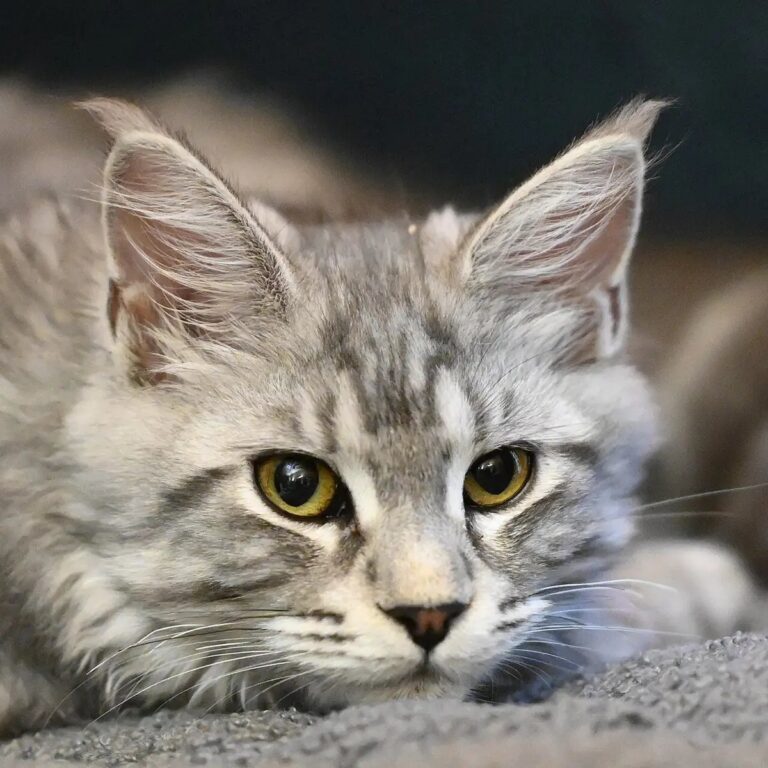
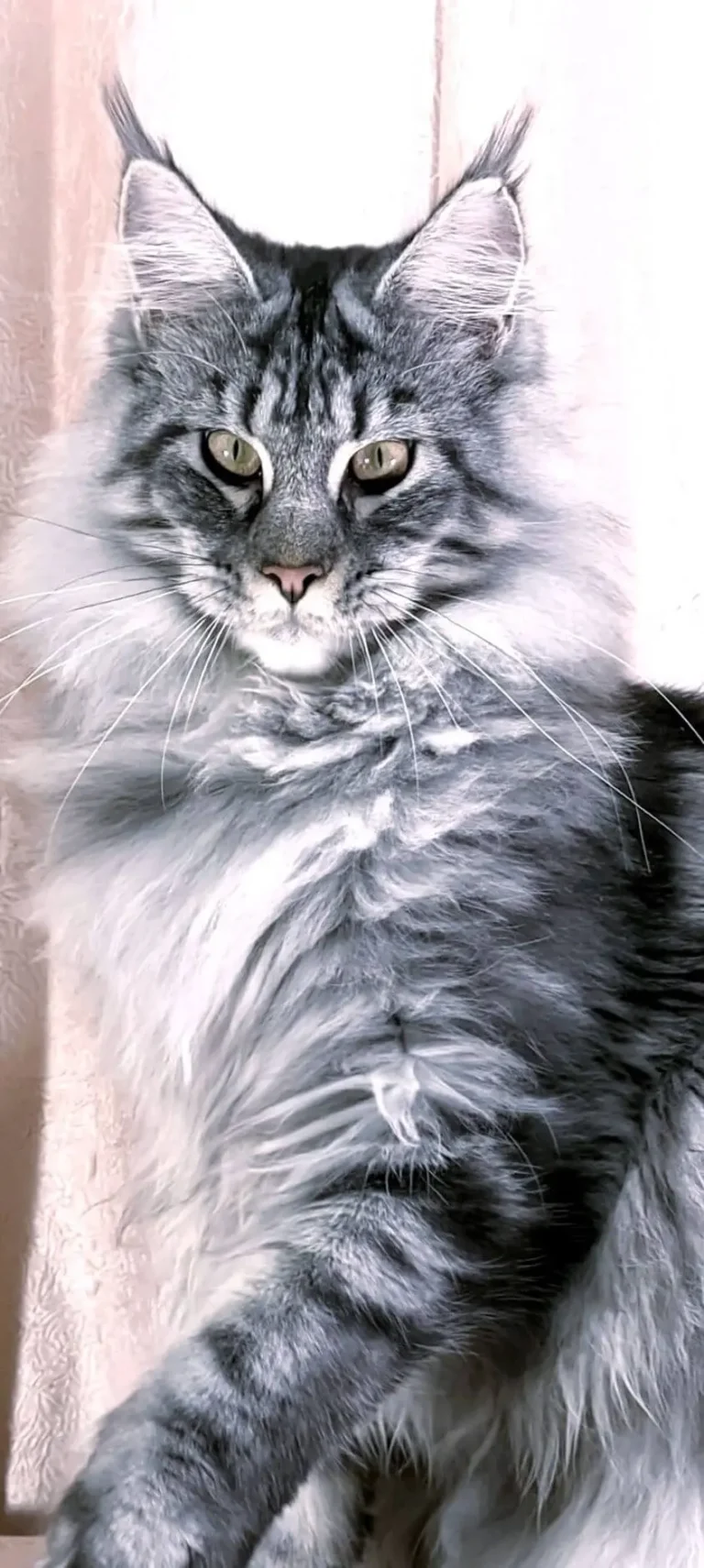
The tail is often gloriously bushy like a Maine Coon’s, though length varies. Ears may carry the Maine Coon’s signature tufts, and the eyes are typically large, round, and expressive — gold, green, or copper are all common.
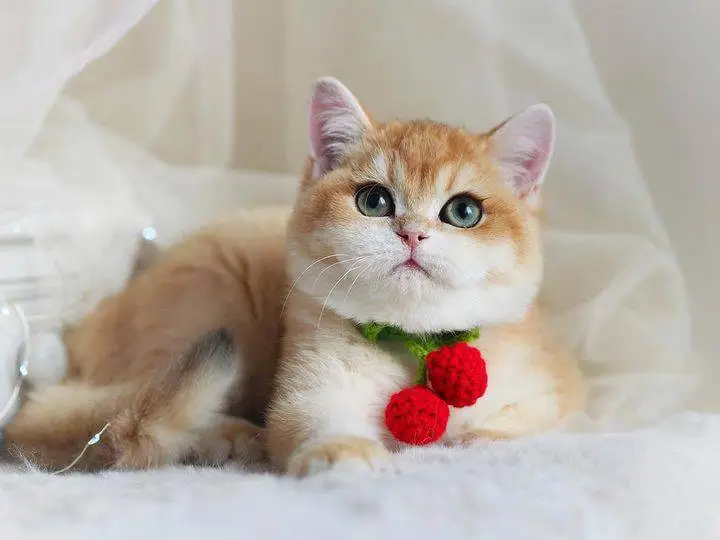
Coat colors and patterns
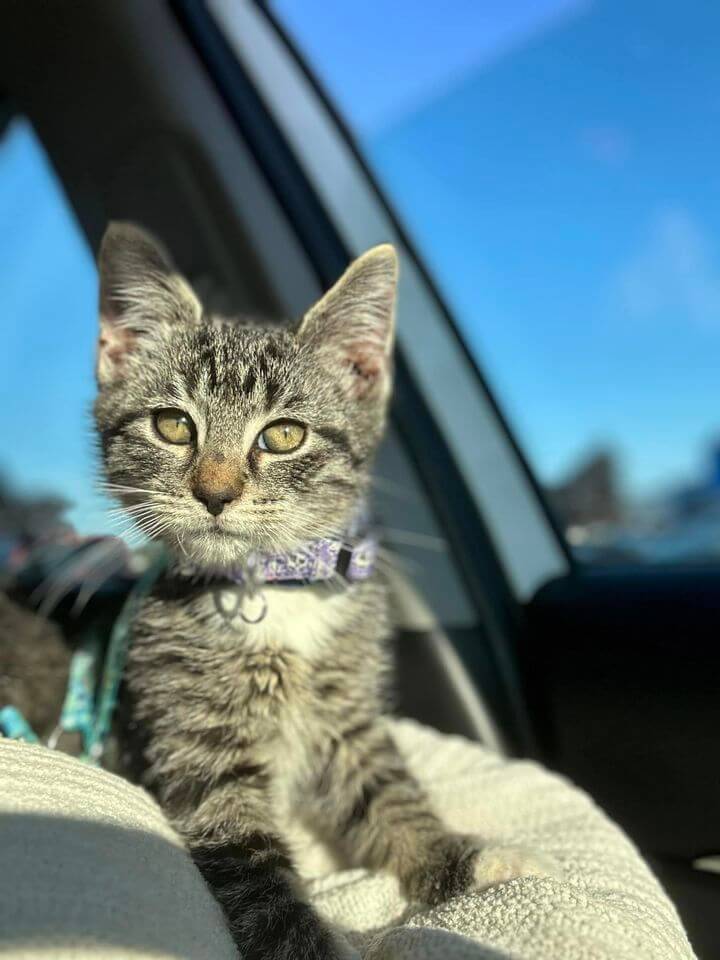
Both parent breeds come in a wide rainbow of colors, so the mix can too: tabby (especially the classic silver tabby with black markings), solid, bicolor, and more. Tabby is by far the most common pattern you will see.
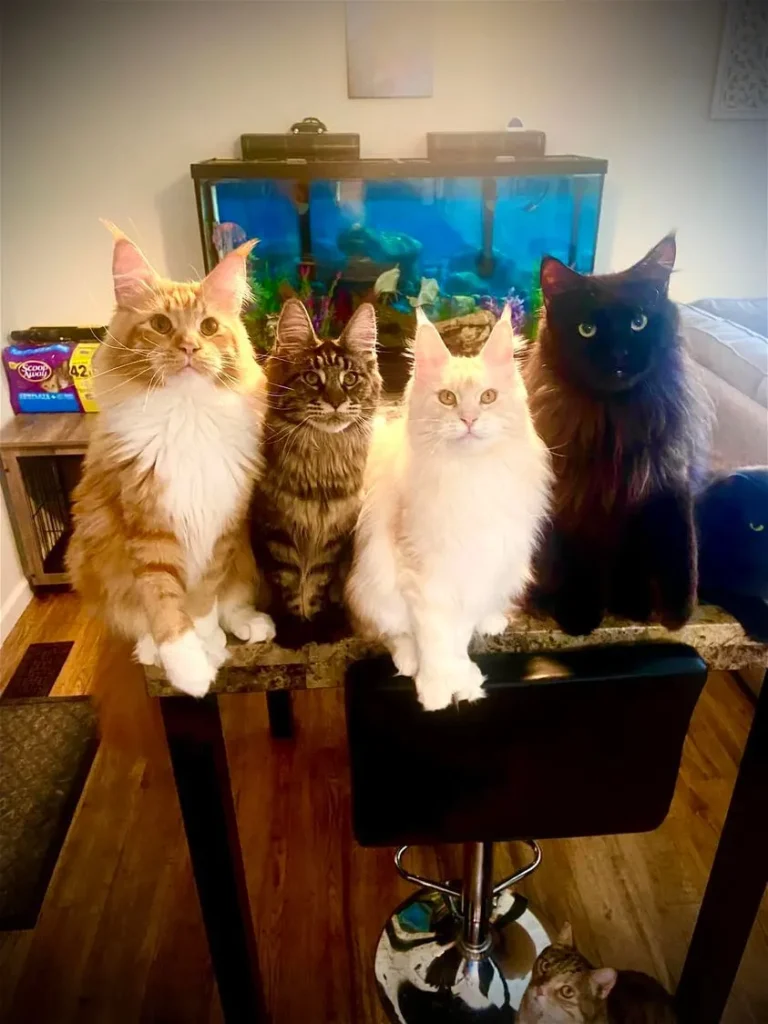
Personality and Temperament
If the looks are a lottery, the personality is the jackpot. These mixes consistently produce well-balanced, easygoing cats:
- Straightforward and sensible. No drama, no diva behavior. They are polite with strangers — friendly but not pushy — and settle into household rules quickly.
- Adaptable. Apartments, houses, busy families, quiet singles — they adjust. This is one of the most genuinely easygoing mixes I have encountered.
- Playful for life. They keep a kittenish streak well into adulthood. Interactive toys and puzzle feeders are a hit; they prefer batting and pouncing games over long chases.
- Smart. Both parent breeds are intelligent, and the mix inherits it. They learn routines fast, figure out puzzle toys, and some even learn tricks.
- Independent but affectionate. They are fine amusing themselves while you are at work — no separation anxiety guilt trips — and genuinely glad to see you when you get home.
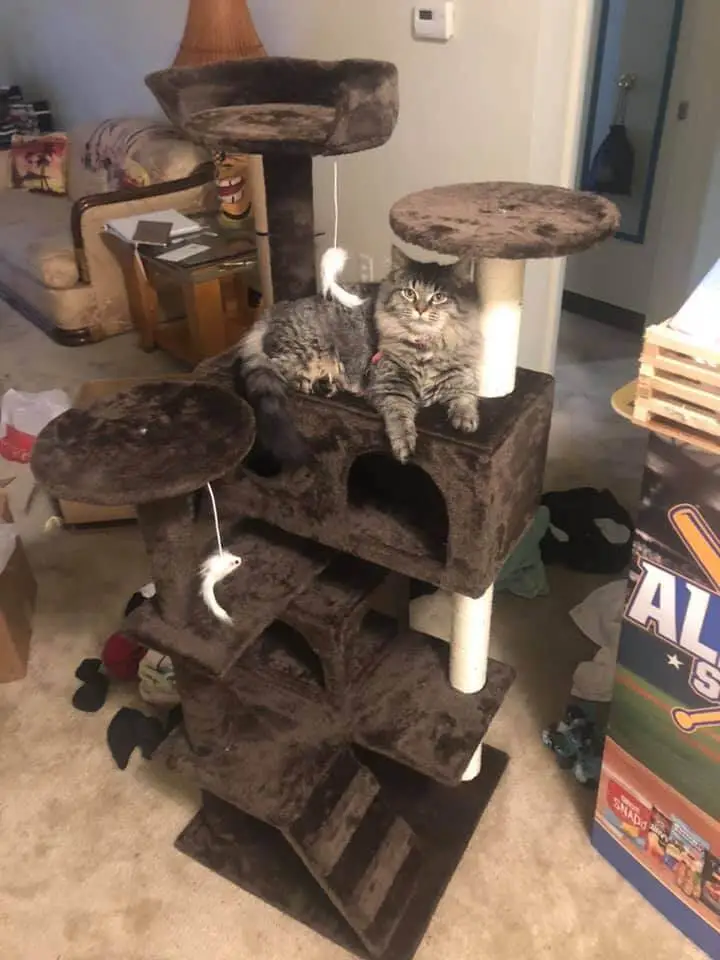
Are They Good With Other Pets?
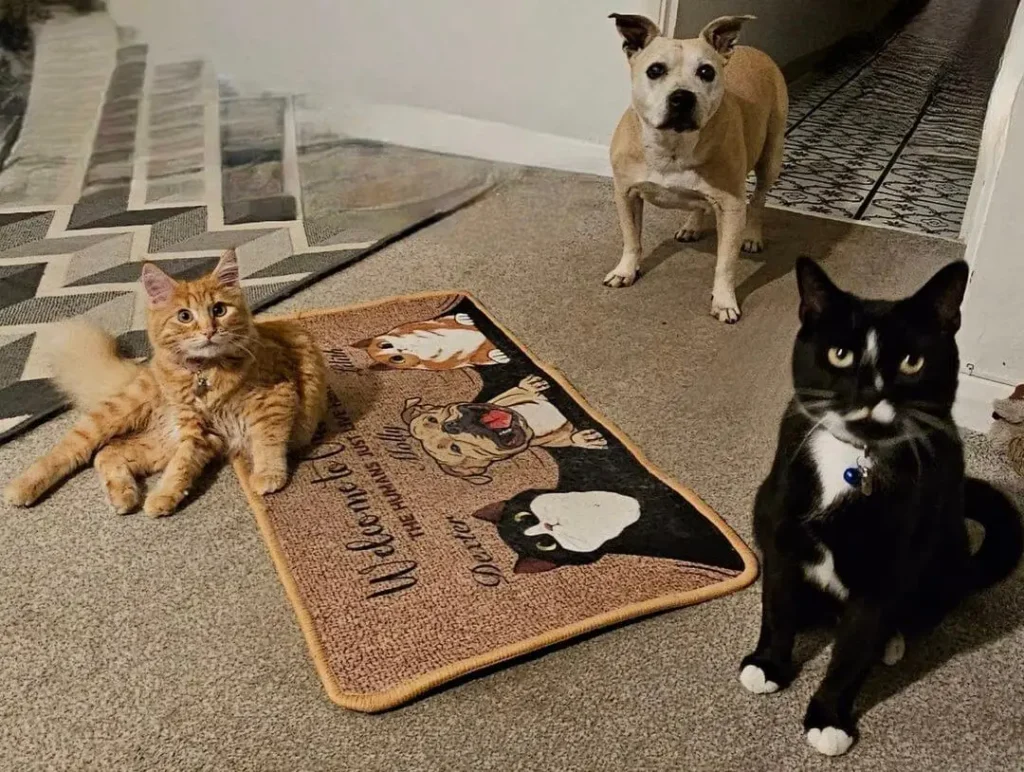
Generally, yes — this is one of their strengths. Their tolerant, non-confrontational nature means they usually accept other cats and cat-friendly dogs without fuss. As with any cat, do slow, supervised introductions and give every animal a private retreat space. If a multi-pet household is your plan, also see my roundup of cat breeds that are good with dogs for what makes these pairings work.
Are They Good for Families?
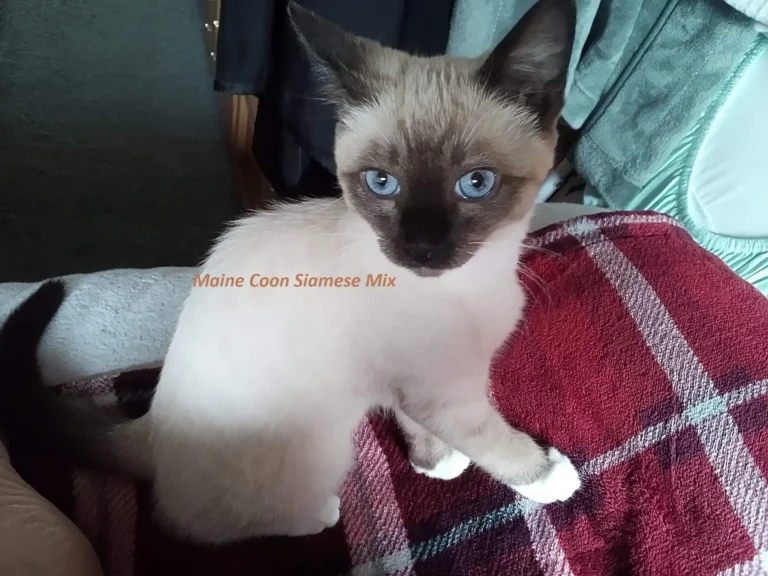
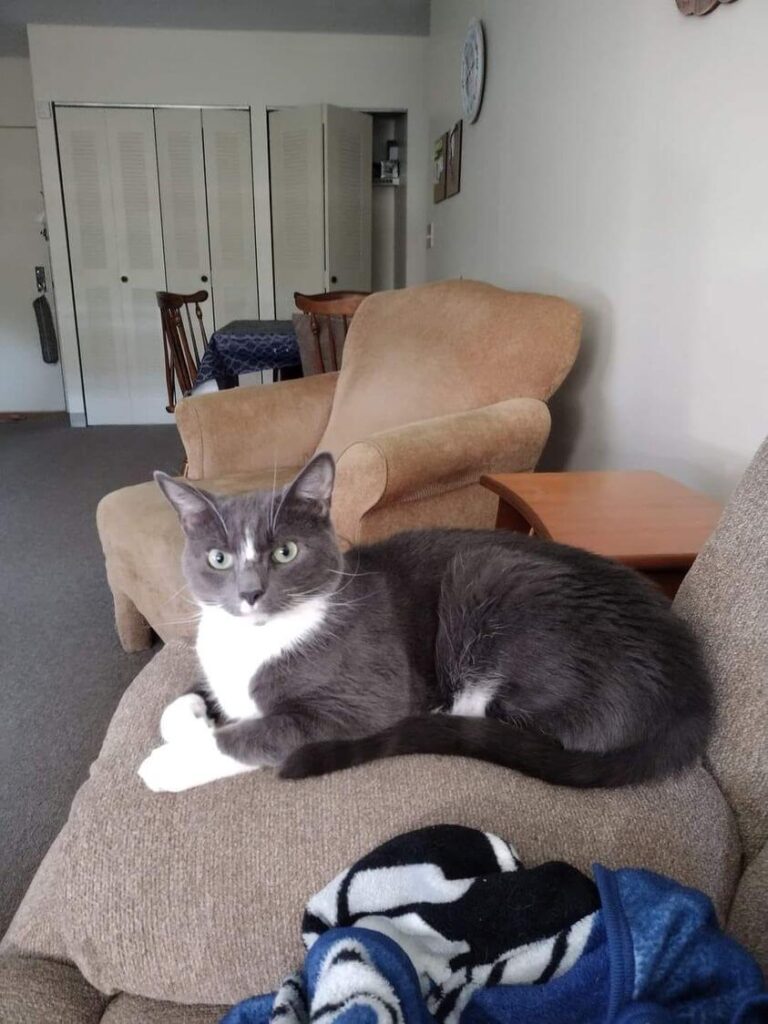
Very. They are patient with children, undemanding of attention, and sturdy enough for a lively household. They will join family life on the sofa as happily as they will supervise from a sunny windowsill. For a closer look at a similar cross, see the Maine Coon Siamese mix — another family-friendly blend with a very different personality flavor.
Health Considerations
Both parent breeds are generally hardy, and mixes benefit from hybrid vigor. Still, it is worth knowing the conditions that can appear in these bloodlines:
- Hypertrophic cardiomyopathy (HCM) — a heart condition seen in Maine Coons and in cats generally. Reputable breeders screen for it.
- Polycystic kidney disease (PKD) — rare in these lines, but worth asking about since it entered some Shorthair lines historically.
The incidence of both in well-bred cats is low. Always ask a breeder about health screening and DNA testing, and check the breed profiles at the Cat Fanciers’ Association and The International Cat Association for background on both parent breeds.
Finding a Reputable Breeder
Because this is a mix rather than a recognized breed, you will mostly find these cats through rescues, shelters, and occasionally breeders. That is actually good news — shelters are full of wonderful Shorthair and Maine Coon type mixes waiting for homes. If you do buy from a breeder, look for health testing, a clean cattery you can visit, and kittens raised underfoot in a home. Prices vary enormously by region and lineage, so compare carefully and never pay a deposit to someone you cannot verify.
Frequently Asked Questions
Can Maine Coon mixes have short hair?
Yes. Coat length depends on which genes the kitten inherits. A Maine Coon mixed with a shorthaired breed like the American Shorthair can absolutely produce short- or medium-coated kittens.
Do Maine Coon mixes get big?
Often, yes — though not always as large as a purebred Maine Coon. With Maine Coon genes in the mix, expect a medium-to-large cat, with males on the bigger end.
Is a Maine Coon a hybrid?
No. The Maine Coon is a purebred domestic cat breed with a long established history, not a hybrid. A “hybrid” in the strict sense usually means offspring of different species.
What is the rarest cat breed mix?
There is no official answer — “rarest mix” depends on who you ask and where you live. Among recognized breeds, the Sokoke is often cited as one of the rarest domestic cats in the world.