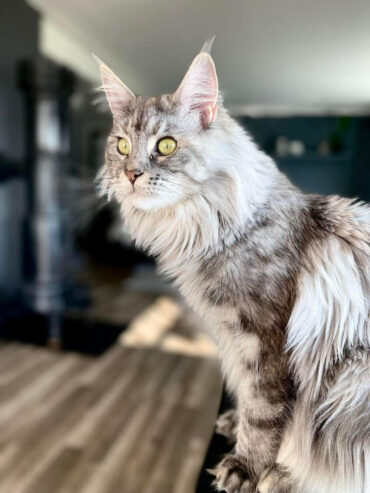
10 cat breeds that are good with dogs
People always look surprised when I tell them my Maine Coon and my dog nap in the same sunspot. Cats and dogs are supposed to be rivals, right? In my experience, the rivalry is mostly a myth. With the right cat and a proper introduction, the two species can become genuine friends, sometimes even partners in crime.
That said, breed tendencies do matter. Some cats are naturally confident, social, and unbothered by a dog’s energy, while others will spend their lives hiding behind the sofa. If you already have a dog and want to add a cat, or you are choosing a cat with a future dog in mind, here are ten breeds that tend to do well in dog-friendly homes.

10 cat breeds that do well with dogs
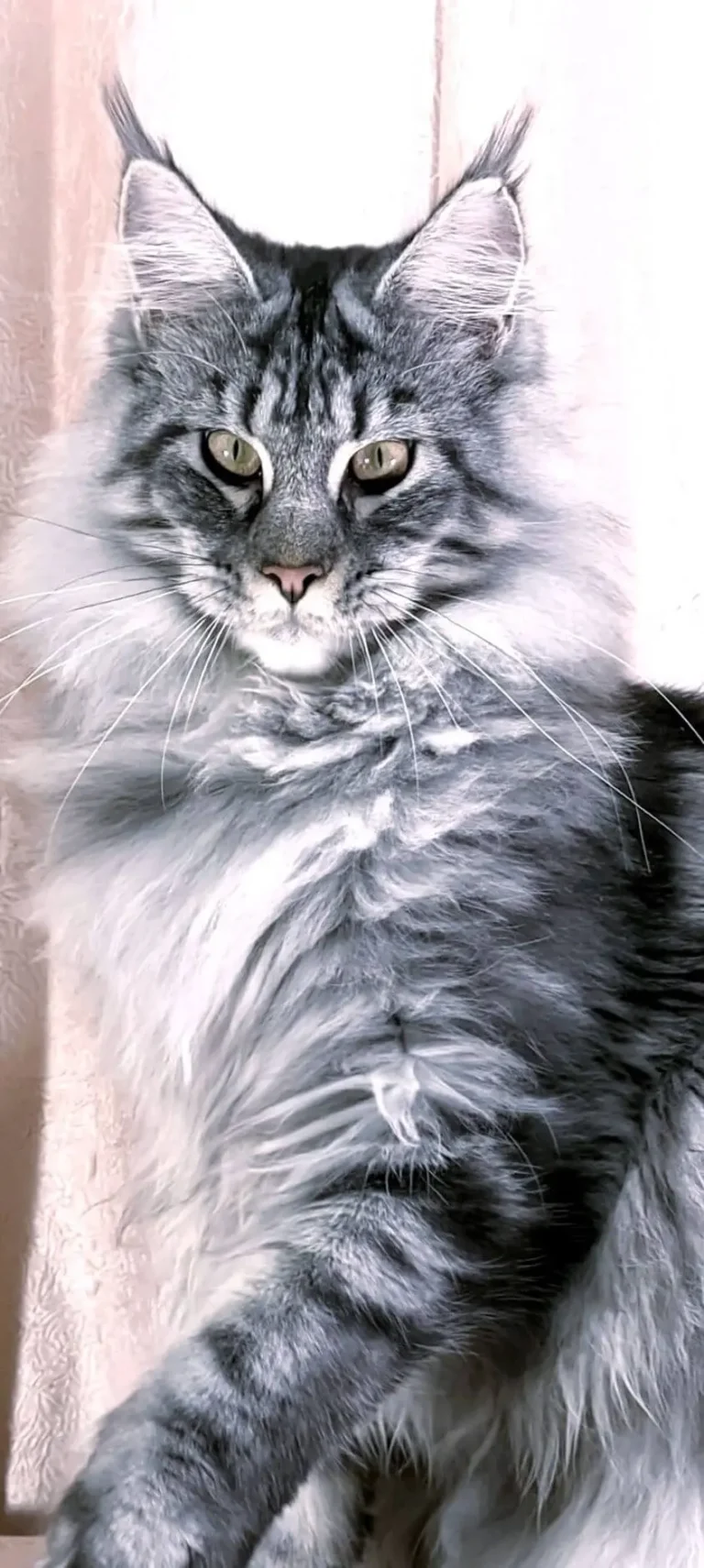
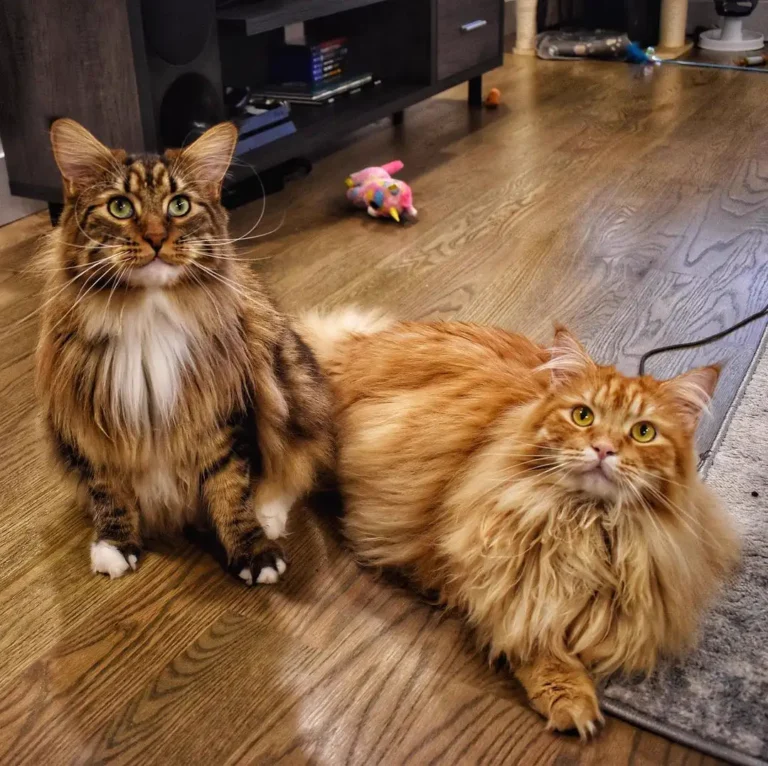
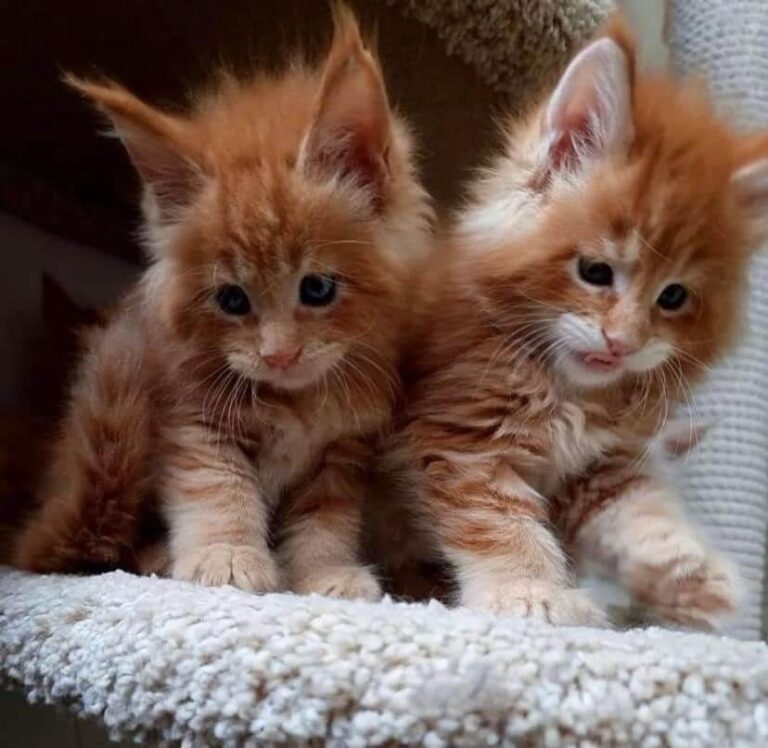
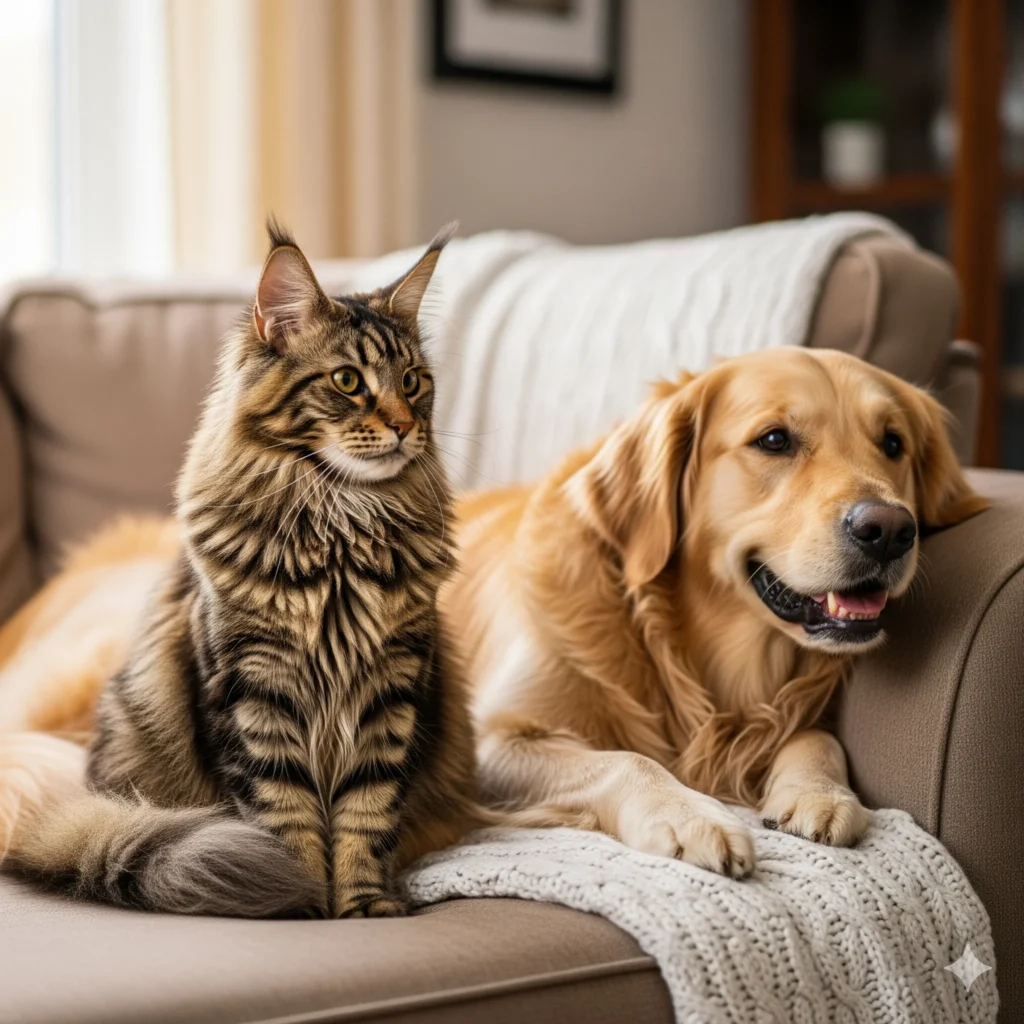
1. Maine Coon
Of course they top my list. Maine Coons are large, confident, and famously social, the rare cat that often greets visitors at the door and follows the family from room to room. Their size means they are not easily intimidated by dogs, and their playful streak means they often join in games instead of fleeing them. Mine learned the dog’s fetch routine within a week and now supervises it closely.
If you want the full picture of the breed, read my guide to Maine Coon personality traits. They are also consistently ranked among the Cat Fanciers’ Association’s most popular breeds, which tells you something about how well they fit into busy households.
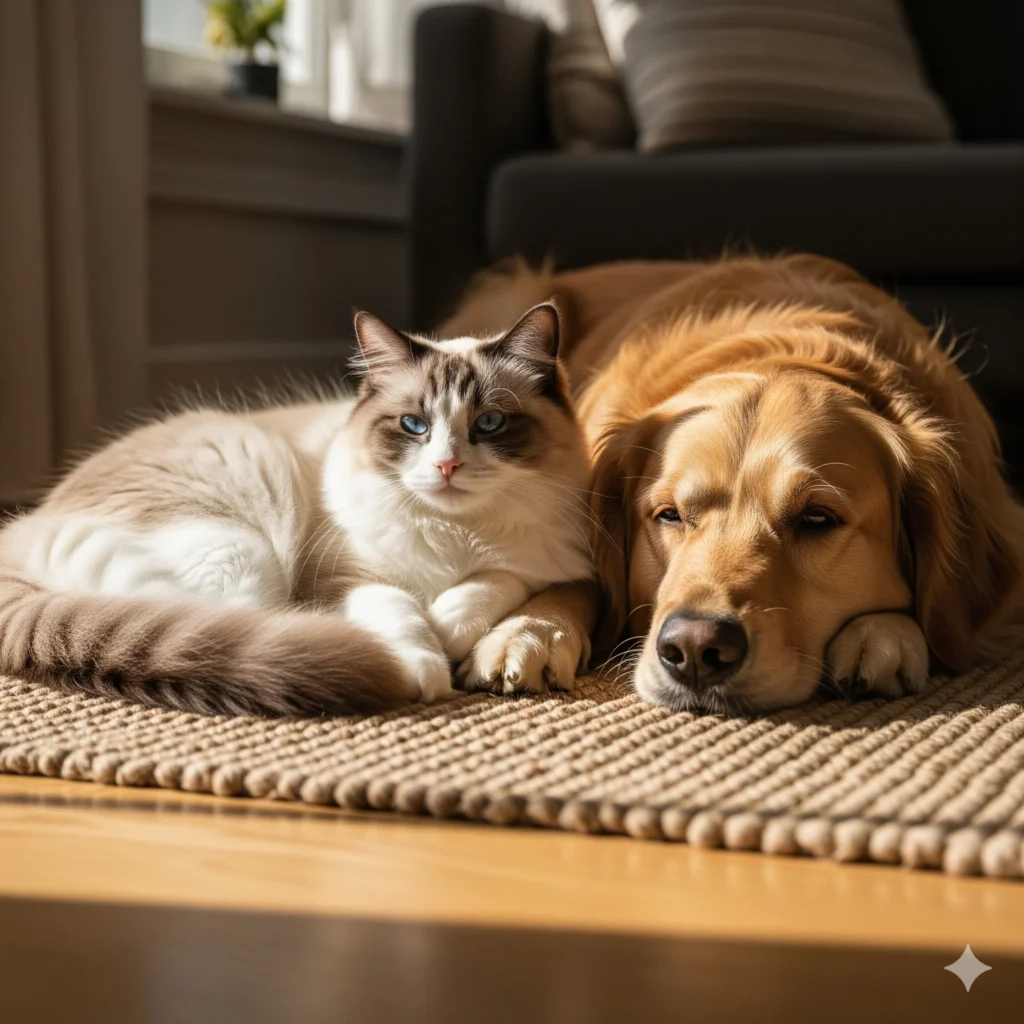
2. Ragdoll
Ragdolls are the cats most likely to go limp in your arms like their name suggests. They are calm, tolerant, and famously unbothered by commotion, which makes them a natural fit for homes with gentle, well-mannered dogs. They tend to greet other animals with curiosity rather than alarm, and they bond deeply with the whole household, dogs included.
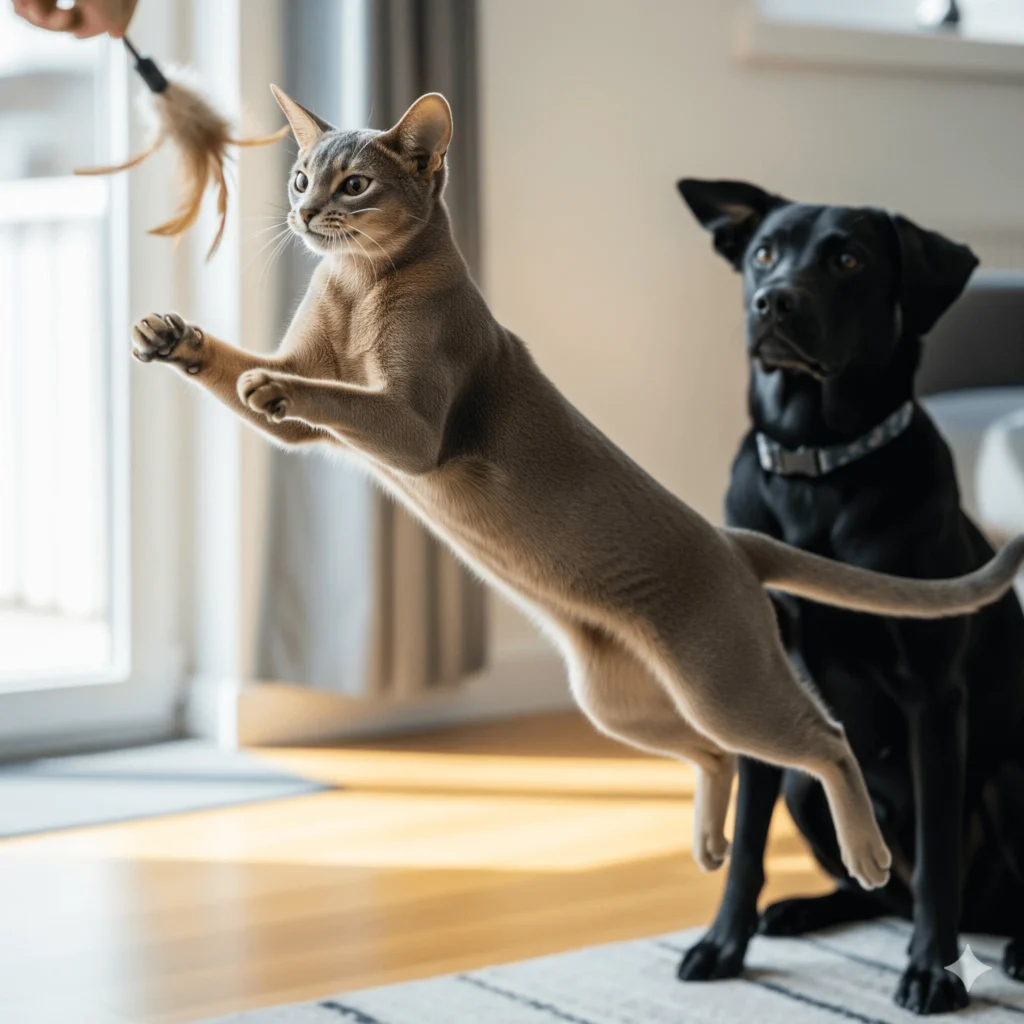
3. Abyssinian
If your dog is the bouncy, always-playing type, an Abyssinian can keep up. These are athletic, curious cats with energy to burn, and they often do best with a dog that matches their playfulness rather than a couch potato. They love climbing, chasing, and interactive games, so a dog that wants a playmate is ideal. Just make sure both animals get enough exercise, or they will invent their own games with your furniture.
4. Birman
Birmans are gentle, patient, and people-oriented, with those striking blue eyes and white-gloved paws. They adapt well to multi-pet homes and tend to handle a dog’s enthusiasm with remarkable grace. They are social enough to want company but calm enough not to escalate when a dog gets rowdy, which is a combination I wish more animals had.

5. American Shorthair
Easygoing, adaptable, and sturdy, the American Shorthair is the low-drama choice for a dog household. They are affectionate without being needy and independent enough to retreat to a quiet spot when the dog gets too much. There is also the American Shorthair Maine Coon mix, which blends that steady temperament with Maine Coon size and sociability, worth a look if you like both breeds.

6. Siberian
Siberians are strong, confident forest cats that are not easily pushed around, which serves them well with dogs. They are playful and athletic well into adulthood and genuinely enjoy interactive play, so they often befriend active dogs rather than merely tolerating them. Their thick triple coat needs regular brushing, but temperament-wise they are one of the most dog-compatible longhairs out there.
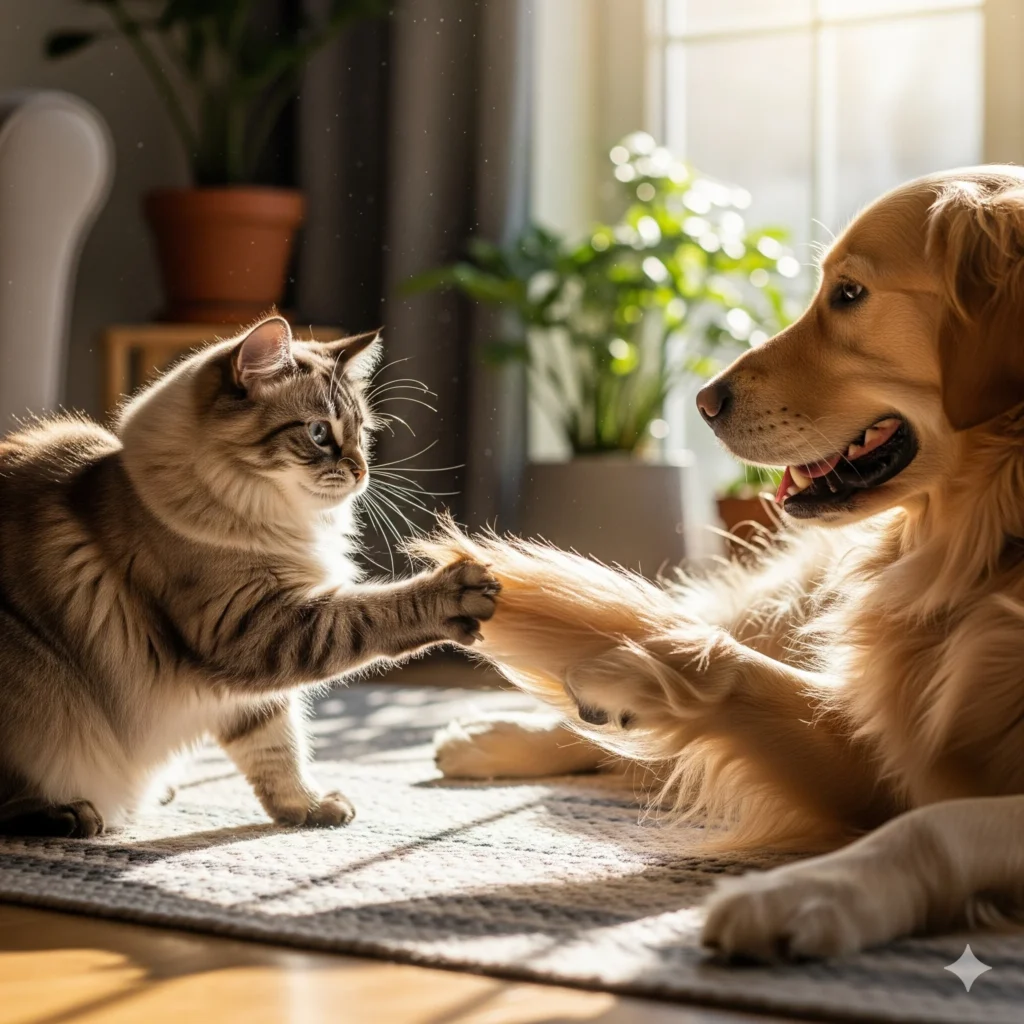
7. Burmese
Burmese cats are famously people-focused, almost dog-like themselves. They follow their owners around, demand to be involved in everything, and tend to treat a friendly dog as just another member of their social circle. If you want a cat that will cuddle the dog rather than merely coexist with it, the Burmese is a strong candidate.
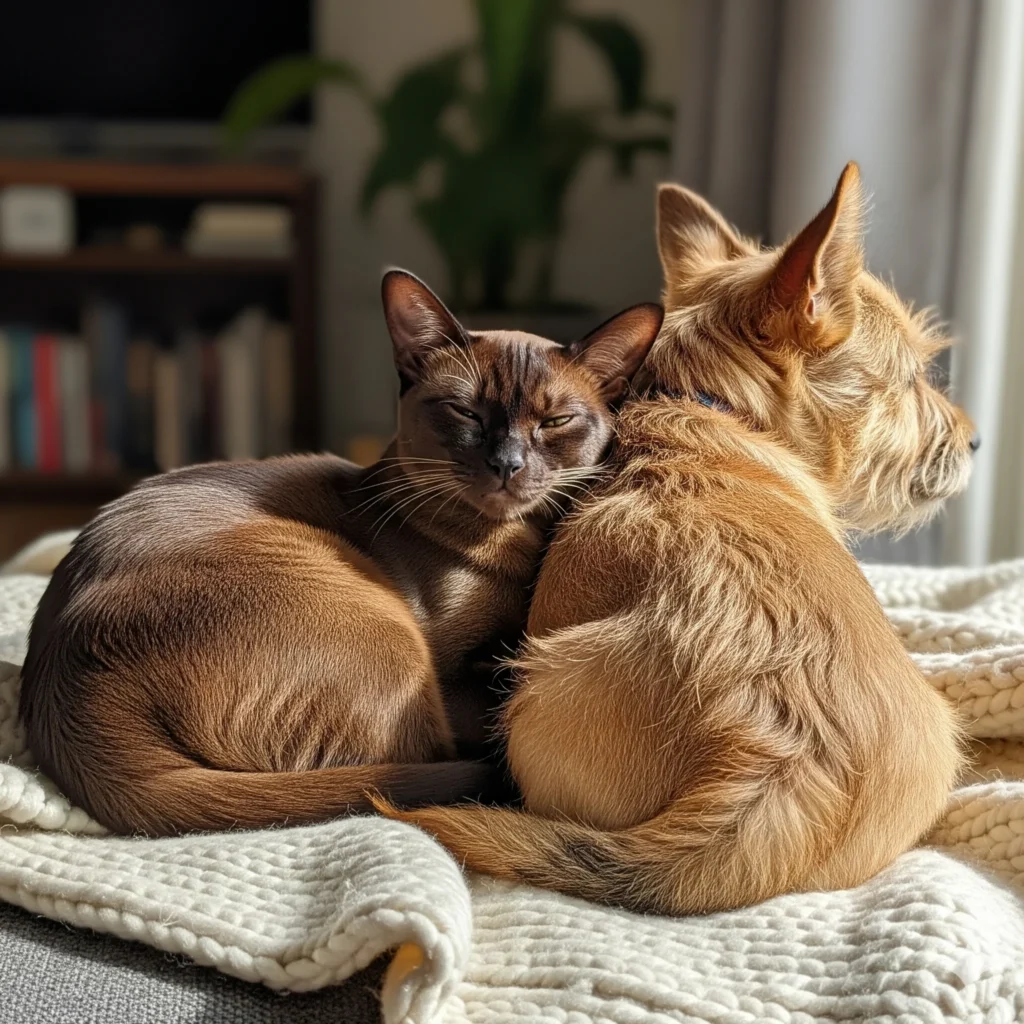
8. Tonkinese
A cross between the Burmese and the Siamese, the Tonkinese inherited the social streak of both. They are playful, chatty, and happiest in the middle of household activity. They bond strongly and can get lonely, so a friendly dog is often a feature, not a bug, giving them the companionship they crave when you are busy.
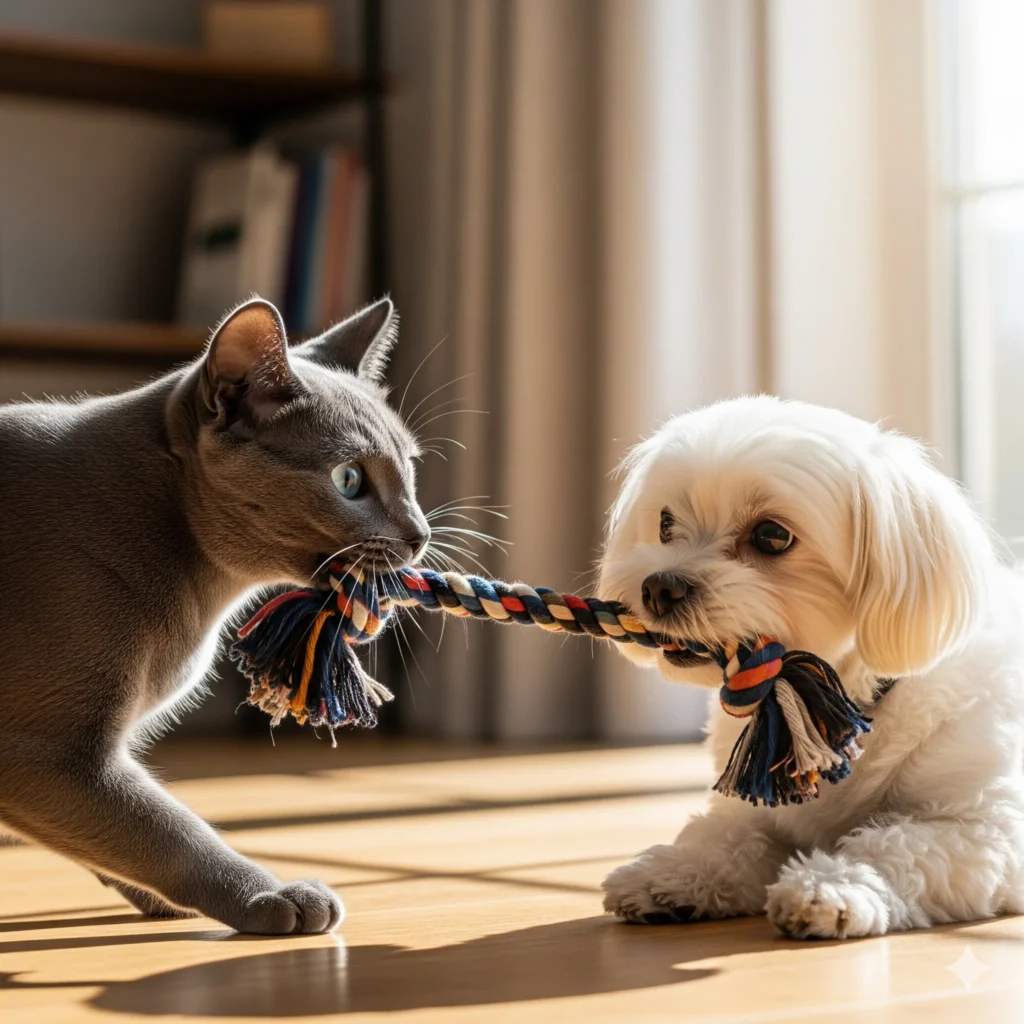
9. Chartreux
This quiet French breed is calm, adaptable, and observant. Chartreux cats tend to assess new situations, including new dogs, thoughtfully rather than reacting in panic. They are affectionate with their families and generally unbothered by the bustle of a multi-pet home, making them a steady, low-conflict choice.
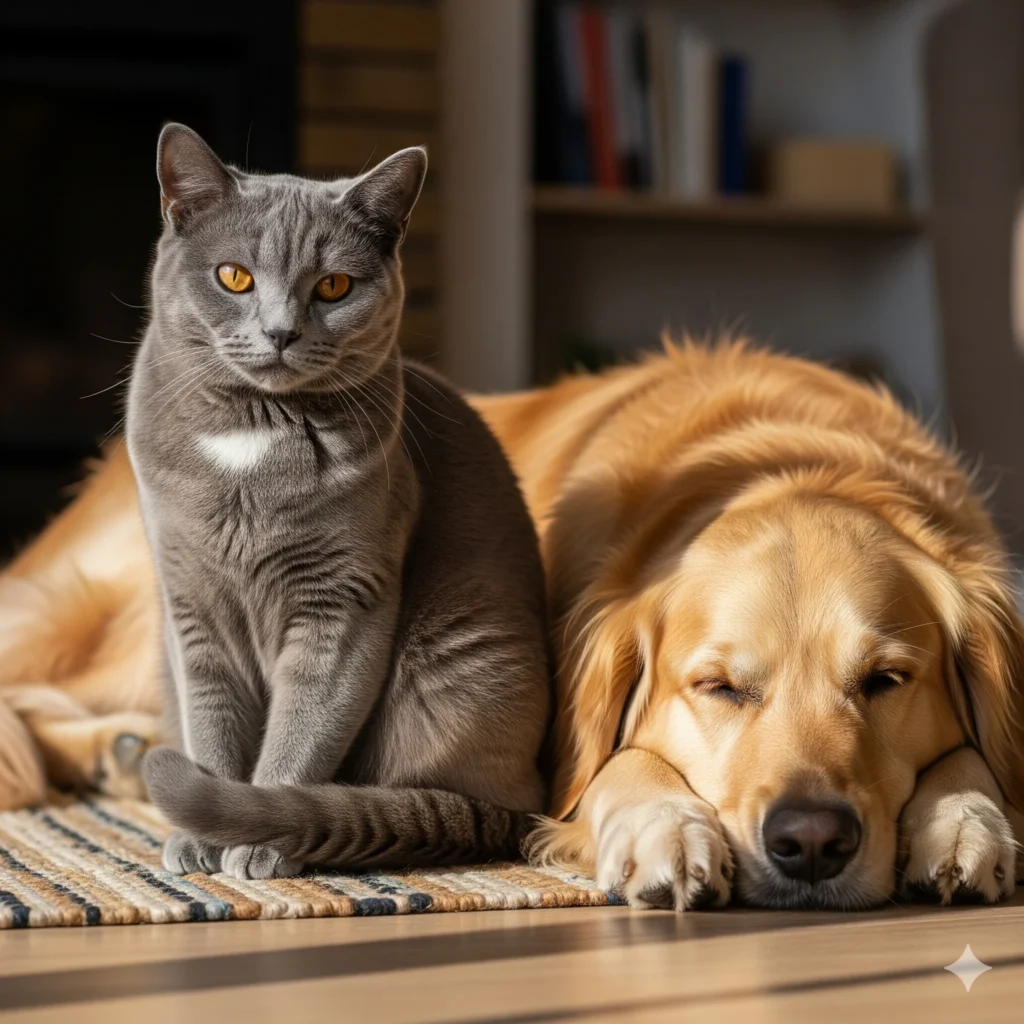
10. Norwegian Forest Cat
Like the Maine Coon, the Norwegian Forest Cat is a large, confident natural breed that does not spook easily. They are playful, adventurous, and sturdy enough to hold their own around dogs, and they genuinely enjoy an active household. If you love the Maine Coon vibe but want something a little different, this is the breed to research.

How to introduce a cat to a dog
The breed helps, but the introduction matters more. Here is the approach that has worked in my home:
- Start with scent, not sight. Let them smell each other’s bedding for a few days before any face-to-face meeting.
- Use a barrier first. A baby gate lets them see and sniff each other with an escape route for the cat.
- Keep the dog calm. A hyper, lunging dog will terrify any cat. Exercise the dog first, and keep early meetings short.
- Give the cat vertical space. Cat trees and shelves let the cat observe from safety, which builds confidence fast.
- Never force it. Some pairs click in days; others need weeks. Let the cat set the pace.
- Supervise until you are sure. Even friendly pairs should be supervised until the relationship is clearly settled.
PetMD’s behavior resources echo the same advice: slow, scent-first introductions with safe retreats for the cat are what make multi-species homes work.
Frequently Asked Questions
What is the best cat breed for a home with a large dog?
Large, confident breeds like the Maine Coon, Ragdoll, and Norwegian Forest Cat tend to do best with big dogs because they are not easily intimidated. That said, the individual dog’s temperament and training matter at least as much as the cat’s breed.
Should I get a kitten or an adult cat if I have a dog?
Kittens usually adapt faster since they have fewer established fears, but a calm adult cat with a known history around dogs can be a safer bet. Either way, the introduction process matters more than the age.
Can any cat learn to live with a dog?
Most cats can learn to coexist peacefully with a calm, cat-savvy dog given time and proper introductions. True friendship is more likely with social breeds, but even shy cats usually reach a comfortable truce. For more on what makes this breed such good company, see my list of reasons Maine Coons make good pets.
How long does it take for a cat and dog to get along?
Anywhere from a few days to a few months. In my experience, most pairs find their rhythm within two to four weeks if introductions are handled patiently. If there is still real fear or aggression after a couple of months, talk to your vet or a behaviorist.
Bringing a cat into a dog home does not have to be stressful. Pick a social, confident breed, introduce them slowly, and give the cat safe spaces, and you may end up like me: stepping over a dog and a Maine Coon sharing one sunspot, wondering who taught whom to nap like that.