How to Tell If Your Cat Is a Maine Coon: Size, Ears, Tail and Temperament
If you have ever looked at your big, fluffy cat and wondered how to tell if your cat is a Maine Coon, you are in good company. I have lived with these cats for years, and I can tell you straight away: no single feature settles it. A big cat is not automatically a Maine Coon, and ear tufts alone do not prove it either. What matters is the whole picture — head shape, body build, coat, tail, and behaviour. A checklist can point you toward Maine Coon heritage. Only pedigree papers — or, to a lesser degree, a DNA test — can confirm it.
How to Tell If Your Cat Is a Maine Coon: Start With the Whole Cat
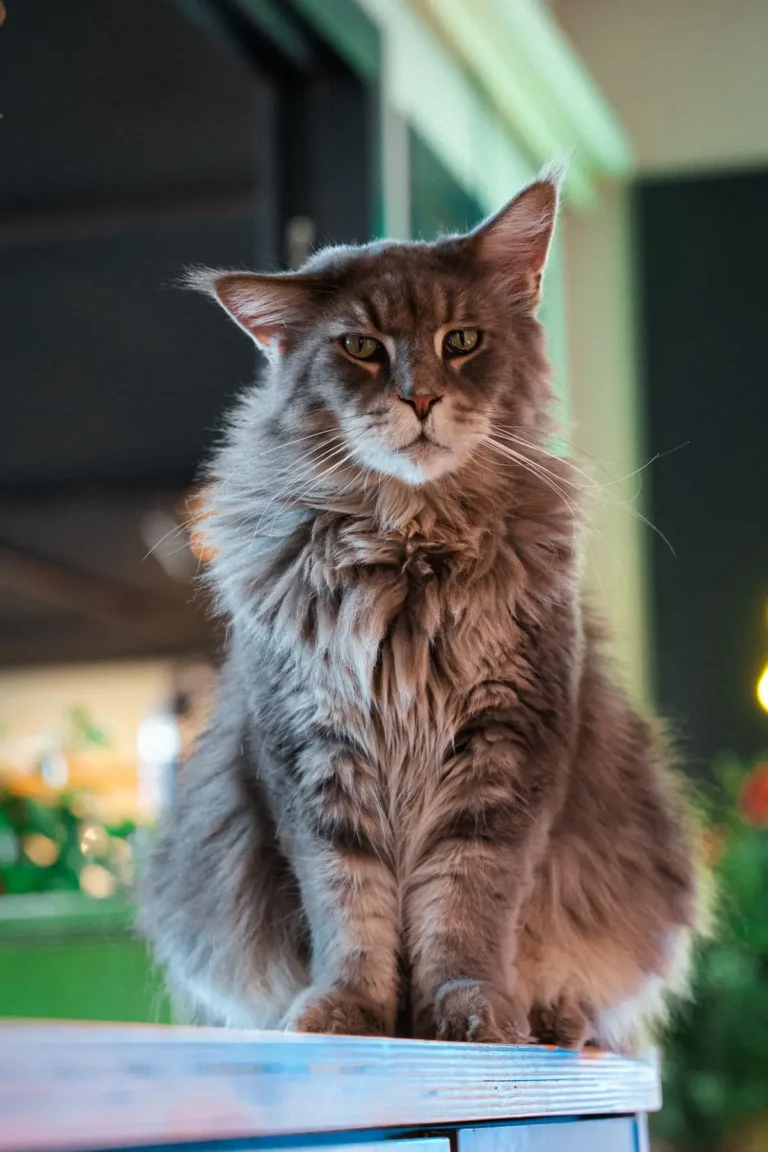
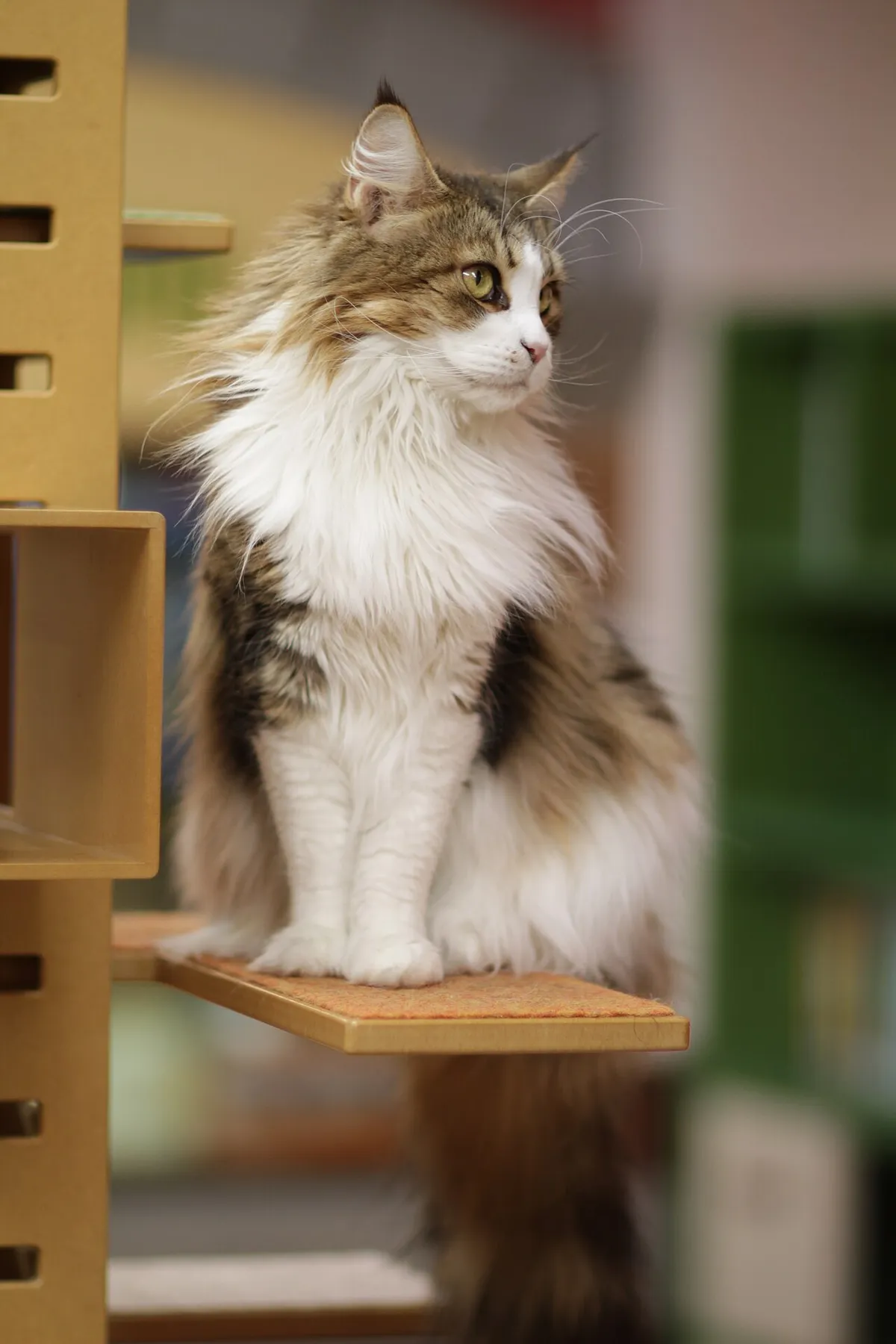
Step back and look at your cat as a whole before you zoom in on one feature. A Maine Coon should read as a long, solid, rectangular cat with a rugged, working-cat look. Nothing about the cat should look delicate or exaggerated. The breed developed as a farm and ship cat in the harsh winters of New England, and the standard still describes a well-proportioned, balanced animal where no single part dominates. That overall impression — big-boned, long-bodied, shaggy rather than sleek — is your first and most useful clue.
The Head and Face: The Most Reliable Clue
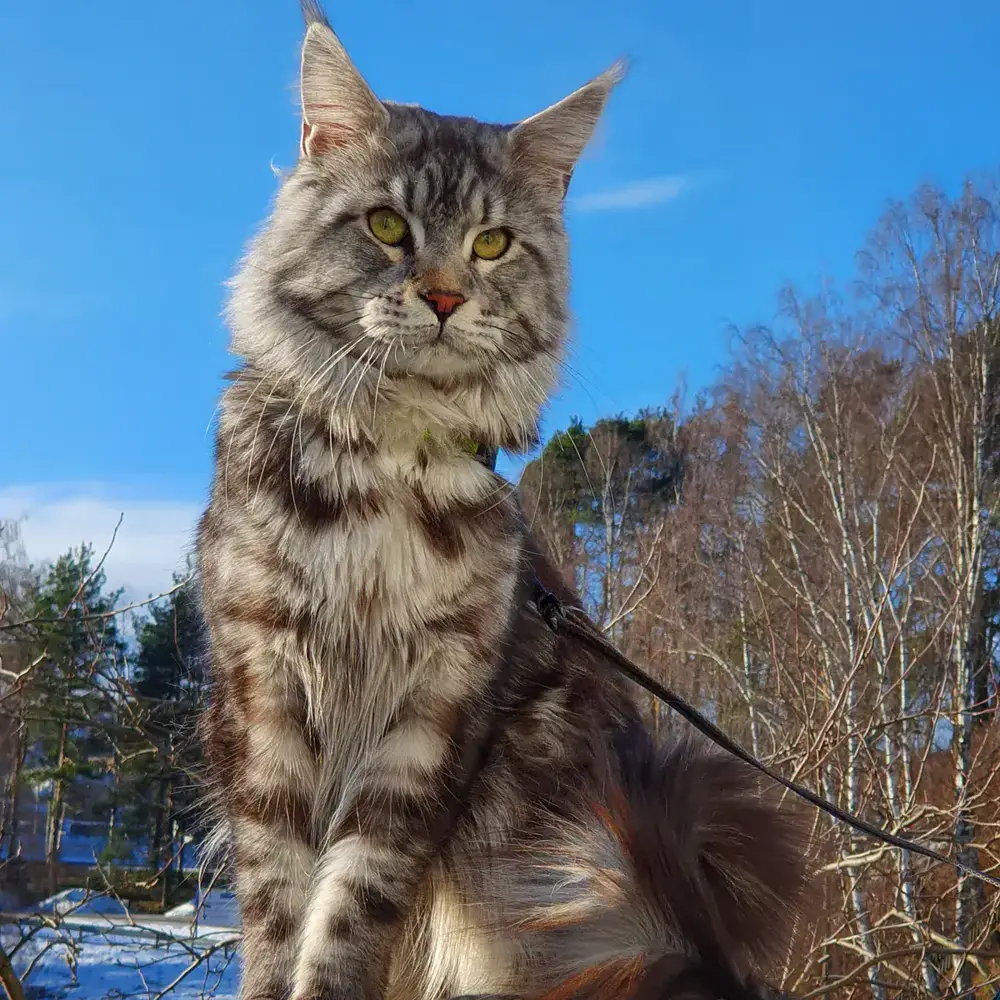
Ask experienced breeders what they look at first and most will say the head, not the size. A Maine Coon head is medium in width and slightly longer than it is wide, with high cheekbones and a muzzle that is visibly square and blunt-ended. The profile should show a gentle concave curve — a soft ski-jump shape from forehead to nose — rather than a straight line or a round, domed forehead.
That combination is much harder to find by accident than long fur or big size. Owners on Reddit put it simply: the cats that turn out to be genuine Maine Coons or close mixes are usually the ones whose faces look “built” — angular and structured — rather than simply round and fluffy.
Size and Weight: Big, But Slow to Get There
Maine Coons are one of the largest domestic cat breeds, and size is usually what makes people ask the question in the first place. As a general guide, adult males commonly weigh around 13 to 18 lb and adult females around 9 to 13 lb, with some large males going beyond that range, and they can stretch up to around 40 inches from nose to tail tip.
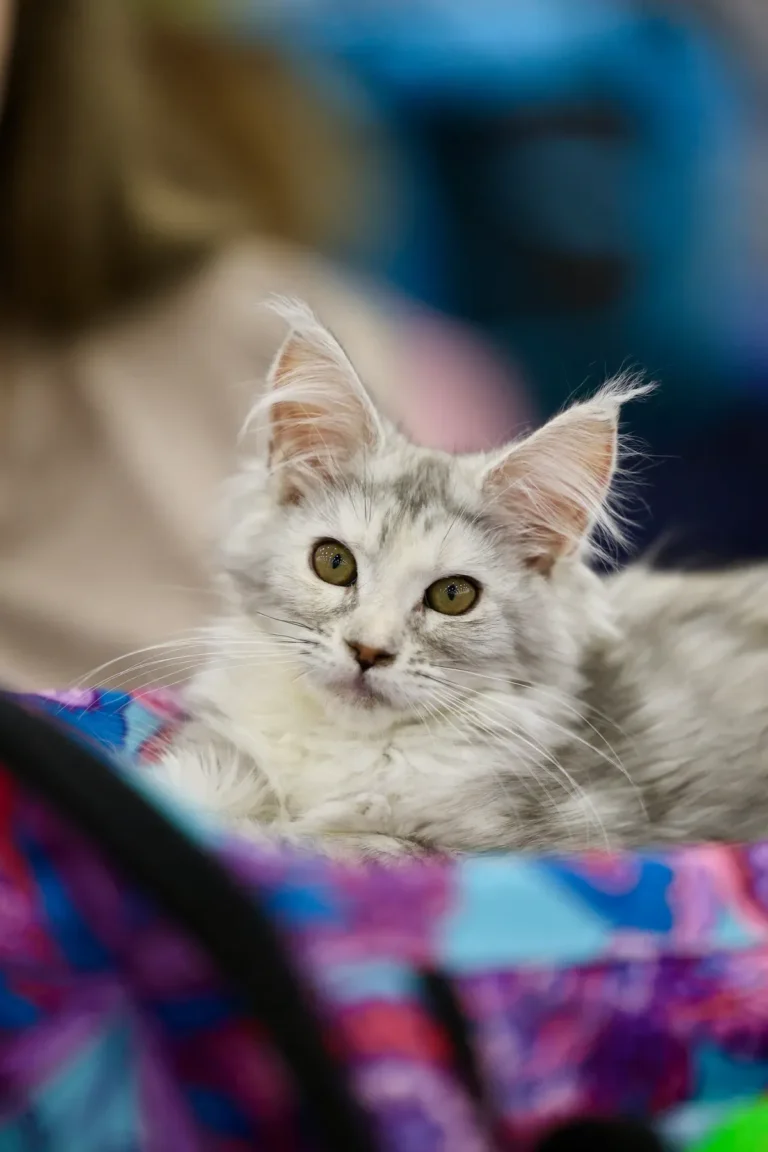
Maine Coons also mature slowly, often not reaching full size and full coat until three to five years old, so a one-year-old that still looks leggy and unfinished is exactly what you would expect. See our Maine Coon size comparison for adult measurements next to other breeds. But size alone proves nothing without the right shape — long rectangular body, broad chest, substantial boning.
Ears, Lynx Tips, and Ear Furnishings
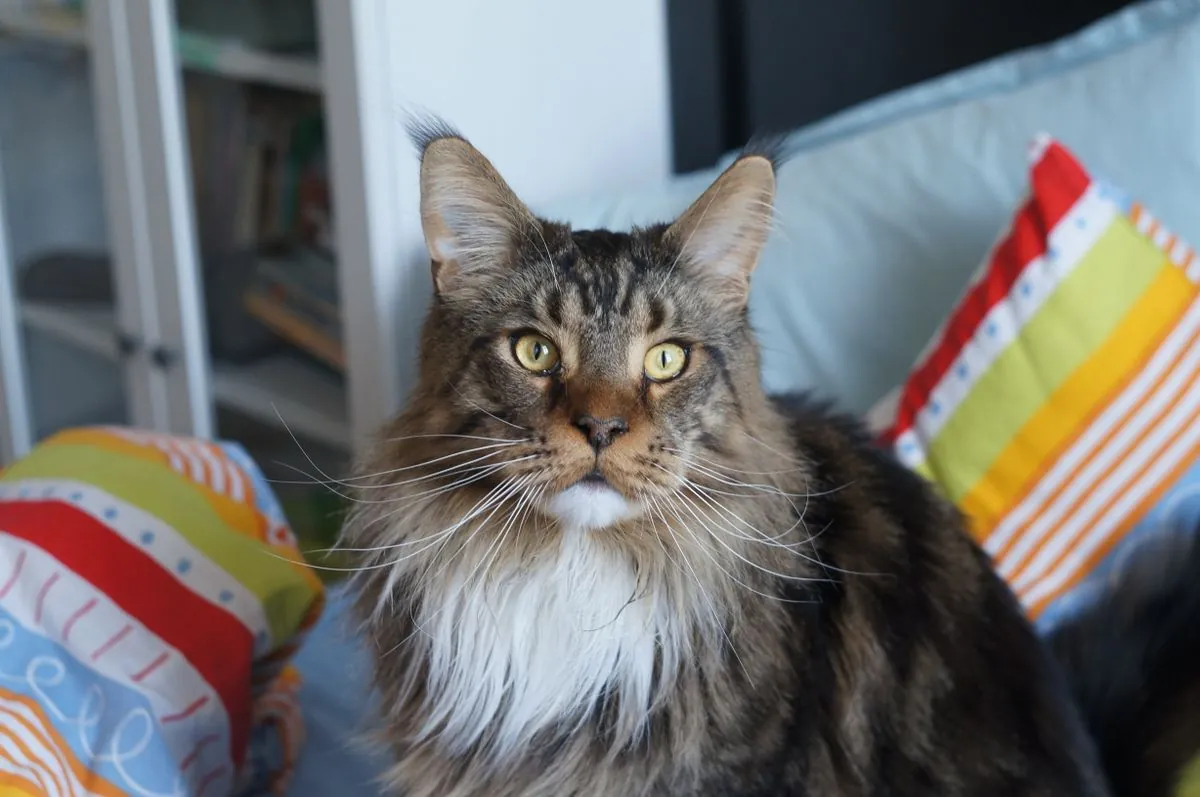
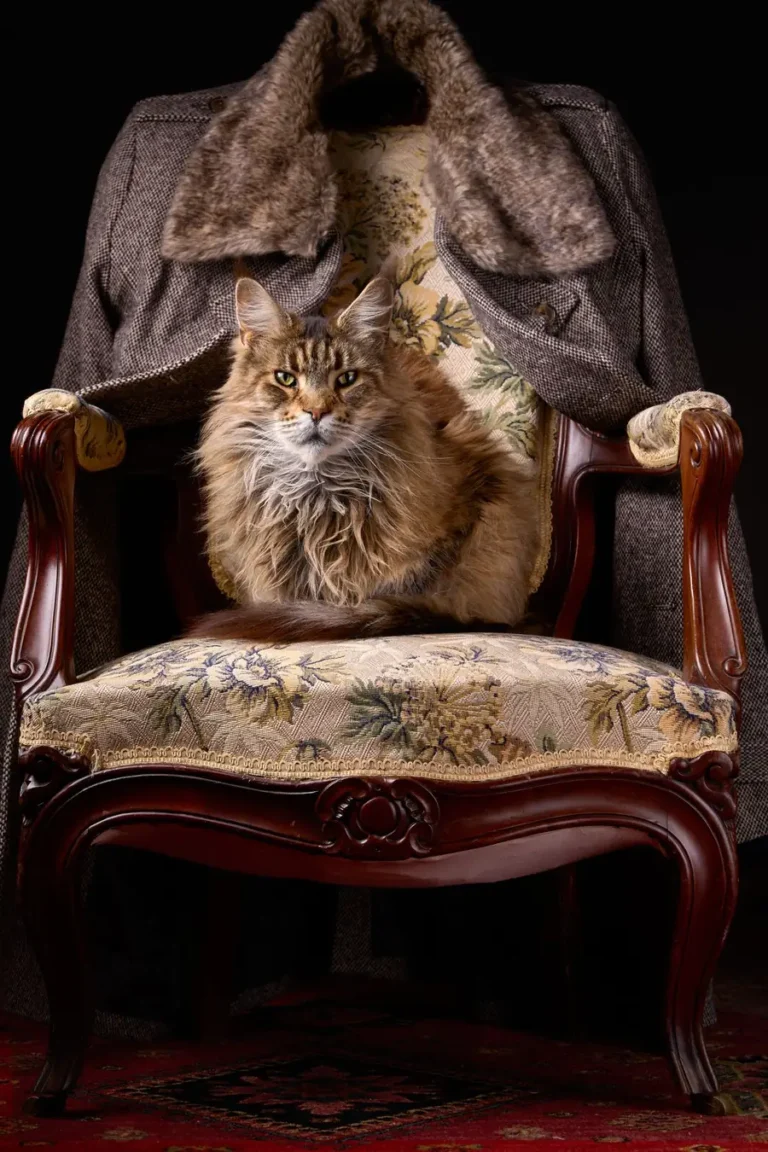
The ears are the feature most people photograph first. Maine Coon ears are large, wide at the base, set high on the head about one ear’s width apart, and taper to a point. Inside the ear you should see dense furnishings — long hair growing out of the ear itself. On top, many Maine Coons carry lynx tips: tufts of fur that extend above the ear tip and point upward, giving the cat a faintly wild look.
Owners on Instagram note not every pedigreed Maine Coon has dramatic lynx tips — the standard treats them as desirable, not pass-or-fail. Treat ear tufts as supporting evidence, not proof. Tall, wide-based ears with visible furnishings tick a real Maine Coon box; small, round, low-set ears point away from the breed.
The Tail and the Coat
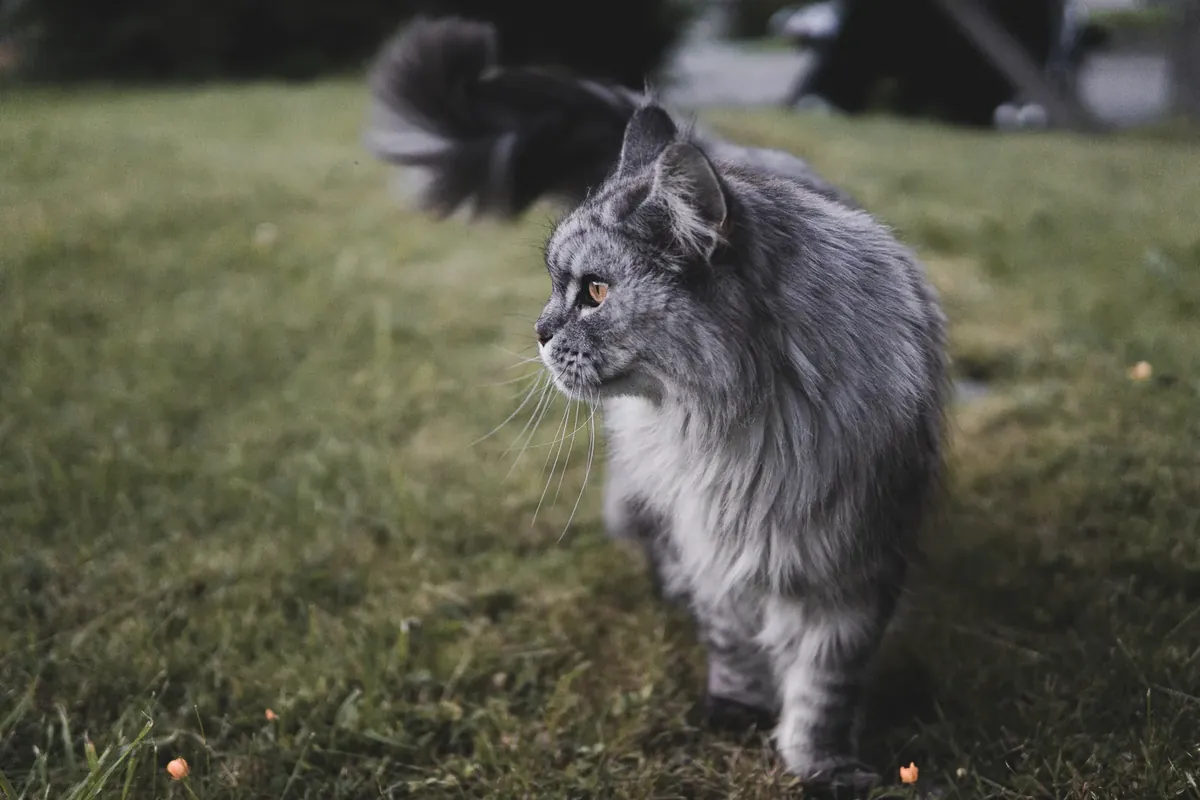
A Maine Coon tail should be long — ideally long enough to reach the shoulder when you gently bring it forward along the body — wide at the base, tapering toward the end, and covered in long, flowing fur. The tail is a dependable check: it is noticeably long and heavy for the body.
The coat is semi-long, dense, and shaggy — and crucially, uneven. The fur is shorter over the shoulders and gradually longer toward the rear, with a shaggy ruff around the neck, longer fur on the belly, and full “britches” on the back of the hind legs. See the Maine Coon breed’s origin for where this build came from.
Paws and Legs
Look down at the feet. Maine Coon paws are large, round, and well-tufted, with tufts of fur poking out between the toes — natural snowshoes for a cat bred to walk through Maine winters. The standard toe count is five in front and four behind. Some Maine Coons have extra toes: polydactyly was historically common in the breed, and The International Cat Association still recognises the Maine Coon Polydactyl as its own breed group. If your cat does have extra toes, our guide to the Maine Coon polydactyl explains what it means.
Behaviour: The Chirp, the Shadow, and the Water
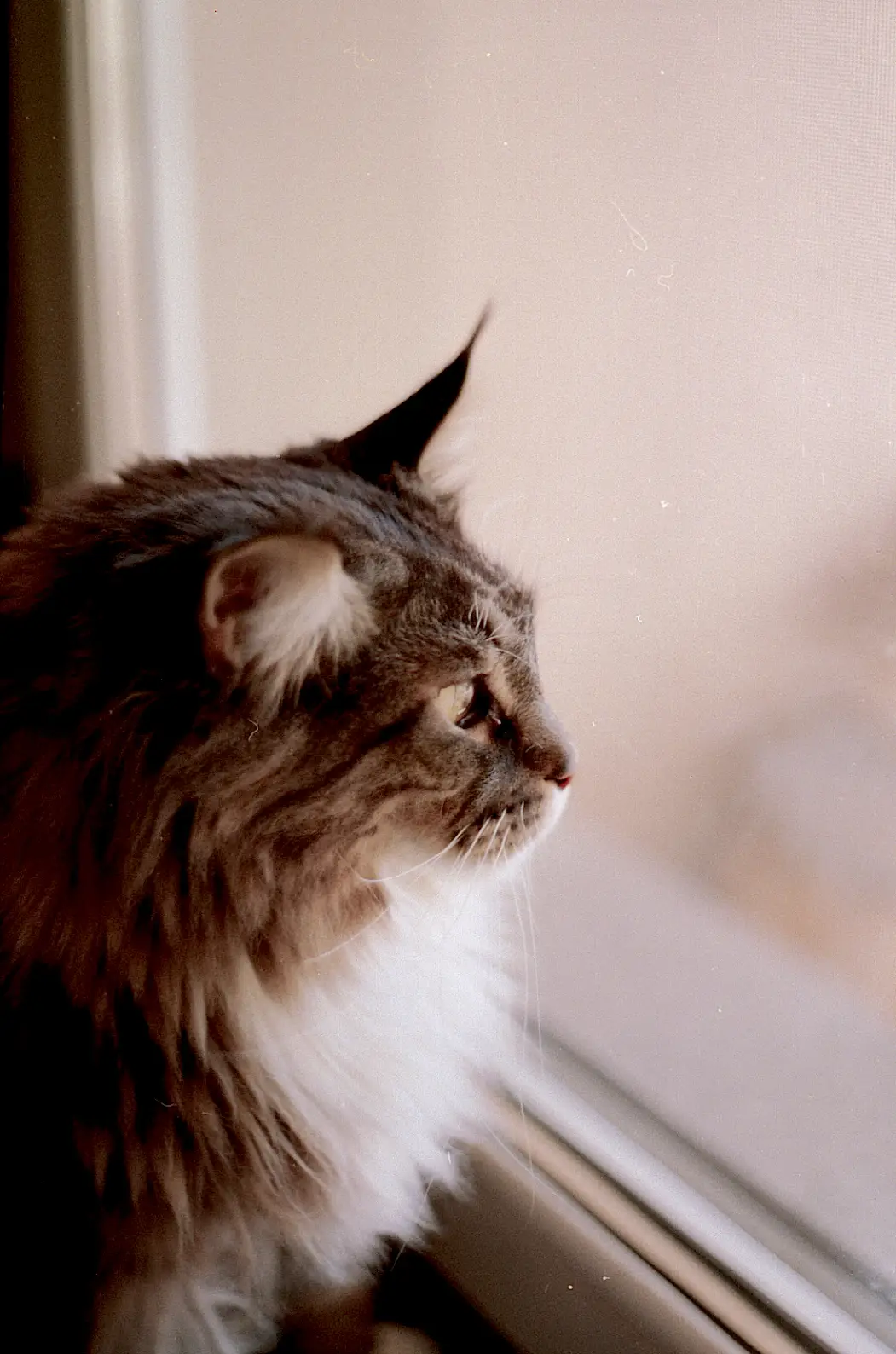
Behaviour often convinces owners before any measurement does.
The voice. Maine Coons rarely rely on a plain meow. Instead they chirp and trill — a short, rolling, birdlike sound they use as a greeting, a comment on what you are doing, or an announcement that they have entered the room. Owners on Facebook and Reddit say their cats trill all day and hold back-and-forth conversations, and breeders on YouTube call the trill a signature sound. A cat that chirps at birds through the window and answers when you talk to it is showing a very Maine Coon habit
The shadow. Maine Coons are famously dog-like in their attachment. They follow their people from room to room, wait outside the bathroom door, greet you at the door when you come home, and settle nearby rather than in another room.
The water. A Maine Coon that dips a paw in its water bowl, splashes at a running tap, or tries to supervise your shower is showing another classic breed trait. Combined with the chirping and the following, it builds a consistent picture.
What Does NOT Prove Your Cat Is a Maine Coon
Be honest with yourself here, because this section saves people from the most disappointment. Coat colour alone proves nothing. Maine Coons come in almost every colour and pattern except pointed colouring, and the classic brown tabby is the most common — but brown tabby is also the most common pattern in domestic cats generally. Big size alone proves nothing. A large domestic longhair, an overweight cat, or a big-boned mixed breed can all reach Maine Coon weights. What matters is size with the right shape. Long fur alone proves nothing. A fluffy coat with a ruff and toe tufts appears in several breeds. A seller’s word proves nothing. Without pedigree papers from a registered breeder, the honest label is “Maine Coon type” or “possible Maine Coon mix.”
Maine Coon vs the Lookalike Longhairs
If your cat is big and fluffy, the most likely alternatives are the Norwegian Forest Cat, the Siberian, and the ordinary domestic longhair. The CFA guide to the three forest cats puts it simply: if the cat makes you think of squares and rectangles, you are most likely looking at a Maine Coon. A Norwegian Forest Cat has a triangular head with a straight nose profile; a Siberian has a rounder head, a bigger ruff, and a shorter, blunter-tipped tail. The TICA Maine Coon breed standard sets out the same points formally.
Then there is the domestic longhair, the most common answer of all: a mixed-breed cat that can inherit long fur, ear tufts, and a large frame from anywhere in its ancestry. For a rescue with no known background, a domestic longhair with Maine Coon-like features is the most likely explanation. Our guide to the American Shorthair Maine Coon mix shows how mixed heritage usually expresses itself.
When Is a DNA Test Worth It?
A DNA test is worth considering if you want a clearer answer than a visual checklist can give, or if you want the health information that comes with it. A cheek-swab test compares your cat’s DNA against a reference panel of pedigreed cats and reports which breeds its genetics most resemble. Read the result as a breed-similarity estimate, not a pedigree certificate: it is most reliable when a parent or grandparent was a registered purebred, and fuzzier for older, more diluted ancestry.
The genuinely useful part of a DNA test is often the health screening. The same report can flag known genetic variants linked to inherited conditions — information worth sharing with your vet. Cornell notes that hypertrophic cardiomyopathy, the most common heart disease of cats, is more prevalent in Maine Coons than in most breeds. Buy it for curiosity and for health information, not for a certificate, and ask your vet to help you interpret it.
What to Do If Yours Is a Mix
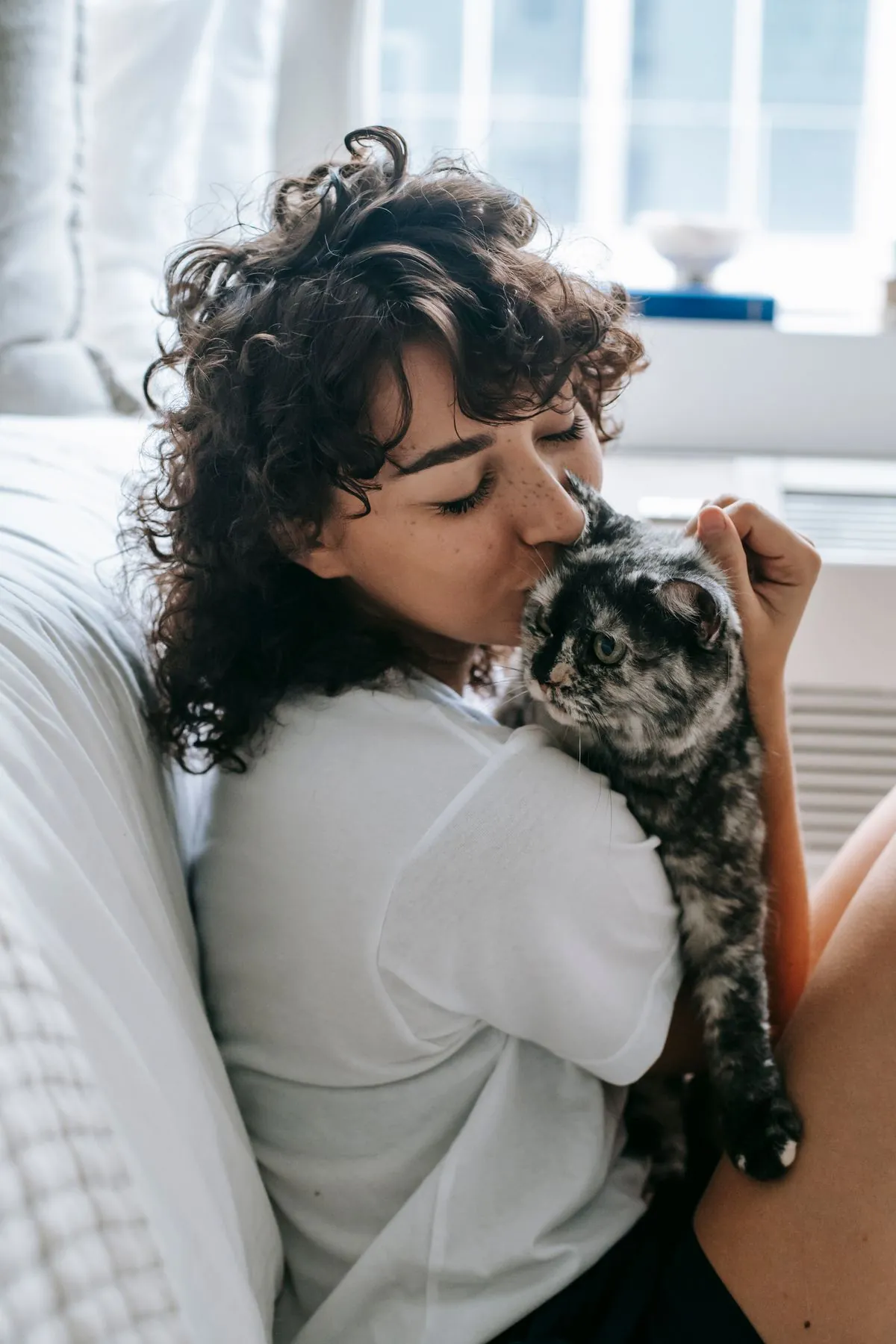
Most cats that prompt this question turn out to be mixes, and that is good news, not bad. A Maine Coon mix still gets the size, the shaggy coat, the chirping, and the dog-like companionship that made you ask in the first place. Care does not change with the label: the same grooming, sturdy scratching posts, large litter box, play, and routine vet care. Only pedigree papers from a registered breeder settle it for certain. For a rescue or a found cat, the honest and happy answer is usually “Maine Coon type” or “Maine Coon mix.”
Frequently Asked Questions
How can I tell if my cat is a Maine Coon without a DNA test?
Look for the combination, not one feature: a large, long, rectangular body; a square muzzle with high cheekbones; large, wide-based ears with furnishings and lynx tips; a long, flowing tail; a shaggy, uneven coat; tufted paws; and a chirping, dog-like temperament. The more of these your cat shows together, the more likely there is Maine Coon heritage
Do all Maine Coons have ear tufts and lynx tips?
No. Ear furnishings are common and lynx tips are desirable, but not every Maine Coon has prominent tips. Their absence does not rule one out.
Is my big tabby cat a Maine Coon?
Not necessarily. Brown tabby is the most common Maine Coon pattern, but it is also the most common pattern in domestic cats generally, and colour alone is not a breed test. Check head shape, body shape, tail length, and temperament too.
At what age is a Maine Coon fully grown?
Maine Coons mature slowly and typically do not reach their full size and full coat until they are three to five years old. A young cat that still looks unfinished is normal for the breed
Can a rescue cat be a purebred Maine Coon?
It is possible but uncommon. A genuine purebred without papers is very hard to verify, and most rescues described as Maine Coons are Maine Coon mixes or domestic longhairs with Maine Coon-like features. Only pedigree papers from a registered breeder confirm a purebred.
The Honest Answer
So, how to tell if your cat is a Maine Coon? Check the head first, then the body, the ears, the tail, the coat, and the paws — and then listen to the cat. If the shape is rectangular and square-muzzled, the ears are tall and furnished, the tail reaches the shoulder, the coat is shaggy and uneven, and the cat follows you around trilling like a small songbird, you very likely have Maine Coon heritage on your hands. The PetMD Maine Coon breed guide and the VCA Maine Coon breed page are solid, vet-reviewed starting points.