Calico Maine Coon: Rare Patterns, Genetics and Care
There is a moment every cat lover knows: you see a long-haired cat with bold patches of white, orange, and black, ear tufts catching the light, and you stop and stare. A calico Maine Coon is that moment in cat form. She is not a separate breed, but a Maine Coon wearing one of the most eye-catching coats in the cat world. If you are thinking about bringing one home, or you already share your sofa with one, it helps to understand what the pattern actually is, why it works the way it does, and what that glorious coat needs from you.
I have spent years around Maine Coons of every colour, and the calico girls always draw a crowd. Owners on Facebook post photos of their calico kittens and the comments fill up within minutes: heart emojis, people asking about the markings, owners sharing stories of calico cats that lived long, much-loved lives. Part of the appeal is simple beauty. But a good part of it is the story underneath the coat, a story written on the X chromosome, and it is worth knowing before you go looking for one.
What Is a Calico Maine Coon?
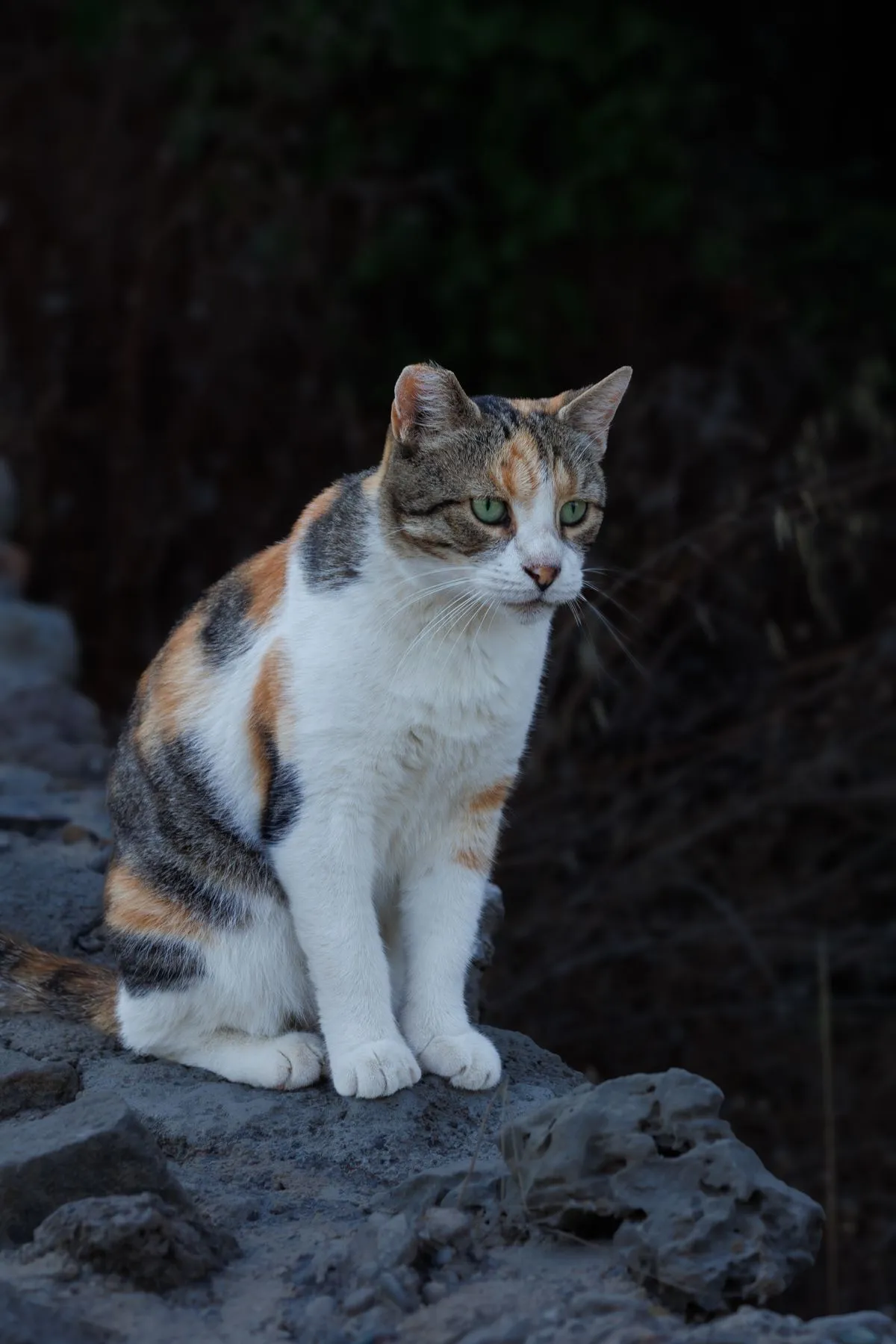
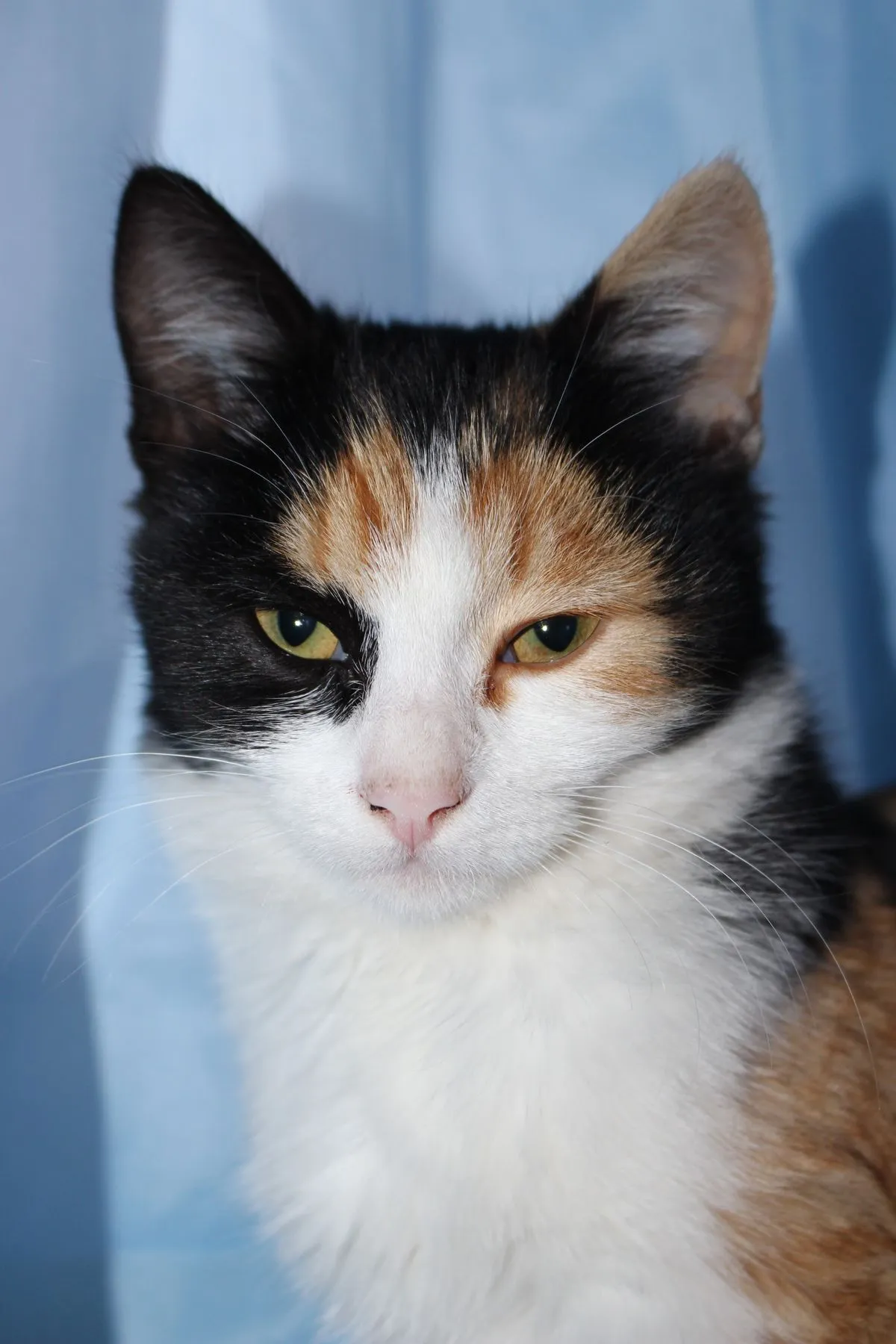
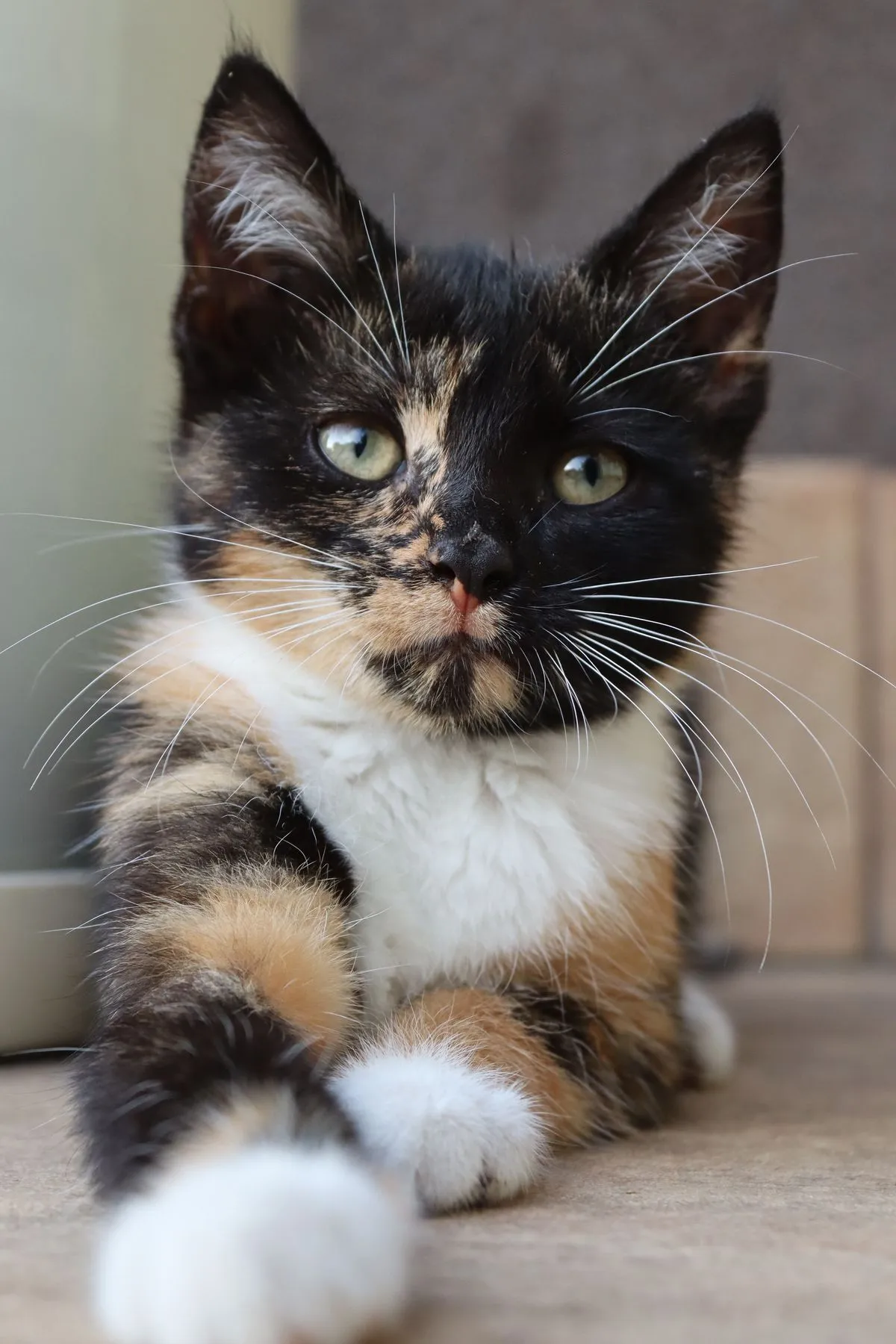
A calico Maine Coon is a Maine Coon cat whose coat shows three colours: white, black, and orange, in distinct patches. Calico is a pattern, not a breed, and not a colour on its own. The Cat Fanciers Association defines calico for the Maine Coon as white with unbrindled patches of black and red, with white predominant on the underparts, and the breed standard accepts calico among the many recognised Maine Coon colours and patterns. You can read the full Maine Coon breed standard on the Cat Fanciers Association website, which lists calico and dilute calico alongside the other parti-colour classes.
That three-colour rule is the whole test. A cat with black and orange but no white is not a calico. A cat with white and black but no orange is not a calico. A cat with white and orange but no black is not a calico either. All three colours must be there, in clear patches, on a white base. The patches can be big and bold or small and scattered, and no two calico cats ever have the same arrangement. That is part of the charm: every calico Maine Coon is a one-off, and breeders cannot order a particular pattern in advance.
It is also worth saying plainly that a calico Maine Coon is a Maine Coon first. Under the patches she has the same build, the same slow growth, the same ear tufts and lynx tips, the same chirping voice, and the same gentle, dog-like temperament as any other Maine Coon. The pattern changes the coat, not the cat. If you want the wider picture of what colours this breed comes in, my guide to Maine Coon colours covers the full range, from solid black to silver.
Why Are Calico Maine Coons Almost Always Female?
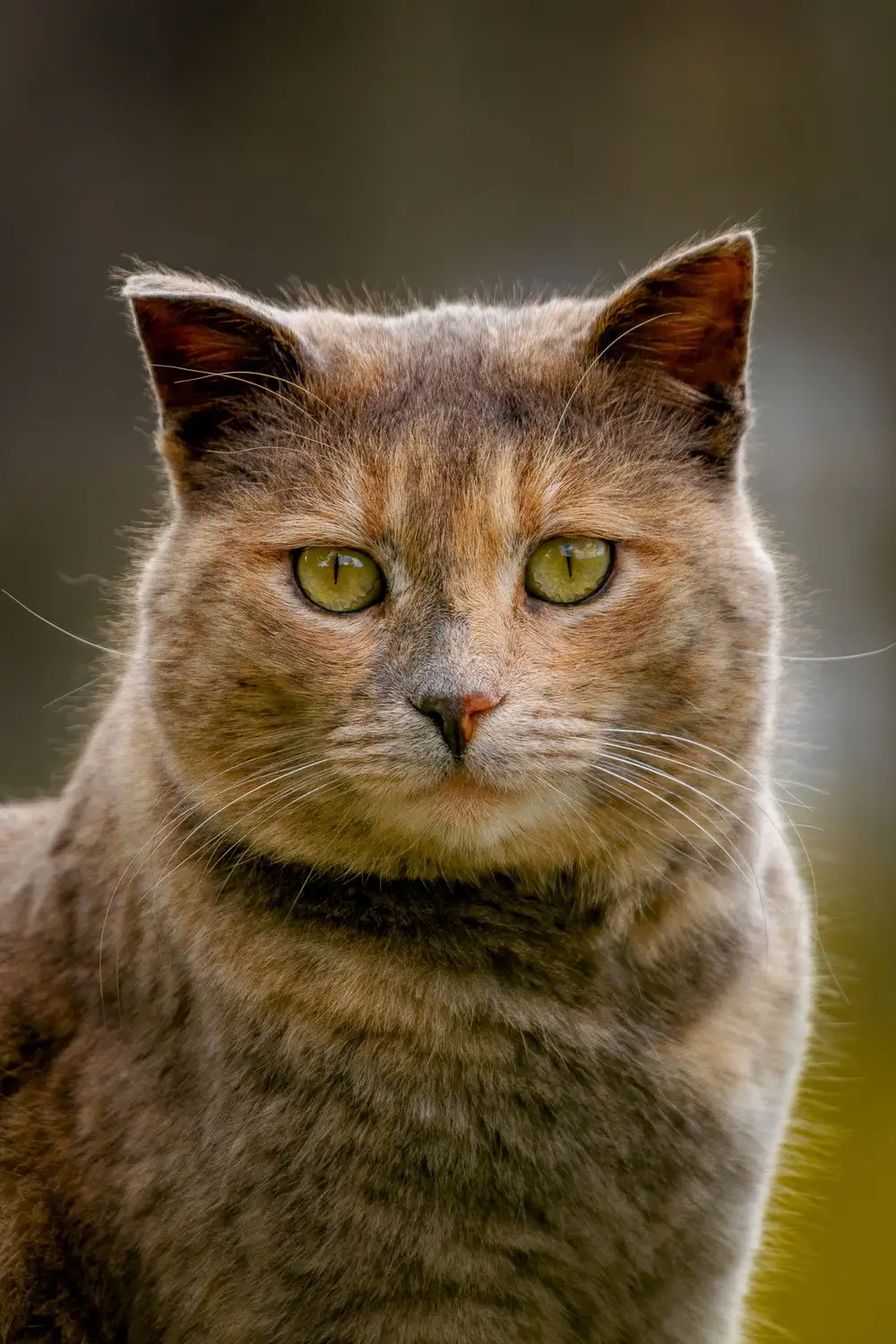
This is the question everyone asks, and the answer is one of the nicest pieces of genetics a cat owner can learn. The gene for orange fur lives on the X chromosome. Female cats have two X chromosomes, one from each parent. Male cats have one X and one Y. For a cat to show both black and orange fur, she needs two X chromosomes carrying different colour instructions, which is why almost all calico cats are female.
Here is how it works in plain language. Early in a female kitten’s development, one X chromosome is switched off at random in each cell. In some patches of skin, the X carrying the black instruction stays active; in others, the X carrying the orange instruction stays active. The result is a patchwork: black patches where one X won, orange patches where the other won, all laid over the white base that comes from a separate white spotting gene. Because the switch-off is random, the pattern is random too, which is why calico markings are never repeated.
Male calicos are possible but extremely rare. A male cat would need two X chromosomes to carry both colour instructions, which usually means an extra chromosome, a condition known as XXY. Veterinary sources often cite roughly one in 3,000 calico cats as male, and those males are almost always sterile and are not used for breeding. So if someone offers you a male calico Maine Coon, treat the claim with care and ask for proper documentation, because genuine male calicos are genuinely scarce. Cornell University’s College of Veterinary Medicine explains the X-chromosome mechanism in its feline health resources, and it is the same explanation your vet will give you. You can explore their cat health information at the Cornell Feline Health Center.
None of this is something a breeder can control. A breeder can pair a calico queen with a suitable stud, but whether the kittens come out calico, and how the patches fall, is down to that random X inactivation. Breeders on YouTube are honest about this: calico kittens are a happy accident of genetics, not a product you can order to specification, and any breeder who promises an exact pattern is promising something nature does not guarantee.
Calico vs Tortoiseshell vs Torbie: The Difference
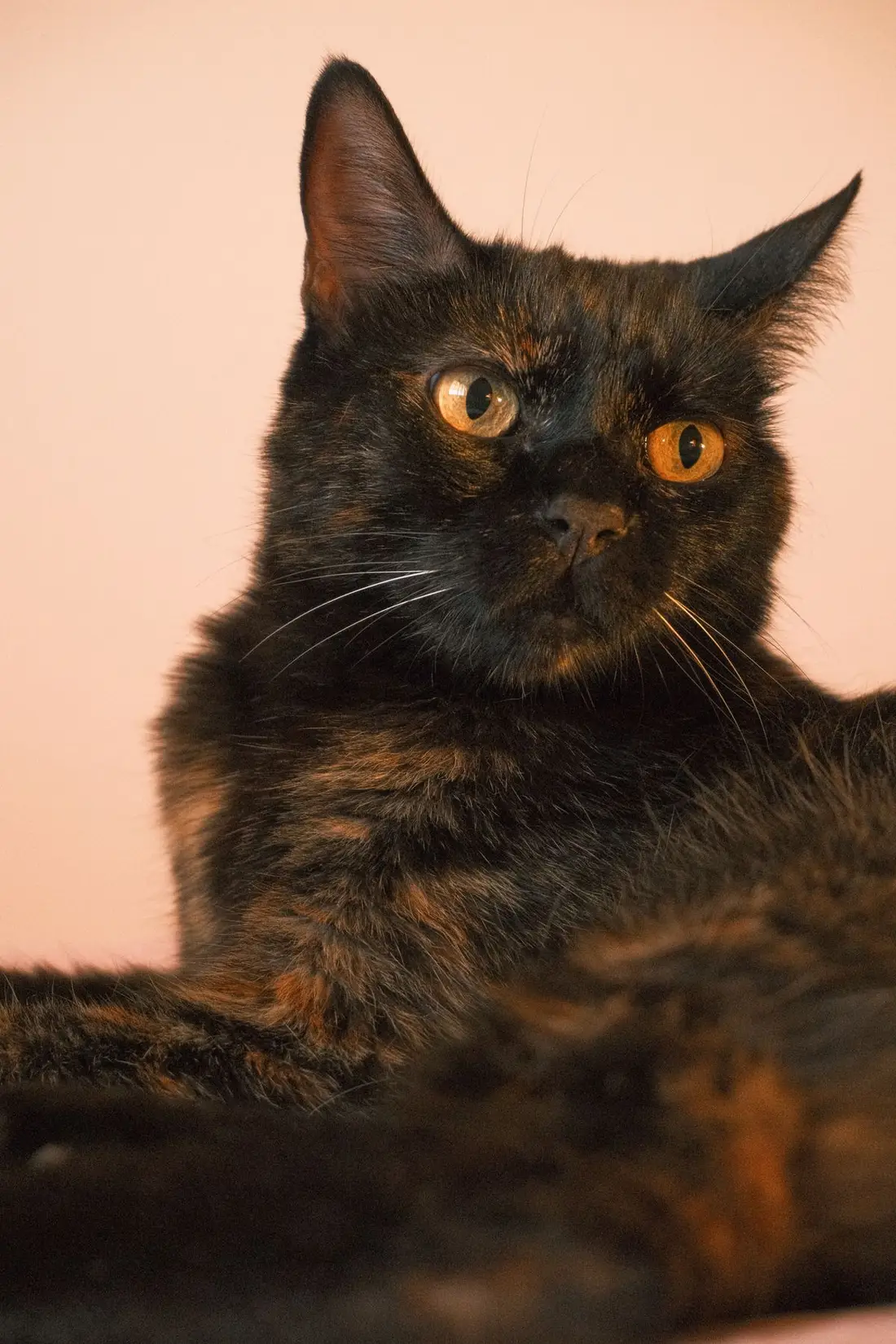
Calico gets mixed up with two close cousins, and the differences are simple once you see them side by side. A tortoiseshell, or tortie, has black and orange mingled together with little or no white. A calico is essentially a tortoiseshell with white added: the same black and orange, but in clean, separate patches on a white base. The white spotting gene is the ingredient that turns a tortie into a calico.
A torbie is different again: a tortoiseshell with tabby striping, where you can see tabby markings inside the coloured patches. My guide to the torbie Maine Coon explains that pattern in full, because torbie and calico are the two patterns owners confuse most often. The quick check is the white. Big areas of clean white plus distinct black and orange patches means calico. No white, or only a tiny locket, with black and orange swirled together means tortoiseshell. Tabby stripes running through the colours means torbie.
The dilute calico follows the same rules with softer colours: white with patches of blue, which is the dilute form of black, and cream, which is the dilute form of orange. A dilute calico Maine Coon looks like a watercolour version of the classic pattern, all soft grey-blue and pale cream on white. She is genetically the same kind of cat, just wearing the pastel version of the coat.
Temperament: Myth vs Reality
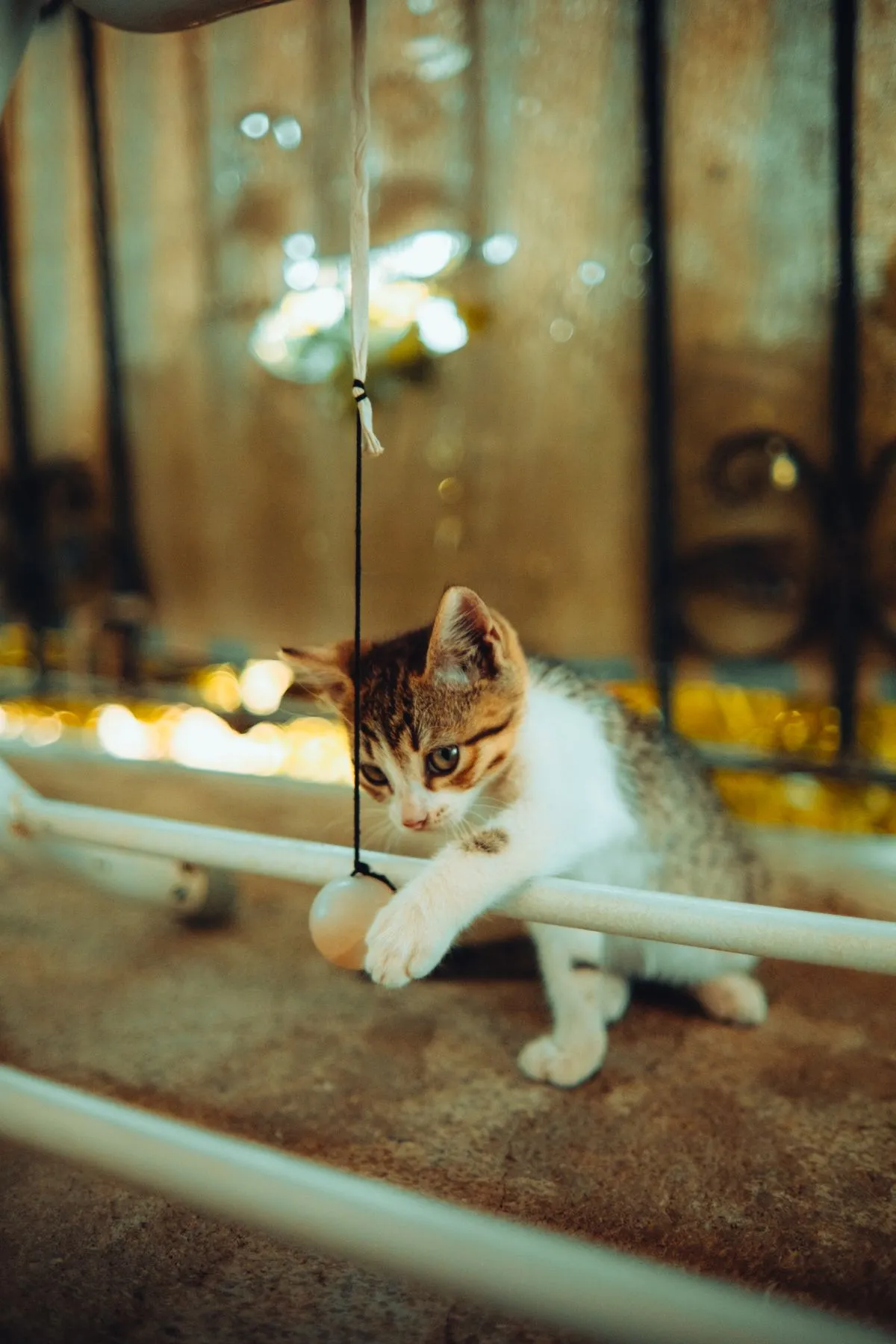
Here is where I want to be careful, because calico cats carry a lot of folklore. You will hear that calicos are feisty, stubborn, strong-willed, or that they have tortitude, the famous tortoiseshell attitude. Some owners swear their calico girl runs the house. Others will tell you their calico is the softest, sleepiest cat they have ever owned. Both can be true, because temperament comes from the individual cat, her breeding, her socialisation, and her home, not from her coat pattern.
There is one study owners sometimes quote: a UC Davis survey of cat owners that found people reported more frequent aggressive behaviours in calico and tortoiseshell cats during everyday handling. It is worth knowing about, but it is also worth knowing its limits: it measured what owners reported, not what the cats were born with, and many vets and behaviourists point out that people may simply notice and remember feisty moments more in a cat they already expect to be feisty. Coat colour does not wire a personality. I have met bold calicos and shy calicos, chatty calicos and quiet ones, and the pattern predicted none of it.
What a calico Maine Coon does predictably have is the Maine Coon temperament underneath: sociable, gentle, people-oriented, and famously tolerant. That is the breed, and it is the breed that matters when you are choosing a companion. If you want the myths separated from the facts properly, my Maine Coon myths debunked guide takes on the raccoon stories, the size stories, and the rest. Do not choose a calico expecting a fiery personality, and do not avoid one fearing it either. Meet the kitten, watch how she plays, and judge the cat in front of you.
Grooming and Care for a Long Calico Coat
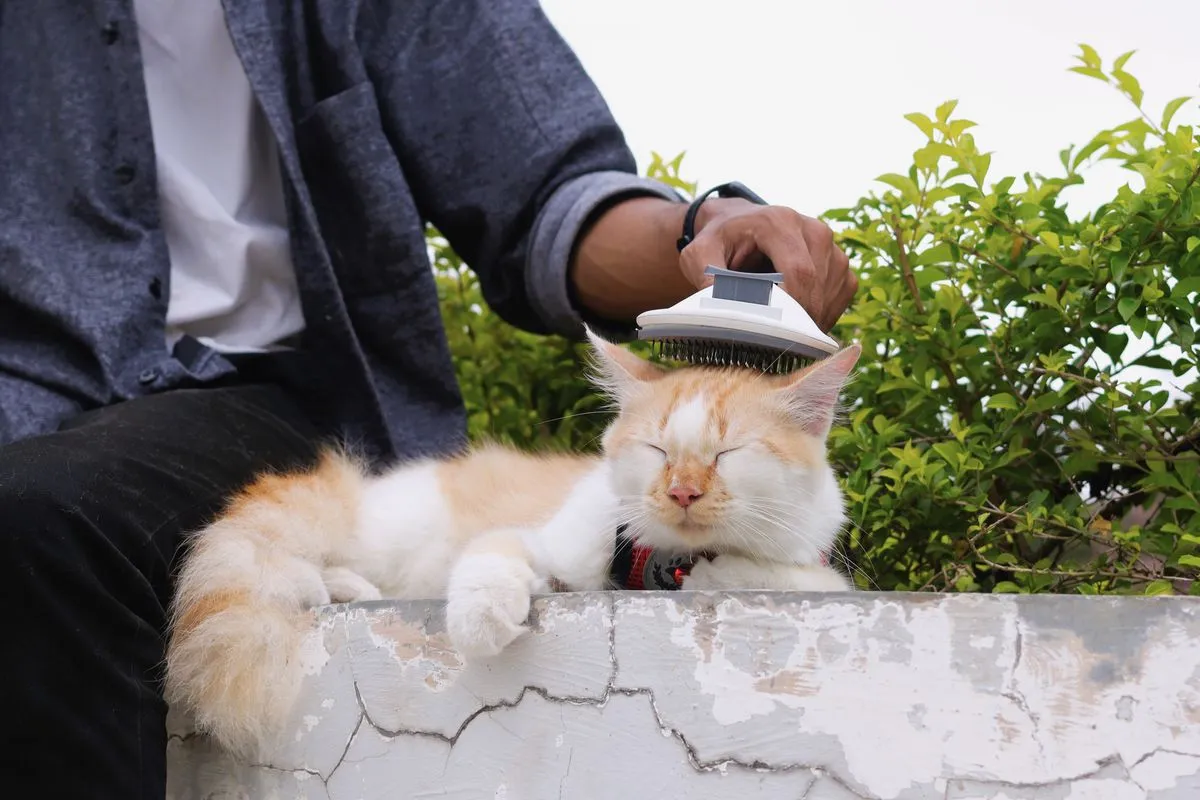
A calico Maine Coon needs exactly the same care as any other Maine Coon, but the coat deserves a little extra attention because it is long, dense, and very good at hiding tangles. The white patches show dirt more easily, the orange patches can look dull if the coat is dry, and the thick ruff and britches mat first, usually behind the ears and under the legs. I brush mine two or three times a week, more in shedding season, working in sections with a wide-toothed comb and checking the armpits and belly where mats love to start.
Bathing is occasional, not routine, and only with a cat-safe shampoo. A bath can help before a show or after a muddy adventure, but too much bathing strips the coat’s natural oils and makes it harder to manage, not easier. After a bath, dry the coat thoroughly, because a damp Maine Coon undercoat can mat while it dries and can leave the cat chilled.
Eyes are the other feature people ask about. Calico Maine Coons commonly have green or gold eyes, and some have odd eyes, one blue and one green or gold, particularly where there is a lot of white in the coat. Eye colour does not need any special care beyond a gentle wipe if there is discharge, which I cover in my guide to Maine Coon eye colors. If you ever notice cloudiness, squinting, or a sudden change in an eye, that is a vet visit, not a grooming question.
Feeding, play, and vet care are the same as for any Maine Coon: good-quality food in the right amount for her size and age, daily play that suits a big athletic cat, and regular vet checks including dental care. The coat is the only part of calico ownership that asks for more of your time, and honestly, most owners find the brushing sessions become one of the best parts of the day.
Finding a Calico Maine Coon
If you have your heart set on a calico, be patient and be careful. Because the pattern cannot be planned, calico kittens appear when they appear, and a good breeder will not promise you one from a litter that has not been born yet. Expect a wait, and expect the breeder to ask you as many questions as you ask them. That is a good sign. A breeder who offers a calico kitten instantly, at a suspiciously low price, or without health screening paperwork, is a breeder to walk away from.
Ask to see the kitten’s parents where possible, ask what health screening has been done, and ask to see the kitten moving and playing rather than just posing for a photo. A genuine calico Maine Coon should have the breed’s shape and features, not just the colours: the long rectangular body, the big ears with tufts, the shaggy coat, and the slow, steady growth. Colours alone do not make a Maine Coon, and a short-haired or fine-boned cat in calico colours is a lovely cat, but she is not a Maine Coon. The International Cat Association also recognises the Maine Coon and its colours, and its breed pages are a useful cross-check when you are learning the standard. You can find them at The International Cat Association.
One last caution, and it matters: never buy a cat from a photo alone, and never pay in full before you have met the kitten or at least had a live video call with the breeder. Calico Maine Coons are popular enough to attract scams, and the prettiest photo in the advert is not proof of anything. A real breeder will welcome your questions, show you the kitten on camera, and give you time to think. Take that time.
Frequently Asked Questions
Are calico Maine Coons rare?
They are uncommon rather than truly rare. The pattern only appears when the genetics line up, and it almost always appears in females, which limits how often it shows up in any litter. Calico Maine Coons are harder to find than solid or tabby Maine Coons, and you may wait longer for one, but they are not so rare that you should pay an extreme premium or rush into a bad deal.
Are all calico Maine Coons female?
Almost all of them, yes. The orange and black colour genes sit on the X chromosome, and a cat needs two X chromosomes to show both colours, which normally means female. Male calicos are extremely rare, roughly one in 3,000, and they usually have an extra X chromosome and are almost always sterile.
What is the difference between a calico and a tortoiseshell Maine Coon?
A tortoiseshell has black and orange mingled together with little or no white. A calico has the same black and orange in distinct patches on a white base. The white spotting gene is what turns a tortoiseshell pattern into a calico pattern. A dilute calico swaps the black and orange for soft blue and cream.
Do calico Maine Coons have a different temperament?
There is no reliable evidence that coat colour sets temperament. Some owners report their calico girls as feisty, and one owner survey did find more reported feistiness in calico and tortoiseshell cats, but that measured owner reports rather than anything proven in the cats themselves. A calico Maine Coon has the same gentle, sociable Maine Coon temperament as any other Maine Coon, and individual personality varies far more than any pattern predicts.
How do I groom a calico Maine Coon coat?
Brush two or three times a week with a wide-toothed comb, paying attention to the ruff, belly, armpits, and behind the ears, where mats form first. Bathe only occasionally with a cat-safe shampoo, and dry the coat fully afterwards. The white patches show dirt more easily, so regular brushing keeps the whole patchwork looking its best.